Best Time to Visit Granada Without Crowds (2026 Season Guide)
Find the best time to visit Granada without crowds, from quiet January weeks to the November shoulder gap, plus 2026 Alhambra booking windows and prices.
On this page
Best Time to Visit Granada Without Crowds
Last updated July 2026. The best time to visit Granada without crowds falls across January, February, and November, when Alhambra queues thin and the Albaicín's viewpoints stay quiet. Weather trades some warmth for empty plazas, and hotel rates drop well below the Semana Santa and summer peaks. Matching a travel week against Spain's holiday calendar, not just the thermometer, is the real key to a low-crowd Granada trip.
The Quick Answer: Best Time to Visit Granada Without Crowds
January, February, and November hold the lowest foot traffic in Granada. These months skip Spain's two biggest crowd triggers: Semana Santa and the July-August European vacation surge. The golden rule for timing a visit is straightforward. Avoid any week where a national or regional holiday overlaps mild spring or fall weather. That overlap is exactly when the Alhambra, the Albaicín, and Plaza de San Nicolás fill fastest. Granada's crowd pattern tracks the Spanish holiday calendar more closely than it tracks the weather, so checking a calendar of Spanish public holidays matters as much as checking a forecast.
- January-February: coldest, quietest, clearest Sierra Nevada views
- November: mild days, thin crowds, gardens still green
- Early March: a short window before Semana Santa bookings spike
Deep Winter: January and February for the Emptiest Streets
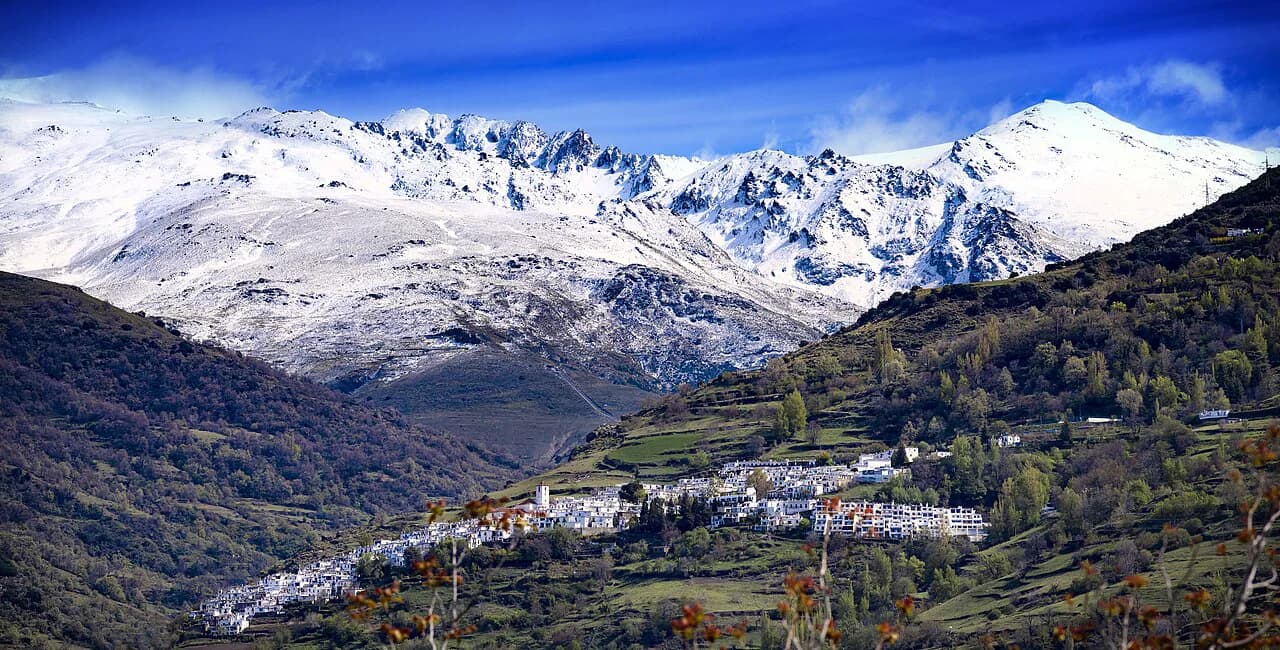
Deep winter brings Granada's thinnest crowds of the year. Mornings often start near 5°C (41°F), warming to daytime highs around 12°C (54°F). Clear, dry air makes the Sierra Nevada visible from the Alhambra's terraces on most days. The Albaicín's narrow lanes empty out by mid-afternoon. Plaza de San Nicolás holds only a handful of visitors at sunset, not the packed railing of a July evening. Hotel occupancy sits at its lowest point of the year, which also means shorter queues at opening time for ticketed sites. Tapas bars around Plaza Nueva keep normal hours but seat walk-ins far faster than in spring or summer.
The Shoulder Gap: November and Early March Trade-Offs
November and the first weeks of March form a genuine shoulder gap. Daytime highs run around 16°C (61°F), comfortable enough for a full day on foot. Crowds stay closer to winter levels than to the spring surge that begins once Semana Santa bookings open. Mornings can still dip toward single-digit Celsius readings, so a warm layer still matters even as afternoons feel mild. The trade-off is timing. Wait too long into March and both prices and foot traffic climb fast as Easter week approaches. Booking accommodations before mid-March keeps a trip inside the shoulder-season window instead of drifting into the spring rush.
The Heat vs. Crowd Paradox: July and August
July and August bring Granada's most extreme heat, with afternoon highs regularly near 35°C (95°F). That heat pushes some midday street traffic off the main squares and into shaded terraces and air-conditioned interiors. It does not reduce overall visitor volume. July and August remain peak season for European school-holiday travel. Alhambra tickets sell out weeks in advance during these months, heat or no heat. Evenings cool only to around 22°C (72°F), which keeps late-night plazas busy well past dinner. Treat summer as a season for early-morning and late-evening sightseeing, with a midday break, rather than as a genuinely quiet season.
Coach-tour day-trippers operate on the same mid-morning through early afternoon schedule throughout the year, so July-August heat does not create a quieter window despite pushing midday crowds indoors.
Peak Periods to Avoid: Semana Santa, Corpus Christi, and Puentes
Three recurring peaks override any general seasonal pattern. Semana Santa, Spain's Easter Holy Week, fills the historic center with processions and visitors from across the country. In 2026 it falls in the final days of March into early April. Corpus Christi in early June draws a second, smaller surge tied to a citywide festival week. Long weekends built around Spanish public holidays, known locally as puentes, spike short-stay visitor numbers with little warning throughout the year.
- Semana Santa (Holy Week, late March into early April 2026): processions fill Albaicín and city-center streets
- Corpus Christi (early June): a citywide festival week
- Puentes: three- and four-day national holiday weekends scattered across the calendar
Season Comparison: Crowds, Weather, and Prices at a Glance
Match a tolerance for cold or heat against the crowd and price trade-offs of each season before locking in dates.
| Season | Months | Typical Daytime Temp | Crowd Level | Typical Hotel Rate |
|---|---|---|---|---|
| Deep Winter | January-February | 12°C (54°F) | Lowest | ~€70/night |
| Shoulder Gap | November, early March | 16°C (61°F) | Low-moderate | ~€90/night |
| Peak Summer | July-August | 35°C (95°F) | High despite heat | €150+/night |
| Semana Santa / Late Spring | Late March-early April 2026 | 20°C (68°F) | Very high | €160+/night |
Choosing Your Trade-Off: Weather, Budget, and Festival Interest
Three factors decide which low-crowd window fits best. Weather tolerance comes first: deep winter mornings near 5°C (41°F) suit travelers fine with a cold start in exchange for an empty Plaza de San Nicolás. Budget comes second, since accommodation rates drop furthest in January and February and climb steadily from March onward. Event preference comes third. Travelers who value local culture over pure quiet may prefer November, which still carries some Christmas lead-up energy without Easter-level crowding, or early December before the heaviest holiday travel begins.
Timing the Alhambra: Night Visits, First Entry, and Booking Windows
The Alhambra caps daily visitor numbers regardless of season, which is why tickets sell out even in the quietest months. Booking two to three weeks ahead is often enough in January or February. Spring and summer visits typically need booking months ahead to secure a preferred entry slot. A first-morning entry slot beats most other options for avoiding tour groups, since large bus groups tend to book mid-morning and afternoon slots instead. A paid night-visit option, where offered, provides a second lower-traffic window once most day-trippers have already left the site.
Albaicín and Sacromonte Without the Tour Groups
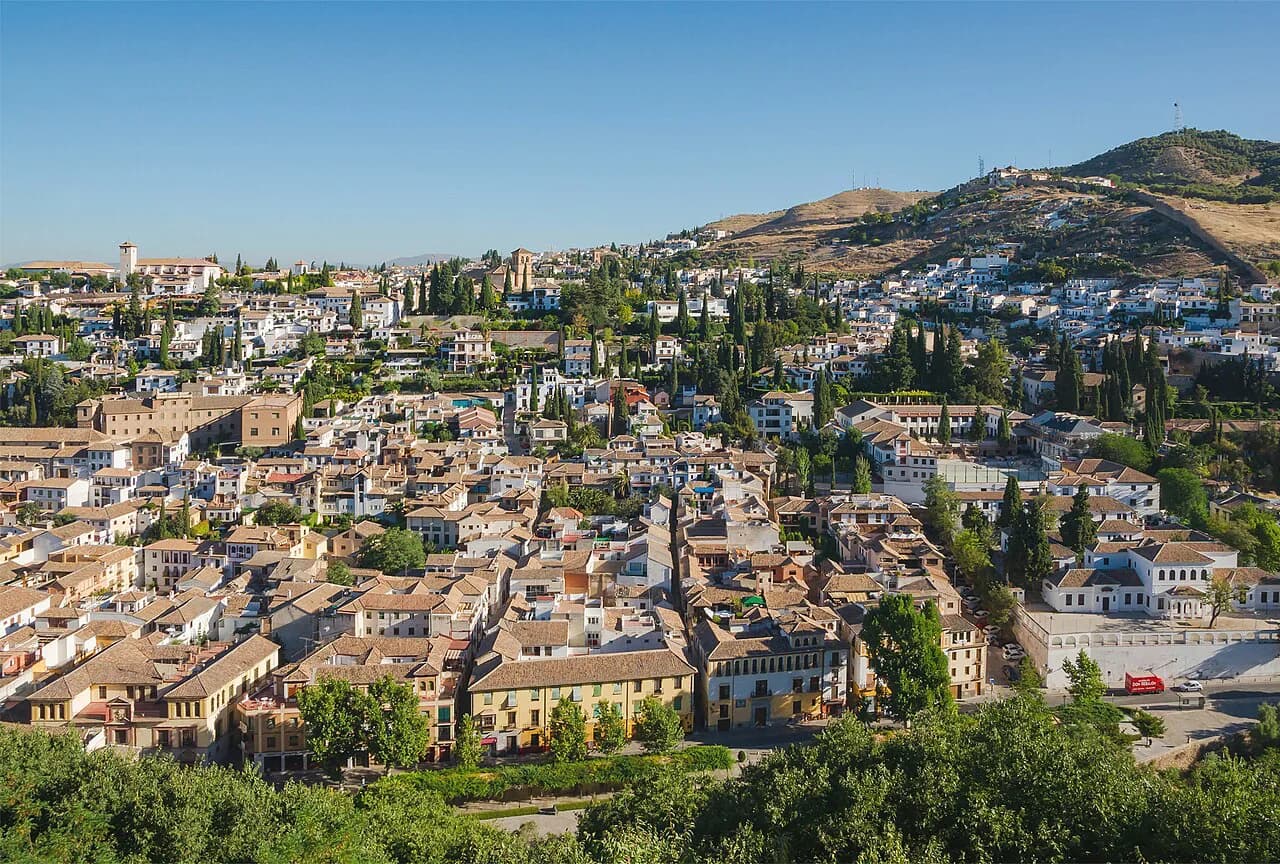
The Albaicín neighborhood empties out during the local lunch window, roughly 2:00 to 5:00 p.m., when residents eat and rest and tour buses stick to Alhambra schedules. That window doubles as strong light for photographing the whitewashed lanes near Plaza de San Nicolás. Early morning, before 9:00 a.m., offers a similar advantage with softer light and fewer people. The Sacromonte guide covers the cave-house district just past the Albaicín, which sees noticeably fewer visitors than the more photographed viewpoint streets nearby.
Albaicín's lunch break (2-5 p.m.) overlaps the day-tripper safety window (after 4 p.m.), but the neighborhood's true escape is early morning before 9 a.m., avoiding both coach-tour timing and midday tourist crowds.
The Sierra Nevada Ski Season Effect on City Crowds
Sierra Nevada's ski season runs roughly December through April, depending on snowfall. That season pulls a share of weekend visitors out of the historic center and toward the mountains a short drive away. Weekday city crowds during ski season stay light. Weekends can see a small uptick from skiers overnighting in Granada before or after a day on the slopes. Ski season overlaps almost entirely with Granada's quietest city months, so a midweek ski day pairs naturally with a low-crowd Alhambra morning.
Avoiding the Day-Tripper Surge from the Coast
Cruise ships dock along the coast at Motril and Malaga, and shore excursions run buses into Granada on a predictable schedule. Most coach groups arrive mid-morning and stay through the early afternoon. That pattern creates the heaviest single-day surge on the Alhambra approach roads and around Plaza Nueva. The safest sightseeing window sits before 11:00 a.m. or after 4:00 p.m., when the day-tripper wave has not yet arrived or has already left. This pattern holds in every season, not only summer, since coach schedules run year-round.
Where to Stay Away From the Tourist Bubble
Staying outside the Alhambra-Albaicín tourist core cuts crowd exposure at breakfast, at check-in, and on the walk back each night. The neighborhoods guide breaks down the trade-offs between the historic center and quieter residential areas. The Realejo neighborhood sits close enough to walk into the center in minutes, with far fewer tour groups on its streets. The Zaidín neighborhood guide covers a more local, non-touristic option south of the river, useful for longer low-season stays.
Tapas Timing: Eating Like a Local, Not a Tourist
Tapas bars near Plaza Nueva and the cathedral fill fast at standard tourist dinner hours. Spanish dinner service typically starts around 9:00 p.m. Arriving before 8:30 p.m. usually means a shorter wait, even in high season. The local food guide lists which bars serve free tapas with a drink order, a Granada tradition not universal elsewhere in Spain. For a curated list of kitchens worth the walk beyond the main plazas, the local restaurants guide covers options spread across several neighborhoods, away from the highest-traffic tourist strips.
Quiet Historic Sites When the Alhambra Books Out
When Alhambra tickets are gone for the target dates, several historic sites in Granada stay reliably uncrowded. The El Bañuelo bathhouse preserves one of Spain's more intact Islamic-era bath structures, drawing a fraction of the Alhambra's visitor volume. The Carmen de los Mártires gardens stay open with evergreen structure and city views even outside bloom season. The Mirador de San Cristóbal gives a wide Alhambra view from across the valley, without the queue of the closer, more famous overlook. The Cartuja Monastery sits north of the center and draws a small fraction of the foot traffic that fills the downtown cathedral.
Where Crowd-Averse Travelers Already Go in Granada
A handful of guides point toward Granada's quieter side year-round, not only in low season. The hidden gems around Granada guide covers spots that stay uncrowded even in July and August. The Secret Spots in Granada: Hidden Gems Beyond the Alhambra (2026) guide maps lesser-known corners of the Albaicín and Realejo. The off-the-beaten-path routes guide skips the main tourist spine for a full alternative route around the city center. Budget-conscious low-season travelers can pair a quiet week with the Free Things to Do in Granada: A 2026 Budget Guide guide, since several viewpoints and churches charge no admission. The unique things to do guide adds activities away from the standard Alhambra-Albaicín loop. Travelers with an extra day can use the day trips from Granada guide to spread visits across the wider region.
The Quietest Weeks Within Granada’s Low Season
Low season still contains short holiday surges, so choosing the right week matters. Late November is usually calmer than early December, when Constitution Day on December 6 and the Immaculate Conception on December 8 can create a long Spanish holiday weekend.
January becomes especially quiet after Three Kings Day on January 6. The period from January 7 through the end of the month offers a strong balance of low visitor numbers and normal access to major sights. February remains quiet on weekdays, but Andalusia Day on February 28 can increase regional travel when it creates a long weekend.
- Target late November before December’s national holidays.
- Choose mid-to-late January for the most dependable calm.
- Visit during a February weekday and avoid the Andalusia Day weekend.
- Use early March only when Semana Santa falls later in the calendar.
Check Granada’s local and regional holiday calendar before booking. A Tuesday-to-Thursday stay also reduces exposure to weekend visitors from elsewhere in Andalusia.
Further reading: Granada on Wikivoyage · Granada on Wikipedia
Frequently Asked Questions
Is Granada crowded in December?
December stays moderate rather than empty. Christmas markets around the cathedral and the lead-up to Three Kings Day on January 6 draw local and regional visitors through the holiday stretch. Crowds thin out again in the first two weeks of January once the holiday travel window closes, making early-to-mid January one of the quietest stretches on the calendar.
What is the quietest day of the week to visit the Alhambra?
Mid-week days, generally Tuesday and Wednesday, see fewer coach-tour bookings than the weekend and Monday rush. Weekend slots fill first regardless of season, so a mid-week booking gives the best odds of a genuinely quiet Alhambra visit, particularly for a first-morning entry slot.
Can you visit Granada as a day trip and avoid crowds?
A single-day visit makes crowd avoidance difficult, since day-trip timing overlaps directly with the coach-tour and cruise-excursion window described above. Staying at least one night allows for an early-morning or late-afternoon Alhambra visit outside that surge, a scheduling option a same-day arrival cannot easily manage.
Are the gardens worth visiting in the winter?
The Alhambra's Generalife gardens keep their structural framework, clipped hedges, cypress walls, and stone terraces through the winter months. Seasonal blooms are largely absent from roughly November through February. Travelers visiting mainly for garden color should target April or May instead of the quietest winter weeks, accepting a busier visit in exchange for flowers.
How far in advance should Alhambra tickets be booked in low season?
Two to three weeks ahead is usually enough in January and February, when demand sits at its yearly low. Spring and summer dates should still be booked months ahead, since the Alhambra's daily visitor cap applies in every season, not only the busiest ones.
Continue exploring
More guides you'll find useful