Secret Spots in Granada: Hidden Gems Beyond the Alhambra (2026)
Secret spots in Granada beyond the Alhambra: El Bañuelo, Carmen de los Mártires, La Cartuja, and quiet viewpoints, plus 2026 bus routes and timing tips.
On this page
Secret Spots in Granada: Beyond the Alhambra
Last updated July 2026, this guide moves past the Alhambra ticket line to cover secret spots in Granada that reward a bit of legwork. The Albaicín's tangled Moorish streets and Sacromonte's cave-lined hillside hide cisterns, private gardens, and a Baroque monastery that most itineraries skip entirely. Each entry below covers how to reach it, what it costs, and when locals go to avoid school groups and formal walking tours.
Why Secret Spots in Granada Are Easy to Miss
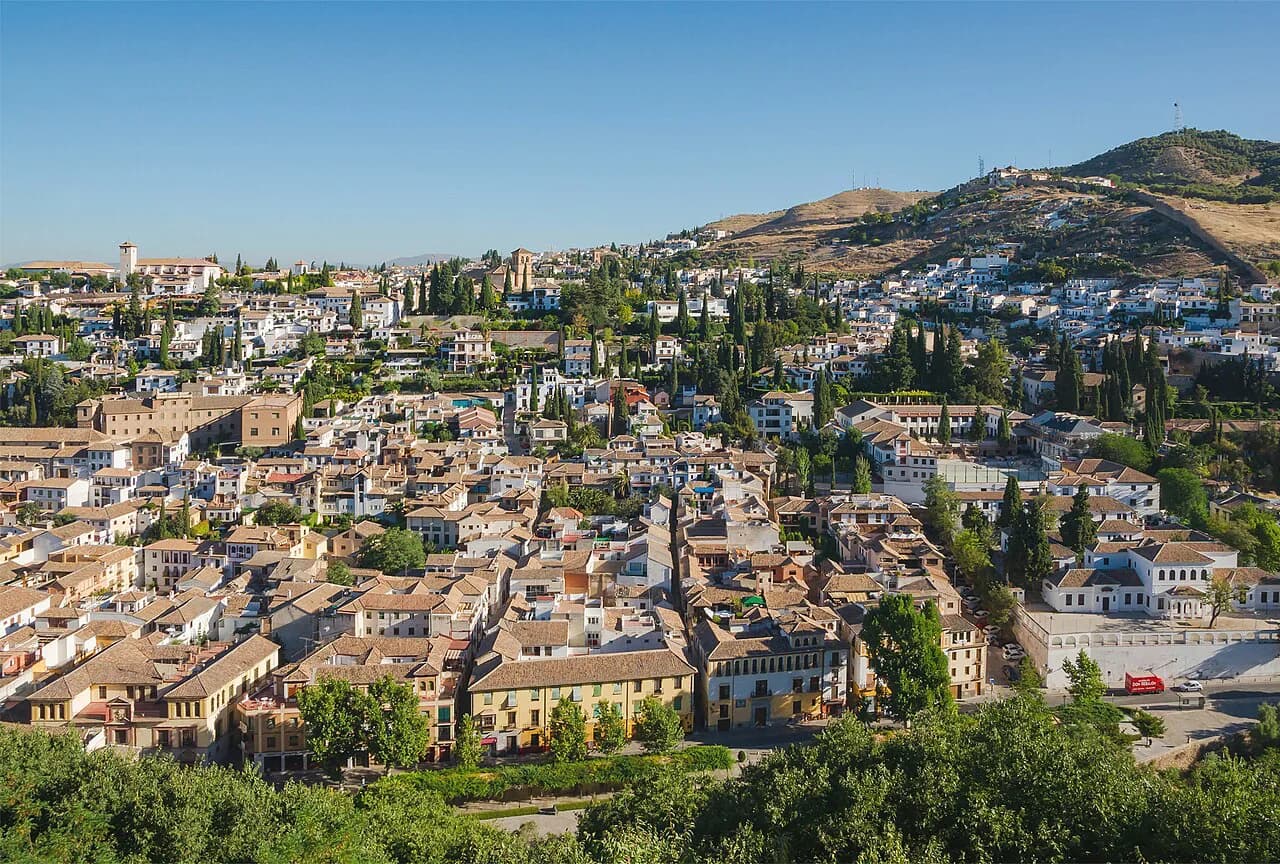
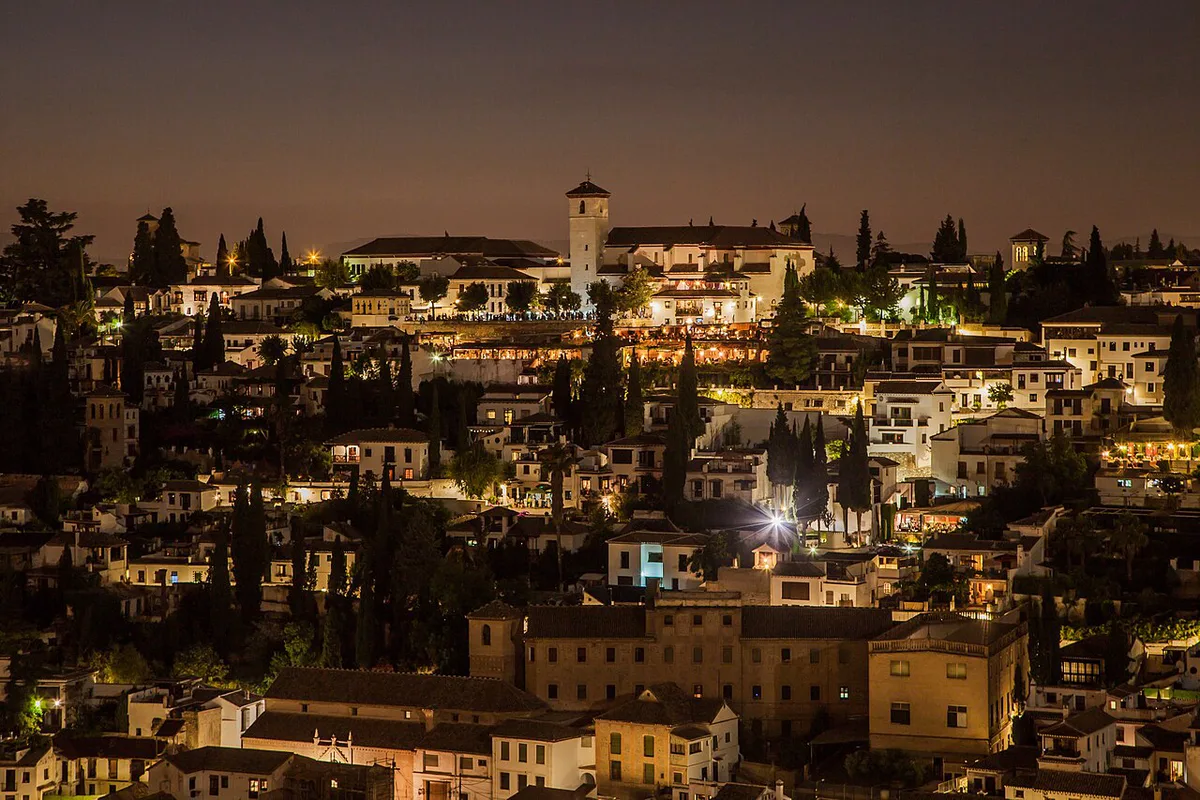
Granada's Moorish street plan explains why so many of its best corners never make a typical Alhambra-and-Cathedral itinerary. This guide expands on the citywide 10 Hidden Gems in Granada: Secret Spots Beyond the Alhambra (2026) roundup with deeper logistics for each stop below. The Albaicín's lanes were built for foot traffic and mule carts, not tour buses, so cisterns, chapels, and viewpoints sit behind plain doors with no signage. Sacromonte's cave-cut hillside adds another layer of concealment, since many caves still function as private homes rather than attractions. Behind high whitewashed walls across both districts sit cármenes, the traditional walled garden houses that hide courtyards, fruit trees, and fountains from the street. Spotting one takes practice: look for a solid wooden door set into blank white plaster, with no window facing the lane. For a walking route through the district, the Albaicín neighborhood guide maps the lanes referenced throughout this article. The Sacromonte guide covers the cave district in the same depth.
El Bañuelo: The Moorish Baths Everyone Walks Past
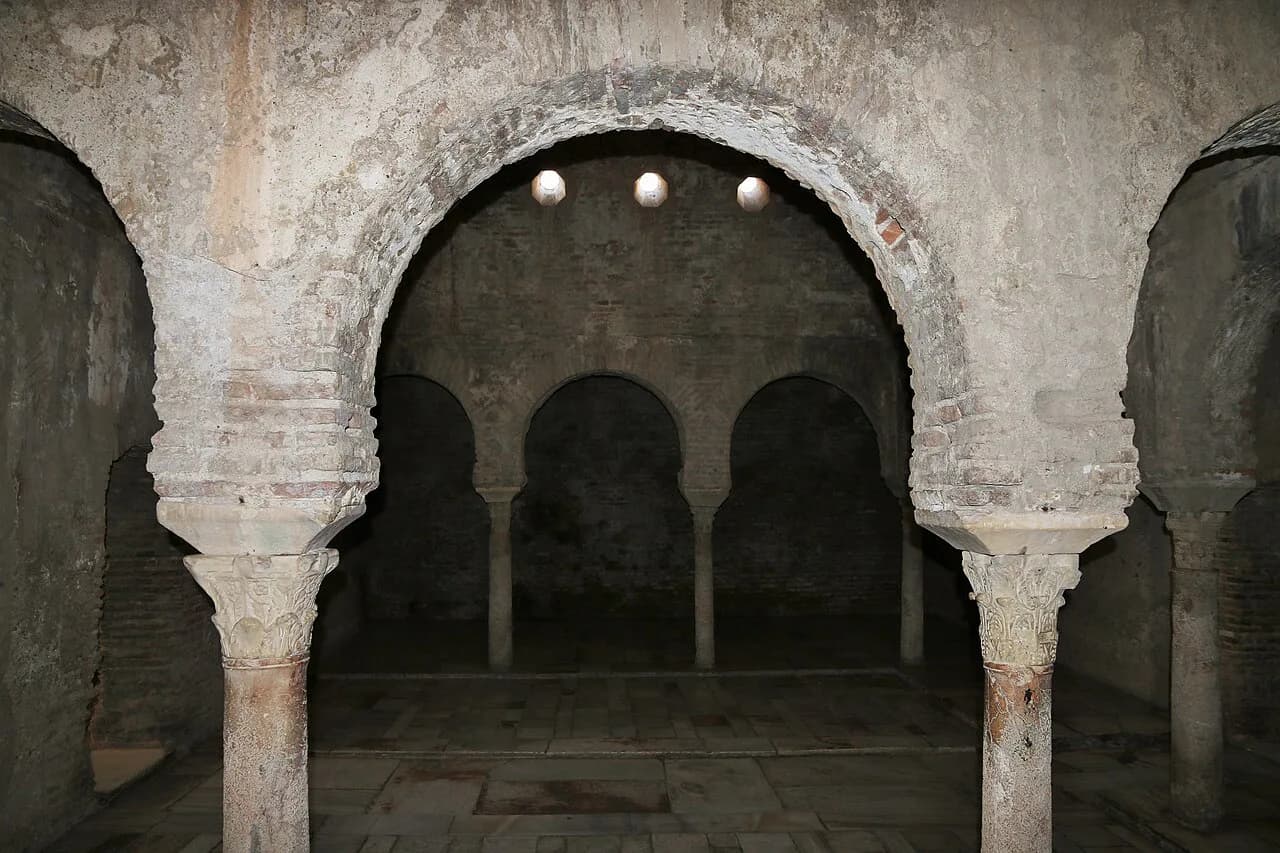
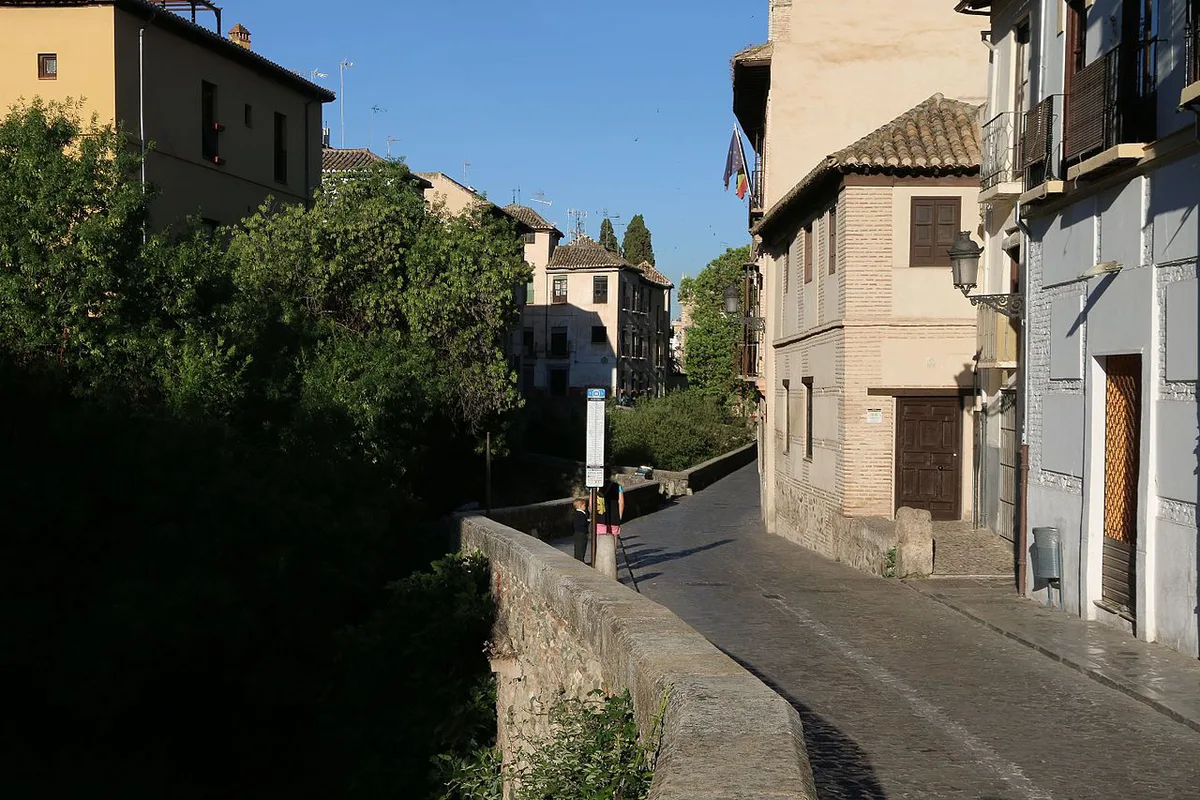
El Bañuelo ranks among the oldest surviving Moorish bath houses in Spain, set into a stretch of Carrera del Darro in the Albaicín. Its street-level entrance blends into the row of shops and cafés along the river walk, so pedestrians headed toward the Alhambra viewpoint often miss the doorway entirely. Inside, star-shaped skylights cut into brick vaulting light three connecting chambers, a layout largely unchanged since the medieval period. The site sits a short walk from the Paseo de los Tristes, on the same stretch covered by the El Bañuelo guide, which has current entry policy and hours. Foot traffic stays lighter here than at the Alhambra ticket office, especially away from the late-morning tour-group window.
The Aljibe del Rey and Casa del Agua Water Museum
Off Plaza Larga in the Albaicín sits the Aljibe del Rey, a Moorish-era cistern that once stored water for the surrounding neighborhood. It now houses the small Casa del Agua water museum, a stop most Alhambra-focused visitors skip entirely. The exhibit explains Granada's historic irrigation network, the same system of channels that still feeds the cármenes' hidden gardens. Because it opens off a residential square rather than a marked tourist route, foot traffic stays light even at midday. Confirm current opening days before visiting, since small Albaicín museums like this one keep limited weekly hours.
Carmen de los Mártires: Quiet Gardens Near the Alhambra
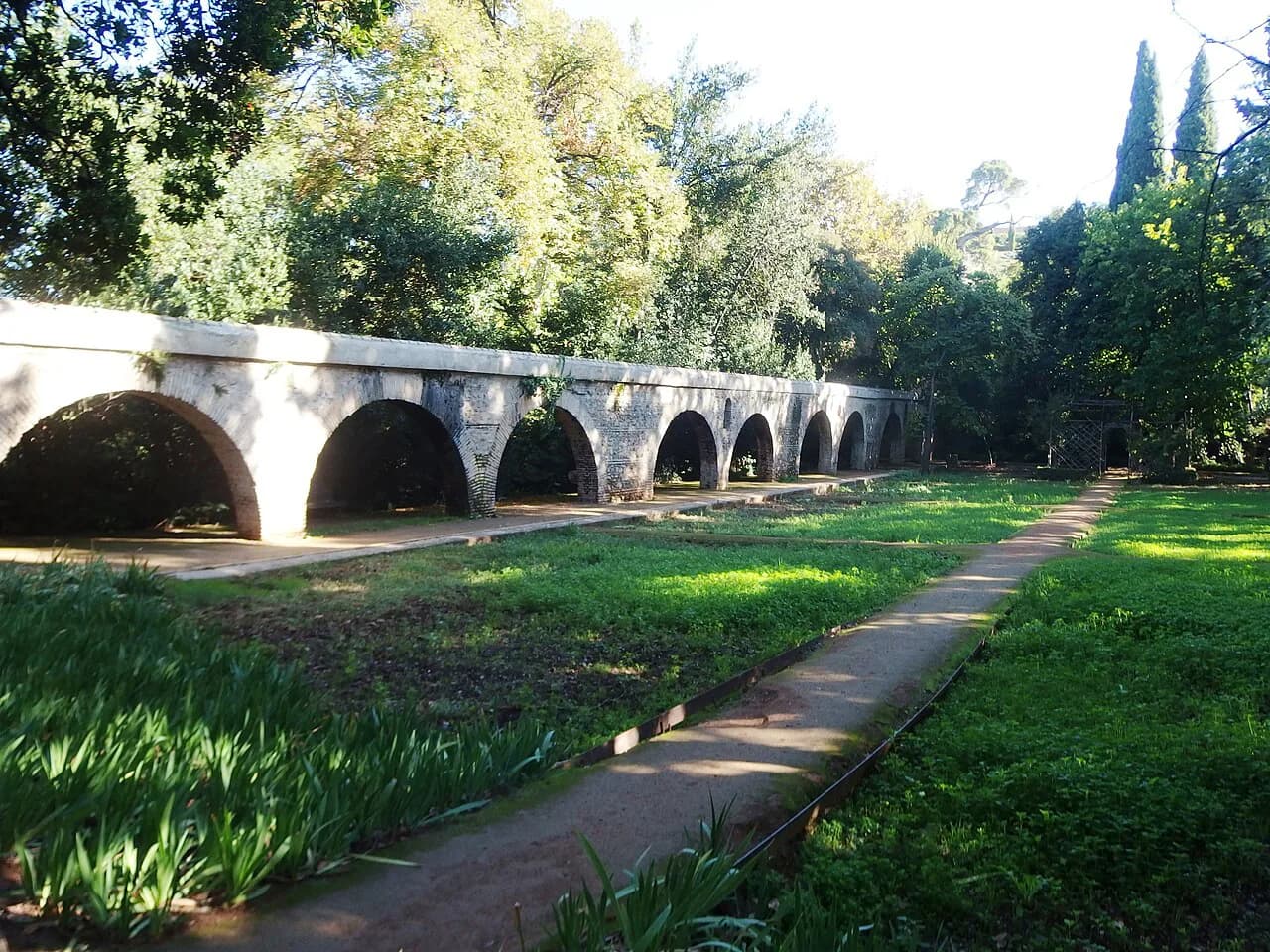
Carmen de los Mártires sits close to the Alhambra's ticket entrance, yet most visitors walk past the turnoff on their way to the fortress. The grounds combine Romantic-era gardens, a small lake, and resident peacocks across several terraced levels. Unlike the Generalife's gardens inside the ticketed Alhambra complex, Carmen de los Mártires charges free entry and takes no advance booking. That makes it one of the more dependable stops in the Free Things to Do in Granada: A 2026 Budget Guide guide. Because the grounds sit on the same hill as the Alhambra, the walk up gains elevation gradually rather than through steep Albaicín stairs. For deeper logistics and current opening hours, the Carmen de los Mártires guide covers the walk up from the city center.
Monasterio de la Cartuja: Granada's Baroque Surprise
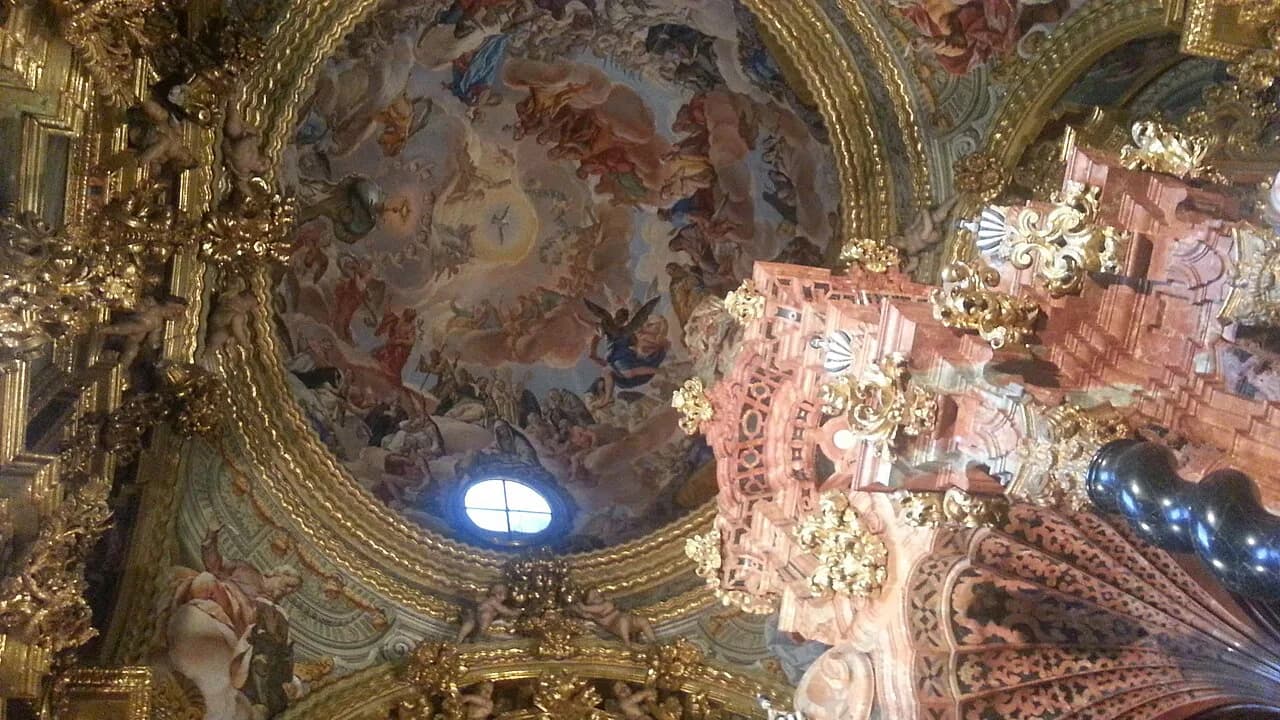
Monasterio de la Cartuja sits north of the historic center, in a residential stretch travelers on foot rarely pass. Its exterior gives little away: plain stone walls, none of the Alhambra's ornamentation. Inside, the sacristy and church carry dense Baroque plasterwork, marble inlay, and trompe-l'oeil ceiling painting, a contrast sharp enough that some guides call it the Christian Alhambra. Because it sits outside the compact old-town core, most Alhambra-day visitors skip it, which keeps the interior quiet even at midday. The Cartuja Monastery guide lists current hours and entry policy for the site. Travelers extending the visit can pair it with an excursion from the day trips from Granada guide before heading back toward the center.
Mirador de San Cristóbal and Silla del Moro: Viewpoints Beyond San Nicolás
San Nicolás gets most of the Alhambra-viewpoint traffic, but two alternatives sit within reach of the same hillside. Mirador de San Cristóbal sits higher on the Albaicín's upper ridge, with a wider angle over the Alhambra, the Sierra Nevada peaks, and the valley below. It draws far fewer visitors than San Nicolás, since the climb from the center runs longer and steeper. The Mirador de San Cristóbal guide covers the route and the best light hours for photography. Above the Generalife, the Silla del Moro watchtower ruin offers a second option, reached by a gravel path climbing from Sacromonte's upper edge. The path involves no ticket booth, and sunset visits rarely mean waiting for a clear sightline.
Upper Realejo: Street Art and Local Life
Upper Realejo climbs the hillside south of the Alhambra, built around Granada's historic Jewish quarter. Street art covers blind walls and stairwells here, and small plazas see almost no tour groups. Green-and-white tiled house numbers and hand-painted shop signs mark the district, distinct from the more photographed Albaicín streets to the north. Local life centers on long-running neighborhood bars rather than souvenir shops. The Realejo neighborhood guide maps the stairs and street-art routes covered here. For a tapas stop after the climb, the local restaurants in Granada guide lists options within the district. Both Realejo and the districts covered earlier appear in the Granada Neighborhoods Guide: Albaicín, Sacromonte, Realejo, and Beyond (2026), which maps every district in this article.
Zaidín: Where Granada Actually Eats
Zaidín sits south of the historic center, past Realejo's upper stairs, and functions as a working residential district rather than a sightseeing stop. Its tapas bars still serve a free plate with each drink ordered, a custom that has faded closer to the tourist core near the Cathedral. The area rewards a slow walk more than a checklist of sights, since its appeal is daily routine rather than monuments. The Zaidín neighborhood guide covers the streets and bars worth the detour. For dish-by-dish detail on the free-tapas custom, the local food guide explains it in full.
Secret Spots vs. Tourist Staples in Granada
Each secret spot in Granada has a well-known counterpart that draws most of the Alhambra-day crowd. The table below lines up four common trade-offs, so you can weigh which version fits the time available.
El Bañuelo's three brick-vaulted chambers are lit by medieval star-shaped skylights; the Monasterio de la Cartuja showcases dense Baroque plasterwork and trompe-l'oeil ceilings. Both stay quieter than the Alhambra and Cathedral because most Alhambra-day visitors skip them.
| Category | Popular Choice | Secret Alternative | Why Switch |
|---|---|---|---|
| Viewpoint | Mirador de San Nicolás | Mirador de San Cristóbal | Fewer crowds, higher elevation over the Albaicín |
| Garden | Generalife (inside the Alhambra) | Carmen de los Mártires | Free entry, no advance booking required |
| Religious site | Granada Cathedral | Monasterio de la Cartuja | Baroque interior detail without ticket queues |
| Neighborhood walk | Lower Albaicín | Upper Realejo and Zaidín | Local street life away from tour groups |
Getting to Hard-to-Reach Spots: Restricted Zones, Minibuses, and Timing
Driving into the Albaicín or Sacromonte is difficult by design. Granada marks both districts as Zonas de Acceso Restringido, restricted-access zones meant to keep private cars off narrow historic streets. Renting a car for these neighborhoods usually means parking below the hill and walking up from there. Local operator Transportes Rober runs small 'C' minibuses built for these exact streets. Route numbers and stops change periodically, so confirm current stops on Transportes Rober's published map before relying on a specific line. Timing matters as much as the route. School groups and formal walking tours cluster in the late morning at the most visited stops like San Nicolás. Early morning or early evening visits generally mean quieter lanes and better light for photos. The visiting Granada without crowds guide breaks this down by season, not just time of day.
Late-morning hours cluster school groups at popular viewpoints like San Nicolás, but small Albaicín museums remain light even at midday. Monday visits are tricky: confirm whether your target site is open, since many of the smaller museums and traditional gardens shut down the full day.
- C31: covers the Albaicín's upper lanes.
- C32: reaches Sacromonte and the cave district.
- C34: serves the Cartuja Monastery, north of downtown.
A Half-Day Route: Hidden Albaicín vs. Hidden Realejo
Trying to cover both hillsides in one day wastes time on transit. Splitting the visit by neighborhood keeps walking distances short and avoids doubling back across the river. Both routes run a comfortable half-day on foot, longer with photo stops at each viewpoint.
- Hidden Albaicín route: Aljibe del Rey and Casa del Agua off Plaza Larga, then El Bañuelo on Carrera del Darro, then Mirador de San Cristóbal.
- Hidden Realejo route: Carmen de los Mártires near the Alhambra's lower approach, then Upper Realejo's street-art stairs, then tapas in the neighborhood bars.
Mistakes to Avoid When Chasing Granada's Hidden Gems
A few small planning errors turn a hidden-gem plan into a wasted afternoon.
- Assuming secret means free: several sites above, including monasteries and museums, charge a small entry fee. Confirm current pricing on each linked guide before visiting.
- Wearing the wrong shoes: Granada's empedrado cobblestones, the traditional pebble-set paving across the Albaicín, get slippery when worn smooth. Flat, grippy soles work better than sandals on the steeper lanes.
- Visiting on a Monday: many smaller Carmen gardens and neighborhood museums close for the day, so confirm hours before building a Monday itinerary around them.
Museo Cuevas del Sacromonte: Life Inside Granada’s Cave District
The Museo Cuevas del Sacromonte offers a practical introduction to the hillside homes that define Sacromonte. It occupies restored caves in Barranco de los Negros, above the neighborhood’s main road.
Displays explain how residents adapted excavated rooms for cooking, sleeping, livestock, and traditional crafts. Exhibits also cover flamenco culture and the area’s long association with Granada’s Gitano community.
The outdoor terraces provide broad views across the Darro valley toward the Alhambra. They are usually calmer than the crowded Mirador de San Nicolás across the valley.
- Expect a sustained uphill approach with uneven paving and limited shade.
- Use a Sacromonte minibus to reduce the climb, then walk the final section.
- Check the museum’s official opening schedule before visiting, especially outside peak season.
Allow extra time for the descent through Camino del Sacromonte. The route passes cave façades and quieter viewpoints without requiring entry to a flamenco performance venue.
Further reading: Granada on Wikivoyage · Granada on Wikipedia
Frequently Asked Questions
What makes a spot in Granada 'secret'?
In this guide, secret spots in Granada means sites close to the Alhambra and Cathedral crowds that rarely appear on a first-time itinerary because they need a longer walk, a bus transfer, or local knowledge of where the entrance is. Cisterns tucked off Albaicín squares, carmen gardens behind blank walls, and viewpoints past San Nicolás all fit that description.
Is Carmen de los Mártires free to visit?
Yes. Carmen de los Mártires charges free entry and takes no advance booking, unlike the Generalife gardens inside the ticketed Alhambra complex.
Do El Bañuelo and Monasterio de la Cartuja charge entry fees?
Both sites have historically charged a modest entry fee, though exact pricing changes. Confirm current tickets and hours directly through each linked guide before visiting, since small sites like these adjust hours seasonally.
How do you reach Sacromonte and the Albaicín without a car?
Both districts are marked Zonas de Acceso Restringido, so driving in is difficult by design. Transportes Rober's C31, C32, and C34 minibuses cover the steep lanes instead, with stops feeding the Cartuja Monastery and Sacromonte's cave district.
What is the best time of day to visit these spots?
Early morning or early evening avoids the late-morning window when school groups and formal walking tours cluster at the more visited stops like San Nicolás. Weekday mornings tend to be quietest overall.
Continue exploring
More guides you'll find useful