Granada Local Food Guide 2026: Tapas Etiquette and Local Dishes
A 2026 granada local food guide to free tapa etiquette, must-try dishes like habas con jamón and tortilla del Sacromonte, and where to eat by neighborhood.
On this page
Granada Local Food Guide: Tapas Etiquette, Local Dishes and Where to Eat
Last updated July 2026, this granada local food guide covers Granada's mandatory free tapa custom, the dishes worth ordering, and where each neighborhood does it best. Granada remains one of the few Spanish cities where a drink still arrives with food. That habit traces partly to centuries of Moorish trade in honey, spices and dried fruit.
What Makes This Granada Local Food Guide Different
Most articles about eating in Granada stop at the free tapa gimmick. This granada local food guide goes further, covering the unwritten etiquette, the regional specialties tourists usually miss, and how the same dish can taste different by neighborhood. Granada's Moorish period shaped the menu too. Honey, cinnamon, saffron and dried fruit still turn up in local sweets and savory dishes.
The Golden Rules of Granada Tapas Etiquette
Understanding a few basic rules turns dinner into an efficient crawl instead of a confusing scramble. These are the conventions most traditional Granada bars still follow in 2026.
- Ordering follows one rule: one drink equals one tapa, served automatically without asking.
- Selection is out of your hands at traditional bars. The kitchen decides, and the tapa upgrades in size or quality with each round you order.
- Standing at the barra costs less than sitting at a mesa or terraza, because table service carries a higher price than the bar counter.
- A caña (small beer) or a tinto de verano typically arrives with a modest first tapa, while ordering a larger ración means paying for a full dish outright.
Must-Try Local Specialties Beyond the Free Tapa
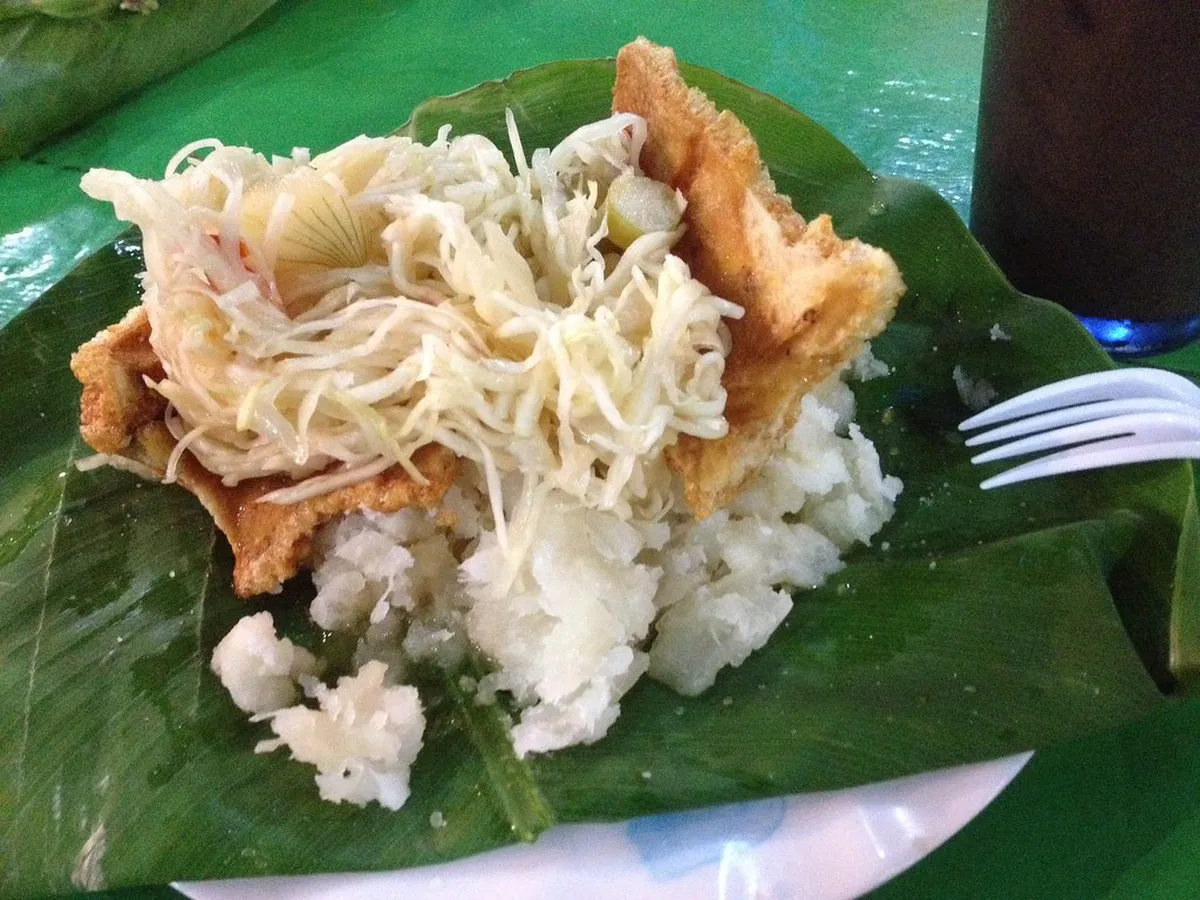
Free tapas rotate by bar and by night, but a handful of dishes are worth ordering on purpose, either as a paid ración or off a menu. These five define Granada's regional cooking, and several trace to a specific neighborhood or nearby town.
| Dish | What It Is | Roots |
|---|---|---|
| Tortilla del Sacromonte | Omelet made with lamb brains, sweetbreads, chorizo and sometimes walnuts | The cave district of Sacromonte, which gives it its name |
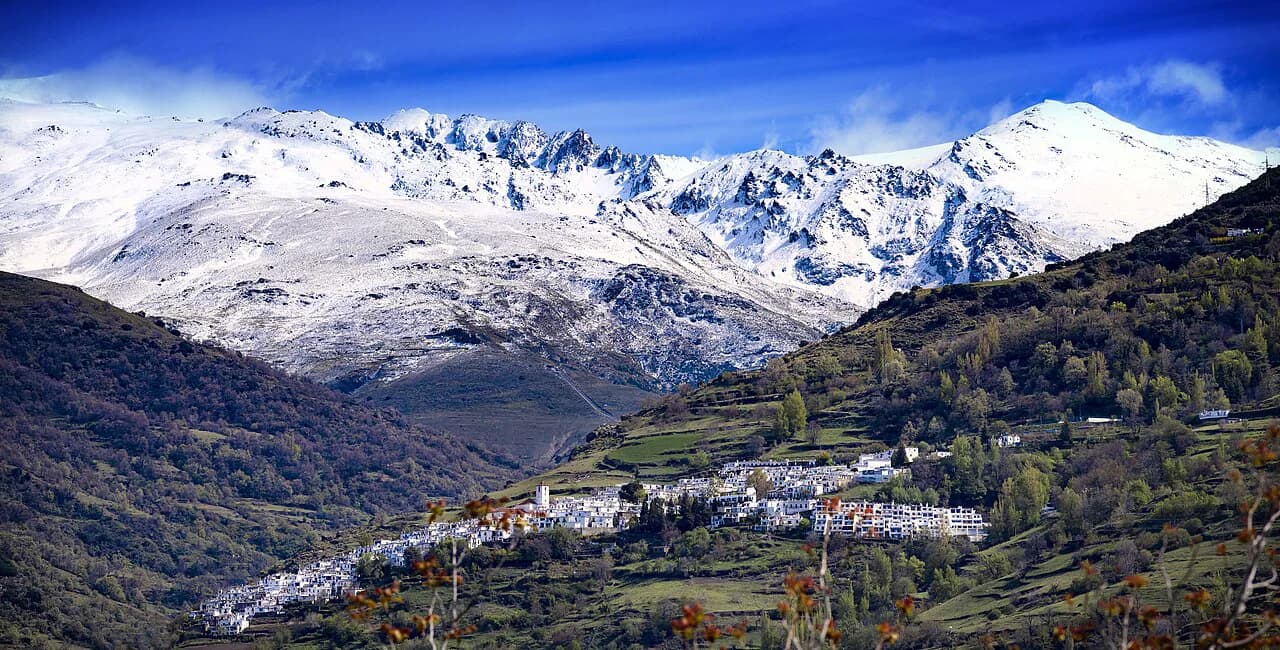
| Habas con Jamón | Broad beans stewed with cured Trevélez ham | The Alpujarras mountain region above Granada |
| Plato Alpujarreño | A mixed plate of fried potatoes, eggs, sausage and cured ham | The Alpujarras villages south of the city |
| Remojón Granadino | A cold salad of salt cod, orange, olives and onion | A Moorish-era pairing of preserved fish and citrus |
| Piononos de Santa Fe | A small rolled sponge cake soaked in syrup and topped with cream | The nearby town of Santa Fe, now sold across Granada |
The Tortilla del Sacromonte, Explained
Tortilla del Sacromonte is the most debated dish on this list. Traditional versions include lamb brains and sweetbreads alongside chorizo and walnuts, a combination that divides opinion even among Granada natives. It takes its name directly from the cave district of Sacromonte, where cave-dwelling families are credited with creating it.
Neighborhood Dining Guide: Where Locals Actually Eat
Granada's food identity changes by district, and the free tapa custom is not uniform across the city. Where you sit matters as much as what you order.
Opening rounds begin with modest tapas that later upgrade with each order, but Zaidín skips this progression by serving some of Granada's largest free tapa portions from the very first drink.
- The Albaicín district pairs sunset viewpoints with terrace bars, so tapas here lean toward standing-room crowds and higher terrace prices.
- The Realejo neighborhood, Granada's old Jewish quarter, mixes fusion small plates with traditional tapas bars.
- The Zaidín district sits outside the tourist center and is known locally for some of the largest free tapa portions in the city.
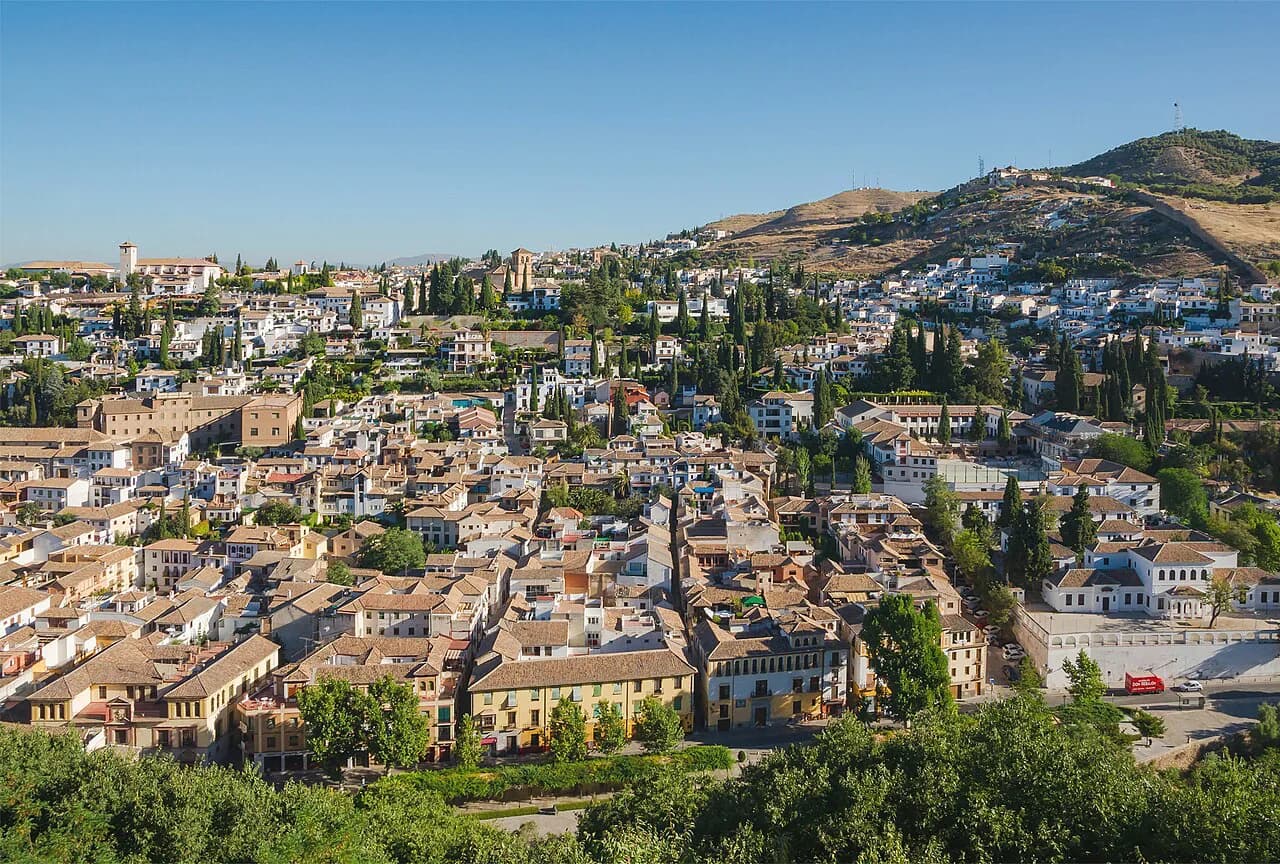
- The Sacromonte caves serve their namesake omelet in a rustic, cave-set dining setting.
More Ways to Choose Where to Eat
For a fuller breakdown of what defines each district, see the Granada Neighborhoods Guide: Albaicín, Sacromonte, Realejo, and Beyond (2026). For specific bar and restaurant picks vetted beyond this overview, cross-reference the 9 Best Local Restaurants in Granada: Authentic Tapas & Dining Guide guide.
When to Eat: Lunch, Dinner and the Afternoon Kitchen Gap
Lunch service generally runs from 14:00 to 16:00, and dinner typically starts around 20:30 and continues to 23:00. Between those windows, most kitchens close, generally from about 16:30 to 20:00, even though bars often stay open for drinks. Walking in during that midafternoon stretch usually means a drink but not a hot tapa, so plan meals around the two service blocks rather than expecting food all day.
The one-drink-one-tapa progression only functions during service hours; the 16:30–20:00 kitchen gap means visiting mid-afternoon leaves you with drinks but no tapas and no way to experience how rounds upgrade in quality.
Avoiding Crowds and Finding Local-Only Bars
Popular bars around Plaza Nueva fill up fast during peak dinner hours, and traditional spots rarely take reservations. Timing a visit outside the busiest months helps, and the best time to visit without crowds guide covers which seasons and hours to target. Beyond the main squares, Granada has plenty of hidden corners of the city that don't appear on tour-group routes; the hidden corners of Granada guide has specifics. For quieter detours that thin the crowds further, the off-the-beaten-path detours guide and the unique things beyond the tapas guide both list alternatives. For bars that skew local rather than tourist, the secret local bars guide is a useful cross-reference.
A Tapas Crawl Itinerary from Calle Elvira to the Realejo
This walking route links a handful of bars with a couple of sights in between, so the eating does not become the entire day. It runs roughly from Calle Elvira to the Realejo and works for an afternoon or evening crawl.
- Start on Calle Elvira, the strip connecting Plaza Nueva to the Albaicín, and order a first caña at a bar that still runs the one-drink-one-tapa system.
- Detour to the El Bañuelo bathhouse, one of Spain's best-preserved Moorish bathhouses, to break up the eating with a short cultural stop.
- Climb into the Albaicín for a second round with terrace views, keeping in mind that terrace seating costs more than standing at the bar.
- Cross toward the Mirador de San Cristóbal for a wider view over the city before heading back down.
- Finish in the Realejo neighborhood, where fusion small plates and traditional tapas bars sit side by side for a final round.
For trip-planning details, see Tapas – Wikipedia.
Further reading: Granada on Wikivoyage · Granada on Wikipedia
Frequently Asked Questions
Is the food really free in Granada?
In most traditional bars, yes: ordering a drink comes with a tapa at no extra charge. This custom is common across the city, though some modern or upscale spots have moved to a paid tapas model, so it is worth checking a bar's approach before you sit down.
Can you choose your free tapa?
Not usually. At traditional bars, the kitchen decides what comes out, and it tends to improve in size or quality as you order more rounds. Some tourist-oriented bars near Plaza Nueva let you pick from a small menu instead, which is a useful sign you have found a spot aimed at visitors rather than locals.
Is Granada good for vegetarians and vegans?
Granada's traditional tapas lean heavily on meat and cured ham, so vegetarians should expect to ask about substitutions at classic bars. Plant-based and modern restaurants have grown across the city in recent years, particularly in the Realejo, giving vegetarians and vegans more dedicated options beyond the free-tapa circuit.
What is the best drink to order with tapas?
A caña, a small draft beer, is the standard order that triggers the free tapa in most traditional bars. Alhambra, the local Granada-brewed beer, is a common choice, and a tinto de verano (red wine mixed with soda or lemonade) is a popular warm-weather alternative.
What is plato alpujarreño?
Plato alpujarreño is a mixed plate from the Alpujarras mountain villages south of Granada. It typically combines fried potatoes, eggs, local sausage and cured ham in one substantial serving, making it a filling choice for a sit-down lunch rather than a quick tapa.
Continue exploring
More guides you'll find useful