Realejo Granada Guide: Exploring the Old Jewish Quarter
Realejo Granada guide: explore the old Jewish Quarter's Campo del Príncipe, street art, tapas bars, and the walking route down from the Alhambra.
On this page
Realejo Granada Guide: Exploring the Historic Jewish Quarter
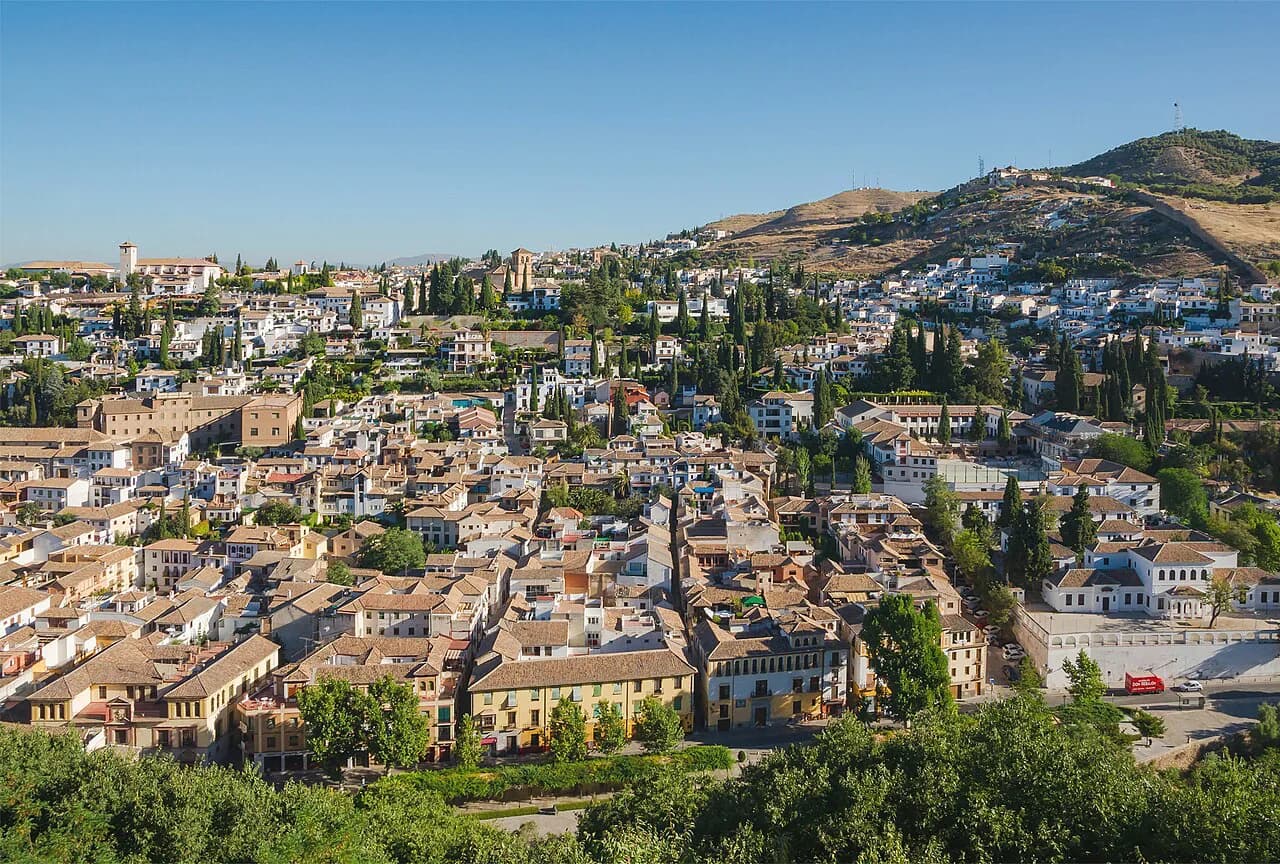
Last updated July 2026, this realejo granada guide covers Granada's old Jewish quarter, the district once known as Garnata al-Yahud. The neighborhood sits directly below the Alhambra's south flank, and it trades Albaicín's crowds for tapas terraces, Renaissance facades, and free street art. Use it to plan a walking route, a tapas crawl, and a realistic time budget before you set out.
Realejo Granada Guide to the Old Jewish Quarter
Realejo was Granada's Jewish quarter under Nasrid rule, when residents called it Garnata al-Yahud. Some historians trace the city's own name, Granada, back to that Arabic name for the district. A Jewish community lived here for centuries, at times numbering more than 20,000 residents, according to local historical accounts. That era ended in 1492, when the Catholic Monarchs signed the decree expelling Jewish residents from the city. Realejo then grew into the Christian neighborhood visible today, filled with Renaissance palaces and whitewashed Cármenes houses. The current quarter mixes University of Granada student life with traditional tapas bars and quiet residential lanes below the Alhambra. For more corners with this kind of layered history, see the 10 Hidden Gems in Granada: Secret Spots Beyond the Alhambra (2026) guide.
Top Things to See in Realejo
Realejo packs several centuries of architecture into a few walkable blocks. These five landmarks anchor most visits.
- Campo del Príncipe: Realejo's main square and home to the 1682 Christ of the Favors statue, carved from Sierra Elvira stone. Thousands gather here each Good Friday for the Lord of Favors devotion, according to local guides.
- Casa de los Tiros: a palace-turned-museum known for its distinctive studded facade. Confirm current opening hours on the official Turismo de Granada site before visiting.
- Cuarto Real de Santo Domingo: a Nasrid-era palace that predates parts of the Alhambra. Check current opening status before building it into a route.
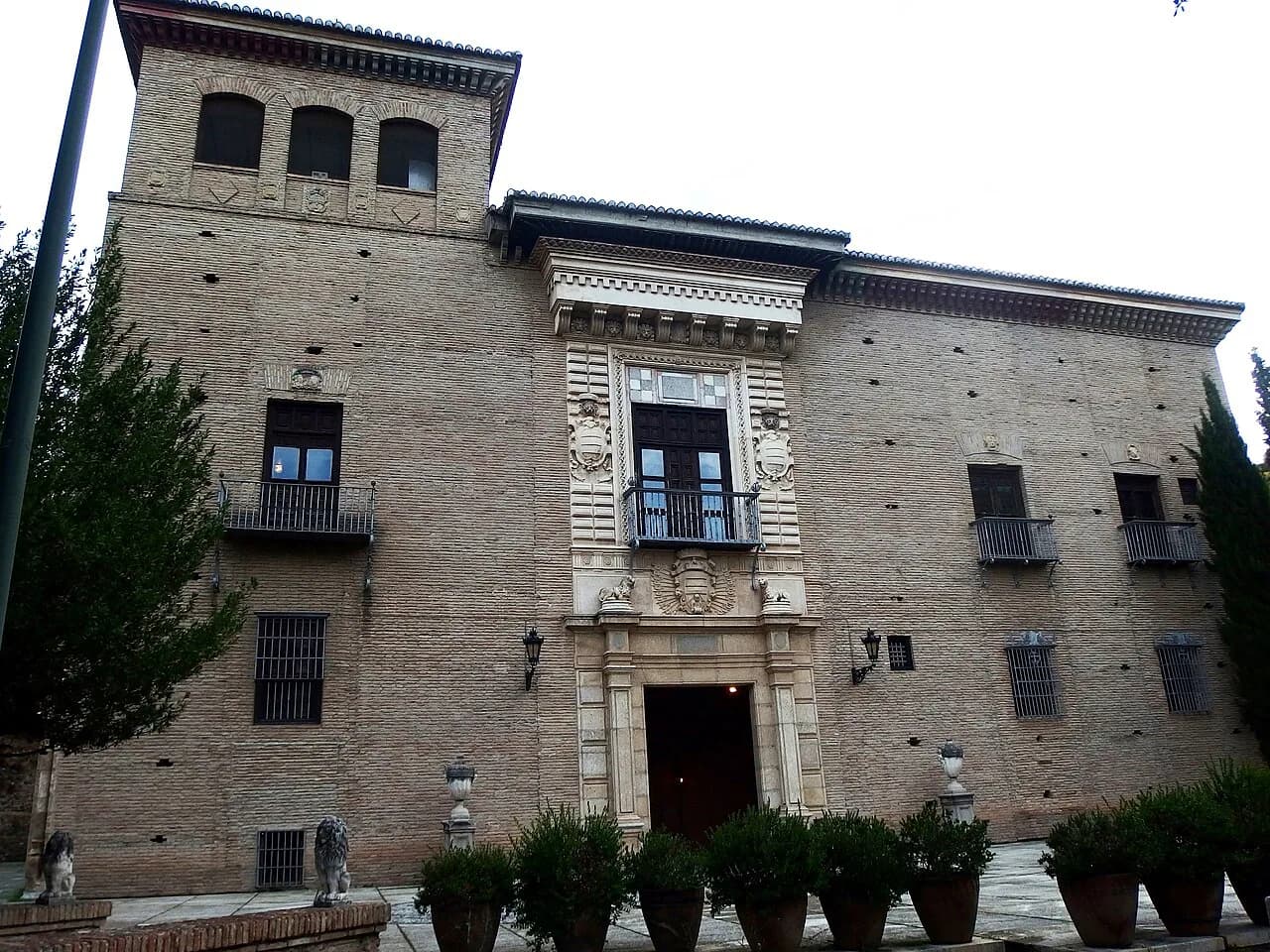
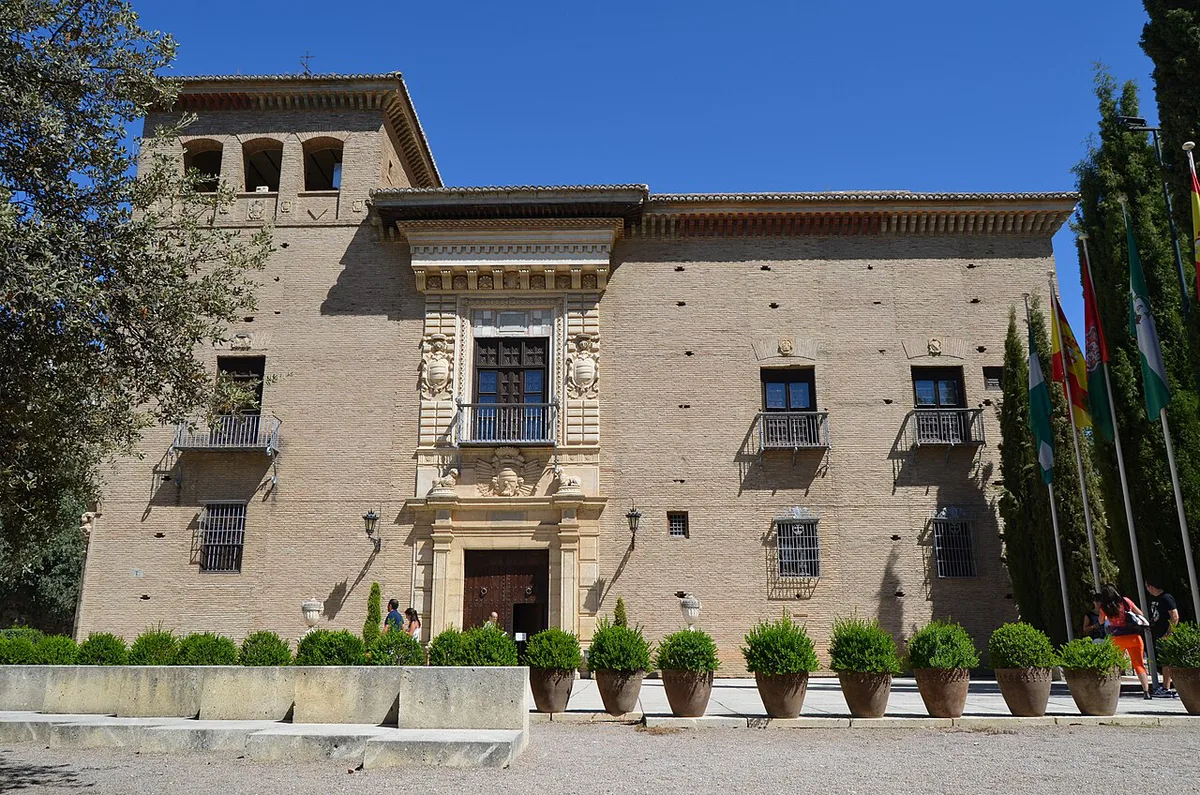
- Palace of the Admiral of Aragon: built for admiral Francisco Mendoza, later used as a military hospital, and now home to the University of Granada's School of Architecture.
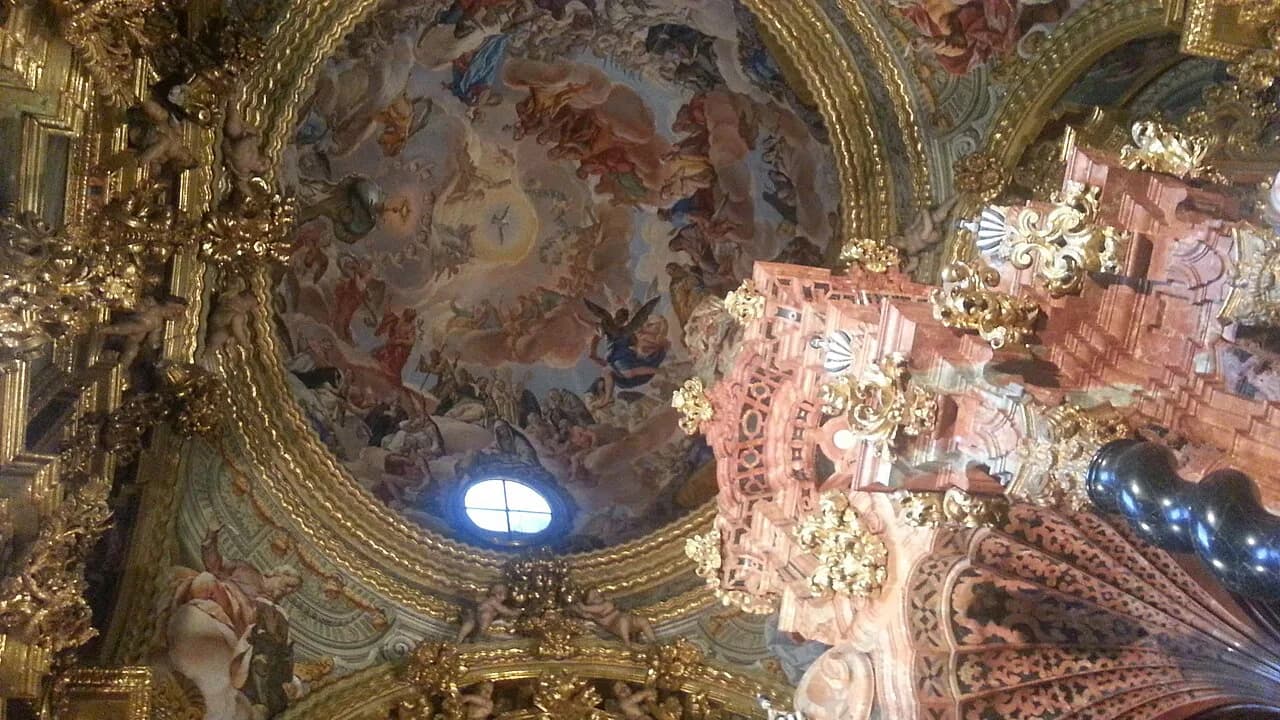
- Church of San Cecilio: a 1534 church with a Plateresque facade, rebuilt inside after a 1969 fire, dedicated to Granada's patron saint.
Street Art and El Niño de las Pinturas
Realejo doubles as an open-air gallery for El Niño de las Pinturas, a Granada street artist whose name translates to The Child of the Paintings. His murals turn plain facades into large-scale portraits across the quarter. Calle Molinos carries some of the most visible pieces, alongside boutique shops and small cafes. The Vistillas de los Ángeles area holds more murals, tucked into a quieter corner above the main squares. None of it costs anything to see, which fits neatly into a day built around Free Things to Do in Granada: A 2026 Budget Guide. For more unmarked corners like these, see the Secret Spots in Granada: Hidden Gems Beyond the Alhambra (2026) guide.
Tapas and Local Food in Realejo
Realejo ranks among Granada's more reliable tapas districts, and many residents favor it over the tourist-heavy bars around Plaza Nueva. The neighborhood follows Granada's tapas convention: order a drink, and the bar sends out a small plate at no extra charge. Campo del Príncipe works best in the evening, when its terraces fill for people-watching over a glass of wine. Calle San Matías leans more traditional, with smaller taverns and a quieter, sit-down pace. For a fuller rundown of dishes to order, check the local food guide. If a specific address matters more than the crawl itself, the 9 Best Local Restaurants in Granada: Authentic Tapas & Dining Guide guide narrows the list.
Getting to Realejo: Walking Routes and Buses
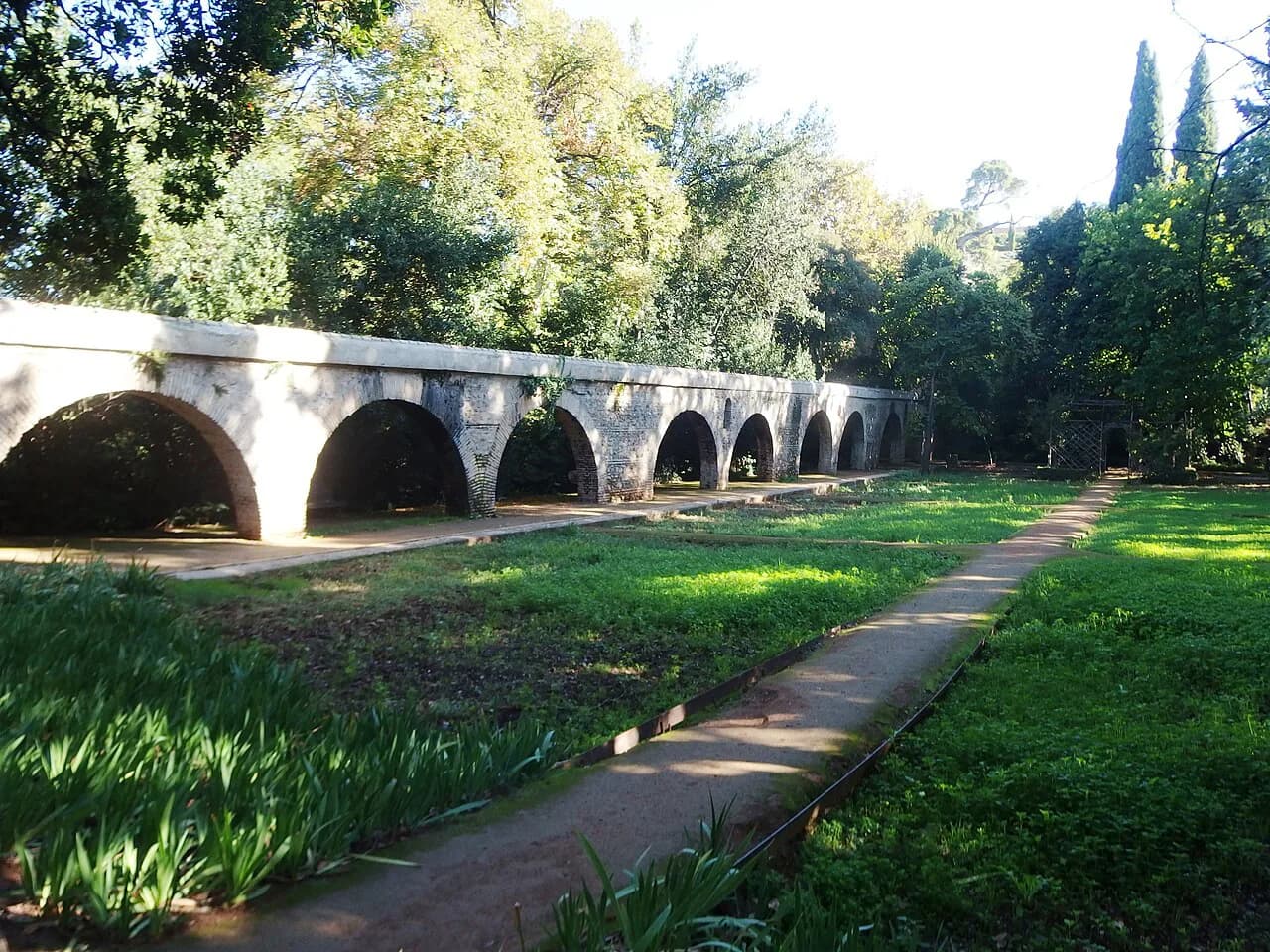
The most efficient way to see Realejo is downhill, right after an Alhambra visit. From the fortress, follow Carril de San Cecilio down to Campo del Príncipe. Alternatively, take Cuesta del Realejo, which passes the Hotel Alhambra Palace on its way into the neighborhood. Both routes avoid the uphill climb visitors face from the city center. The Carmen de los Mártires gardens sit along this same descent, and they're worth folding into the same walk. From downtown, two uphill approaches work well too.
Descend from the Alhambra via Carril de San Cecilio or Cuesta del Realejo to skip the uphill climb from downtown. For a half-day visit, tour museums in the morning (churches close at siesta), then settle into Campo del Príncipe's evening tapas terraces.
- From Plaza Isabel la Católica: walk up Pavaneras Street directly into Realejo.
- From Plaza Mariana Pineda: take San Matías Street, Cuesta del Progreso, or Varela Street.
- By bus: lines C30, C32, and C35 all serve the neighborhood. Confirm current stops and schedules with Granada's city bus network before you go.
Planning Your Time: Hours, Costs, and Timing
Budget half a day for Realejo's main landmarks and street art. A full day works better if you pair the walk with a tapas crawl and a stop at Carmen de los Mártires. Mornings suit the museums and churches, before Spain's midday closures set in. Evenings suit Campo del Príncipe, when the terraces fill and the square shifts into its social rhythm. Most of Realejo costs nothing to see, since the plazas, murals, and Cármenes lanes are open streets, not ticketed sites. Casa de los Tiros and Cuarto Real de Santo Domingo do charge entry; confirm current hours and prices on the official Turismo de Granada site before planning around them. That's a lighter cost than an Alhambra ticket, which requires advance booking regardless of season. For a wider read on timing a trip, see the best time to visit Granada guide.
Realejo's layered past—from Garnata al-Yahud's 20,000+ Jewish residents through post-1492 Renaissance architecture and today's El Niño murals—costs almost nothing compared to the Alhambra. Free plazas, street art, and tapas terraces dominate the district, with paid entry only at Casa de los Tiros and Cuarto Real.
Realejo vs Albaicín vs Sacromonte: Which Fits Your Trip
Realejo, Albaicín, and Sacromonte each anchor a different side of Granada's old city. Travelers with limited time often need to pick just one or two. Realejo splits into a flat, social lower half and a steep, quiet upper half known as La Antequeruela. Albaicín trades that split for narrow lanes and Alhambra-facing viewpoints, at the cost of steadier foot traffic. Sacromonte climbs further uphill again, built around cave dwellings and flamenco venues. The table below matches each neighborhood to what matters most on the day. For the full walking routes and viewpoints, read the Albaicín guide. Sacromonte's cave-house history and flamenco venues get their own coverage in the Sacromonte guide. Both sit inside the wider Granada Neighborhoods Guide: Albaicín, Sacromonte, Realejo, and Beyond (2026), which maps how the old city's districts connect.
| Neighborhood | Vibe | Walking Difficulty | Signature Sight |
|---|---|---|---|
| Realejo | Local tapas scene, part flat and part steep | Moderate: flat lower half, steep Antequeruela upper half | Campo del Príncipe and the Christ of the Favors |
| Albaicín | Arab-era lanes and Alhambra viewpoints | Steep, uneven cobbled streets throughout | Alhambra views from the Albaicín's miradores |
| Sacromonte | Cave dwellings and flamenco tradition | Steep, hillside paths above Albaicín | The cave neighborhood and its flamenco venues |
Mistakes to Avoid in Realejo
A few planning slips are easy to avoid once you know about them.
- Don't drive into Realejo's upper streets. The lanes around La Antequeruela are narrow, steep, and largely unsuited to cars.
- Don't skip the Lavadero de la Puerta del Sol. This old public laundry, in the Placeta de la Puerta del Sol, is Realejo's only historic wash house and a quiet spot for sunset.
- Don't plan church visits for midday. San Cecilio and other Realejo churches often close during Spain's siesta hours, so mornings or early evenings work better.
Further reading: Granada on Wikivoyage · Granada on Wikipedia
Frequently Asked Questions
Is Realejo worth visiting in Granada?
Yes. Realejo pairs Nasrid-era and post-1492 history with a tapas scene many Granada residents favor over Plaza Nueva, plus free street art along Calle Molinos. It sits directly below the Alhambra, so it fits easily into the same day.
How do you get from the Alhambra to Realejo?
Follow Carril de San Cecilio down to Campo del Príncipe, or take Cuesta del Realejo past the Hotel Alhambra Palace. Both routes descend rather than climb, and the Carmen de los Mártires gardens sit along the same walk.
Where is the best street art in Granada?
Realejo holds some of the city's most visible murals, painted by El Niño de las Pinturas and concentrated around Calle Molinos and the Vistillas de los Ángeles. Both areas are free to walk at any time of day.
What was the Jewish Quarter in Granada called?
Realejo was known as Garnata al-Yahud under Nasrid rule, and some historians link that name to the city's own name, Granada. The quarter's Jewish community lived there until the 1492 expulsion decree.
How much time should you plan for Realejo?
Half a day covers the main landmarks and murals. A full day works better if it's paired with a tapas crawl through Campo del Príncipe and Calle San Matías, plus a stop at Carmen de los Mártires.
Continue exploring
More guides you'll find useful