Albaicín Granada Guide: Navigating the Moorish Quarter in 2026
An Albaicín Granada guide to routes, viewpoints, Andalusian Monuments tickets, and where to eat in Granada's UNESCO-listed Moorish quarter.
On this page
Albaicín Granada Guide: Granada's Moorish Quarter, Explained
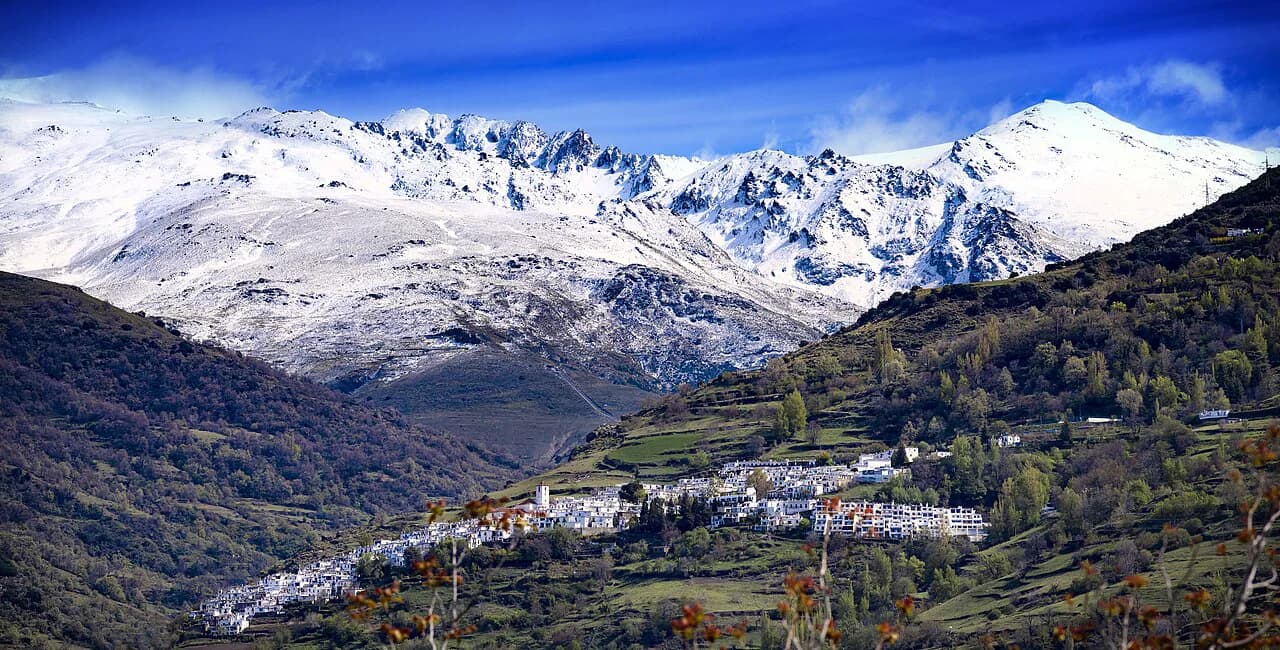
Last updated July 2026, this Albaicín Granada guide covers Granada's old Moorish quarter, a UNESCO World Heritage hillside neighborhood facing the Alhambra across the Darro valley. Below Plaza Larga, a maze of carmen-walled lanes climbs past the Calle Calderería Nueva tetería strip toward viewpoints crowded at sunset and near-empty at sunrise. Steep, slick cobblestones and a genuine risk of getting turned around make a route plan worth reading before you climb.
Albaicín Granada Guide: What the Moorish Quarter Is
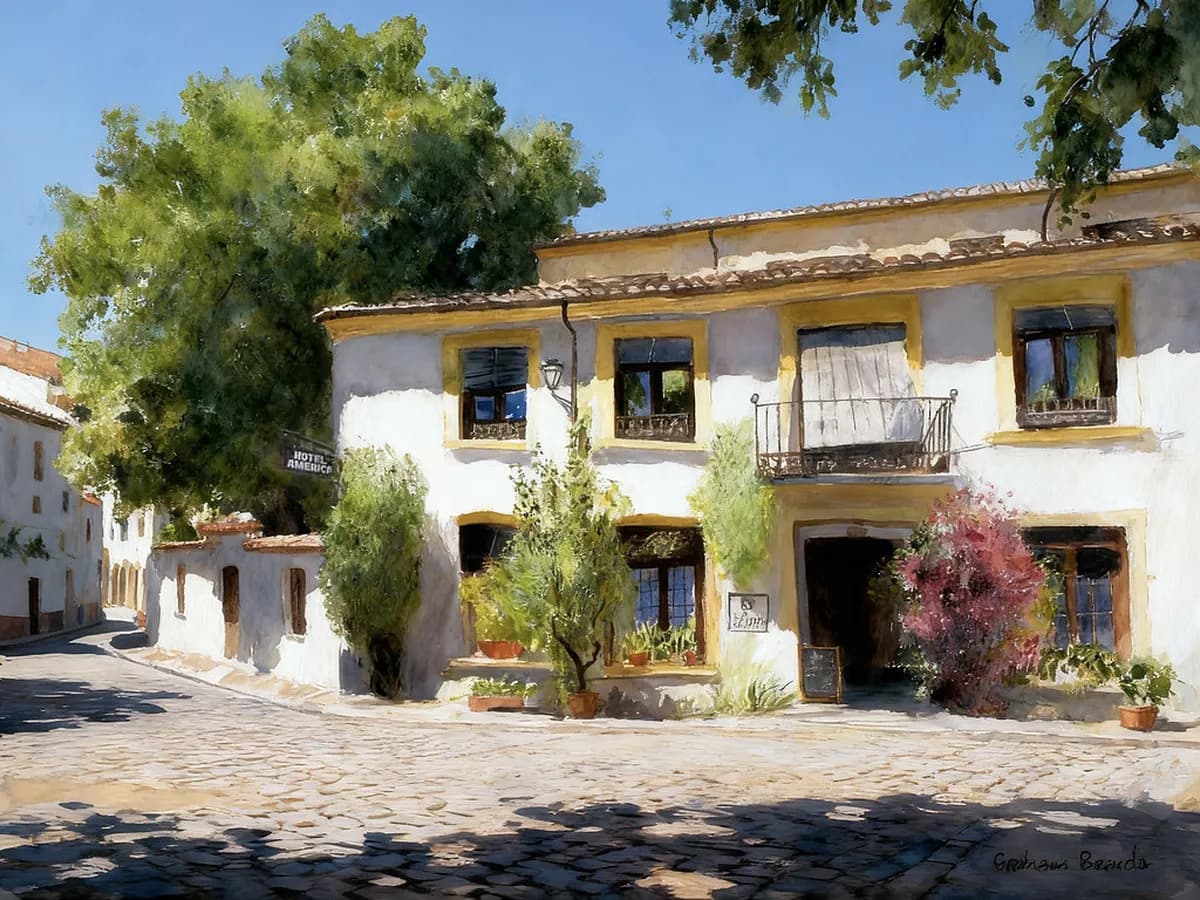
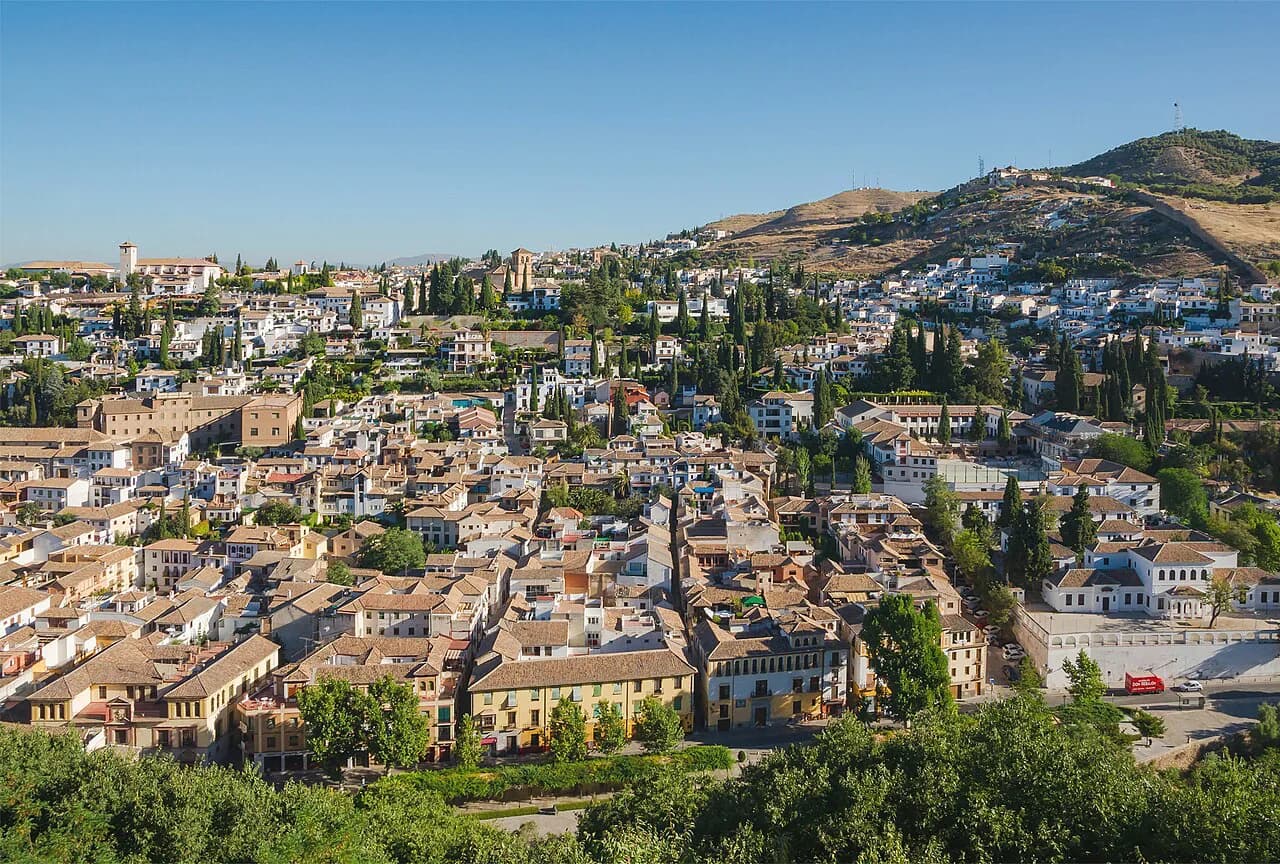
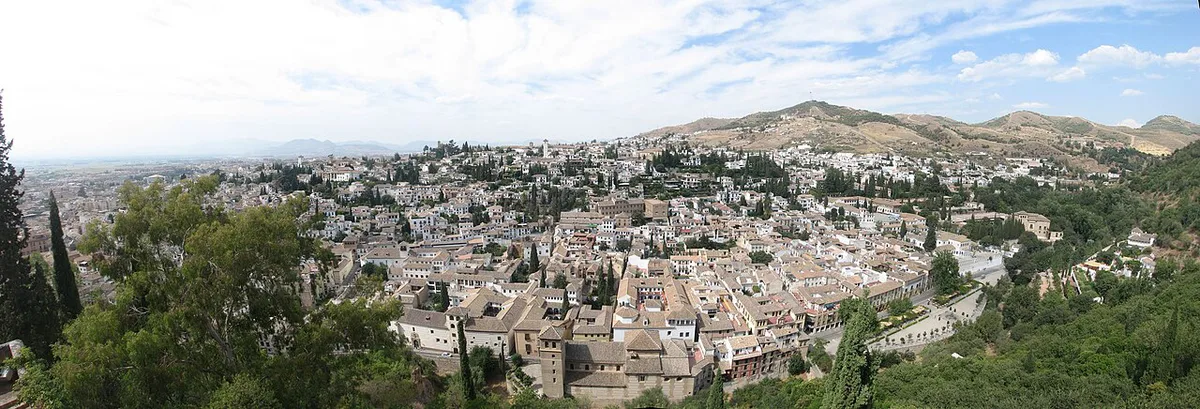
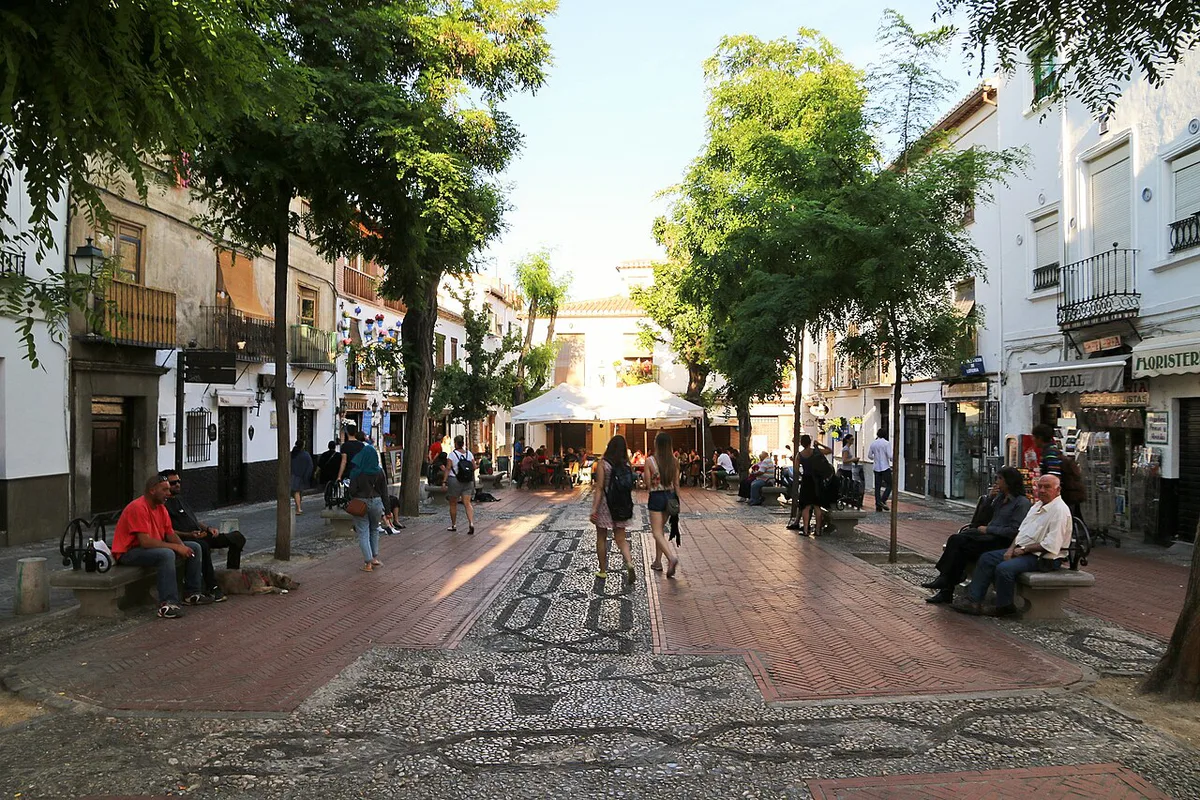
The Albaicín is Granada's old Moorish quarter, built on a hillside across the Darro valley from the Alhambra. Granada's Nasrid rulers laid out much of its street plan starting in the 13th century, and the tangle of lanes has changed only slightly since. UNESCO added the neighborhood to its World Heritage list together with the Alhambra and Generalife, recognizing it as a functioning district rather than a preserved relic. Whitewashed carmen walls, narrow lanes, and courtyards scented with jasmine and orange blossom give the quarter a lived-in feel. Visit in the morning or late afternoon to skip the midday heat and the crowds that build at the main viewpoints before sunset.
Navigating the Albaicín: Bus Up, Walk Down
Cobblestones in the Albaicín turn steep and slick fast, so decide a route before starting the climb. The most efficient option is riding a minibus from Plaza Nueva to the top of the hill, then walking back down. Three routes cover most visits, each trading effort for scenery. At the end of Paseo de los Tristes, the Puente del Aljibillo bridge leads to Cuesta del Rey Chico, a quieter alley climbing straight to the Alhambra instead of back into the Albaicín. Plan around the best time to visit Granada so a steep climb doesn't collide with peak-season crowds.
The €1.60 minibus from Plaza Nueva (C31 or C32) makes the morning visit timing strategy practical: riders arrive early to explore during the quiet hours while avoiding the midday heat of climbing on foot.
- The lazy way: C31 or C32 minibus from Plaza Nueva, €1.60 cash or contactless, then walk back down
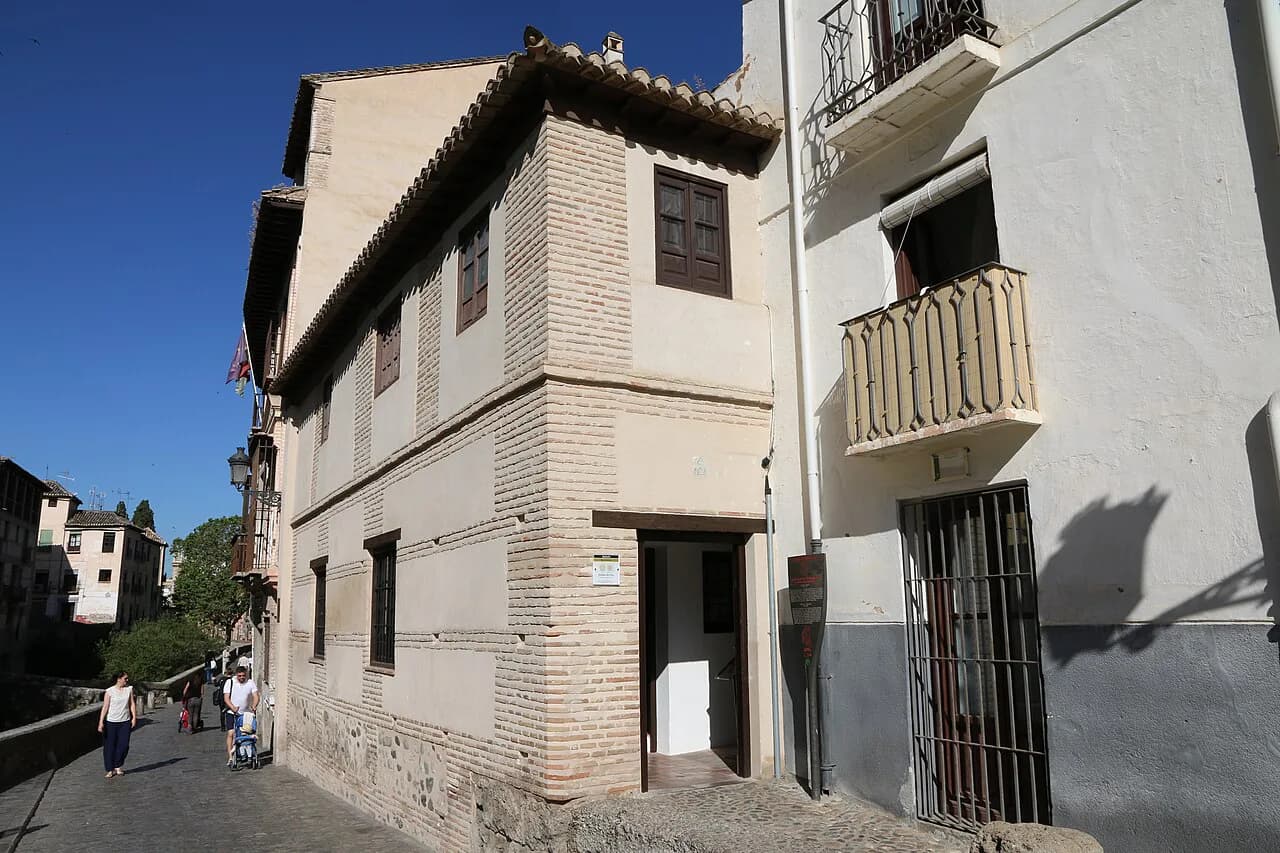
- The scenic way: Cuesta de San Gregorio, a steep uphill walk starting near the Convento de San Gregorio Bético at the end of Calle Calderería Nueva, about 15 minutes to Mirador de San Nicolás
- The river walk: Carrera del Darro and Paseo de los Tristes, a flat riverside route with stone bridges and Alhambra views
Mirador de San Nicolás and Quieter Alternatives
Mirador de San Nicolás is Granada's most photographed viewpoint, framing the Alhambra against the Sierra Nevada, snow-capped in winter. It draws heavy crowds at sunset, when photographers and tour groups pack the small square, and morning sun can shine directly into your eyes if you're facing the Alhambra. When it's too crowded, walk two minutes to the gardens at the Mosque of Granada for a near-identical view with far fewer people. For a quieter option any time of day, head to Mirador de San Cristóbal, on the far side of the hill overlooking the Albaicín's rooftops. Mirador de Los Carvajales, a small courtyard with a reflecting pond, is easy to miss and rarely crowded.
Top Highlights: Plaza Nueva to Calle Calderería Nueva
Plaza Nueva is the usual starting point for the Albaicín, about 10 minutes on foot from Granada Cathedral. The square holds the Real Chancillería de Granada, completed in 1587, and the Iglesia de San Gil y Santa Ana, built in 1501 on the site of a former mosque. An alternate starting point is the Arco de Elvira, the old Moorish gateway into the city, from which Calle Alhacaba leads into the same tangle of lanes. From Plaza Nueva, Calle Calderería Nueva climbs into the quarter lined with tetería tea houses and craft shops, a stretch nicknamed Little Morocco. The street continues into the Carrera del Darro, a riverside route lined with stone bridges, the Church of San Pedro and San Pablo, and Casa de Castril, which now houses the city's archaeological museum, before opening into the Paseo de los Tristes.
The Andalusian Monuments Cluster: Tickets and Free Saturdays
As of 2026, several of the Albaicín's best Moorish-era interiors are sold through a shared ticketing cluster known as the Andalusian Monuments. El Bañuelo's Arab baths date to the 11th century and split into four skylit rooms, among the oldest preserved bathhouses in Spain. Palacio Dar al-Horra was the former residence of Sultan Boabdil's mother and keeps two floors of Islamic inscriptions and archways. Casa del Chapiz and Casa Zafra round out the cluster as examples of Moorish domestic architecture built around private cármenes. On Saturdays, several Andalusian Monuments sites, including El Bañuelo and Palacio Dar al-Horra, offer free entry, so a Saturday morning visit stretches the budget further. The Dobla de Oro pass makes the most sense for history-focused visitors also touring the Alhambra. Casual visitors who just want a couple of Albaicín interiors get better value from the standalone Andalusian Monuments pass. For more Albaicín stops beyond this cluster, see lesser-known Granada spots.
| Ticket Option | Best For | Approx. Price (2026) |
|---|---|---|
| Individual tickets | Visitors seeing only one or two sites | Priced per site |
| Andalusian Monuments pass | Covering El Bañuelo, Palacio Dar al-Horra, and the core cluster | ~€8.48 |
| Dobla de Oro pass | Combining the Albaicín cluster with the Alhambra | ~€30.48 |
Understanding the Carmen: Granada's Walled Gardens
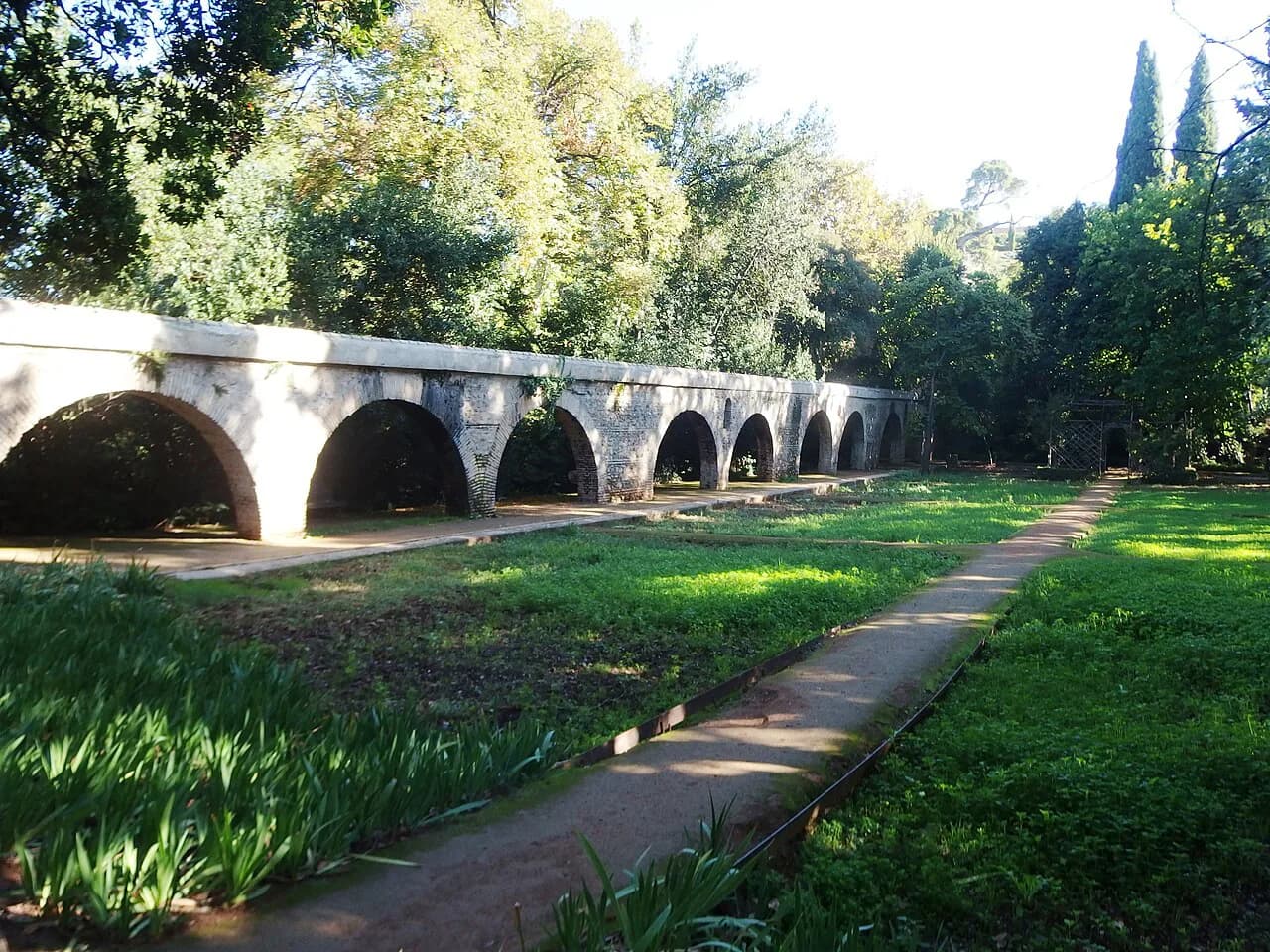
A carmen is a Granada house built around a walled garden, often with its own grapevines, tucked out of view from the street. Courtyards behind plain facades trace back to the quarter's Islamic-era domestic architecture. Most cármenes stay private, but a few open their gardens to visitors. Carmen de la Victoria and Carmen de los Geranios, home to the Casa Museo de Max Moreau, both show the pattern up close. Carmen de los Mártires, near the Alhambra, follows the same design on a larger scale. The scent of jasmine and orange blossom drifts over the walls even when the gates stay shut, and the sound of the Darro carries up the hillside below. Two adjoining districts show a different side of the same hillside. Sacromonte's cave district continues east along the ridge. The Realejo district covers Granada's old Jewish quarter on the opposite hill. To see how the Albaicín compares with these and other districts, read about how Granada's neighborhoods differ.
The jasmine and orange blossom scents drifting through the Albaicín come from cármenes, the walled gardens hidden behind plain facades that most visitors never enter. Fragrance becomes the primary way to sense these private gardens.
Where to Eat and Drink in the Albaicín
Paseo de los Tristes has terrace restaurants aimed at visitors, with Alhambra views that match the prices. For a more local scene, climb to Plaza Larga, the Albaicín's traditional market square, where tapas bars fill with neighborhood regulars rather than tour groups. Many bars across Granada still follow the regional custom of serving a free tapa with every drink ordered, so a round of drinks doubles as a light meal. For specific picks beyond the Albaicín, see local restaurants in Granada. For dishes worth ordering, check the guide to what to eat in Granada.
Planning Essentials: Mistakes to Avoid in the Albaicín
A few planning choices separate an easy Albaicín visit from a frustrating one. The quarter's narrow, one-way lanes were laid out for foot traffic, not cars. If extra time remains after the Albaicín, day trips from Granada cover options beyond the city. Cartuja Monastery is a quieter Granada sight worth the detour. Several Albaicín churches and viewpoints cost nothing to visit, and the free things to do guide rounds up more of them.
- Don't drive a rental car into the Albaicín. Streets are restricted and often too narrow for cars.
- Skip heels and flip-flops. The cobblestones get slick, especially after rain.
- Don't visit only at sunset. Mornings are quieter and show a different side of the quarter.
A Practical Downhill Route Through the Albaicín
For an efficient half-day visit, take the C31 or C32 minibus from Plaza Nueva and begin near Plaza Larga. This route places most of the demanding climb on the bus journey.
- Walk from Plaza Larga to Palacio Dar al-Horra, then cross the hillside toward Mirador de San Nicolás.
- Continue down Cuesta del Chapiz for Casa del Chapiz and its views across the Darro valley.
- Descend to Paseo de los Tristes, then follow Carrera del Darro past El Bañuelo toward Plaza Nueva.
The sequence combines a neighborhood square, Nasrid architecture, a major viewpoint, and the riverbank without repeatedly climbing the hill. Mirador de San Cristóbal requires a worthwhile detour before Palacio Dar al-Horra. Casa Zafra also fits between Cuesta del Chapiz and the lower Darro route.
Allow three to four hours if entering several monuments. Check admission times before starting, since smaller sites may close earlier than the surrounding streets and viewpoints.
Further reading: Granada on Wikivoyage · Granada on Wikipedia
Frequently Asked Questions
Is the Albaicín safe at night?
The Albaicín is generally calm at night, but stick to well-lit main routes like Carrera del Darro and Paseo de los Tristes. Side alleys and unlit stairways are quieter and easy to misjudge after dark, so travel with a companion or stay on the main paths if walking late.
How much time do you need in the Albaicín?
Plan for at least three to four hours to cover the main viewpoints, the Andalusian Monuments cluster, and a stop for tapas. Add extra time if the plan includes both a sunset mirador and a quiet morning walk.
Is the Albaicín wheelchair accessible?
Most of the Albaicín is difficult for wheelchairs and strollers. The terrain is steep, cobblestoned, and often stepped, with few ramps. The C31 or C32 minibus from Plaza Nueva removes the worst of the climb, but many lanes above the bus stops stay narrow and uneven.
What's the best way to buy tickets for El Bañuelo and Palacio Dar al-Horra?
Individual tickets work if only one site fits the schedule. The Andalusian Monuments pass, priced around €8.48, covers El Bañuelo, Palacio Dar al-Horra, and related sites for less than paying separately. Travelers also visiting the Alhambra can add the Dobla de Oro pass, priced around €30.48, which folds in the same Albaicín cluster.
When's the best time to visit the Albaicín?
Early morning and late afternoon avoid the midday heat and the sunset crowds that build at Mirador de San Nicolás. Weekday mornings before 10 a.m. tend to be the quietest window for photos.
Continue exploring
More guides you'll find useful