Valencia Neighborhoods Guide: Where to Stay, Live, or Invest in 2026
A 2026 valencia neighborhoods guide comparing El Carmen, Ruzafa, El Cabanyal, Benimaclet, and more on price, vibe, and who each area actually suits.
On this page
Valencia Neighborhoods Guide: A District-by-District Breakdown for 2026
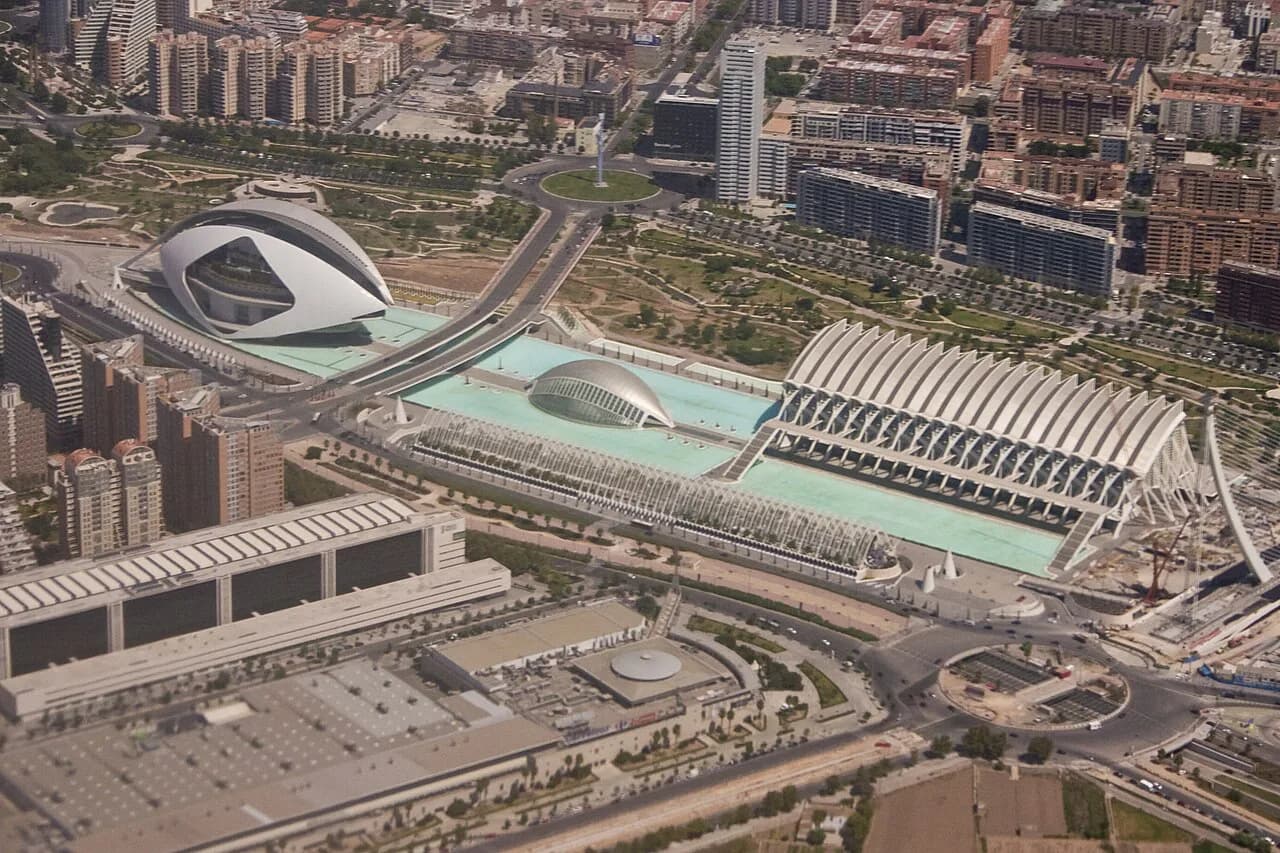
Last updated July 2026, this valencia neighborhoods guide breaks down which of the city's roughly 88 barrios actually matter for visitors, renters, and buyers. The city splits along an old-versus-new line, from medieval Ciutat Vella to the futuristic City of Arts and Sciences, linked by the 9-kilometer Turia Gardens. Use the comparison table and neighborhood breakdowns below to match a district to your budget, noise tolerance, and travel plans.
How Valencia's Neighborhoods Fit Together
Valencia city has 19 administrative districts split into roughly 88 to 90 smaller barrios, depending on the source. Visitors only need a handful of them. The clearest split is old versus new. Medieval Ciutat Vella sits close to the cathedral. The City of Arts and Sciences complex represents the modern city, built out from the 1990s onward. Nearly every neighborhood worth knowing touches the Turia Gardens, the 9-kilometer (about 5.6-mile) park built in the old riverbed after the 1957 flood. Many of the specific corners inside these districts are covered in the Valencia hidden gems guide.
Valencia Neighborhoods Guide at a Glance: Quick Comparison
Use this table to match a neighborhood to your priorities before reading the fuller breakdowns below. Figures are per square meter and reflect ranges reported by local real estate agencies across 2025 and 2026. Treat them as a planning baseline, not a fixed quote, since individual listings vary by condition, floor, and building age.
| Neighborhood | Vibe | Price (€/m²) | Best For |
|---|---|---|---|
| El Carmen | Historic, medieval streets, street art | ~€4,447 | First-timers, history and walkability |
| Ruzafa | Trendy bars, market, nightlife | ~€5,269 | Digital nomads, food and nightlife |
| El Cabanyal | Tiled fishing quarter, beach-adjacent | ~€4,143 | Beach access |
| Arrancapins | Local, residential, wide squares | ~€3,848 | Authentic local life on a budget |
| Pla del Remei / Gran Via | Upscale boutiques, wide avenues | ~€5,719–5,989 | Luxury stays, quiet upscale base |
| Benimaclet | Village feel, student energy | ~€2,700–2,940 | Students, budget-conscious stays |
| Patraix | Village square, slow pace | ~€2,667–2,730 | Families wanting quiet with center access |
El Carmen: The Historic Heart of Ciutat Vella
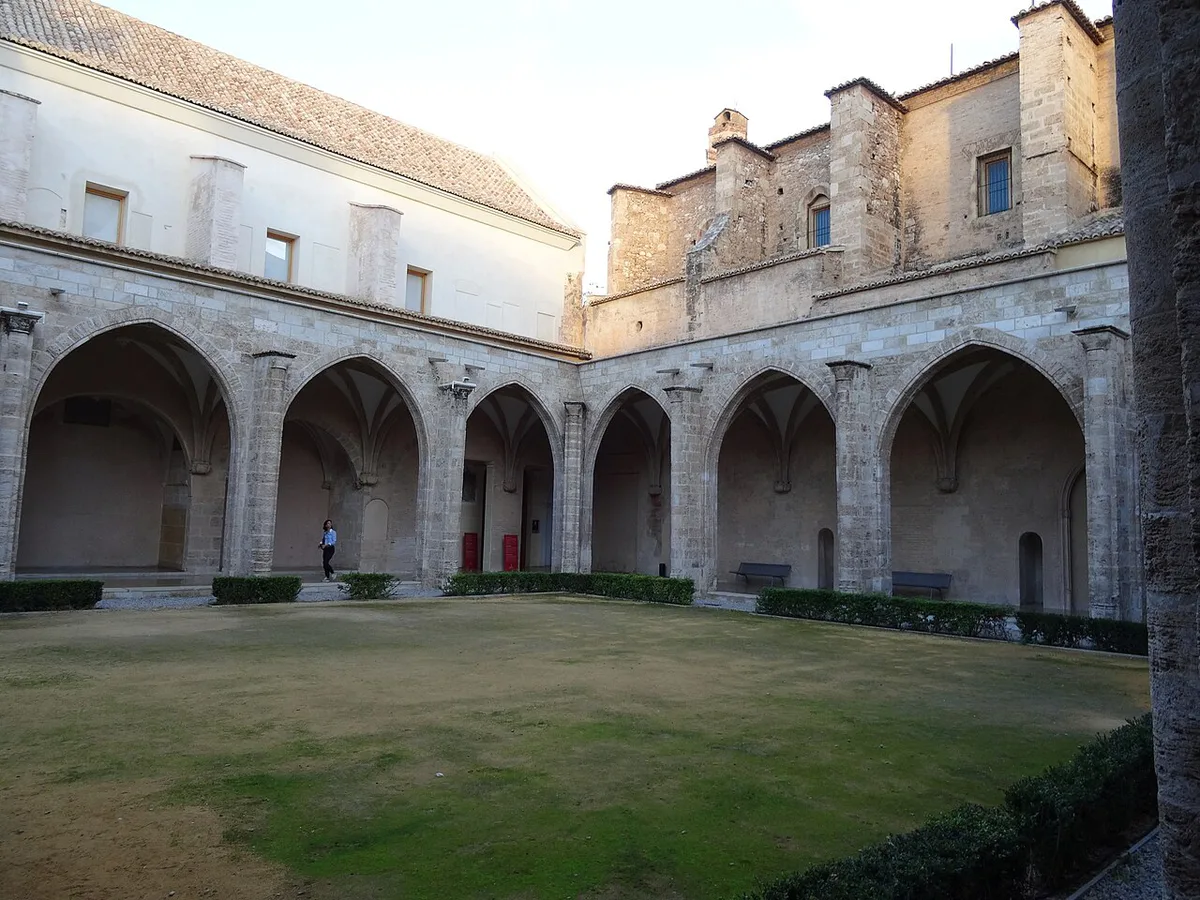
El Carmen sits inside Ciutat Vella, Valencia's medieval old town. Its narrow, mostly pedestrian streets wind past the cathedral, the Lonja de la Seda silk exchange, and the Central Market. The Institut Valencià d'Art Modern anchors the neighborhood's contemporary-art side, and street art covers many of the surrounding alley walls. El Carmen splits into a tourist-heavy core near the cathedral and quieter residential pockets a few streets over, where the crowds thin out fast. Average prices run around €4,447 per square meter, among the higher figures inside Ciutat Vella. Landmarks worth building a walk around include the following. For a full block-by-block route, see the El Carmen neighborhood guide. The quieter pockets away from the cathedral are also mapped in the secret spots guide.
- Institut Valencià d'Art Modern (IVAM)
- Torres de Serranos
- Lonja de la Seda (Silk Exchange)
- Central Market
Ruzafa and the Eixample: Valencia's Trendy Pulse
Ruzafa sits inside the wider Eixample district and functions as Valencia's nightlife and food center. Pastel-painted apartment blocks line streets packed with cocktail bars, boutiques, and the Ruzafa Market. Average prices reach about €5,269 per square meter, well above the city average, with a typical property value near €620,799. Two neighboring Eixample pockets sit at different price points. The Ruzafa neighborhood guide breaks the bar and market scene down street by street. The local restaurants guide covers where to eat nearby. The local food guide covers market stalls and casual spots citywide.
- Gran Via / Cánovas — wider streets, more greenery, around €5,719 per square meter
- Pla del Remei — near Mercado de Colón, the most expensive of the three at around €5,989 per square meter
El Cabanyal and Malvarrosa: Maritime Living
El Cabanyal was Valencia's fishing quarter, and its ceramic-tiled house fronts still show it. The neighborhood has spent the past several years in transition, with new cafes and restaurants opening alongside homes still waiting on renovation. Malvarrosa Beach sits within walking distance, which is the main draw for anyone prioritizing beach access over a central address. The trade-off is distance: expect 20 to 30 minutes into the center by tram or bus. Average prices run around €4,143 per square meter, though renovated, move-in-ready homes cost more than that average suggests. The El Cabanyal neighborhood guide covers the tiled streets in more depth. Beach mornings pair well with the unique things to do guide for an afternoon plan.
El Cabanyal trades central walkability for direct beach access—an unusual neighborhood choice prioritizing swimming over sightseeing—requiring 20 to 30 minutes by transit to reach downtown restaurants and attractions.
Arrancapins and Campanar: Local Life Without the Crowds
Arrancapins sits in the Extramurs district, directly next to Ciutat Vella. Wide streets and several large squares give it a more local, less touristy feel than the historic core. Daily life here runs on Spanish schedules rather than tourist ones. Average prices sit around €3,848 per square meter. Campanar, further out, offers newer construction and easy access to the Bioparc and Parque de Cabecera. Neighborhoods like this rarely make guidebook lists. That is the point. The off the beaten path guide covers more corners in the same spirit.
Benimaclet and La Saïdia: Village Feel, Student Energy
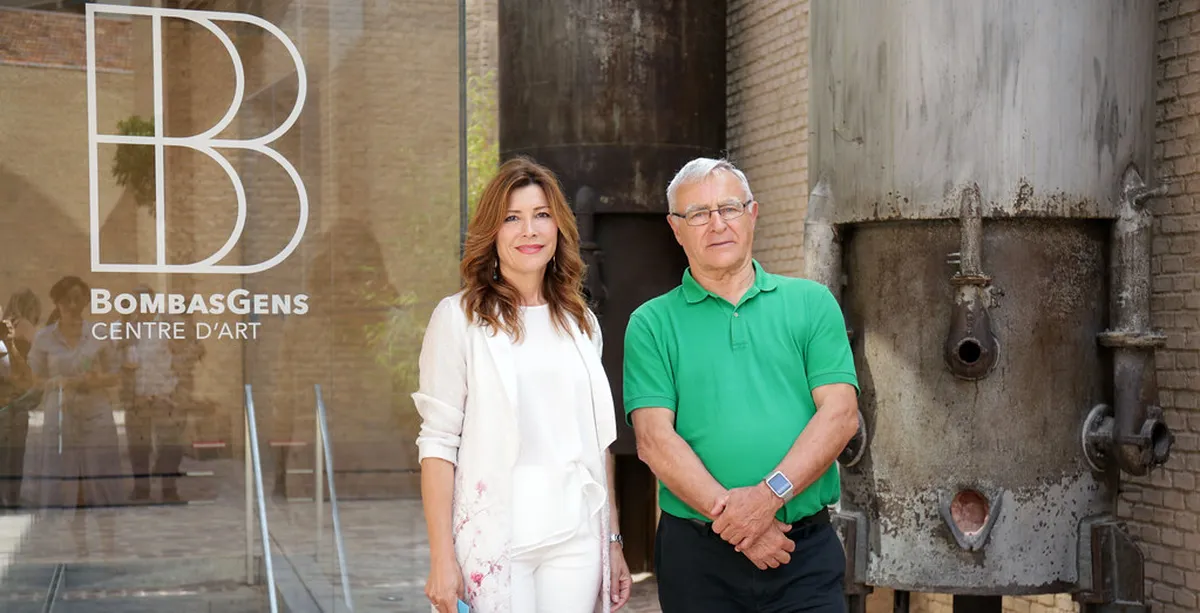
Benimaclet was an independent village before Valencia absorbed it, and it still feels that way. Its central square, student-friendly bars, and urban garden plots draw a younger, budget-conscious crowd. Prices run roughly €2,700 to €2,940 per square meter depending on the listing source, among the more affordable options inside the city. La Saïdia borders the Turia near Ciutat Vella, offering a quieter, more family-oriented alternative about a 10-minute walk from the old town. Prices run around €2,730 per square meter. The Benimaclet neighborhood guide covers the square, bars, and student scene in more depth. A short ride away, the Bombas Gens Centre d'Art adds a contemporary-art stop beyond IVAM.
What a Home in Valencia Actually Costs
Citywide, homes in Valencia average about €399,000, or roughly €3,682 per square meter, based on real estate agency data current as of April 2026. That average shifts with specific features, listed below. The newest growth is happening around Ciudad de las Artes in the Quatre Carreres district, home to the City of Arts and Sciences complex. Nearby Monteolivete, positioned between the Eixample and that complex, averages about €3,327 per square meter and offers walking or cycling access into the Turia park. South of the center, the green belt around Albufera Natural Park keeps prices lower in the surrounding southern districts. International buyers often work with local agents. Some advertise English, French, or Dutch-language service. Some also list renovation-financing programs, such as Plan Amigo Reformas, aimed at older properties needing work.
- City average: about €3,682 per square meter
- With a terrace: about €4,275 per square meter
- With an elevator or lift: about €3,916 per square meter
- With private parking: about €4,329 per square meter
Getting Around: The Turia Gardens and Public Transit
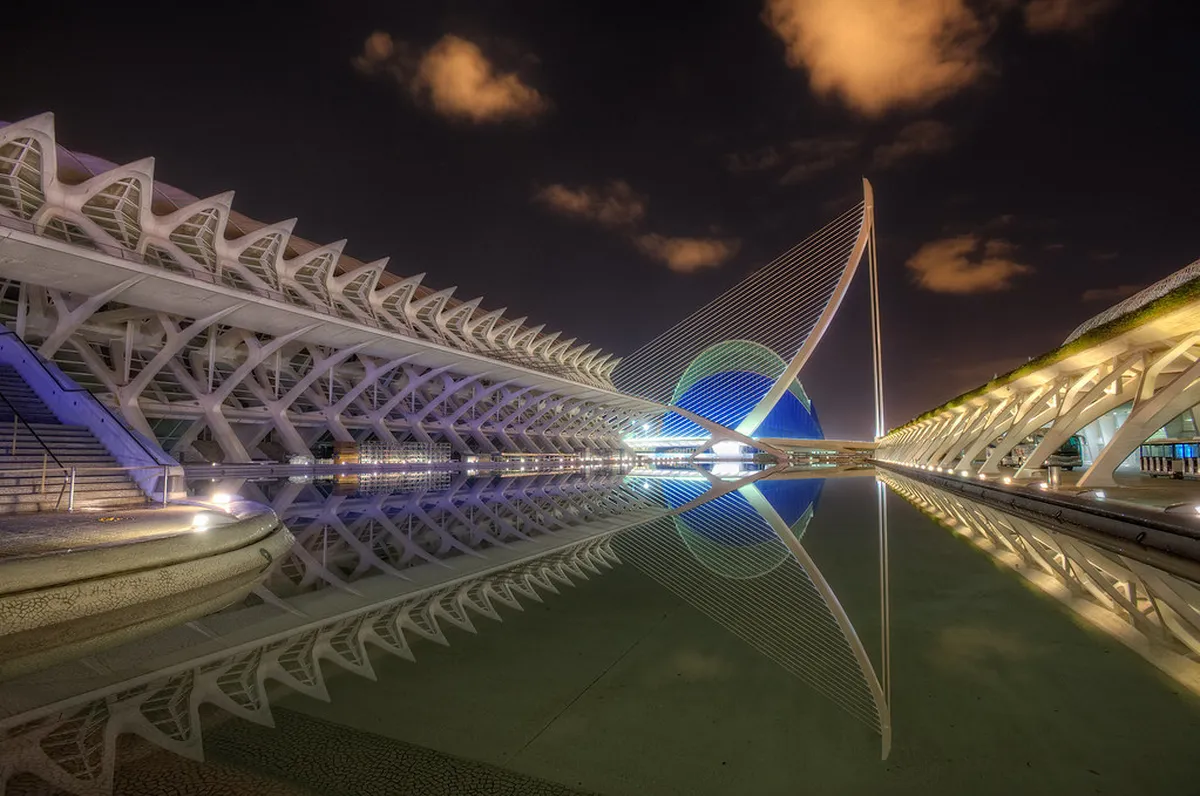
The Turia Gardens function as the city's main walking and cycling corridor. At 9 kilometers (about 5.6 miles) long, the former riverbed park links Ciutat Vella at one end to the City of Arts and Sciences at the other. It cuts through or runs alongside most of the neighborhoods covered here. Walking any stretch of it costs nothing, and it is one of the easiest ways to see several districts in a single outing. Beyond walking, three systems cover the rest of the city. For fares and current routes, check each operator's official site directly, since schedules and prices change year to year. The Turia Gardens guide covers the park route in more detail. A full walk-through of no-cost options citywide is in the free things to do guide. The Jardines de Monforte makes a good smaller add-on if you want a quieter garden stop along the way.
- Metrovalencia — the metro and tram network linking outer districts to the center
- EMT Bus — city bus routes reaching neighborhoods off the metro lines
- Valenbisi — the city's bike-share system
Mistakes to Avoid When Choosing a Valencia Neighborhood
A few planning mistakes come up often enough to flag directly. The best time to visit guide covers which weeks to plan around instead. The day trips from Valencia guide lists options beyond the city grid for a change of pace.
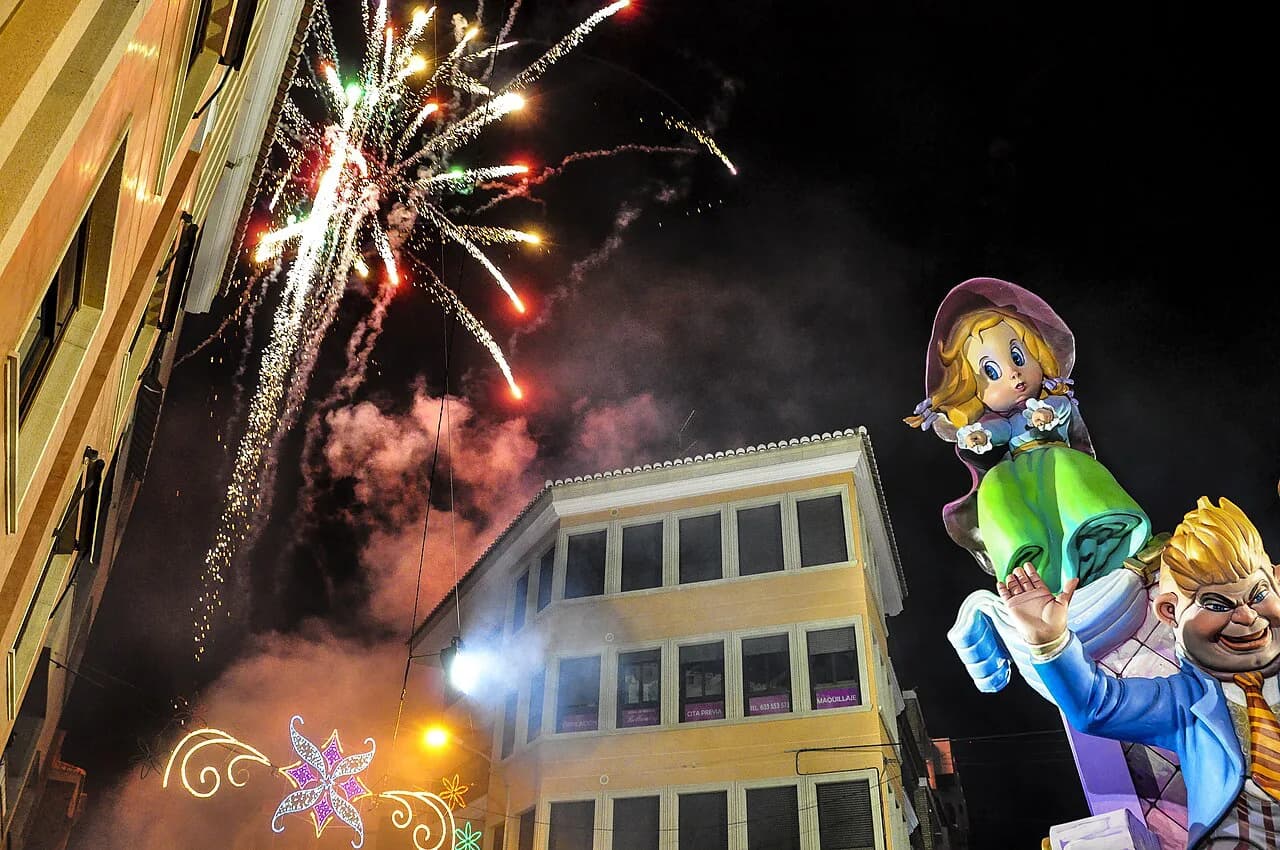
El Carmen and Ruzafa rank among the city's easiest first-stop neighborhoods, but March 19 Cremà reverses their appeal entirely—fireworks and midnight crowds transform both districts into unsuitable bases for light sleepers seeking quiet evenings.
- Booking a quiet stay in Ruzafa or El Carmen during the week of Las Fallas, when fireworks and crowds run late into the night through the March 19 Cremà
- Assuming beach neighborhoods stay lively year-round; El Cabanyal and Malvarrosa quiet down noticeably outside summer
- Skipping the elevator question in Ciutat Vella, where many historic buildings in El Carmen are walk-ups
Patraix: A Quieter Family Base Southwest of the Center
Patraix suits families and longer-stay visitors who value residential streets over nightlife. The former village now forms part of a larger district southwest of Ciutat Vella. Its historic center survives around Plaça de Patraix, where low-rise buildings and neighborhood terraces create a noticeably slower pace.
Housing averages roughly €2,667 to €2,730 per square meter, making Patraix more affordable than Ruzafa, El Carmen, or El Cabanyal. The savings come with fewer major visitor attractions, but everyday services are close at hand.
- Patraix and Safranar Metrovalencia stations connect the district with central Valencia.
- Jesús station provides another useful transport option near the district’s eastern side.
- Parque Central offers paths, lawns, and play areas within reach of northern Patraix.
Choose accommodation near the old square for local character or closer to a metro station for simpler sightseeing. Patraix works best for travelers seeking quiet evenings and practical transport. Visitors wanting late-night dining outside their door will find Ruzafa more convenient.
Further reading: Valencia on Wikivoyage · Valencia on Wikipedia
Frequently Asked Questions
What is the best Valencia neighborhood for first-time visitors?
El Carmen is the easiest first stop, since its narrow streets sit close to the cathedral, the Central Market, and IVAM. For a quieter stay with similar walkability, Ruzafa's edges near Gran Via work well too.
Which Valencia neighborhood suits digital nomads or remote workers best?
Ruzafa and Benimaclet both work well for longer remote-work stays. Ruzafa has a denser cafe and cowork scene at around €5,269 per square meter, while Benimaclet runs closer to €2,700 to €2,940 per square meter for a quieter, cheaper base.
Is El Cabanyal a good base for beach access?
Yes. El Cabanyal and neighboring Malvarrosa sit within walking distance of the beach, with the trade-off being a 20 to 30 minute tram or bus ride into the center.
How much does an apartment cost per square meter in Valencia?
Citywide, expect an average around €3,682 per square meter, based on real estate agency data current as of April 2026. Prices range from about €2,667 per square meter in Patraix up to roughly €5,989 per square meter in Pla del Remei.
When should travelers avoid booking in Ruzafa or El Carmen?
Avoid both if quiet matters during the week leading up to the March 19 Cremà of Las Fallas, when fireworks and crowds run through the night in both neighborhoods.
Continue exploring
More guides you'll find useful