Off the Beaten Path in Valencia: Local Neighborhoods and Hidden Spots
Skip the crowds. Find off the beaten path in Valencia with quiet neighborhoods, secret gardens, Sunday timing tricks, and practical 2026 logistics.
On this page
Off the Beaten Path in Valencia: A Guide to Local Living
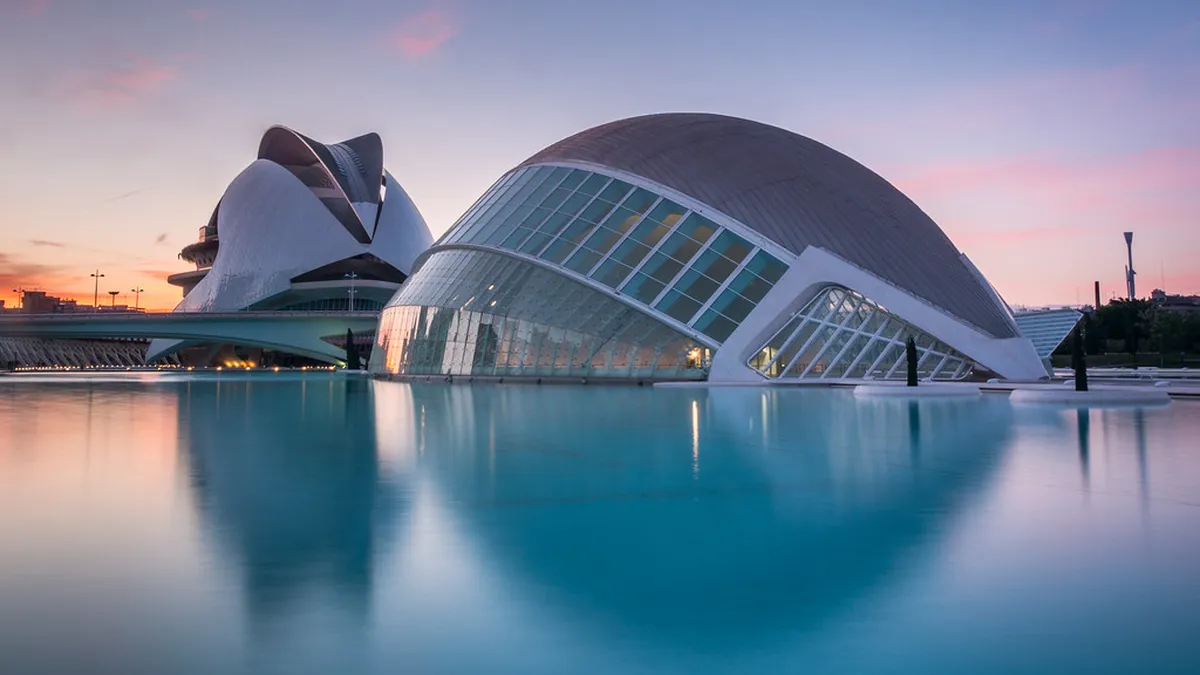
Last updated July 2026, this guide shows you how to find spots off the beaten path in Valencia beyond the crowds around the Ciutat de les Arts. It weighs the time each detour costs against what it delivers, from tiled backstreets to a quiet stretch of Turia Gardens, and points you toward lesser-known corners of Valencia worth the trip. Each section below flags whether a place rewards a special trip out or fits naturally into a day already spent nearby.
Off the Beaten Path in Valencia: What to Skip and What to Save
Knowing what already draws crowds helps you decide where a detour actually pays off. The spots below see the heaviest tour-group and cruise-crowd traffic, especially between mid-morning and early evening. Turia Gardens is the exception on this list. It stays popular with tourists and residents alike. But its 9km length still hides quiet pockets past the first bridge. Head by bike toward Gulliver Park instead of lingering near the crowded southern stretches. For more low-key alternatives citywide, see the guide to Secret Spots in Valencia: A 2026 Guide to Quiet Corners. For hour-by-hour timing on the sights below, check the best time to visit without crowds guide.
- Plaza de la Virgen and Plaza de la Reina, thick with groups by mid-morning.
- The southern stretch of Malvarrosa Beach, closest to the tram stop.
- Ruzafa's main café strip, where English has become the default language among its expat residents.
- Turia Gardens overall, popular with everyone but wide enough to still find quiet stretches.
Wander Valencia's Distinct Neighborhoods
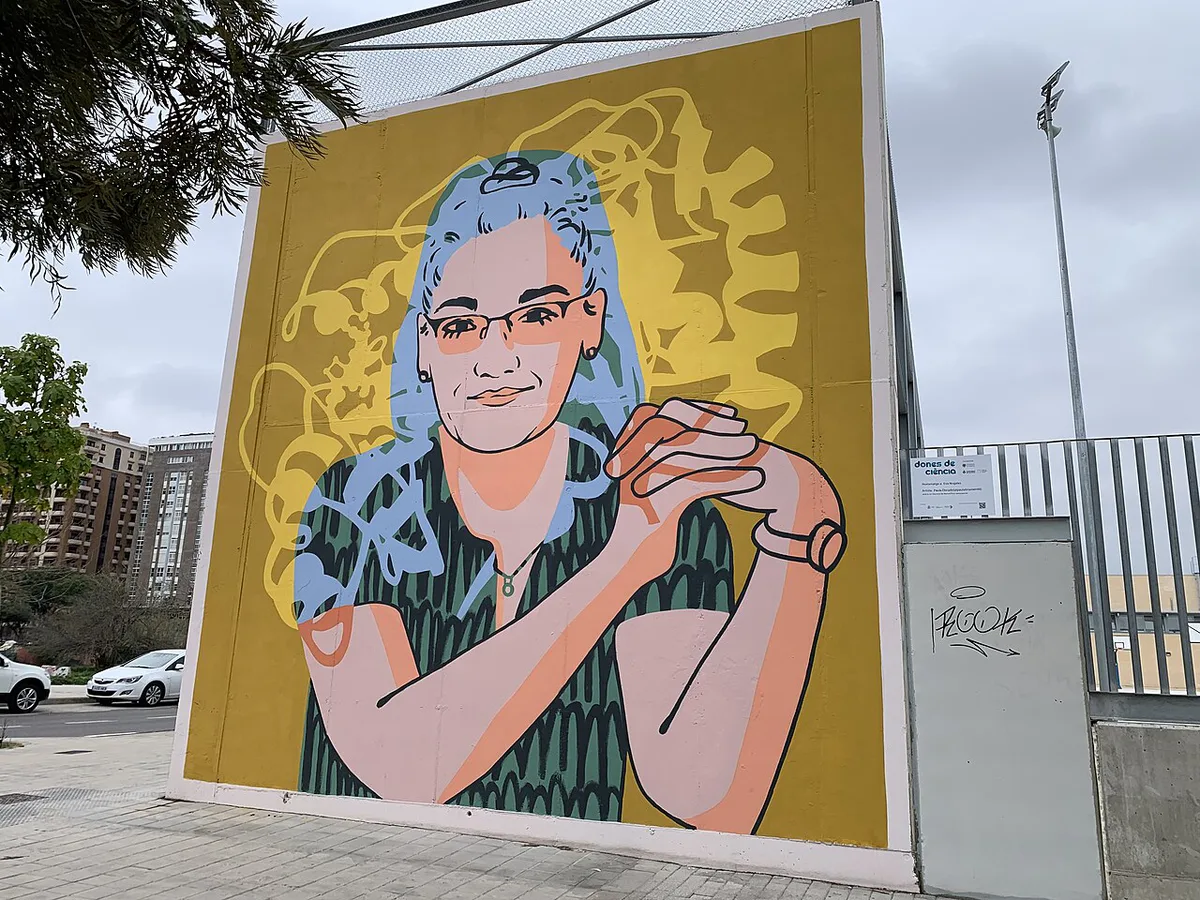
Four neighborhoods give the clearest sense of local life beyond the historic core. Each runs at a different pace, so match the visit to what you actually want from the day. The Valencia Neighborhoods Guide: Where to Stay, Live, or Invest in 2026 covers the full list; the four below are the ones locals mention first. Benimaclet still feels like the separate village it once was, with a student population and low-key local plazas. El Cabanyal is the old fisherman's quarter, known for tiled house facades and a no-frills tapas scene a short walk from the beach. El Carmen rewards walking past Calle Caballeros toward the Portal de la Valldigna. Civil War-era bunkers sit below parts of the neighborhood; check current opening days before planning a visit around them. Ruzafa is the trendiest of the four and the most English-speaking, useful for reliable wifi and coffee rather than a local vibe.
| Neighborhood | Vibe | Best For | Trade-off |
|---|---|---|---|
| Ruzafa | Trendy, expat-heavy | Coworking cafes, weekend brunch | Least local color; hardest place to find a quiet table |
| El Carmen | Historic, a little gritty | Street art, old-city wandering | Plaza del Tossal gets loud in the evenings |
| El Cabanyal | Maritime, no-frills | Tiled architecture, beach-adjacent tapas | Sights spread out; more walking between stops |
| Benimaclet | Village-feel, student energy | Local plazas, casual bar-hopping | Limited daytime sights beyond plaza life |
Off-the-Beaten-Path Culture: Bombas Gens, Jardines de Monforte, and the Sunday Loop
A handful of cultural stops sit well outside the main museum crowds. Bombas Gens occupies a restored industrial building and runs changing exhibitions. Check its current show before visiting, since the program rotates. Jardines de Monforte is a smaller, quieter alternative to Turia Gardens or the Botanical Garden, with formal hedges and far fewer visitors. Sundays add a specific opportunity worth planning around. La Lonja and the Serranos and Quart towers waive their entry fee on Sundays. Standard entry on other days has otherwise run about €2 each; confirm the current rate before you go. That free Sunday entry also draws the heaviest crowds of the week inside all three buildings. If quiet, unhurried photos matter more than saving a couple of euros, visit on a paid weekday instead, ideally a Tuesday morning. Sundays are still worth it for a different reason: closed shop shutters across El Carmen reveal street art that stays covered the rest of the week. For a fuller list of no-cost options citywide, see Free Things to Do in Valencia: The Complete 2026 Budget Guide.
Alternative Nature: Albufera and the Best Bike Loop
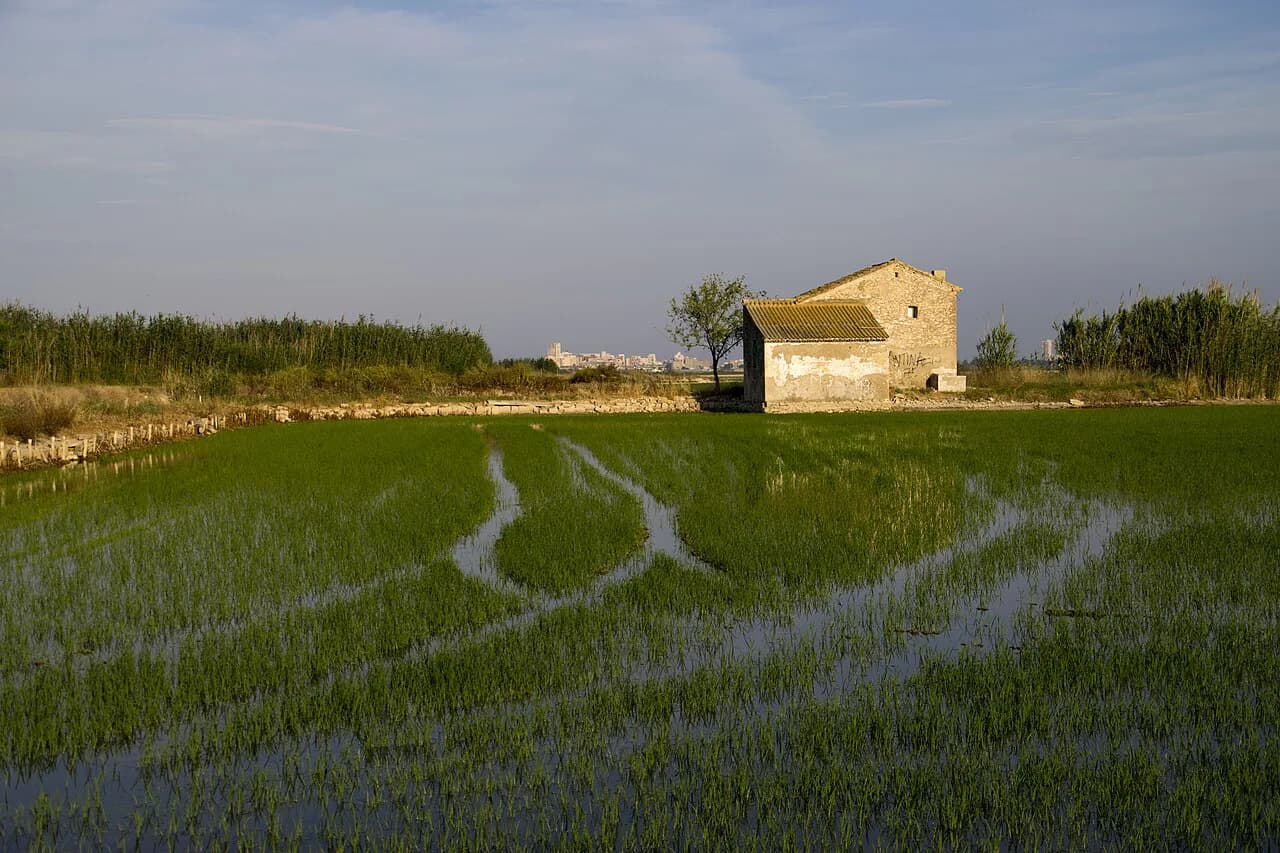
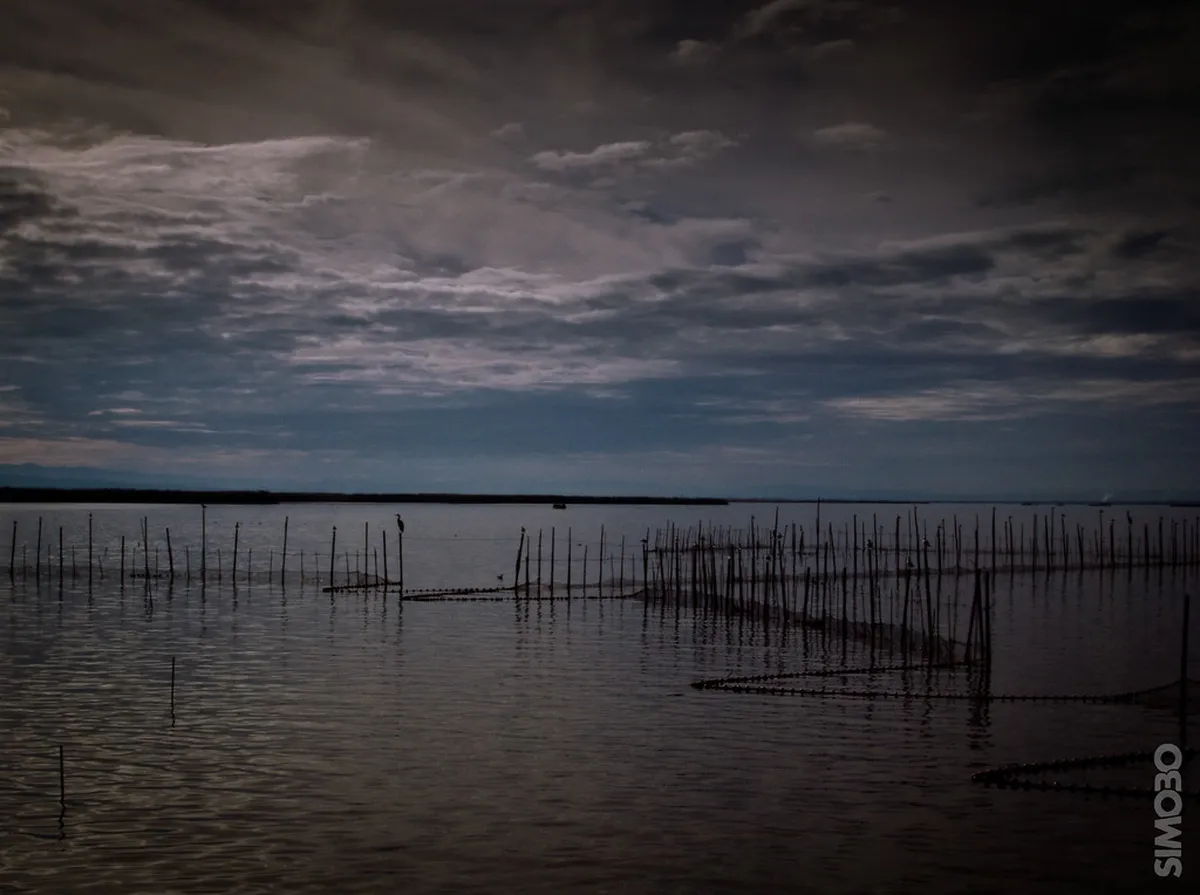
Two options take you out of the city entirely without joining a bus-tour crowd. Albufera Natural Park sits about 45 minutes from central Valencia by bus. Only commit to it if the plan includes a full afternoon through sunset over the lagoon. Small boat trips on the lake are the main draw. Surrounding rice paddies are where paella originated. Few sightseers make it past the visitor center, which makes the detour worth it. For a broader set of day-trip options at similar distances, the guide to day trips from Valencia ranks the rest. Closer to the city, a flat 25km bike loop covers more variety than any single neighborhood walk in one outing. It is one of the better 8 Unique Things to Do in Valencia: Hidden Gems and Local Secrets for a half-day out. For a shorter version, cycle the 9km stretch of Turia Gardens between Parque de Cabecera's swan-boat lake and Gulliver Park instead.
The 45 minutes needed to reach Albufera by bus means early-morning strategies like hitting Central Market at 7:30am won't work, requiring a full afternoon commitment instead.
- North to Alboraya for farm-fresh horchata.
- Port Saplaya, known locally for its canal-front houses.
- The beaches at Patacona and Malvarrosa on the way back.
- A loop back into the city through Turia Gardens.
Eating and Drinking a la Valenciana
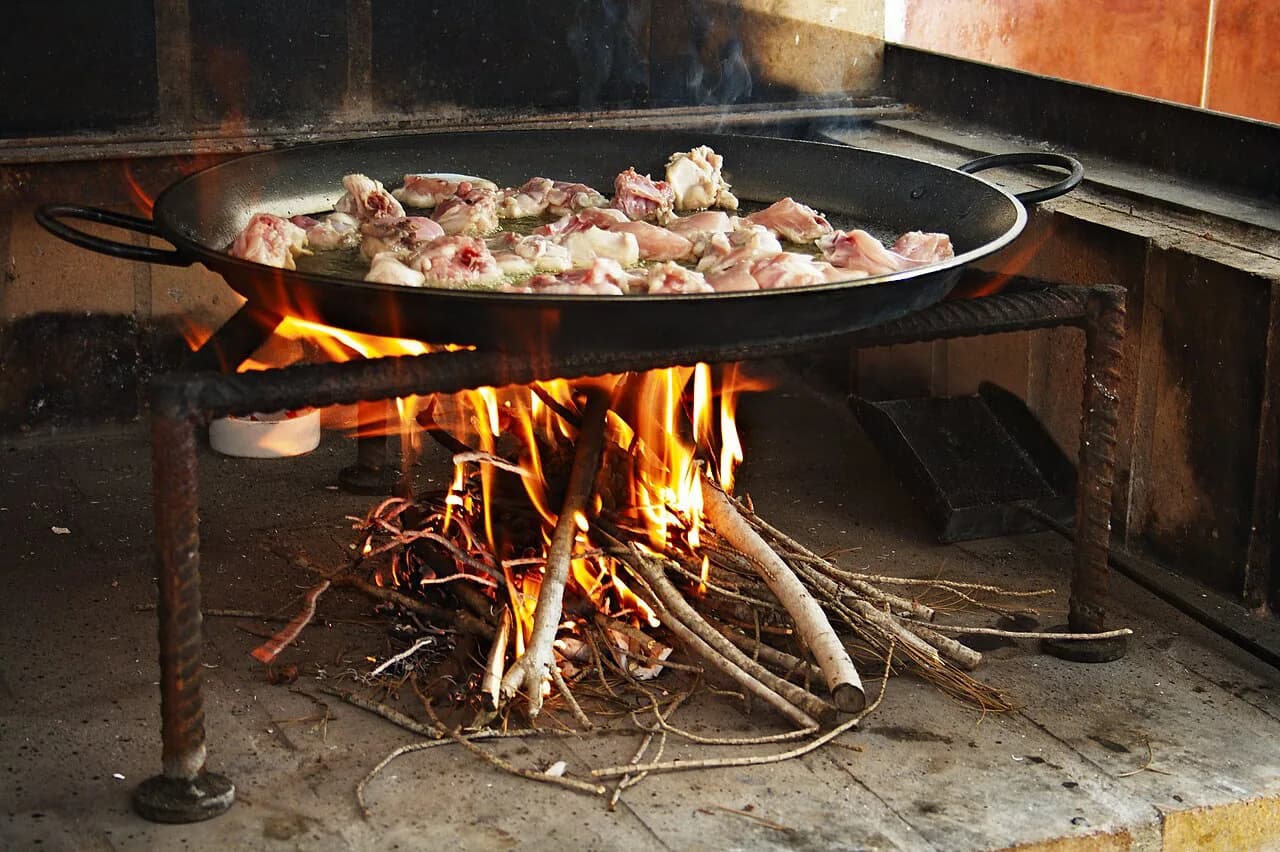
Meals are where the difference between a tourist itinerary and local rhythm shows up fastest. A menu del dia priced for office workers, posted only in Spanish or Valenciano, with no photos of the food, is a reliable sign of a local spot. A laminated multilingual menu outside a central-district restaurant usually signals the opposite, and typically costs noticeably more than the same three courses a few streets over. For a working list of where the local pattern holds up, see the local restaurants in Valencia guide. Horchata is worth doing properly rather than grabbing the nearest tourist-strip cup. The drink is made from tiger nuts grown around Alboraya, north of the city. Farm-focused horchaterías there serve it fresher than most central cafes, including stops the cycling loop above passes. Order it cold, with fartons for dipping, and treat it as an afternoon drink rather than a dessert. La Tasca Angel comes up often for sardines and a local vermouth pour, though confirm current hours before making a special trip. Skip paella at dinner. It is a lunch dish in Valencia, and restaurants that serve it after dark at tourist-district prices are cooking for visitors, not locals. The Valencia food guide covers the rest of the region's staples in more depth.
Getting Around: Metro, Valenbisi, and Walking
Valencia's center rewards walking more than transit for the neighborhoods covered above. El Carmen, Ruzafa, and Benimaclet all sit within a flat 30-40 minute walk of one another. The Metrovalencia network reaches El Cabanyal and the beach directly, useful once midday heat makes walking unappealing. Valenbisi, the city's bike-share system, covers the same ground faster and suits the longer Turia Gardens stretches better than the metro does. A rechargeable multi-ride transport card works out cheaper per trip than buying single paper tickets at the machine each time. Fares and card pricing change from year to year, so check current rates at an EMT or Metrovalencia ticket machine before loading value onto one.
Timing Tips to Beat the Crowds
An early self-guided loop through the city center works well before the neighborhoods above. Valencia's main sights get crowded fast once the day heats up. Central Market opens at 7:30am and is worth an early coffee before tour buses arrive at Plaza de la Virgen. Valencia's City Hall on Plaza del Ayuntamiento opens its doors at 8:30am. Entry to see the Salon de Cristal and the Hemiciclo inside has stayed free. Both rooms are quiet at that hour in a way the same plaza will not be by midday.
Starting at 7:30am at Central Market and then taking a 30-40 minute walk to a neighborhood lets early risers see multiple areas before the mid-morning crowds build.
Mistakes to Avoid
A few small missteps separate a smooth Valencia visit from a frustrating one. Ordering paella after dark is the most common. It is a midday dish here, and dinner-hour versions in tourist zones are rarely made to order. Expecting a fast-paced city is another misstep. Valencia runs on a slower, Mediterranean schedule, with long lunch breaks and shops that close mid-afternoon. Treating Ruzafa as representative of local Valencia is a third misstep, since its café culture now skews more expat than resident. Finally, joining the free Sunday crowds at La Lonja and the towers without weighing the trade-off means paying nothing but getting a rushed visit instead of a calm one.
Trade Malvarrosa for El Saler and La Devesa Beaches
For a quieter Mediterranean swim, continue south to El Saler instead of stopping at Malvarrosa. The beach borders Albufera Natural Park and feels less urban than Valencia’s city beaches.
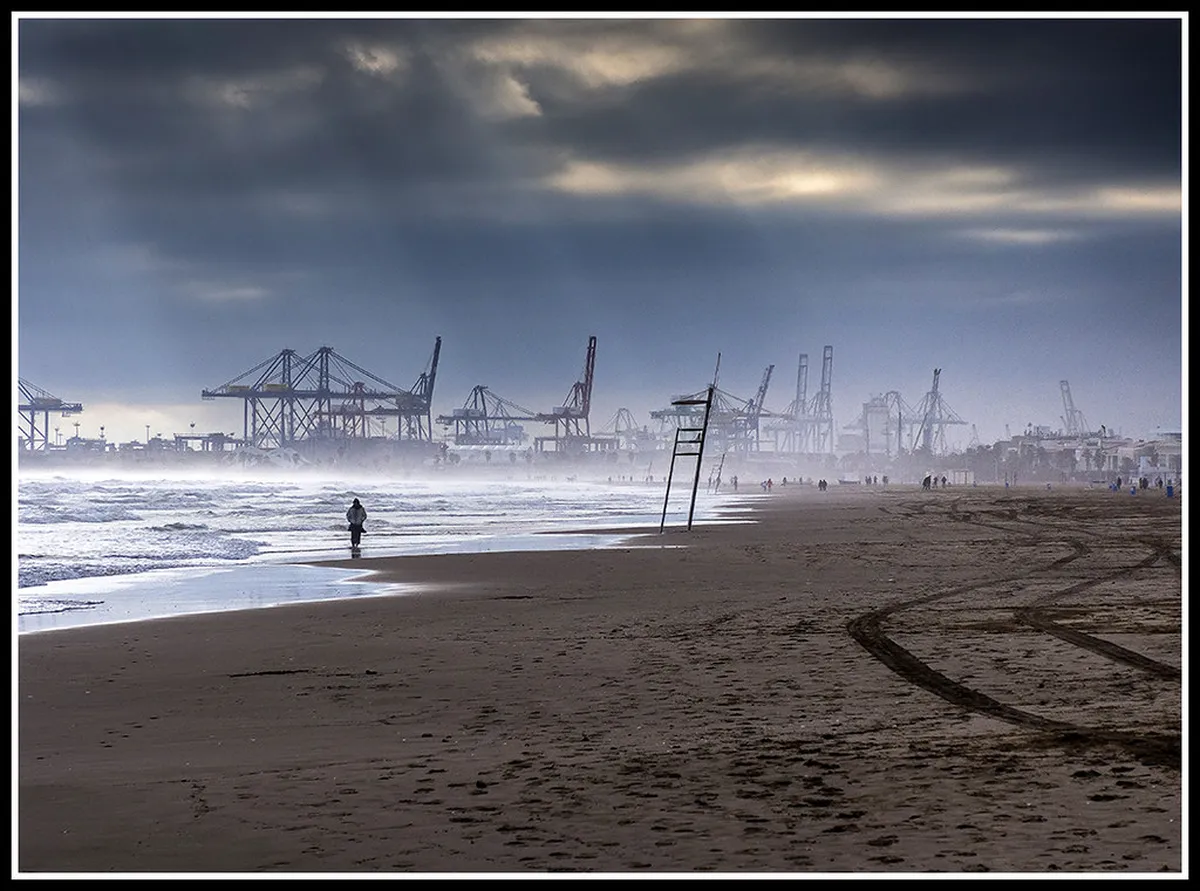
Farther south, La Devesa has a protected landscape of dunes, pine woods, and undeveloped shoreline. Use marked paths through the dunes because trampling damages the vegetation that stabilizes them.
EMT routes 24 and 25 connect central Valencia with communities around Albufera, including El Saler and El Palmar. Check the current stop and return schedule before leaving, especially outside summer. The journey usually deserves at least half a day.
Pair a morning swim at El Saler with a lagoon visit later in the day. Continue to El Palmar for rice dishes, then stay for sunset near the water. Bring drinking water and sun protection because services become sparse away from El Saler’s main access points.
La Devesa includes designated naturist stretches, but customs vary along the shoreline. Follow local signs and choose the section that matches your comfort level.
Further reading: Valencia on Wikivoyage · Valencia on Wikipedia
Frequently Asked Questions
What counts as off the beaten path in Valencia?
Anywhere outside the tour-group loop around Plaza de la Virgen, Plaza de la Reina, and the busiest stretch of Malvarrosa Beach. Neighborhoods such as Benimaclet and El Cabanyal, along with quieter cultural stops like Bombas Gens and Jardines de Monforte, fit the definition better than anywhere already crowded by mid-morning.
Is El Cabanyal safe to explore on foot?
Yes. The neighborhood is a working, lived-in part of the city rather than a polished tourist zone, and its tiled streets and no-frills tapas bars are best seen on a daylight walk, the way most visitors already experience them.
How do you get to Albufera Natural Park without joining a tour group?
Independent buses run from central Valencia to the park, a trip of about 45 minutes each way. Because of that travel time, plan for a full afternoon rather than a quick stop, ideally timed around sunset over the lagoon.
When is the best time to visit Valencia to avoid crowds?
Early mornings, before about 10am, clear out most of the city center's main plazas. Shoulder-season months also thin out crowds citywide, and off-peak timing guides can help plan the rest of a trip around it.
Are La Lonja and the Serranos and Quart towers really free on Sundays?
Yes, all three have waived entry fees on Sundays, though that also makes Sunday the most crowded day to visit. Standard entry on other days has run about €2 each; confirm the current rate before you go, and consider a weekday visit instead if a quiet experience matters more than saving a couple of euros.
Continue exploring
More guides you'll find useful