Secret Spots in Valencia: A 2026 Guide to Quiet Corners
Find real secret spots in Valencia for 2026, from Jardines de Monforte's walled garden to Bombas Gens' old-factory art and quiet corners of Benimaclet.

On this page
Secret Spots in Valencia: A Local's Guide to Quiet Corners
Last updated July 2026, this guide moves past the City of Arts and Sciences to track down the real secret spots in Valencia. Expect walled gardens, tiled fishing-quarter streets, and a converted ceramics factory turned art center. Valencia held the European Green Capital title in 2024, and its flat, bike-lane-covered streets make these quieter corners easy to reach without a car.
Secret Spots in Valencia: What Actually Counts as Hidden
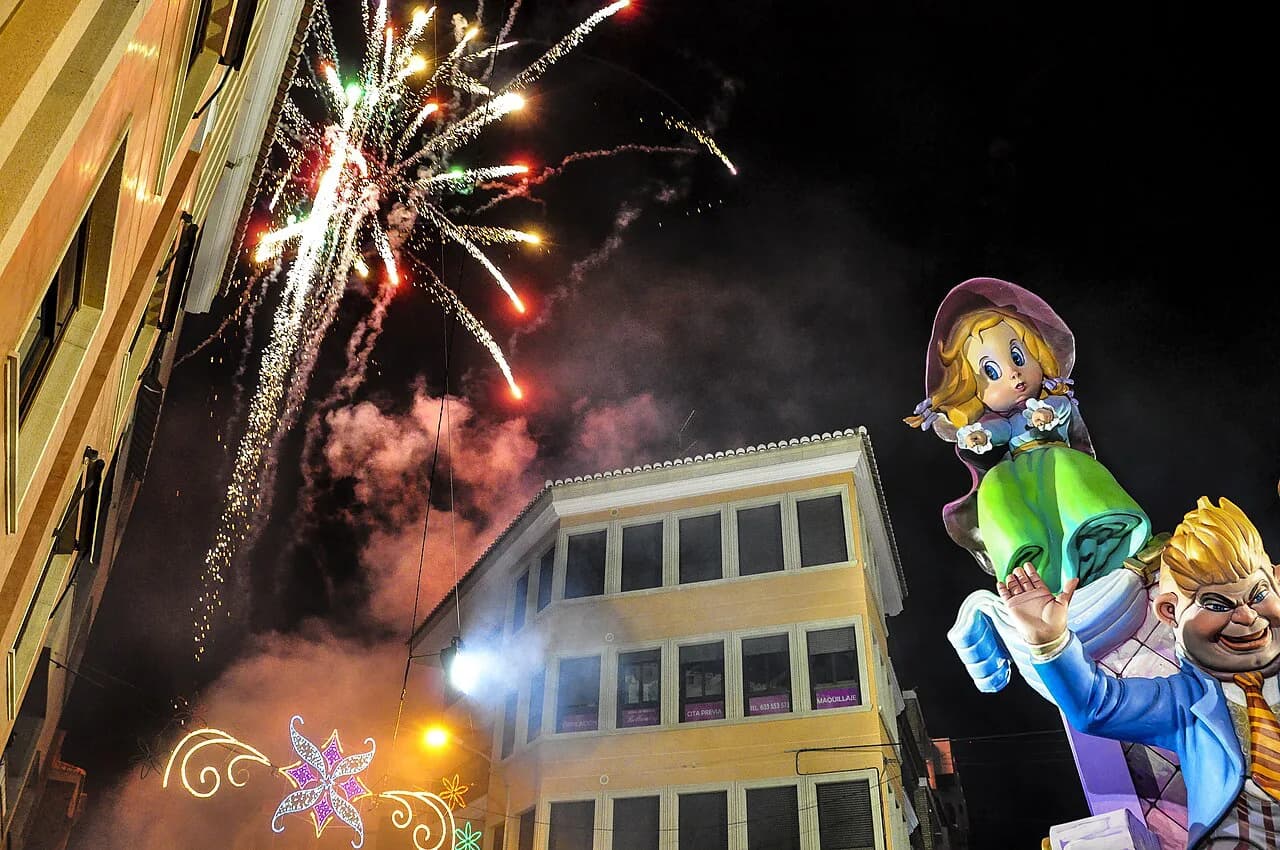
A secret spot in Valencia is not necessarily unknown. It is a place locals still use daily, with low foot traffic and no ticket queue. Three factors decide whether a place belongs on this list. How easily it can be reached on foot or by bike. Whether it costs anything to enter. Whether it still works as a local space, not just a photo stop. Valencia's 2024 European Green Capital recognition reflected exactly this kind of low-key, low-car urban life. The Valencia's overlooked spots guide covers a broader shortlist. This article stays focused on the quietest, most residential end of it. For more framing on what counts as off-route in this city, see the off-the-beaten-path guide. Many of these spots get their busiest week during Las Fallas in March, when fireworks, parades, and food stalls fill the old town.
Hidden Neighborhoods: Where Locals Actually Live
Three neighborhoods hold most of Valencia's quieter street life. Each rewards walking slowly rather than checking off sights. None of the three requires an entry fee or a booking, which keeps the experience close to how residents actually use these streets. The full neighborhoods breakdown covers these and Valencia's other districts. El Carmen, just north of the old town, draws heavier crowds for its street art. The El Carmen district guide covers that busier side of town. For Benimaclet's plaza and student scene, see the Benimaclet neighborhood profile. El Cabanyal's tavern list is in the El Cabanyal tavern guide. Ruzafa's galleries and wine bars get their own coverage in the Ruzafa neighborhood guide.
- Benimaclet: a former village folded into the city, built around a small central plaza and a university crowd that runs its own markets, co-op cafés, and cultural events.
- El Cabanyal: a former fisherman's quarter of tiled facades, several blocks back from the beach promenade. Casa Montaña, a long-running tapas bar, anchors its quieter end; check current hours before visiting smaller taverns such as Anyora.
- Ruzafa: skip the main bar strip and walk one or two streets over for independent bookstores, small galleries, and natural wine bars such as Vivevino.
Secret Green Spaces and Quiet Escapes
Jardines de Monforte is Valencia's most overlooked garden. It sits near Mercado de Colón, behind high walls and unmarked entrances that keep foot traffic low. Inside are neoclassical statues, bougainvillea-covered tunnels, and still fountains, a contrast to the open lawns of the Turia riverbed park nearby. Both green spaces stay free to enter. Check current opening hours before visiting, since these can shift seasonally. The Jardines de Monforte visitor guide has the full layout. The Turia Gardens themselves get crowded near the City of Arts and Sciences and Gulliver Park. Walk toward the far ends of the same former riverbed park instead, away from those two anchor points, for a quieter stretch. The Turia Gardens layout guide maps out which sections stay calm.
Bombas Gens: Contemporary Art in an Old Ceramics Factory
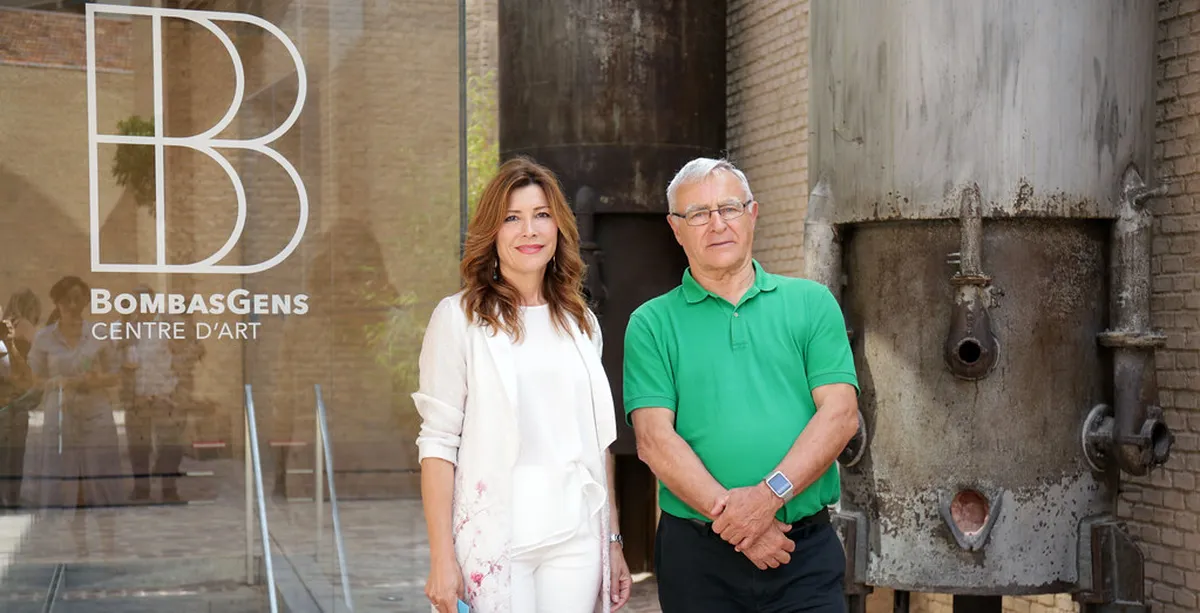
Bombas Gens Centre d'Art occupies a former ceramic-tile factory on Avenida de Burjassot. Its Art Deco shell now holds rotating contemporary art exhibitions, a quiet garden, and a preserved bomb shelter. The factory setting gives the art a different backdrop than a standard white-cube gallery. It draws far fewer visitors than the City of Arts and Sciences, despite covering similar ground on visual art and design. Check the official Bombas Gens site for current ticket prices and opening hours before visiting. The Bombas Gens visit guide has the full breakdown. For more converted-space attractions like it, see the unique things to do guide.
Cultural and Architectural Hidden Corners
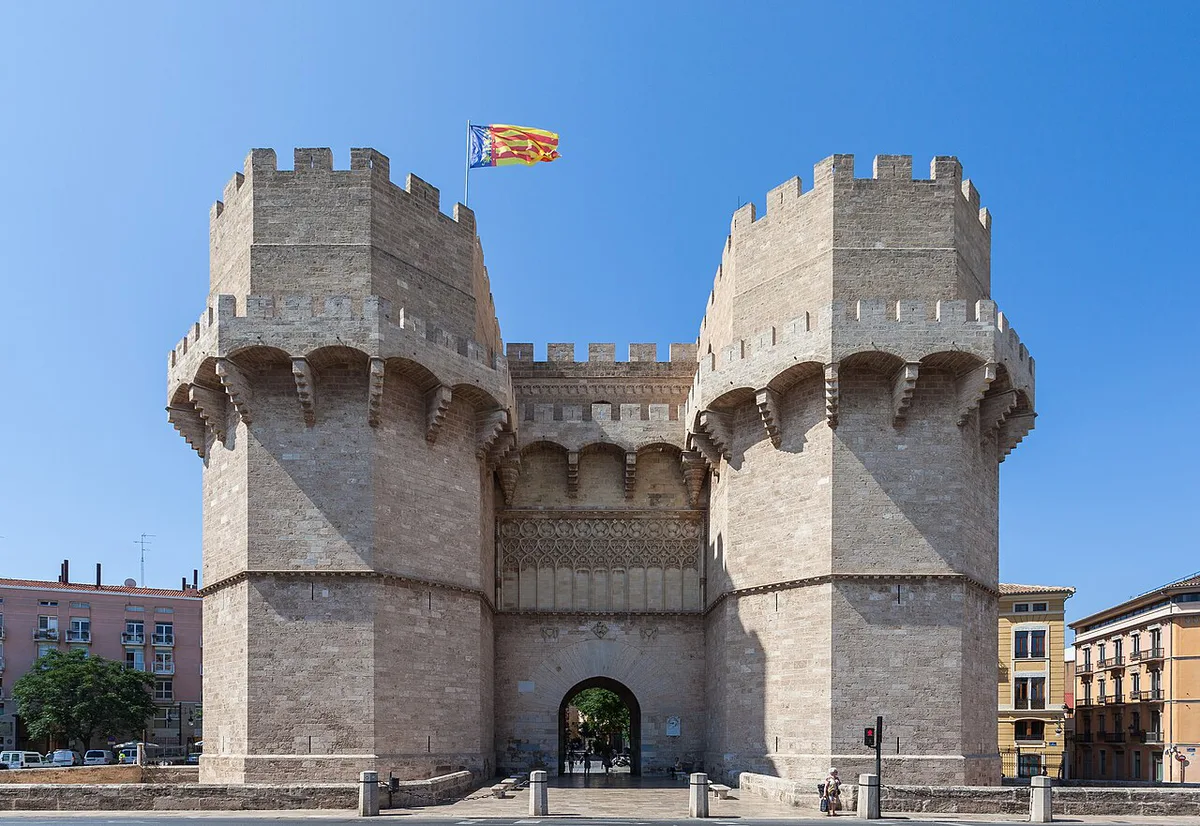
San Nicolás de Bari y San Pedro Mártir carries a fully frescoed ceiling. That scale of decoration has earned it a local nickname: the Sistine Chapel of Valencia. It sees a fraction of the Cathedral's foot traffic despite comparable ceiling work. Check the church's official site for current entry prices, since these change. Plaza del Patriarca, a few streets over, offers a quieter square than the tourist-heavy Plaza de la Reina, with the same old-town stone architecture. Torres de Serranos, the old city gates, draw the biggest crowd at midday. Visit near sunset instead, when the crowd thins and the stone takes on warmer light. Both towers can be climbed for a small entry fee; check the city's official site for current hours.
Famous Spot vs. Secret Alternative
Some secret spots in Valencia work best as a direct swap for a well-known version nearby, especially on a short trip with limited time. Use the table below to decide where to spend that time.
| Popular spot | Quieter alternative | Why switch |
|---|---|---|
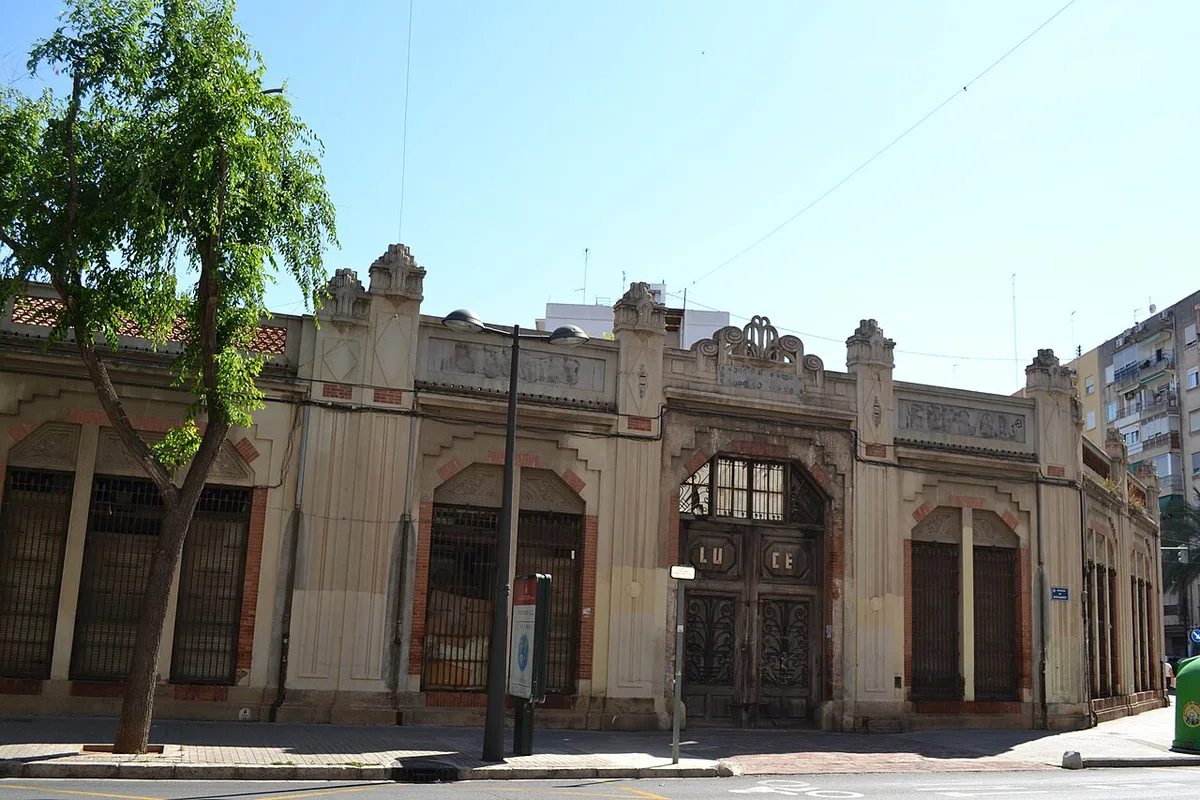
| Mercat Central | Mercat de Rojas Clemente | Smaller crowds, same fresh-market format, more local shoppers than tour groups |
| Plaza de la Reina | Plaza del Patriarca | Same old-town setting, far less foot traffic |
| Valencia Cathedral | San Nicolás de Bari y San Pedro Mártir | Comparable frescoed ceiling, shorter queue |
| Turia Gardens near the City of Arts and Sciences | Jardines de Monforte | Walled, quiet neoclassical garden instead of open lawns |
Secret Food and Drink Spots
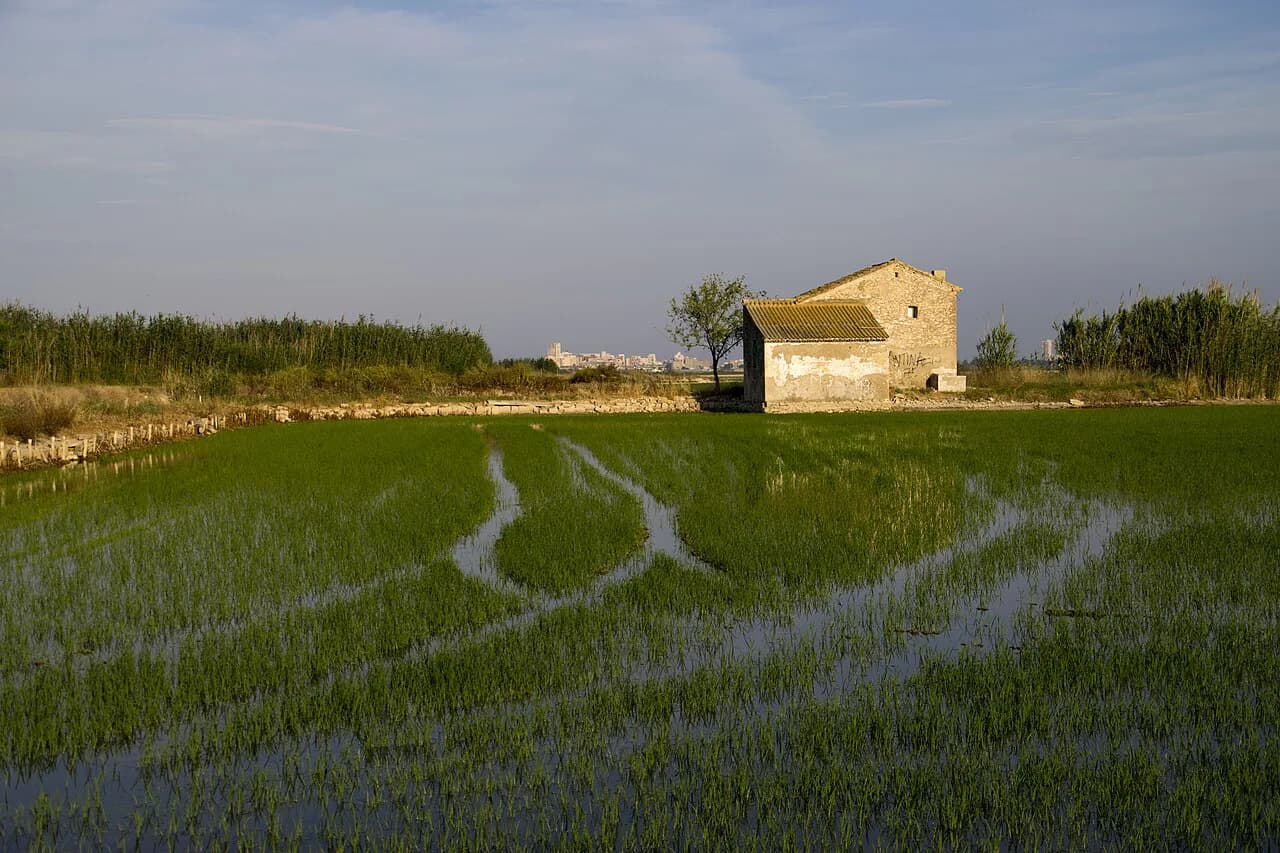
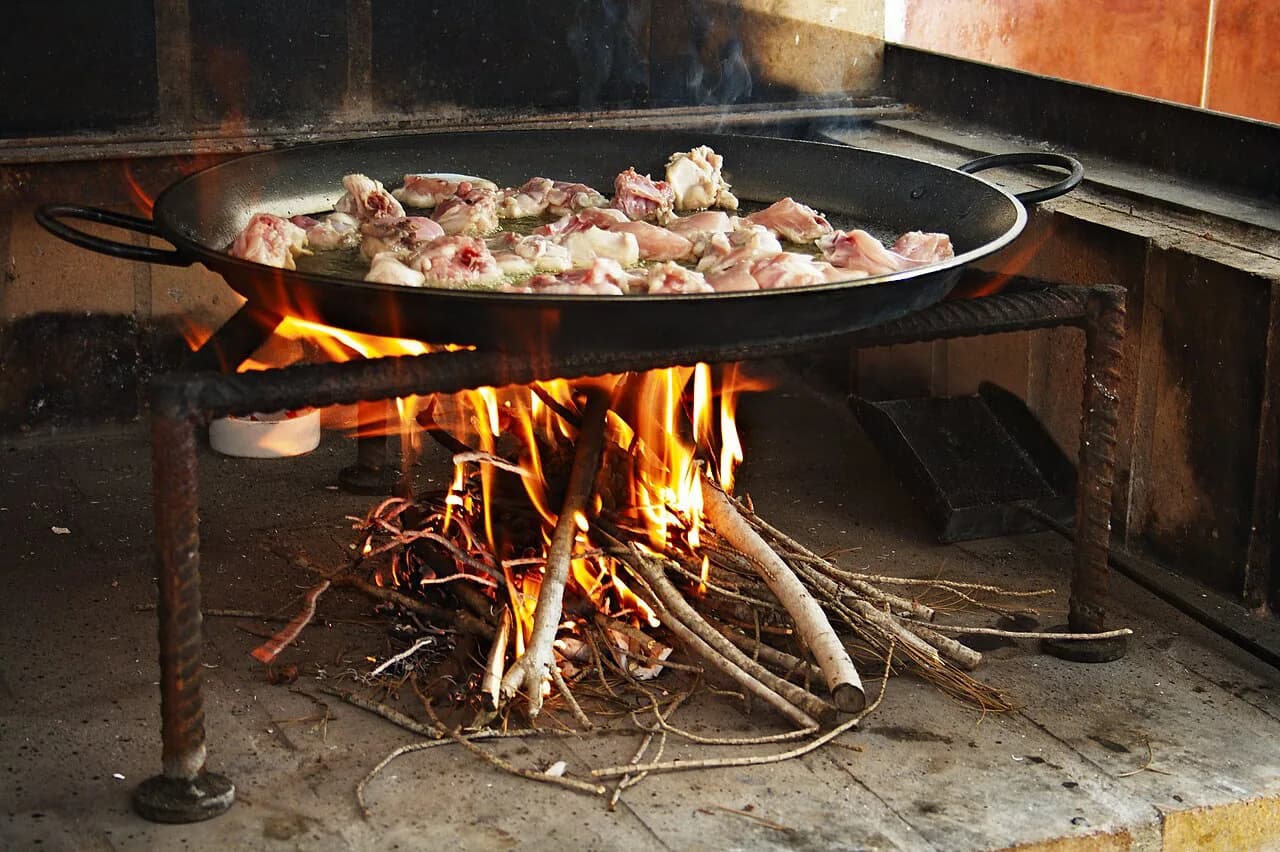
Mercat de Rojas Clemente works as a smaller, more residential version of Mercat Central, with fewer tour groups and more everyday shoppers. For paella away from old-town tourist menus, head toward the Albufera lagoon. Family-run kitchens such as Alqueria el Brosquil and Toni Montoliu serve the rice dish there. Confirm current hours and reservation policy before visiting, since small kitchens like these often need advance notice. The Albufera lagoon guide covers the wider park area. Albufera also works well as a half-day trip. The day trips from Valencia guide has transport notes. For horchata, skip the old-town stands and head to Alboraya, in the huerta fields north of the city. Horchaterías there still operate close to where the tiger nuts grow. The regional food guide rounds up more spots by neighborhood. The Valencia local restaurant picks guide has a fuller shortlist.
When visiting family-run restaurants like Alqueria el Brosquil and Toni Montoliu, remember that many small businesses in quiet neighborhoods close for siesta 2pm to 5pm. Plan your meal reservations accordingly rather than dropping by throughout the afternoon.
How to Reach Valencia's Secret Spots
Valencia is flat, with dedicated bike lanes running through most neighborhoods, which makes cycling the fastest way between spread-out spots. Valenbisi, the city's bike-share system, covers the old town and inner neighborhoods. The Valencia Card bundles public transport with entry to major paid sights, which mostly suits trips built around the City of Arts and Sciences and similar attractions. Most secret spots in this guide are gardens, churches, or neighborhoods with little to no entry fee. A pay-per-ride transit ticket often works out cheaper for a trip built mostly around them. Check the official Valencia Card site for current pricing before deciding.
- Jardines de Monforte and Plaza del Patriarca: walkable from the old-town center, no transit needed.
- El Cabanyal and the far ends of Turia Gardens: reachable on foot from downtown, or faster by Valenbisi, since the whole route stays flat.
- Bombas Gens on Avenida de Burjassot: outside the old-town core. Check EMT Valencia's route planner for the current bus line, or cycle there instead.
- Albufera and Alboraya's horchaterías: both outside the city center. Check EMT Valencia or the Albufera park's own site for the current bus schedule before setting out.
Planning Your Time and Avoiding Mistakes
Las Fallas takes over Valencia every March, filling the old town with fireworks, parades, and crowds. Peak summer heat in July and August also pushes visitors toward the coast and away from inland neighborhoods. The Valencia low-crowd travel window guide breaks down quieter shoulder-season timing. Many of the spots in this guide are small, family-run businesses. They tend to close for siesta, typically from around 2pm to 5pm, more consistently than restaurants near the Cathedral or City of Arts and Sciences. Build a midday buffer into any schedule instead of assuming everything stays open all afternoon. A common mistake is treating the City of Arts and Sciences and a full secret-spots itinerary as a single afternoon. Split them across separate days, or pick one district per outing. Valencia's quiet corners reward a slower visit, not a checklist pace. For more low-cost options to fill that slower schedule, see the Valencia free-activity guide.
Further reading: Valencia on Wikivoyage · Valencia on Wikipedia
Frequently Asked Questions
Is Valencia good for solo travelers looking for secret spots?
Yes. Neighborhoods such as Benimaclet and Ruzafa are walkable and compact enough to navigate without a car. Many of the quiet gardens and churches in this guide sit inside the old-town core, so solo travelers can string several together on foot in one day.
How many days do you need for an off-the-beaten-path Valencia trip?
Three to four days covers the neighborhoods, gardens, and food spots in this guide at a slow pace. That leaves one day free for a trip to Albufera or another day trip. Adding the City of Arts and Sciences into the same short trip usually means rushing both.
What is the best neighborhood to stay in for a local feel?
Benimaclet and Ruzafa both work well for a residential pace over a hotel-district one. Benimaclet leans quieter and more village-like. Ruzafa has more cafés, galleries, and bars within walking distance.
Do secret spots in Valencia cost money to visit?
Most do not. Jardines de Monforte, the far ends of Turia Gardens, and Plaza del Patriarca are free public spaces. Bombas Gens and San Nicolás de Bari y San Pedro Mártir charge entry, so check each site's official page for current prices.
When is the best time to visit to avoid crowds?
Avoid March, when Las Fallas fills the old town with parades and fireworks. Peak summer heat in July and August also pushes crowds toward the coast, leaving inland neighborhoods quieter.
Continue exploring
More guides you'll find useful