Best Time to Visit Valencia Without Crowds (2026 Season Guide)
Find the best time to visit Valencia without crowds: quiet winters, a late-spring sweet spot, and how to avoid Las Fallas and peak summer crowds in 2026.
On this page
Best Time to Visit Valencia Without Crowds
Last updated July 2026, this guide answers a specific question: what is the best time to visit Valencia without crowds? Late October through November and January into early February bring the thinnest crowds and the calmest streets in Ciutat Vella. Late May and September split the difference, pairing swimmable water with far fewer visitors than the Las Fallas or August peaks.
The Best Time to Visit Valencia Without Crowds: Quick Answer
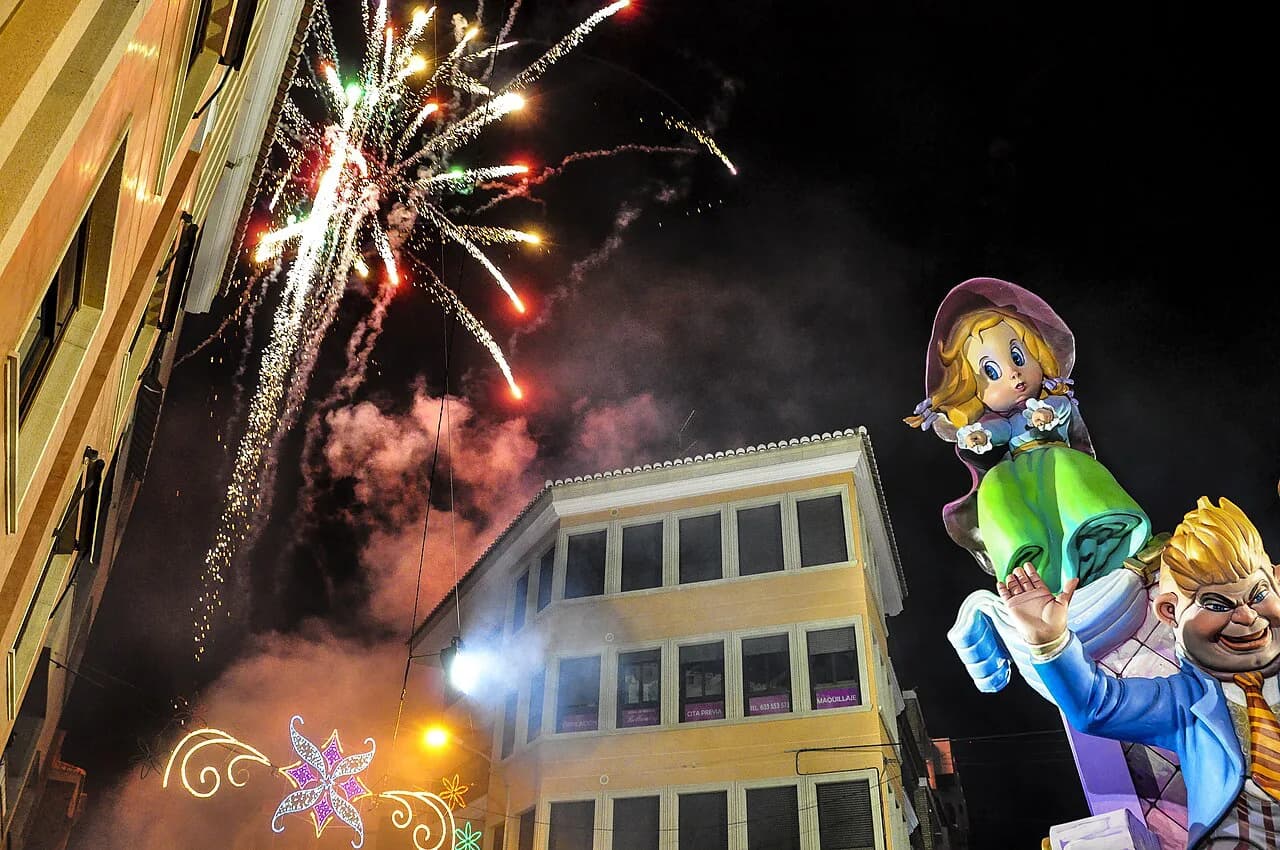
Late October to November and January to early February are the quietest windows in Valencia. Streets in Ciutat Vella empty out during these stretches. The Mercado Central loses its cruise-ship rush, and hotel rates drop to the year's lowest. Late May and September form a second sweet spot. Water stays warm enough to swim through both months. Daytime temperatures stay cool enough for hours of walking. Visitor numbers in both months run well below the Las Fallas or August peaks. Avoid March 15-19 entirely if crowds are the priority, since Las Fallas packs Ciutat Vella with fireworks, firecrackers, and visitors from across Spain and abroad.

Season Comparison: Crowds, Weather, and Swimming in Valencia
Use the table below to weigh crowd levels against temperature and water conditions before booking flights. Crowd-level labels reflect an editorial assessment built from the seasonal patterns detailed throughout this guide, not a numeric score.
| Season | Months | Crowd Level | Avg. Temperature | Ocean Swimmable? | Price Trend |
|---|---|---|---|---|---|
| Deep Winter | December-February | Low | 16°C (60°F) to 17°C (62°F) | No | Lowest rates of the year |
| Early Spring | March 1-14 | Low to Moderate | Around 19°C (66°F) | No | Still low |
| Las Fallas Peak | March 15-19 | Very High | Around 19°C (66°F) | No | Spikes sharply |
| Late Spring Sweet Spot | Late April-May | Moderate | Up to 24°C (75°F) | Marginal, cool | Rising but manageable |
| Early Summer | June | High | 28°C (82°F) | Yes | Climbing toward peak |
| Peak Summer | July-August | Very High | Up to 32°C (90°F) | Yes | Highest of the year |
| Fall Sweet Spot | September-October | Moderate, falling | 30°C (86°F) in September, cooling into October | Yes | Falling steadily |
| Late Fall Quiet | November | Low | Around 19°C (66°F) | No | Low |
Winter in Valencia: The Deep-Quiet Season (December-February)
December through February is Valencia's deep-quiet season. Average temperatures run from 16°C (60°F) in December to 17°C (62°F) in February, mild enough for a jacket rather than a heavy coat. Snow is essentially unheard of here, and sunny, blue-sky days are common through the winter months. Christmas lights fill Plaza del Ayuntamiento through the holidays, then crowds thin fast once the Three Kings Parade passes on January 5. Cultural stops stay open with fewer lines this time of year, including IVAM, Centre del Carme, and the ornate San Nicolás Church. Some smaller attractions run reduced winter hours, so confirm opening times before building a day around them. For itinerary ideas beyond the obvious stops, the Secret Spots in Valencia: A 2026 Guide to Quiet Corners guide covers options that stay calm through the holiday bump.
Spring in Valencia: The Las Fallas Trap and the Late-Spring Reward (March-May)
March swings from calm to overwhelming within two weeks. Early March stays manageable, with average temperatures near 19°C (66°F) and modest visitor numbers around the city. Then Las Fallas takes over from March 15 to 19, filling Ciutat Vella with fireworks, firecrackers, and crowds arriving from across Spain and abroad. Travelers who dislike dense crowds should treat that week as the one stretch to avoid entirely. Late April and May reward patience. Temperatures climb toward 24°C (75°F) by May, and gardens across the city bloom with color. The Jardines de Monforte fill out alongside the wider park system during this stretch. Spring produce like artichokes fills the stalls at Mercado Central, and the Valencia Local Food Guide: Where and What to Eat Like a Local covers what else is in season. Visitor numbers through late April and May stay far below the Fallas peak.
Summer in Valencia: Peak Beach Crowds (June-August)
June through August is Valencia's busiest and hottest stretch. Temperatures climb from 28°C (82°F) in June to 32°C (90°F) in August. Mediterranean humidity makes afternoons feel heavier than the numbers alone suggest. Malvarrosa, El Cabanyal, and Patacona beaches fill early, especially on weekends when day-trippers arrive from inland Spain. Arrive at the sand before 9am to claim space ahead of the crowds. The Gran Fira de València runs through July, drawing dense evening crowds downtown for concerts and events. Daytime sightseeing stays easier than the evenings during Fira week. Beach-adjacent rooms sell out first each summer, so book those well ahead of a July or August trip.
Fall in Valencia: The Local's Favorite Shoulder Season (September-November)
September through November is the shoulder season locals favor most. September still runs warm, averaging 30°C (86°F), and the sea stays swimmable well into the month. October cools gradually while the water holds its warmth from summer. Food markets fill with grapes, figs, and the season's first chestnuts as October progresses. November drops to around 19°C (66°F), on par with early March but without any of the Fallas crowds. Tapas trails and wine tastings pick up through October as visitor numbers keep falling citywide. Day trips to nearby towns like Xàtiva or the Requena wine region suit this cooler, quieter stretch. The 7 Best Day Trips from Valencia (2026 Guide) guide has route options.
Events to Plan Around: Las Fallas, Gran Fira, and Semana Santa Marinera
Three annual events reshape Valencia's crowd patterns more than any single month does.
- Las Fallas (March 15-19): Fireworks, firecrackers, and citywide crowds fill Ciutat Vella. Avoid this week entirely if quiet streets are the priority.
- Gran Fira de València (July): Evening concerts and events draw dense crowds downtown. Daytime sightseeing stays noticeably easier than the evenings.
- Semana Santa Marinera (spring): Processions move through El Cabanyal and the port district's maritime neighborhoods. Expect narrower streets to feel busier during route hours.
How to Beat the Crowds Day to Day
Timing inside a single day matters as much as picking the right month. Arrive at Mercado Central before 9am, ahead of tour groups and cruise-excursion buses. The Cathedral and El Miguelete tower stay calmer in that same early window. Between 2pm and 5pm, many locals sit down for a long lunch. That window leaves outdoor spaces like the Turia Gardens emptier than the morning or evening hours. Time a visit to Albufera Natural Park around sunset, after the tour buses that arrive for midday boat rides have left. Late afternoon light over the wetlands also makes for calmer, less crowded photography.
Mercado Central draws year-round crowds, but arriving before 9am, ahead of tour groups and cruise-excursion buses, lets you explore it quieter. The Cathedral and El Miguelete tower both benefit from the same early-hour advantage.
Off-Season Costs and Booking Logistics
Off-season travel changes the numbers as much as the crowds. Hotel rates in Ruzafa and El Carmen typically run lowest in January and November. Expect roughly €70-90 a night for a mid-range double outside peak weeks, compared with €150 or more during Las Fallas week and the height of August. Oceanogràfic and the Science Museum see shorter lines in the off-season, since crowds thin even though ticket pricing itself does not shift by month. Restaurant reservations loosen up too. Walk-in tables for a Menu del Dia are far easier to find outside July, August, and Fallas week.
Best Neighborhoods for a Quiet Valencia Trip
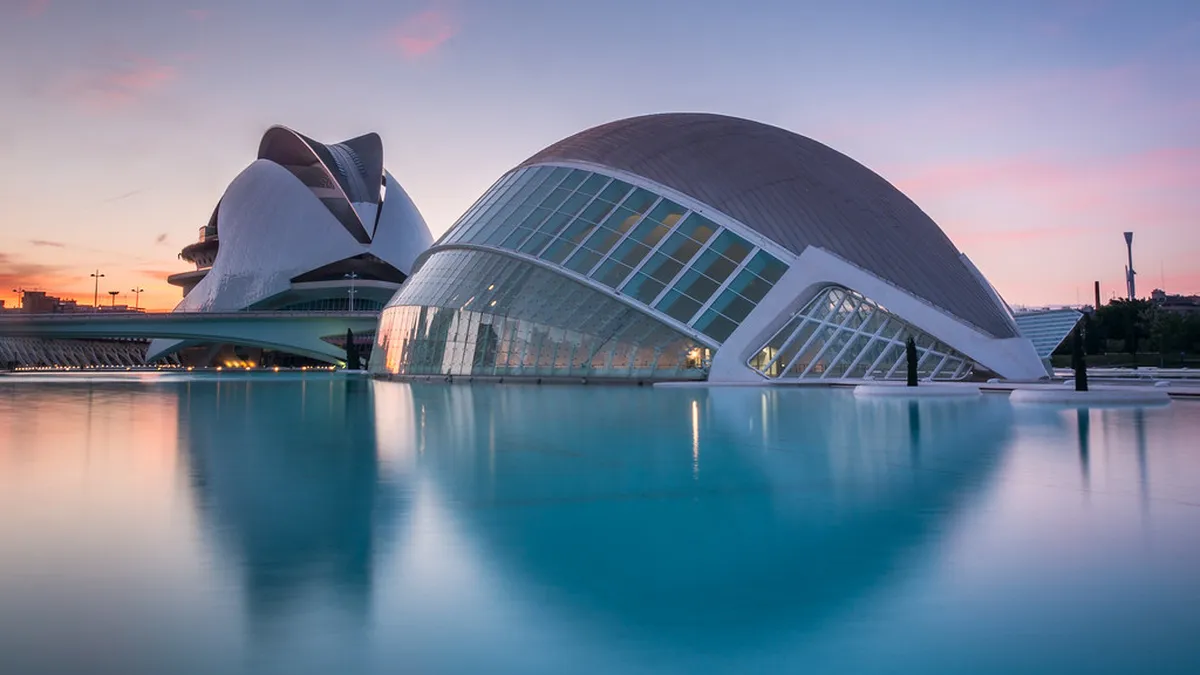
Ciutat Vella carries the heaviest foot traffic year-round, especially near the Cathedral and Mercado Central. Benimaclet keeps a village feel with fewer visitors, even during peak months. El Cabanyal offers seaside quiet once July and August end and the beach crowd thins. For a fuller comparison of where to base a trip, see the Valencia Neighborhoods Guide: Where to Stay, Live, or Invest in 2026. Escaping the historic center works any time of year. The 9 Hidden Gems in Valencia: A Local's Guide to Secret Spots and Off-Path Eats guide and the off-the-beaten-path Valencia guide both cover specific spots that stay calm outside Fallas week.
Mistakes That Undo a Quiet Valencia Trip
A few planning mistakes fill up a supposedly quiet trip fast.
To get winter's lowest rates around €70-90 a night, avoid booking puente weekends when Spanish national holidays fall near a Thursday or Tuesday, since domestic travelers fill hotels and trains.
- Booking around a puente weekend: Spanish national holidays that fall near a Thursday or Tuesday create a long bridge weekend, and domestic travelers fill hotels and trains during those dates.
- Assuming winter means cold: December and February average 16°C (60°F) to 17°C (62°F), mild enough for a jacket rather than a heavy coat.
- Skipping hour checks for smaller attractions: some venues run shorter winter hours, so confirm before building a day around them.
- Ignoring Semana Santa Marinera: processions in the maritime neighborhoods add crowds to El Cabanyal even outside the main Fallas dates.
How to Visit the City of Arts and Sciences Without Crowds
The City of Arts and Sciences needs its own timing plan, even during Valencia’s quieter months. The outdoor complex is open and spacious, but queues can build around the Oceanogràfic and timed attractions.
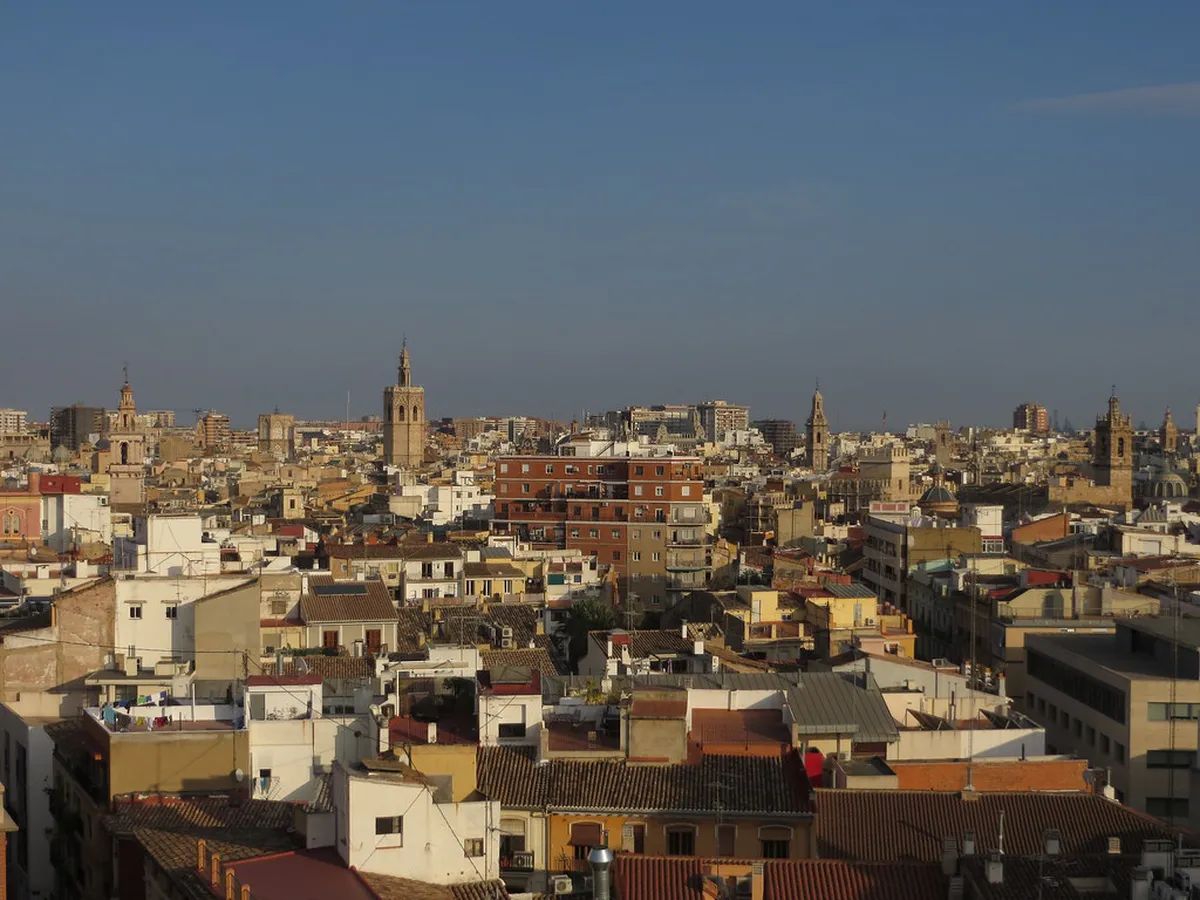
Arrive before the Oceanogràfic opens and begin there. School groups and organized tours often appear later in the morning. Buy tickets online in advance, especially for weekends and Spanish public holidays. Reserve any Hemisfèric screening before arrival because entry follows fixed session times.
After the indoor attractions become busier, walk the surrounding pools and architecture around lunchtime. The Umbracle and exterior paths usually feel calmer while many visitors are eating. Late afternoon is another useful window for outdoor photography, although sunset draws more people to the pools.
Reach the complex through the Turia Gardens for a quieter approach than the main road entrances. EMT buses and Metrovalencia connect the area with central Valencia, but service frequency can vary by day. Check current schedules before an early visit.
Further reading: Valencia on Wikivoyage · Valencia on Wikipedia
Frequently Asked Questions
Is Valencia too hot in the summer?
For travelers who dislike heat and crowds together, yes. August averages 32°C (90°F), and Mediterranean humidity makes the air feel heavier than the number suggests. An occasional hot, dry wind off the interior, known locally as the Terral, can push afternoon temperatures higher for a day or two.
Can you swim in Valencia in October?
Yes. The Mediterranean holds its summer warmth into October, and Malvarrosa and El Cabanyal beaches stay swimmable while visitor numbers keep dropping through the month.
What is the rainiest month in Valencia?
October and November typically bring the most rain, often as short, heavy downpours rather than long gray stretches. Pack a light rain layer for a fall trip, but don't plan around it ruining a full day.
When should you avoid visiting Valencia if quiet streets matter most?
Avoid March 15 to 19, when Las Fallas fills Ciutat Vella with fireworks, firecrackers, and visitors from across Spain and abroad. Puente weekends tied to Spanish national holidays also bring a surge of domestic travelers.
What is the single quietest stretch to visit Valencia?
Late October through November and January into early February bring the thinnest crowds, mild temperatures, and the lowest hotel rates of the year.
Continue exploring
More guides you'll find useful