El Cabanyal Valencia Guide: Tiled Streets, Market, and Transit Tips (2026)
El Cabanyal Valencia guide: tiled streets, the local market, vermouth bars, and transit tips, plus how it compares to Ruzafa and El Carmen in 2026.
On this page
El Cabanyal Valencia Guide: Inside the City's Old Fishing Quarter
Last updated July 2026, this el cabanyal valencia guide walks through Valencia's old fishing quarter for travelers who want more than the Ciutat Vella postcard. The neighborhood survived a 1998 demolition plan, reversed by a 2015 change of city council, and that history explains its grid streets of tiled brick houses and wrought-iron balconies. This guide covers transit options, the tiled streets worth photographing, the market locals actually use, and how the neighborhood connects to the beach and to Ruzafa.
El Cabanyal Valencia Guide: Where the Fishing Village Begins and Ends
El Cabanyal sits between Valencia's working port and the Malvarrosa beachfront, laid out as a grid of narrow streets rather than the winding lanes of the old town. City hall approved a plan in 1998 to demolish large sections of the neighborhood for a road extension. A change of city council in 2015 scrapped that plan, and the reversal explains why some blocks look restored while others still show years of deferred maintenance. Longtime residents still call it Valencia's fisherman's quarter, a name tied to the barraca huts fishing families once built on these same plots. Locals draw a rough line between two zones. The beachfront strip near Las Arenas caters mostly to visitors, with restaurant terraces and hotel frontage. The interior grid stays residential, tiled, and quieter, and it is where the neighborhood's real character shows. This guide sits alongside Valencia's other lesser-known Valencia spots coverage. It also complements a running list of off-the-beaten-path Valencia detours. For a wider frame on how the district fits among the city's districts, see this guide to Valencia's neighborhoods.
Getting to El Cabanyal: Metro, Tram, and Bike
Valencia's transit map causes real confusion here, since two separate networks both serve the neighborhood under different names. The metro's Marítim-Serrería station sits at the inland edge of El Cabanyal. The tram network runs closer to the tiled streets, with stops at Dr. Lluch and Eugènia Viñes. Cyclists can skip both and ride in on the dedicated path through the Turia Gardens bike route, which connects the city center to the coast without crossing traffic. The table below breaks down which line serves which stop.
Metro lines 5, 7 serve the inland Marítim-Serrería stop, while tram lines 4, 6, 8 reach closer to the tiled streets. This network split—not visible on a single transit map—explains the neighborhood's transit confusion.
| Access Point | Mode | Lines |
|---|---|---|
| Marítim-Serrería | Metro | 5, 7 |
| Dr. Lluch | Tram | 4, 6, 8 |
| Eugènia Viñes | Tram | 4, 6, 8 |
| Turia Gardens path | Bike | riverbed route, no crossing traffic |
The Architectural Walk: Tiled Facades and Narrow Houses
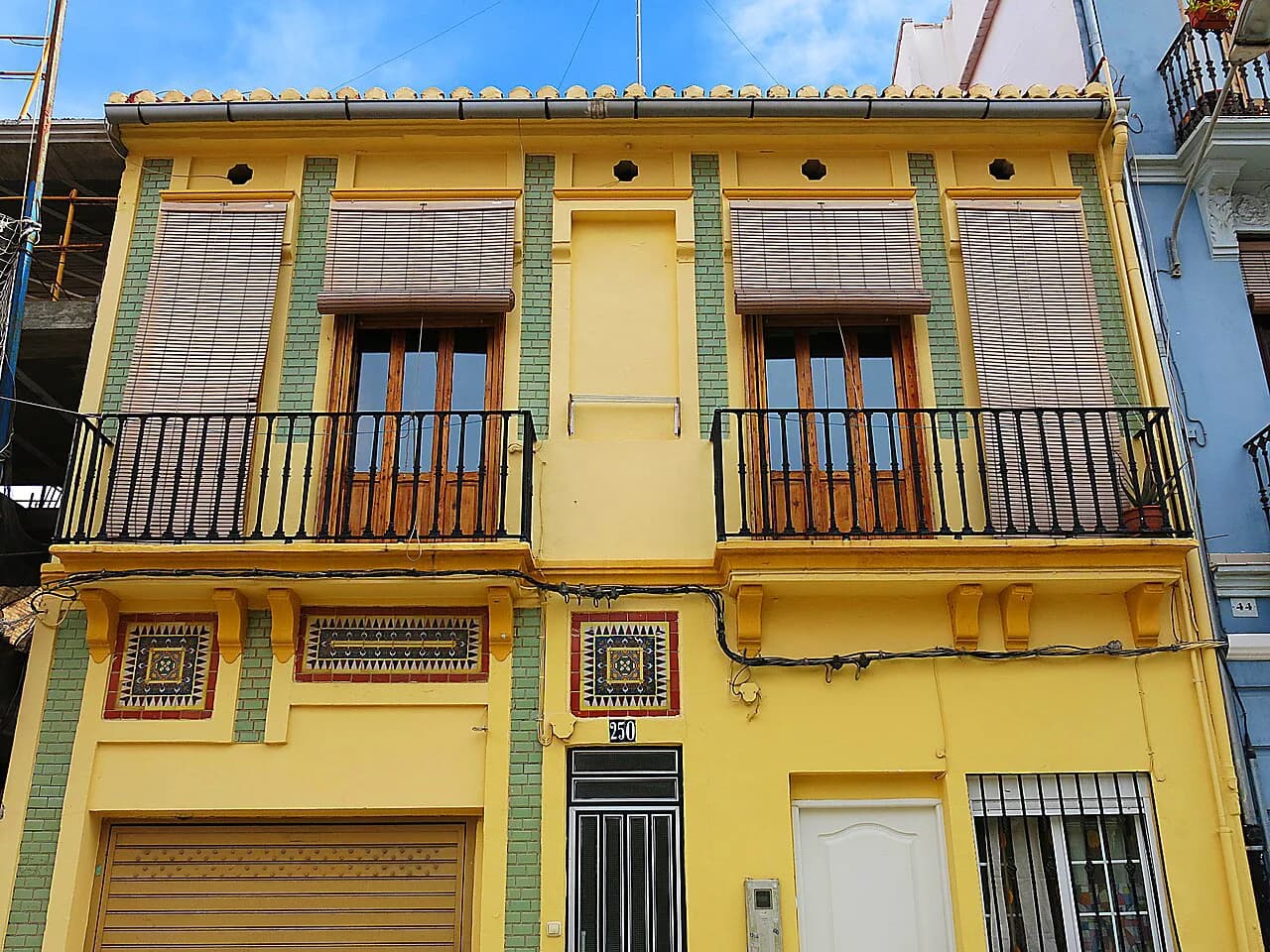
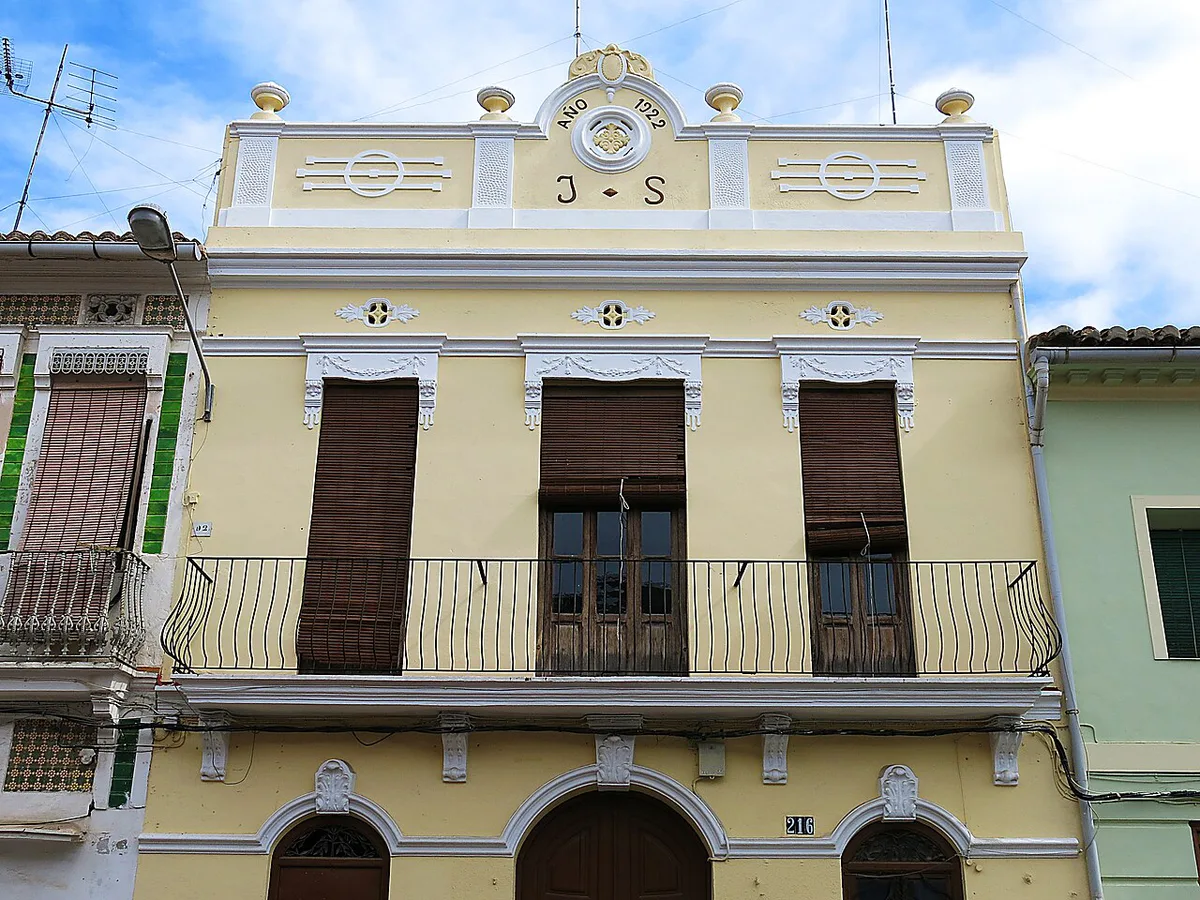
The interior streets show Modernismo Popular in ceramic tiles and ironwork, a different register from the grander Modernisme facades downtown. Calle de la Reina and Calle Barraca carry some of the best-preserved tiled house-fronts, with patterned azulejos framing doors and window ledges. Houses here run narrow and deep, a layout that traces back to the barraca, the traditional single-family fisherman's hut once built on similarly slim plots. Wrought-iron balconies and tiled house numbers repeat block after block, a signature that sets El Cabanyal apart from the stone facades of El Carmen's old town. Photographers looking for more angles can also check more secret Valencia spots. The tiled grid regularly turns up on lists of unique Valencia activities. Walking the full grid, tile by tile, costs nothing beyond time, which fits the wider list of free Valencia activities.
Mercat del Cabanyal and the Esmorzar Ritual
Mercat del Cabanyal works as the neighborhood's food hub, and it draws a mostly local crowd rather than the tour groups that fill the Mercado Central downtown. Mornings run on esmorzar time, the Valencian mid-morning snack break, when market-goers stop at nearby bars for a bocadillo and a small beer or coffee after the early stalls open. That rhythm makes the market louder and busier before noon, then quiet again by mid-afternoon. Stallholders sell much the same seafood, produce, and cured meat found at the Central Market, without the queues. For a citywide view of where these food habits show up elsewhere, this citywide Valencia food guide covers esmorzar spots beyond Cabanyal.
Vermouth Bars and the New-Wave Food Scene
El Cabanyal splits into two overlapping food scenes: century-old bodegas serving vermouth and small plates, and a newer wave of craft-beer bars and live-music venues. Casa Montaña, one of the neighborhood's oldest bodegas, has served vermouth since the 19th century. Confirm current hours before visiting, since small historic bars adjust schedules without much notice. For craft beer and live music, the area around La Fábrica de Hielo, a converted ice factory, has become the newer counterpart to those historic bars. Pick the bodegas for traditional vermouth and seafood tapas. Pick the Fábrica de Hielo strip for craft beer and evening gigs. This roundup of top local restaurants expands on both categories across the wider city.
- Traditional vermouth and seafood tapas: historic bodegas such as Casa Montaña
- Craft beer and live music: the La Fábrica de Hielo area
- Market snacking: esmorzar bars near Mercat del Cabanyal, busiest before noon
El Cabanyal vs the Beach: Las Arenas and Malvarrosa
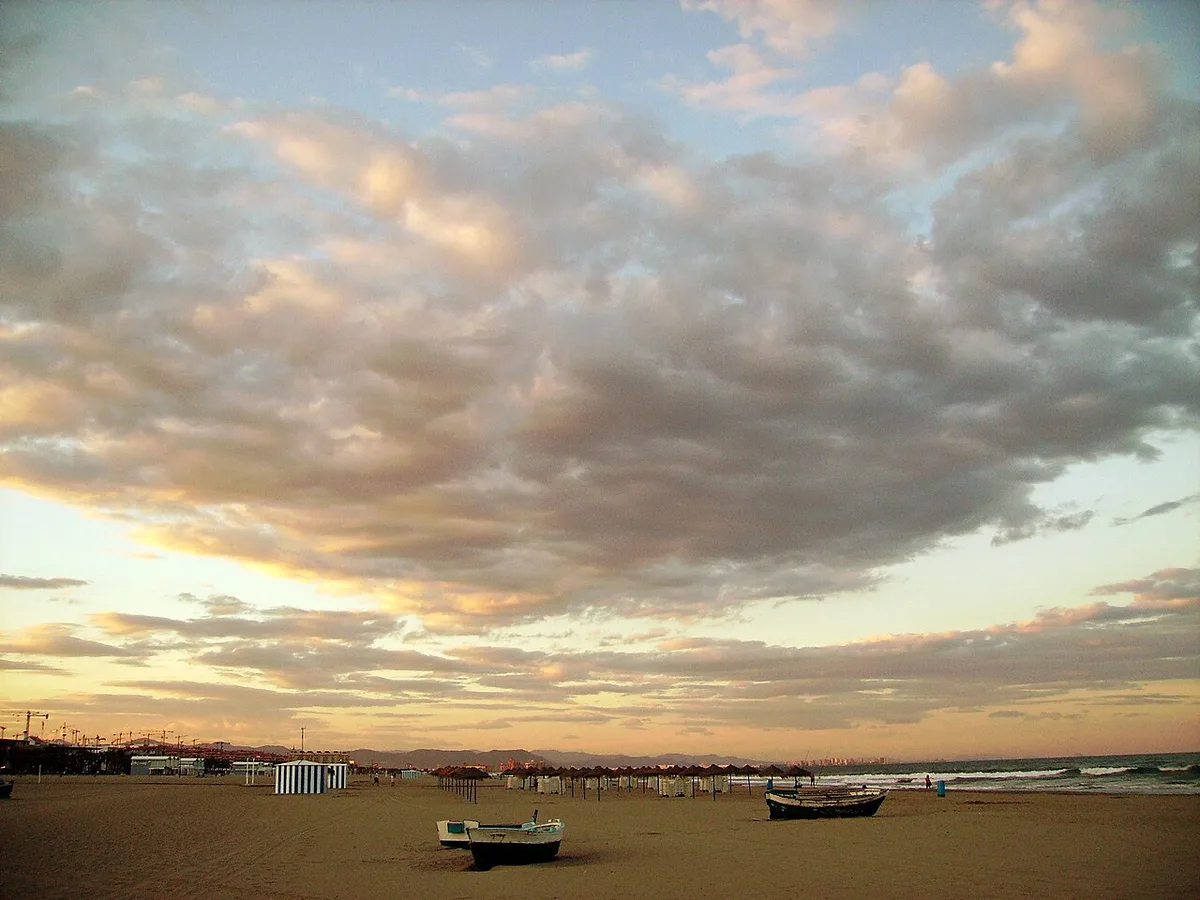
El Cabanyal sits next to the beach, not on it, and that distinction shapes how to plan a visit. The neighborhood functions first as a residential grid, with the sand at Las Arenas and Malvarrosa reachable on foot in under 10 minutes from the tiled interior streets. Treat the beach as a separate stop rather than an extension of the architectural walk. Direct access from the historic grid to the shoreline still makes it easy to pair a morning of photography with an afternoon on the sand. Travelers building a longer coastal day can extend the trip to Albufera Natural Park further south. Those looking for more day-trip ideas beyond the coast can browse this list of day-trip ideas beyond Valencia.
Esmorzar peaks in the market before noon, then clears by mid-afternoon when paseo along the tiled streets and vermouth hour begin. The beach lies under 10 minutes away, making morning-to-afternoon pacing natural without competing crowds.
El Cabanyal or Ruzafa: Which Fits Your Trip
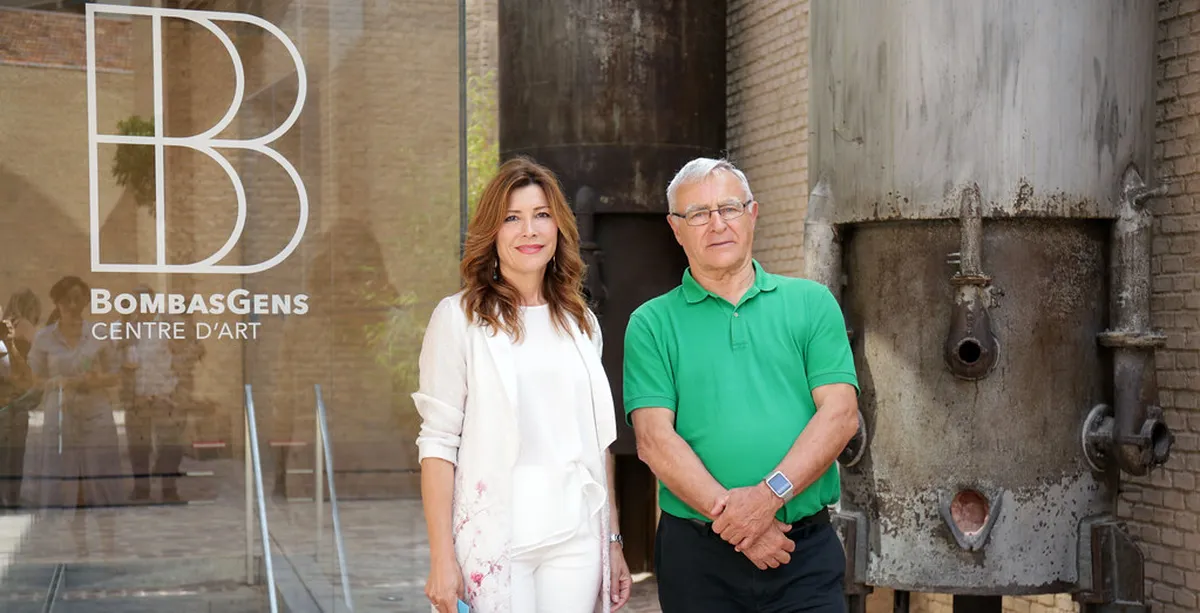
El Cabanyal and Ruzafa both sit outside Ciutat Vella, but they suit different trips. El Cabanyal offers a maritime village feel, close beach access, and a slower daytime rhythm built around the market and vermouth hour. This Ruzafa neighborhood overview covers a denser district known for restaurant density and nightlife rather than beach proximity. Base in El Cabanyal for beach access and quieter evenings. Base in Ruzafa for walkable nightlife and shorter transit into the center. Travelers curious about a third option can also read about Benimaclet's university district, an alternative north of the center. Art-focused travelers can pair any of these bases with a separate stop at Bombas Gens art center elsewhere in Valencia.
Practical Tips: Safety, Timing, and Accessibility
El Cabanyal carries a reputation as gritty, and parts of the interior grid still show the underinvestment left from the demolition-order years. Treat that reputation as a call for ordinary urban awareness, not a reason to skip the neighborhood; it functions as a normal residential district. Timing changes the experience. Mornings suit the market and esmorzar. Late afternoons suit the paseo along the tiled streets as locals head out for the evening. Many independent shops close on Sundays and Mondays, so plan retail visits earlier in the week. The neighborhood's flat, grid-planned streets are also noticeably easier to navigate than the cobblestones of Ciutat Vella, a real advantage for travelers with limited mobility. Travelers timing a broader trip around crowd levels can check this guide to best low-crowd travel months for citywide seasonal patterns.
- Morning, before midday: market energy, esmorzar bars busiest
- Late afternoon into evening: paseo along the tiled streets, vermouth hour
- Sundays and Mondays: many independent shops closed
- Terrain: flat grid streets, easier than Ciutat Vella's cobblestones
A Self-Guided Walk from the Market to the Beach
Start at Mercat del Cabanyal on Carrer de Martí Grajales, ideally during the morning trading hours. From there, the neighborhood’s flat grid makes a self-guided walk straightforward.
- Walk east toward Carrer de Josep Benlliure, where Casa Montaña occupies number 69.
- Continue through Carrer de la Barraca and Carrer de la Reina to compare tiled facades, iron balconies, and narrow house plots.
- Turn toward Carrer del Mediterrani, another useful cross street for understanding how the inland grid connects with the coast.
- Finish near La Fábrica de Hielo on Carrer de Pavia, then continue to the Las Arenas promenade and beach.
Allow extra time for photography because the most interesting details appear above doors and around window frames. These streets remain residential, so avoid blocking entrances or photographing people through windows. The route also reveals the area’s gradual transition from market streets and historic fishermen’s houses to newer bars and the visitor-focused beachfront.
Further reading: Valencia on Wikivoyage · Valencia on Wikipedia
Frequently Asked Questions
Is El Cabanyal safe to visit?
Yes, in general. It is a working residential district that still carries a gritty reputation from decades of underinvestment tied to the demolition-order years. Ordinary urban awareness is enough for a daytime walk through the market and tiled streets.
How far is El Cabanyal from the City of Arts and Sciences?
Roughly 20 to 30 minutes on foot, or a shorter ride by bus or tram, depending on which stop inside El Cabanyal you start from.
Can you find authentic paella in El Cabanyal?
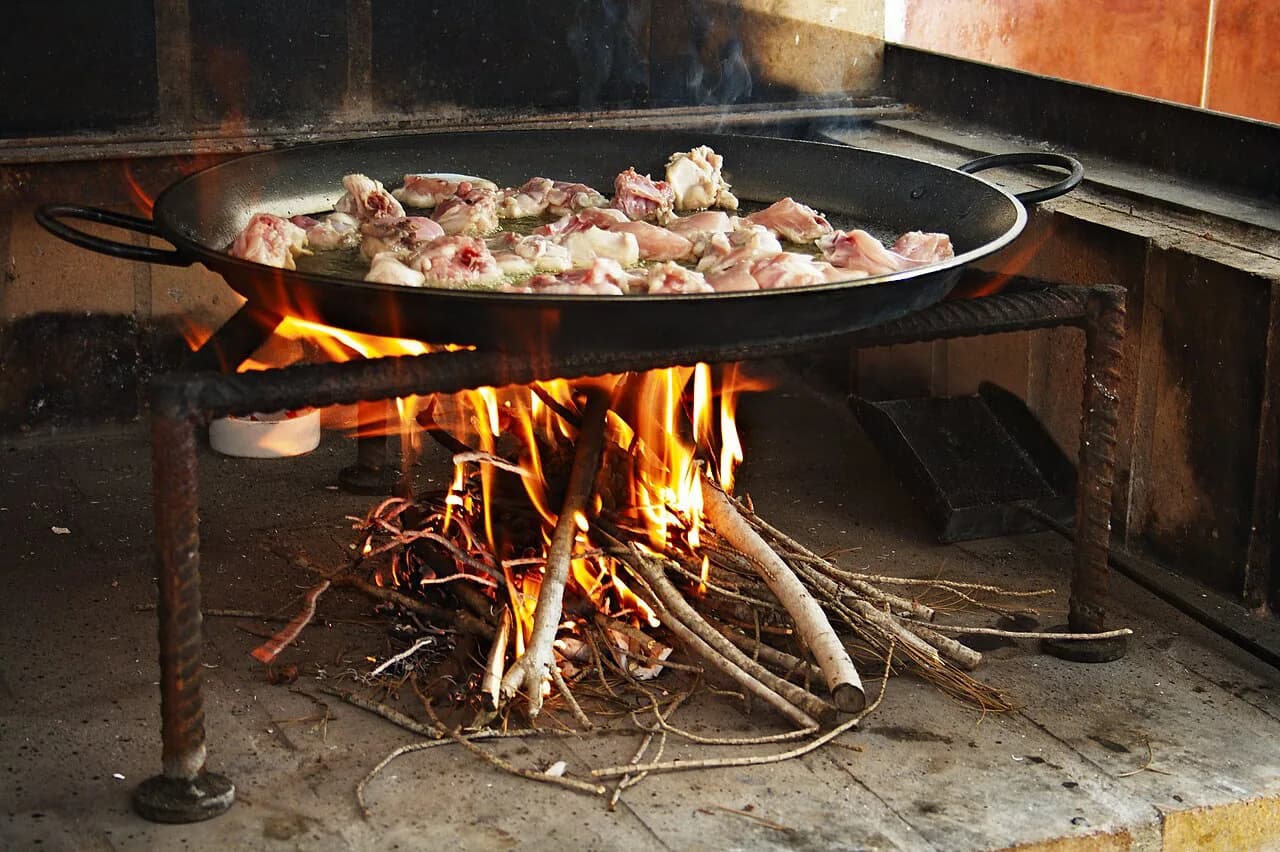
You can, but the neighborhood's signature dish is Arroz a Banda, a fisherman's rice cooked in fish stock and served separately from the seafood, rather than paella valenciana.
Is it better to stay in El Cabanyal or Ruzafa?
It depends on the trip. Pick El Cabanyal for a maritime village feel and close beach access. Pick Ruzafa for denser nightlife and higher restaurant density instead.
What days are shops and bars closed in El Cabanyal?
Many independent shops close on Sundays and Mondays. Market hours run heaviest in the morning, and the vermouth and paseo scene picks up in the late afternoon and evening.
Continue exploring
More guides you'll find useful