Ruzafa Valencia Guide: Best Food, Bars & Local Tips (2026)
Explore Ruzafa (Russafa), Valencia's creative district: the best restaurants, street art, Ruzafa Market tips, and nightlife for 2026.
On this page
Ruzafa Valencia Guide: Inside the City's Most Creative Neighborhood
Last updated July 2026, this ruzafa valencia guide maps Valencia's Eixample-district creative quarter for travelers who want dinner reservations and terrace cocktails over cathedral queues. Ruzafa, also spelled Russafa, sits a short walk behind Estació del Nord and runs on its own rhythm of market mornings and late terrace nights. This guide covers what to eat, when the neighborhood actually comes alive, and how it compares to El Carmen and El Cabanyal for a Valencia stay.
The Essential Ruzafa Valencia Guide: What This Neighborhood Is
Ruzafa sits in the southeastern part of the Eixample district, a short walk behind Estació del Nord. Until the 19th century it was an independent village outside Valencia's city walls. Urban expansion folded it into the city as a working-class suburb through the 20th century. Gentrification turned those same blocks into Valencia's densest cluster of independent restaurants, vintage shops, and cocktail bars, centered on Carrer de Cuba and Carrer del Literat Azorín.
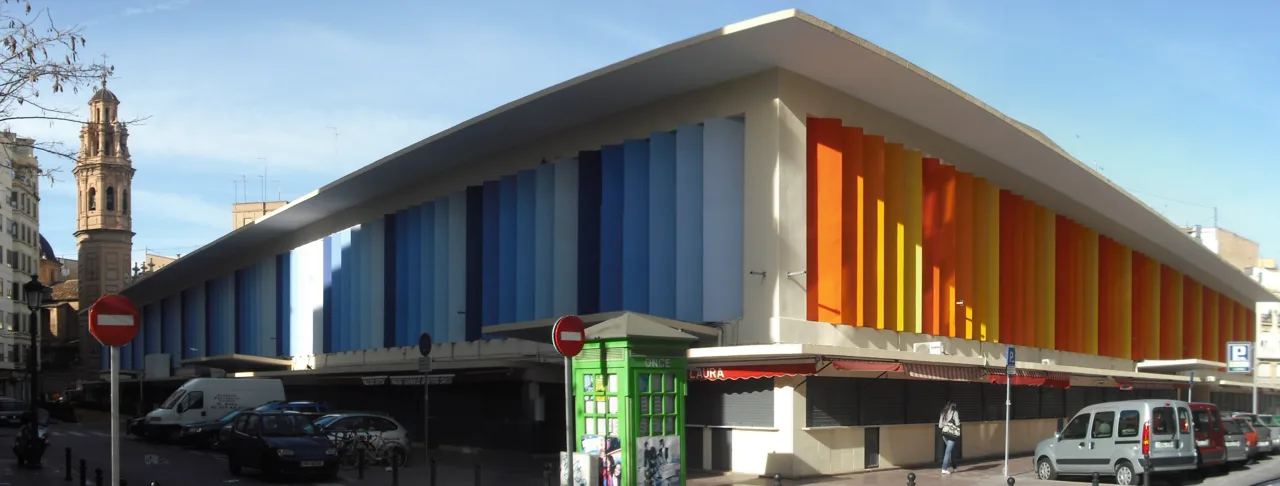
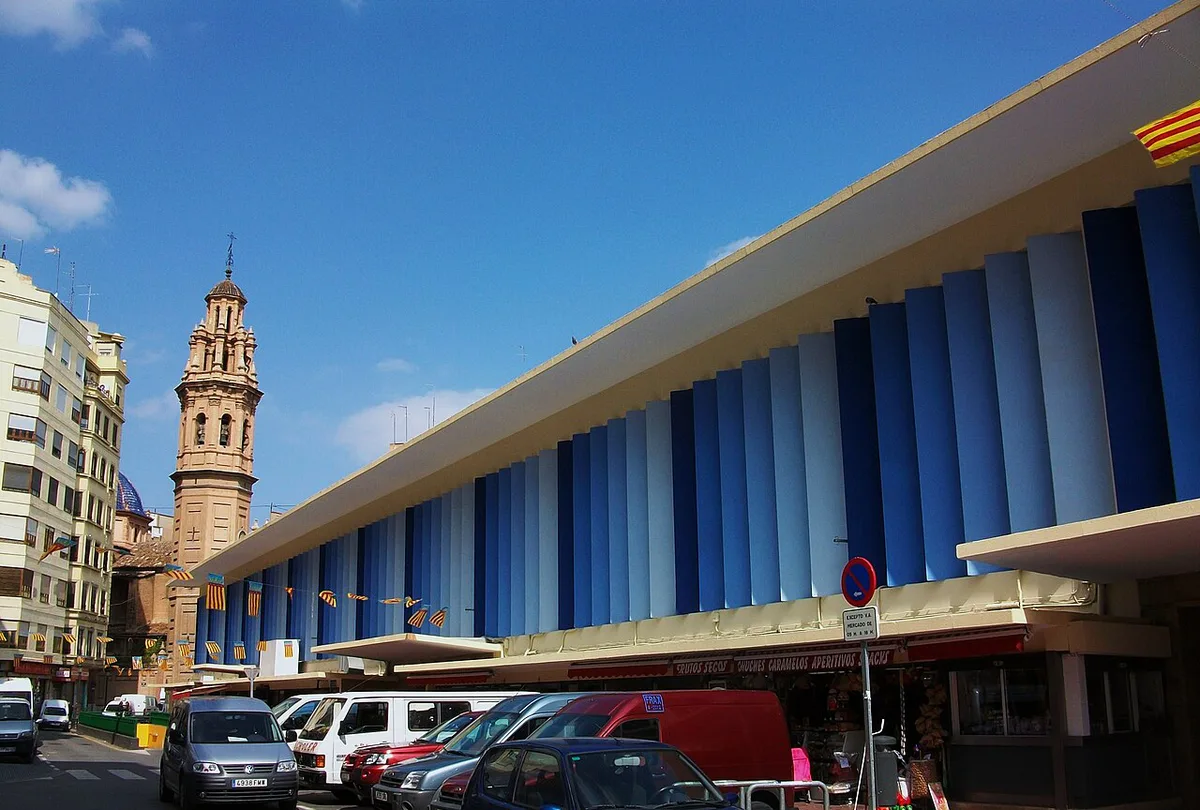
Mercado de Ruzafa, open since 1957, sits among wine bars and vintage shops that arrived with gentrification, making the market a living artifact of the neighborhood's working-class past amid its modern creative scene.
Vintage clothing racks sit next to cocktail bars such as Café Berlin and La Bella de Cádiz, often on the same block of Carrer de Cuba. The district still carries its working-class roots at Mercado de Ruzafa, where produce stalls operate a few steps from newer wine bars. Local creatives, remote workers, and expats have made Ruzafa their base in recent years, drawn by that mix of everyday market life and a dense restaurant scene.
Base a stay in Ruzafa if dinner, bar terraces, and a design-forward daily routine matter more than a monument-adjacent hotel. Choose the historic core instead if early, easy access to major sights outweighs late dinners. For a fuller breakdown of how Valencia's districts differ, see the Valencia Neighborhoods Guide: Where to Stay, Live, or Invest in 2026. Ruzafa's grid of 19th-century apartment blocks reads as modern and gritty-chic against the winding medieval lanes covered in the El Carmen guide. It also differs from the tiled, beach-adjacent streets described in the El Cabanyal guide, which trades nightlife density for a slower, maritime pace.
Top Things to Do in Ruzafa
Ruzafa rewards wandering more than checklist sightseeing. A handful of specific stops still anchor a visit.
The street art routes here connect to broader coverage in the Valencia's hidden gems guide. For self-guided facade-spotting at no cost, the Free Things to Do in Valencia: The Complete 2026 Budget Guide guide covers similar ground citywide. Vintage and zero-waste shopping around Carrer de Cuba also appears in the Valencia's secret spots guide. Fallas in Ruzafa is one of several angles covered in the 8 Unique Things to Do in Valencia: Hidden Gems and Local Secrets guide. Because Fallas draws crowds citywide each March, check the best time to visit Valencia guide before booking that week.
- Mercado de Ruzafa: an indoor market open since 1957, selling fresh produce, horchata, and Valencian oranges alongside a market bar for esmorzaret.
- Casa Judía: an Art Deco private residence on Calle Castellón near Plaza de Toros, marked by a green Star of David above the door. It's a private home, so view the facade only.
- Independent shops: vintage clothing, Valencian-made gifts, and zero-waste homeware fill storefronts along Carrer de Cuba, plus book-café Ubik Café for browsing with coffee.
- Street art: side streets off the main grid carry murals, many satirical or tied to local pop culture themes.
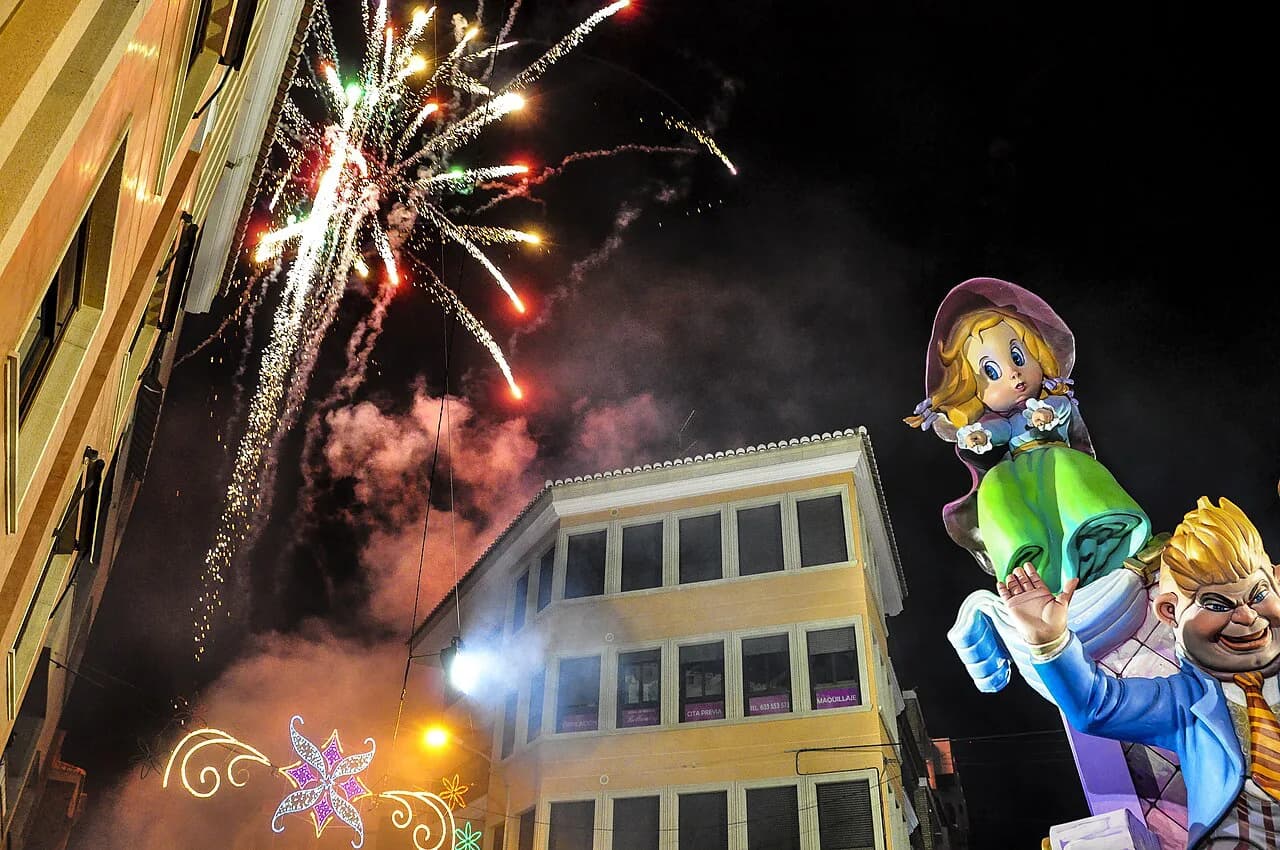
- Fallas: Ruzafa is one of the neighborhood centers for Valencia's UNESCO-recognized Fallas festival each March, known locally for its 'Lights' displays and pop-up bars.
- Guided walking tours: multi-neighborhood tours combining Ruzafa with the wider Eixample and Cánovas areas suit visitors who want context beyond self-guided wandering.
The Ruzafa Dining Scene: Esmorzaret to Sit-Down Gastronomy
Esmorzaret, also called almuerzo, is Ruzafa's mid-morning meal, eaten at market bars inside Mercado de Ruzafa rather than at breakfast time. Locals order a filled baguette with a small beer or wine, typically late morning into early afternoon. Time it before the market winds down, since stalls and bars close for the day by mid-afternoon.
Ruzafa's sit-down scene ranges from casual to chef-driven. Canalla Bistro, from chef Ricard Camarena, serves fusion tapas that pull in Asian and Latin American technique. La Finestra keeps things simpler with mini pizzas and a wine list for a quick, casual dinner. Other tapas bars worth knowing by name include Mare Meua Bar de Tapas and Café Madrigal, both regulars on local Ruzafa dining shortlists.
Menu prices vary by restaurant and change through the year, so check each venue's current listings before booking. For dishes and terms beyond esmorzaret, the Valencia Local Food Guide: Where and What to Eat Like a Local covers citywide specialties in more depth. A broader restaurant shortlist beyond Ruzafa appears in the 11 Best Local Restaurants in Valencia: A 2026 Local's Guide guide.
- Quick, cheap eats: market bar esmorzaret, mini pizzas at La Finestra, casual tapas along Carrer de Cuba.
- Sit-down gastronomy: fusion tapas at Canalla Bistro, chef-led plates elsewhere in the district.
- Budget note: Ruzafa runs pricier than lower-profile districts like En Corts or Monteolivete, so treat it as a splurge night rather than Valencia's cheapest option.
Nightlife in Ruzafa: Terraces, Cocktail Bars, and Late Clubs
Ruzafa runs on a specific rhythm. The market and most shops close in the afternoon, and the district can feel quiet through the siesta hours and on Mondays. Bars and restaurants bring the energy back from early evening onward, especially on outdoor terraces.
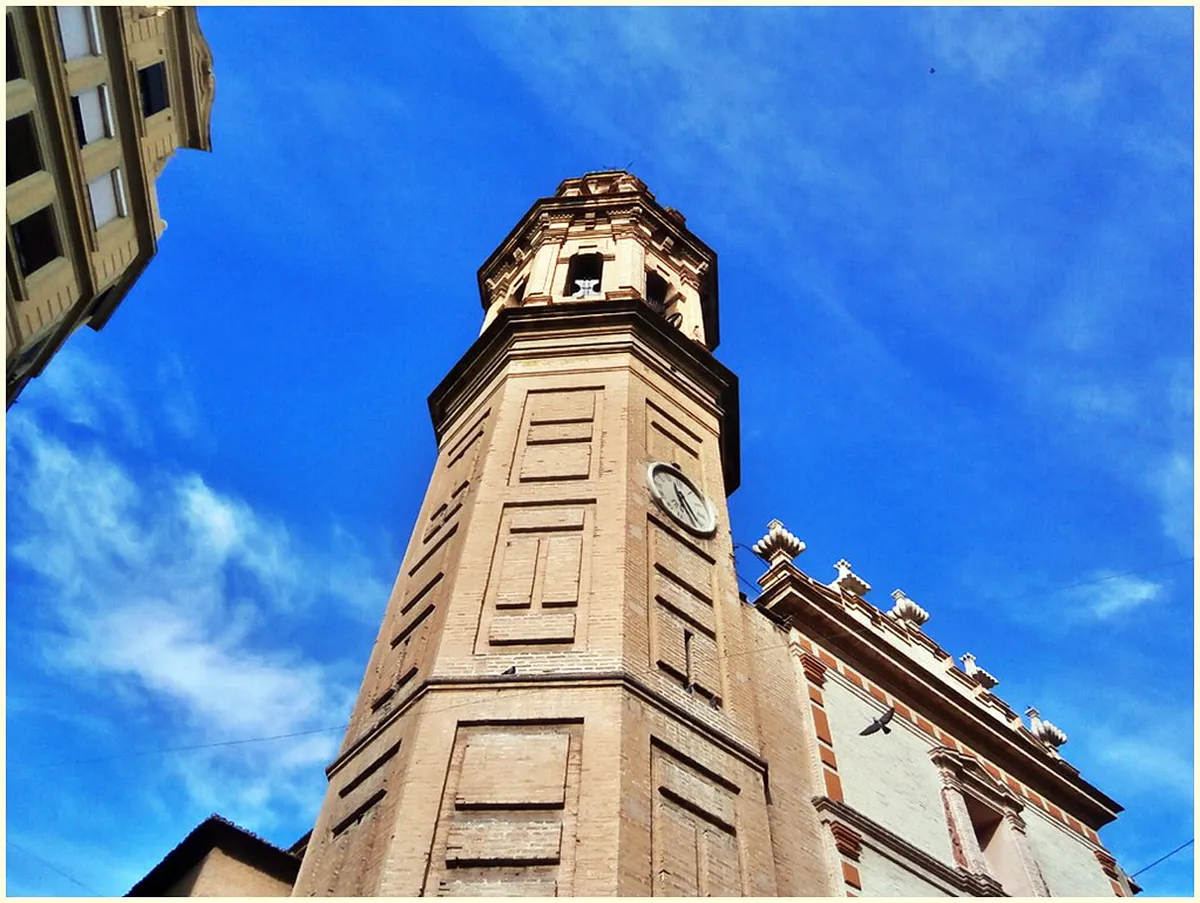
Terrace seating fills the sidewalks outside nearly every bar once the evening cools down. Local outdoor-seating rules limit how late some terraces can stay open, so check individual bars if a late terrace matters to the plan.
Craft beer bars sit alongside traditional vermuterías pouring vermouth on tap, a split between newer imports and long-running local habits. For something distinctly Valencian, order an Agua de Valencia, a cocktail of fresh orange juice, vodka, gin, and cava, on any terrace.
Cocktail lounges like La Bella de Cádiz and Café Berlin anchor the early and mid-evening crowd. Later in the night, the scene shifts toward clubs such as Piccadilly Downtown Club. Other named bars in the rotation include Liverpool and Red Lion, plus Barberbirborbur Club for a late stop.
Getting to Ruzafa and Planning Around Its Rhythm
Ruzafa sits close enough to central Valencia to reach on foot. From Estació del Nord, the walk into the neighborhood's main grid takes only a few minutes. Metro lines stopping at Xàtiva and Alicante also reach the district's edges for travelers coming from farther out.
The market closes by 3:00 p.m., while restaurants don't start filling until 8:30 p.m., leaving an afternoon gap. Separate market visits from evening dining rather than trying to combine both in one afternoon.
Parking inside Ruzafa's grid is difficult, with narrow one-way streets and limited spaces. Walking or biking in from the city center is the more reliable option, and it avoids the search for a spot entirely.
Plan around closures. Many of Ruzafa's best-known restaurants and shops close on Mondays, a gap that catches visitors who assume citywide hours apply here too. Mercado de Ruzafa is a daytime market, and its stalls and bar typically wind down by 3:00 p.m. rather than staying open into the evening.
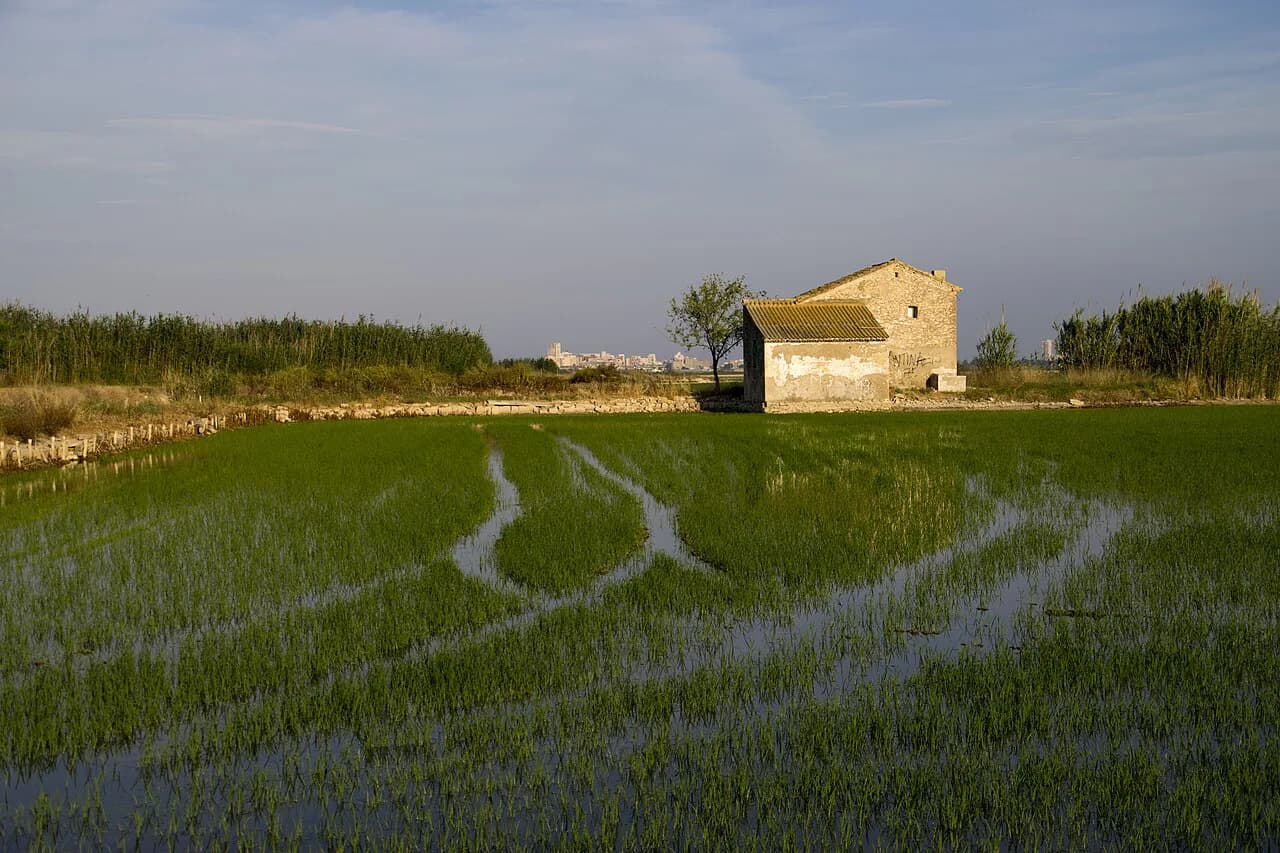
Ruzafa's central position also makes it a workable base for day trips. The 7 Best Day Trips from Valencia (2026 Guide) guide covers several options reachable without a car. One of the most popular, Albufera Natural Park, sits a short ride south of the city.
Where to Stay in Ruzafa vs Other Valencia Neighborhoods
Staying in Ruzafa puts dinner, bars, and independent shopping within walking distance every night. The trade-off is terrace noise and foot traffic after dark, plus a longer walk to the historic core's main monuments.
Boutique hotels and small guesthouses both operate in the district, generally priced at a premium over quieter, more residential areas nearby. Neither option puts a traveler near cathedral-district sightseeing, so factor in transit time each morning.
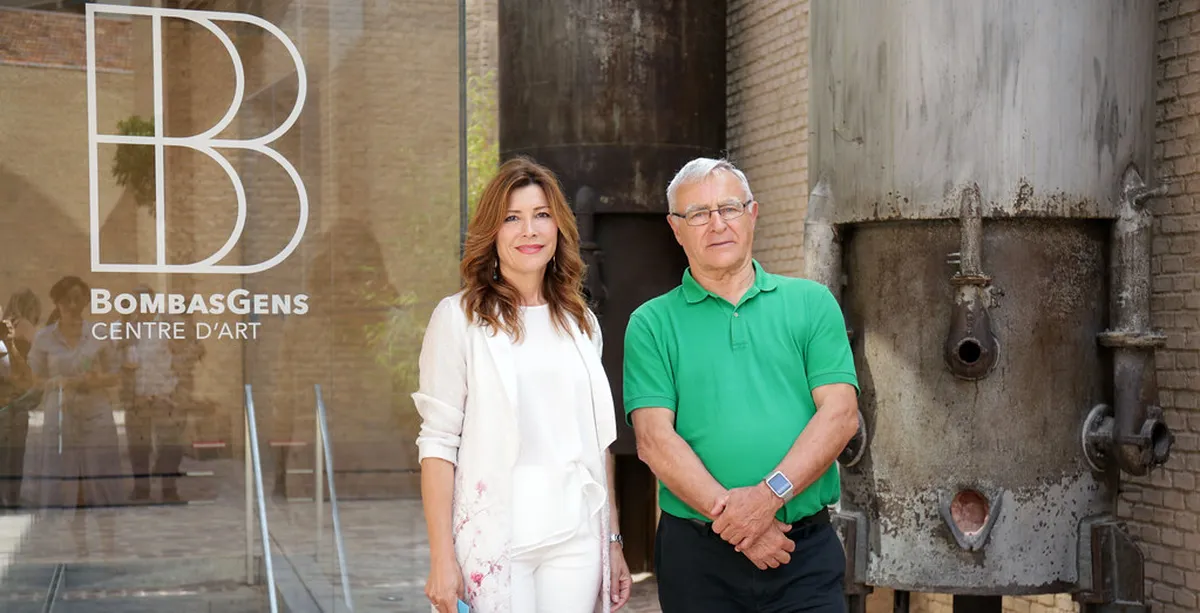
Travelers who want a similar creative, local-feeling base with less nightlife noise can compare Ruzafa against the Benimaclet guide, a quieter, more residential district. Design and art-focused travelers can also pair a Ruzafa stay with a trip to the Bombas Gens art center, a contemporary art and photography venue elsewhere in Valencia.
Mistakes to Avoid in Ruzafa
A few timing mistakes account for most of the disappointment visitors report in Ruzafa.
- Driving in: narrow one-way streets and scarce parking make a car more hassle than help. Walk or bike instead.
- Arriving too early: many restaurants don't fill up until around 8:30 p.m. or later, so an early arrival can mean an empty dining room.
- Missing the market's hours: Mercado de Ruzafa closes in the early-to-mid afternoon, typically by 3:00 p.m., well before dinner service starts.
- Ignoring Monday closures: a notable share of Ruzafa's restaurants, bars, and shops close on Mondays, so check hours before building a Monday visit around the district.
- Expecting a bargain: Ruzafa's dining and drink prices generally run above nearby, less-visited districts, so budget accordingly.
How to Navigate Ruzafa on Foot
Ruzafa follows a compact street grid, but its busiest areas shift between morning and evening. Start at Mercado de Ruzafa, whose brightly colored exterior panels make a useful daytime landmark. The surrounding streets are easiest to explore on foot.
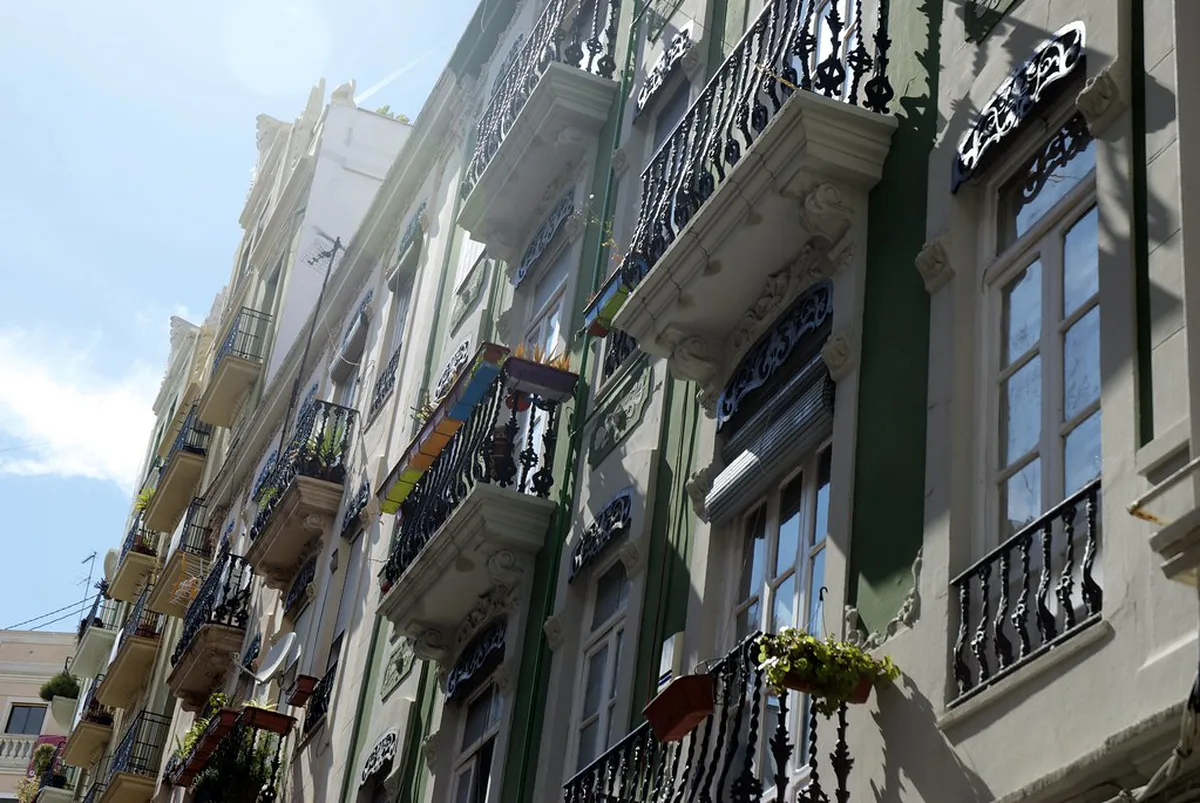
Carrer de Cuba and Carrer de Sueca form the main north-south corridors for cafés, shops, and nightlife. Carrer de Cadis runs parallel and adds more bars and restaurant terraces. Carrer del Literat Azorín crosses these streets near the market and becomes especially lively during Fallas.
For a practical loop, begin at the market, walk north along Carrer de Sueca, then return south through Carrer de Cuba. Detour onto smaller connecting streets for murals, independent shops, and Modernist apartment facades. Casa Judía stands on Carrer de Castelló, near the neighborhood’s northern edge and Plaza de Toros.
The grid is flat and walkable, so a car offers little advantage. Allow extra time in the evening, when terrace seating narrows some pavements and the busiest blocks become crowded.
Further reading: Valencia on Wikivoyage · Valencia on Wikipedia
Frequently Asked Questions
Is Ruzafa safe to visit at night?
Ruzafa is a well-trafficked, walkable district with terraces and foot traffic well past dark. As in any dense nightlife area, keep valuables secured and stick to lit main streets like Carrer de Cuba late at night.
How do you get to Ruzafa from Estació del Nord?
Ruzafa's main grid starts a few minutes' walk behind Estació del Nord. Alternatively, take the metro to Xàtiva or Alicante and walk in from there.
Is Ruzafa or El Carmen better for a first visit to Valencia?
El Carmen concentrates Valencia's historic monuments and winding medieval lanes, which suits a first visit focused on sightseeing. Ruzafa suits a return trip, or any visit built around dining and nightlife rather than landmarks.
What day should you avoid visiting Ruzafa?
Monday is the weakest day in Ruzafa, since a large share of its restaurants, bars, and shops close. Plan dining and shopping for Tuesday through Sunday instead.
What is esmorzaret and where do you eat it in Ruzafa?
Esmorzaret, also called almuerzo, is a mid-morning snack of a filled baguette with a drink. Eat it at the market bar inside Mercado de Ruzafa before its early-afternoon close.
How much time should travelers plan for a visit to Ruzafa?
A half-day covers the market, a look at Casa Judía, and a walk past the main street art and shopping streets. An evening on top of that allows time for a full dinner and at least one bar.
Continue exploring
More guides you'll find useful