Carmen de los Mártires Granada: The Complete Visitor's Guide (2026)
Plan a visit to Carmen de los Mártires in Granada with 2026 opening hours, free entry details, garden highlights, and tips on avoiding the mid-day closure.
On this page
Carmen de los Mártires: Granada's Most Beautiful Free Gardens
Last updated July 2026. Carmen de los Mártires in Granada offers free, year-round entry to seven-plus hectares of French, English, and Nasrid-style gardens just below the Alhambra's Torres Bermejas. This guide covers current opening hours, the mid-day closure that catches first-time visitors off guard, and how to reach the gardens from the Realejo neighborhood.
Visiting Carmen de los Mártires in Granada: What to Know
Carmen de los Mártires in Granada occupies roughly seven-plus hectares on the Alhambra hill, just below the fortress's Torres Bermejas towers on Calle de Antequeruela Alta. Entry is currently free, a rarity this close to a paid monument that draws visitors from across the city. The estate combines a 19th-century mansion with five distinct garden zones, plus terraces that frame views of the Sierra Nevada and the Alhambra itself. The site appears in the Granada hidden gems guide as one of the hill's standout free stops. It also fits neatly into a day built around Free Things to Do in Granada: A 2026 Budget Guide.
Essential Visitor Information: Hours, Location, and Access
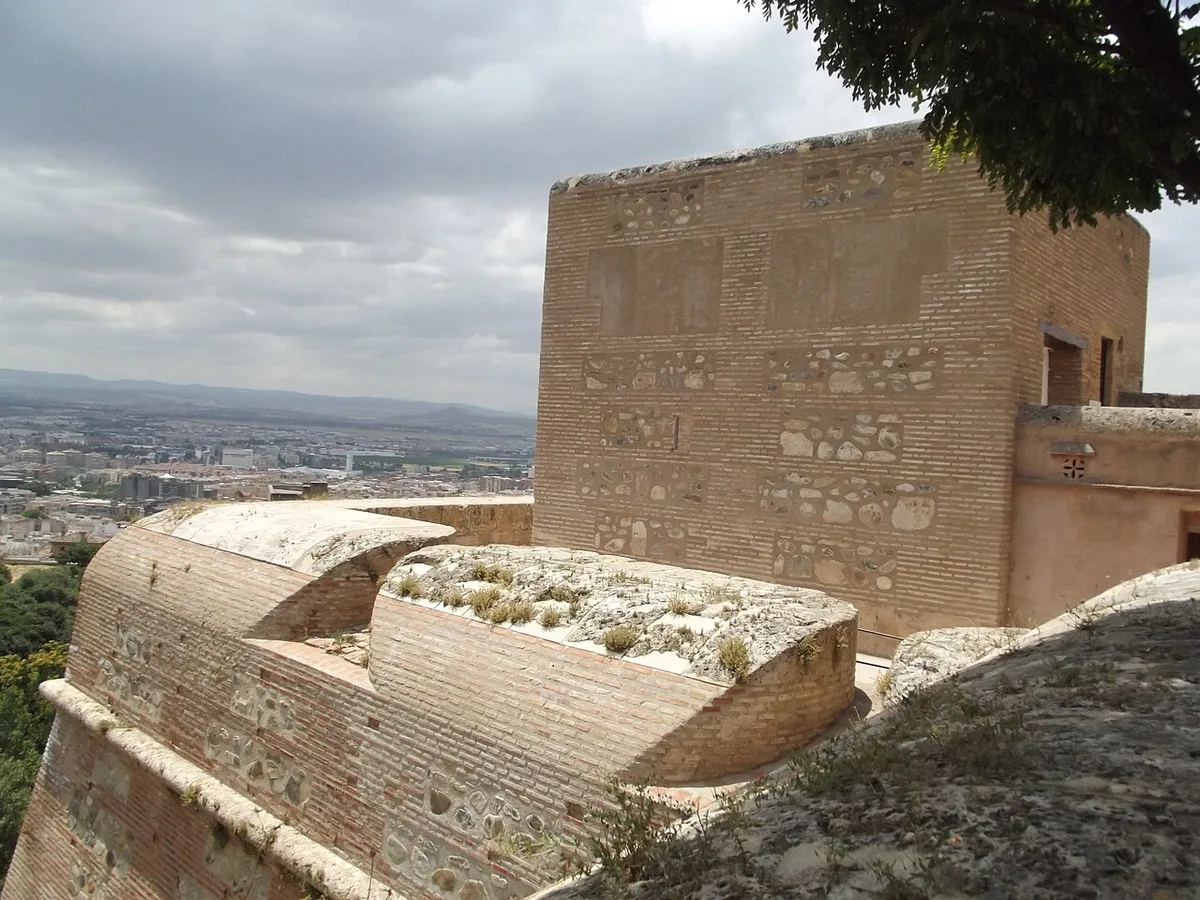
Carmen de los Mártires sits at Calle de Antequeruela Alta, s/n, 18009, on the same Alhambra hill as the fortress itself, just below its Torres Bermejas towers. Opening hours run on two seasonal schedules with different weekday and weekend patterns, so checking the correct one before setting out saves a wasted trip. The table below reflects hours as published for the 2026 season. Confirm on the Granada City Council's site if the visit falls near a public holiday, since holiday hours follow the weekend schedule.
| Season | Weekdays (Mon-Fri) | Weekends & Holidays |
|---|---|---|
| Summer (Apr 1 - Oct 14) | 10:00-14:00 & 18:00-20:00 | 10:00-20:00 |
| Winter (Oct 15 - Mar 31) | 10:00-14:00 & 16:00-18:00 | 10:00-18:00 |
- On foot: climb Cuesta del Realejo or Cuesta de Gómerez from the city center up to Paseo de los Mártires, arriving right at the garden gates.
- By bus: take the C30 or C32 Alhambra line to the Auditorio Manuel de Falla stop, directly outside the entrance.
- By car: limited public parking exists nearby, though traffic restrictions around the Alhambra hill make the bus or a walk more reliable.
What a Carmen Means in Granada
In Granada, a carmen describes a traditional house paired with its own walled garden or orchard, a housing style found across the hillsides above the city center. Private cármenes cluster in the Albaicín district, tucked behind white walls with courtyards rarely visible from the street. Carmen de los Mártires takes that same house-and-garden model and expands it dramatically. It pairs a 19th-century mansion with more than seven hectares of cultivated grounds, open to the public rather than a single household.
Exploring the Gardens: Five Garden Styles in One Estate
The grounds divide into distinct zones, each landscaped in a different tradition. Expect to spend at least an hour moving between them at an unhurried pace.
- French Garden: geometric parterres and clipped hedges around a central pond, with a statue of Neptune at its heart and statues symbolizing the four seasons nearby.
- English Garden (Palm Garden): winding paths through palm trees and irregular hedge squares, centered on the three-tiered Fountain of Philip II, built by the Duke of the Infantado.
- Nazarí Courtyard: added in 1944 by the Duke of the Infantado, with a central pool, horseshoe arches, and tile work that echoes the Generalife and the Palace of Comares.
- Lake Garden: a landscaped irrigation pond built to resemble a natural lake, with two islets for ducks and swans, a stone jetty, and a faux medieval ruin. Swan-shaped boats once operated on the water.
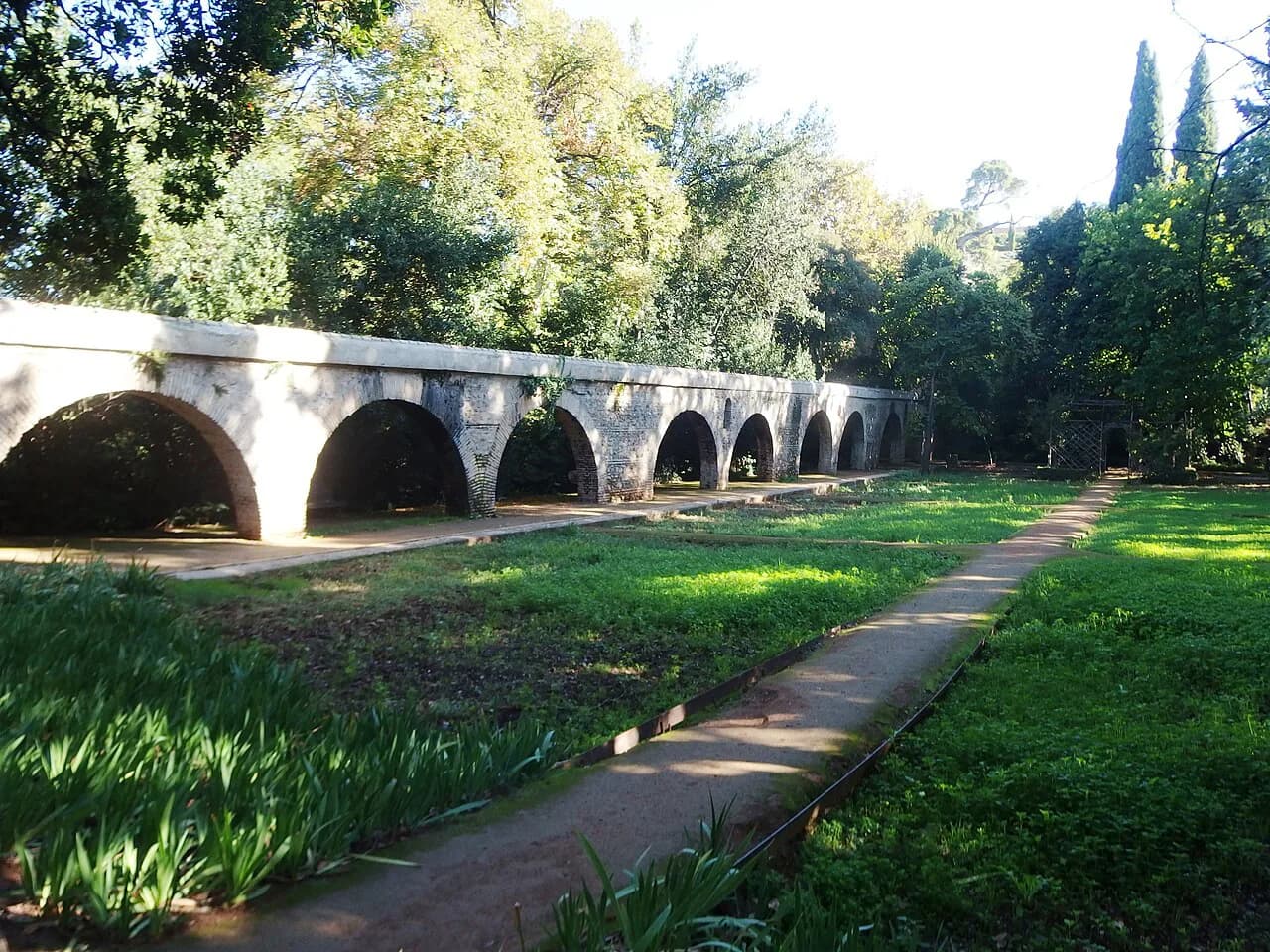
- Labyrinth Forest and Aqueduct path: shaded routes past a Mexican cedar that, according to local tradition, Saint John of the Cross planted himself.
Wildlife and Smaller Gardens Worth Finding
Smaller pockets round out the grounds for anyone with extra time, including the Rose Garden, the Esplanade Garden, and the Arches Garden. Ducks and swans live on the lake's islets, while peacocks roam the wider grounds and are a reliable photo subject. Posted site rules ask visitors not to feed any of the animals or step onto planted beds.
History: From Nasrid Dungeons to a Carmelite Monastery
The estate's history traces back to the Nasrid era. Arab residents called the site Campo de Ahabul. Christians called it Campo, or Corral, de los Cautivos, because it held dungeons for Christian prisoners. After the Reconquista, Queen Isabella I of Castile ordered a hermitage built on the hilltop to honor Christian martyrs, giving the estate its current name. In the 16th century, that hermitage became a convent for Discalced Carmelites. Saint John of the Cross served as its prior between 1582 and 1588. He wrote most of his major works there, planted trees, and contributed to the estate's aqueduct. Along the path toward that aqueduct stands a Mexican cedar he is said to have planted himself, possibly one of the oldest specimens of its species in Europe. In the 19th century, private owner Carlos Calderón acquired the land and built the mansion seen today, styled after the era's fascination with Andalusi and Orientalist design. The 20th century brought public status. The site was declared an Artistic Garden and later purchased by the Granada City Council. The council maintains it as a public space today.
When to Visit: Best Times, Seasons, and the Mid-Day Closure
The single most common planning mistake is arriving during the mid-day closure. On weekdays, the gardens shut from 14:00 until either 16:00 in winter or 18:00 in summer, so a lunchtime approach after touring the Alhambra often means a locked gate. Weekends and holidays stay open straight through, from 10:00 to 18:00 in winter or 10:00 to 20:00 in summer. Early morning, right at opening, brings the quietest paths and the softest light for photography. Late afternoon, especially close to closing time during the longer summer hours, brings the best light on the Sierra Nevada for sunset views. Spring brings rose and jasmine blooms across the French and Nazarí gardens. Autumn turns the trees around the lake gold and ochre, a quieter season covered in more depth in the guide to visiting Granada without crowds.
Proximity to the Alhambra (just below Torres Bermejas) makes Carmen tempting for same-day visits, but weekday closures 14:00–16:00 (winter) or 14:00–18:00 (summer) trap post-Alhambra afternoon plans—weekends avoid this scheduling conflict entirely.
Practical Tips: Accessibility, Footwear, and Events
The grounds are partially adapted for visitors with reduced mobility. Some stretches of stairs and gravel paths still present a real challenge for wheelchairs. Comfortable, closed shoes matter more here than at most Granada sites, since paths mix packed gravel, stone steps, and moderate inclines between garden zones. Carrying water is worth it in warmer months; several zones offer shade, but the walk between them adds up over an hour or more. Beyond daily visits, the estate hosts outdoor concerts, exhibitions, and official events through the year, and its gardens are a popular backdrop for weddings and photo sessions. For photography, the earliest opening slot gives empty paths and soft light, while the last hour before closing brings warm light on the Sierra Nevada.
The free admission is a key draw compared to the paid Alhambra, but stairs, gravel paths, and moderate inclines across seven hectares create real accessibility barriers—a practical tradeoff worth acknowledging when mobility is in the planning equation.
Mistakes to Avoid at Carmen de los Mártires
A few recurring errors are easy to sidestep with a little planning.
- Visiting on a weekday between 14:00 and 16:00-18:00: the gate closes then, though weekends and holidays stay open straight through.
- Assuming this is part of the Alhambra ticket: Carmen de los Mártires is a separate, freestanding site with free entry, not included in Alhambra admission.
- Wearing flat sandals or thin soles: gravel paths, stairs, and inclines throughout the gardens call for closed, comfortable shoes.
- Skipping water in warmer months: shaded areas exist, but the walking route between garden zones covers real distance uphill from the city center.
- Feeding the ducks, swans, or peacocks, or stepping onto planted beds: both go against posted site rules meant to protect the gardens and wildlife.
Pairing the Visit with the Rest of Granada
Carmen de los Mártires sits close enough to the Alhambra ticket gates that many visitors fold it into the same morning or afternoon out. Downhill toward the city center, the Realejo neighborhood holds some of the closest sit-down dining, including restaurants along Cuesta del Realejo built around weekly-changing tasting menus. Anyone assembling a full free day in the city can slot the gardens into the wider unique things to do in Granada guide. Travelers with an extra day on the itinerary might also look at the best day trips from Granada guide. The paid monuments on the Alhambra hill cluster tightly enough to justify slowing down rather than rushing through in one pass.
Carmen de los Mártires or the Generalife?
Carmen de los Mártires is not a free section of the Alhambra, and it does not replace the Generalife. The two gardens offer different experiences within walking distance on Alhambra hill.
The Generalife formed part of the Nasrid royal estate. Its historic courtyards and water features require Alhambra admission and a reserved entry slot. Carmen de los Mártires is a separate municipal garden with free entry and no Alhambra ticket requirement.
Choose Carmen de los Mártires for a flexible visit, quieter paths, resident peacocks, and contrasting French, English, and romantic landscape designs. Its Nazarí Courtyard is a 20th-century homage rather than an original Nasrid palace space.
Visitors with Alhambra tickets can combine both sites. Carmen de los Mártires stands near the Auditorio Manuel de Falla and the Alhambra approach roads. Allow at least one hour for its main gardens, then account for the weekday mid-day closure before walking over. If time or budget is limited, it remains one of the strongest free alternatives on the hill.
Further reading: Granada on Wikivoyage · Granada on Wikipedia
Frequently Asked Questions
Is Carmen de los Mártires in Granada free to visit?
Yes, current entry is free. Confirm this on the Granada City Council's site before visiting, since city-run admission policies can change with little notice.
What are the opening hours for Carmen de los Mártires?
Hours split by season. From April 1 to October 14, weekdays run 10:00-14:00 and 18:00-20:00, while weekends and holidays run 10:00-20:00. From October 15 to March 31, weekdays run 10:00-14:00 and 16:00-18:00, with weekends and holidays open 10:00-18:00.
How do you get to Carmen de los Mártires from central Granada?
Walk up Cuesta del Realejo or Cuesta de Gómerez to Paseo de los Mártires, or take the C30 or C32 Alhambra bus to the Auditorio Manuel de Falla stop, right at the entrance.
Is Carmen de los Mártires part of the Alhambra ticket?
No. It is a separate, freestanding site next to the Alhambra grounds, and its free entry has no connection to Alhambra admission.
What is the Cedar of Saint John of the Cross?
It is a Mexican cedar (Cupressus lusitanica) along the path to the estate's aqueduct, which local tradition says Saint John of the Cross planted during his time as prior. It may be one of the oldest specimens of its species in Europe.
How much time should you plan for a visit?
Plan at least an hour to cover the main garden zones at an unhurried pace, more if the visit includes photography stops or the full walk out to the Labyrinth Forest and aqueduct path.
Continue exploring
More guides you'll find useful