Sacromonte Granada Guide: Caves, Zambra Flamenco, and the C34 Bus
A 2026 Sacromonte Granada guide covering the Abbey, Cave Museum, and zambra flamenco caves, with C34 bus logistics, prices, and scam-avoidance tips.
On this page
Sacromonte Granada Guide: Caves, Flamenco, and Practical Tips for 2026
Last updated July 2026, this Sacromonte Granada guide covers the whitewashed cave quarter above the Albaicín, long home to the city's Roma community and the birthplace of the zambra flamenco style. Cave-lined lanes climb the Cerro de San Miguel along the Camino del Sacromonte, mixing a 20th-century working-class history with sweeping views of the Alhambra and the Valparaíso Valley. Expect a mix of museum caves, flamenco caves, and private homes, plus practical notes on the C34 bus, entry costs, and how to avoid the neighborhood's most common scam.
What Is Sacromonte? Granada's Cave Quarter and Roma Heritage
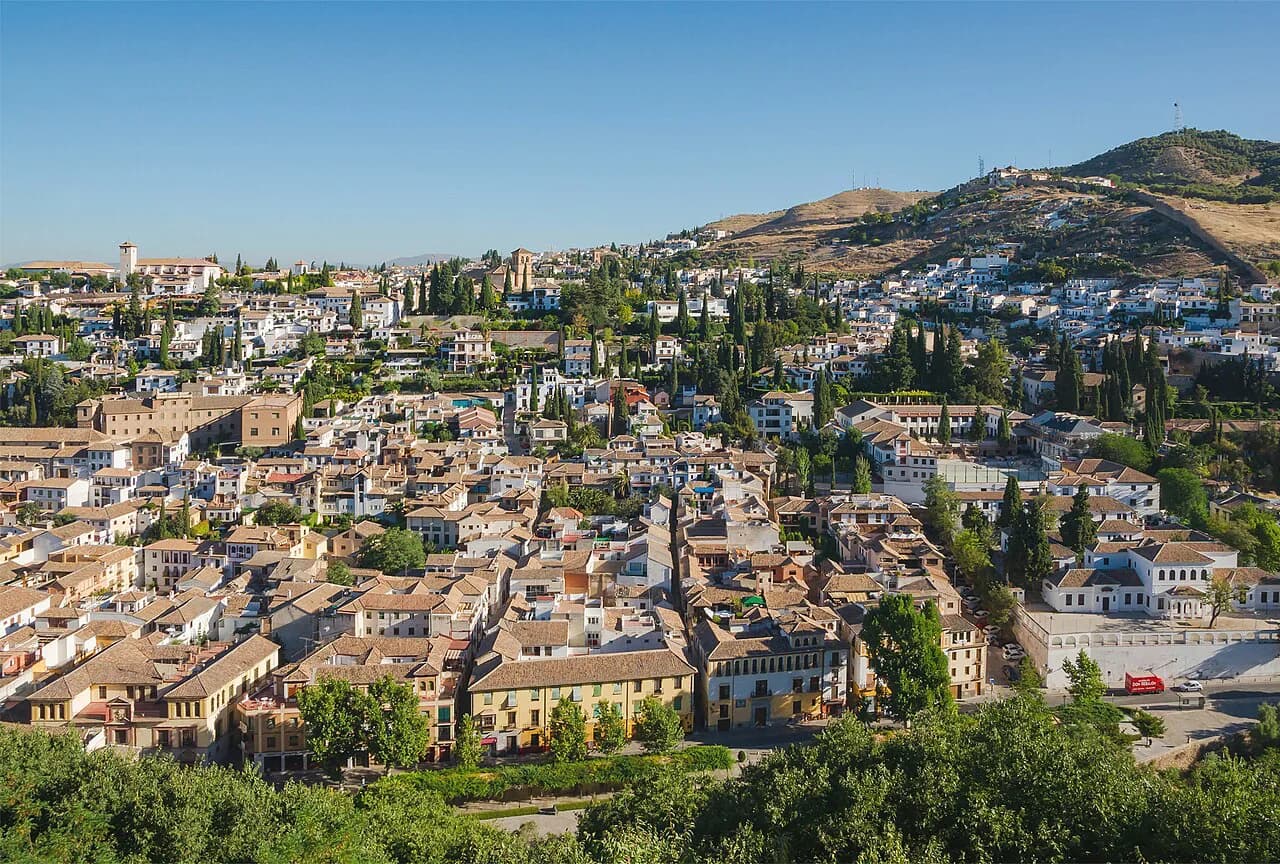
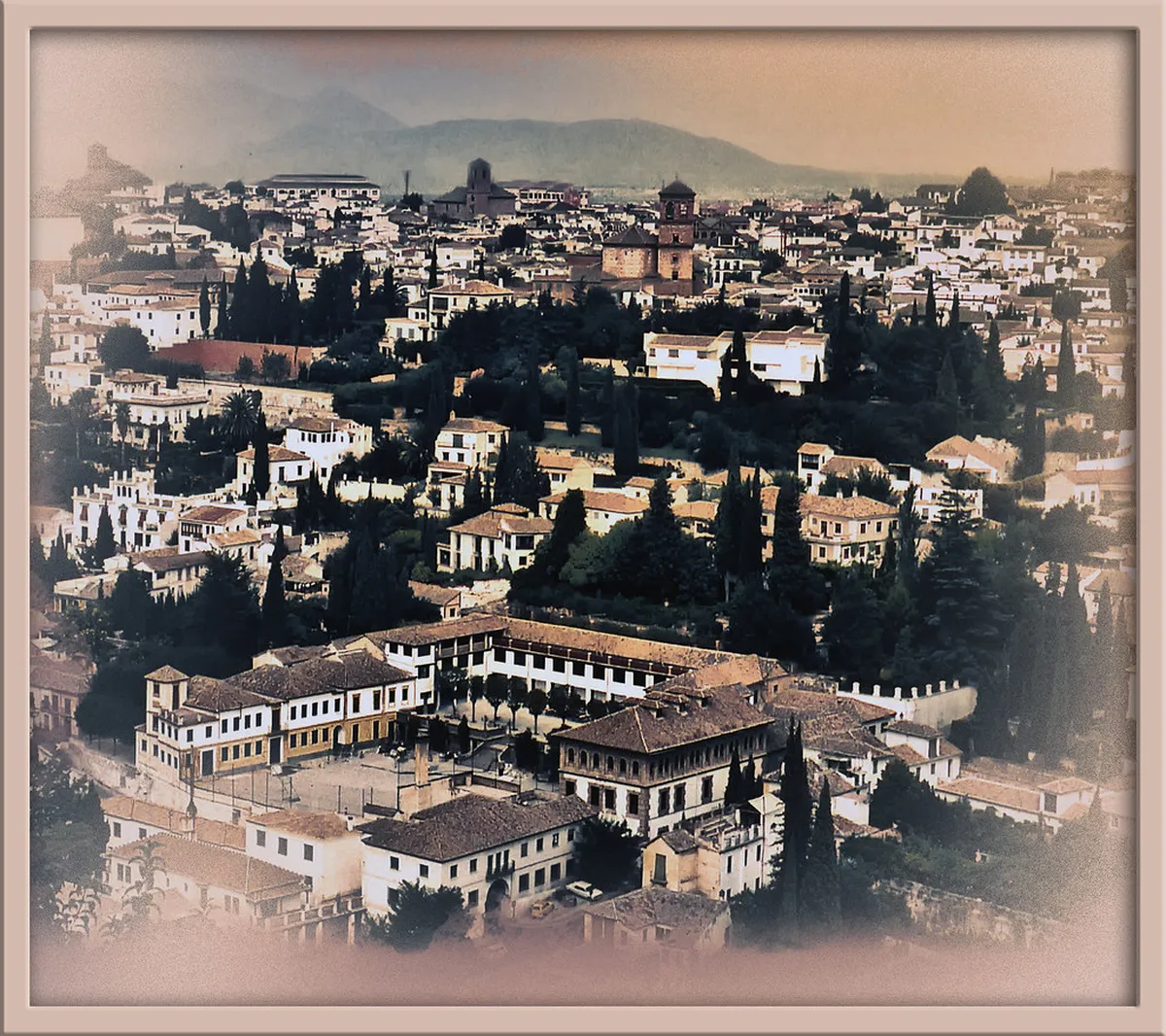
Sacromonte is Granada's historic cave quarter, built into the slopes of the Cerro de San Miguel above the Albaicín. Roma families began settling here in the 18th century, along the Camino del Sacromonte, once a Muslim-era road toward Guadix. That road still functions as the neighborhood's single main street, with residential lanes branching uphill from it. Over time, this stretch of Granada mixed Roma, Arab, and Jewish residents, and that mix shaped Sacromonte's own flamenco style, the zambra. The district's golden age came in the 1960s, when roughly 1,500 cave houses held thousands of residents. Many caves today serve as flamenco venues, small museums, or private homes rather than full-time dwellings. The hillside itself grows wild pitas and prickly pears, giving the terrain its reddish, sun-baked look. From the ridge, that terrain opens onto the Alhambra, the white rooftops of the Albaicín, and the green Valparaíso Valley, where the Darro River runs below. Sacromonte itself often shows up on 10 Hidden Gems in Granada: Secret Spots Beyond the Alhambra (2026) roundups, thanks to viewpoints most day-trippers skip. For a wider map of how the quarter fits against the city's other historic districts, see the Granada Neighborhoods Guide: Albaicín, Sacromonte, Realejo, and Beyond (2026).
Top Things to Do in Sacromonte
Four stops anchor most Sacromonte itineraries, from a religious complex to a hillside viewpoint. Each takes under two hours, so pairing two or three of them into one afternoon is realistic. The Abbey and Cave Museum also appear on lists of 9 Unique Things to Do in Granada Beyond the Alhambra. The Verea de Enmedio viewpoint fits an Off the Beaten Path in Granada: A No-Frills Guide for 2026 itinerary just as well.

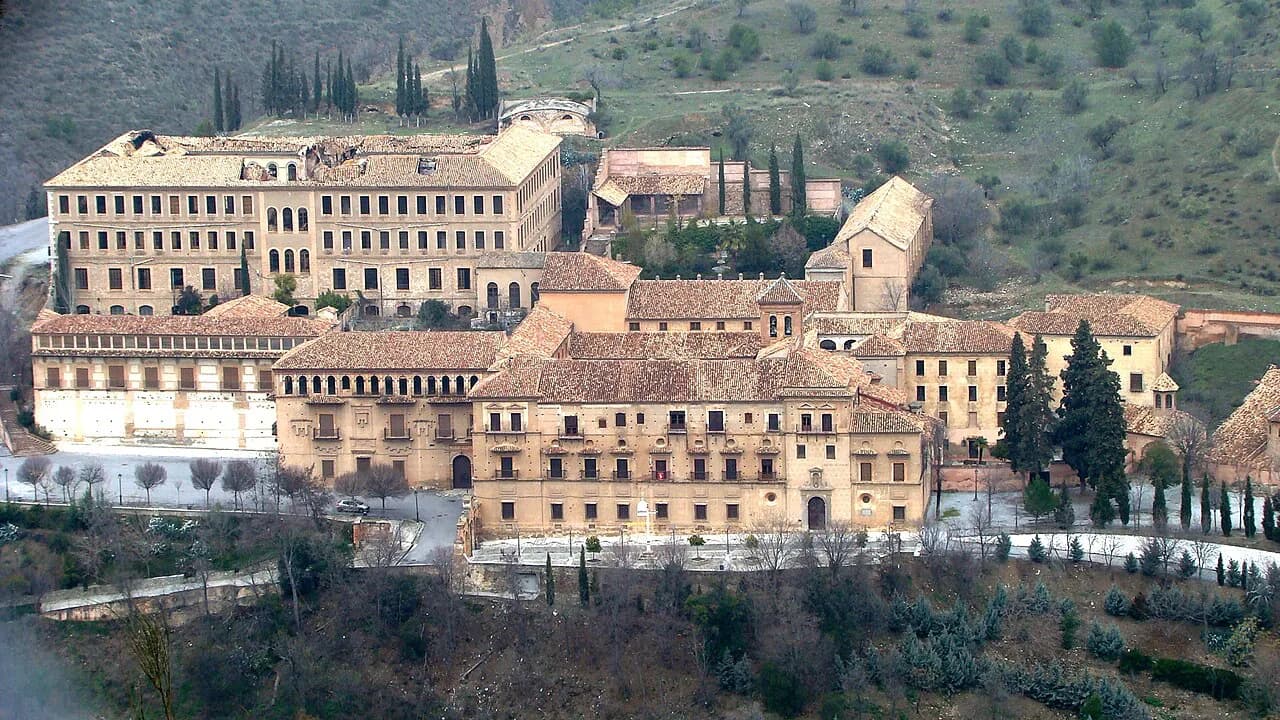
- Abadía de Sacromonte (Sacromonte Abbey): a 17th-century complex built over the Holy Caves, where relics of Granada's patron saint, San Cecilio, are kept. Entry is guided-only and costs about €5; a visit runs roughly 1.5 hours.
- Museo Cuevas del Sacromonte (Cave Museum): 11 furnished caves, including dwelling, stable, kitchen, pottery, loom, and forge caves, recreate how Sacromonte families once lived. Plan on about an hour.
- Mirador de la Verea de Enmedio: a quieter alternative to the crowded Mirador de San Nicolás, with views over the Alhambra and the Valparaíso Valley. It costs nothing, making it one of the better Free Things to Do in Granada: A 2026 Budget Guide.
- The Chorrojumo statue: marks the entrance to the Camino del Sacromonte, commemorating Mariano Fernández Santiago, a 19th-century blacksmith nicknamed Chorrojumo. He later worked as a local guide near the Alhambra and was painted by artist Mariano Fortuny; he died in 1906 at age 82.
Choosing Your Experience: Abbey, Cave Museum, or Zambra Show
Sacromonte packs three distinct experiences onto one hillside, and each suits a different kind of visit. The Abbey rewards travelers interested in architecture and religious history. The Cave Museum gives the clearest cultural context for how Sacromonte's Roma families actually lived. A Zambra show is the pick for nightlife and living tradition, not history. The table below breaks down what each one costs, how you reach it, and how long to budget. Book Abbey guided slots or a Zambra show a few days ahead during Semana Santa or peak summer weekends, when demand rises.
| Feature | Sacromonte Abbey | Cave Museum | Zambra Show |
|---|---|---|---|
| Best for | History and architecture | Cultural context | Nightlife and tradition |
| Cost | About €5 (guided visit) | Low to moderate | Moderate to high |
| Access | End of the C34 bus line | Steep walking path | Main road, Camino del Sacromonte |
| Time needed | About 1.5 hours | About 1 hour | 1.5 to 2 hours |
The Zambra: Cave Flamenco Without a Stage
A zambra is not a standard flamenco show performed on a stage. Dancers and musicians perform in a circle, close enough to touch the audience, staging scenes from a Gitano wedding. The form blends Muslim festival traditions that Granada's Roma community absorbed and reshaped over centuries. That blending reflects Sacromonte's mixed Arab, Jewish, and Roma history, layered over one small quarter. Zambra shows have drawn visiting royals and Hollywood actors over the decades. Michelle Obama attended one during her time as First Lady of the United States.
In the 1960s, Sacromonte housed roughly 1,500 cave homes, but today's quarter mixes commercial zambra venues, historical museums, and private residences. A small number of Roma families still live in residential caves, making uninvited entry intrusive and potentially costly.
Not every cave along the Camino del Sacromonte serves the same purpose. Museum caves, like those inside the Cave Museum, are furnished purely for historical interpretation. Zambra caves are commercial flamenco venues: spacious, whitewashed, and decorated with copper pots, clustered near the main road for easy access. Residential caves are private homes; a small number of Roma families still live in them today. Entering a residential cave uninvited is intrusive. As the safety notes below explain, it can also lead to an unwanted cash demand.
Cueva de Santa Marina and Cueva de San Agustín are among Sacromonte's best-known zambra venues. Cueva de la Rocío and Venta el Gallo also show up in local listings; confirm each venue's current operating status before booking, since names and ownership change over time. Book tickets directly through a venue's own website or by phone. Avoid buying from anyone who approaches you on the street with a same-night discount, since that is a common lead-in to inflated, cash-only pricing once you're inside.
Sacromonte Granada Guide to Getting There: C34 Bus vs Walking
Reaching Sacromonte comes down to two realistic options: the C34 bus or a walk up from the Albaicín. The C34, operated by Transportes Rober, runs along Sacromonte's main street and terminates near the Abbey. You can board or step off anywhere along that route. Check Transportes Rober's website for the current timetable and fare before you go, since city bus schedules shift periodically.
Walking from the Albaicín follows the Camino del Sacromonte from its lower end. It looks shorter on a map than it feels underfoot, since the cobbled, uphill grade makes it a genuine climb. The trade-off is simple: the bus saves energy for a Zambra show later, while walking earns you Alhambra views the entire way up. For the Albaicín side of that walk, see the Albaicín Granada guide.
If coordinating a bus timetable and a steep walk feels like too much, a guided Albaicín-and-Sacromonte walking tour is a fixed alternative. One widely advertised version costs about €15 per person and is free for children under 12. It runs two hours, typically departing at 18:00 from June through September and 17:00 from October through May. Confirm current pricing and departure times directly with the operator before booking, since schedules shift seasonally.
Where to Eat Along the Camino del Sacromonte
A handful of bars line the Camino del Sacromonte itself, useful for a drink or tapas between sights. The Camborio, Venta el Gallo, and Los Faroles are among the longest-running names on the street. Most double as viewpoints over the Valparaíso Valley, so a stop here doubles as a rest break. Prices along the Camino tend to track Granada's citywide tapas averages. Options are sparser than in Centro or Realejo, so decide before you climb rather than after. For a fuller list of where to eat across the city, the 9 Best Local Restaurants in Granada: Authentic Tapas & Dining Guide guide covers options beyond Sacromonte. The Granada Local Food Guide 2026: Tapas Etiquette and Local Dishes is useful background on tapas customs before you order.
Venta el Gallo functions as both one of the street's longest-running bars and one of Sacromonte's best-known flamenco venues, letting you combine dinner with live performance. Confirm current hours before visiting, since ownership changes frequently.
Where to Stay: Cave Hotels vs Realejo or the City Center
A cave hotel in Sacromonte is the most distinctive place to sleep in Granada. Thick stone walls keep interiors cool in summer and warm in winter without air conditioning. The trade-off is humidity in some older caves and a steep walk back after dark. Staying in Sacromonte makes sense if atmosphere is the priority for a night or two. For easier transit access and more nightlife options, base yourself in Realejo or Granada's city center instead. Both put Sacromonte within a short bus ride or walk, without the nightly climb.
Mistakes to Avoid: Scams, Footwear, and Midday Heat
Three simple mistakes cause most of the frustration travelers report in Sacromonte.
- The fake invitation: be cautious if a resident invites you into an unmarked cave to see it. Only enter caves that are official, clearly marked businesses with visible prices. An impromptu invitation into a private home can end with a demand for an arbitrary cash payment once you're inside.
- Footwear: Sacromonte's lanes are cobbled and steep. Sneakers or hiking-style shoes are close to mandatory; sandals make the uphill sections harder than they need to be.
- Timing: Sacromonte's dry, exposed hillside has little shade. Visiting during the peak midday heat of a Granada summer is uncomfortable, and a late-afternoon start works better with an evening Zambra show anyway.
Combining Sacromonte with the Alhambra and Albaicín
Sacromonte pairs naturally with a full day built around the Alhambra. End in Sacromonte at sunset, when the light on the Alhambra's walls is best, and stay on for a Zambra show afterward. If you'd rather avoid peak-season crowds at all three stops, the Best Time to Visit Granada Without Crowds (2026 Season Guide) guide covers which months and hours work best. Travelers with extra days can also pair this itinerary with one of Granada's 4 Best Day Trips From Granada: Beaches, Mountains and Cave Villages.
- Morning: Alhambra visit, using a timed ticket to control crowd flow.
- Afternoon: Albaicín lanes and viewpoints, working toward Sacromonte.
- Evening: Sacromonte at sunset, then a Zambra show.
Further reading: Granada on Wikivoyage · Granada on Wikipedia
Frequently Asked Questions
What is a zambra in Sacromonte?
A zambra is Sacromonte's own style of flamenco, performed in a circle rather than on a stage, staging scenes from a Gitano wedding. It differs from a standard tablao flamenco show found elsewhere in Granada.
How do you get to Sacromonte from central Granada?
Take the C34 bus, operated by Transportes Rober, which runs along Sacromonte's main street and terminates near the Abbey. Alternatively, walk up from the Albaicín along the Camino del Sacromonte; it is a steep, cobbled climb, not a flat stroll.
How much does it cost to visit the Sacromonte Abbey?
The guided visit to the Sacromonte Abbey costs about €5. Entry is guided-only, and a visit takes roughly 1.5 hours.
Is it safe to accept an invitation into a Sacromonte cave?
Be cautious about impromptu invitations into unmarked, private caves. Only enter official establishments with visible prices and a clear business name, since informal invitations can lead to a demand for an arbitrary cash payment.
How much time should you plan for a Sacromonte visit?
Budget at least half a day. The Abbey takes about 1.5 hours, the Cave Museum about an hour, and a Zambra show 1.5 to 2 hours, plus travel time to and from the quarter.
What should you wear to visit Sacromonte?
Wear sneakers or another closed, comfortable shoe. The lanes are cobbled and steep, and sandals make the uphill sections harder than necessary.
Continue exploring
More guides you'll find useful