8 Hidden Gems in Verona: Local Picks Beyond the Arena and Juliet's House
Skip the tourist crush with 8 hidden gems in Verona: quiet viewpoints, overlooked Roman ruins, a Renaissance garden, and honest crowd-timing advice for 2026.
On this page
8 Hidden Gems in Verona
Last updated August 2026, hidden gems in Verona are easier to find once you move past the Arena and Juliet's balcony. A Renaissance garden hides a rock-cut staircase, and a medieval arch displays a whale rib of unknown origin. Each pick below comes with a realistic crowd-timing note and an honest read on cost, not just a name to add to a list.
What Counts as a Hidden Gem in Verona
A place earns a spot on this list only if it meets a few conditions. Foot traffic has to run noticeably lower than at the Arena, Juliet's House, or Piazza delle Erbe. Entry should cost little or nothing, or the fee should clearly justify itself. A short walk or a single funicular ride from the center keeps a place accessible without turning into a separate excursion. Standard group-tour itineraries rarely include it, even though locals already know it well. Torre dei Lamberti, for example, meets none of these conditions, since it draws steady lines and appears on nearly every guided tour of the center. For a broader shortlist built on this same standard, see the guide to Secret Spots in Verona: Hidden Places Locals Actually Go. A companion piece rounds up off-the-beaten-path picks across the wider city. Readers chasing a different angle can check 10 Unique Things to Do in Verona: A Local Guide Beyond the Postcard Sights for activity-first ideas.
- Lower foot traffic than the Arena, Juliet's House, or Piazza delle Erbe.
- Free or low-cost entry, or a fee that clearly earns its keep.
- A short walk or a single funicular ride from the center, not a separate excursion.
- Rarely on standard group-tour itineraries, even though locals already know it well.
8 Hidden Gems in Verona Worth Seeking Out
These eight places meet the criteria above, and prices or hours cited below reflect recent listings. Torre dei Lamberti remains the known viewpoint, not a hidden one. Recent listings show it costs around €6 to climb 368 steps to an 84-meter platform, with entry included in the Verona Card. The picks below trade that convenience for a shorter line and, in most cases, a lower price. None of the eight appear on a standard half-day bus tour of the city. Confirm opening times directly before a special trip, since small sites change hours without much notice.
| Hidden Gem | Time to Budget | Cost | Best Time to Go |
|---|---|---|---|
| Castel San Pietro | 30-45 min | Free on foot; small funicular fare | Early morning |
| Santuario della Nostra Signora di Lourdes | 45-60 min round trip | Free | Weekday mid-morning |
| Roman ruins at Porta dei Leoni | 10-15 min | Free | Any time |
| Arco della Costa | 5 min | Free | Any time |
| Arche Scaligere (outside fence) | 10 min | Free from outside; fee to enter | Any time |
| Giardino Giusti | 45-60 min | About €10 | Weekday morning |
| Roman Theatre | 20-30 min | Free to view; small museum fee | Weekday afternoon |
| Adige sunset walk | 30-45 min | Free | Just before sunset |
- Castel San Pietro Off-Peak
- Occupied since pre-Roman times, this hilltop site gives one of the widest views over Verona's rooftops and the Adige River below.
- A funicular reaches the top in under a minute, or you can walk past the ruins of a Roman theatre on the way up.
- Sunset draws the largest crowds, so arrive soon after opening for a similar view with far fewer people; the Castel San Pietro guide covers current funicular times.
- Santuario della Nostra Signora di Lourdes
- A 30-minute uphill walk from the center leads to this hillside sanctuary, with a genuinely steep stretch near the top.
- The payoff is a wide view over Verona and a quiet garden with almost none of the Castel San Pietro crowd.
- This hike sits within the wider Torricelle Hills area above the city, worth a look if you want a longer walk.
- The Roman Ruins at Porta dei Leoni
- A viewing platform set into the street lets you look straight down into excavated remains of the ancient city gate.
- Railings now surround the site, so you can study the layout of what was once a fortified entrance with defensive towers.
- Smaller, unmarked fragments of Roman-era stonework also surface behind a few shopfronts nearby; ask staff before assuming a room is open to browse.
- The Arco della Costa Whale Rib
- A large bone, believed to be a rib, has hung by a chain from the Arco della Costa since at least the 1700s.
- No one has confirmed how it got there, and a few competing local legends fill the gap.
- It costs nothing to see and takes only a minute or two out of a walk through the old town.
- Arche Scaligere From Outside the Fence
- Five Gothic tombs commemorate the Scaliger family, who ruled Verona through the 13th and 14th centuries.
- An entry fee applies if you want to walk in among the monuments, including the tomb of Cangrande I and its equestrian statue.
- The carving is detailed enough to appreciate most of it for free, from outside the surrounding iron fence.
- Giardino Giusti's Hidden Staircase
- This 16th-century Renaissance garden climbs a hillside in Veronetta with cypress avenues, clipped topiary, and a small maze.
- A rock-cut staircase leads up through the terraced grounds to a lookout tower with its own view over the city.
- Recent listings put admission at around €10. See the Giardino Giusti guide for current hours before you go.
- The Roman Theatre Near Ponte Pietra
- Built in the 1st century BC, the Teatro Romano keeps its stage, orchestra, and auditorium legible despite centuries of wear.
- Its riverside setting near Ponte Pietra draws far fewer visitors than the Arena, even though the history runs just as deep.
- Pair a visit with the climb to Castel San Pietro, since the ruins sit on the route between the two.
- A Sunset Walk Along the Adige
- The riverside path along the Adige empties out fast once day-trip buses head back toward Venice or Milan.
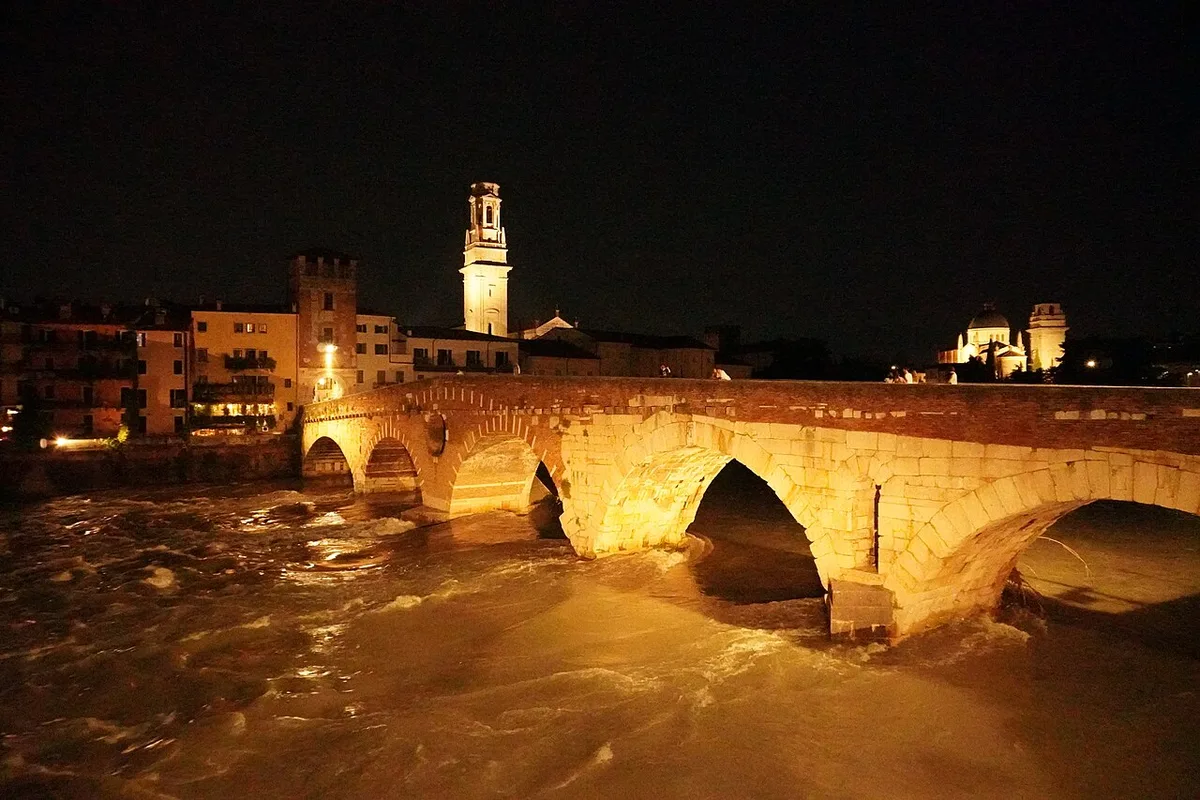
- Golden hour lights up Ponte Pietra and the vine-draped buildings along the bank at no cost.
- It is one of the simplest free things to do in Verona, and one of the most overlooked. Check the free things to do in Verona guide for more no-cost picks.
How These Picks Compare to Verona's Headline Sights
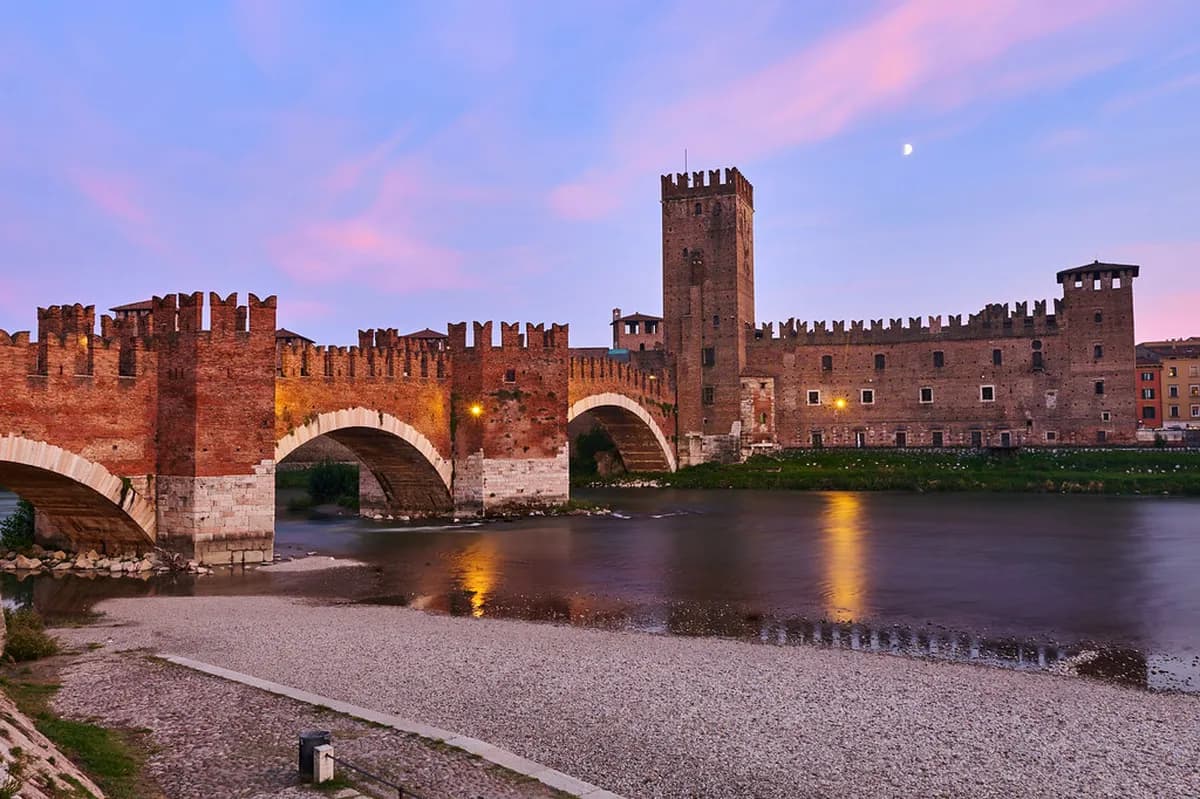
Verona's headline sights earn their reputation. Arena di Verona seats roughly 15,000 people and still hosts opera performances inside a nearly 2,000-year-old amphitheater. Casa di Giulietta draws crowds for the balcony scene from Shakespeare's play, even though Romeo and Juliet were never real people. Castelvecchio, the Scaliger-era fortress with seven towers, houses a museum covering centuries of regional art, and entry is included with the Verona Card alongside Torre dei Lamberti. Piazza delle Erbe and Piazza dei Signori round out the standard circuit, both worth a walk-through even on a hidden-gems-focused trip. None of that makes those stops bad choices. It just means they already get the attention, while the eight picks above do not.
Neighborhood Gems Beyond the Historic Center
None of the picks above sit inside a single neighborhood, and stepping past the old town core changes the pace. Veronetta, Borgo Trento, and San Zeno each reward a slower visit, and each has its own detailed guide. Veronetta, on the left bank of the Adige, carries a different energy than the historic center. A university campus sits in this district, which explains the concentration of casual bars and late-opening kitchens near the river's east bank. Student cafes and independent shops line streets that stay busy into the evening, well past when day-trippers head back to hotels near the Arena. A single loop across Ponte Pietra links Veronetta to the historic center in a few minutes on foot, which is why pairing Giardino Giusti with a neighborhood walk works well for one afternoon. See the Veronetta neighborhood guide for specific streets worth a walk. Borgo Trento is a residential district with a slower pace than the historic core, useful as a lower-cost base within walking distance of the center. Check the Borgo Trento guide for specific streets and places to stay. San Zeno takes its name from the Basilica di San Zeno Maggiore, a Romanesque church that marks the burial site of Saint Zeno of Verona. In Shakespeare's fiction, this is also where Romeo and Juliet were married, though the church predates the play by centuries. Its bell tower and carved facade panels draw a fraction of the crowd at the Duomo. See the San Zeno guide for more on the surrounding streets. A full comparison of the city's districts appears in the Verona Neighborhoods Guide (2026): Where to Stay by Vibe, Budget, and Walk Time, which breaks down which area fits which kind of trip.
Castel San Pietro and Giardino Giusti now draw increasing crowds especially at sunset; to maintain the payoff, distribute visits across neighborhoods within the 20-30 minute walk from main squares—Veronetta offers independent shops and late-opening cafes providing different energy.
Food and Wine Off the Tourist Menu
Veneto cuisine differs from what most visitors expect from Italian food farther south. Risotto all'Amarone, made with the region's signature red wine, appears on menus across the city and carries a noticeably deep color and flavor. Bollito e pearà, boiled meat in a peppery, creamy sauce, is a heartier regional dish worth trying at a sit-down osteria rather than a quick counter near the Arena. Sfogliatine di Villafranca, a sweet puff pastry, is a common way to close a meal without ordering a full dessert course. Some Veronese potato gnocchi dishes are served with a horse meat sauce, a specialty with a long regional history rather than a novelty. Menus that include it usually mark it clearly, so you can choose accordingly. Osterias tend to open later in the evening than trattorias aimed at tourists near the Arena, so an 8 p.m. reservation rarely feels early by local standards. Aperitivo culture runs strong in Verona. Ordering a small pre-dinner drink in Piazza delle Erbe or a side-street osteria sometimes brings a surprisingly large plate of cured meats and cheese with it. Amarone gets its concentrated body from partially dried grapes, and Verona sits at the edge of Valpolicella, the wine region that produces it. A glass at a local wine bar is a lower-commitment way to taste the region than a full winery visit. See the Verona Local Food Guide: What to Eat, Where to Eat It, and What It Costs (2026) for more on individual dishes and where to order them. For restaurant picks by neighborhood, see the 9 Best Local Restaurants in Verona: A 2026 Neighborhood Guide guide.
Worth the Detour: Day Trips From Verona
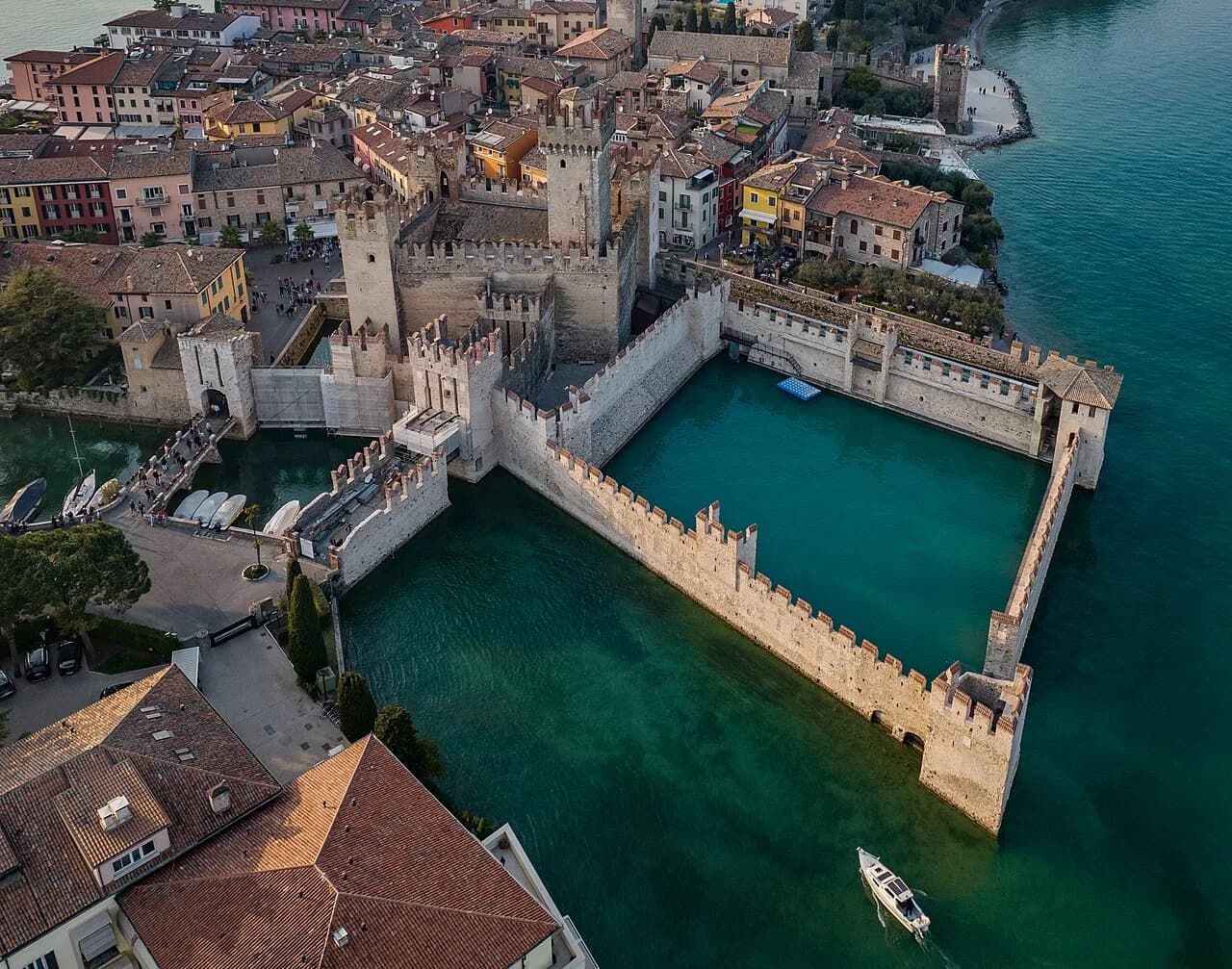
A few destinations extend naturally from a Verona-based trip without requiring a change of hotel. The Valpolicella wine region sits close enough for a half-day or full-day visit. Guided tours of the wine region typically run about four hours and stop at two cellars, useful without a car. Lake Garda and the lakeside town of Sirmione make another common pairing, reachable as a single day trip. Half-day guided options typically pair a boat trip with a guided walk, with round-trip transportation to Verona included. Both regions are reachable without booking months ahead, since neither runs on the kind of limited-capacity ticketing that the Arena's opera season sometimes requires. Travelers short on time often pick one region rather than both, since a rushed version of either loses the point of getting outside the city. Check the Valpolicella wine tour guide for cellar options and getting there without a car. Read the Sirmione and Lake Garda day trip guide for transit timing and what to prioritize in a single day. For a broader menu of options beyond these two, the best day trips from Verona guide rounds up the rest.
Practical Logistics: Timing and Getting Around
Verona's old town is compact enough to cover on foot, and most of the picks above sit within a 20-30 minute walk of Piazza delle Erbe. From Porta Nuova, the main train station, most routes into the center pass through wide boulevards and under the stone arches of I Portoni della Brà. Summer brings the heaviest crowds and the most intense heat, with few shaded parks in the historic core to escape it. Spring and fall visits tend to mean shorter lines at the Arena and more comfortable weather for the Castel San Pietro climb. Regional trains connect Verona to nearby towns at accessible fares. Check Trenitalia and Italo directly for current one-way prices, since they shift with demand and season. Public buses cover the outer neighborhoods and hillside sanctuary access points for travelers who prefer not to climb. Sidewalks narrow quickly once you leave the main pedestrian streets, so strollers and large luggage move more easily left at the hotel for these particular walks. A season-by-season breakdown of when crowds thin out appears in the Best Time to Visit Verona Without Crowds (Month-by-Month Guide) guide.
Timing varies significantly across the picks: the 15-minute path to Castel San Pietro suits a quick detour, while the Santuario walk demands a slower pace where rushed visits eliminate the contemplative experience these hillside destinations offer.
- Half a day covers the viewpoints and curiosities profiled above.
- A full day adds Giardino Giusti and one neighborhood walk.
- Two days leaves room for a Valpolicella or Lake Garda day trip without rushing the rest.
Mistakes to Avoid When Chasing Hidden Gems
Not every pick on a hidden-gems list stays quiet forever. Giardino Giusti and Castel San Pietro both draw more visitors than they once did, so treat each entry above as relatively quieter, not guaranteed empty. Confirm hours before a special trip, since small sites change schedules with little notice online. Skip trying to fit all eight picks into one afternoon. Rushing the walk to Santuario della Nostra Signora di Lourdes or the climb to Castel San Pietro erases the payoff those spots are known for. Plan viewpoint visits for morning or early evening rather than midday in July or August, when the heat is hardest to escape. Pack water for the uphill walks, since neither the Santuario nor the Torricelle Hills trails have much shade. Skipping the Arena and Juliet's House entirely is its own mistake for a first visit, since the point is balance, not avoidance. Treat this list as a starting point, not a complete inventory of every quiet corner Verona has.
The Pozzo dell’Amore, Hidden off Corso Porta Borsari
The Pozzo dell’Amore sits at the end of Vicoletto Cieco Pozzo San Marco, a tiny cul-de-sac reached from Vicolo San Marco in Foro, off Corso Porta Borsari. It is only a few minutes from Piazza delle Erbe, yet many visitors miss it between the city’s main squares.
The stone well is enclosed by wrought iron, with a pulley suspended below an arrow-shaped finial. A brass plaque on the grate invites visitors to leave a coin. The coins support the Juliet Club, which answers letters sent to Juliet.
Local tradition links the well to Corrado da San Bonifazio and Isabella Donati. Their tragic romance is a legend, not verified history or a source for Shakespeare’s characters. Treat this as a quiet old-town curiosity, rather than a replacement for the nearby and much busier Casa di Giulietta.
- Allow 5–10 minutes for the detour.
- Visit in the morning for the calmest lane and best photos.
- Keep voices low, as it is a narrow residential passage.
For trip-planning details, see Verona – Wikivoyage.
Explore hidden gems in other cities
Frequently Asked Questions
What are the best hidden gems in Verona for a first-time visitor?
Start with Castel San Pietro early in the day and the Arco della Costa whale rib, both quick, low-cost stops near the center. Add Giardino Giusti if there is time for a longer, quieter stop across the river in Veronetta. Both fit into a single morning without feeling rushed.
Is Castel San Pietro worth the walk, or is the funicular a better choice?
Either works, and the two options suit different priorities. The walk passes the ruins of a Roman theatre and takes longer but costs nothing extra. The funicular reaches the top in under a minute, useful if time or mobility is limited.
What neighborhoods in Verona are worth exploring beyond the historic center?
Veronetta, on the left bank of the Adige, has the most visible university energy and easy access to Giardino Giusti. Borgo Trento and San Zeno both reward a slower walk, with San Zeno centered on its Romanesque basilica. Each has its own dedicated neighborhood guide with specific streets to try.
How much time do you need to see Verona's hidden gems beyond the main sights?
A single half-day covers the closer picks: the Roman ruins at Porta dei Leoni, the Arco della Costa, and the Arche Scaligere. A full day adds Giardino Giusti and one neighborhood walk. Two days leaves room for a Valpolicella or Lake Garda detour without rushing.
What should travelers avoid when chasing off-the-beaten-path spots in Verona?
Avoid assuming every pick stays uncrowded year-round, since sunset at Castel San Pietro draws a real crowd now. Confirm opening hours before a special trip, since small sites change schedules without much notice. Trying to fit too many stops into one day tends to erase the quiet payoff each one offers.
Are Valpolicella and Lake Garda worth a day trip from Verona?
Both work well as single-day extensions from a Verona base. Valpolicella suits travelers focused on Amarone and cellar visits, while Lake Garda and Sirmione suit those who want a lake walk alongside the history. Neither requires an overnight stay away from Verona.
Does the Verona Card cover any of these hidden gems?
The Verona Card covers major sights like Torre dei Lamberti and Castelvecchio. Most of the picks above are already free or charge separately, since they are smaller sites rather than headline museums. Giardino Giusti and any Arche Scaligere entry are usually paid apart from the card, so check current inclusions before assuming coverage.
Can you see Verona's hidden gems without a car?
Yes, all eight picks in this guide sit within walking distance of the historic center, and none require a car. Day trips to Valpolicella or Lake Garda run well by guided tour or regional train instead, which keeps the whole trip car-free if needed.
Explore More Hidden Verona
Keep discovering the quieter side of Verona with these local guides.
Neighborhoods & nearby
- Verona Neighborhoods Guide (2026)
- Veronetta Verona Guide: Crossing the Adige to the Left Bank
- Borgo Trento Verona Guide: Art Nouveau Villas, Dining & Local Life
- San Zeno Verona Guide: Basilica, Bronze Doors, and Neighborhood (2026)
- Sirmione Day Trip from Verona
- Valpolicella Wine Tour from Verona
Secret spots & the outdoors
- Secret Spots in Verona: Hidden Places Locals Actually Go
- Off the Beaten Path in Verona: Genuinely Quiet Spots and Honest Trade-Offs
- 10 Unique Things to Do in Verona
- Castel San Pietro Verona Funicular
- Giardino Giusti Verona: A Complete Guide to Tickets, Hours, and the Renaissance Garden
- Torricelle Hills Verona Hiking
Food, drink & planning
Continue exploring
More guides you'll find useful