Castel San Pietro Verona Funicular: The Complete 2026 Visitor Guide
Plan your 2026 trip to the Castel San Pietro Verona funicular. Find ticket info, opening hours, and the best sunset views over the Adige River and Roman Theatre.
On this page
Castel San Pietro Verona Funicular: Tickets, Hours, and Views
Last updated August 2026. Riding the castel san pietro verona funicular provides the most efficient way to reach the city's premier panoramic terrace. You can enjoy a swift ascent from the historic Veronetta district to a height overlooking the Roman Theatre and the Adige River.
Essential Logistics for the Castel San Pietro Verona Funicular
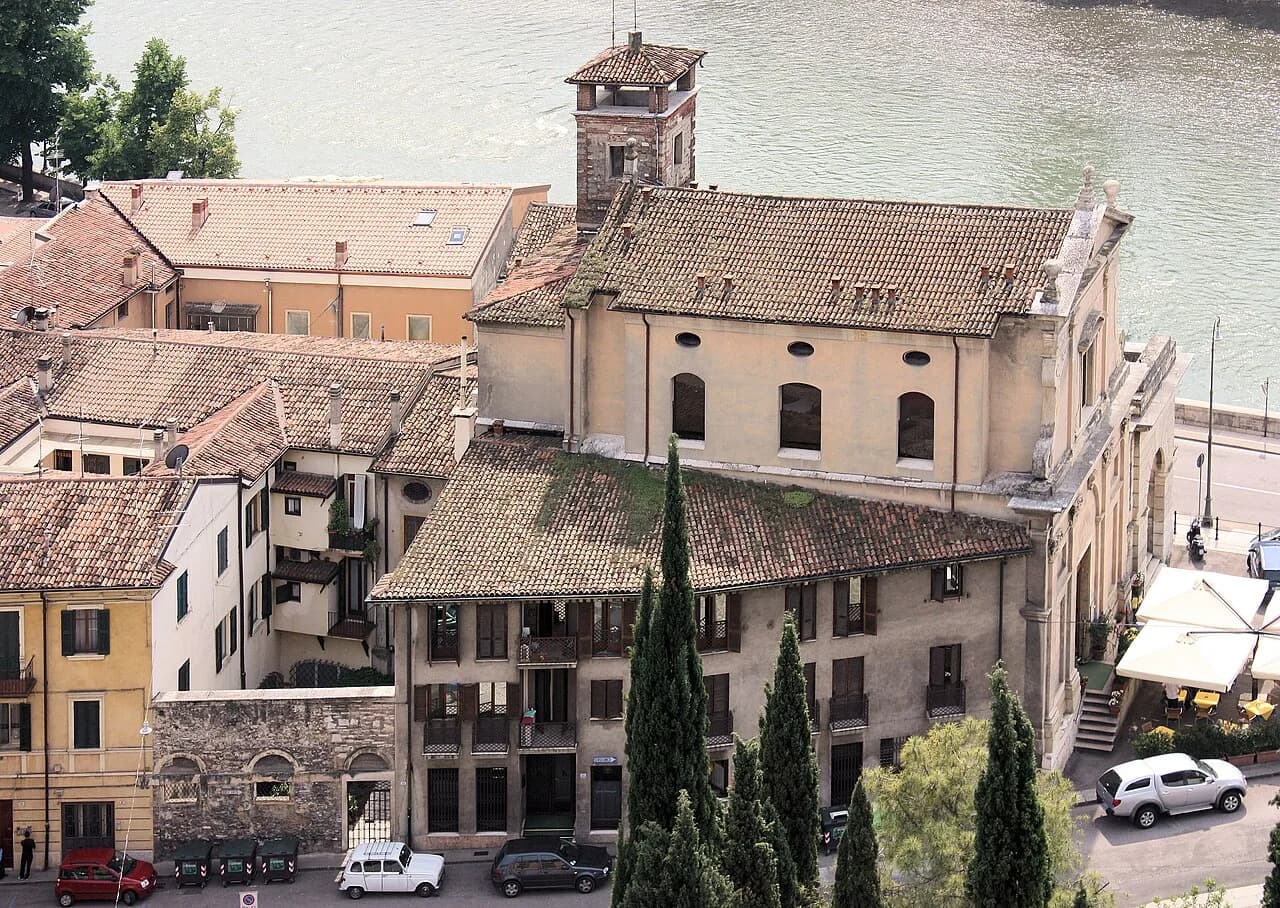
Accessing the departure station is straightforward for those exploring the eastern bank of the Adige River. The entrance is located at Via Fontanelle Santo Stefano 6, which sits just a short walk from the historic Ponte Pietra. This facility is managed by AGEC and operates as an incline lift rather than a traditional cable-pulled railway. The track measures approximately 590 feet in length and ascends a 36% slope to reach the summit. You can expect the entire journey to take just over one minute from station to station. The ticket office is located at the base and accepts both cash and card payments. Note that the ticket counter stops serving customers exactly 15 minutes before the final lift of the day. If you are planning a visit, consult the seasonal schedule to ensure the facility is open.
The Viewpoint Experience: Verona from Above
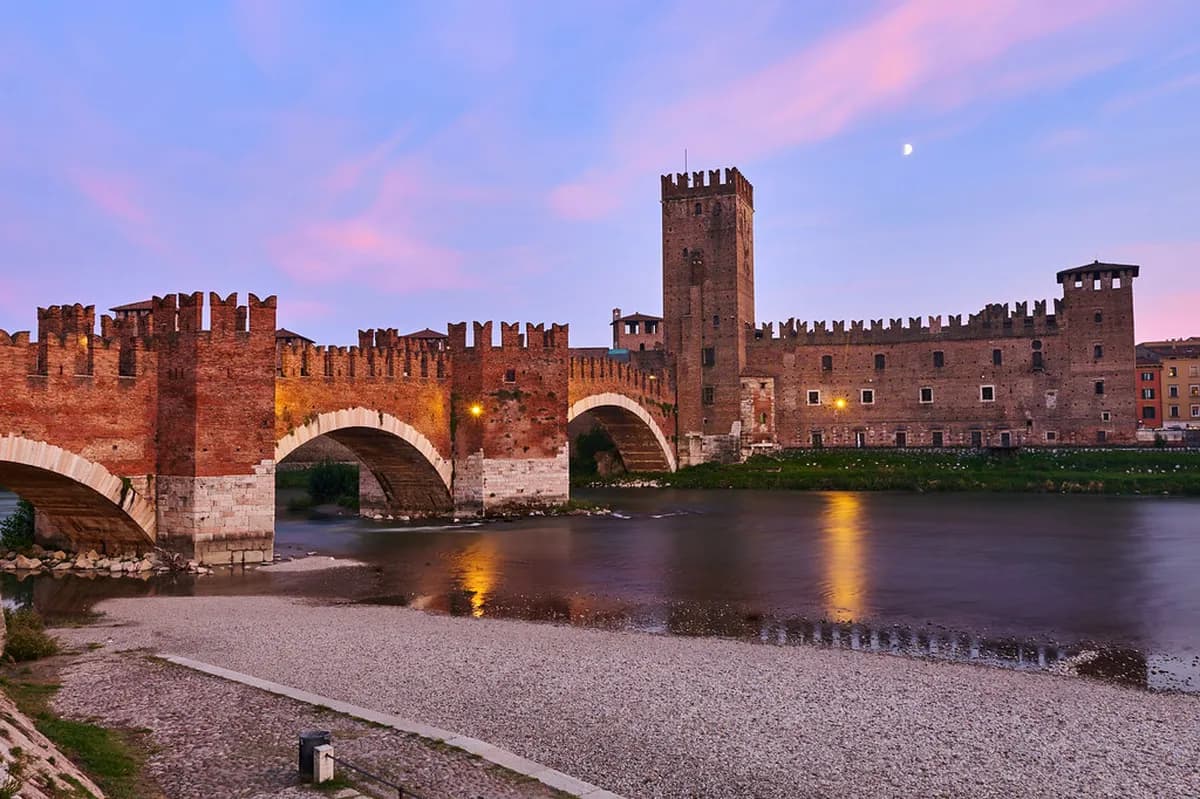
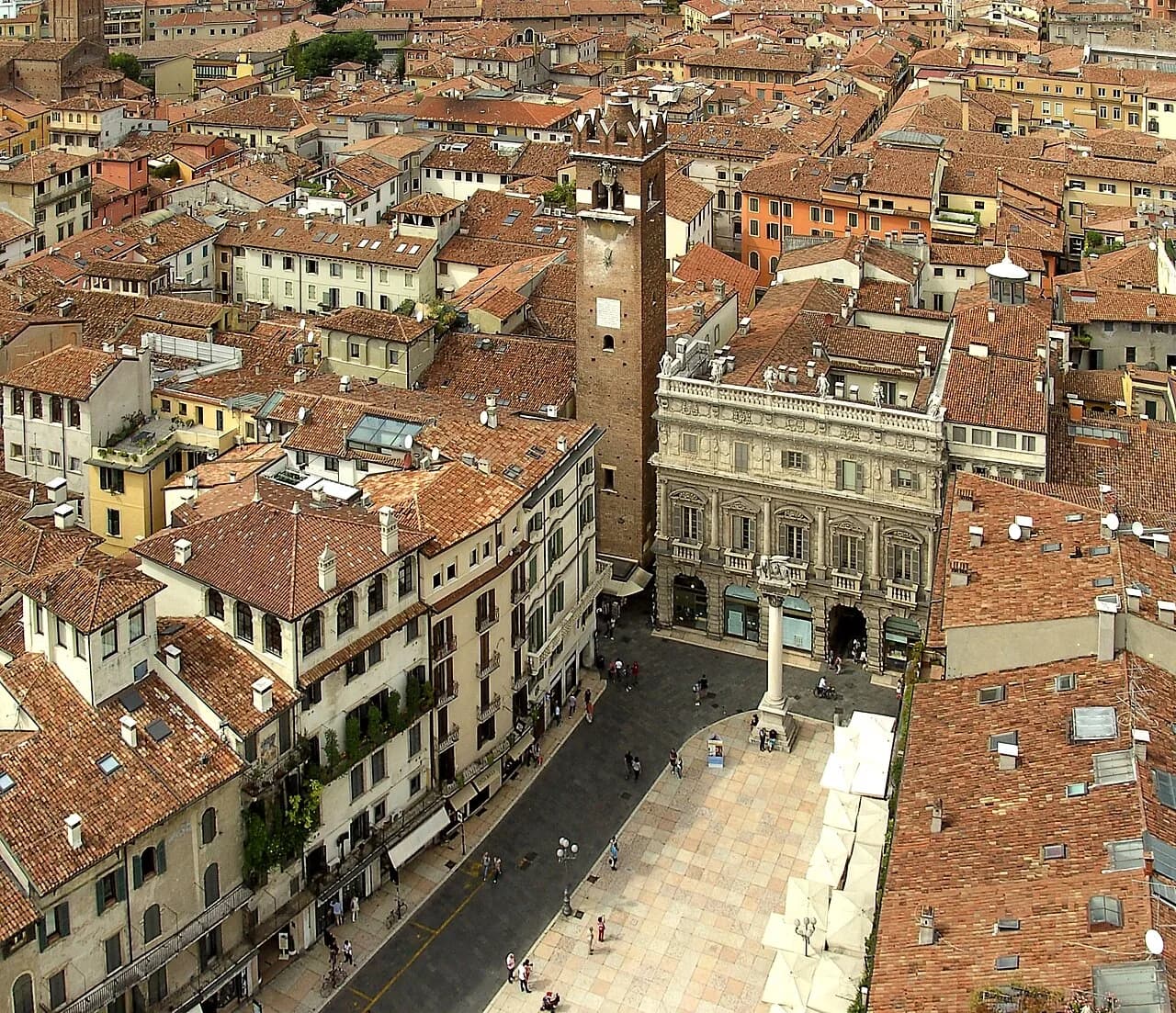
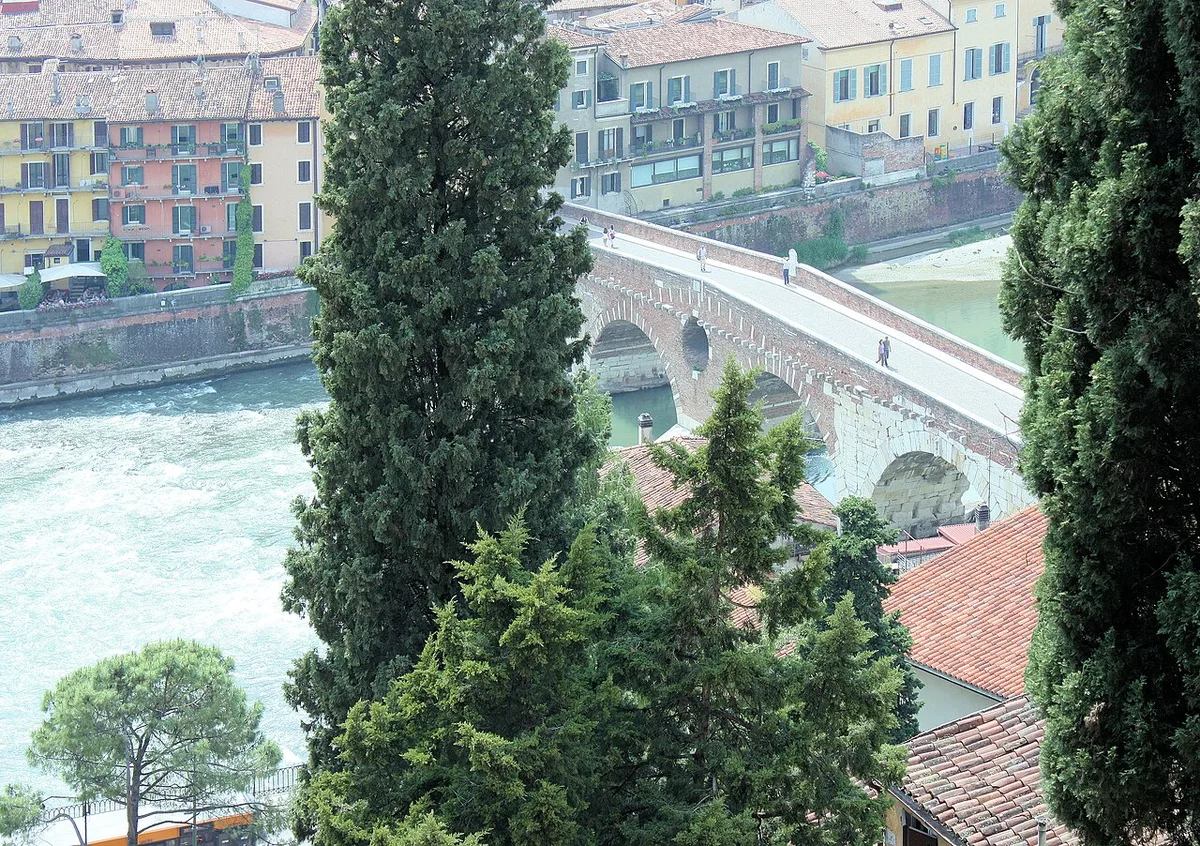
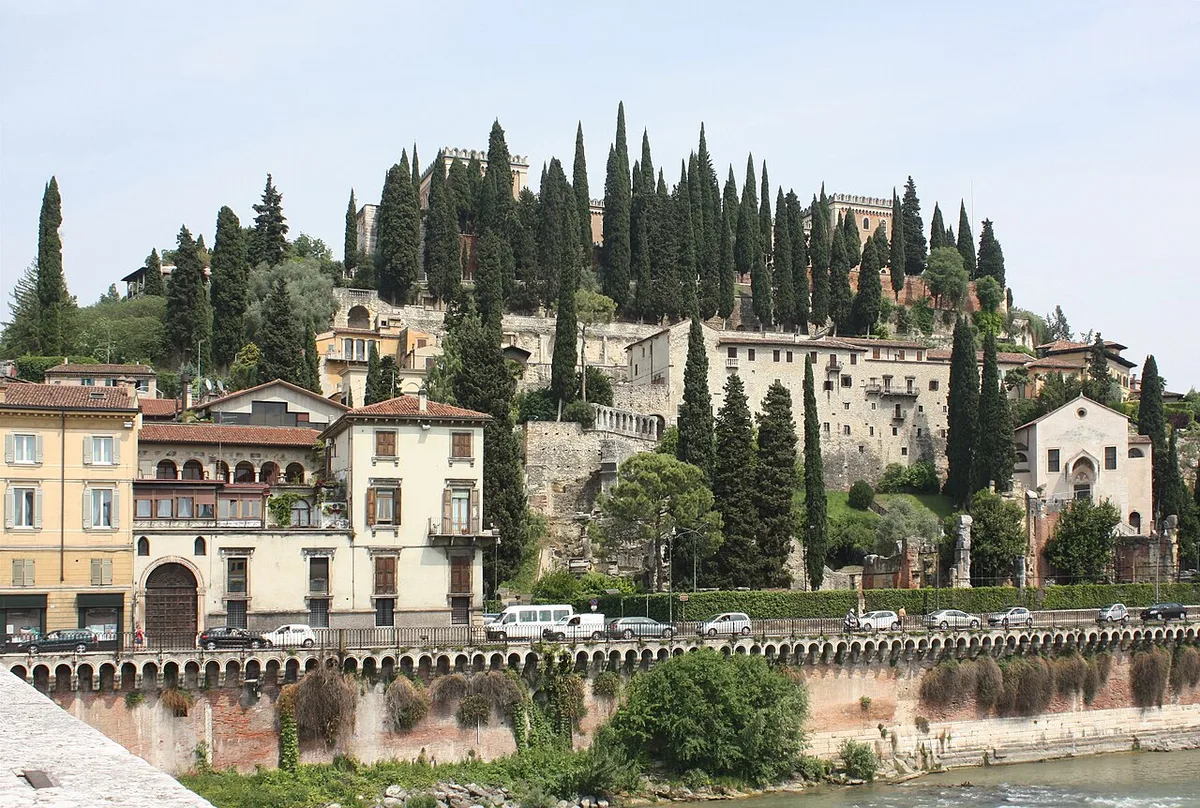
Reaching the top of Colle San Pietro reveals a wide-angle perspective of the historic center. The panoramic terrace offers a clear view of the Adige River as it makes a horseshoe bend around the city. From this height, you can identify the terracotta rooftops and the many medieval church spires that define the skyline. The Roman Theatre sits directly below the hill, providing a glimpse into the city's ancient origins. This spot is widely considered the best location for photography in the city. You can capture the Lamberti Tower and the Duomo in a single frame. For those seeking more unique things to do, the view at sunset is particularly popular. Light hits the stone bridges and the river, creating high-contrast scenes for your camera. The terrace is spacious, but it can become crowded during the final hour of operation in the summer.
The modern 25-person capacity cabin quickly fills during peak hours. The terrace becomes crowded in the final hour of summer operation, so arriving mid-afternoon provides more breathing room for photography.
Funicular vs. Walking: Choosing Your Route
Choosing between the lift and the stairs depends on your physical ability and budget. The funicular is the best choice for families with small children or visitors with limited mobility. It is fully accessible for wheelchairs and strollers, unlike the alternative walking path. The walking route, known as the Scalone, consists of steep stone steps that begin near the Roman Theatre. While the climb takes between 10 and 15 minutes, it requires significant physical effort. Many travelers choose to take the funicular up to save energy and walk down to enjoy the scenery at a slower pace. Walking down allows you to spot hidden gems tucked into the hillside gardens. If you are looking for free activities in Verona, the pedestrian path is always available at no cost. The stairs are well-maintained but can be slippery after rain.
The funicular's 60 to 90 seconds climb saves effort compared to the 10–15 minute Scalone stairs. Many travelers ride up this way, then descend on foot to spot hidden gardens tucked into the hillside.
Historical Context: From 1939 to the Modern Lift
History of the funicular dates back to 1939 when it was designed to serve the Academy of Fine Arts. The academy was located at the top of the hill in the former Austrian barracks. Construction finished in 1941, and the service initially catered to students and teachers. Public access began in 1943, but the service was short-lived. Due to the impacts of World War II, the funicular closed in 1944 and remained abandoned for several decades. The lower station eventually served as a local theater workshop starting in 1975. A major refurbishment project began in 2011 to restore the connection. The Funicolare di Verona finally reopened to the public in June 2017. Today, it uses a modern 25-person capacity cabin that provides a smooth and quiet ride. The current structure preserves the historical footprint while meeting 2026 safety standards.
Exploring the Veronetta Neighborhood
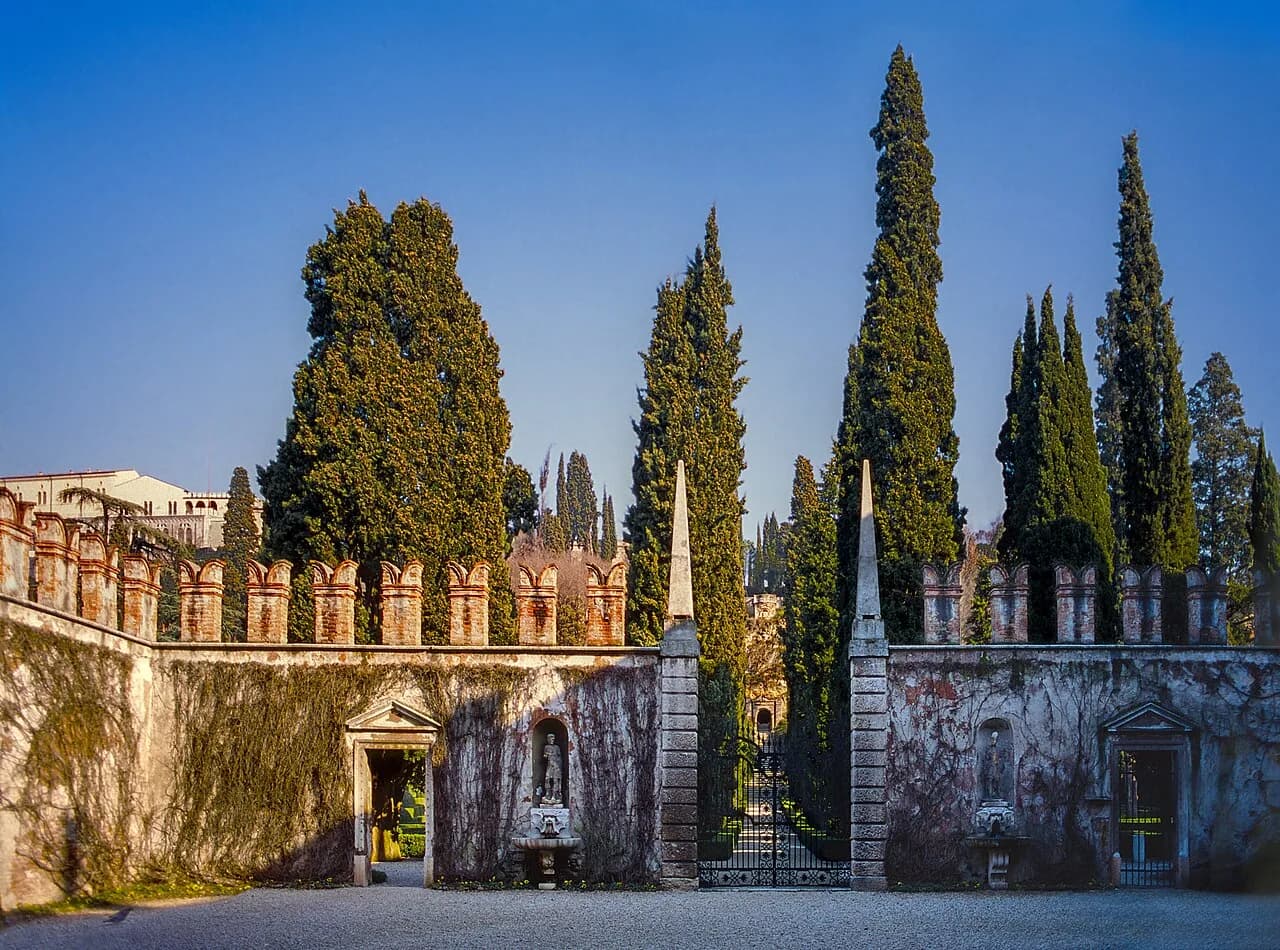
Veronetta is the district surrounding the base of the funicular. This area was the first inhabited part of the city between the 6th and 5th centuries B.C. It offers a quieter alternative to the tourist-heavy streets near the Arena. You can find several local restaurants in the small piazzas near the station. Many of these eateries serve traditional Veronese dishes at lower prices than those in Piazza Bra. The Veronetta neighborhood is also home to the University of Verona, giving it a youthful atmosphere. After your descent, consider visiting the Giardino Giusti, which is located just a few blocks away. This Renaissance garden features a famous cypress avenue and a hedge maze. Exploring these side streets provides a more authentic look at daily life in the city. You can easily spend an entire afternoon wandering the alleys between the hill and the river.
Planning Your Visit: Pro-Tips and Common Mistakes
Timing your visit is essential to avoid long queues at the ticket office. The best time to visit is typically early in the morning or mid-afternoon. If you want to see the sunset, arrive at least 45 minutes before the sun goes down. This allows you to secure a spot on the terrace before the crowds arrive. Be aware that the funicular undergoes semi-annual maintenance inspections. These closures usually occur in May and November, so check the official status before you travel. Dog owners should note that pets are permitted on the lift. You must bring a leash and a muzzle for your dog, and only one dog per owner is allowed. Once you reach the top, you can continue walking into the Torricelle hills for longer hiking trails. These paths lead away from the city and offer views of the surrounding vineyards and olive groves.
Seasonal Hours and Holiday Closures
The summer timetable is useful for anyone planning a sunset ride. From April through October, the funicular normally operates from 10:00 to 21:00. This gives visitors more time on the terrace during Verona’s longer evenings.
Winter hours are shorter, from 10:00 to 17:00 between November and March. The ticket office stops sales 15 minutes before the final departure. Do not arrive at the base station at closing time and expect to board.
The service is also closed on December 25 and January 1. Maintenance closures can affect operations, often around May and November. Check the operator’s current notices before building the funicular into a tight itinerary.
- April–October: 10:00–21:00
- November–March: 10:00–17:00
- Ticket sales end 15 minutes before the last ride
Frequently Asked Questions
Where is the departure station for the Verona funicular?
The departure station is located at Via Fontanelle Santo Stefano 6. It is situated in the Veronetta district, very close to the Ponte Pietra bridge.
How long does the funicular ride take?
The ride to the top of Colle San Pietro takes approximately 60 to 90 seconds. It covers a track length of about 590 feet.
Is the Castel San Pietro funicular accessible for wheelchairs?
Yes, the funicular is fully accessible for people with disabilities. It is also suitable for families using strollers.
Can I take my dog on the funicular?
Yes, pets are allowed on the lift. Owners must use a leash and a muzzle, and there is a limit of one dog per owner.
What are the opening hours in the winter?
During the winter season from November to March, the funicular operates daily from 10:00 to 17:00. The ticket office closes at 16:45.
Continue exploring
More guides you'll find useful