Veronetta Verona Guide: Crossing the Adige to the Left Bank
A veronetta verona guide to crossing the Adige: Teatro Romano, Castel San Pietro, Giardino Giusti, and the Minor Hierusalem churches, updated for 2026.
On this page
Veronetta Verona Guide: What to See on Verona's Left Bank
Last updated August 2026: this veronetta verona guide covers the district across the Adige from Verona's historic center. Cross Ponte Pietra or Ponte Navi and trade the queues at Juliet's House for the 1st-century-BCE Teatro Romano, the climb to Castel San Pietro, and a university quarter priced well below Piazza Bra. This guide walks through the bridge crossing, the Minor Hierusalem church circuit, and how long to actually plan for Verona's left bank.
Veronetta Verona Guide: Where Napoleon's 'Little Verona' Sits Today
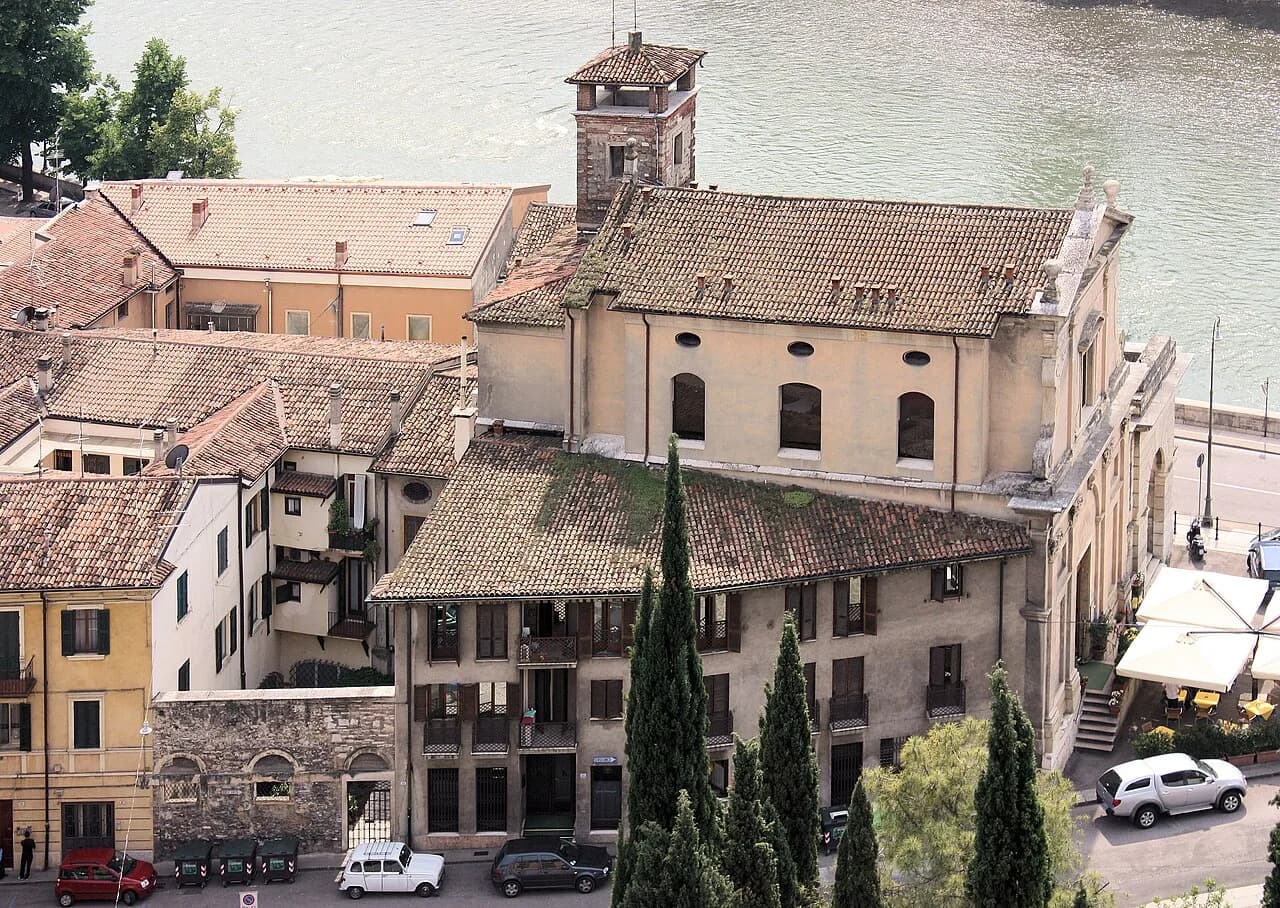
Veronetta sits on the left bank of the Adige, facing Verona's historic center across the river. Napoleon's army split the city in the early 1800s, with the French holding the right bank and the Austrians controlling the left. French troops gave that left-bank district a diminutive, slightly mocking nickname: Veronetta, or 'little Verona.' The name stuck, and the neighborhood built its own identity over the two centuries since. Long before Napoleon, San Pietro hill was where Verona's first settlement stood, and the Teatro Romano still marks that origin point today. Students from the University of Verona now fill the same streets, adding campus energy to a district already built on Roman ruins. Tiny lanes branch off the district's larger streets, the kind of scale that rewards walking without a fixed plan. Foot traffic here runs noticeably lighter than the queues outside Juliet's House, a few minutes away across the river. Most guides to Verona's quieter corners point to this district for exactly that contrast, including our roundup of the city's overlooked spots.
Crossing the Adige: Ponte Pietra, Ponte Nuovo, and Ponte Navi
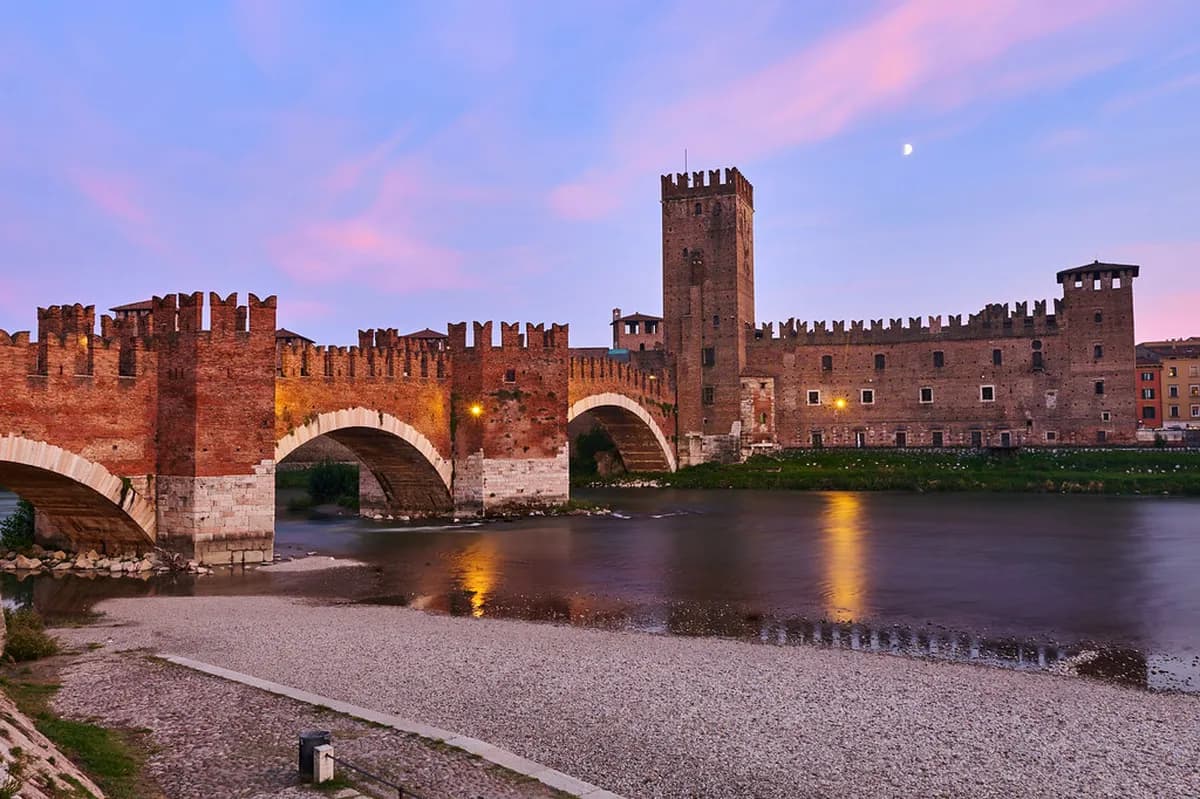
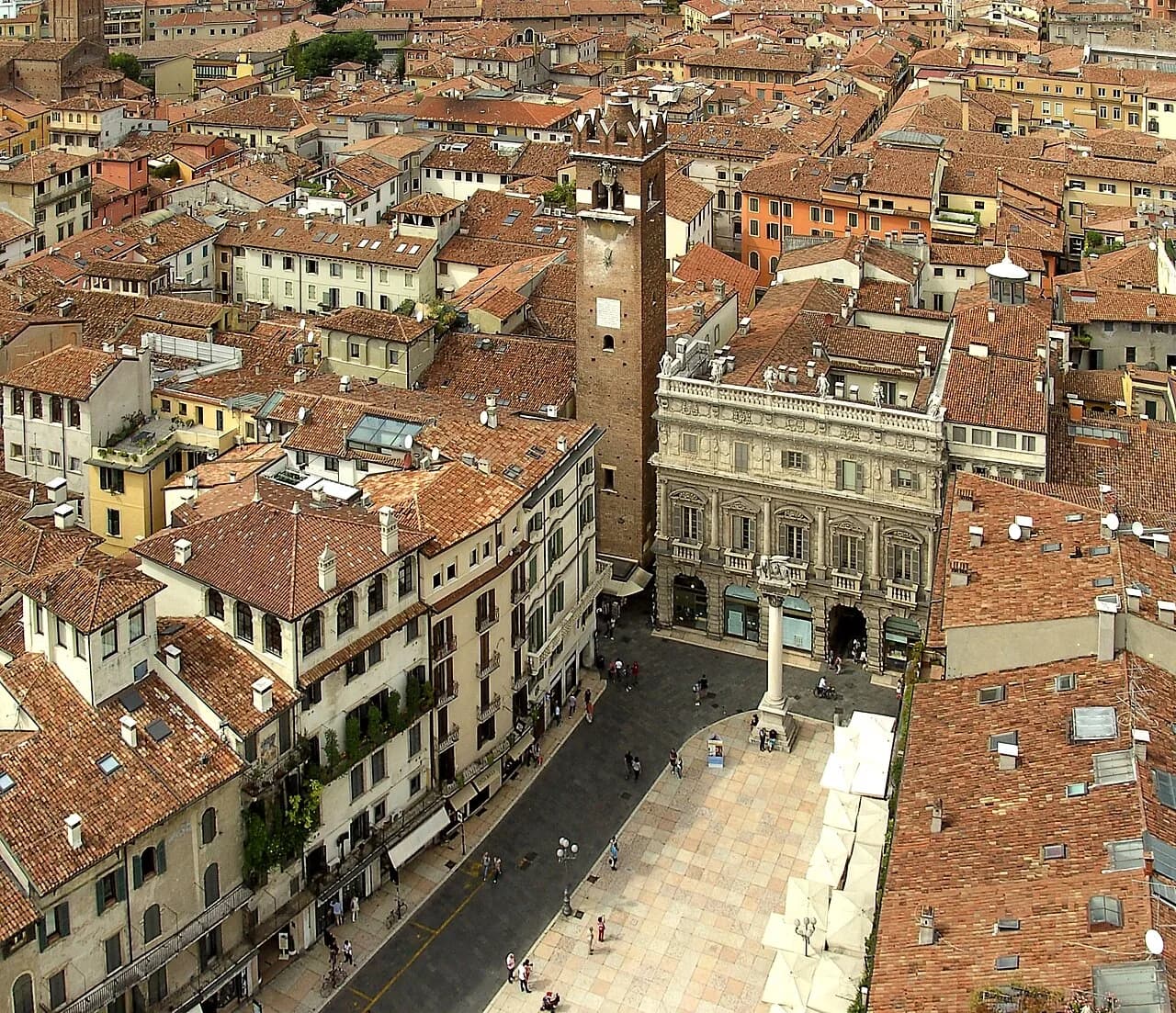
Three bridges connect the historic center to Veronetta: Ponte Pietra, Ponte Nuovo, and Ponte Navi. Ponte Pietra is the Roman-era crossing and the scenic pick if you have no fixed schedule. Ponte Nuovo and Ponte Navi are more direct, functional routes into the neighborhood's street grid. Piazza delle Erbe functions as a market square today, much as it did as the Roman forum, making it a natural starting point before any of the three crossings. All three bridges sit within an easy walk of that square, so no crossing requires a taxi or bus. Once you're across, Via XX Settembre becomes the main artery to orient by, Veronetta's version of a high street rather than a tourist strip. For a similar sense of Verona's quieter side, the off-the-beaten-path guide covers streets with the same lower-key feel.
- Ponte Pietra — Roman-era stone bridge, the scenic crossing.
- Ponte Nuovo — a shorter, functional route into Veronetta.
- Ponte Navi — the southern crossing along the Adige.
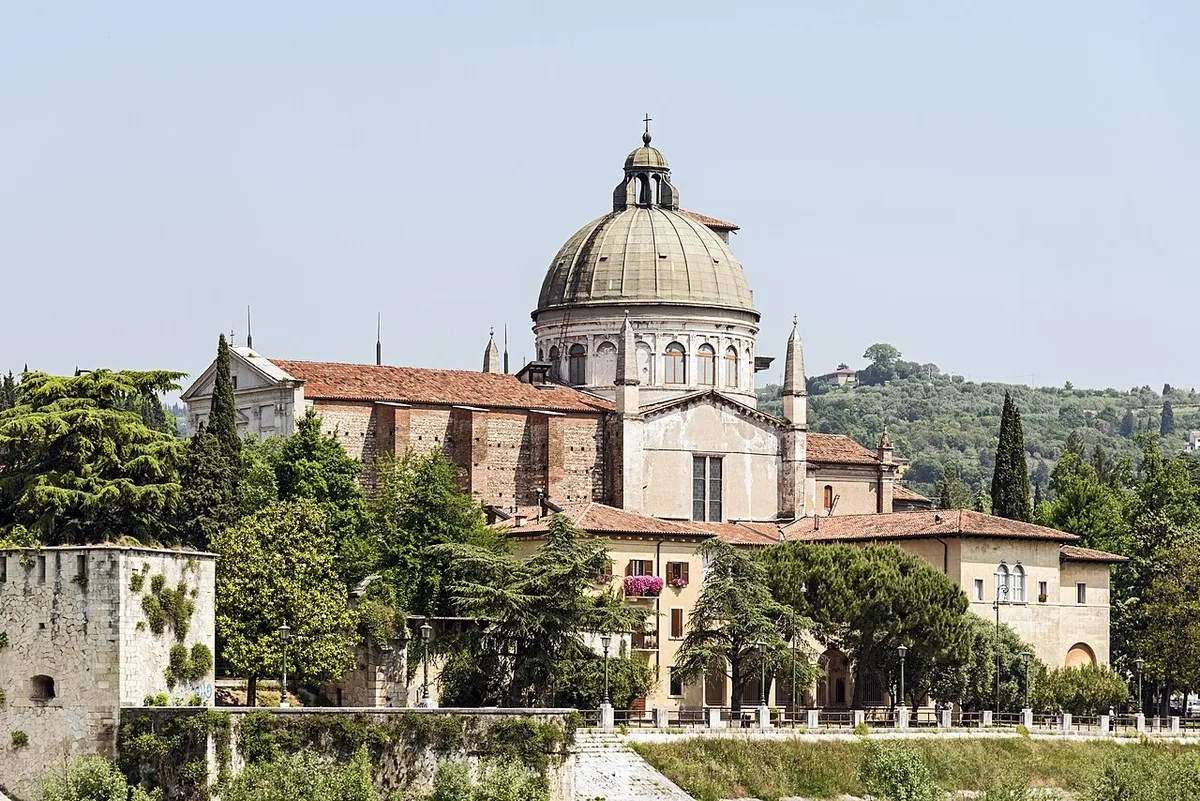
Teatro Romano: Why Choose It Over the Arena
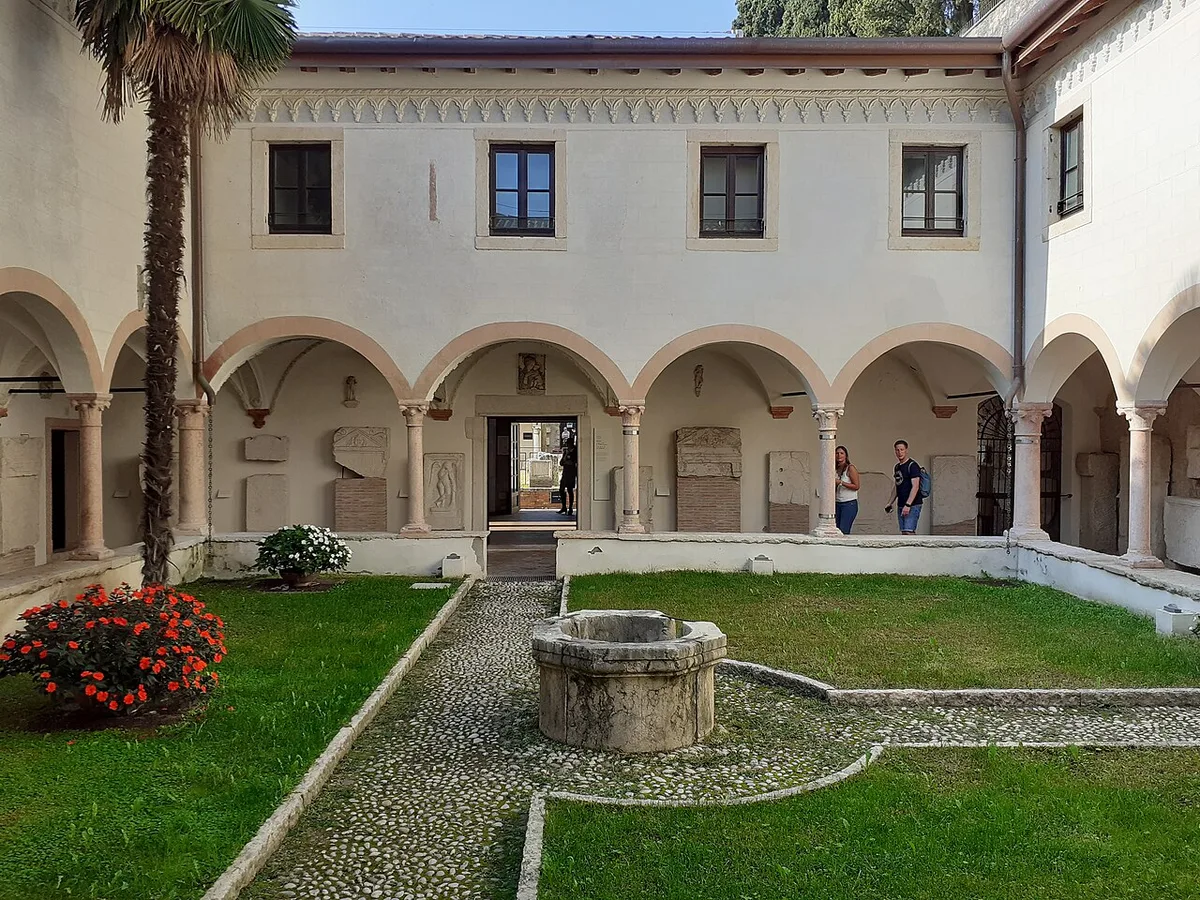
The Teatro Romano dates to the 1st century BCE and sits at the foot of San Pietro hill, one of the oldest structures in Verona. Unlike the Arena in Piazza Bra, a 30,000-capacity amphitheater priced at €13.25 per person, the Roman theater feels smaller and puts you closer to the stage. Summer turns the site into a working venue again. Verona Jazz and the Verona Summer Theatre Season both use the amphitheater, alongside the Rumors Festival and the Festival della Bellezza. An archaeological museum sits on the same site, holding Roman-era finds plus rotating themed exhibitions. Individual Teatro Romano admission isn't listed consistently across sources, so confirm the current price on-site. Entry is included in the Verona Card as of 2026, alongside Giardino Giusti. Continue toward Porta Vescovo and you'll pass the Centro di Documentazione Verona Città Fortificata, an archive dedicated to the military architecture behind Verona's UNESCO World Heritage listing. Along the river on Lungadige Porta Vittoria stands the Museum of Natural History, housed in a building designed by the Renaissance architect Sanmicheli. Its collections span geology, prehistory, and the natural world.
Castel San Pietro: The Terrace Locals Call the View of Love
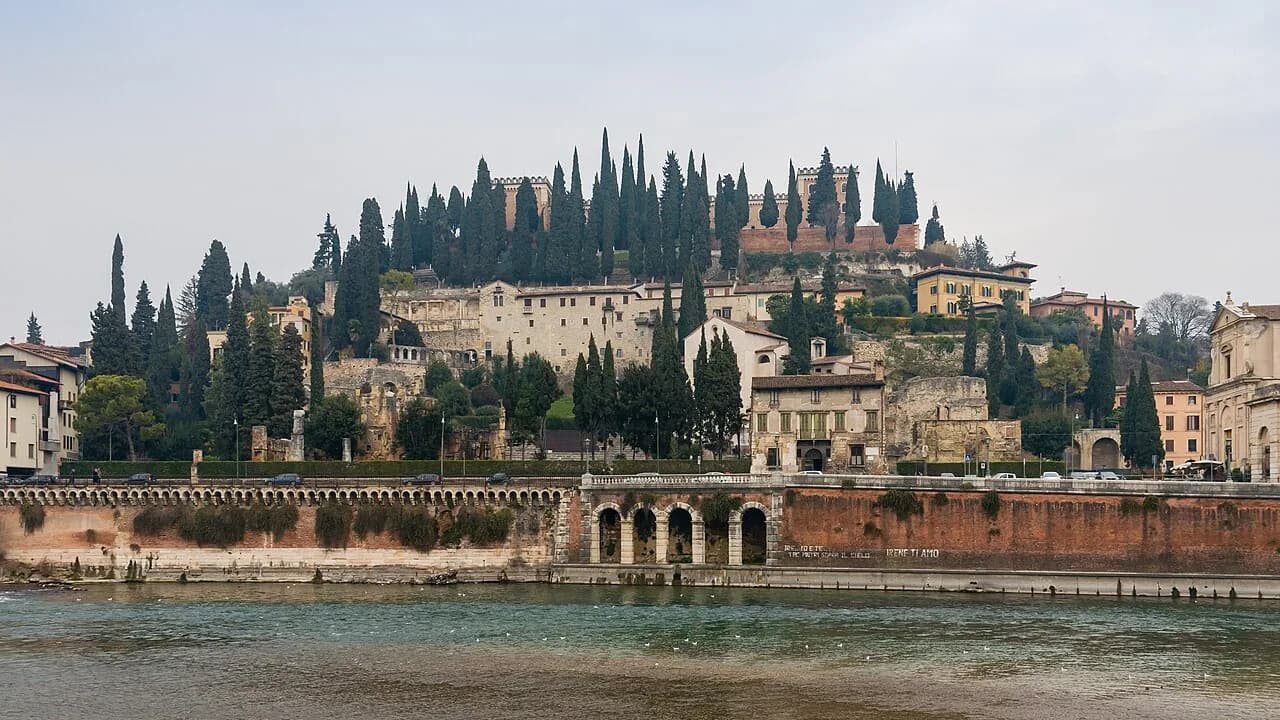
Above the Teatro Romano stands Castel San Pietro, an Austrian-built fort turned into Verona's best-known terrace. Reach the top by climbing 368 steps, or take the funicular instead. Skip the fort building itself if you're short on time, but don't skip the path that continues along the old Torricelle walls past the historic watchtowers. That walk delivers more of the panorama the terrace is known for, without the crowd clustered at the main viewpoint. Sunset is the strategic time to go. The terrace faces back across the Adige toward the historic center's rooftops and the Arena's outline. For more on timing the visit, see the Castel San Pietro visiting guide. For the walking route along the walls, see the Torricelle walking-route guide.
Reaching Castel San Pietro requires 368 steps, or about €2.50 for a funicular round-trip that makes Verona's best-known sunset terrace accessible to visitors regardless of mobility.
- Stairs: 368 steps, no charge.
- Funicular round-trip: about €2.50.
- Funicular one-way: about €1.50.
Giardino Giusti: Veronetta's Green Lung
Giardino Giusti is a 16th-century Renaissance garden in the east of Verona, laid out beside its own stately palazzo. Italian cypress trees line the formal paths, a design that drew visiting royals, scholars, and artists to the grounds for centuries. Standard entry runs €10 per person, with a discounted rate for Verona Card holders. The church circuit and Teatro Romano showcase Veronetta's architecture and history. Giardino Giusti offers the district's one deliberate stretch of nature, a contrast worth the walk after a morning of stonework. Every May, the 'Giardini Aperti' program opens additional private gardens across Veronetta that stay closed the rest of the year. Launched in 2019, the initiative has run annually since and is planned to continue. Full details on hours and the garden layout sit in the Giardino Giusti visiting details guide.
Giardino Giusti's €10 entry alone is modest, but combined with the Arena at €13.25 and Torre dei Lamberti at €6, a visitor's total approaches €29, where the €20 Verona Card becomes the better value.
The Minor Hierusalem Church Circuit
Veronetta holds a cluster of churches known collectively as the Minor Hierusalem circuit, a name tied to the idea of the city as a miniature Jerusalem. Santo Stefano, San Giovanni in Valle, Santi Siro e Libera, Santa Maria in Organo, and Santi Nazaro e Celso all sit within the district. San Tomaso Cantuariense, known in English as the Church of Saint Thomas Beckett, holds an organ that Mozart played during his 1770 stay in Verona. Volunteers keep these churches open to the public on a rotating basis, since none of them draw the staffing that the four major churches in the historic center receive. That volunteer effort is the whole point of the Minor Hierusalem circuit: keeping smaller, less-visited buildings accessible rather than letting them sit closed between services. Expect shorter, irregular hours at each stop, and treat any single open church as a bonus rather than a guarantee.
Via XX Settembre and Veronetta's University Pulse
Via XX Settembre carries most of Veronetta's everyday commerce. Artisan workshops, small galleries, and bars line the street, pricing an aperitivo for students rather than for the Piazza Bra crowd. The University of Verona anchors the district's energy from its Santa Marta campus, a former 1863 military bakery built on the grounds of an older monastery. The university converted the site into a campus in 2015, and the building now runs as active teaching space rather than a preserved relic. That layered history, monastery to bakery to fort to university, is close to a summary of Veronetta itself. Expect a younger, more multicultural crowd here than in the historic center's cafes. Expect it to look visibly less crowded than the streets around Juliet's House, too. For where to eat and drink while you're in the district, see Verona's local food scene. If crowd levels are the deciding factor in when you visit, the quieter-season timing guide covers seasonal timing citywide.
Planning Veronetta: Days, Where to Stay, and Verona Card Value
Veronetta rewards at least half a day, and a full day if you want the churches as well as the main sights. A rushed hour tacked onto a Juliet's House visit shortchanges the district. Its main draws, the theater, the terrace, and the garden, sit spread across a genuine walk rather than one square. Accommodation splits into two types. Boutique apartments sit inside Veronetta itself; hotels cluster back in the historic center, a bridge-crossing away. Verona is compact enough that either location stays walkable to everything else in the city. Staying inside the district puts Via XX Settembre's bars at your door and trims the evening walk back after dinner. Many of Veronetta's side streets are steep and cobbled, so factor that into footwear and pacing if mobility is a concern. The funicular to Castel San Pietro is accessible and sidesteps the 368-step climb entirely. Add standalone entries for Giardino Giusti, Torre dei Lamberti, and the Arena, and the total passes €29, more than the 24-hour Verona Card's €20. As of 2026, the Verona Card's published inclusions cover Teatro Romano and Giardino Giusti alongside city transit. Confirm the current site list before buying, since inclusions shift year to year. For a Veronetta-only day that skips the Arena and the tower, standalone entries may work out cheaper than the card, so match the purchase to your actual stop list rather than buying it by default.
| Site or pass | Standalone price (2026) |
|---|---|
| Giardino Giusti entry | €10 |
| Torre dei Lamberti entry | €6 |
| Verona Arena entry | €13.25 |
| Castel San Pietro funicular, round-trip | about €2.50 |
| Verona Card, 24 hours | €20 |
| Verona Card, 48 hours | €25 |
Beyond Veronetta: Day Trips and Verona's Other Neighborhoods
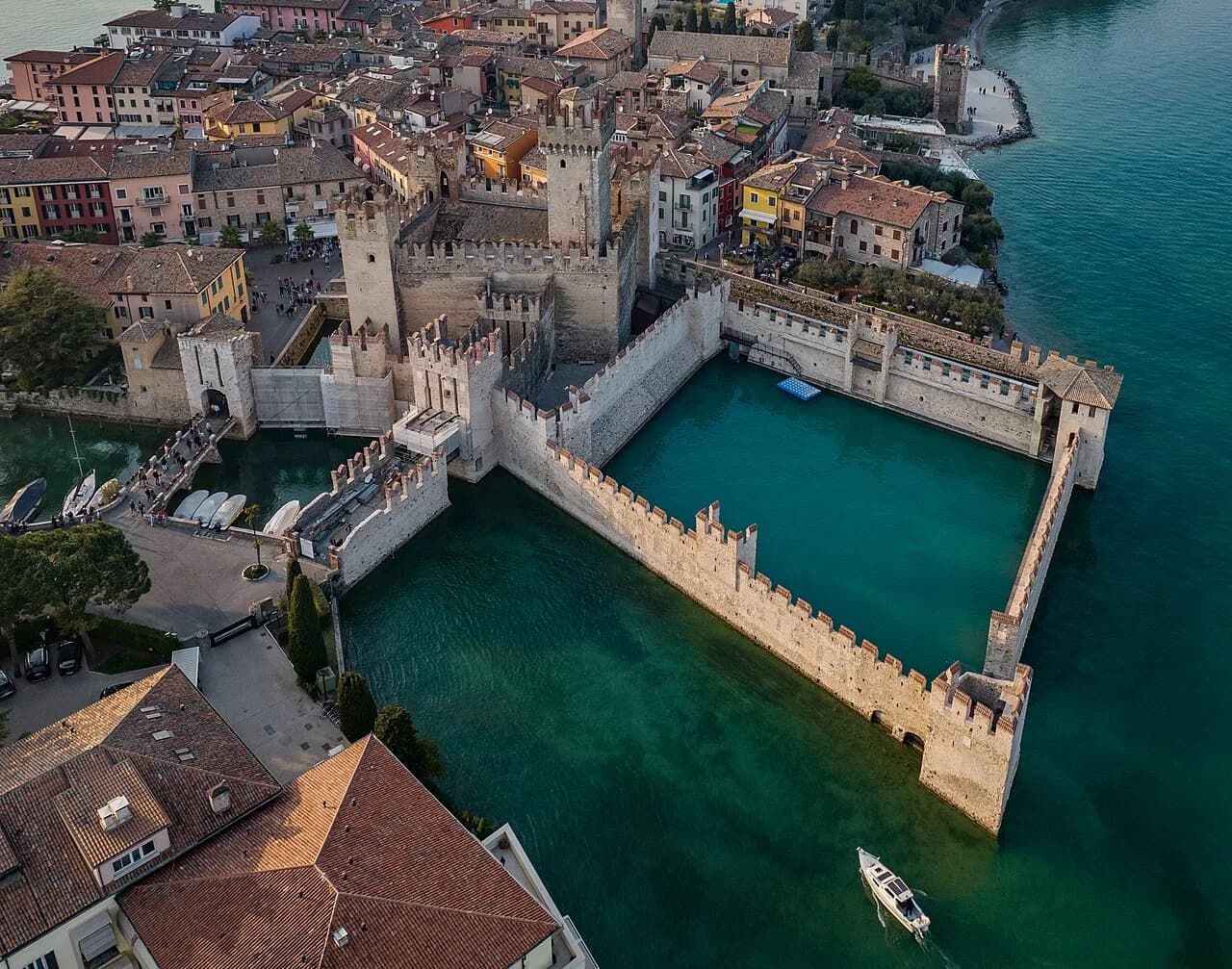
Veronetta works well as a half-day add-on before or after a wider Verona itinerary, and it also pairs with trips outside the city entirely. Sirmione and Lake Garda make one common pairing, built around the town's Rocca Scaligera fortress on the harbor. The Sirmione and Lake Garda route covers the travel logistics. Valpolicella's wine hills sit next to Verona and make a closer, shorter option for an afternoon rather than a full day. The Valpolicella tasting logistics guide has specifics on visiting the region. For the full range of options beyond these two, day-trip options from Verona covers more ground. Inside the city, Veronetta is one stop on a longer map of neighborhoods. See how Verona's neighborhoods connect for that wider picture. Two other districts round out that map. The Borgo Trento district is one. The San Zeno district is the other.
Frequently Asked Questions
How do you get to Veronetta from Verona's historic center?
Cross Ponte Pietra, Ponte Nuovo, or Ponte Navi from the historic center's riverside streets. All three lead into Veronetta within a short walk of Piazza delle Erbe. Ponte Pietra is the Roman-era option if you want the scenic crossing.
How much time do you need for Veronetta?
Budget at least half a day for the Roman theater, Castel San Pietro, and Giardino Giusti. A full day allows time to add the Minor Hierusalem churches and a slower walk down Via XX Settembre without rushing between stops.
Is the Verona Card worth buying for a Veronetta-focused visit?
As of 2026, a 24-hour Verona Card costs €20 and a 48-hour card costs €25, with Teatro Romano and Giardino Giusti among the published inclusions. Standalone entries to Giardino Giusti, Torre dei Lamberti, and the Arena already pass €29, so the card can pay off once you're visiting three or more sites in a day.
Should you watch the sunset from Castel San Pietro or Torre dei Lamberti?
Castel San Pietro's terrace faces back across the Adige toward the historic center's rooftops and the Arena's outline. Torre dei Lamberti instead puts you inside the historic center looking outward, and costs €6 to climb versus a free stairway up to Castel San Pietro or about €2.50 round-trip on the funicular. In our editorial assessment, Castel San Pietro edges out the tower for sunset because of that lower cost and the quieter approach along the Torricelle walls.
Are Veronetta's streets accessible for visitors with mobility needs?
The Castel San Pietro funicular is accessible and avoids the 368-step climb entirely. Many of Veronetta's side streets are steep and cobbled, though, so check individual routes ahead of a walking-heavy day if mobility is a concern.
Is Veronetta safe to walk around at night?
Veronetta is a residential, university district with a mix of bars, restaurants, and student housing rather than an isolated area. Standard city precautions apply, as they do in any socially active neighborhood in Verona after dark.
Continue exploring
More guides you'll find useful