Off the Beaten Path in Verona: Genuinely Quiet Spots and Honest Trade-Offs
Skip the Arena crowds. Real off-the-beaten-path picks in Verona with cost, time, and access details, plus what's still crowded.
On this page
Off the Beaten Path in Verona
Last updated August 2026. Finding what's genuinely off the beaten path in Verona means separating a few quiet corners from marquee sights relabeled as hidden gems. This guide splits picks into two honest tiers, with the time, cost, and access needed to reach each one.
What 'Off the Beaten Path' Really Means in Verona
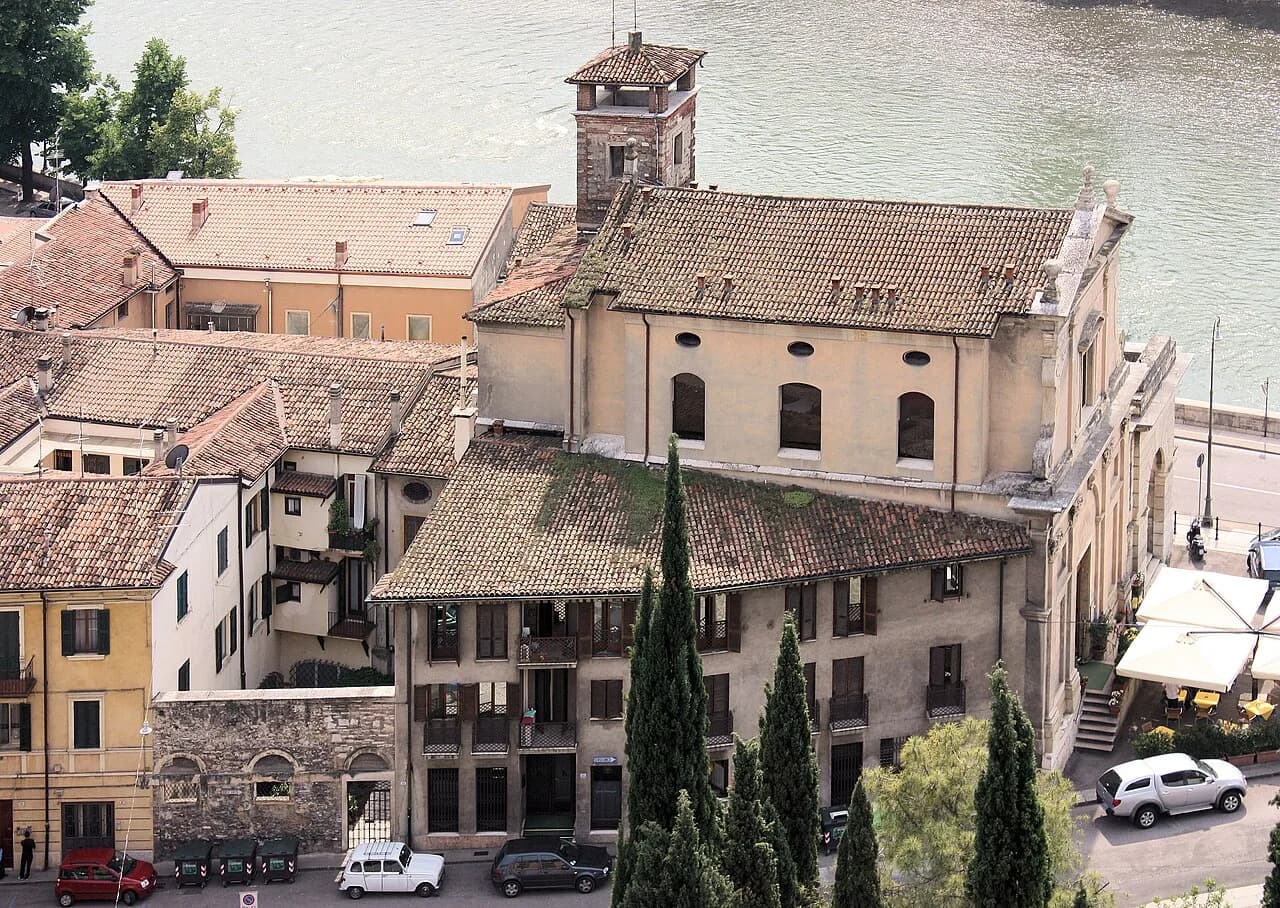
Search results for off the beaten path in Verona mostly lead with Castel San Pietro, the Arena, Juliet's House, and Castelvecchio. Those four are among the most-visited sights in the city, not hidden ones. Genuinely quiet places belong in one category. Well-known sights viewed at a different hour belong in another, and mixing the two leads to disappointment on-site. This guide keeps them separate, so a Forte Sofia visit is never oversold as equivalent to an early walk past Castel San Pietro. For a spot-by-spot list, see Verona's hidden gems roundup. A second list covers similar ground at Verona's secret spots list. This guide instead focuses on routes, timing, and access logistics for getting off the main track. One practical route crosses Ponte Pietra into Veronetta, passing the Teatro Romano along the way. From there, trails climb into the Torricelle hills above the city, a longer option for anyone with a full afternoon free.
Genuinely Quiet Spots Most Visitors Skip
Four places see minimal tourist traffic even in peak season. Each sits within roughly a 30-minute walk or hike of the historic center, and none charges admission for its exterior or grounds.
- Forte Sofia sits on San Leonardo hill, north of the Adige's horseshoe bend around the old city center. Austrian forces built it in 1838, and it once held up to 150 infantrymen and 24 gunners behind 14 smooth-bore guns. The interior is closed today, but the exterior, dry moat, and surrounding park remain open to view for free.
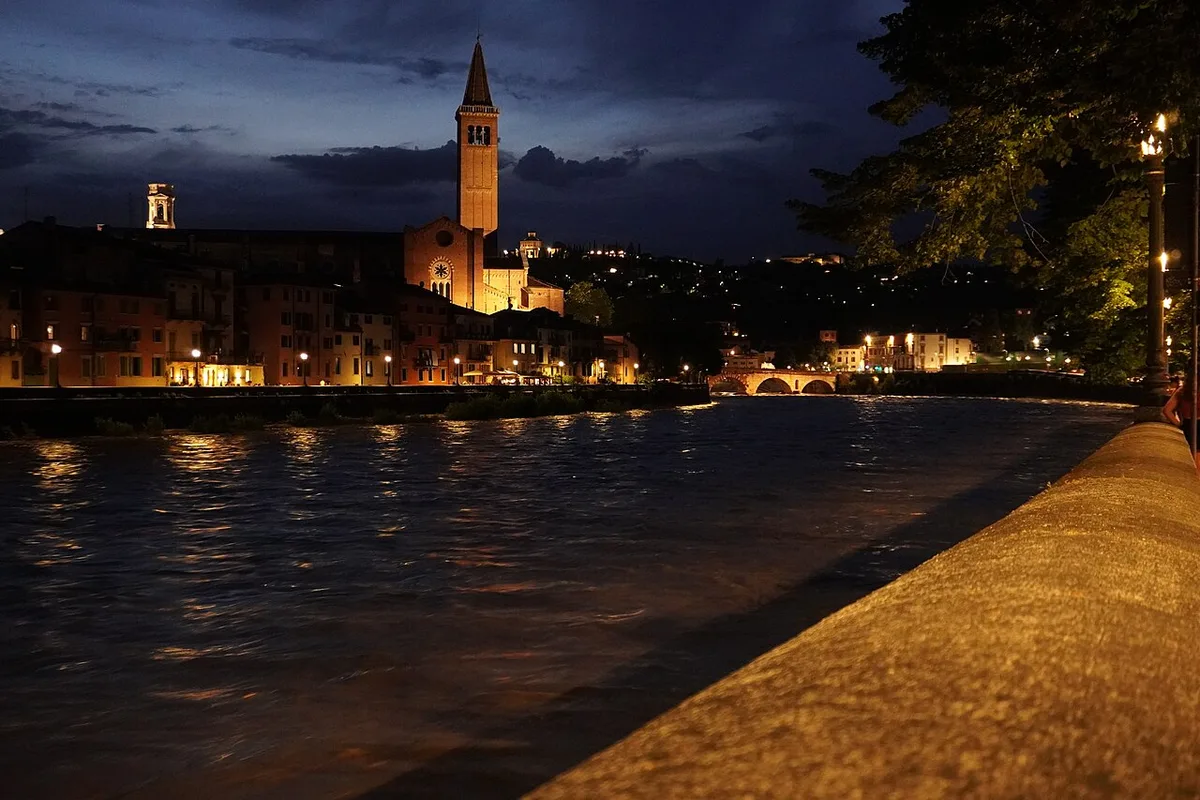
- Santuario Nostra Signora di Lourdes occupies the same San Leonardo hill and started life as an 1838 Austrian military post before its 1952 conversion into a sanctuary. It sits roughly a 30-minute walk from the city center and is visible from Ponte Pietra at a distance. Grounds and a small garden stay open during daylight hours, while the interior enforces a dress code and closes during services.
- A hiking route along Verona's city walls starts behind Castel San Pietro on Via Castel San Pietro, passes a campsite, and continues north past disused paths and old guard towers. Most visitors only see the walls at Porta Borsari and Porta dei Leoni near the center. This northern stretch is overgrown and largely unmarked, expanded during the Middle Ages beyond the original Roman fortifications.
- Porto Vescovo lies southeast of the historic center, a flat walk rather than a climb, near the city's second train station. Few tourists come through, and the surrounding streets hold small local restaurants and churches near the old city gate, a mix of brick and white stone squeezed between two busy roads.
Popular Sights, Less-Crowded Angles
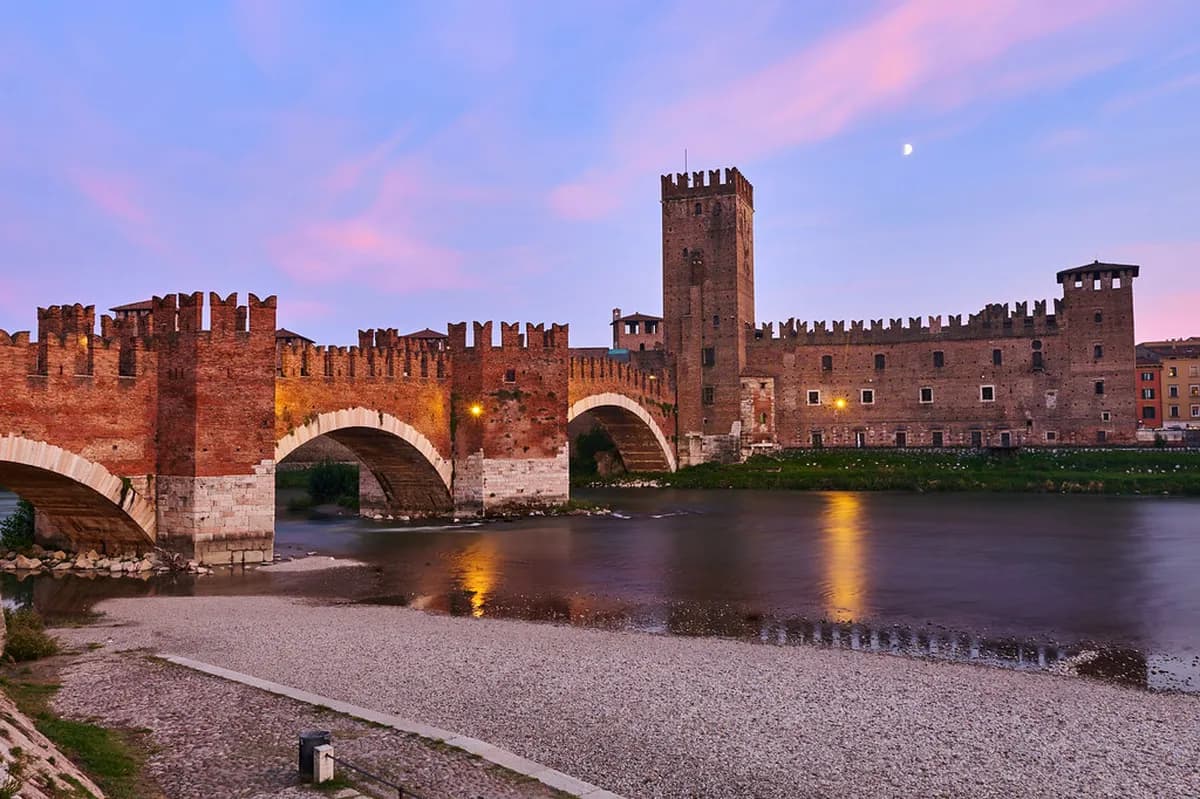
This second tier covers sights that are genuinely popular but still worth a visit at the right hour or price. Castel San Pietro is Verona's most photographed viewpoint, and it draws crowds every evening for sunset. Arriving soon after opening avoids the couples and tour groups that gather later in the day. A stairway beside Caffè al Teatro on Via Santo Stefano reaches the Castel San Pietro viewpoint in about 5 to 10 minutes, though the climb is steep. Riders can also take the funicular from the same street, taking under a minute and costing €2 one-way or €3 round-trip. Reduced fares of €1 apply to children under 10 and adults over 65, and travel is free for visitors with disabilities accompanied by a carer. Torre dei Lamberti offers a second rooftop view for €6, and climbing before mid-morning means fewer people on the 368-step staircase, though an elevator also runs most of the way up. Castelvecchio drops to €1 admission for everyone on the first Sunday of the month between November and March, a lower-cost, lower-crowd angle on a museum that otherwise charges €9. The Giardino Giusti gardens in Veronetta cost €10 to enter and include a maze, statues, and a tower with a hidden viewpoint, a quieter counterpart to the main piazzas. One online community pairs a Giardino Giusti visit with the nearby Museo Archeologico al Teatro Romano as a half-day combo. Treat that pairing as worth checking against current hours, not as a confirmed itinerary. The Roman Theatre near Ponte Pietra sees far fewer visitors than the Arena. Its entry price has risen to around €9 in recent years, though it stays free with a Verona Card. For a season-by-season breakdown of when the marquee sights empty out, see when Verona's crowds thin out.
Costs, Access, and Timing at a Glance
Use this table to match a pick to the time, budget, and physical effort available. More offbeat Verona picks cover additional options if none of these fit.
While genuinely quiet spots uniformly require roughly a 30-minute walk from center, popular alternatives range from Castel San Pietro's quick 5 to 10 minutes to Giardino Giusti's 45–60 min. This variation lets visitors match their available time to their interests.
| Spot | Time Needed | Cost | Access | Crowd Level | Best For |
|---|---|---|---|---|---|
| Forte Sofia | 20–30 min (exterior only) | Free | Walk, mild incline | Minimal | Photographers, military history |
| Santuario Nostra Signora di Lourdes | ~1 hr round trip | Free (grounds) | Hike, steep in places | Low | Sunset chasers, hikers |
| City wall hiking route | 1–2 hrs | Free | Informal walking paths | Minimal | Hikers, history buffs |
| Porto Vescovo | 30–45 min | Free | Flat walk | Low | Budget travelers, mobility-limited visitors |
| Castel San Pietro (stairs) | 5–10 min climb | Free | Steep stairway | High at sunset, low early morning | Fit walkers on a budget |
| Castel San Pietro (funicular) | Under 1 min ride | €2 one-way / €3 round-trip | Funicular | High at sunset, low early morning | Mobility-limited visitors |
| Torre dei Lamberti | 20–30 min | €6 | 368 steps or elevator | Moderate, lower before mid-morning | View-seekers short on time |
| Giardino Giusti | 45–60 min | €10 | Walk, garden paths | Low to moderate | Garden lovers, quiet-seekers |
Neighborhoods Worth Wandering
Off-path interests map differently onto Verona's neighborhoods than the standard sightseeing list does. Rather than repeat each district's full walking route here, use this as a quick match to the right guide.
- Veronetta, across the Adige on the left bank, holds Giardino Giusti, the Teatro Romano, and the university-area bars near Osteria ai Portegheti. The Veronetta walking route covers it in full.
- Borgo Trento sits on the northern bank of the river, a more residential base than the historic center. See the Borgo Trento guide for where to stay and eat there.
- San Zeno centers on the Basilica di San Zeno Maggiore, a Romanesque church and the burial site of Saint Zeno of Verona, with a market-square feel rather than a tourist strip. The San Zeno neighborhood guide details the surrounding streets.
- For a full neighborhood comparison, use it to decide where to base a stay.
Food and Drink Off the Tourist Track
Away from the restaurant rows around Piazza delle Erbe, a handful of addresses draw locals more than tour groups.
- Osteria Dogana Vecia sits about an 8-minute walk from the Arena, isolated enough that it is the only restaurant on its block, with a family-run feel and wine bottles decorating the walls.
- Bigoi Verona, on Corso Cavour near the Borsari Gate, serves a quick-service bowl of pasta and sauce for a fast, affordable lunch.
- La Bottega della Gina is a snack-bar-style counter known for handmade pasta and a steady stream of local regulars.
- Osteria ai Portegheti and Osteria ai Preti sit on the university side of the river in Veronetta, pouring Italian craft beer and regional wine respectively.
- Elk Bakery, across the river from the historic center, covers a full breakfast menu for anyone skipping the standard espresso-and-croissant routine.
If You Have Extra Time: Lake Garda and Valpolicella
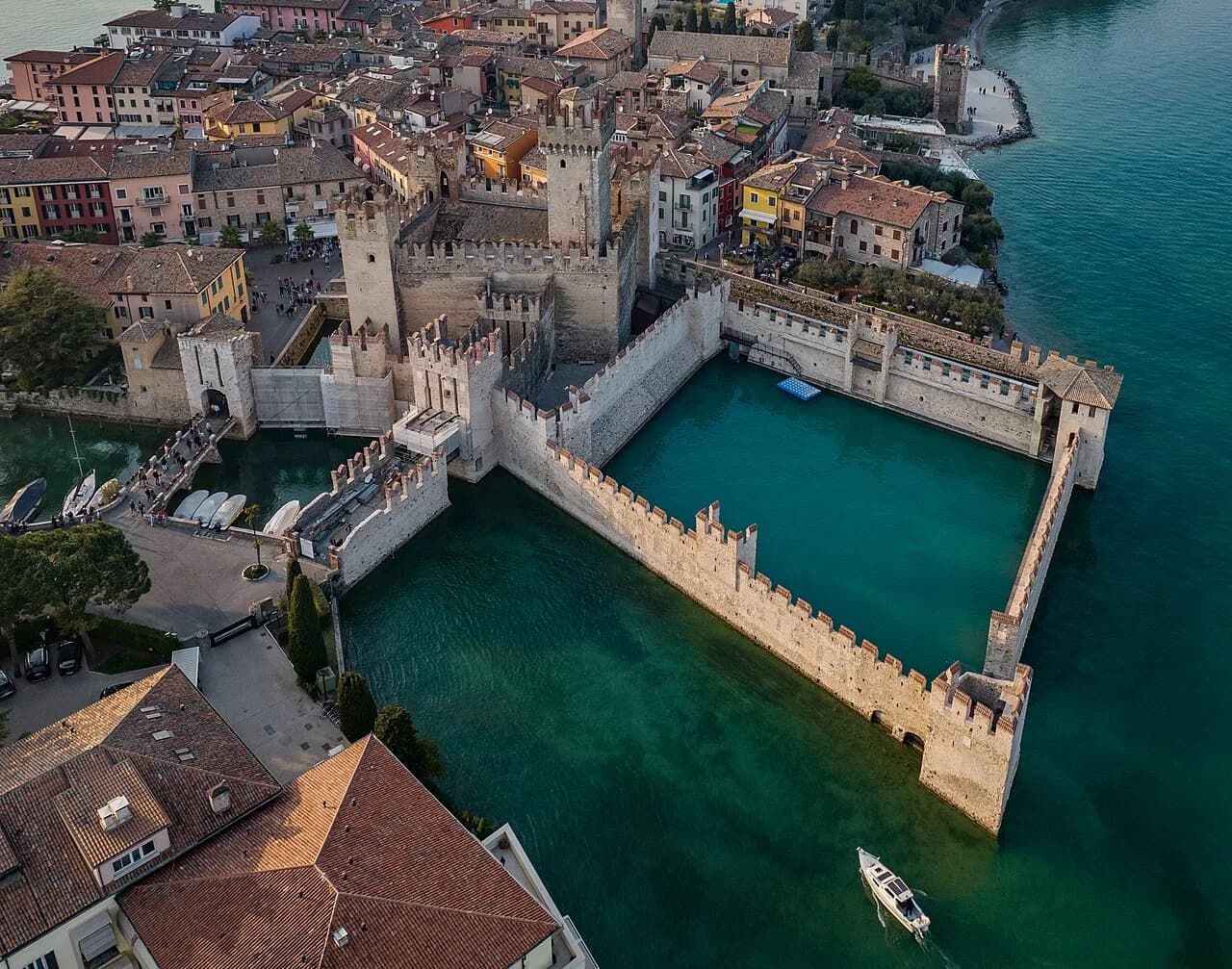
Lake Garda and the Valpolicella wine region are not off the beaten path in Verona proper. Both sit outside the city and require a half day or more, so treat them as an extension rather than a core stop. Sirmione on Lake Garda is reachable via a half-day tour combining a boat trip, guided walking tour, and round-trip transportation from Verona. See the Sirmione and Lake Garda trip for planning details. Valpolicella is covered by a four-hour wine tour from Verona that visits two cellars and covers the basics of Amarone production. An e-bike option covers the same hills at a slower pace. See the Valpolicella wine tour for routes and booking options. Both trips run as guided half-day or four-hour experiences bundled with transportation, priced similarly to other regional day tours from Verona. Check current 2026 rates before booking. For the wider Verona day-trip list, browse beyond these two options.
Mistakes to Avoid
Several planning errors show up often enough to flag directly.
- Treating off the beaten path as a synonym for obscure. Castel San Pietro and Giardino Giusti are popular sights seen at a better hour, not secrets.
- Underestimating the climb. The stairway to Castel San Pietro and the hike to Santuario Nostra Signora di Lourdes both involve real elevation gain, so budget extra time and water.
- Skipping the dress code. Santuario Nostra Signora di Lourdes enforces one and closes its interior during services, so check hours before building a visit around it.
- Assuming event dates carry over year to year. The Verona Opera Festival runs at the Arena each summer, with seats starting around €35. The calendar and lineup change annually, so confirm the current 2026 schedule before planning around it.
- Assuming every neighborhood serves the same purpose. Veronetta, Borgo Trento, and San Zeno suit different priorities, so match the neighborhood to the interest rather than picking one at random.
Frequently Asked Questions
What is truly off the beaten path in Verona versus just less busy?
Genuinely quiet picks like Forte Sofia, Santuario Nostra Signora di Lourdes, and Porto Vescovo see minimal tourist traffic year-round. Castel San Pietro and Giardino Giusti are popular sights that feel calmer at a different hour, not hidden locations.
How much time do you need to see Verona beyond the main sights?
Budget at least a full extra day beyond the historic-center highlights. Mornings suit Forte Sofia and the Santuario on San Leonardo hill. An afternoon fits the city-wall hike or a Veronetta walk to Giardino Giusti and the Teatro Romano.
Is Castel San Pietro still worth it if it's not really hidden?
Yes, but treat it as a well-known viewpoint rather than a discovery. Arriving soon after opening, instead of at sunset, avoids most of the crowd while keeping the same view.
What should travelers avoid when seeking quiet spots in Verona?
Avoid treating popular sights as hidden gems, and avoid underestimating the climb to hilltop viewpoints. Check the dress code and service hours before visiting Santuario Nostra Signora di Lourdes, since the interior closes during services.
Is a day trip to Lake Garda worth it from Verona, or does it dilute an off-path itinerary?
Lake Garda and Valpolicella are worthwhile with time to spare, but they sit outside Verona proper. Treat them as a separate half-day addition rather than a core stop on an off-the-beaten-path itinerary.
Continue exploring
More guides you'll find useful