Verona Neighborhoods Guide (2026): Where to Stay by Vibe, Budget, and Walk Time
A 2026 Verona neighborhoods guide comparing Centro Storico, San Zeno, Veronetta, Borgo Trento, Borgo Venezia, and Cittadella by walk time, price, and vibe.
On this page
Verona Neighborhoods Guide: Where to Stay in 2026
Last updated August 2026, this Verona neighborhoods guide maps the six districts worth considering before you book a stay. Centro Storico puts every sight within a five-minute walk, but San Zeno and Veronetta trade some of that convenience for lower prices and a more local feel. Crossing the Adige River changes the price, the noise level, and the walk time by roughly ten minutes, and that trade-off drives most of the decisions below.
Verona Neighborhoods Guide: How the Adige Shapes the City
Verona sits inside a double bend of the Adige River, and that loop explains almost every neighborhood decision in this guide. Centro Storico, also called Città Antica, fills the bend itself, so its edges touch the water on three sides. Cross the river at Ponte Pietra or the Castelvecchio bridge and the character changes fast. Prices drop, the pace shifts, and the walk back to Piazza Bra adds roughly ten minutes either way. Travelers chasing quieter corners of the city can pair this guide with the lesser-known corners of Verona list. Its quieter, less-touristed streets guide adds specific stops in each district. Free afternoons are easy to fill from any base, since the no-cost activities in Verona list works from every neighborhood on this page. Neighborhood choice also affects side trips: bases near the river connect faster to the top day trips from Verona, including Lake Garda and the Valpolicella wine region.
Verona Neighborhoods at a Glance
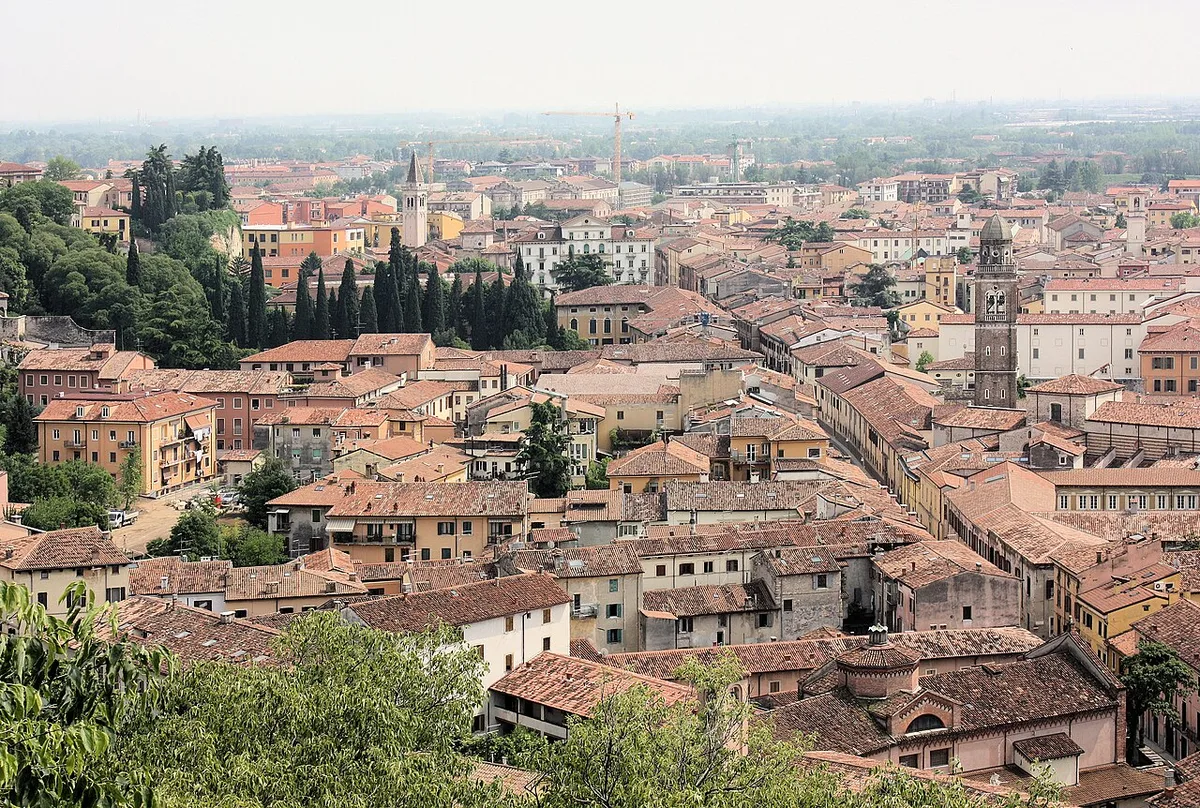
Six districts cover nearly every practical need, from step-out-the-door convenience to budget-friendly residential streets. Match a neighborhood to its walk time, vibe, and price tier in the table below before reading the full breakdown.
| Neighborhood | Best For | Walk to the Arena | Price Tier |
|---|---|---|---|
| Centro Storico | First-timers, special trips | 0-5 minutes | €€€ |
| San Zeno | Foodies, second-time visitors | 15-20 minutes | €€ |
| Veronetta | Students, nightlife, budget | 10-15 minutes | € |
| Borgo Trento | Families, quiet luxury | About 15 minutes | €€€ |
| Borgo Venezia | Long stays, tight budgets | 25-30 minutes | € |
| Cittadella | Transit, business, trade fairs | 5-10 minutes | €€ |
Centro Storico: The Historic Core for First-Timers
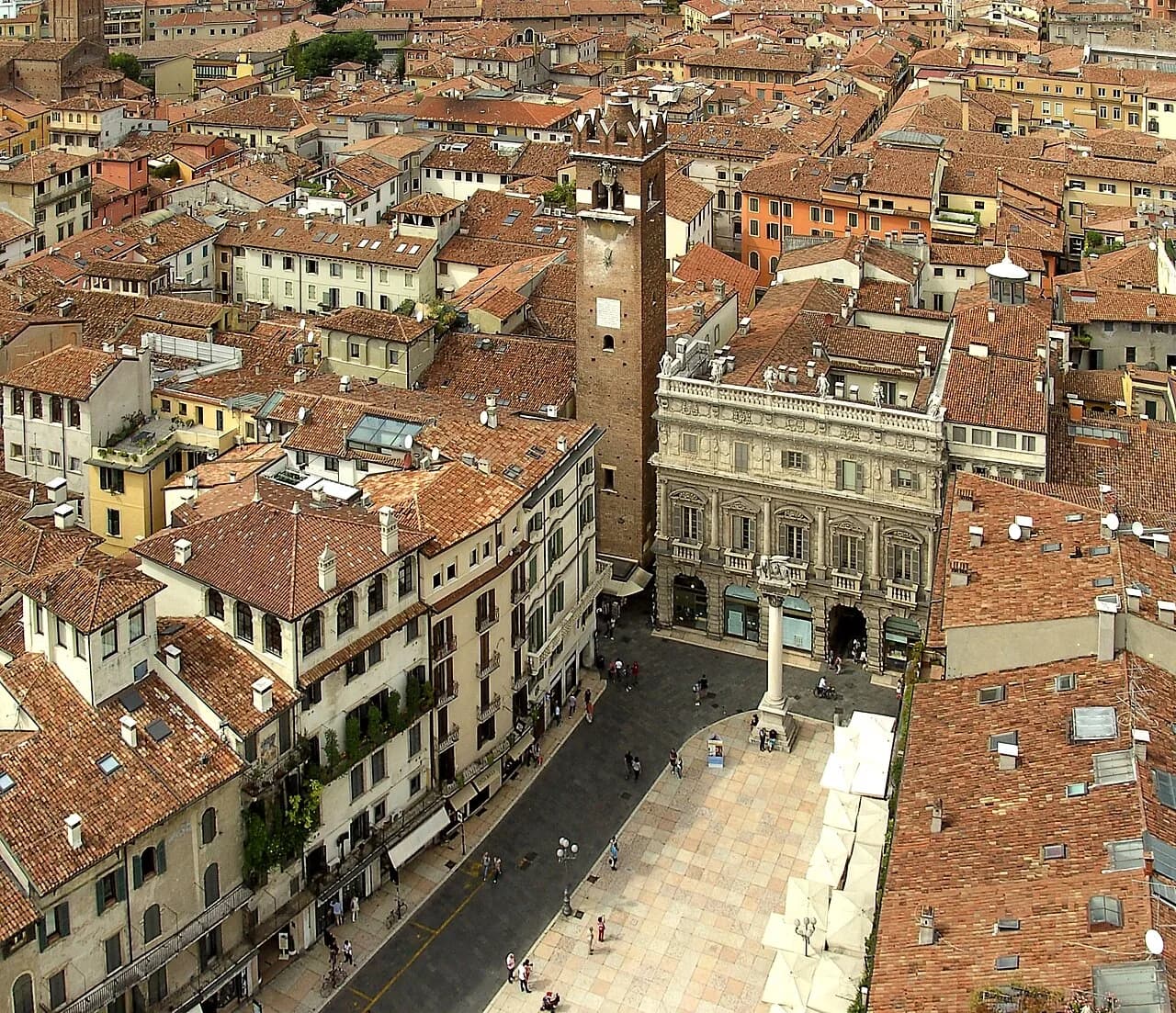
Centro Storico fills the inner curve of the Adige and holds most of Verona's marquee sights. Piazza delle Erbe, Torre dei Lamberti, Porta Borsari, and Juliet's Balcony all sit inside its lanes. Staying here means walking out the door into the postcard version of the city, with no bus required. That convenience carries a cost, both in price and in noise. Opera season fills the summer streets with crowds well past midnight, so light sleepers should ask about room location before booking. Travelers who want fewer crowds without leaving the center can check the shoulder-season timing guide before booking. Limited mobility and short weekend trips both favor this district, since every major sight sits within the walk time shown in the table above.
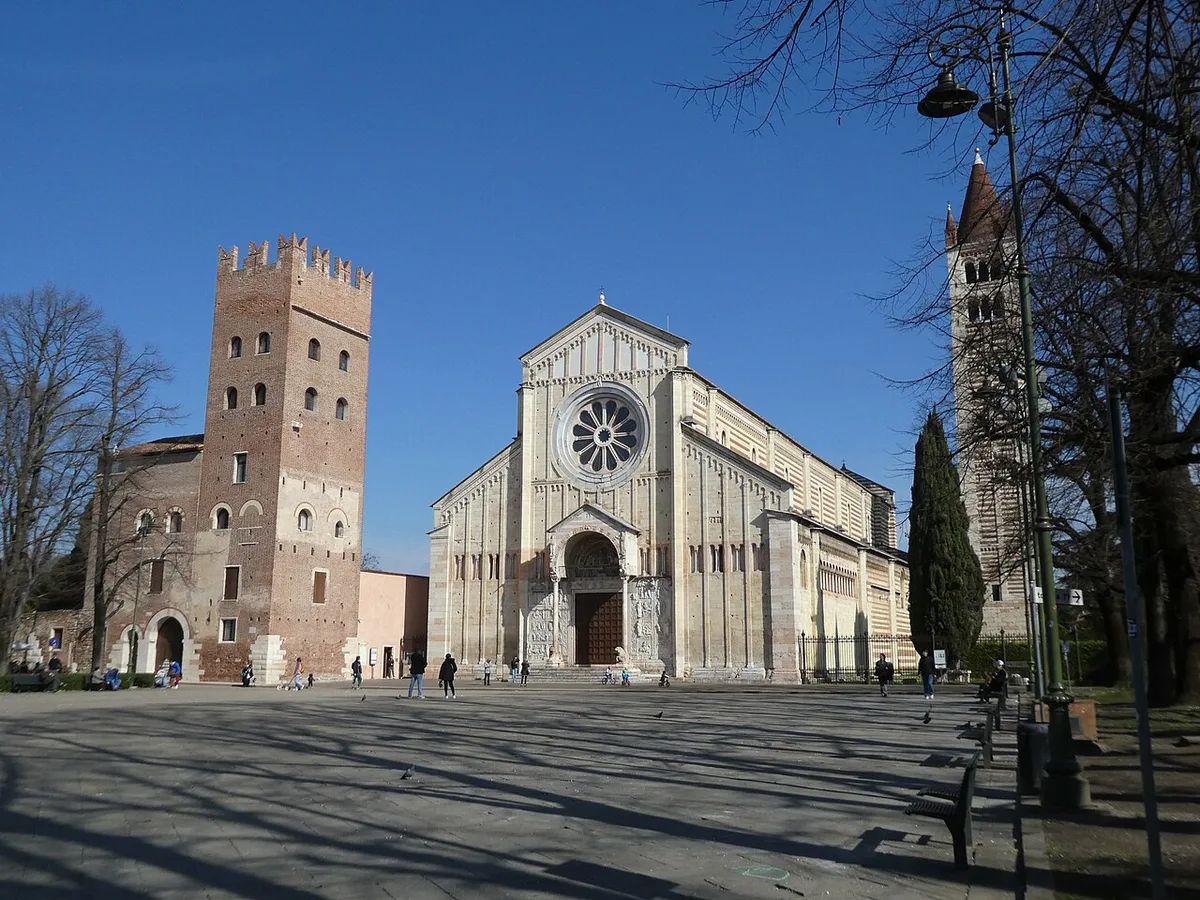
San Zeno: Authentic Trattorias and a Monthly Flea Market
San Zeno sits west of Centro Storico, centered on the Basilica of San Zeno and its piazza. That walk into the center takes 15 to 20 minutes and follows the Adige for most of the route. Trattorias here skip tourist menus, and a flea market fills the piazza once a month. A riverside path runs along this stretch of the Adige, useful for a morning walk before breakfast. For a deeper list of where to eat, see the San Zeno district guide. A wider citywide food guide extends that list past the Basilica square. Beyond the flea market stalls, the top local trattorias guide highlights specific spots worth the walk. Return visitors and slow travelers tend to prefer this base, since the walk doubles as a scenic route rather than a chore. Travelers heading out to Sirmione on Lake Garda often use San Zeno as a quieter overnight base before or after.
San Zeno's 15 to 20 minute walk to the center places it farther than Veronetta's 10 to 15 minute walk despite both offering budget accommodation, making Veronetta the better choice unless the Basilica's authentic trattorias or monthly flea market justify the extra distance.
Veronetta: The University District Across the River
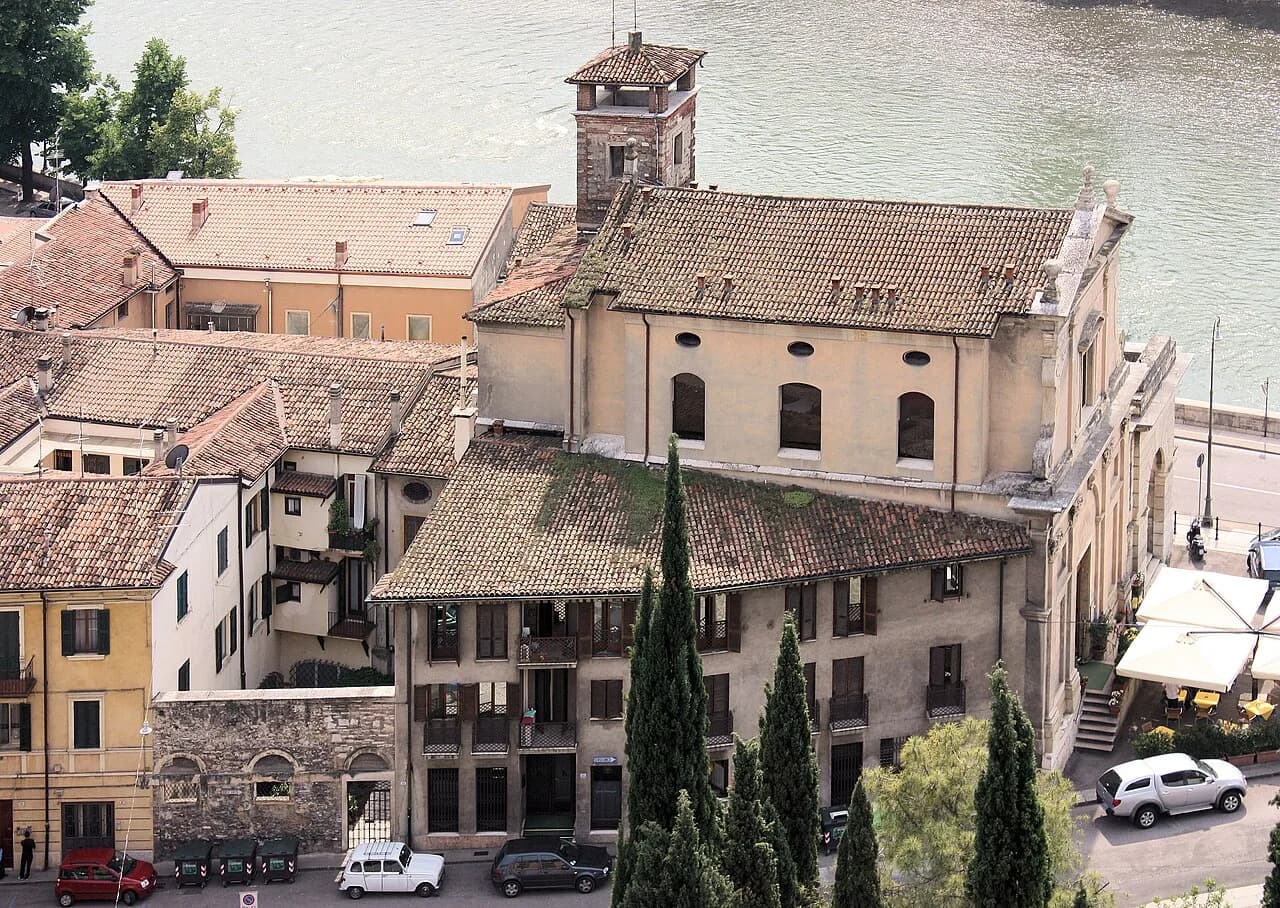
Cross Ponte Pietra from Centro Storico and Veronetta opens up on the far bank of the Adige. Veronetta grew as Verona's working-class quarter and now houses the university, so cafes and craft-beer bars cluster around the Roman Theatre and the Corticella Vetri lanes. Street art and small galleries fill in around medieval basements, and the walk back to the center runs 10 to 15 minutes. Vintage shops and multicultural food stalls add to the mix on the eastern streets. For sunset, head up to Castel San Pietro, where locals gather on the hill above the river for an evening drink. Nearby, the Giardino Giusti gardens offer a quieter view over the rooftops. Budget travelers and anyone chasing a livelier evening scene should start with the Veronetta neighborhood breakdown for street-by-street detail.
Borgo Trento: Liberty-Style Villas for Families
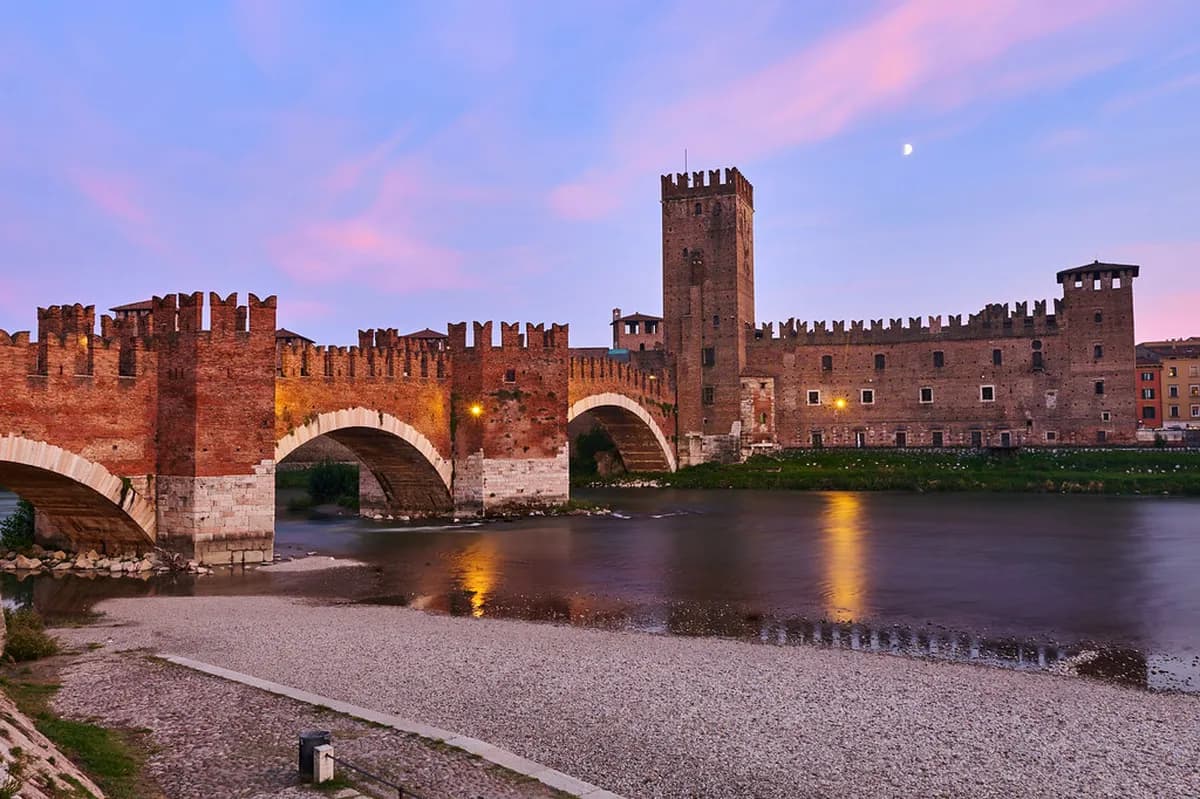
Borgo Trento sits north of the Adige, reached by crossing the Castelvecchio bridge. Wide boulevards, parks, and Liberty-style villas define the district, and the pace slows noticeably once you're off the bridge. Families tend to prefer it, since strollers and playgrounds are common and the streets stay quiet after dark. That walk back into Centro Storico takes about 15 minutes along the river. Green space continues north into the hills above the district, though those trails sit outside Borgo Trento itself. Anyone planning a longer stay or traveling with kids should start with the Borgo Trento area guide before booking a specific street or building.
While Borgo Trento requires about 15 minutes' walk to the center—the same luxury-tier price as Centro Storico—its parks, wide boulevards, and quiet streets outweigh the longer distance for families.
Borgo Venezia and Cittadella: Budget and Practical Bases
Borgo Venezia sits east of the center and stays almost entirely residential, with local bakeries and shops instead of tourist storefronts. Reaching the Arena on foot runs 25 to 30 minutes, shorter on the ATV bus network that covers the city. It suits budget travelers and longer stays best, since apartment rents run lower than anywhere closer to the river. Cittadella sits between Centro Storico and the train station, walkable to the Arena in 5 to 10 minutes. Remnants of the old medieval city walls and gates, including Porta Palio, still mark its edges. Corso Porta Nuova anchors the district with international restaurants and budget-friendly bars that stay busy with locals. Cittadella also suits business trips tied to Veronafiere, the city's trade-fair grounds, since the walk to the station stays short.
Valdonega and the Torricelle Hills: Views Without Late-Night Transit
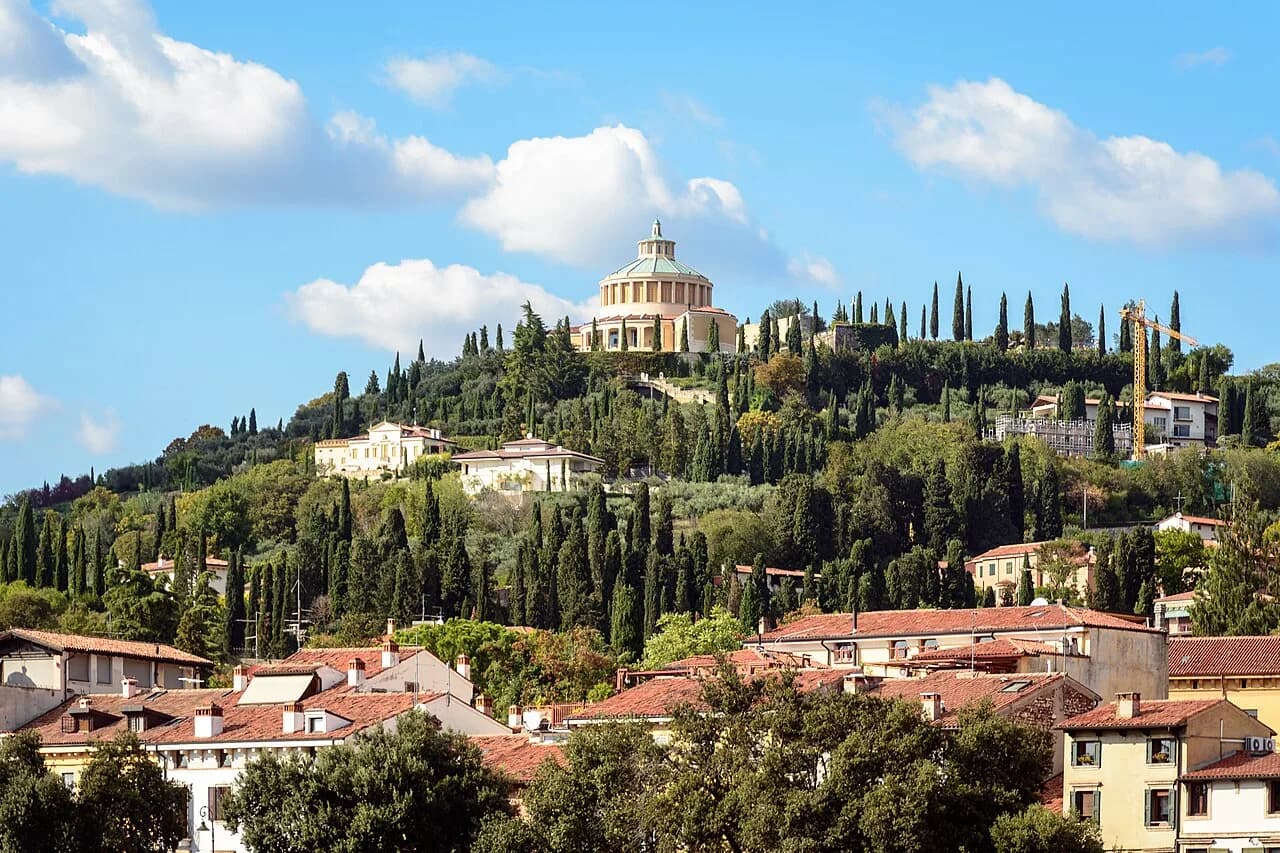
Valdonega flanks the hills east of Borgo Trento and trades city convenience for quiet and views. Agriturismos and small luxury stays dot the slopes, most without a walkable route to the center. Climbing up is steep, and public buses on these hill routes stop running early in the evening. A car or taxi becomes necessary after dark for most addresses up here. Anyone drawn to the views should read the Torricelle hills guide before booking, since transport logistics vary block by block. Day visitors are usually better served basing in Borgo Trento and treating Valdonega as a viewpoint rather than a place to sleep.
Porta Nuova Station: Convenient, Not Charming
Porta Nuova station serves early trains and the airport shuttle, and nearby hotels exist mainly for that convenience. The immediate area is not dangerous, but it lacks the atmosphere found anywhere else on this list. Walking into Centro Storico from the station takes about 20 minutes. Buses reach Piazza Bra faster, in roughly 10 to 15 minutes. Basing here makes sense only for a genuine early departure or a short layover between trains. Every other itinerary is better served by a guesthouse closer to the river, often at a similar price.
The ZTL: Verona's Limited Traffic Zone
Centro Storico sits inside a Zona a Traffico Limitato, Italy's limited-traffic-zone system, and cameras enforce it around the clock. Driving into the ZTL without a resident permit triggers a fine by mail, sometimes weeks after the trip ends. Anyone staying inside the old town and arriving by car should park outside the boundary first:
- Parcheggio Saba Arena, just outside the ZTL boundary near the Arena
- Parcheggio Saba Arsenale, close to the northern edge of Centro Storico
- Porta Palio, a covered option on the western approach to the old town
Getting Around: Walking, ATV Buses, and the Verona Card
Most of Verona's sights sit close enough together that walking covers an entire day without a single bus ride. The ATV network fills in the longer hops, including the run out to Borgo Venezia or back from Porta Nuova station. The Verona Card bundles ATV bus travel with entry to the Arena, Torre dei Lamberti, and most of the city's other major sights. Buy it at the tourist information office to avoid resale markups sold online. Neighborhood choice still matters here, since a stay in Cittadella or Centro Storico cuts down on daily bus rides more than a stay in Borgo Venezia or Valdonega.
Mistakes to Avoid When Picking a Verona Neighborhood
The most common mistake is picking a hotel by price alone without checking the walk to the river. A room ten minutes from the water in Veronetta beats one thirty minutes away in a straight line, even at a similar rate. Skipping a stop across the river is another miss, since the under-the-radar Verona spots list leans heavily on Veronetta and San Zeno addresses. Assuming every bus runs late is a third mistake. Hill routes toward Valdonega and some outer residential lines stop well before midnight, so confirm the last departure before booking a late dinner across town. Travelers planning a wine day or a lake trip should also check transit before choosing a base, since routes like the Valpolicella wine region trip often leave earlier than an opera night ends. Finally, don't assume every district holds equal appeal for a given trip. Pairing a stay with the distinctive Verona activities list helps match the neighborhood to the itinerary before booking anything.
Frequently Asked Questions
What is the best neighborhood to stay in Verona for first-time visitors?
Centro Storico works best for most first-time visitors, since it puts the Arena, Piazza delle Erbe, and Juliet's Balcony within a five-minute walk. San Zeno and Veronetta offer better value if a slightly longer walk is an acceptable trade-off.
Which area of Verona should you avoid?
The area immediately around Porta Nuova station is not dangerous, but it lacks the atmosphere found in the rest of the city. It only makes sense for a genuine early train or a short layover, since the walk into Centro Storico runs about 20 minutes.
Where should families stay in Verona?
Borgo Trento suits families best, with parks, wide boulevards, and quiet streets north of the Adige. It's about a 15-minute walk to Centro Storico across the Castelvecchio bridge, so the center stays reachable without a car.
Do you need a car to get around Verona's neighborhoods?
No. Centro Storico sits inside a ZTL that fines unauthorized cars, and most neighborhoods on this list are walkable or connected by the ATV bus network. A car mainly helps for hill addresses in Valdonega, where buses stop running early in the evening.
Which Verona neighborhood is best for a tight budget?
Veronetta and Borgo Venezia both work well on a budget. It keeps the walk to Centro Storico under 15 minutes, while Borgo Venezia trades a 25-to-30-minute walk for lower apartment rents.
Continue exploring
More guides you'll find useful