Valpolicella Wine Tour from Verona: The Ultimate Planning Guide
Plan a valpolicella wine tour from Verona: compare group, private, and half-day vs full-day options, plus Amarone, Ripasso, pickup points, and 2026 pricing.
On this page
Valpolicella Wine Tour from Verona: The Complete Planning Guide
Last updated August 2026, this guide covers how to plan a valpolicella wine tour from Verona. Fumane, Marano, and Negrar sit under 30 minutes from central Verona, and most tastings run through family-run cellars rather than large estates. Sunday closures and a fixed lunch break shape most itineraries, so the logistics below matter as much as the wine list.
Why Valpolicella Is Verona's Essential Wine Day Trip
Valpolicella sits directly northwest of the city, and the drive from central Verona takes about 20 to 30 minutes by car. The Classica zone, the historic heart of the region, covers villages including Fumane, Marano, and Negrar. That Classica zone is the original, historic boundary for Valpolicella production, distinct from the larger extended zone that surrounds it. Small, family-run cellars still handle every stage of production in these villages, from pressing to bottling. Verona's own wine identity leans heavily on this territory, since much of the Amarone, Ripasso, and Recioto served in the city's restaurants comes from these same hills. Travelers who have already covered Verona's overlooked corners often treat a wine day as the natural next stop.
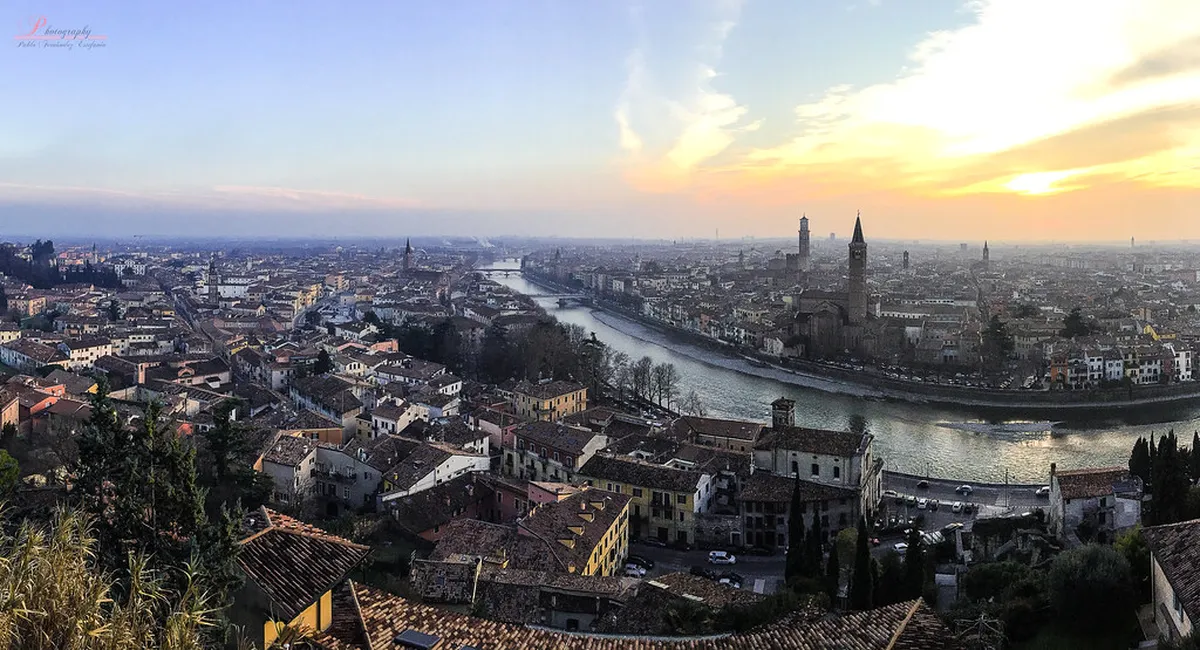
- Valpolicella Classico: a light, fresh red made for everyday drinking.
- Ripasso della Valpolicella: re-fermented over Amarone's leftover skins for extra body.
- Amarone della Valpolicella DOCG: a dry, concentrated wine made from dried grapes.
- Recioto della Valpolicella: the sweet dessert wine made with the same drying method.
Choosing Your Valpolicella Wine Tour from Verona: Group, Private, or Individual
Three tour formats cover most budgets and travel styles. Group tours suit solo travelers, couples, and anyone working with a set budget. Private tours suit wine enthusiasts who want a specific winery or a slower pace. Individual join-ins work for solo travelers who want company without booking a full private car.
- Group tours: shared departures, typically 6 to 8 travelers, confirmed once a minimum of six people sign up.
- Pagus Wine Tours lists a two-winery group Amarone tasting from €90 per person.
- A combined Soave-and-Amarone group route from the same operator runs €146 per person.
- Private tours: fully customized itineraries, usually requiring a minimum of two people.
- Private guides can sometimes arrange visits to wineries not listed on a standard tour roster, useful for vertical tastings across multiple vintages.
- Some private-tour operators, including Amarone Tours, can also arrange shipping bottles home after the visit.
- Individual join-ins: a seat-in-coach option for solo travelers joining an existing group.
- Amarone Tours confirms its individual departures once six participants have booked.
The Wines of Valpolicella: Amarone, Ripasso, and the Appassimento Process
Amarone is made using appassimento, a technique where harvested grapes dry on straw mats or in ventilated lofts for months before pressing. Drying concentrates sugar and flavor, which is why Amarone reaches a higher alcohol level than most Italian reds. Ripasso della Valpolicella takes a lighter base wine and re-ferments it over the leftover Amarone skins, adding weight without the full drying process. Recioto della Valpolicella uses the same dried-grape method as Amarone but stops fermentation early, leaving a sweet dessert wine instead of a dry one. Most tastings pair these wines with Monte Veronese cheese and local salami, standard accompaniments at Valpolicella cellars. A tasting built around the Valpolicella Classico region typically moves from the lightest wine to the sweetest, ending with Recioto. For a broader sense of the region's plates, Verona's everyday dishes extend well beyond the winery stop.
Planning Your Time and Budget: Half-Day vs Full-Day Tours
Winery hours generally run 10:00 to 17:00, with most cellars closed 12:30 to 14:30 for lunch. That gap splits the day into two workable windows. Morning slots run roughly 9:00 to 13:00; afternoon slots run 14:30 to 18:30. A four-hour group tour, the format Perillo Custom Vacations lists, fits inside one of those windows and covers two wineries. Full-day tours trade the fixed slot for more stops, typically four to five wineries. Some full-day itineraries swap a winery for a sit-down restaurant lunch and a stop at a historic villa. Most quoted tour prices include transport and an English-speaking guide, but not tasting fees at each winery. Confirm what a specific operator includes before paying, since an all-inclusive label doesn't always cover pours at every stop. If a half-day tour leaves room for more sightseeing, other Verona day trip options fill out the rest of the day. Some travelers pair a morning in Valpolicella with an afternoon at Sirmione, though that combination makes for a long day. Full-day tours built around a restaurant stop are worth checking against recommended restaurants around Verona for context on the regional cooking style.
| Feature | Half-Day Tour | Full-Day Tour |
|---|---|---|
| Duration | About 4 hours, one morning or afternoon slot | Roughly 7 to 8 hours, spanning both slots |
| Wineries visited | 2 to 3 | 4 to 5 |
| Typical group price | From around €90 per person | Toward €150 or more per person |
| Best for | First-time tasters and tight schedules | Dedicated wine travelers and harvest-season visits |
Getting to Valpolicella: Pickup Points and Logistics
Two pickup points cover most Verona-based departures. Piazza Bra, next to the Tourist Information Office by the Arena, is a common meeting spot for group tours. Verona Porta Nuova station is the other, and pickup from there is typically included when a tour starts in Verona. Hotel pickup is often included for hotels inside central Verona. Perillo's four-hour group tour is one exception, since it excludes hotel pickup and drop-off. Pickup outside Verona usually costs extra, since most published pricing assumes a Verona-based start point. Valpolicella's hill roads narrow and wind past vineyards, which makes driving yourself after several tastings a bad idea. Booking a driver-guide or a coach seat removes that risk and is standard practice across every operator referenced here. Where you're staying in the city also affects pickup timing, and how Verona's neighborhoods differ in distance from Piazza Bra is worth checking beforehand. Traffic and crowding around pickup points ease outside peak season, and quieter travel months for Verona line up well with a wine day trip.
The three Classica villages sit under 30 minutes from Verona and specialize in family-run production, but narrow hill roads mean booking a driver-guide is standard practice rather than attempting self-drive after tastings.
Beyond Tasting: Multi-Day Stays and Seasonal Timing
One day only covers so much of the territory. Pagus Wine Tours lists multi-day packages, including a 3-night Valpolicella-and-Verona itinerary and a 2-night Lake Garda option. Both packages place lodging inside vineyard estates and historical wineries rather than city hotels. Membership in the Pagus Wine Club is one way to keep receiving bottles after the trip ends. September brings harvest activity across the Classica villages, and several operators run seasonal, harvest-focused visits around that month. Harvest season also draws larger crowds to the most popular cellars, so book further ahead than for a spring or winter visit. Confirm current dates and availability directly with the operator before booking a harvest trip. Another close-in detour worth pairing with a wine day is the Torricelle hills above Verona, reachable without a car.
Harvest season in September draws larger crowds and requires booking further ahead, and group tours typically need 6 to 8 travelers to confirm, making late solo bookings particularly risky.
Common Mistakes to Avoid on a Valpolicella Wine Tour
Several planning missteps show up again and again.
- Showing up on a Sunday: most Valpolicella wineries close, and a same-day visit without a prior appointment is unlikely to work.
- Ignoring the lunch closure: cellars shut 12:30 to 14:30, so a tour scheduled straight through that window will hit closed doors.
- Skipping pre-booked transport: the roads are winding, and driving yourself after multiple tastings isn't worth the risk.
- Assuming every fee is included: tasting fees often sit outside the quoted tour price, so confirm what's covered before paying.
- Booking solo without checking minimums: some group departures need six confirmed travelers before they run, so a late solo booking can fall through.
For trip-planning details, see Valpolicella – Wikipedia.
Frequently Asked Questions
How far is Valpolicella from Verona?
Valpolicella sits about 20 to 30 minutes from central Verona by car. The Classica villages of Fumane, Marano, and Negrar are the main destinations for a day tour.
Are Valpolicella wineries open on Sundays?
Most wineries in the region close on Sundays. Confirm directly with a specific cellar or tour operator before planning a Sunday visit.
What's the difference between Amarone and Ripasso?
Amarone comes from grapes dried for months through the appassimento method, producing a dry, concentrated wine. Ripasso instead re-ferments a lighter wine over leftover Amarone skins, adding body without the full drying process.
How much does a Valpolicella wine tour from Verona cost?
Published group-tour rates range from around €90 to €150 or more per person, depending on the number of wineries and inclusions. Private tours are quoted individually based on the itinerary.
Should you book a half-day or full-day tour?
Half-day tours fit one four-hour slot and usually cover two to three wineries. Full-day tours add a lunch stop and reach four to five wineries, which suits travelers focused on wine over other sightseeing.
Where do Valpolicella wine tours pick up in Verona?
Common pickup points include Piazza Bra, near the Tourist Information Office by the Arena, and Verona Porta Nuova station. Some operators also include hotel pickup within the city, though not all of them do.
Can you visit Valpolicella wineries without booking a tour?
Some wineries accept independent visitors, but many require an appointment and are closed on Sundays. Self-driving is an option, though the hill roads are narrow and winding, which is why most visitors book a driver-guide instead.
Continue exploring
More guides you'll find useful