Verona Local Food Guide: What to Eat, Where to Eat It, and What It Costs (2026)
A 2026 Verona local food guide to risotto all'Amarone, pastissada de caval, and bigoli, with real osteria picks, coperto etiquette, and opera-season timing.
On this page
Verona Local Food Guide: What to Eat and Where to Eat It
Last updated August 2026, this Verona local food guide covers what to actually eat in a city built on meat, polenta, and Amarone wine. Seafood pasta and generic trattoria menus are not the local story here. Veronese cooking draws from Valpolicella vineyards, the Adige River, and a long tradition of horse and game meat. A meal here looks different from Venice or Bologna. The sections below cover the core dishes and where to eat them. They also cover the logistics that trip up first-time visitors: the coperto, opera-season reservations, and the ZTL.
The Verona Local Food Guide to What Makes Veronese Cooking Different
Veronese food is built around meat, not fish. The city sits on the Adige River, well inland from the coast. Valpolicella's vineyards spread through the hills nearby, and Lake Garda is about 20 minutes away by train. That geography shapes the menu. Beef, horse, pork, poultry, and game turn up far more often than anything from the sea. Rice and thick pasta carry the sauces, and Amarone della Valpolicella wine works its way into the cooking itself, not just the glass. Unlike Venice's lagoon-driven menus or Bologna's stuffed pastas, Verona's food reads as land-and-river cooking, tied to the Scaligeri-era city and the farms around it.
The Must-Eat Veronese Dishes
Five dishes define a Veronese menu, and skipping them means missing the point of eating in this city. Beyond this core list, watch for gnocchi di malga, buttery dumplings from mountain-hut dairies, and bollito misto, a platter of slow-boiled meats often carved tableside and finished with pearà.
- Risotto all'Amarone: Vialone Nano rice simmered slowly in Amarone della Valpolicella wine, often finished with Monte Veronese cheese.
- Pastissada de Caval: a slow-cooked horse stew with cinnamon and cloves, still served with polenta; local tradition ties the dish to the Battle of Verona in 489 AD.
- Bigoli with duck or donkey ragù: a thick, rough-textured pasta, heavier than spaghetti, built to carry a slow-cooked meat sauce.
- Pearà: a peppery breadcrumb sauce made with beef marrow, traditionally spooned over bollito misto (boiled mixed meats).
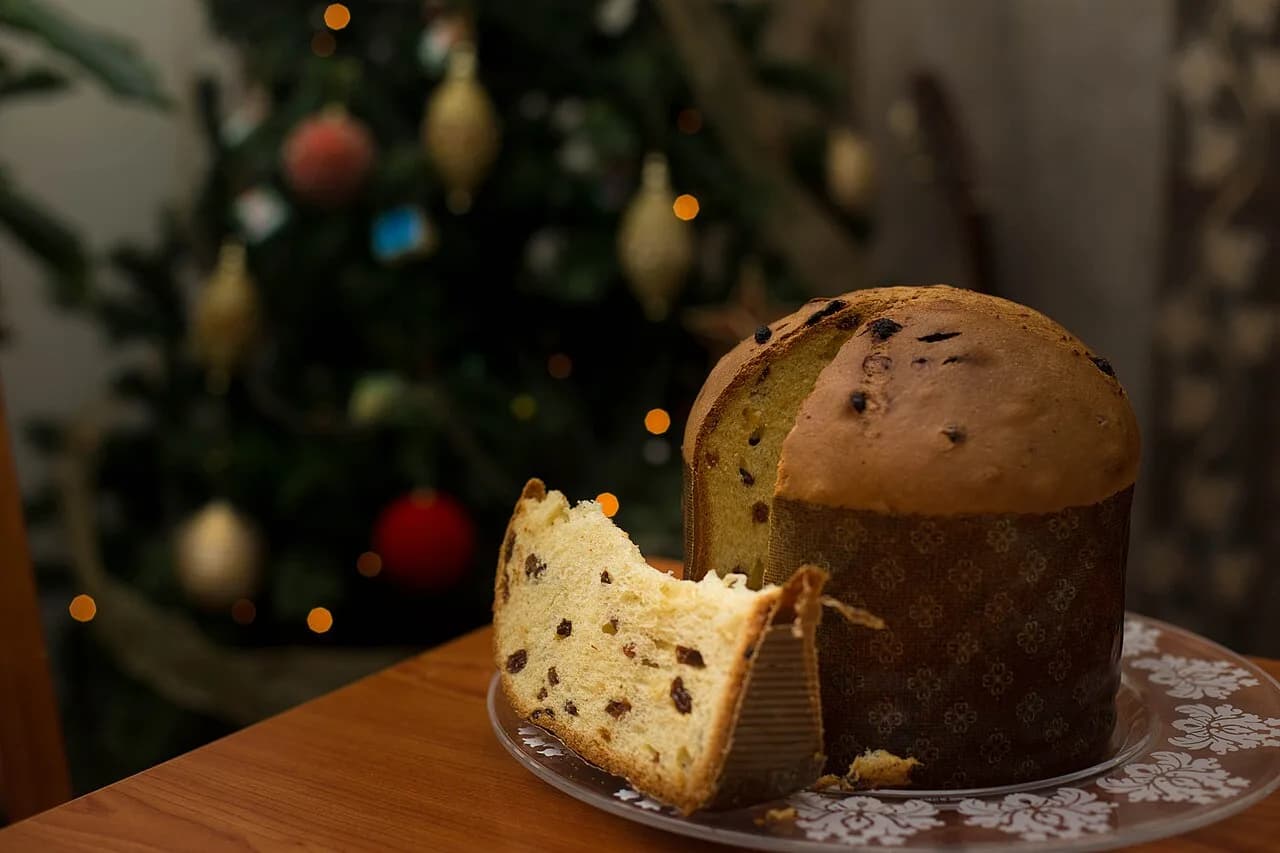
- Pandoro: Verona's own golden cake, distinct from Milan's panettone, sold plain or with fillings like pistachio cream.
Where to Eat: Osterias, Trattorias, and the City's Best Tables
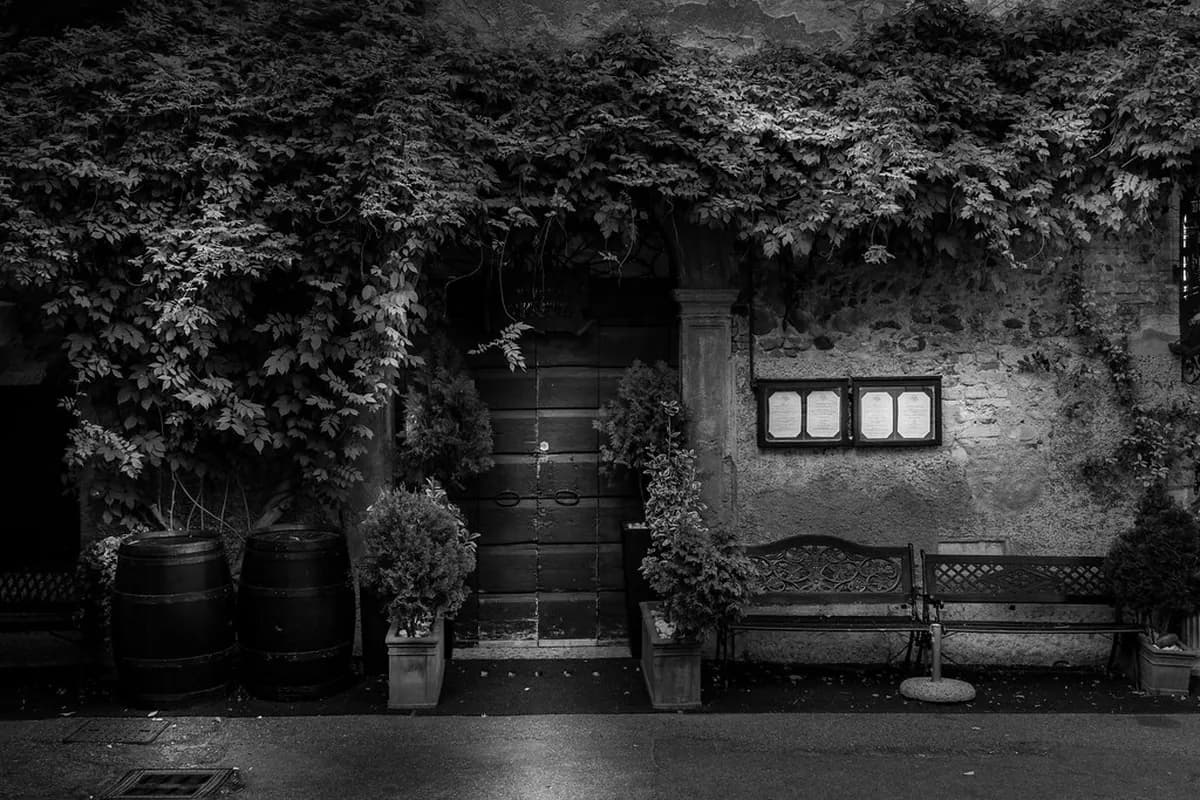
Antica Bottega del Vino anchors the historic dining scene in Verona. The osteria dates to the 16th century, and its wine list is bound like a manuscript, listing hundreds of labels from the Veneto and beyond. Trattoria al Pompiere has operated since 1907, built around a cheese and salumi counter carved to order at the back of the room. Osteria al Duca sits inside a 13th-century building reputed to have belonged to Romeo's family. It serves a fixed-price primo-and-secondo menu built on Veronese standards like pastissada de caval and bigoli al ragù d'asino. Riverside terraces and modern bistrots round out the list below. See the wider Verona restaurant roundup for more tables across the city. Prices below come from recent visitor accounts rather than posted rate cards, so confirm current menu pricing directly before booking.
| Restaurant | Vibe | Signature dish | Typical cost |
|---|---|---|---|
| Antica Bottega del Vino | Historic wine-cellar institution, dark wood and shelves of bottles | Risotto all'Amarone | €50–70 per person |
| Trattoria al Pompiere | Cheese and salumi counter, open since 1907 | White ragù with tiramisù | around €100 for two, food and wine |
| Osteria al Duca | Rustic 13th-century room reputed to have belonged to Romeo's family | Pastissada de caval, bigoli al ragù d'asino | €26 set menu (primo and secondo) |
| Osteria del Bugiardo | Casual, buzzing wine bar with cicchetti | Valpolicella Ripasso with cured meats and cheese | €25–35 per person |
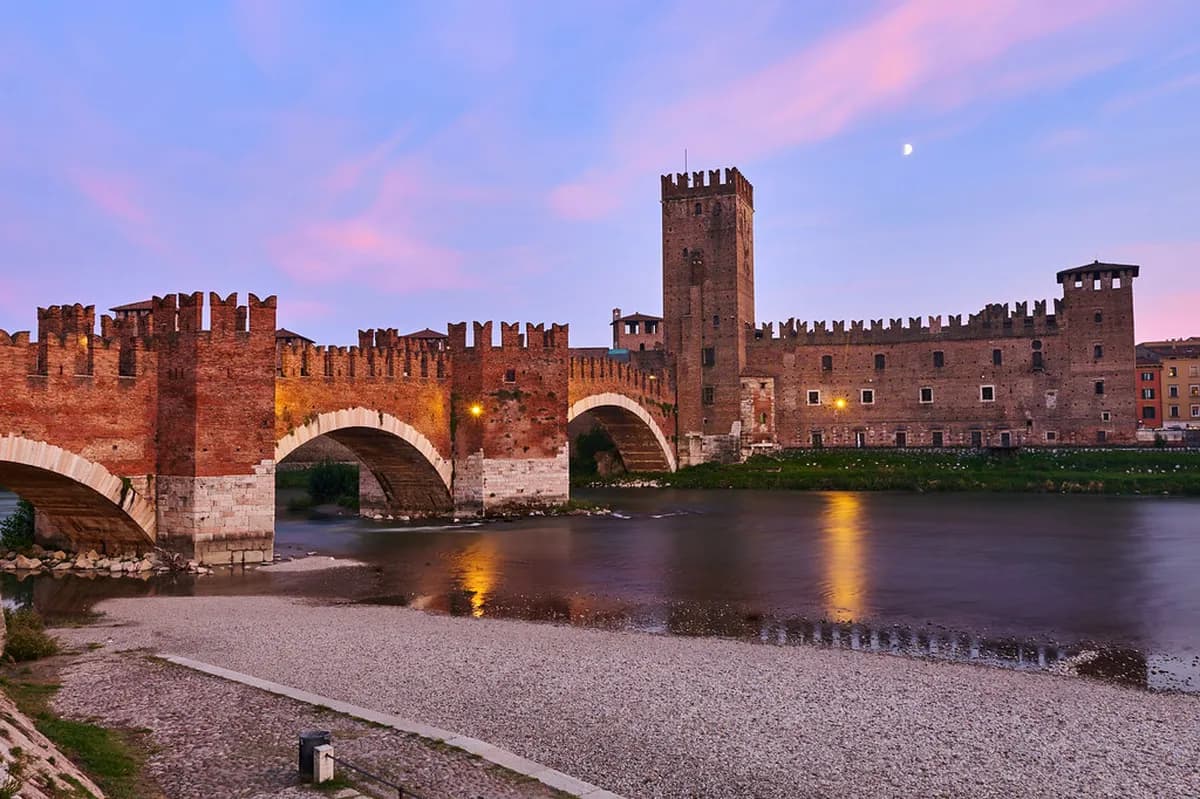
| Osteria Ponte Pietra | Riverside terrace with a view of Ponte Pietra | Traditional plates with a river view | €40–60 per person |
| Enoteca Segreta | Quiet, wine-first dinner near Casa di Giulietta | Gnocchi with chicken ragù, tortelli with smoked salmon | €45–60 per person |
| Antica Amelia Bistrot | Modern bistrot, eclectic decor off Vicolo Due Stelle | Vitello tonnato, seasonal plates | varies by menu |
| Locanda 4 Cuochi | Modern, casual, between the historic center and Piazza Bra | Zucchini flowers, tasting menus | varies by menu |
Osteria, Trattoria, or Ristorante: Know the Difference
Three words show up on every Verona menu door, and they signal different things. An osteria is wine-first: a bar with snacks and a short list of plates, built around cicchetti and a glass of Valpolicella. A trattoria is family-run and food-first, with a fixed, often handwritten menu of home-style dishes like tagliolini in broth or bigoli with ragù. A ristorante is the formal tier, with a longer menu, table service, and prices to match, running from tasting menus to full à la carte. Almost every sit-down bill in Italy carries a coperto, a small per-person cover charge for bread and table service, usually listed near the bottom of the menu. Tipping is not expected the way it is in the US; rounding up or leaving a few euros for excellent service is enough.
Osterias start at €15–25 per person because they center on wine and cicchetti, while trattorias and ristorantes increase price and menu scope alongside their formality; the three types offer distinct value propositions, not just different ambiances.
The Wine Connection: Valpolicella, Amarone, and Aperitivo Hour
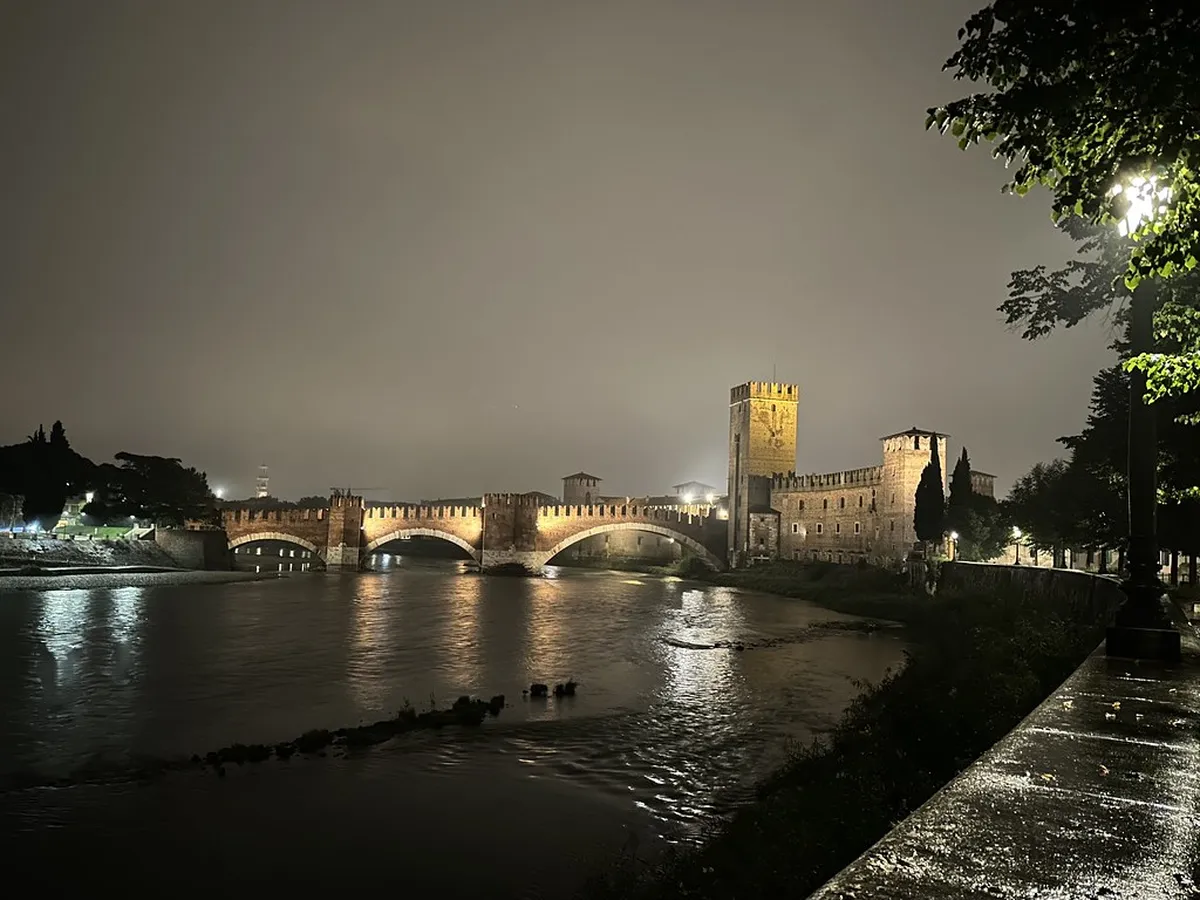
Amarone della Valpolicella anchors both the cellar and the kitchen here. Producers dry Corvina, Rondinella, and Molinara grapes for months in ventilated lofts, a process called appassimento that concentrates sugar and flavor before fermentation. The result is a dense, high-alcohol red that shows up reduced into risotto as often as it's poured by the glass. Valpolicella Classico and Ripasso offer lighter, more everyday versions of the same grapes, while Soave and Recioto cover the white and dessert-wine end of the list. For a guided look at the vineyards themselves, the Valpolicella wine tour guide covers estate visits outside the city. Verona also hosts Vinitaly each April, a large wine trade fair that draws producers from across Italy, though it's aimed at the trade rather than casual tasting. Evenings in Verona usually start with aperitivo in Piazza delle Erbe, where Aperol, Campari, or Hugo spritz comes with a small plate of snacks before dinner. A red spritz means Campari; an orange one means Aperol.
Cicchetti, Gelato, and Coffee: The Smaller Rituals
A few smaller rituals round out a day of eating in Verona. Cicchetti, small open-faced snacks more associated with Venice, show up widely here too, especially at wine-first spots like Osteria del Bugiardo. They work well as a pre-dinner stop with a glass of Valpolicella. Coffee culture follows standard Italian rules. Espresso works any time of day, but cappuccino is generally a before-11am order. Standing at the bar also costs less than sitting at a table. Gelato shops cluster near Piazza delle Erbe and Piazza Bra. Well-known chains like Venchi, Grom, and Amorino are reliable options. Shops using muted, natural-looking colors in the display case are generally a better sign than neon-bright mounds piled above the rim.
Reservations, Opera Season, and the ZTL
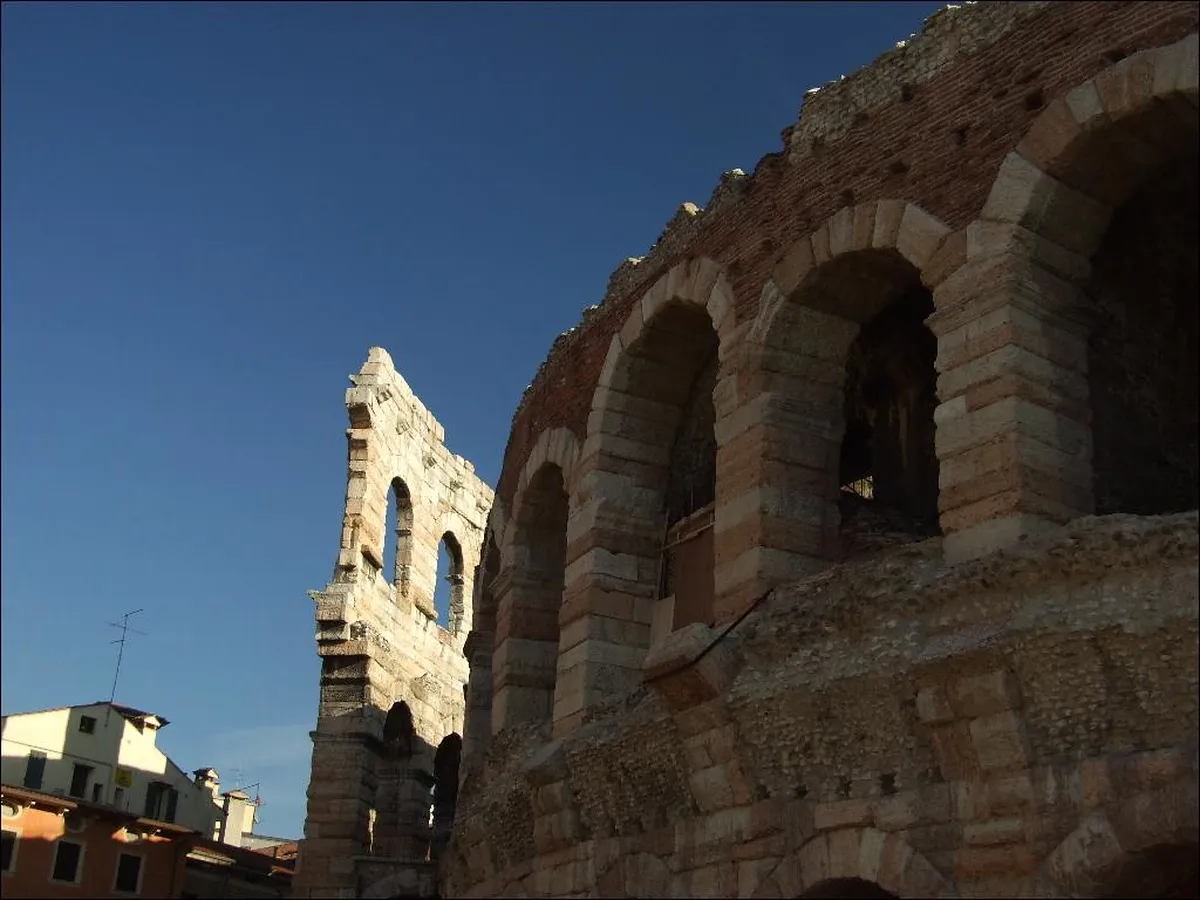
The Arena's open-air opera season runs roughly June through September, and it reshapes dinner in the city center. On performance nights, restaurants near Piazza Bra and Via Mazzini fill up fast with a pre-opera crowd eating before the curtain. Booking ahead for dinner is standard practice in Verona, and it becomes close to essential during those summer weeks. Travelers who prefer quieter dining rooms and shorter waits can plan around the calendar using the best time to visit Verona guide. Drivers should also know about the ZTL, a camera-enforced restricted traffic zone covering most of the historic center. Entering it without a permit risks a fine. Park outside the zone and walk in, or arrive by taxi or bus. An Italy eSIM is worth having before the trip, mainly for maps and translation apps when tracking down an osteria on a side street with no signage.
- Budget: €15–25 per person for an osteria lunch or a cicchetti crawl.
- Mid-range: €40–60 per person for a sit-down trattoria dinner with wine.
- Fine dining: €100+ per person at Michelin-listed rooms like Casa Perbellini 12 Apostoli.
Where to Eat by Neighborhood
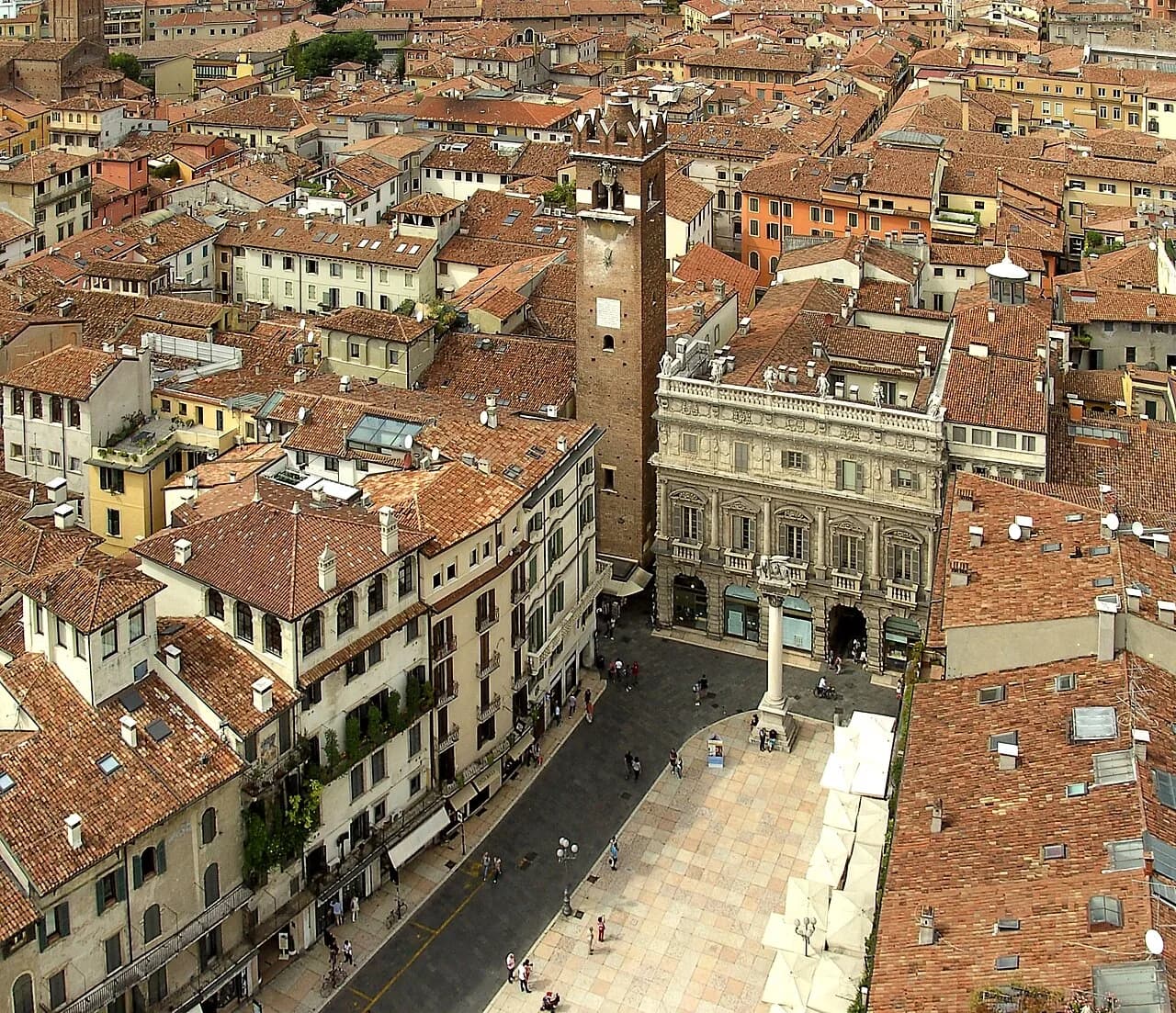
Where to eat often depends on which part of Verona serves as home base for the trip. For food specifically, three areas stand out, and the guide to Verona's neighborhoods covers the rest of the city in detail. Centro Storico holds most of the historic, higher-priced institutions, including Antica Bottega del Vino and Trattoria al Pompiere, within walking distance of Piazza delle Erbe. Veronetta, across the river, runs cheaper and more casual than downtown, with student-priced wine bars and osterias that skip the tourist markup. See the Veronetta neighborhood guide for more detail. San Zeno keeps a more residential, traditional character, suited to a slow Sunday lunch rather than a quick bite between sights. The San Zeno neighborhood guide has more on the area. Travelers chasing smaller, less-publicized rooms have more options too. Check the Verona hidden gems guide for tucked-away osterias beyond this list.
Pairing a Meal With a Day Trip
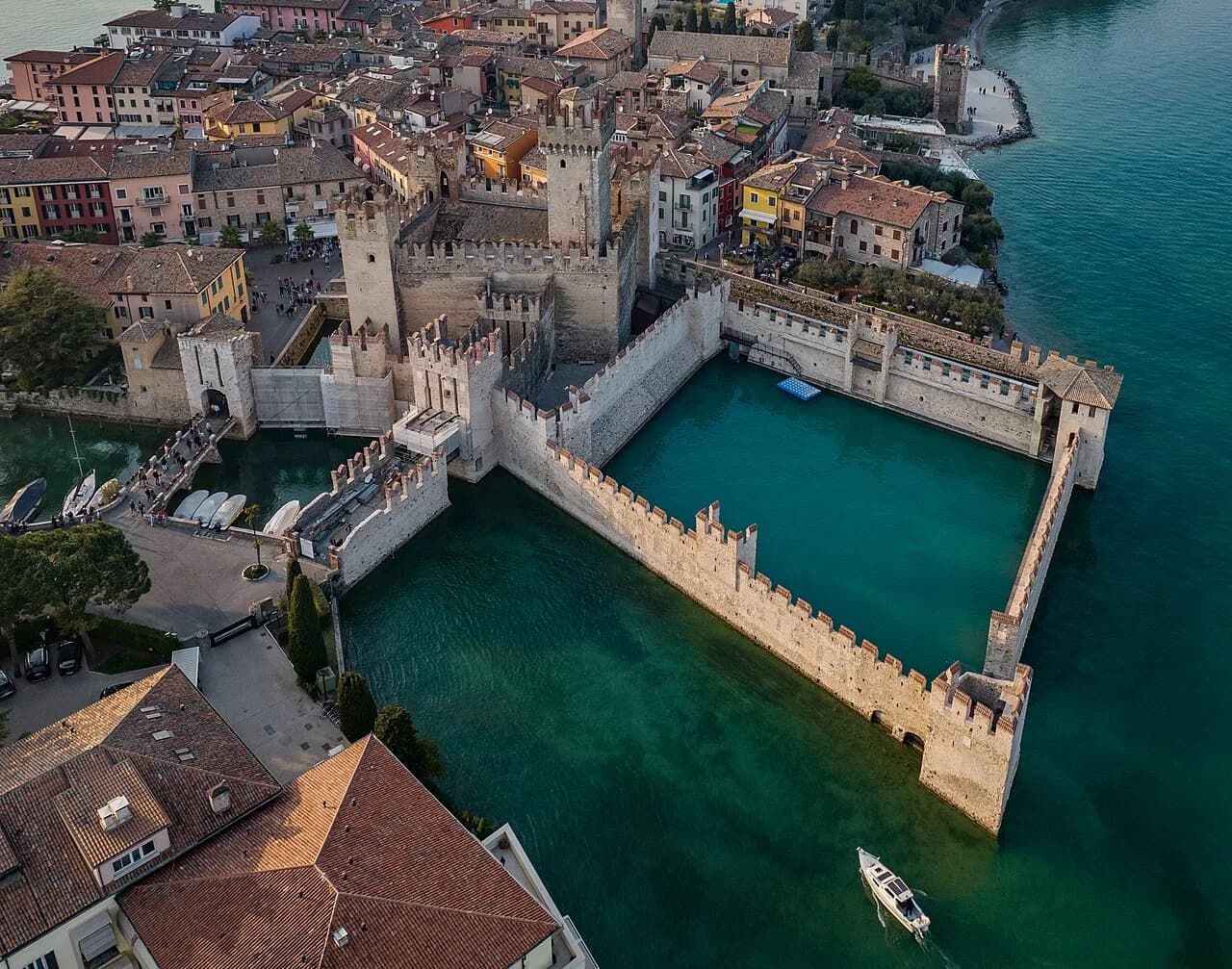
Several of Verona's best food experiences sit just outside the city. Lake Garda towns like Sirmione serve freshwater fish dishes that don't show up on Verona menus, and a short train ride covers the distance. Logistics for a half-day or full-day visit appear in the day trip to Sirmione guide. Some travelers extend the trip toward Soave and Valpolicella wine country instead, or push on to Venice, roughly 1.5 hours away by train, or Padua, under an hour away. For a broader menu of options beyond Lake Garda, the other day trips from Verona guide rounds up the rest.
Verona sits 20 minutes away by train from Lake Garda, making freshwater fish dishes day-trip options rather than daily menu staples; this inland location reinforces meat-focused cooking as Verona's dining identity.
Common Mistakes to Avoid
A few habits separate a good meal in Verona from a forgettable one.
- Ordering seafood pasta by default: Verona is an inland, meat-focused city; save seafood for a Lake Garda lunch.
- Expecting a fast dinner during opera season: June through September dinners near the Arena run long and busy on performance nights.
- Writing off every restaurant near the Arena as a tourist trap: a short, Italian-only daily menu is a better sign than laminated pages with food photos.
- Driving into the historic center without checking the ZTL first: the cameras issue fines automatically, with no warning at the gate.
- Skipping over the coperto line on the bill: it's a standard per-person cover charge, not a scam.
For trip-planning details, see Amarone – Wikipedia.
Frequently Asked Questions
What is the most traditional dish to eat in Verona?
Risotto all'Amarone is the dish most closely associated with Verona. It combines Vialone Nano rice with Amarone della Valpolicella wine, often finished with Monte Veronese cheese, and it appears on menus from casual osterias to Michelin-listed dining rooms.
Is pastissada de caval actually made with horse meat?
Yes, pastissada de caval is a slow-cooked horse stew, seasoned with cinnamon and cloves and usually served over polenta. Local tradition ties the dish to the Battle of Verona in 489 AD, and it remains a fixture on traditional osteria menus. Visitors who would rather skip it can order bigoli with duck ragù instead.
What's the difference between an osteria, a trattoria, and a ristorante?
An osteria centers on wine, with a short menu of cicchetti and simple plates. A trattoria is family-run and food-first, serving fixed home-style dishes. A ristorante is the formal tier, with a full menu, table service, and higher prices.
Do Verona restaurants charge a cover fee?
Most sit-down restaurants in Verona add a coperto, a small per-person charge for bread and table service, usually a few euros and listed near the bottom of the menu. It is standard practice across Italy, not a scam or a tourist markup.
Do you need to book ahead during Verona's opera season?
Reservations are worth making for most Verona dinners, and they become close to essential from June through September, when the Arena's outdoor opera season fills restaurants near Piazza Bra before evening performances. Booking a table for after the curtain, rather than right before it, usually means a calmer meal and full attention from the kitchen.
Can you drive to restaurants in Verona's historic center?
Driving into the historic center means crossing the ZTL, a camera-enforced restricted traffic zone, and entering without a permit results in an automatic fine. Parking outside the zone and walking, or arriving by taxi or bus, is the simpler option for dinner downtown.
Continue exploring
More guides you'll find useful