San Zeno Verona Guide: Basilica, Bronze Doors, and Neighborhood (2026)
Plan your visit with this san zeno verona guide: the basilica's bronze doors and Mantegna altarpiece, 2026 hours, ticket costs, and the monthly flea market.
On this page
San Zeno Verona Guide: Basilica di San Zeno Maggiore and Its Neighborhood
Last updated August 2026, this san zeno verona guide covers the Basilica di San Zeno Maggiore and the residential district built around it. Locals treat the honey-colored Romanesque church as the most Veronese of the city's four historic churches, worth the walk away from Piazza Bra's crowds. Beyond the bronze doors and Mantegna's altarpiece, the surrounding streets hold a monthly flea market and a pace quieter than Verona's historic center.
San Zeno Verona Guide: The Most Veronese of the City's Churches
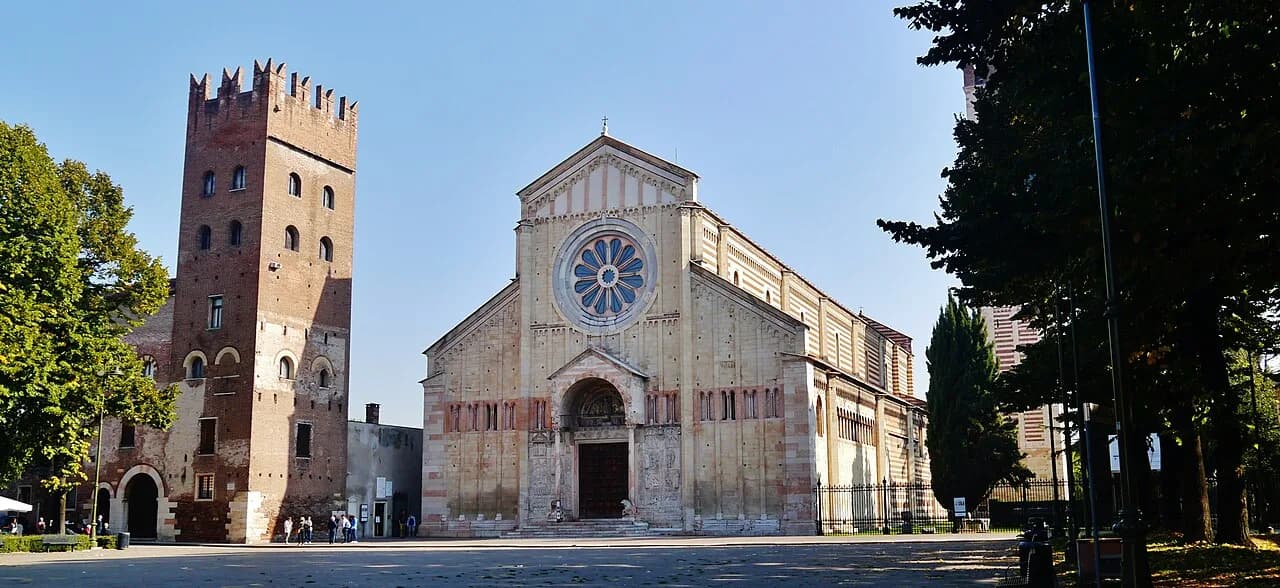
Basilica di San Zeno Maggiore sits west of Verona's historic core, a short walk past Castelvecchio. Residents often describe it as the most Veronese of the city's four historic churches, since Saint Zeno is Verona's own patron saint. The current building dates to a rebuild after a 1117 earthquake, when a Benedictine abbey rose alongside the church and grew into one of northern Italy's wealthiest monasteries. Emperor Frederick II reportedly stayed there with his court, and the abbey earns a mention in Dante's Purgatory. Only a tower and a cloister survive from that monastic complex today. Around the church, a residential district feels more like a village than a tourist stop, with quiet streets and a working piazza instead of souvenir stalls. Travelers researching Verona's hidden gems often list San Zeno first, since it delivers major art without the queues at Piazza delle Erbe.
The Facade and the Wheel of Fortune Rose Window
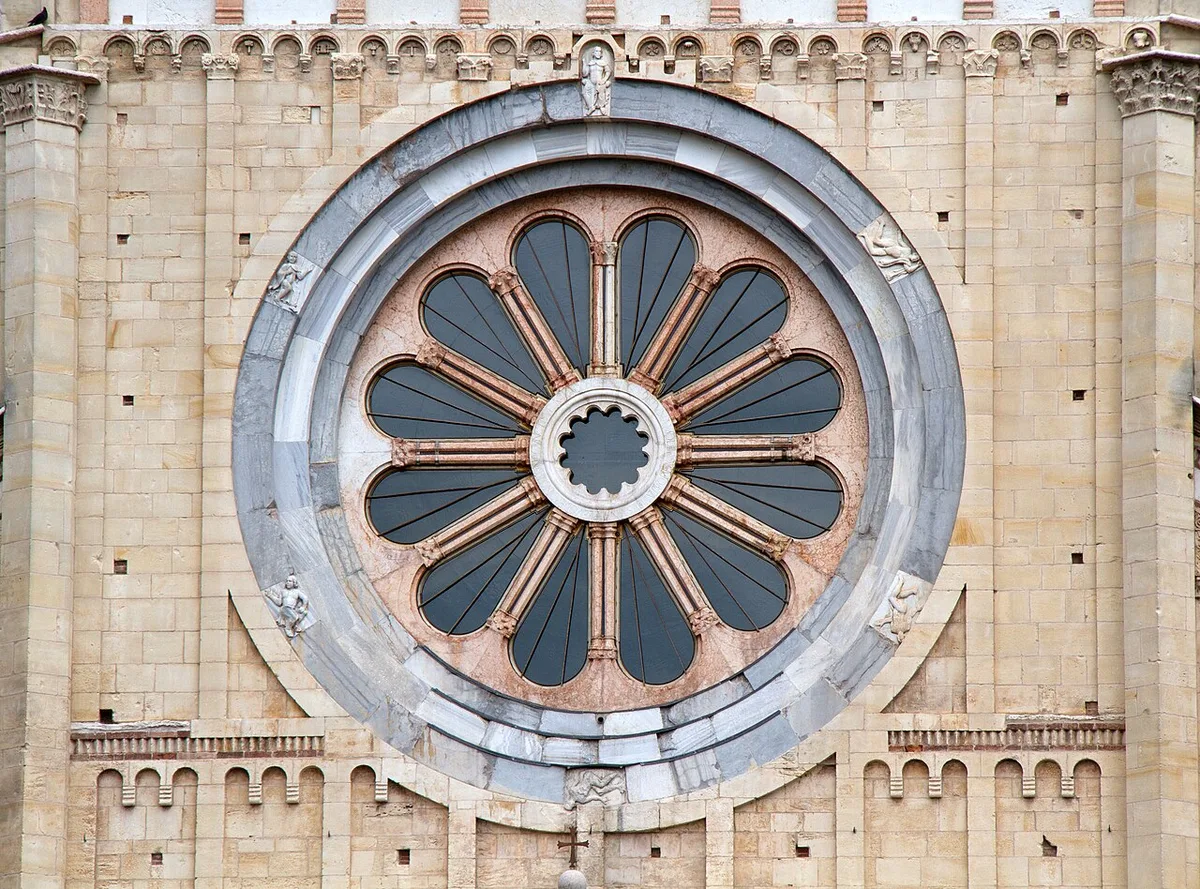
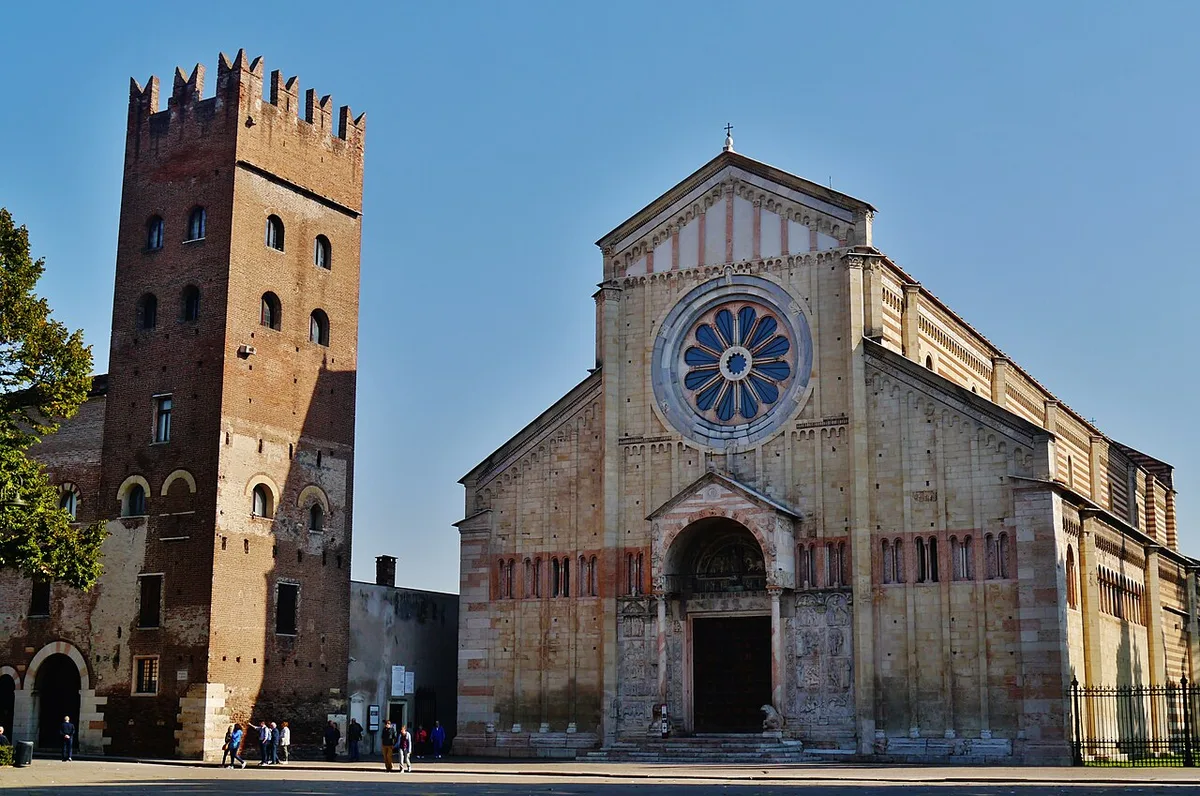
The facade is built from tuff stone alternated with brick courses, which gives it a honey color across most of the day. A 13th-century monastery tower stands on one side and a 12th-century bell tower on the other, framing the entrance. At the center, the rose window is known as the Wheel of Fortune, carved by the medieval sculptor Brioloto. Six human figures circle the wheel, with a king at the top and a defeated figure at the bottom. The image is a Romanesque reminder that status keeps turning. Kings fall, and the fallen rise in the same wheel. Morning light hits the facade most directly, which is why an early visit works better than an afternoon one for photos.
The Bronze Doors: Reading the 48 Panels
The basilica's bronze portal is divided into 48 individual panels, added in two waves centuries apart. The earliest panels date to the 11th century and show clear German craftsmanship. The last were added near the end of the 13th century, long after the first artisans finished their work. Reading the door as three narrative groups makes the layout easier to follow.
- Old Testament scenes — among the oldest and roughest-cast panels on the door
- New Testament scenes — added later, with more refined figures
- Four exorcisms performed by San Zeno himself — a narrative group unique to this portal
Mantegna's San Zeno Altarpiece, the Crypt, and the Cloister
Andrea Mantegna painted the basilica's altarpiece in 1459, showing the Madonna enthroned between rows of angels and saints. Art historians treat it as a cornerstone of Renaissance painting in Verona, a stylistic jump from the Romanesque stonework surrounding it. Inside, the church is arranged on three levels: the parish church at ground level, a crypt below, and a raised presbyteral church behind the altar. Descending into the crypt changes the atmosphere completely. Light from the nave gives way to a dim, 10th-century space where the relics of Saint Zeno rest. The official parish listing confirms the relics were placed here during a consecration in 807. Reach the adjoining cloister through a side door rather than the main nave. Slim double columns of red Verona marble ring the space, the clearest surviving piece of the medieval abbey complex next door.
The San Zeno Neighborhood: A Quieter Side of Verona
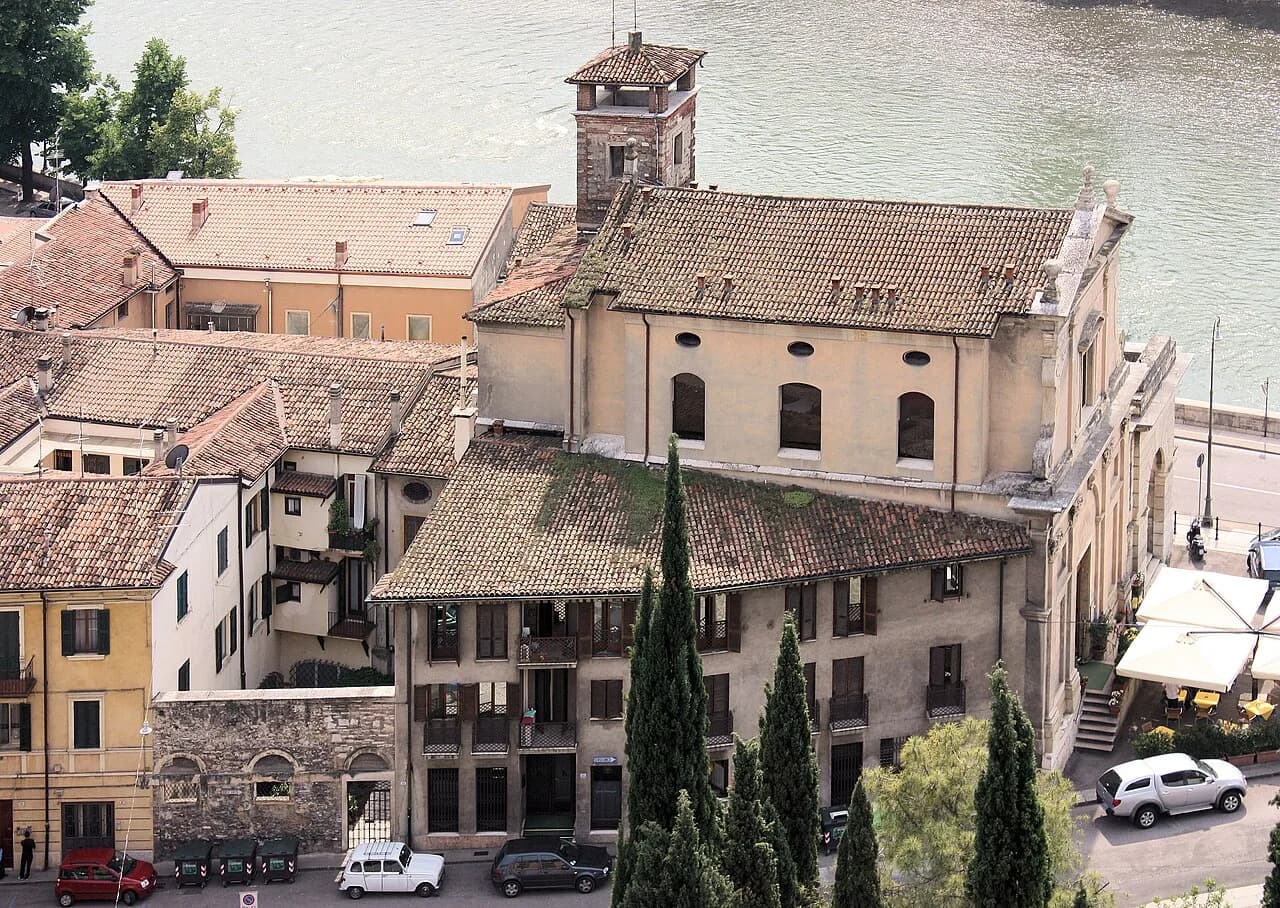
Step outside the basilica and the pace changes immediately. San Zeno's streets sit west of Verona's historic center, bordered by the Adige River on one side and Parco delle Mura on the other, a park built on the city's old defensive walls. Locals use it for evening walks, and the district reads more like a small town folded into a city than a tourist zone. Travelers researching off-the-beaten-path spots in Verona tend to land here, since the piazza stays local even in August. For a sense of how other residential districts compare, the guide to Borgo Trento covers a neighboring pocket of the city. A separate guide to Veronetta profiles another Verona district worth weighing if you're picking a base for your stay.
The Antiquariato a San Zeno Flea Market
Piazza San Zeno hosts a flea market on the first Sunday of each month. Stalls fill the square with antique furniture, vintage housewares, and crates of vinyl records, drawing collectors and residents out for a browse. It's a concrete reason to time a visit around a specific date rather than dropping in at random. Travelers looking for Secret Spots in Verona: Hidden Places Locals Actually Go should treat the market as a bonus layered onto the basilica visit. It also fits the kind of 10 Unique Things to Do in Verona: A Local Guide Beyond the Postcard Sights that don't show up on a first-time itinerary.
The flea market runs the first Sunday of each month, but the basilica doesn't open until 1:00pm that day, so morning browsing and an interior tour require careful scheduling.
Opening Hours, Verona Card, and Ticket Costs
Basilica hours shift by season, and the church's own listings warn that times can change with 24 to 48 hours' notice around local holidays. Entry is included for Verona Card holders, per the official church listing, which makes the visit effectively free if you already carry the pass. Without it, single-church entry has historically run around €6; confirm the current rate at the door, since church ticket pricing changes. A small bookshop inside the basilica sells bronze-relief souvenirs, stationery, and books about Verona's four historic churches. Plan around Sunday morning specifically, since the church opens later that day and Mass takes priority over sightseeing until early afternoon. For fewer people in the nave generally, check the Best Time to Visit Verona Without Crowds (Month-by-Month Guide) guide before booking travel dates.
| Season | Mon–Fri | Sat & Holidays | Sun & Religious Holidays |
|---|---|---|---|
| March–October | 9:00am–6:30pm | 9:00am–6:00pm | 1:00pm–6:30pm |
| November–February | 10:00am–5:00pm | 9:30am–5:30pm | 1:00pm–5:30pm |
- Weekday Mass: 8:00am and 6:30pm
- Saturday and vigil Mass: 6:30pm
- Sunday and feast-day Mass: 8:00am, 10:00am, and 11:30am
How to Get to San Zeno from Piazza Bra and Castelvecchio
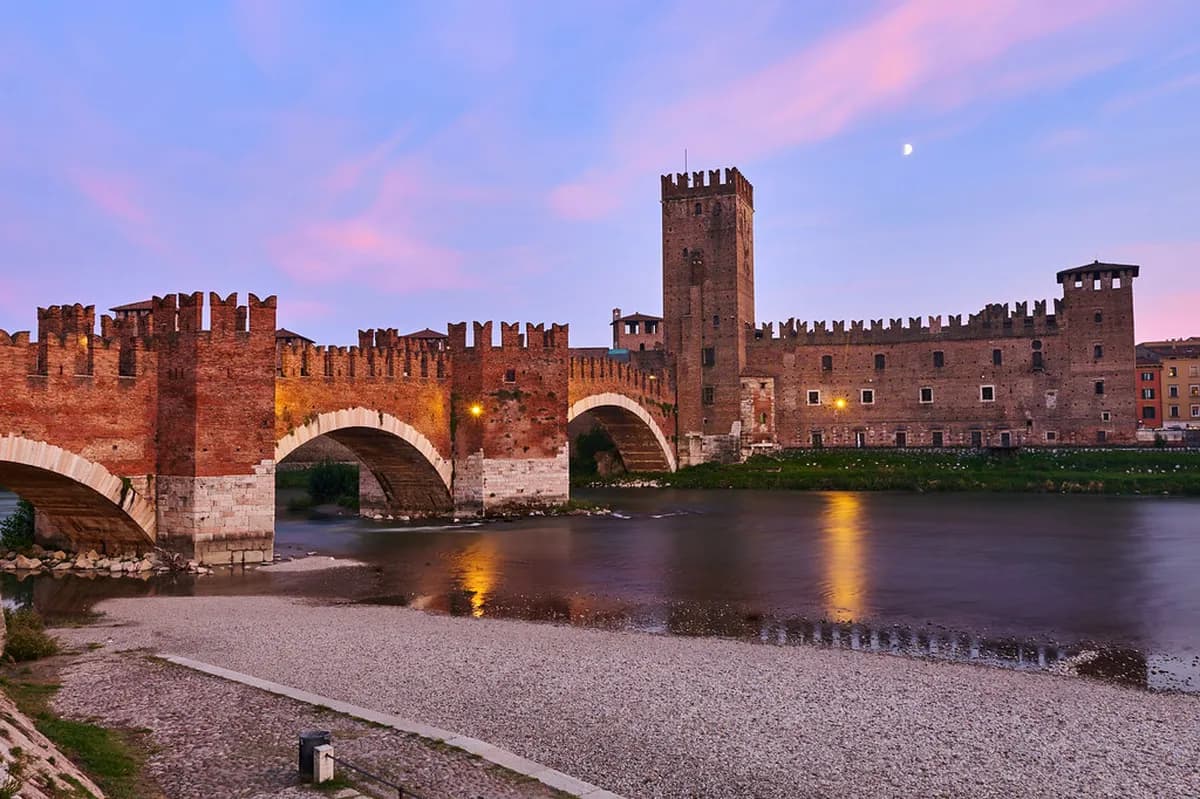
San Zeno sits roughly a 20-minute walk from Piazza Bra, long enough that some travelers skip it, though the walk itself is part of the appeal. From Castelvecchio, follow Regaste San Zeno along the Adige River toward the basilica for open water views the whole way. That riverfront stretch pairs naturally with Castel San Pietro's hilltop views, if you're comparing vantage points across a single trip. The facade itself costs nothing to see from Piazza San Zeno, which keeps it on shortlists of Free Things to Do in Verona: A Budget Traveler's Guide even for travelers skipping the interior. City buses also connect central Verona to the San Zeno stop for anyone short on time. Note that the church is only partially accessible: step-free routes cover the cloister and lower areas, so check ahead if mobility is a concern.
San Zeno sits roughly a 20-minute walk from central Verona; plan 60 to 90 minutes inside for the church, crypt, and cloister, making this a half-day rather than a quick detour.
Where to Eat and What to Pair with Your Visit
Piazza San Zeno and the streets around it hold neighborhood cafes and trattorias rather than the tourist-menu restaurants clustered near Piazza delle Erbe. For specific, vetted picks, the local restaurants guide covers options worth building a meal around across the city. The Verona food guide is a useful companion if you want context on regional dishes before choosing where to sit. Pairing the basilica with a longer walk through Parco delle Mura extends a morning visit into a half-day outing without much extra planning. Combining San Zeno with the Castelvecchio Museum, a short walk back along the river, also works well for a single museum-and-church day.
Mistakes to Avoid When Visiting San Zeno
A handful of avoidable mistakes account for most disappointing visits. Checking the day's posted hours before leaving your hotel avoids nearly all of them.
- Arriving on a winter weekday around midday, when hours run shorter and can shift with little notice
- Skipping the cloister, reached through a side entrance rather than the main door and easy to miss
- Visiting Sunday morning expecting normal hours, when the church doesn't open until 1:00pm and Mass runs at 8:00am and 10:00am
- Bringing a pet inside — animals aren't permitted, apart from guide dogs with a muzzle accompanying visitors with disabilities
Frequently Asked Questions
How much time should I plan for San Zeno?
Budget 60 to 90 minutes for the basilica itself, including the crypt and cloister. Add up to three hours total if you also want to explore the neighborhood and its shops.
Is the Basilica di San Zeno included in the Verona Card?
Yes, entry is included for Verona Card holders. Without the card, single-church entry has historically run around €6, so confirm the current price locally before you go.
What's the best time of day to visit San Zeno?
Morning generally gives the best light on the tuff-stone facade. Avoid Sunday morning specifically, since the church doesn't open to visitors until 1:00pm that day.
When is the San Zeno flea market held?
The Antiquariato a San Zeno flea market fills Piazza San Zeno on the first Sunday of each month. Arrive by mid-morning for the widest selection of antiques and vinyl.
Is San Zeno worth the walk from central Verona?
For art and history-focused travelers, yes — it's roughly a 20-minute walk from Piazza Bra along the Adige River. If you're mainly chasing Juliet's House and the Arena on a short visit, it's a reasonable one to trade off.
Continue exploring
More guides you'll find useful