15 Hidden Gems in Split: Local Escapes Beyond the Palace (2026)
Skip the Peristyle queue. This 2026 guide covers 15 hidden gems in Split, from Veli Varoš lanes to Klis Fortress and Sustipan sunsets.
On this page
15 Hidden Gems in Split Locals Actually Visit
Last updated July 2026, this list of hidden gems in Split moves past the Peristyle selfie line and into streets locals use every day. Pair it with the Secret Spots in Split: Local Escapes Beyond Diocletian's Palace (2026 Guide) guide for a deeper dive. Also check the off-the-beaten-path picks for more solo-friendly corners.
Why Look Beyond Diocletian's Palace for Hidden Gems in Split
Diocletian's Palace remains the reason most visitors land in Split, and its Peristyle square and cathedral bell tower earn the attention. Once you've seen the courtyard, though, the more rewarding version of the city sits outside its walls. Even inside the walls, quiet corners exist: a spot like Uje Oil Bar, tucked into a side lane, feels different from the main square at midday. A beach afternoon means heading west toward Marjan Hill's coves, including Kasjuni. A hike or a slow walk means the paved trail up Marjan Hill or the flat stone lanes of Veli Varoš. A market-and-dinner day means Pazar and Ribarnica in the morning, followed by a konoba meal at night. Timing changes everything here, since the same streets that feel crowded at noon are nearly empty by 8:15 a.m. For a wider roundup of offbeat activities, see the 10 Unique Things to Do in Split, Croatia (2026 Guide) guide.
15 Hidden Gems in Split, From Historic Ruins to a Grocery Store
These 15 spots come from residents' routines rather than tour itineraries. Each one is reachable from the Old Town on foot, by local bus, or by a short drive. The list moves from historic sites to natural escapes to one very ordinary grocery store.
Timing matters equally across every gem here—8:15 a.m. clears crowds at the Palace, Marjan Hill, and the markets alike. Arriving before midday significantly improves access and photography at any stop.
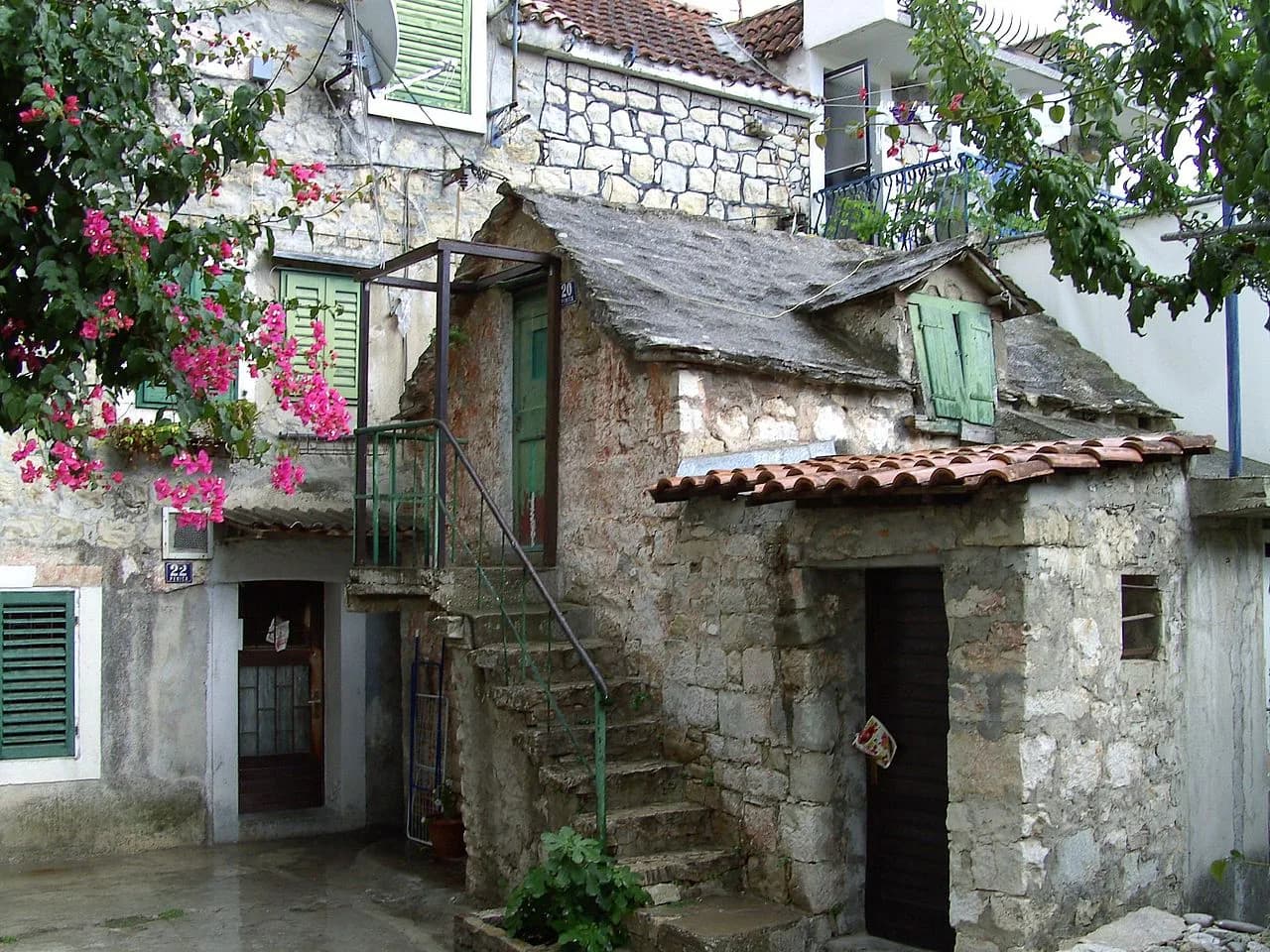
- Veli Varoš's Stone Kalas
- Climb the narrow stone lanes, known locally as kalas, in this former fishermen's quarter just past the Palace's western wall.
- Traditional stone houses and small chapels line these streets, and souvenir shops are essentially absent. See the Veli Varoš neighborhood guide for a walking route.
- Slow down here rather than rushing toward Marjan Hill. A coffee stop mid-climb beats a quick photo lap.
- Sustipan Park at Sunset
- This clifftop park was a cemetery until after World War II, when the graves were relocated and the grounds became public space.
- Grab a takeout pizza from a shop near the entrance and watch the sun drop over the Adriatic and Marjan Hill. Full details are in the Sustipan Park guide.
- Arrive by early evening in summer for an open bench with a clear sea view, before the after-work crowd fills in.
- Salona Ruins in Solin
- Salona, once capital of Roman Dalmatia, lies in ruins a few kilometers outside Split in the town of Solin.
- Its amphitheater and early Christian church remains cover far more ground than the Palace, with a fraction of the visitors on any given day.
- Combine a visit with Klis Fortress, since both sit on the route out toward the interior and pair well in one half-day trip.
- Klis Fortress's Game of Thrones Backdrop
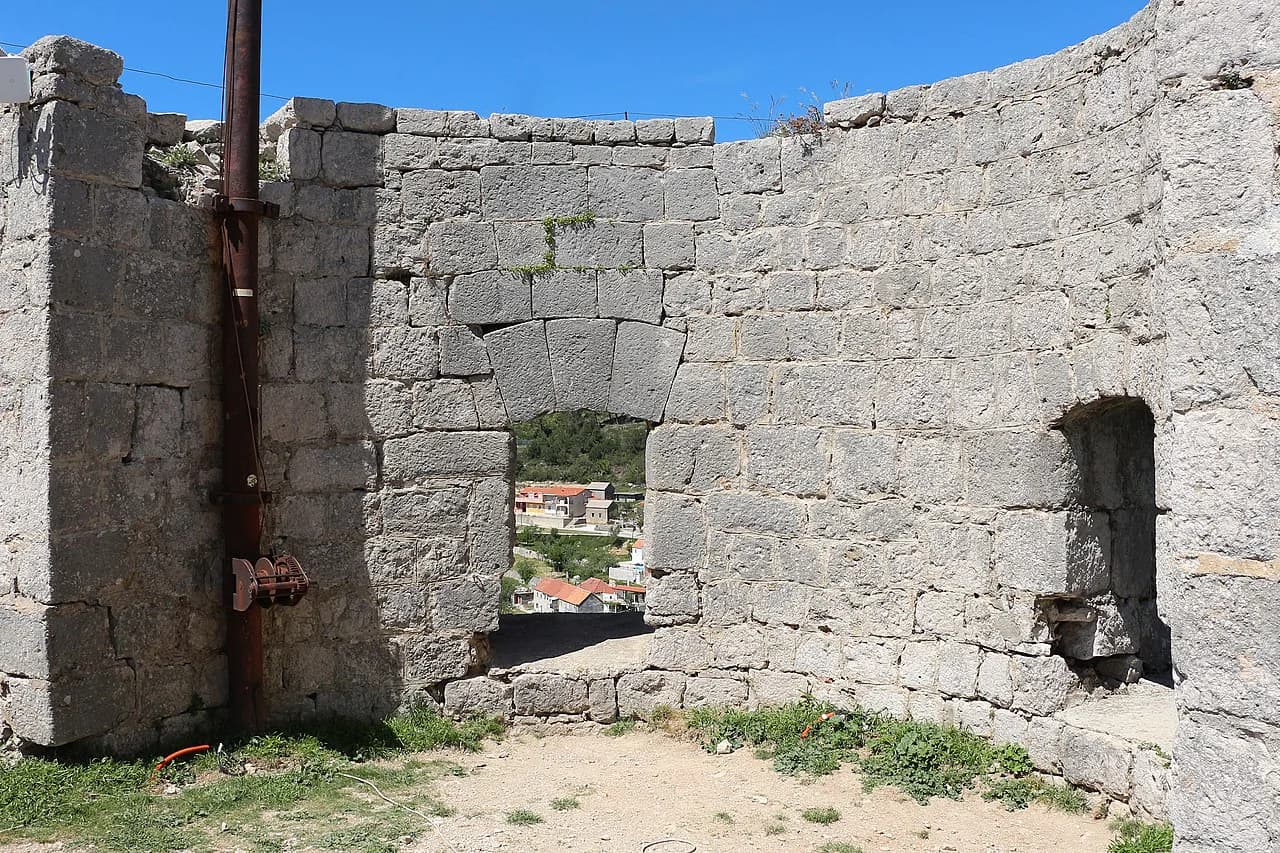
- This hilltop fortress has guarded the pass between Split and the interior since Roman times, long before tourism arrived.
- It later doubled as Meereen in Game of Thrones, though far fewer day-trippers make the detour compared with Palace crowds below.
- Opening hours shift by season, so confirm the current schedule before setting out, especially outside peak summer months.
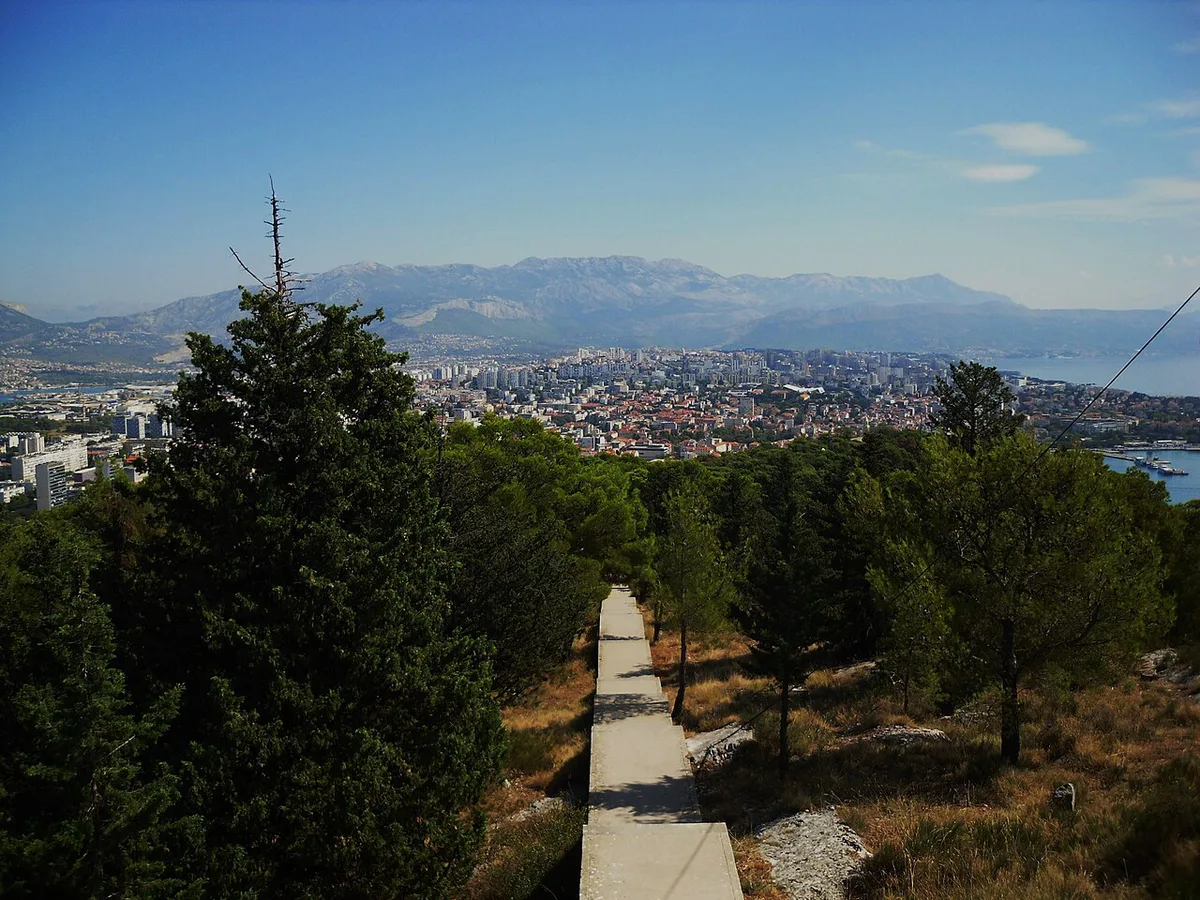
- Marjan Hill's Telegrin Peak Trail
- This paved trail starts near Pizzeria Bokamorra, marked Marjan Hill Stairs on maps, and climbs steadily from street level through pine forest.
- Reaching the Telegrin viewpoint takes about 45 minutes, with a cafe roughly halfway up for a rest. Route notes are in the Marjan Hill hiking guide.
- An old zoo enclosure near the summit still keeps a small group of donkeys, a quirky reward at the top.
- Kasjuni Beach's West-Coast Cove
- Kasjuni trades the Riva's crowds for a pebbled shore under pine trees, tucked at the foot of Marjan Hill.
- Joe's Beach Bar anchors the cove, and a nudist section continues around the point for those seeking a quieter stretch.
- A roughly 10-minute ride on Bus Line 12 connects the Old Town to this stretch of coast, though it is worth confirming current frequency with Promet Split.
- Bačvice's Picigin Ritual
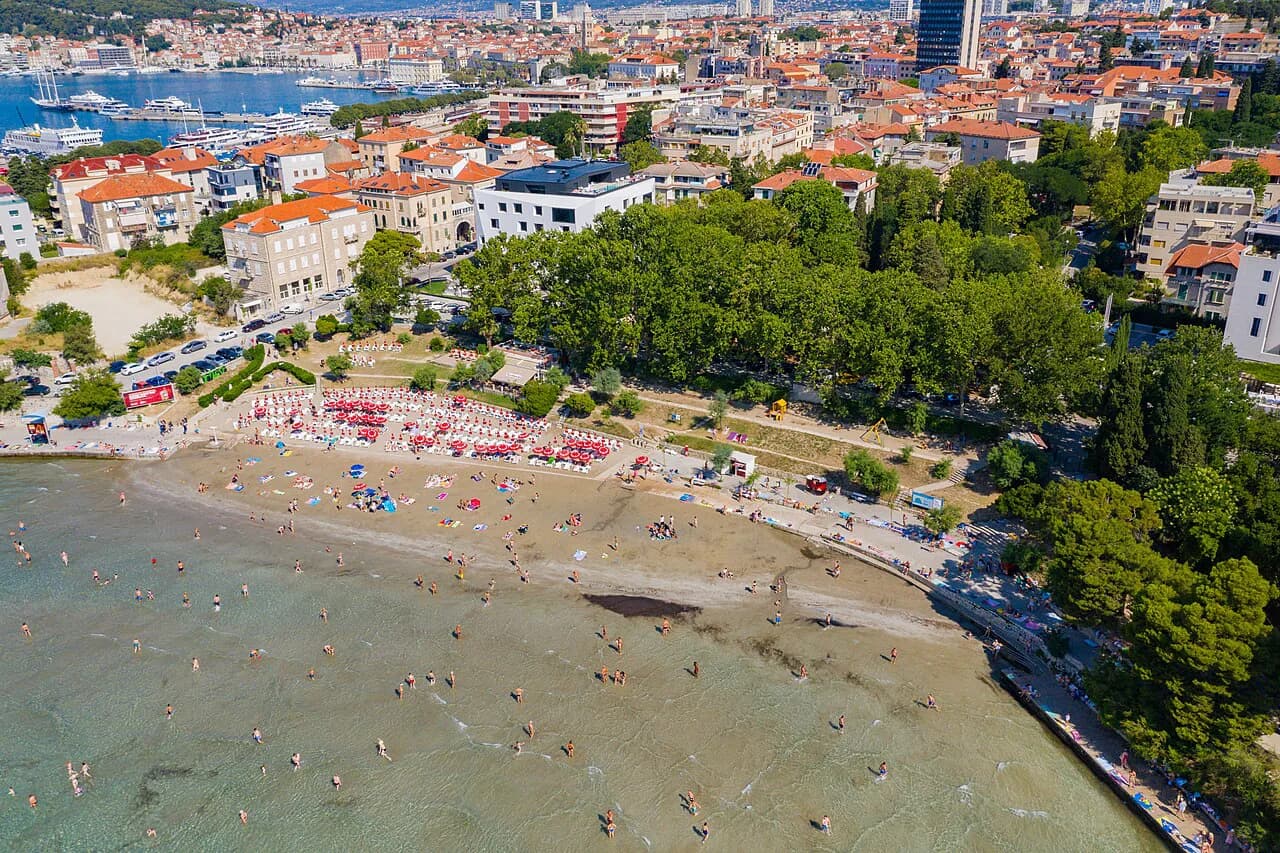
- Bačvice is Split's only sand beach, but the real draw is picigin, the shallow-water ball game invented here.
- Locals play it daily in the surf, and summer evenings bring an outdoor cinema screening to the sand. See the Bačvice beach guide for details.
- Visit at golden hour for picigin, not midday, when the beach shifts toward a sunbathing crowd instead of a playing one.
- Lučac-Manus's Old Suburb Streets
- East of the Palace, Lučac-Manus keeps original stone houses without the souvenir density of the Old Town core.
- It rewards an unhurried walk rather than a checklist stop. See the Lučac-Manus guide for a suggested route.
- Pair it with Veli Varoš for a loop of Split's oldest residential quarters in a single morning.
- The Pazar Market and Ribarnica Fish Market
- Pazar, the green market beside the Palace walls, sells local olives, cheese, and homemade wine each morning.
- Ribarnica, the fish market nearby, sells the day's catch, including sardines and octopus, straight off the boats.
- Shop by late morning, since many stalls wind down as the afternoon heat sets in.
- Konoba Dining Beyond the Riva
- A konoba is a traditional tavern, literally a refuge, where dockworkers once ate and drank between shifts.
- Order crni rižot, black risotto, or soparnik, a Dalmatian savory pie, at a konoba in Veli Varoš or Firule rather than a Riva-front terrace.
- Peka dishes traditionally need about two hours of covered oven time, so order them well ahead rather than on arrival.
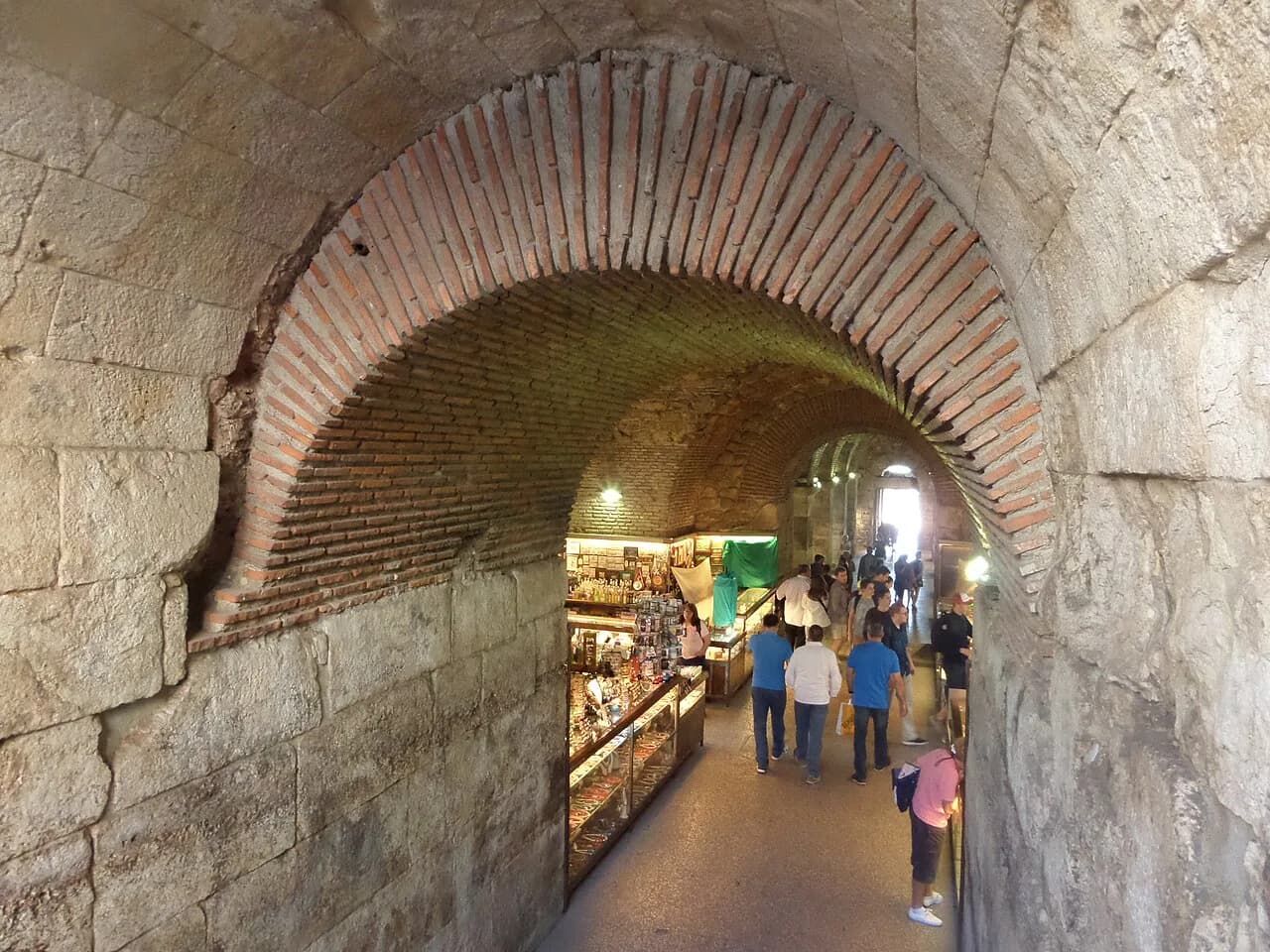
- The Cellars of Diocletian's Palace
- Below the Peristyle crowds, the vaulted substructure halls once supported the emperor's private quarters above.
- These cellars stay noticeably cooler than the streets outside, and the stop is quicker than the queue upstairs suggests. See the cellars guide for entry details.
- Early mornings mean fewer tour groups crowding the vaulted passageways.
- Vranjic Village's Quiet Waterfront
- This small peninsula village sits between Split and Solin, at the mouth of the Jadro River.
- Its waterfront lane is compact enough to walk end to end in a few minutes, past small chapels and fishing boats.
- Confirm current road access before driving out, since the village stays largely missed by visitors sticking to the Old Town and Riva.
- The UNESCO-Listed SPAR Grocery Store
- An ordinary SPAR supermarket inside the Old Town occupies a building old enough to fall under the Palace's UNESCO protection, a quirk local guides mention often.
- It is a working grocery store, not a museum stop, so use it for water or a snack between palace lanes.
- Confirm its current signage and status on-site, since heritage designations around the Palace walls get re-surveyed occasionally.
- A Gulet Charter Along the Dalmatian Coast
- A gulet is a traditional wooden sailing vessel, now often refitted with cabins and a crew for multi-day Adriatic trips.
- Chartering one out of Split reaches secluded coves, quiet bays for swimming, and island towns that day boats skip entirely.
- Book well ahead for summer dates, since crewed gulets have limited capacity per season and fill early.
- A Rooftop View of the Riva
- Most visitors experience the Riva at street level, walking the palm-lined promenade among the crowds below.
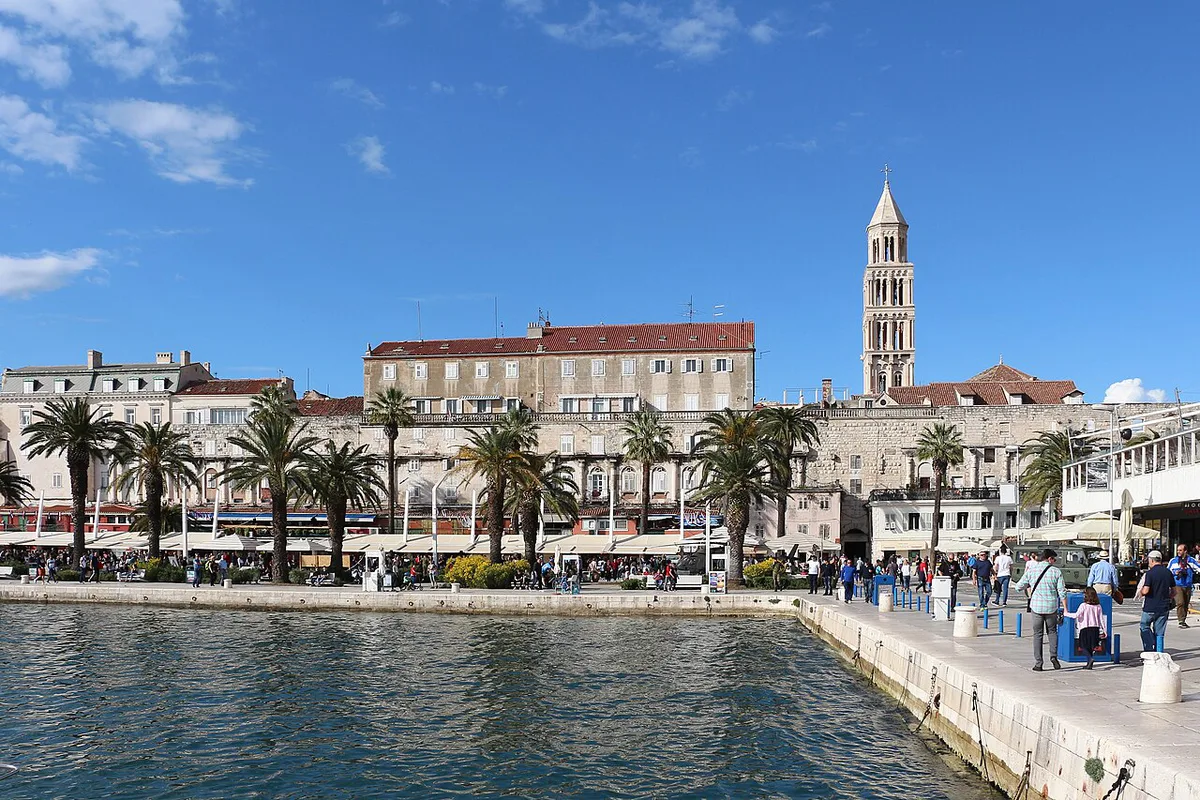
- A rooftop bar above the Old Town swaps that view for a wider look at the palm trees, the harbor, and the Palace walls behind them.
- Arrive before sunset to get a table before the evening rush fills the terrace.
Split Neighborhoods Where the Crowds Thin Out
Veli Varoš and Lučac-Manus sit on opposite sides of the Palace, and both stayed residential while the Old Town filled with rental apartments and gift shops. Locals still hang laundry between stone houses in both quarters. Neither neighborhood has a central square built for tour groups, which is part of the appeal. Small churches and family-run bars sit along the same lanes where fishermen and farmers once lived. For house-by-house context and connecting walking routes, the Split Neighborhoods Guide: Where to Stay and Explore (2026) covers both quarters in depth.
How to Eat Like a Local: Pazar Market, Ribarnica, and Konobas
Split's culinary crowd-escape starts at the markets rather than the restaurants. Walk Pazar for produce, olives, and wine, then cross to Ribarnica for the day's fish. Quick bites like ćevapi and burek fill the gap between market runs and a full sit-down meal, and both are common at stalls and bakeries outside the center. From there, a konoba meal completes the loop. The local food guide breaks down what to order beyond crni rižot and soparnik. The local restaurant picks guide lists specific konobas in Veli Varoš and Firule.
Peka, a traditional Dalmatian dish, requires two hours of covered oven time, so order it well in advance when planning your konoba meal after visiting Pazar and Ribarnica markets. A delayed order at dinnertime means a long wait.
Gem Comparison: Time, Access, and Crowd Level
Not every gem fits into the same afternoon, and some pair naturally while others compete for the same block of daylight. Use this table to plan by time and transport before deciding which stops to combine. Crowd levels below reflect editorial assessment based on season and location type, not a measured survey.
| Site | Time Needed | How to Get There | Crowd Level |
|---|---|---|---|
| Veli Varoš | Quick stop to half a morning | On foot from the Palace's west wall | Low |
| Sustipan Park | Quick stop | On foot past the Riva | Low |
| Salona Ruins | Half a morning | Short drive or local bus to Solin | Low |
| Klis Fortress | Half day with travel | Local bus or car toward the interior | Low-Moderate |
| Marjan Hill (Telegrin) | About 45 minutes to climb | On foot from Marjan Hill Stairs | Moderate |
| Kasjuni Beach | Half day | About 10 minutes by Bus Line 12, or on foot via the Marjan trail | Moderate |
| Bačvice Beach | An hour or two | Short walk from the Old Town | High |
| Vranjic Village | Quick stop | Short drive toward Solin | Low |
Practical Logistics for the Off-Path Traveler
A few habits separate a smooth day from a frustrating one. Split's historic core is car-free, so do not plan to drive in or park near it. Aim to walk the palace lanes by around 8:15 a.m., before tour groups fill the Peristyle; the same trick works for a quiet coffee at a spot like Uje Oil Bar, tucked into the Old Town's side lanes. Entering through the Golden Gate, one of the Palace's four historic gates, is a quieter arrival option than the main entrance most tour groups use. Getting between farther-flung gems means learning Promet Split's local bus routes rather than relying on taxis alone. If budget matters more than sights, the Free Things to Do in Split: A 2026 Budget Guide guide pairs well with this list. For timing an entire trip around lighter crowds, see the best time to visit Split guide. One more habit worth building in: order peka dishes hours ahead rather than on arrival, since the dish needs slow, covered oven time.
Extend the Escape: Day Trips from Split
Some of the best hidden-gem energy sits outside city limits entirely. Trogir's old town moves at a slower pace than Split's, with fewer crowds even in peak season. The Trogir day trip guide covers logistics for getting there and back in a single day. Šolta trades any town center for pine-covered coves reachable by ferry, detailed in the Solta day trip guide. Both work well as a half-day add-on rather than a full detour from Split. For a full menu of options beyond these two, the 8 Best Day Trips from Split, Croatia (2026 Travel Guide) guide rounds up the rest.
A Crowd-Free Route Through Diocletian’s Palace
Start around 8:00 a.m. to explore the Palace before guided groups concentrate around the Peristyle. This short route covers the main landmarks without repeated backtracking.
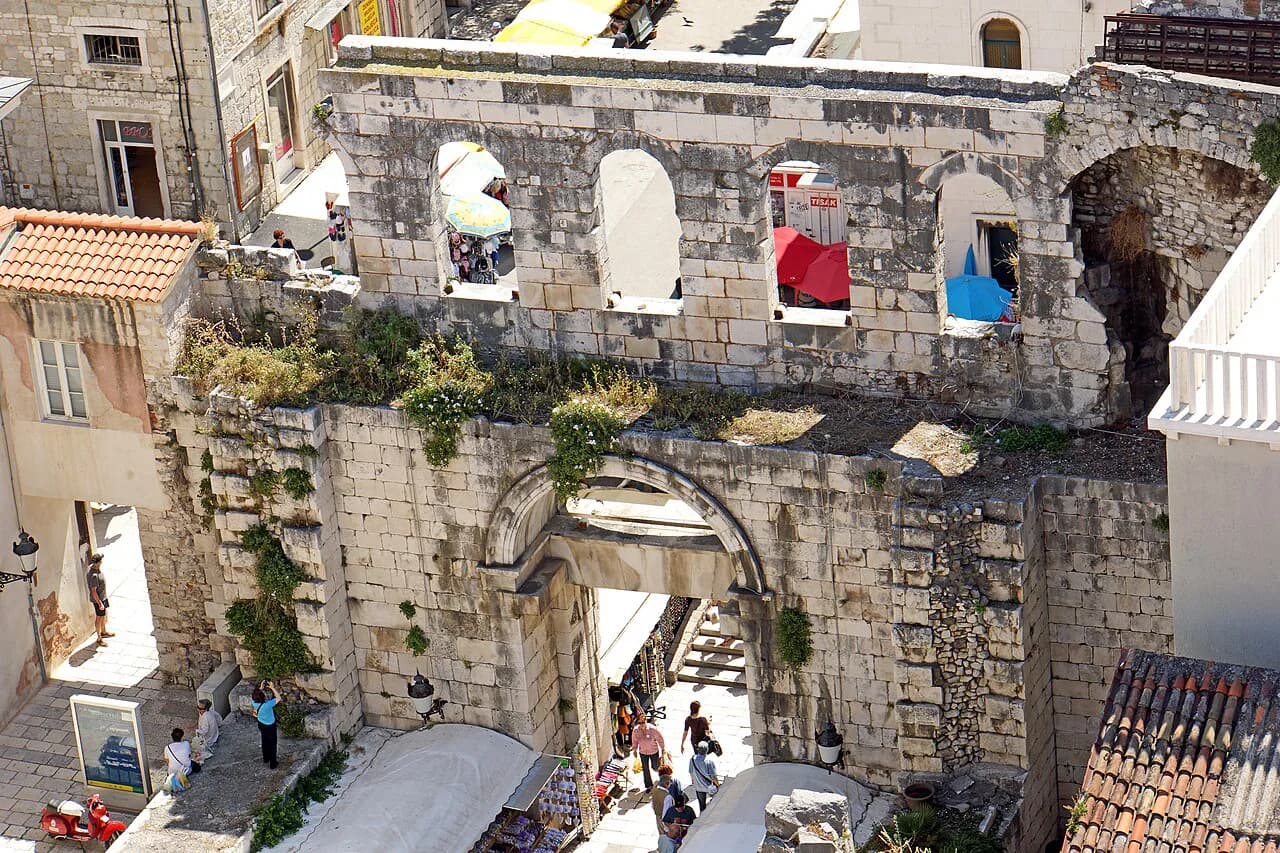
- Enter through the Golden Gate and pause beside the Gregory of Nin statue. Continue south along Diocletianova toward the imperial quarter.
- Reach the Peristyle by about 8:20 a.m. Visit the nearby Vestibule before its circular chamber fills with tour groups and performers.
- Descend into the central cellar passage, then walk toward the Bronze Gate. This exit leads directly onto the Riva and harborfront.
- Return after 7:00 p.m. for the eastern lanes near the Silver Gate. Day-trip groups usually thin as restaurants begin their evening service.
Avoid using midday for detailed photographs around the Peristyle or cathedral entrance. Strong overhead light and concentrated excursion traffic make this the Palace’s busiest period.
For trip-planning details, see Split – Wikivoyage.
Explore hidden gems in other cities
Frequently Asked Questions
What is the most overlooked hidden gem in Split?
Sustipan Park is easy to miss, since it sits past the Riva behind a boatyard. It offers one of the clearest sunset views of the Adriatic and Marjan Hill, and there is no entrance fee.
Is the UNESCO-protected SPAR store actually real?
Yes, a working SPAR grocery inside the Old Town sits in a building old enough to fall under the Palace's UNESCO status. Many visitors walk past without noticing, since the exterior looks like any other small grocery storefront. Confirm current signage on-site, since heritage details around the walls are periodically re-surveyed.
How do you get to Klis Fortress and Salona from Split?
Both sites lie inland from Split toward Solin, reachable by local bus or a short drive. Bring water for Klis, since the fortress sits exposed on a hilltop with little shade. Check current opening hours before setting out, since fortress and ruin schedules shift by season.
What is picigin, and where can you see it played?
Picigin is a shallow-water ball game invented at Bačvice Beach, Split's only sand beach. It is played barefoot in the shallows with a small rubber ball and almost no other equipment. Locals still play it daily in the surf, especially in the early evening.
Should you rent a car to see Split's hidden gems?
Not for the Old Town itself, since the historic core is car-free and nearby parking is limited and largely reserved for residents. A car helps mainly for outlying stops like Salona, Klis Fortress, or Vranjic Village, while everything else works on foot or by local bus.
What's the best time of day to see Split's Old Town without crowds?
Aim to be inside the Palace walls by around 8:15 a.m., before tour groups and cruise passengers fill the Peristyle. This window also gives better light for photos, before the sun sits directly overhead. Early evening works too, once day-trippers head back to their boats.
Explore More Hidden Split
Keep discovering the quieter, stone-laned side of Split with these local guides.
Quarters & nearby
- Split Neighborhoods Guide: Where to Stay and Explore (2026)
- Veli Varoš Split
- Lučac-Manus, Split
- 8 Best Day Trips from Split, Croatia
- Trogir Day Trip from Split: Complete 2026 Itinerary & Transport Guide
- Šolta Day Trip from Split
Secret spots & the outdoors
- Secret Spots in Split: Local Escapes Beyond Diocletian's Palace (2026 Guide)
- Off the Beaten Path in Split: A Local's Guide to Hidden Gems
- 10 Unique Things to Do in Split, Croatia
- Marjan Hill Split: A Complete Guide to Trails, Viewpoints, and Beaches (2026)
- Sustipan Park Split: The Best Sunset Spot in the City
- Cellars of Diocletian's Palace in Split
- Bačvice Beach Split
Food, drink & planning
Continue exploring
More guides you'll find useful