Best Time to Visit Split Without Crowds: A 2026 Season-by-Season Guide
Find the best time to visit Split without crowds, with a month-by-month crowd, weather, and price breakdown for 2026, plus tips to dodge cruise-ship crowds.
On this page
Best Time to Visit Split Without Crowds
Last updated July 2026: the best time to visit Split without crowds falls into two windows, late May through June and September into early October. Sea temperatures stay swimmable then, and the Riva promenade and Diocletian's Palace stay walkable rather than jammed with cruise groups. July and August bring the heaviest crowds, the highest prices, and Ultra Europe's July spike in hotel rates. This guide breaks down each month's trade-offs and shows how to dodge crowds even during a peak-season visit.
Best Time to Visit Split Without Crowds: The Verdict
May, June, and September form the best time to visit Split without crowds. Daytime highs typically run 22-27°C (72-81°F) in these months, and the sea is warm enough for swimming from late May onward. Cruise ship arrivals and coach-tour groups thin out compared to July and August. Foot traffic along the Riva promenade and around the Peristyle stays walkable instead of packed with groups. Late June still carries some risk, since school-holiday travel picks up before the true peak arrives in July. Avoid any date overlapping the Ultra Europe festival, typically scheduled in July, since it spikes both crowds and hotel prices independent of the cruise-ship calendar. Outside that overlap, early July can still work if the travel schedule only allows a narrow window. Weekday arrivals inside these months help too, since even shoulder-season weekends draw day-trippers from inland Croatia.
Split Season Comparison at a Glance
Warmth and lively energy peak together in Split, and quiet, cooler months follow later in the year. The comparison below lines up Split's three broad travel seasons using typical daytime temperatures, crowd levels, and nightly accommodation rates in euros. Cruise-ship days can push any month's crowd level higher for a few hours, even outside peak season. Treat the rate column as a general guide, since individual properties vary.
| Season | Months | Daytime Temp | Crowd Level | Typical Nightly Rate | Sea Swimming |
|---|---|---|---|---|---|
| Peak | July-August | 30°C (86°F) | Very high (cruise ships, Ultra Europe) | €150+ | Yes, warm |
| Shoulder | May-June, Sept-Oct | 22-27°C (72-81°F) | Moderate | €75-€105 | Late May-September |
| Low | Nov-April | 8-13°C (46-55°F) | Low | Under €60 | No |
Peak Season in Split: Why July and August Draw the Biggest Crowds
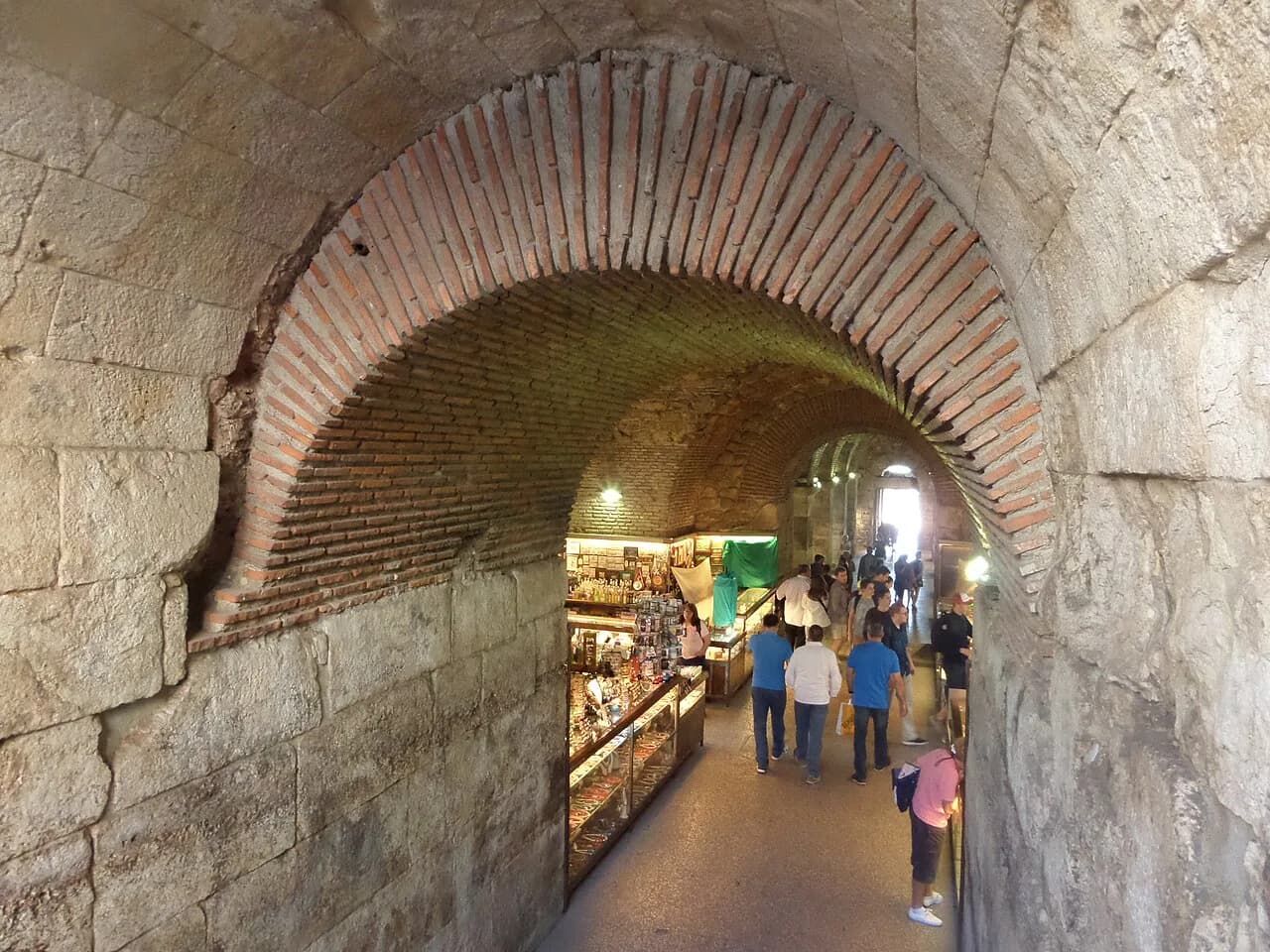
July and August are Split's busiest months by a wide margin. Cruise ships dock through the summer, and passengers flood the Riva promenade and the Peristyle within an hour of stepping ashore. The Split Summer Festival runs from mid-July to mid-August, adding evening performance crowds around the old town. Ultra Europe, typically held in July, pulls in a separate wave of visitors and pushes hotel rates even higher during its dates. Daytime highs often reach 30-31°C (86-88°F), and the cellars of Diocletian's Palace get crowded with tour groups sheltering from the heat. Expect nightly accommodation rates near €150 or higher for anything central. Water taxis and organized excursions also book out fastest during this stretch of the calendar. Booking central Old Town rooms several months ahead is standard practice for these dates.
Shoulder Season in Split: May, June, September and October
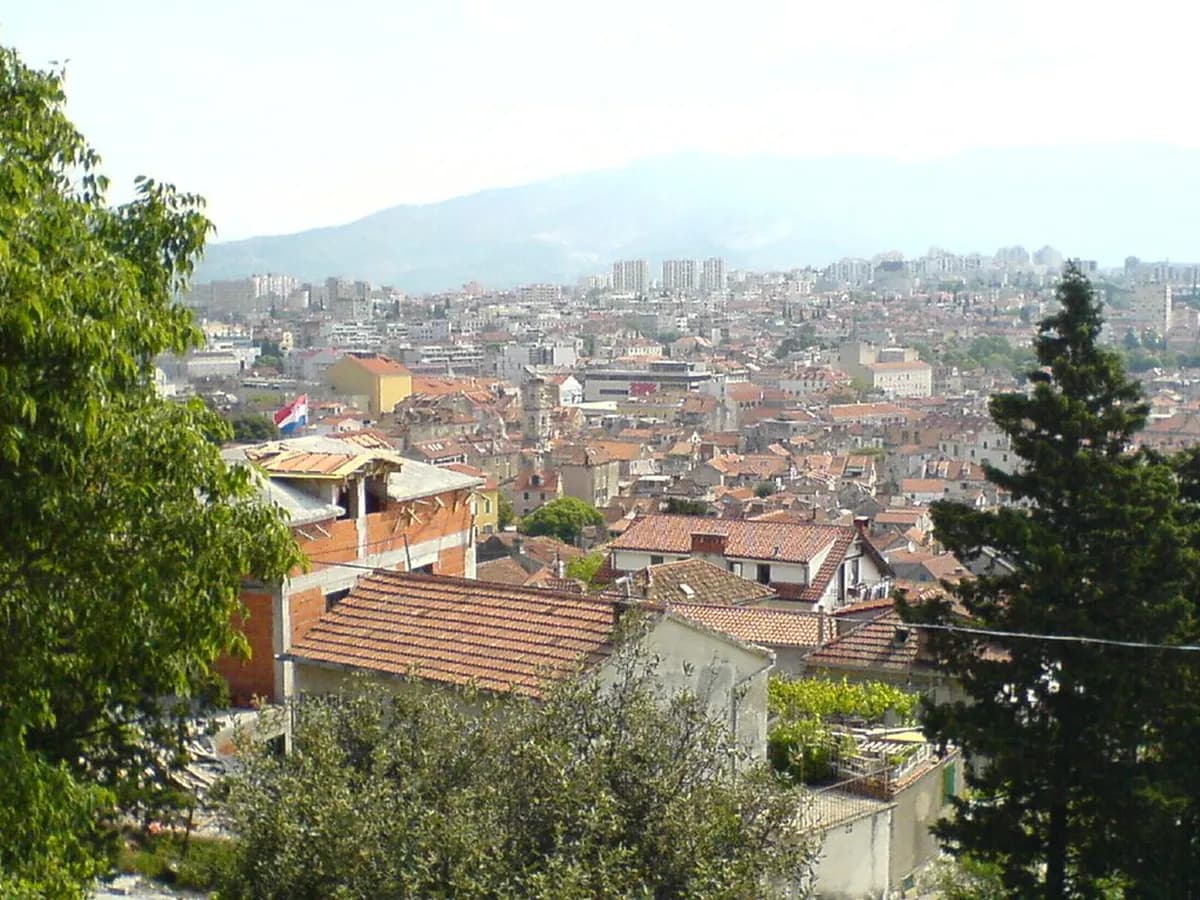
Shoulder season is the practical answer to when to visit Split without crowds. Late May and June bring warm enough water for swimming, with sea temperatures near 22-24°C (72-75°F) by mid-June. September holds similar warmth after the August peak fades, and October cools quickly but still draws fewer coach groups. Accommodation in May and September typically runs 30-50% cheaper than August rates. A night that costs €150 or more in peak season often drops to roughly €75-€105 in these months. Outdoor seating returns to full capacity along the waterfront once May arrives, well before the summer surge. Restaurants and konobas stay open, unlike the seasonal shutdowns that hit deep winter. Museum and site queues shrink too, since tour-bus volume drops noticeably after the second week of September. For a wider sense of the city beyond the old town core, the Split Neighborhoods Guide: Where to Stay and Explore (2026) covers where the crowds thin out first.
September and June both offer swimmable sea temperatures of 22-24°C (72-75°F), yet September arrives after cruise-ship arrivals and coach-tour groups have thinned from August's peak.

Low Season in Split: What November Through April Really Looks Like
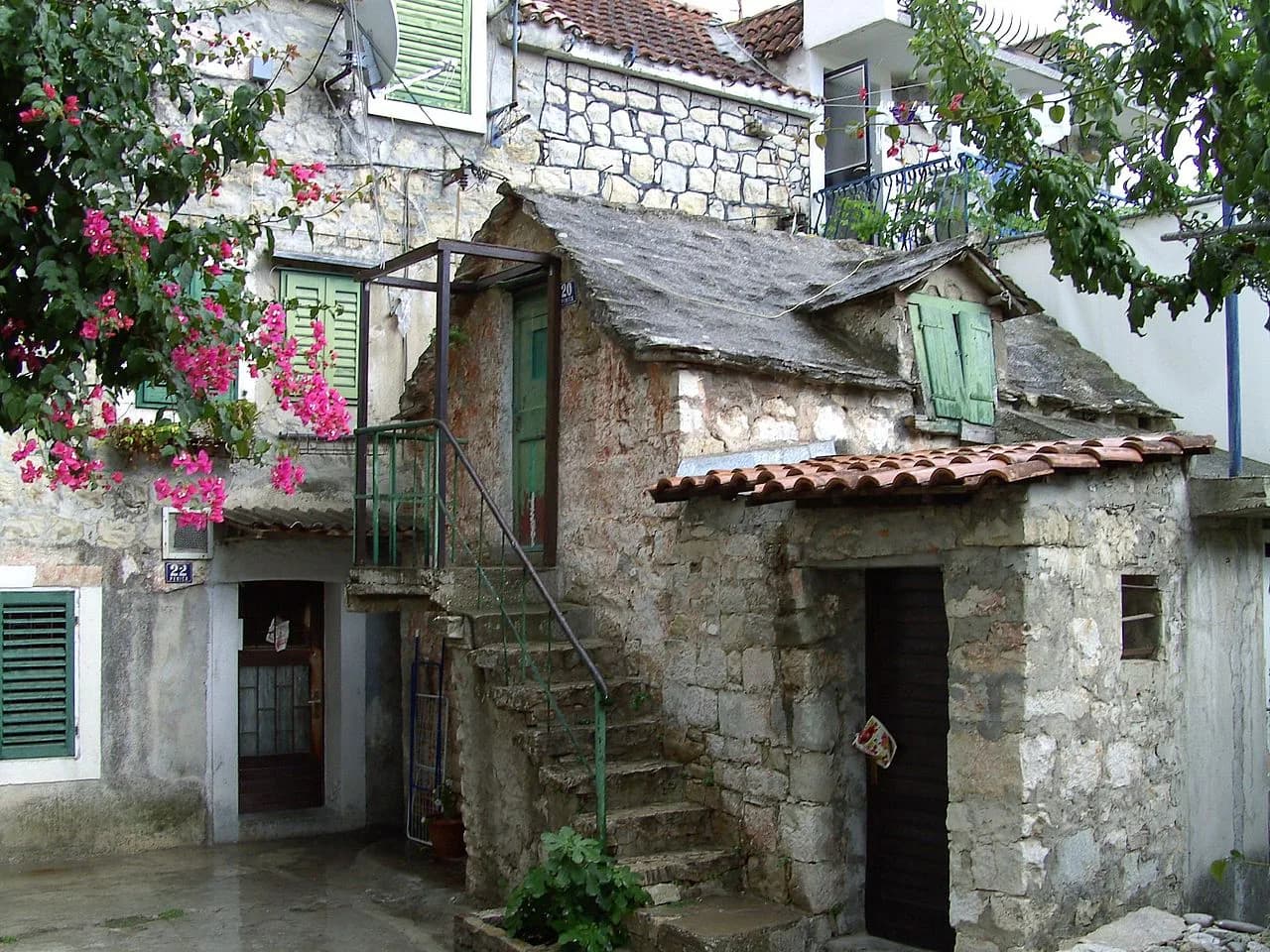
November through April is Split's quiet extreme. Tourist-facing stretches of the Riva promenade and Diocletian's Palace empty out, and many seasonal restaurants close for the winter. Daytime temperatures average 8-13°C (46-55°F), with January and February the coldest stretch and occasional dips below 6°C (43°F). Local life continues in residential pockets away from the water. Veli Varos keeps konobas and bakeries running for residents rather than tour groups. Lucac-Manus stays similarly local through the winter months. Ferry frequency to the islands drops significantly in winter, so day-trip options narrow compared to summer schedules. Public transit schedules also run less frequently in the off-season, which affects trips beyond the historic core. Split isn't shut down in winter, but it trades holiday energy for a slower, local pace. Layered clothing matters more than sun protection in these months, and shorter daylight hours limit sightseeing windows.

Trade-Offs by Season: Cost, Access, and Atmosphere
Each season swaps one advantage for another, and none of the three is entirely free of downsides.
- Peak season (July-August): highest cost, often €150 or more nightly in the Old Town, but every ferry, restaurant, and tour runs on full summer schedules.
- Shoulder season (May-June, September-October): rates typically 30-50% below August, a swimmable sea, and most services still open, with only the busiest cruise days feeling crowded.
- Low season (November-April): the lowest nightly rates of the year, but reduced ferry frequency to the islands and many seasonal restaurants closed.
- Atmosphere: peak season brings festival energy and long evenings on the Riva, while low season brings a quieter, more local rhythm.
How to Dodge Cruise Ship Crowds in Split
Split's daily crowd level often depends more on the cruise schedule than the calendar month. A single large ship can release 3,000 or more passengers into the old town within an hour of docking, filling the Riva and the Peristyle almost instantly. These surges usually clear by mid-afternoon, when passengers return to their ships for departure. Checking the Port of Split's published arrival schedule before a visit shows which days bring multiple ships and which stay clear. A quick scan of the schedule the night before a visit is usually enough to plan around it. Planning a Diocletian's Palace visit around a no-ship or one-ship day cuts crowd exposure regardless of season. Two or three ships docking on the same morning is the scenario worth avoiding most.
Time-of-Day and Day-of-Week Strategy Inside Diocletian's Palace
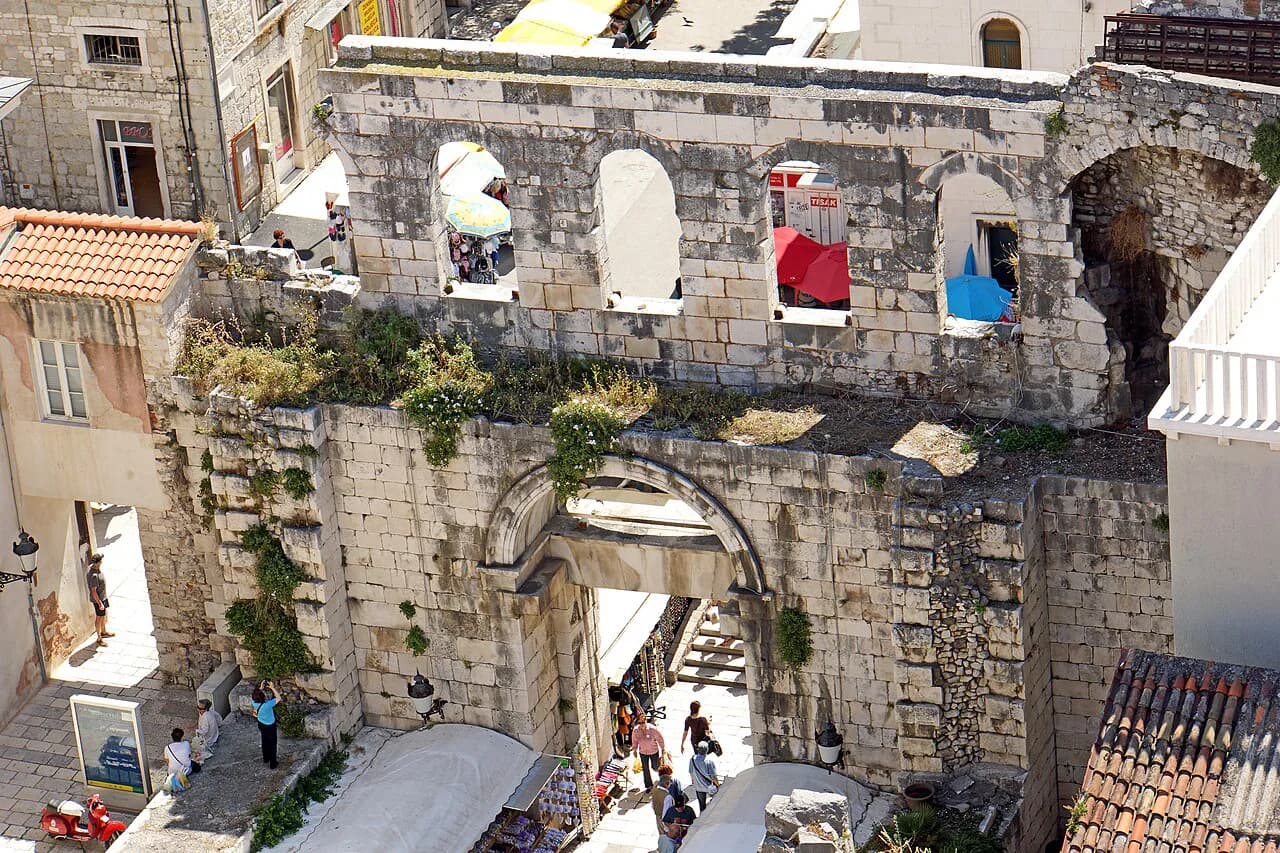
Timing a visit within the day matters as much as picking the right month. Arriving at the Peristyle at sunrise, before cruise groups disembark, gives a clear view of the columns without a crowd. Sunset works well too, especially from Sustipan Park, above the old town and away from the Riva's evening rush. Weekdays are generally quieter than weekends, since weekends draw day-trippers from Zagreb and other nearby regions. A Tuesday or Wednesday visit to the palace complex typically feels calmer than a Saturday, even in shoulder season. Early risers benefit the most, since the palace grounds open to foot traffic well before organized tours arrive. Midday hours, roughly between noon and 3 pm, tend to be the most crowded window inside the palace basement halls.
A single ship releases 3,000 or more passengers within an hour; when combined with the noon-to-3-pm basement-halls peak, skipping midday on port-arrival days avoids the sharpest crowd spike.
Quiet Corners of Split When the Old Town Fills Up
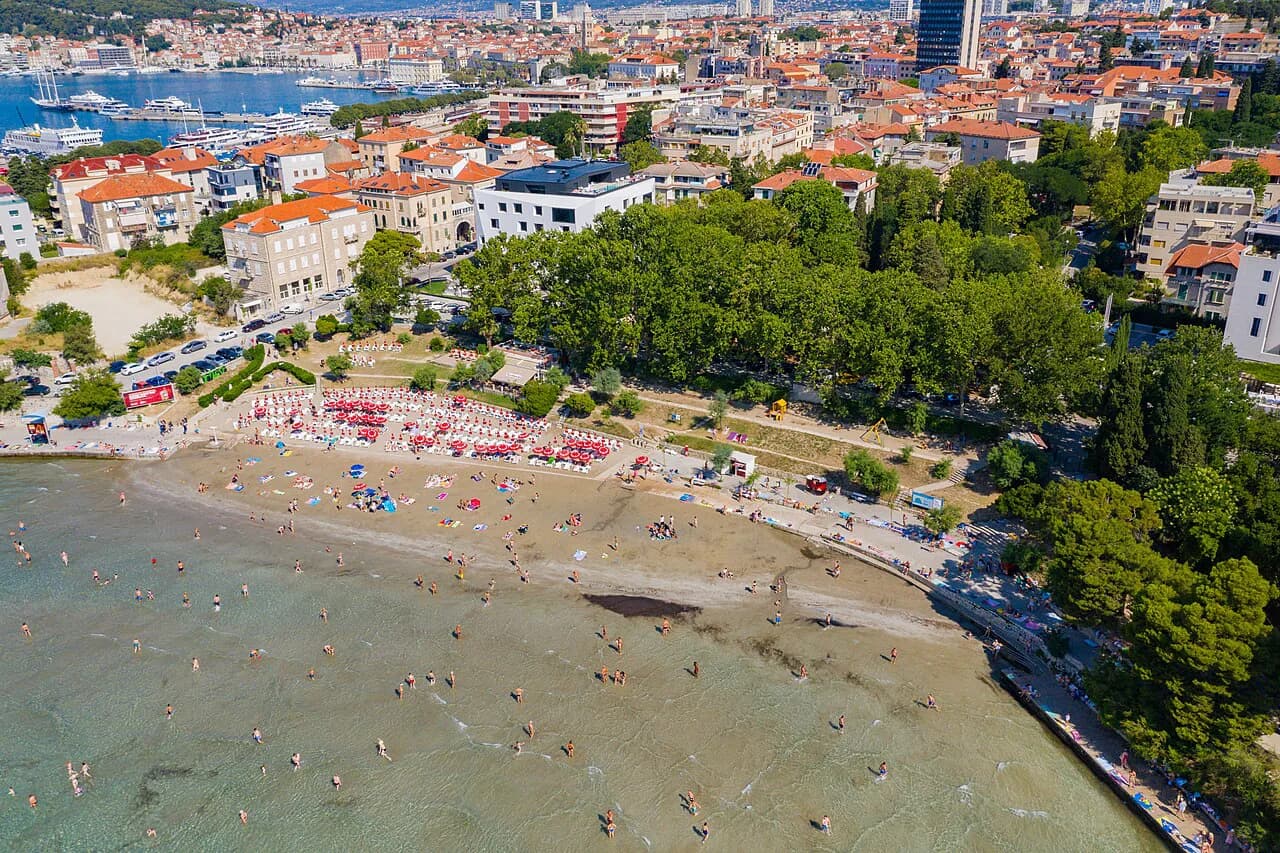
When the old town gets crowded, Split has room to spread out. Marjan Hill offers pine-covered trails and coastline views with a fraction of the foot traffic near the Riva. Bacvice beach fills up fast on summer afternoons, since it sits close to the ferry terminal and draws both visitors and locals. For an alternative, a guide to under-the-radar Split spots lists smaller beaches and viewpoints away from the main crowds. During July and August specifically, a list of secret Split spots is useful for finding space without leaving the city. Combining two or three of these spots into one loop keeps a full day interesting without backtracking through the busiest lanes. None of these alternatives require a car or a ferry ticket, which keeps the option open even on a short layover day.
Island Day Trips Without the Crowds
Hvar draws heavy day-trip crowds all summer, with ferries and catamarans arriving throughout the day. A trip to Solta island offers a quieter alternative, with smaller villages and far fewer tour groups. Trogir is manageable too, if timed for early morning or late afternoon, after the main coach tours have moved on. For more low-crowd alternatives beyond these two, the roundup of 8 Best Day Trips from Split, Croatia (2026 Travel Guide) covers additional routes and seasonal ferry notes. Morning departures from Split's ferry terminal are typically calmer than midday sailings in every season. Winter travelers should expect fewer sailings across all these routes. Checking the current ferry timetable before planning a day trip is worth the extra step.
Dining and Local Life Around the Calendar
Crowd levels change how easy it is to get a table in Split. During July and August, the 8 Best Local Restaurants in Split: Where Locals Actually Eat (2026) often need reservations days in advance. In shoulder and low season, walk-ins are far more common, even at popular spots. The Split Local Food Guide: Where to Eat Like a Local in 2026 is useful for locating konobas tucked away from the main tourist thoroughfares, where menus and prices stay steadier year-round. Market stalls near the palace walls also thin out noticeably once the cruise-heavy afternoon hours pass. Travelers on a tighter budget can pair a quiet-season trip with the Free Things to Do in Split: A 2026 Budget Guide list. Walking routes and viewpoints cost nothing, regardless of month. The 10 Unique Things to Do in Split, Croatia (2026 Guide) guide fills out an itinerary without adding to Riva-side congestion. The off-the-beaten-path in Split guide works well for a second or third visit to the city. Evening reservations in the shoulder months rarely need more than a day or two of notice.
Quick Planning Checklist for a Low-Crowd Split Trip
Pulling the guidance above into a short checklist makes booking dates faster.
- Target late May, June, or September for the best mix of warm weather and thin crowds.
- Check the Port of Split's arrival schedule and avoid days with two or more ships docking.
- Avoid dates that overlap the Ultra Europe festival, typically held in July, unless attending it is the goal.
- Visit the Peristyle at sunrise, and save sunset for Sustipan Park instead of the Riva.
- Book central Old Town accommodation as early as possible for July and August dates.
- Confirm island ferry schedules in advance for November-April trips, since frequency drops sharply.
Frequently Asked Questions
What is the single quietest month in Split?
January and February are typically the quietest months in Split, with daytime temperatures often near 8-10°C (46-50°F). Most seasonal restaurants and some boat tours close for the winter, so pair the quiet with realistic expectations about what stays open.
Can you swim in Split during the shoulder season?
Late May and September are usually viable for swimming, with sea temperatures commonly reaching 22-24°C (72-75°F). Early May and October run cooler and suit a short dip better than a long swim.
Is Split "dead" in the winter?
Split isn't dead in winter, but it shifts away from tourist rhythms. The Riva promenade quiets down, while residential neighborhoods keep local bakeries and konobas running year-round. Expect a slower, more local pace rather than an empty city.
How do I avoid cruise ship crowds specifically?
Check the Port of Split's published arrival schedule before planning each day of a visit. Days with zero or one ship docking are far calmer than days with two or three. Early morning, before roughly 9 or 10 am, is usually the clearest window regardless of how many ships are in port.
Does the Ultra Europe festival affect crowd levels?
Yes. Ultra Europe, typically held in July, adds a separate wave of visitors on top of the regular summer crowds. Hotel rates and foot traffic both spike during its dates, so travelers focused on avoiding crowds should plan around it specifically.
Continue exploring
More guides you'll find useful