Trogir Day Trip from Split: Complete 2026 Itinerary & Transport Guide
Planning a Trogir day trip from Split? Compare bus 37, ferry, and coach options, follow a stage-by-stage itinerary, and dodge the bridge traffic trap.
On this page
Trogir Day Trip from Split: The Complete 2026 Itinerary
Last updated July 2026, a Trogir day trip from Split ranks among the easiest half-day escapes on the Dalmatian coast. City bus 37 covers the walled old town in about 30 minutes. Radovan's Portal at St Lawrence Cathedral, the Kamerlengo Fortress ramparts, and the palm-lined Riva fit inside a UNESCO-listed core small enough to walk end to end in under an hour.
At a Glance: Is a Trogir Day Trip from Split Worth It?
Trogir sits about 28 kilometers (17 miles) northwest of Split, close enough for a half-day trip with no overnight stay required. Door-to-door travel runs 30 to 60 minutes, depending on whether you catch bus 37, a coach, or drive across the Ciovo bridge during July traffic. Plan for 4 to 6 hours on the ground to cover the cathedral, the fortress, the Riva, and a proper lunch without rushing. History buffs, architecture fans, and travelers wanting a slower pace than Split's Diocletian's Palace crowds get the most from the stop. The Riva alone stretches the full length of the Old Town, from the harbor gate to the fortress walls, so orientation rarely takes more than a glance at a map. Short on a full afternoon instead? Exploring under-the-radar spots in Split itself may suit a tighter schedule better.
- Distance from Split: about 28 km (17 miles) one-way.
- Travel time: 30 to 60 minutes depending on transport.
- Time to budget in town: 4 to 6 hours.
- Best fit: history and architecture fans, plus travelers wanting a break from Split's old-town crowds.
Trogir Day Trip from Split: Transport Decision Matrix
Four realistic ways connect Split to Trogir, and each trades speed for cost or comfort. Sukoišanska bus hub, not Split's main harborside station, is the departure point for local bus 37 — mixing up the two stops is the most common planning mistake. Bus 37 also calls at Split Airport en route, which works well for travelers landing early or catching a late flight home. Coaches instead leave from the Main Bus Station (Autobusni Kolodvor) opposite the ferry port, moving faster than the local line. The Bura Line ferry is the scenic pick when it runs, departing from a pier near the Riva rather than the main harbor terminal, though service narrows outside the summer season. Drivers face a different problem: a single bridge links Trogir's islet to Ciovo and the mainland, and it bottlenecks hard in peak summer. That bottleneck stacks two kinds of traffic on one crossing: day-trip cars heading into the Old Town and beach traffic continuing on to Ciovo. What should be a 30-minute drive can turn into a 90-minute ordeal in July and August.
| Option | Departure Point | Journey Time | Typical Cost | Best For |
|---|---|---|---|---|
| Bura Line ferry | Pier near the Riva, Split | Seasonal, confirm current schedule | Seasonal fare — check operator | Scenic approach, no road traffic |
| Local bus 37 | Sukoišanska bus hub | About 30 minutes | Around €3 one-way | Budget travel, airport stopovers |
| Intercity coach | Main Bus Station (Autobusni Kolodvor) | Faster than bus 37 | Priced above the local bus fare | Comfort, fewer stops |
| Drive or rideshare | N/A | 30 min off-peak; up to 90 in Jul/Aug | Parking fees plus fuel or fare | Flexibility outside peak season |
A Full Day in Trogir: Stage-by-Stage Itinerary
Trogir's Old Town packs a full day of sights into one walkable loop, so sequencing stops in order avoids backtracking. Narrow lanes here echo the stone-and-shutter feel of Split's Veli Varoš neighborhood, though Trogir's grid sits entirely inside medieval walls. For a wider read on how Split's own districts compare, the guide to Split's neighborhoods covers the mainland side of that same architectural story. Some travel accounts compare Trogir's Venetian-era architecture to Venice itself, but the town has no canals. Expect stone streets and a working harbor, not waterways. Most of the walking stays inside a core no larger than a few blocks in each direction, so comfortable shoes matter more than stamina. Follow the stages below in order for one unhurried day trip.
Starting your visit at about 9:00 am, as the itinerary suggests, aligns with the best photography conditions when early morning light illuminates the stone facades along the Riva without midday glare.
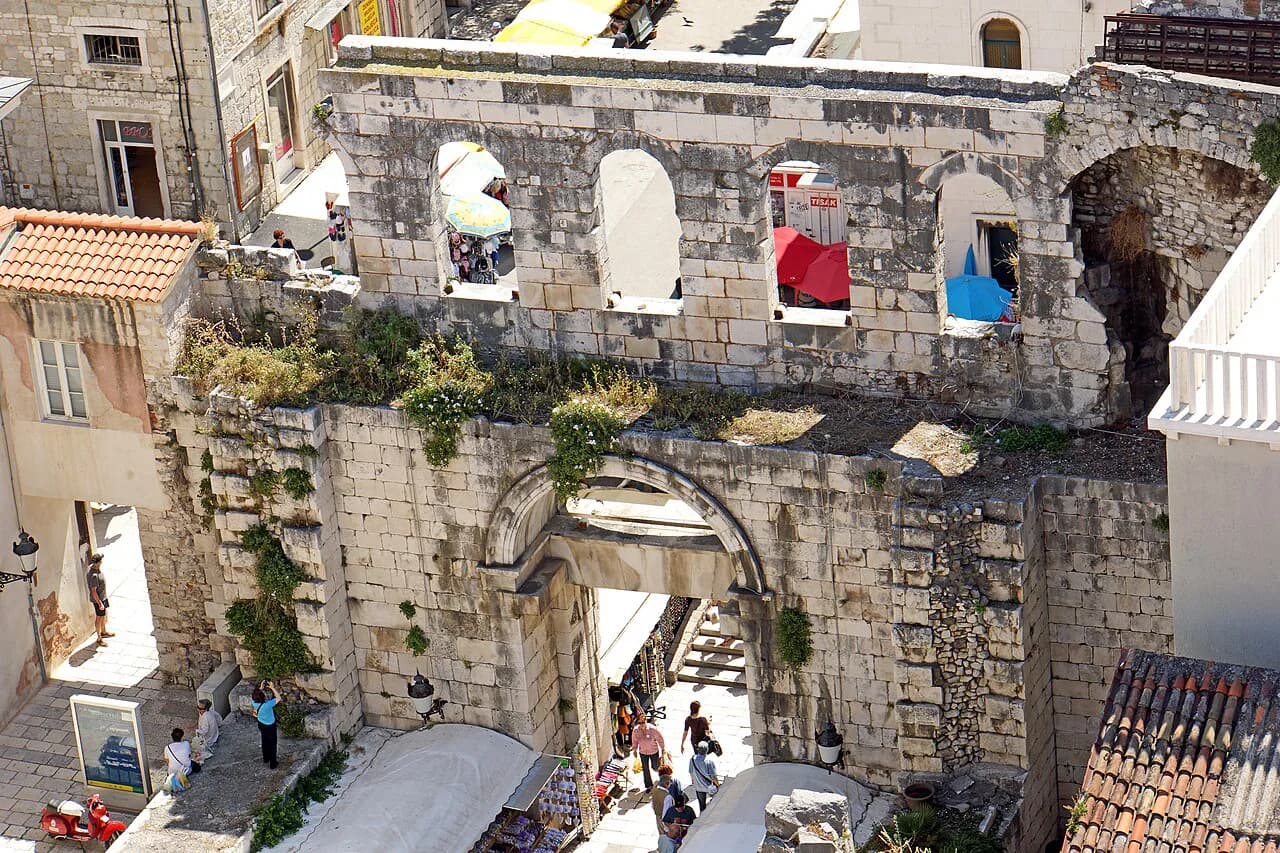
- Land Gate and the mainland market, about 9:00 am. Cross the bridge into the walled core; a fruit-and-vegetable market often runs just outside the gate on the mainland side.
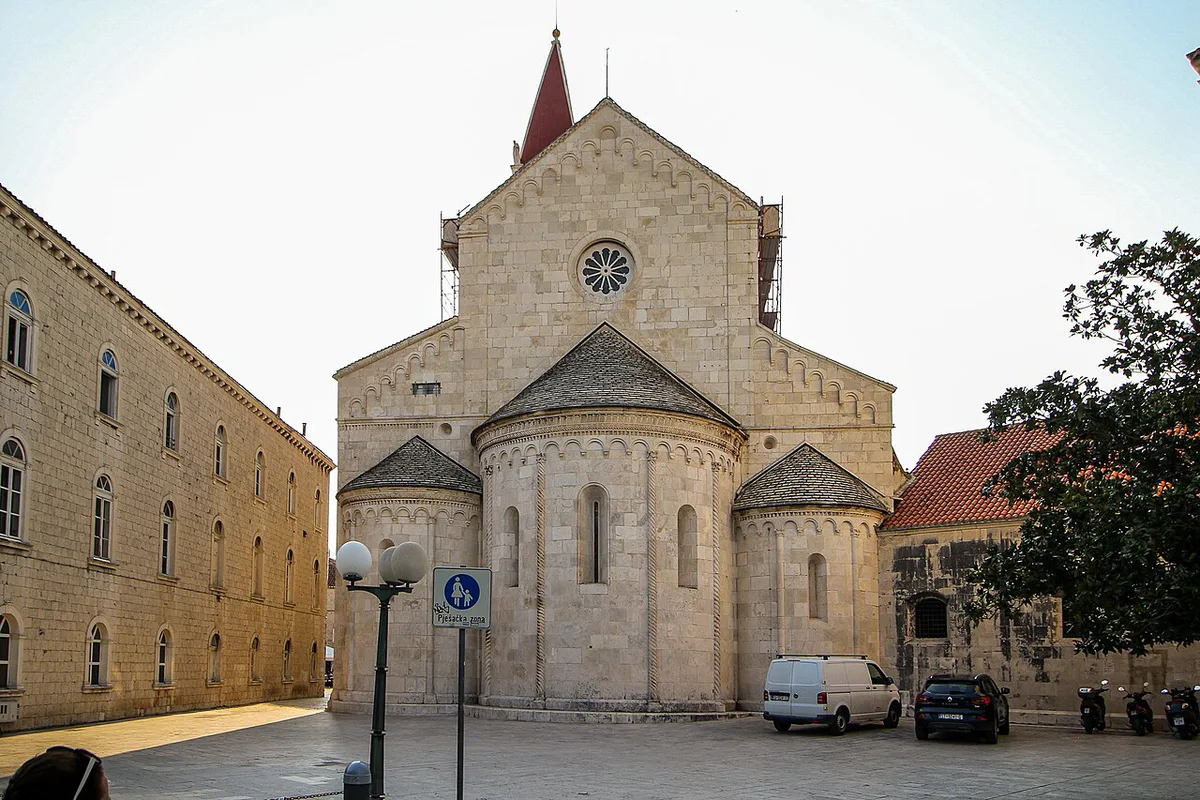
- St Lawrence Cathedral and Radovan's Portal, about 9:30 am. The carved main doorway blends Romanesque arches with Gothic figures, the reason architecture-focused visits build in extra time here.
- Climb the Bell Tower, about 10:30 am. Steps lead to a platform above the rooftops and the Loggia's clock tower opposite; check footing on the stairs, since they narrow near the top.
- Loggia and Clock Tower, about 11:00 am. The open-sided Loggia once served as the town's courtroom and public meeting hall, with the Clock Tower marking the hour on the same stone facade.
- Wander the Old Town backstreets, about 11:30 am. Stone alleys, shuttered windows, and quiet squares fill the interior; a moped is often the only traffic you will meet.
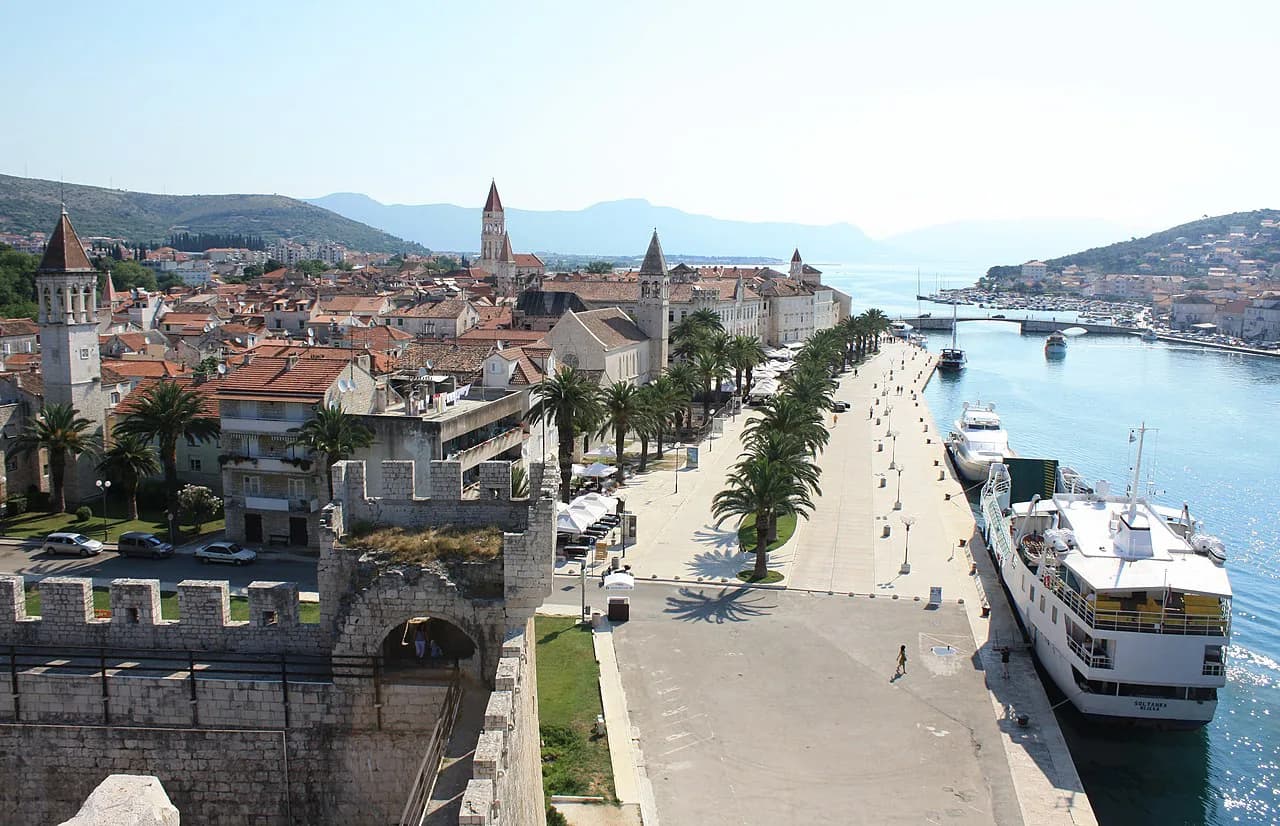
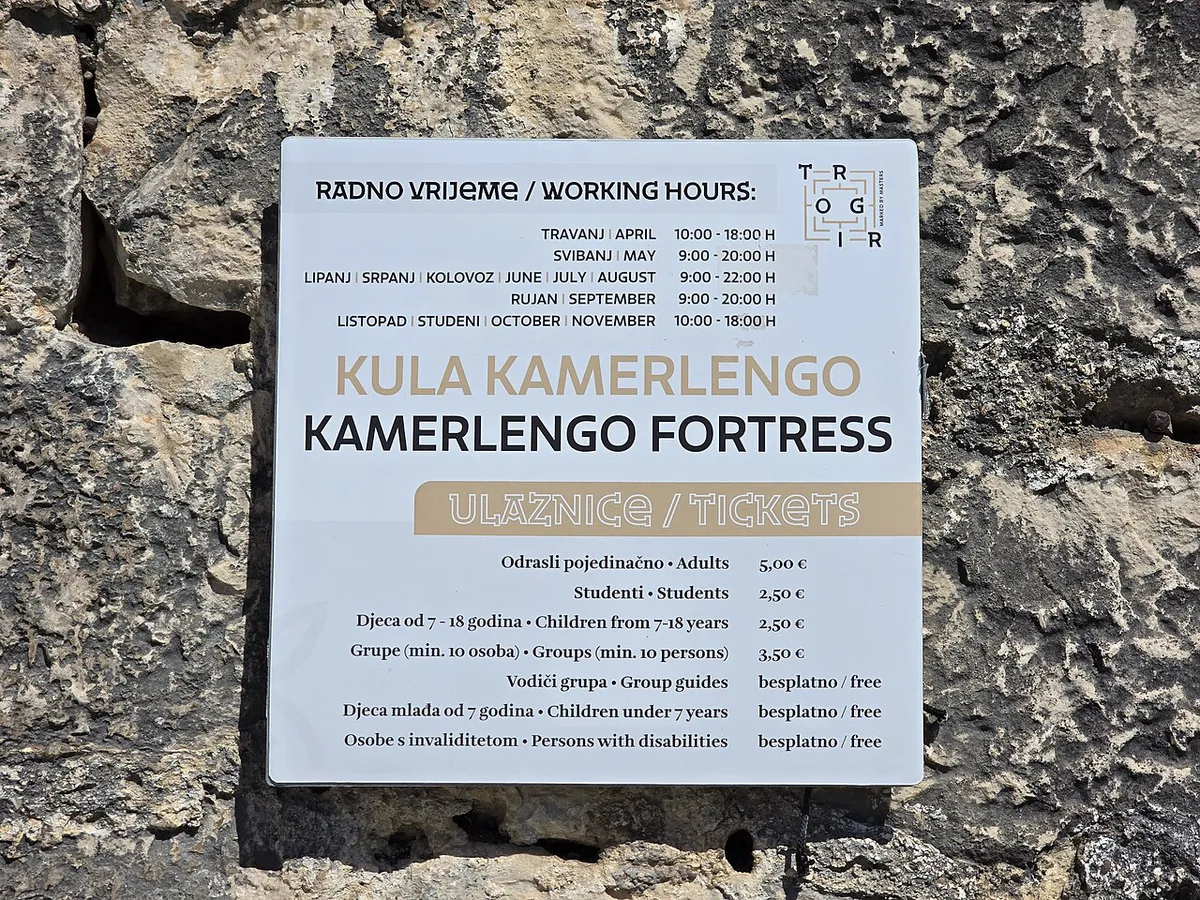
- Kamerlengo Fortress and the Riva, about 1:00 pm. The rampart walk is the main reason to pay the fortress entrance fee, since most exterior walls are visible free from the Riva. Along the outer waterfront walk, a small stone shelter built against the town wall carries local lore as a refuge for travelers who missed the gates' 11 pm closing in past centuries, now a souvenir stall. The palm-lined Riva runs the length of town, from the harbor gate to the fortress walls.
- Optional Ciovo Island extension, mid-afternoon. Cross the bridge on foot or by short rideshare for beach time before heading back to Split.
Beyond the Old Town: Ciovo Island and the Blue Lagoon
A short bridge crossing puts Ciovo Island within easy reach for travelers who want swim time after the stone streets. Rideshares cover the crossing in about 10 minutes, and walking takes a bit longer in midday heat. Laganini Beach Club operates on Ciovo's shore with loungers and a bar, a beach-club alternative to the Old Town's cobbled lanes. Half-day speedboat tours bundle the Old Town with swimming at the Blue Lagoon near Krknjaši. Compare at least two operators, since bundled boat routes typically price higher than a standalone town visit. Swimming conditions at Krknjaši differ from the harbor water directly off Trogir's Riva, which is part of why operators sell the two as a single ticket. Travelers weighing island time against Old Town time might also compare a day trip to Šolta, which trades medieval streets for a quieter island pace.
- Bridge crossing: about a 10-minute rideshare, longer on foot in midday heat.
- Laganini Beach Club: loungers and a bar directly on Ciovo's shore.
- Blue Lagoon speedboat combo: half-day tours pairing Trogir with Krknjaši swimming, priced by operator.
Where to Eat in Trogir: Riva Terraces vs Backstreet Konobas
Restaurants directly on the Riva charge a premium for the water view and see the highest turnover of day-trippers, which is not always where the kitchen tries hardest. Backstreet konobas tucked into the Old Town's lanes tend to serve the same Dalmatian staples, including grilled fish, black risotto, and pršut, at a steadier pace. One frequently mentioned backstreet option sits away from the main square entirely, reachable only on foot through the narrow lanes, which keeps it clear of Riva foot traffic. For a snack instead of a full meal, look for rafioli, a Trogir pastry filled with almond paste and less sweet than it looks. Menus posted outside Riva restaurants tend to run higher than nearly identical dishes one or two streets back, a pattern common across Adriatic old towns. Split's own restaurant scene follows a similar split between tourist-facing waterfront spots and backstreet regulars, covered in the Dalmatian food picks in Split guide. Booking a lunch table matters most in July and August, when Old Town restaurants fill quickly.
Trogir vs Split vs Šibenik: Where to Spend Your Time
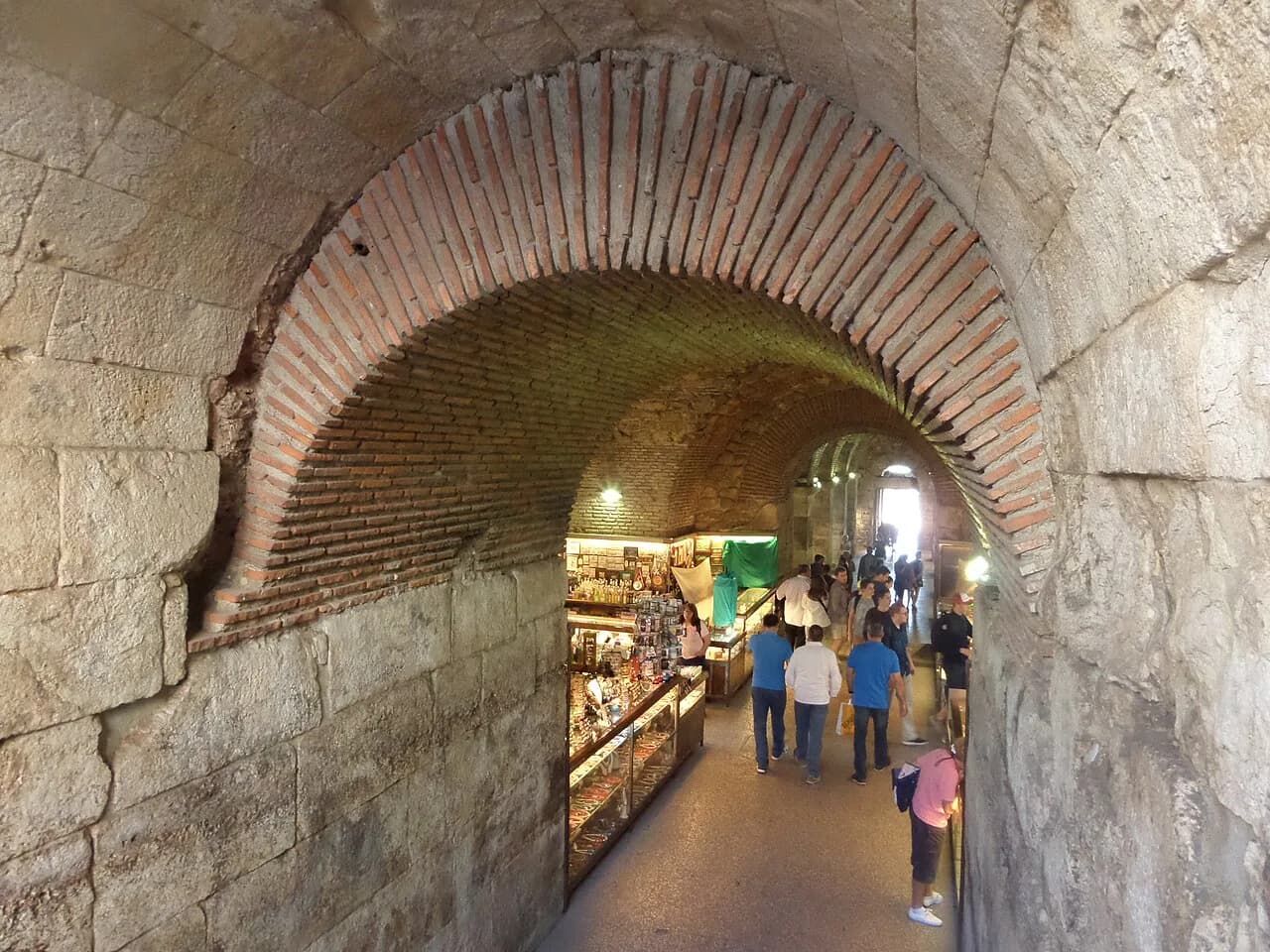
Trogir's entire Old Town is walkable in under an hour, which makes it the tightest half-day option of the three. Split's own historic core centers on Diocletian's Palace, including the Diocletian's Palace cellars. That Roman substructure reads as a different architectural era than Trogir's Venetian-era streets, so treat the two towns as complements rather than competing versions of the same trip. Šibenik sits farther from Split than Trogir and needs a longer travel window, which makes it a better fit for a dedicated day or an overnight stay rather than a bolt-on half-day. Travelers with only one extra day beyond Split typically get more variety from Trogir's half-day format than from a longer Šibenik detour. Use the table below to match each option to the time actually available.
| Destination | Distance/Time from Split | Signature Landmark | Best Fit |
|---|---|---|---|
| Trogir | ~28 km, 30–60 min | St Lawrence Cathedral & Kamerlengo Fortress | A tight half-day trip |
| Split Old Town | No travel required | Diocletian's Palace cellars | Half a day with zero transit time |
| Šibenik | Farther than Trogir; longer transit | St James Cathedral | A dedicated day or an overnight stop |
Practical Tips for a Trogir Day Trip: Timing, Packing, and Combining with Klis
Photography works best in the early morning or the last hour before sunset, when the stone facades along the Riva catch soft light instead of midday glare. The same shoulder-season logic covered in the best time to visit Split guide applies here, since Trogir gets its own coach and cruise-excursion crowds around midday in peak summer. Cobblestones throughout the Old Town turn slippery when wet and stay uneven underfoot even when dry, so flat, closed-toe shoes work better than sandals. Pack sun protection for the exposed Riva walk and swimwear if Ciovo's beach clubs are part of the plan. Confirm cathedral and bell tower opening hours directly at the ticket window, since seasonal hours shift between summer and the shoulder months. Combining Trogir with Klis Fortress in the same day is realistic only with a car or a private tour. The two sites sit in different directions from Split's public transit hubs, which rules out a two-stop public-transit day. The Split's less-visited corners guide covers Klis in more depth for travelers weighing that add-on.
The Ciovo bridge backs up hardest between 10 am and 6 pm in July, when travel stretches from 30 minutes to 90 minutes; timing arrival before 9 am bypasses the congestion entirely.
- Closed-toe, flat-soled shoes for uneven and wet cobblestones.
- Sun protection for the exposed Riva walk and Old Town squares.
- Swimwear and a light towel if Ciovo's beach clubs are part of the plan.
- A refillable water bottle, since shaded rest spots are limited inside the walls.
For trip-planning details, see Trogir – Wikipedia.
Frequently Asked Questions
Is 3 hours enough for a Trogir day trip from Split?
Three hours covers the cathedral, bell tower, Loggia, and a Riva stroll comfortably. It is not enough time to add Ciovo Island's beach clubs or a sit-down lunch without rushing.
How do you get from Split to Trogir?
Local bus 37 leaves from the Sukoišanska hub and takes about 30 minutes. An intercity coach runs from the Main Bus Station. A seasonal ferry departs near the Riva, and driving works outside peak summer traffic.
Can you combine Trogir and Klis Fortress in one day?
Only with a car or a private tour, since the two sites sit in different directions from Split and public transit does not link them directly. Budget extra time for the bridge traffic if driving in July or August.
What is the best time to visit Trogir to avoid crowds?
Early morning, before the coach tours and cruise excursions arrive, works best. The last hour before sunset also brings softer light on the Riva and fewer groups. Shoulder-season months bring smaller crowds than the peak of July and August.
Do you need cash in Trogir, or does everywhere take cards?
Cards are widely accepted in restaurants and shops within the Old Town, but small souvenir stalls may prefer cash. Carrying a small amount of euros covers any gaps.
What should you know about driving to Trogir in peak season?
Parking inside or near the Old Town is scarce, and the Ciovo bridge backs up hardest between roughly 10 am and 6 pm in July and August. Arriving before 9 am or after 5 pm avoids most of that congestion.
Continue exploring
More guides you'll find useful