Veli Varoš Split: A Complete Guide to the Old Fisherman's Quarter
Discover Veli Varoš, Split's historic fisherman's quarter: medieval churches, Marjan Hill access, local konobas, and 2026 logistics for stairs, parking, and stays.
On this page
Veli Varoš, Split: The Complete Neighborhood Guide
Last updated July 2026. Veli Varoš is Split's old fisherman's and stonemasons' quarter, climbing the southern slope of Marjan Hill just northwest of Diocletian's Palace. This guide to Veli Varoš in Split covers what to see, the staircase logistics, where to eat and sleep, and how it compares to staying inside the Palace walls.
Why Veli Varoš Is Split's Oldest Fisherman's Quarter
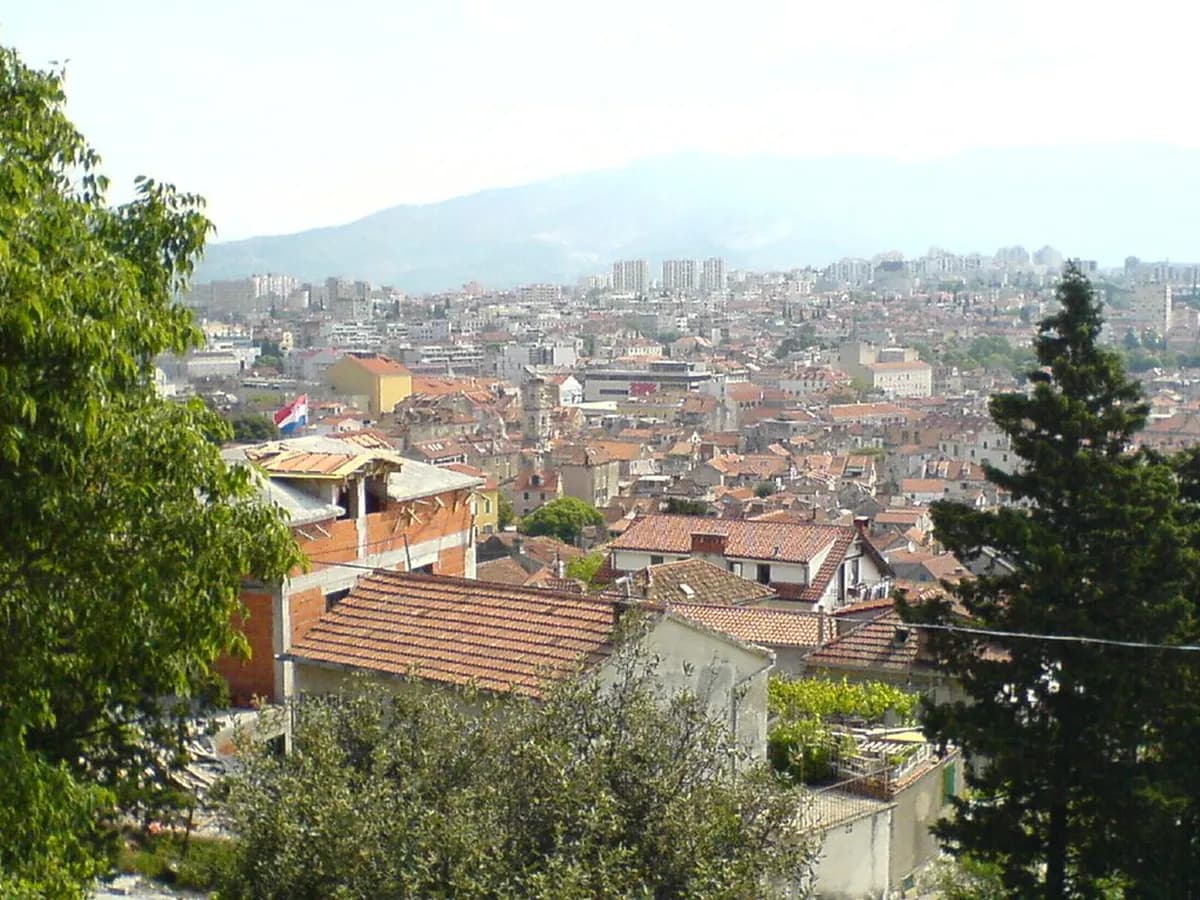
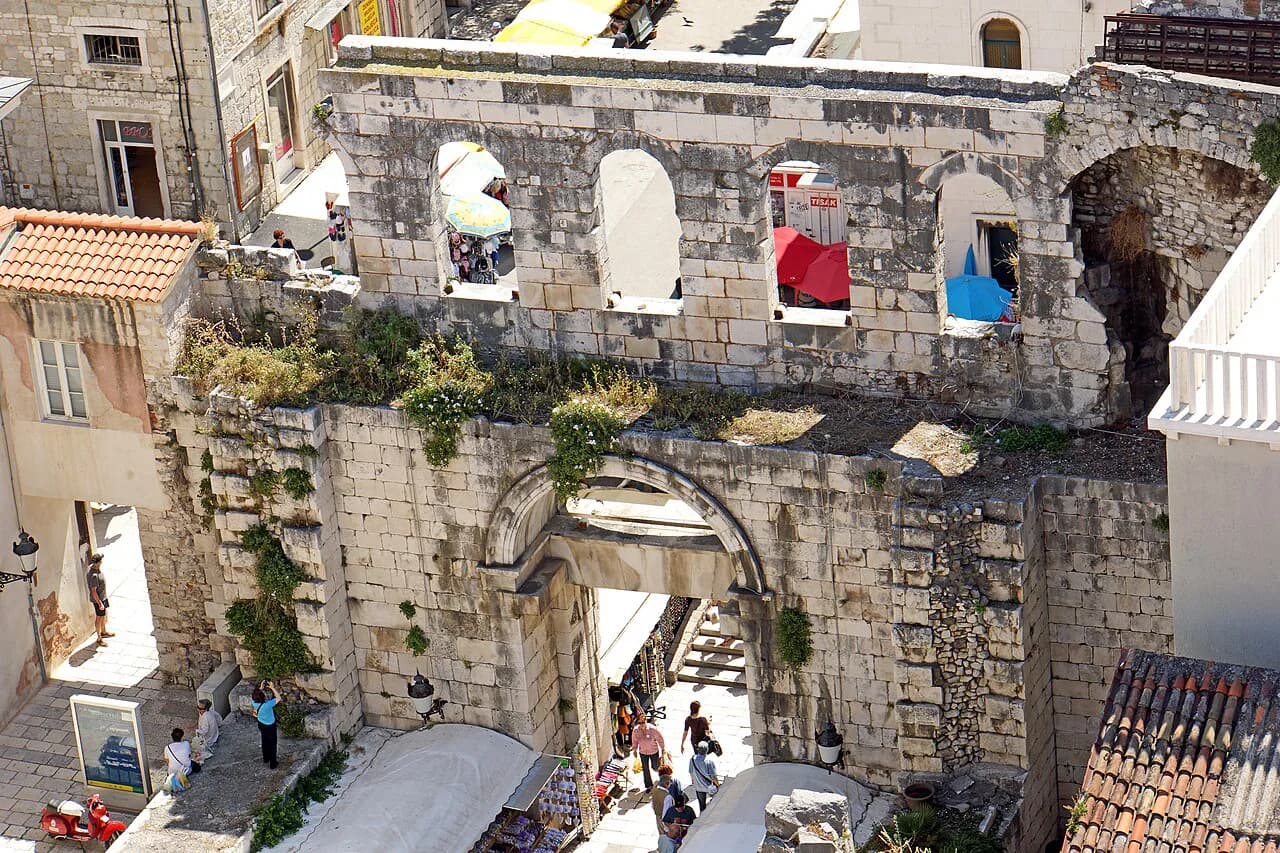
Split's historic core sits between two old suburbs, each competing for the title of oldest quarter. Local tourism officials describe them as a historical sandwich around Diocletian's Palace. Veli Varoš climbs the southern slope of Marjan Hill on one side. The Lučac neighborhood holds the opposite flank, rooted in the old Illyrian settlement of Radunica. Fishermen and farmhands built Veli Varoš from the late 17th century onward, stacking stone houses along streets barely wide enough for two people to pass. Real estate here now ranks among the most sought-after in Split, though the working-class street layout survives largely unchanged. A Split Neighborhoods Guide: Where to Stay and Explore (2026) maps how every quarter fits together, useful for travelers deciding where to base themselves. Visitors tired of Palace-area crowds often treat Veli Varoš as the answer, and the Split hidden gems guide frames it exactly that way.
Top Things to See in Veli Varoš
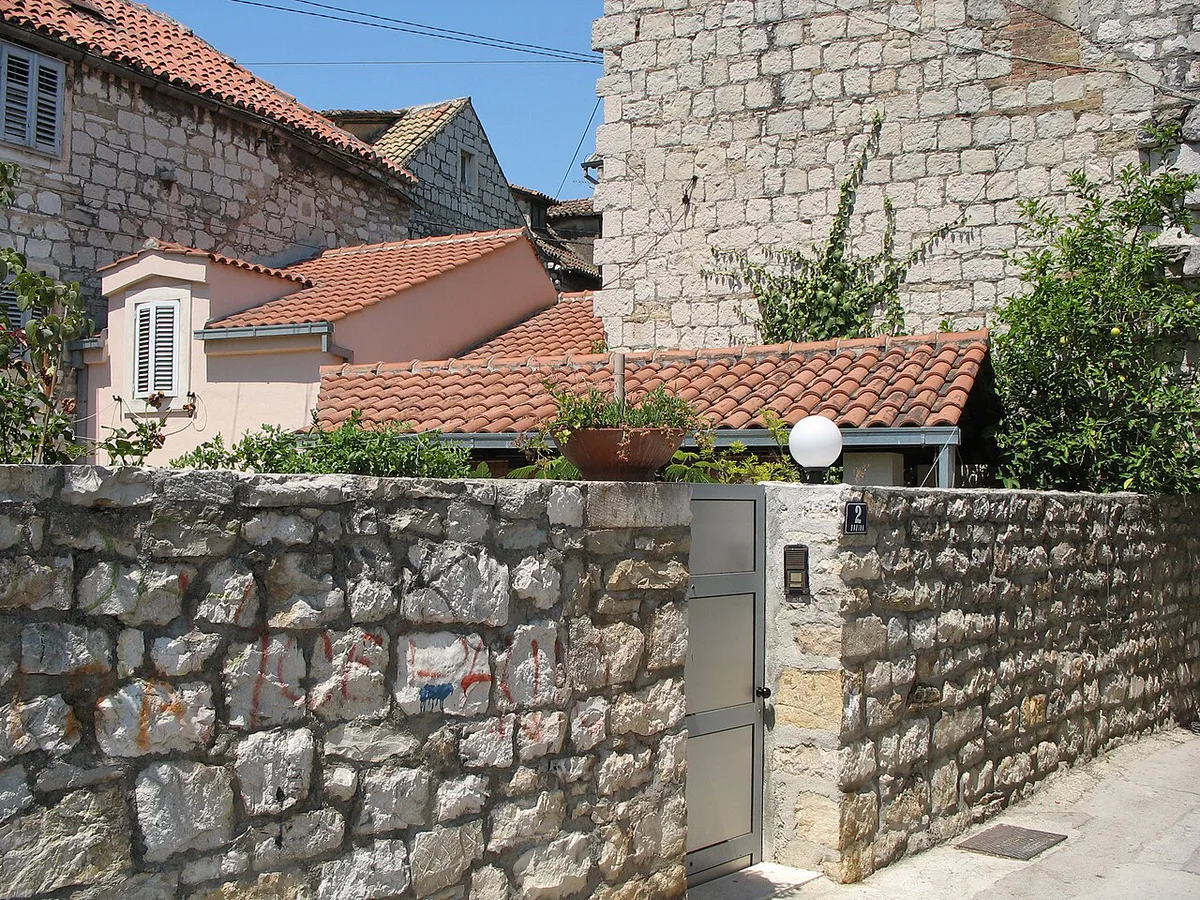
Four landmarks anchor most walks through Veli Varoš. Long before real estate prices climbed, visiting-split.com describes the quarter's predominantly working-class history, still visible in the modest scale of its stone houses. Covering all four sites on foot takes about two hours at an easy pace.
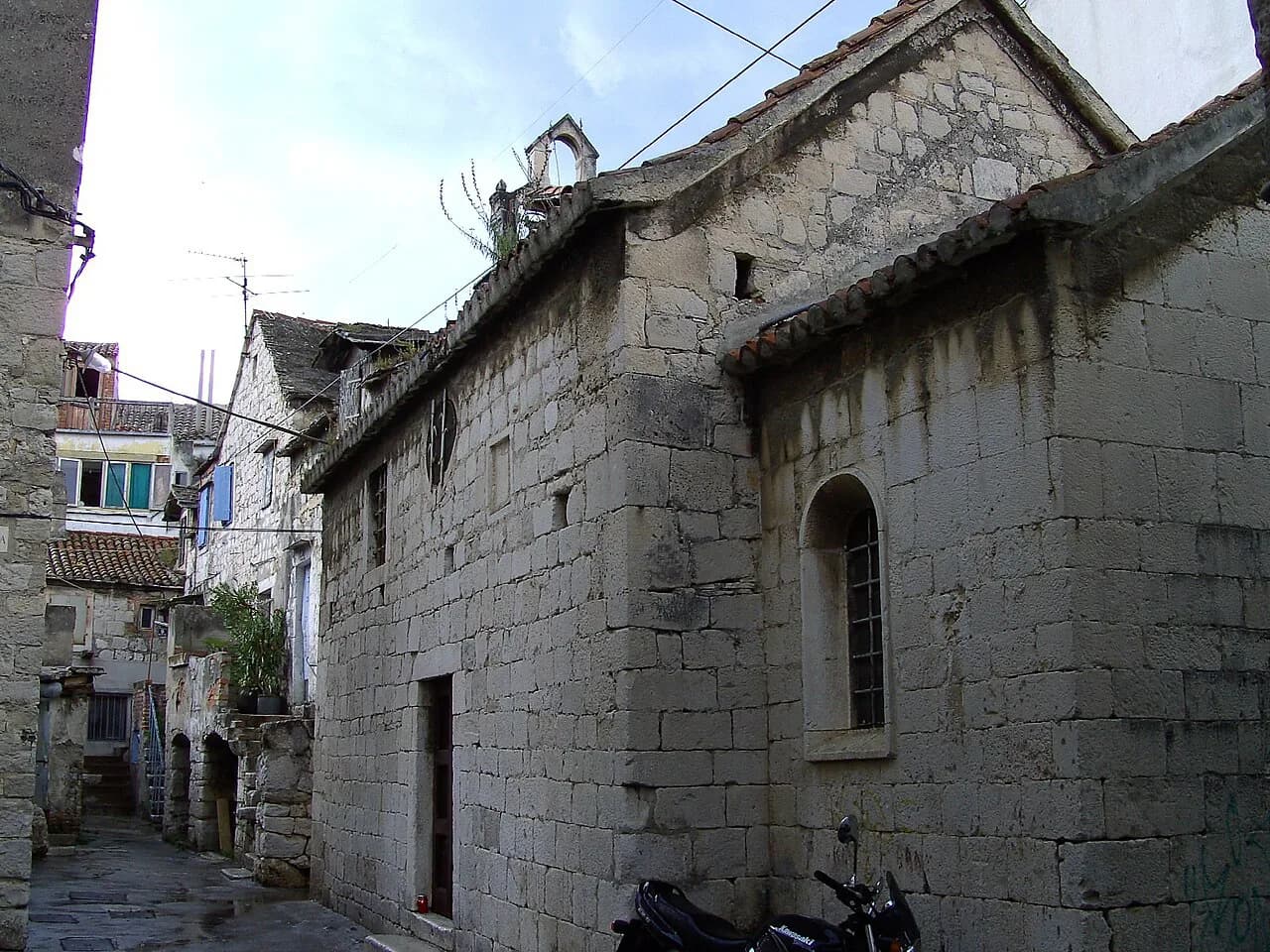
- Church of St. Nicholas (Sv. Mikula): an 11th-century Pre-Romanesque church with a portal carved with lionesses, naming the citizen Ivan and his wife Tiha. The interior stays closed to the public most of the year, so plan to see the exterior and check locally for feast-day openings.
- Church of the Holy Cross (Sv. Križ): an 1681 parish church, easy to spot by its bulb-shaped baroque bell tower.
- Franciscan Monastery and Church of St. Francis (Sv. Frane): near the waterfront, holding the tombs of writer Marko Marulić and other notable Split residents, including a sarcophagus carved by sculptor Ivan Meštrović.
- Prva Vidilica (First Viewpoint): the stone terrace where Veli Varoš's stepped streets give way to Marjan Forest Park, and the natural turnaround point for a short walk.
The Staircase Factor: Planning Your Veli Varoš Visit
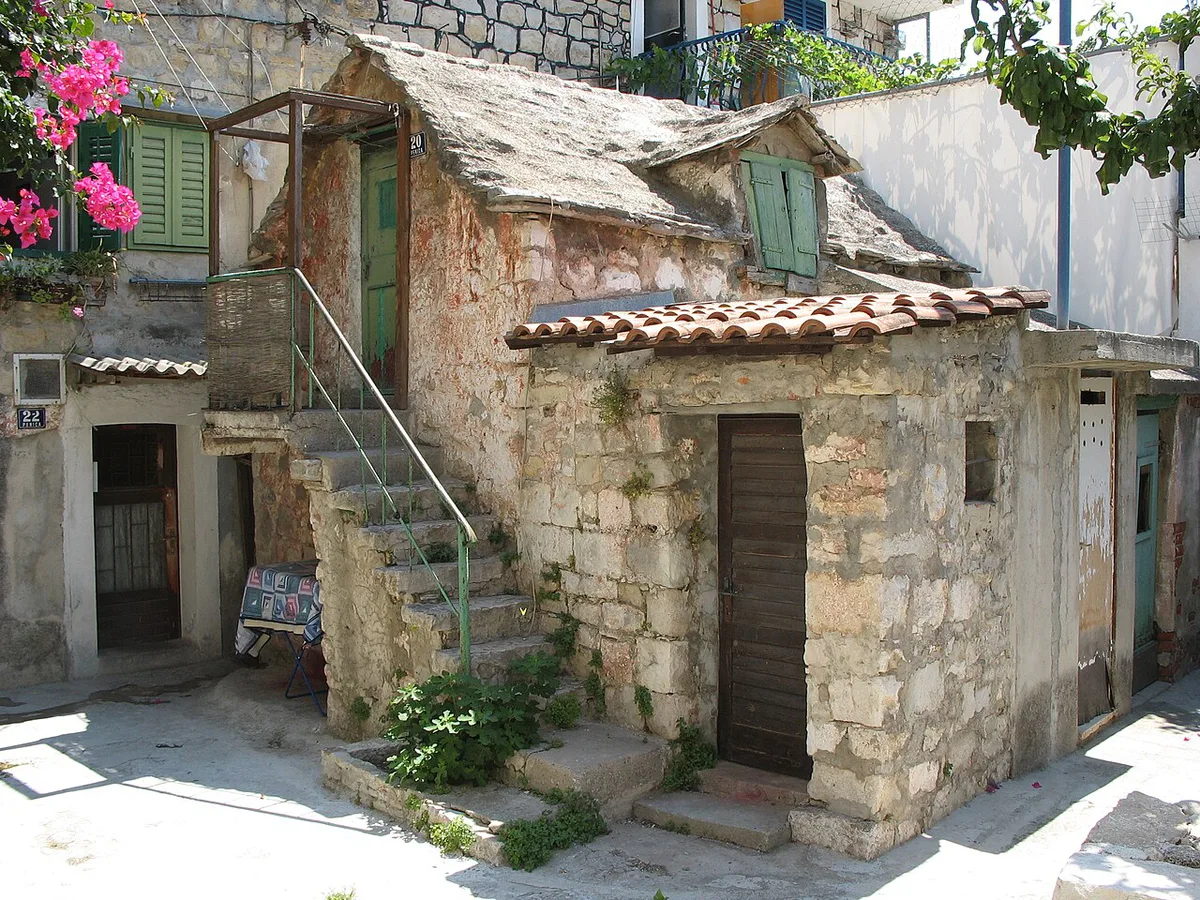
Veli Varoš earns its reputation for stairs. Stone steps replace flat sidewalks through most of the core, and the surface turns slick after rain. Comfortable, closed-toe shoes make the difference between an easy stroll and a slow, careful one.
- Walking and accessibility: expect steep, narrow stone stairs throughout the core. Rolling luggage and limited mobility make the climb difficult, so budget extra time or ask your accommodation about a step-free approach.
- Parking and transit: the innermost lanes are pedestrian-only, though some wider through streets still allow local car and scooter traffic. Park near the Riva promenade or around Plinara instead of driving into the core.
- Best time to visit: mornings suit photography, before the stone lanes fill with foot traffic. Late afternoon suits the walk up toward Marjan Hill, timed for sunset from Prva Vidilica, especially during Split's quieter shoulder season.
Where to Eat and Stay in Veli Varoš
Konobas fill the ground floors of former fishermen's houses, serving grilled sardines and other Dalmatian staples once described as the neighborhood's daily diet. For a broader list of where to eat across the city, the 8 Best Local Restaurants in Split: Where Locals Actually Eat (2026) guide and the Split Local Food Guide: Where to Eat Like a Local in 2026 cover options beyond Veli Varoš's own konobas. Accommodation here splits into two types: a handful of boutique hotels, and private stone-house rentals scattered through the lanes. Boutique properties such as Villa Varoš and Boutique-Accommodation Zephyrus have both featured in guides to the neighborhood; confirm current availability directly before booking, since small independent hotels change hands and status. Private rentals trade hotel polish for stone-house character, at the cost of navigating stairs with luggage. Split's tourist board also flags a new accommodation registration-number requirement taking effect in early 2027, so ask any private host for their current registration status before paying a deposit.
Veli Varoš vs Diocletian's Palace: Which Should You Choose?
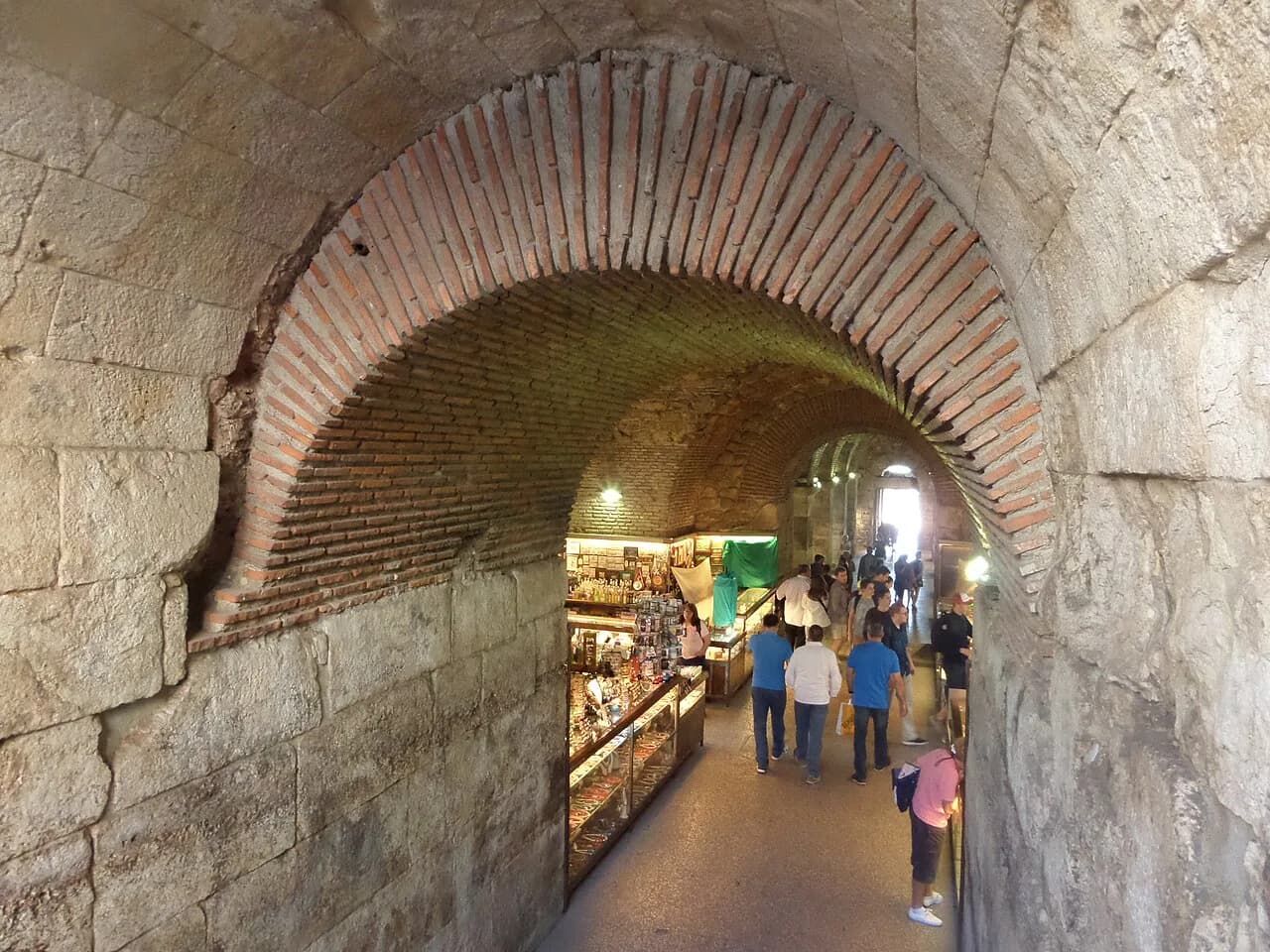
Inside the walls, the cellars of Diocletian's Palace draw the heaviest daytime crowds, while Veli Varoš stays residential right through peak summer. Both sit close enough to walk between in a few minutes, so the choice comes down to noise, price, and how much stair-climbing you want with your luggage.
| Factor | Veli Varoš | Diocletian's Palace |
|---|---|---|
| Crowd levels | Quiet residential lanes, even in peak season | Dense foot traffic near the Peristyle and main corridors |
| Price | Generally lower nightly rates for stone-house rentals | Premium rates for rooms inside the Palace walls |
| Authenticity | Lived-in stonemason and fisherman's quarter | Roman-era walls dense with bars, shops, and tour groups |
| Proximity to the Riva and ferry port | A walk along the waterfront promenade | Directly adjacent |
Beyond the Neighborhood: Marjan Hill, the Riva, and Nearby Districts
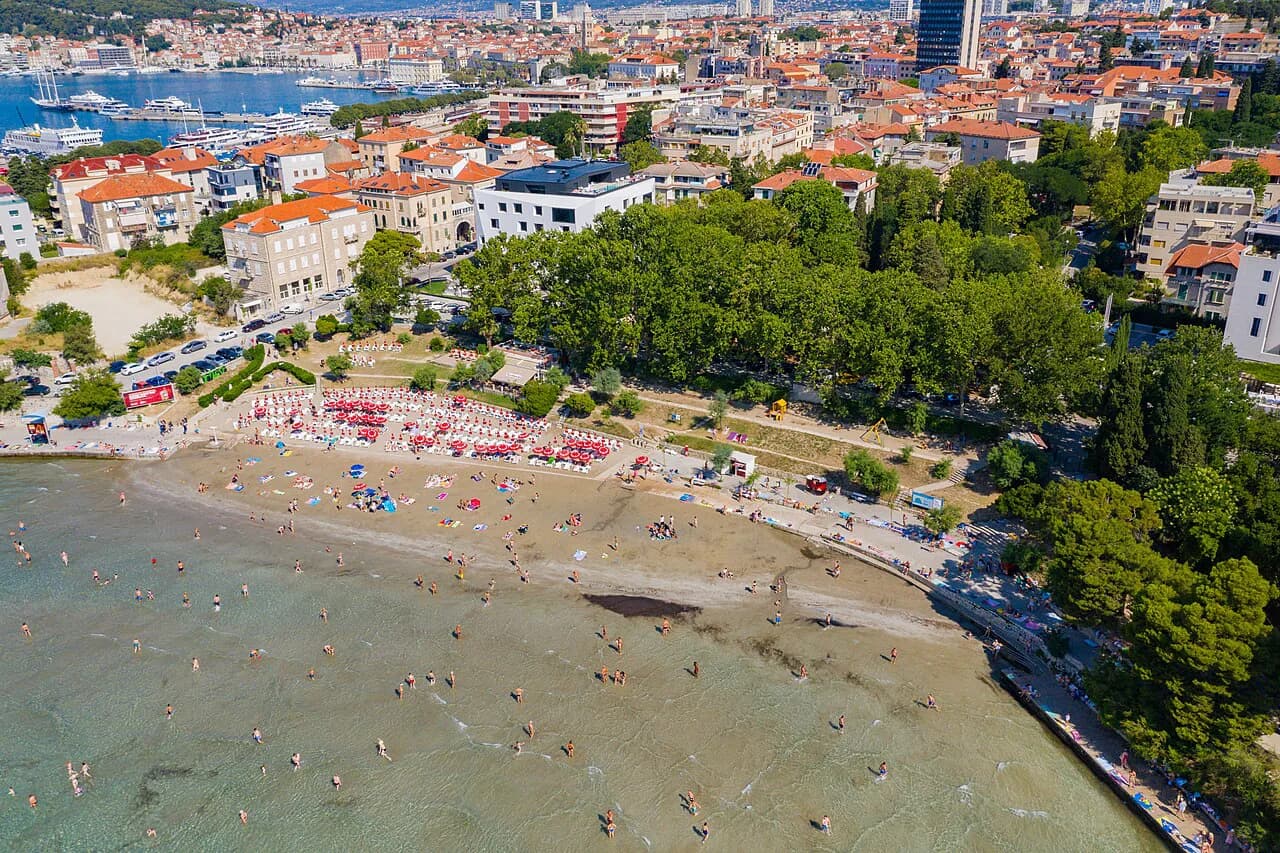
Stone steps lead directly from Veli Varoš's upper lanes into Marjan Hill's forest trails, with Prva Vidilica marking the transition point. Down at sea level, the neighborhood sits within walking distance of the Riva promenade and the Split ferry port, useful for early ferry departures. West along the coast, Sustipan Park offers pine-shaded sea views without the climb. Bačvice beach covers the city's main beach and nightlife strip on the opposite side of downtown. The Lučac neighborhood, across the Palace on the historical sandwich's other flank, makes a useful comparison stop. From the ferry port, day trips such as the Trogir day trip and the Šolta island day trip are easy add-ons for travelers already staying this close to the harbor.
Who Should Stay in Veli Varoš? A Quick Fit Check
Veli Varoš rewards travelers willing to trade convenience for quiet and character. In our editorial assessment, its residential streets make it comfortable for solo travelers to explore during the day. Standard nighttime precautions, like sticking to lit routes on the steeper lanes, still apply, as they would in any old town.
- Best for: couples, solo travelers, hikers heading up toward Marjan Hill, and photographers who want quiet backdrops.
- Not for: travelers with limited mobility, anyone arriving with heavy rolling luggage, or drivers who need to park at their door.
Mistakes to Avoid in Veli Varoš
Most Veli Varoš mistakes come down to underestimating the terrain.
Fishermen and farmhands built Veli Varoš from the late 17th century onward. That original stone-stair layout survives unchanged, making heavy luggage and heels problematic for modern visitors.
- Driving a rental car into the core: the lanes narrow into stone stairs no vehicle can climb. Park near the Riva or around Plinara instead.
- Wearing heels or flip-flops on the stone steps: the stairs are steep and smooth in places, especially after rain.
- Booking a room without asking how many steps separate it from the Riva: listings rarely state this, so message the host directly before you pay.
Frequently Asked Questions
What is Veli Varoš known for?
Veli Varoš is Split's old fisherman's and stonemasons' quarter. It's known for stone houses stacked up Marjan Hill's southern slope, the 11th-century St. Nicholas church, and lanes too narrow for cars.
Is Veli Varoš within walking distance of Diocletian's Palace?
Yes. Veli Varoš borders the Palace directly on its northwest side, and most visitors walk between the two in a few minutes along the Riva or through the old lanes.
How many stairs does Veli Varoš have, and is it accessible with luggage?
There's no official count, but the core is built almost entirely on stepped stone lanes. Rolling luggage and limited mobility make the walk difficult, so budget extra time or ask your host about a step-free route.
Is Veli Varoš safe for solo female travelers?
In our editorial assessment, the neighborhood's quiet, residential streets make it comfortable to explore during the day. Standard precautions, like sticking to lit routes after dark on the steeper lanes, still apply, as they would anywhere.
What's the best time of day to visit Veli Varoš?
Morning suits photography, before the stone lanes fill with foot traffic. Late afternoon suits the walk up toward Marjan Hill, timed to reach Prva Vidilica before sunset.
Is Veli Varoš a good base, or is it better to stay inside Diocletian's Palace?
Choose Veli Varoš for quiet streets, lower rates, and stone-house character. Choose the Palace for being steps from every bar, restaurant, and sight, at a higher price and with heavier crowds.
Continue exploring
More guides you'll find useful