Marjan Hill Split: A Complete Guide to Trails, Viewpoints, and Beaches (2026)
Marjan Hill Split guide: stair vs. back-route access, Vidilica and Telegrin viewpoints, the 2024 observatory tower, the Jewish Cemetery, and Bene Beach.
On this page
Marjan Hill Split: A Complete Guide to Trails, Viewpoints, and Beaches
Last updated July 2026: Marjan Hill Split is the pine-forested peninsula west of Split's Old Town, topping out at 178 meters on Telegrin peak. Locals call it the green lungs of the city, and most visitors reach it via roughly 300 stairs from the Riva through Veli Varoš. This guide covers the back route, ranks Telegrin against the new 2024 observatory tower, and pairs the climb with the Jewish Cemetery and Bene Beach.
Marjan Hill Split: A Quick Overview
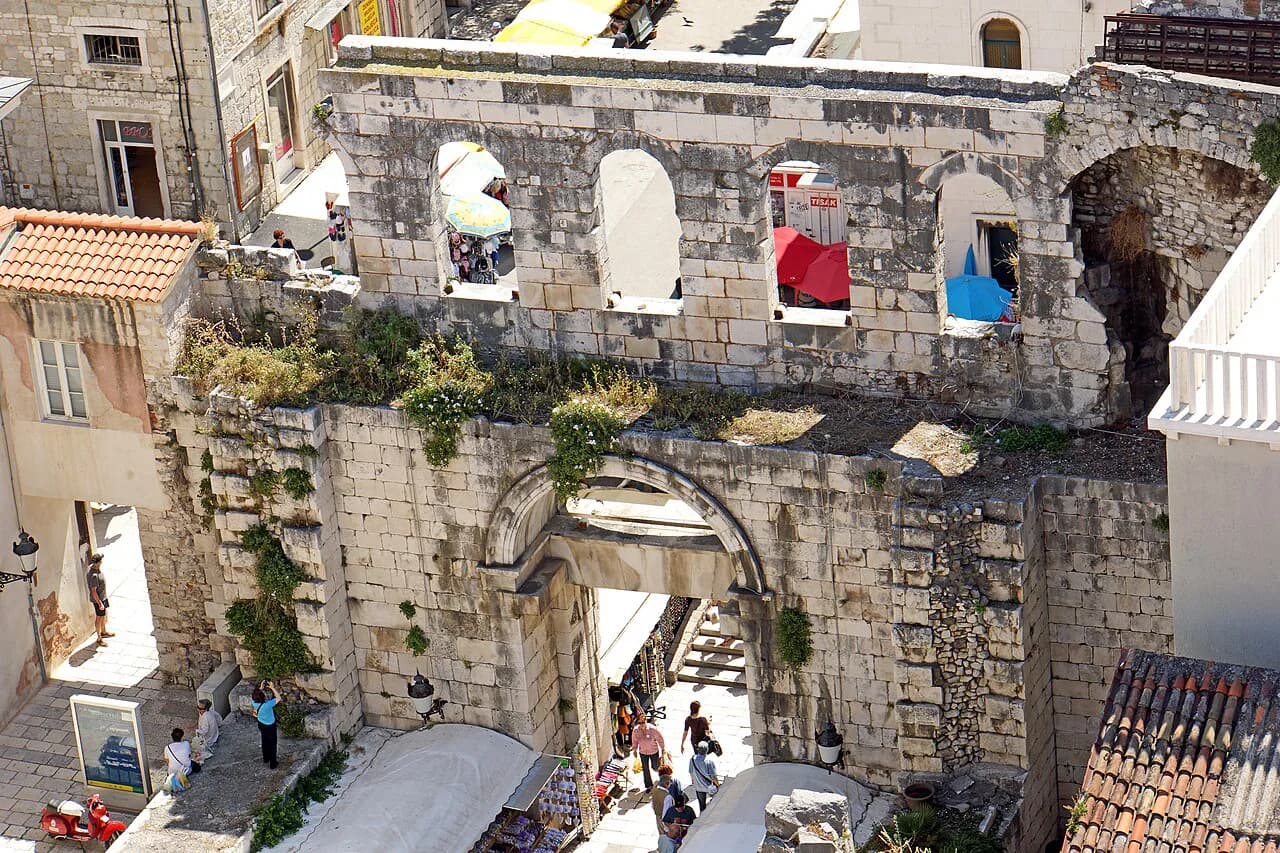
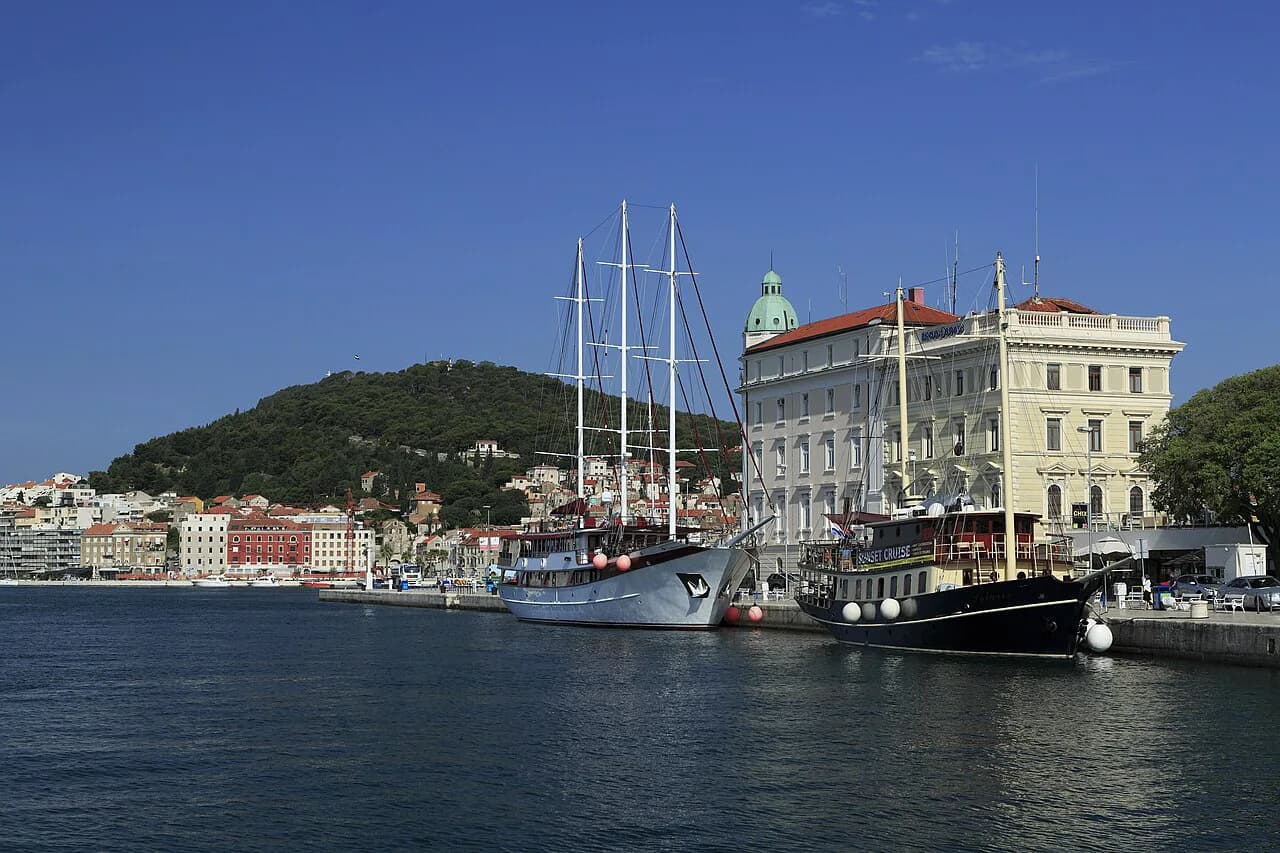
Marjan Hill sits on the peninsula west of Split's Old Town, wedged between the city and the Adriatic Sea. City streets and open water surround the hill on nearly every side. Marjan Forest Park covers 297.11 hectares of Mediterranean pine forest and has been protected under Croatia's Nature Protection Act since 1964. Locals have used the slopes as parkland since Roman times, when residents of Emperor Diocletian's palace needed recreation space nearby. That same palace complex is where the Diocletian's Palace cellars draw crowds today. A local group called the Marjan Association began planting trees and building trails across the hill in 1903, work that shaped the paths still used today. Telegrin peak, the highest point on the hill, reaches 178 meters and delivers 360-degree views of the city and nearby islands. The Institute of Oceanography and Fisheries sits at the peninsula's tip. Marjan's wider footprint wraps around one of Split's oldest residential pockets. For context on that neighborhood, see the Split's neighborhood breakdown. Entry is free, and the hill is walkable from the Riva in under 15 minutes. That makes it one of the top free activities around Split.
Getting There: Stairs, Roads, and Public Transit
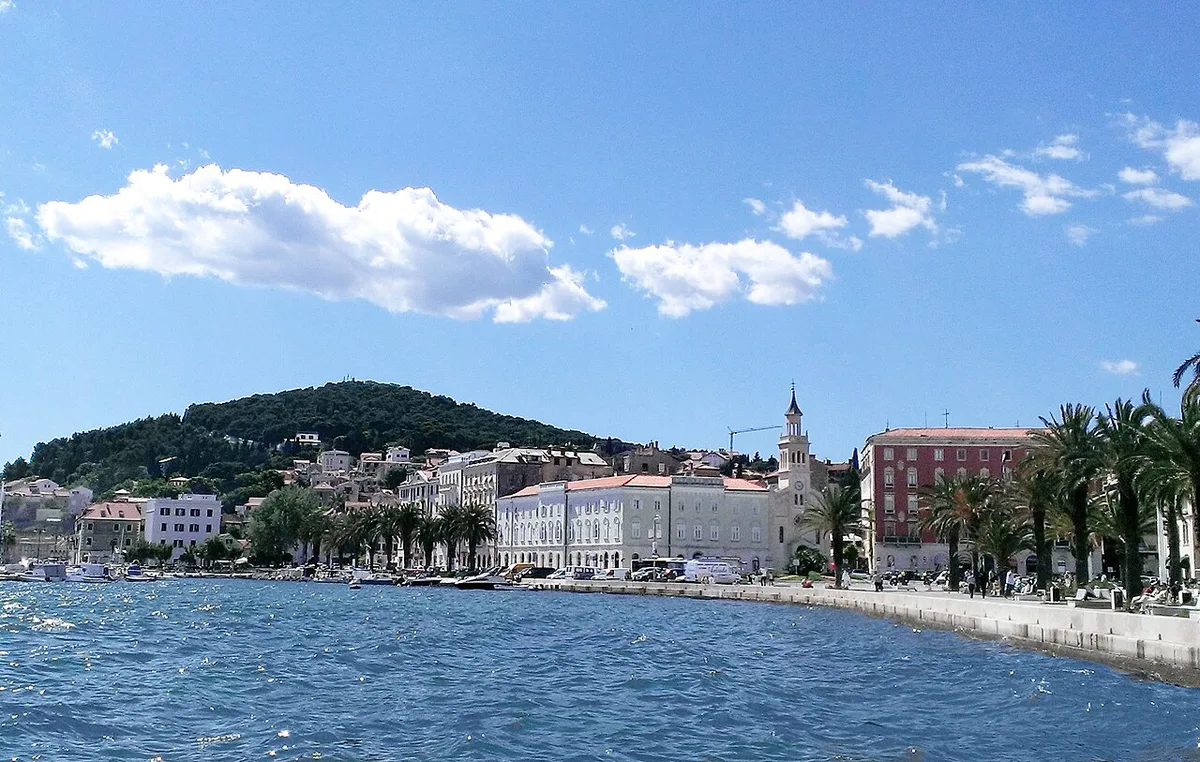
Most visitors reach Marjan Hill by climbing about 300 stairs from the Riva through Veli Varoš. Cross from the Riva onto Sperun Street, pass St. Francis Church at the corner, and continue to the stairway that starts opposite Hotel Ambassador. Veli Varoš itself is largely pedestrian, though scooters and motorcycles still use its narrow lanes, so stay alert on the way up. Expect the climb to take roughly 10 to 15 minutes, ending at the Vidilica viewpoint. For strollers, wheelchairs, or anyone who wants a gentler grade, a paved road climbs from the northern entrance instead. That back route takes about 20 to 25 minutes on foot and reaches the same terrace without a single step. Cyclists can enter through either the northern or southern entrance, with the northern gate closest to the city center. Taxis, Uber, Bolt, and tuk-tuk tours can also drop passengers near either entrance or close to Vidilica itself. Public transit covers the hill too. Bus Line 12 departs Trg Franje Tuđmana and reaches Bene Beach at the far end of the park in about 15 minutes. A seasonal mini tourist train also leaves from the Riva on two routes. One heads to Bene, and the other climbs to the observatory tower and Telegrin viewpoint, with each ride taking about 20 minutes.
| Method | Best For | Effort Level | Time to Viewpoint |
|---|---|---|---|
| Stairs from the Riva | Fitness and photography | High | 10-15 min |
| Back road (north entrance) | Strollers and mobility needs | Moderate | 20-25 min |
| Bus Line 12 | Beach access at Bene | Low | 15 min ride |
| Mini tourist train | Families and leisure | Low | 20 min ride |
The Best Viewpoints: Vidilica, Telegrin Peak, and the New Observatory Tower
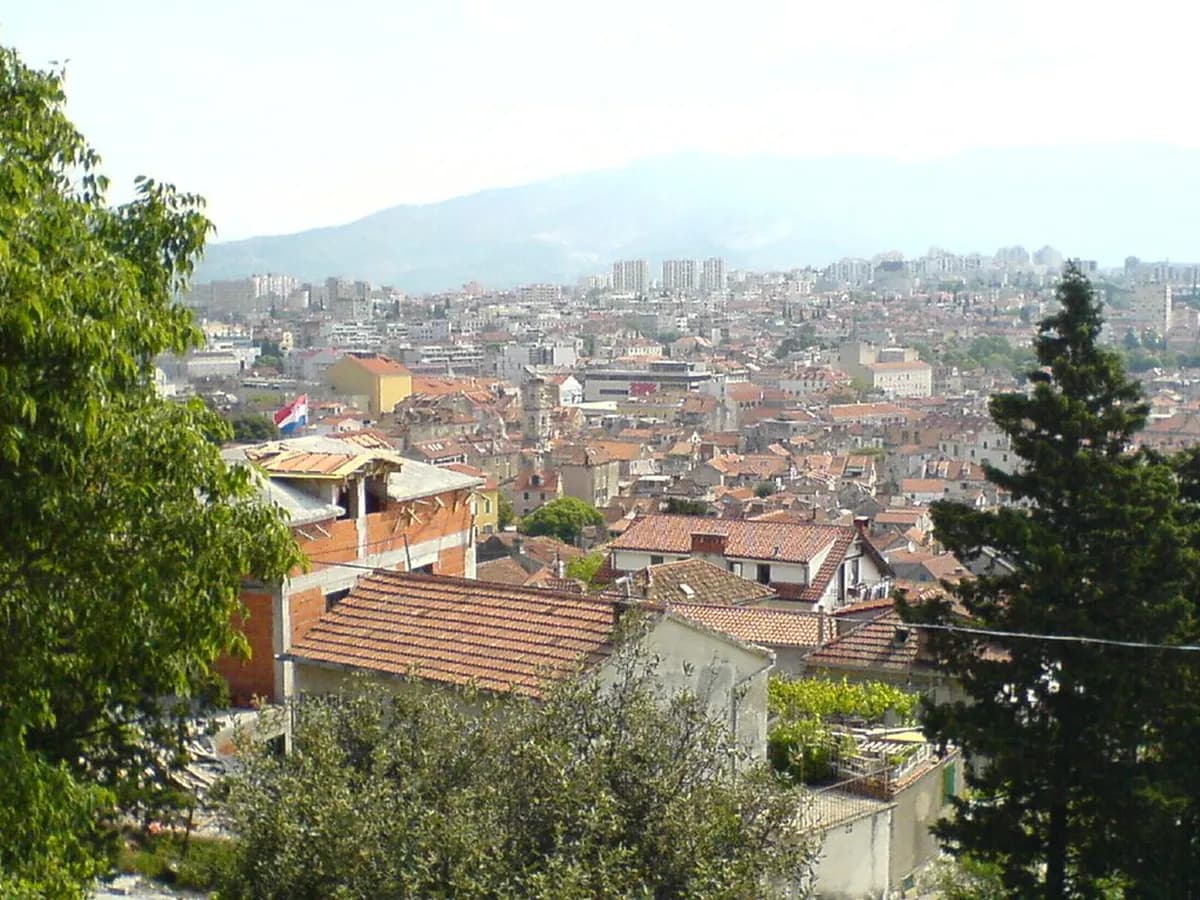
Prva Vidilica, the first lookout, is the easiest viewpoint to reach and also the most crowded. Caffe Bar Vidilica sits right on the terrace, with views over Split's red-tile rooftops to the Riva and the sea beyond. Right beside the caffe sits the entrance to the Old Jewish Cemetery, covered in the next section. A steep path continues past St. Nicholas Church toward Telegrin peak, the highest point on Marjan at 178 meters. A large white cross and a Croatian flag mark the summit. Views stretch 360 degrees across Split, Brač, Hvar, and Šolta — worth pairing with a Šolta day trip later in the trip. A newer alternative sits on a separate 148-meter peak nearby: a 19-meter observatory tower that opened in 2024. Entry is free, though the round platform holds a limited number of visitors at a time, so expect a short wait in summer. Telegrin and the tower show different sides of the same coastline, so climbing both is worth the extra time when it fits the schedule. Each direction from the tower reveals a different angle:
- West toward Trogir, an easy pairing with a Trogir day trip
- North toward Kaštela and Mount Kozjak
- Northeast toward Solin and Klis Fortress
- South toward the island of Brač
- Southwest toward the island of Čiovo
Historic Landmarks: The Jewish Cemetery, 14 Churches, and Hermitage Caves
The Old Jewish Cemetery sits just behind Caffe Bar Vidilica, established in 1573 on the hill's eastern slope. It holds more than 700 graves, with readable tombstones running from the eighteenth to the twentieth century. Its last burial took place in 1945, after which the site closed and was protected as a monument. Aleppo pine was first planted across the cemetery grounds in 1852, decades before the rest of the hill was systematically forested. Entry through the gate is not guaranteed on every visit, so treat the cemetery as a site to view rather than one you can always walk into. Marjan's forest hides 14 small churches along its paths, most only a few minutes apart on foot. St. Nicholas Church, near Vidilica, dates to the 13th century and once served as a hermitage before Ottoman-era damage in the 17th century. A third stop, Our Lady of Bethlehem, is a simple 16th-century building near Telegrin that is rarely open to visitors. St. Jerome Church, roughly 2.5 kilometers along the southern rim path, dates to the 15th century and holds an altar carved by Andrija Aleši. Behind St. Jerome, a set of Renaissance-era hermitage caves is carved directly into the cliff face. Hermit monks lived in these dwellings from the 15th century onward, and the caves rank among the spots most visitors miss on a standard Marjan walk. Rock climbers now use the nearby cliffs at Šantine Stine, one of the region's known climbing spots.
Beaches and Recreation on Marjan Hill
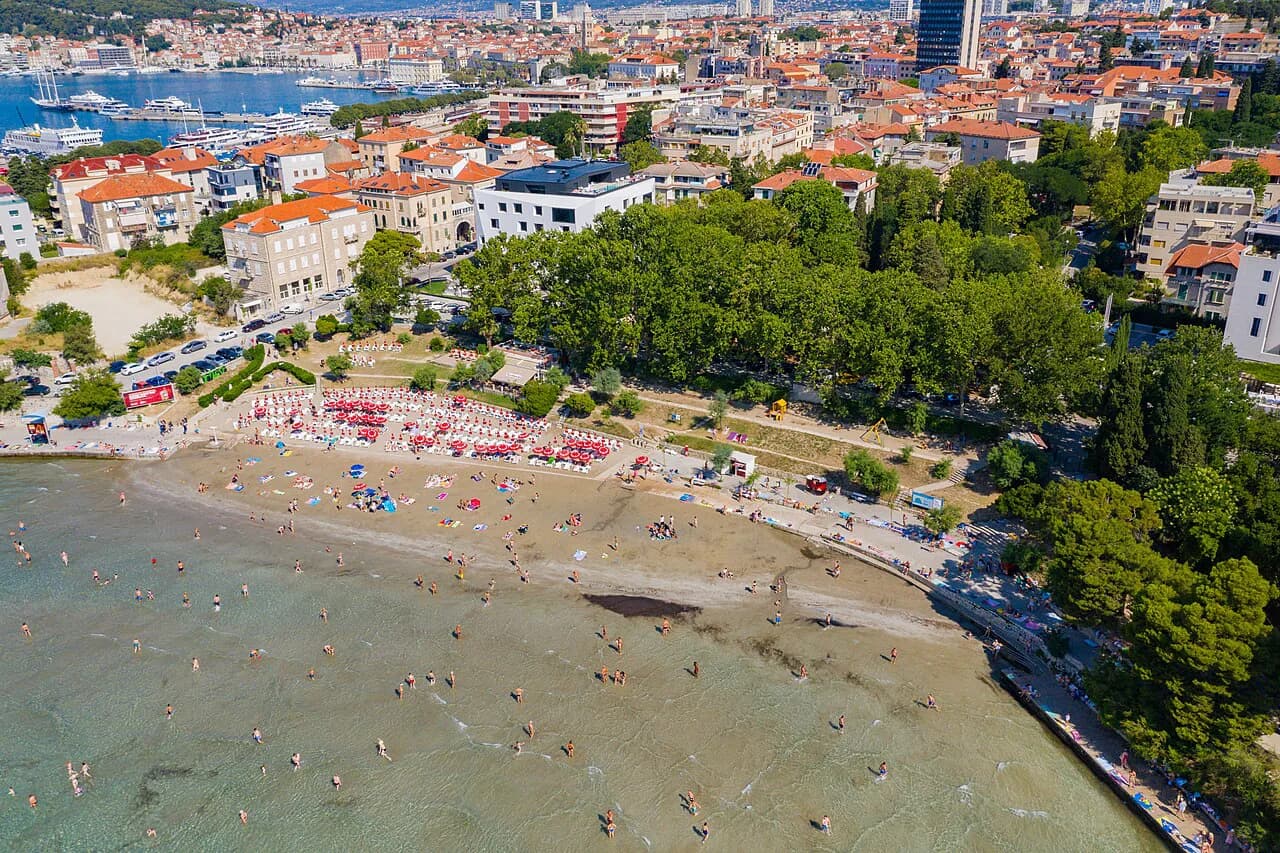
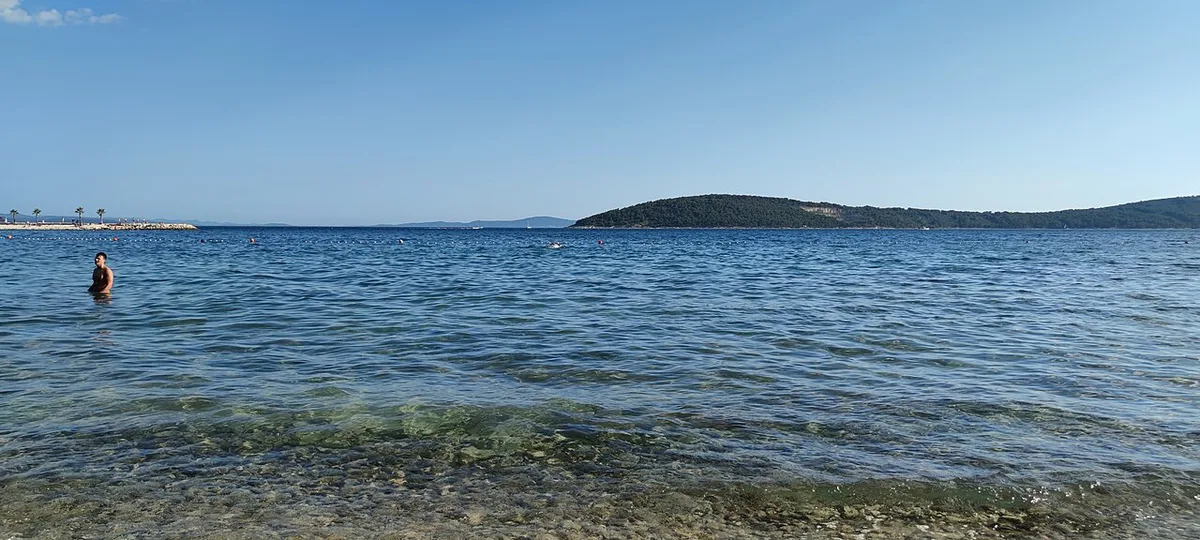
Bene Beach sits at the western end of the park and functions as Marjan's recreational hub. One of four Nextbike stations on the hill sits right nearby. Reaching Bene on foot from the city center takes about 40 minutes along a shaded forest path that passes several smaller beaches on the way. Kasjuni Beach sits on the southern side of Marjan and draws a different crowd, mostly for sunset views and the Deep Shade bar right on the pebbles. Kaštelet Beach is a short walk further along the same coast road, with its own restaurant for food and drinks. Both sit near the Ivan Meštrović Gallery, housed in the sculptor's former villa and worth a stop before or after the beach. For contrast, Bačvice city beach is Split's other well-known swimming spot. Marjan's protected boundary also folds in Sustipan Park near the harbor, along with the Jadran swimming pool and port. Marjan also has an outdoor theatre and numerous benches and viewpoints for resting along any route. Forest trails add walking and jogging routes, a smaller network of mountain bike tracks, and paved sections split between pedestrians and cyclists or skaters. Bene's amenities break down like this:
- Tennis courts and a football pitch
- A children's playground
- An outdoor exercise area with equipment
- A restaurant and a coffee bar
Practical Planning: Time, Cost, and What to Pack
Walking Marjan costs nothing: the park charges no entrance fee, and the observatory tower is also free to enter. Ivan Meštrović Gallery and the small zoo near Bene, though, are separate paid attractions with their own admission. Confirm current prices at each gate, since neither figure appears in the park's own materials as of 2026. An interactive map, an audio guide, and a marked Marjan Workout circuit come from the park management's own app, free to check before a visit. Pack water before starting the climb, since fountains are limited past Vidilica and absent along the summit trails. Sturdy shoes matter more than style here: the stone stairs are uneven, and forest paths turn dusty and loose in dry months. Split summers turn hot with little shade on the stairs, so mornings and evenings beat midday climbs. Sun protection matters too, since shade thins out on the open stretches near Telegrin and the observatory tower. Time commitment on Marjan depends on the route:
The 19-meter observatory tower that opened in 2024 attracts longer waits in summer, when excessive heat also makes stair climbing uncomfortable—plan visits during cooler months or early morning to avoid both crowds and peak sun.
- Quick viewpoint walk to Vidilica or Telegrin: 1.5 to 2 hours round trip
- Full loop that continues to Bene Beach: 4 hours or more
- One-way walk from the city center to Bene: about 40 minutes
Mistakes to Avoid on Marjan Hill
A few planning mistakes turn an easy walk into an uncomfortable one:
- Climbing the stairs at midday in July or August, when shade is thin and the stone holds heat — plan an early-morning or evening climb instead, and consider visiting during quieter months
- Treating the city Zoo as a major stop; it has fallen into disrepair and stays small compared with other things to do on the hill
- Skipping the Ivan Meštrović Gallery on the southern slope, which holds a large collection of the sculptor's work inside his former villa
- Finishing the hike without a food plan; Veli Varoš at the base has restaurant picks in Varoš, and the wider guide to what to order locally covers Split specialties
- Expecting St. Jerome and its hermitage caves to be open for interior visits; local accounts describe them opening only rarely, so plan on viewing the exterior and cliffside setting instead
Frequently Asked Questions
What is Marjan Hill in Split?
Marjan Hill is a 178-meter, pine-forested peninsula on the western edge of Split, protected as Marjan Forest Park since 1964. It functions as the city's main green space, with beaches, churches, trails, and viewpoints spread across roughly 297 hectares.
How do you get to Marjan Hill from the Old Town?
Walk from the Riva onto Sperun Street, pass St. Francis Church, and climb the stairway opposite Hotel Ambassador to reach Vidilica in 10 to 15 minutes. For a flatter option, follow the paved road from the northern entrance, or ride Bus Line 12 or the seasonal mini tourist train from Trg Franje Tuđmana.
Is Marjan Hill free to visit?
Yes. Both the forest park and the new observatory tower charge no entrance fee. Ivan Meštrović Gallery and the small zoo near Bene, though, are separate paid attractions inside the park boundary.
How long should you plan for Marjan Hill?
A round trip to Vidilica or Telegrin takes 1.5 to 2 hours. Add the walk to Bene Beach and back, and plan on 4 hours or more for the full loop.
Is the hike up Marjan Hill difficult?
The stair route from Veli Varoš gains elevation quickly and has limited shade, which makes it harder in summer heat. Its northern road alternative climbs more gradually and works for strollers or anyone avoiding stairs.
Can you visit the Jewish Cemetery on Marjan Hill?
The 1573 cemetery sits beside Caffe Bar Vidilica and holds more than 700 graves as a protected monument. Entry through the gate is not guaranteed on every visit, so check on arrival rather than planning around it.
Can you cycle to the top of Marjan Hill?
Yes. Cyclists can enter through the northern or southern entrance, and Nextbike stations are placed around the park for one-way rentals. Its northern entrance sits closest to the city center.
Continue exploring
More guides you'll find useful