Šolta Day Trip from Split: Ferry Guide, Villages & Local Tips
Plan a Šolta day trip from Split: ferry and catamaran times, a village comparison, the bus timing trap, and where to taste Dobričić wine and local honey.
On this page
Šolta Day Trip from Split: A Complete Ferry and Village Guide
Last updated July 2026. A Šolta day trip from Split covers just 9 nautical miles of open water, trading cruise-ship crowds in Split for olive groves and stone villages. Ferries reach Rogač in as little as 30 minutes, leaving a full day to taste Grohote's honey, swim at Nečujam, and watch sunset over Maslinica.
Šolta Day Trip at a Glance
These are the essentials for a Šolta day trip from Split, gathered here before the full breakdown below.
- Distance from Split: 9 nautical miles, the closest inhabited island to the city
- Crossing time: about 30 minutes by catamaran, or 50-60 minutes on the Jadrolinija car ferry
- Arrival port: Rogač, a transit hub rather than a destination
- Round-trip ferry fare: about €10 (confirm current 2026 pricing before booking)
- Getting around: two buses meet every ferry, one east toward Stomorska, one west toward Maslinica
- Don't miss: Dobričić red wine, Tvrdić Honey in Grohote, and a swim at Nečujam or Šešula Bay
Why Choose a Šolta Day Trip Over Hvar or Brač
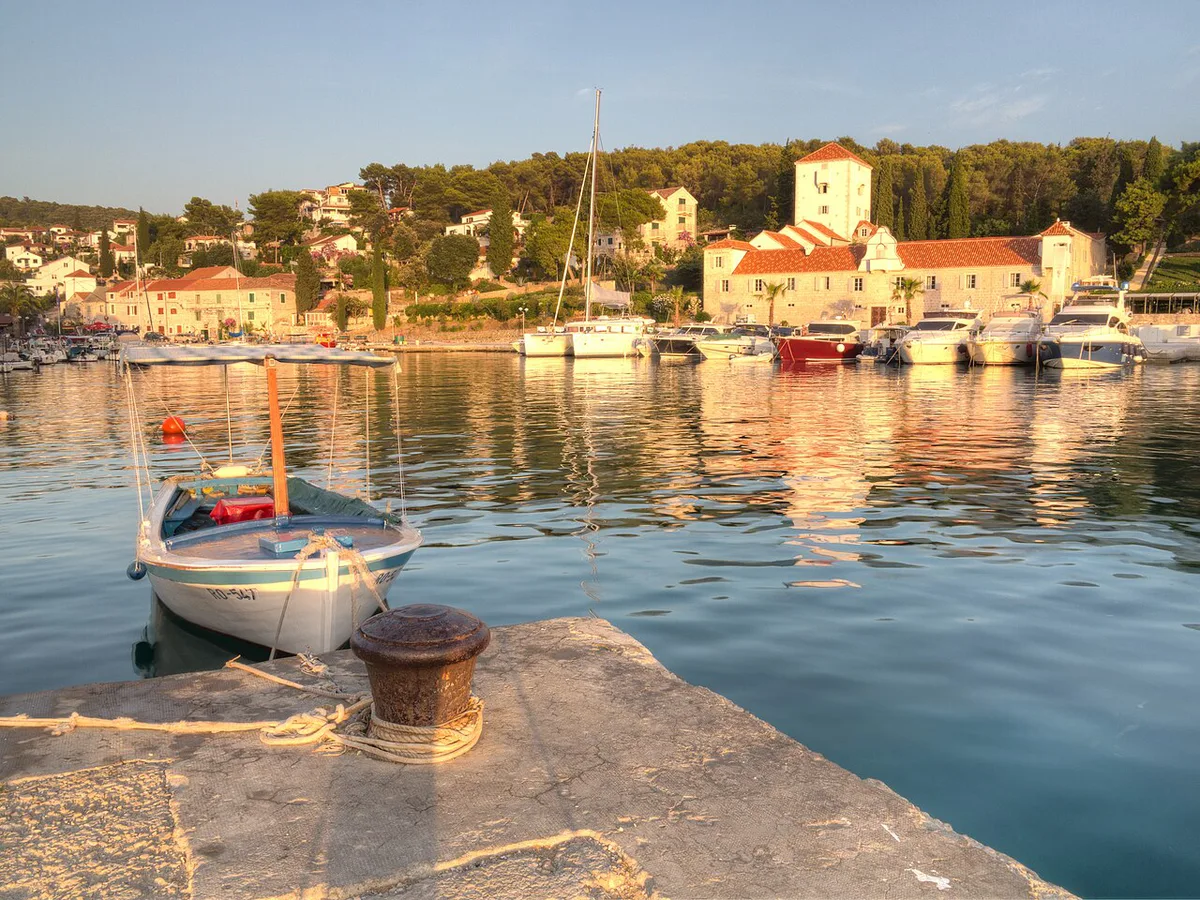
Split's harbor sends ferries to Hvar, Brač, and Korčula every summer morning, and most visitors board one of those first. Šolta sits closer than any of them, just 9 nautical miles from the mainland, yet it rarely appears on a first-timer's list. The island runs about 20 kilometers (12 miles) long and 4.5 kilometers (under 3 miles) wide, compact enough to see two villages in a single afternoon. Villages here run five to six houses deep in places, backed by limestone hills and olive groves rather than beach clubs. Travelers who want quiet coves over nightlife tend to like that trade-off. For other low-key alternatives, see 10 Unique Things to Do in Split, Croatia (2026 Guide) before you commit to a full day away. Hikers and cyclists drawn to off-the-beaten-path spots in Split will recognize the same appeal on Šolta's quieter lanes.
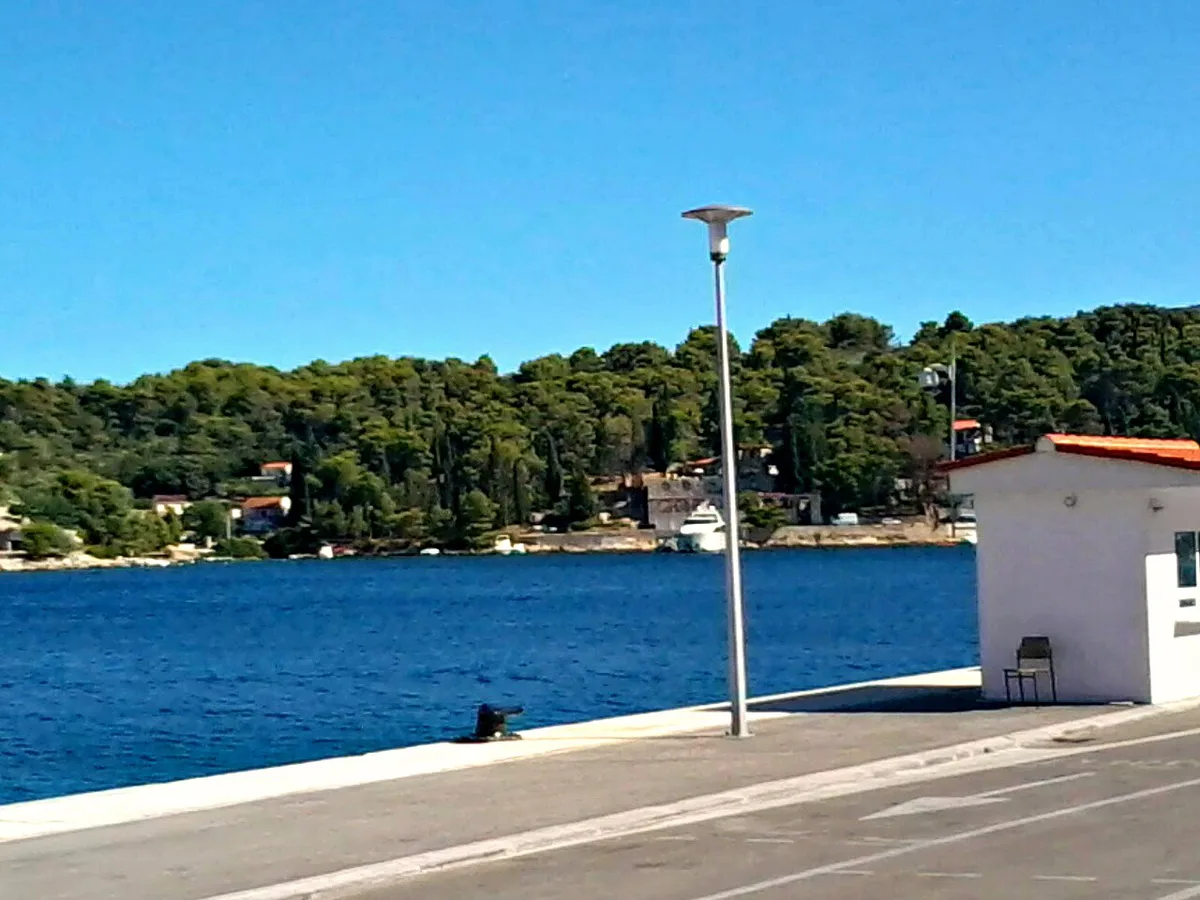
Getting There: The Šolta Day Trip from Split by Ferry and Catamaran
Two options link Split to Šolta. The Jadrolinija car ferry takes 50 to 60 minutes and lands at Rogač, Šolta's main port. Only the car ferry carries vehicles, useful if you're bringing a rental car rather than relying on the island bus. A passenger catamaran covers the same 9-nautical-mile crossing in about 30 minutes, useful if you're short on time or traveling on foot. Round-trip ferry fares have historically run around €10. Confirm the 2026 timetable and price at the Jadrolinija counter or website before you go, since sailings shift by season. Rogač itself is a transit point, not a destination. It has a small promenade, a handful of restaurants, and modest swimming spots, including Kašjuni, Garma, and Banje beaches, plus a tourist information center for maps and bus times. Two buses meet every arriving ferry. One heads east toward Stomorska, and the other heads west toward Maslinica. Planning around Split's quietest weeks, as covered in our guide to the best time to visit Split, keeps the crossing calmer too.
Which Šolta Village Should You Visit?
Šolta breaks into four villages worth targeting, each reachable from Rogač by bus, taxi, bike, or rental scooter. Maslinica suits sunset chasers and anyone curious about the restored Martinis Marchi castle, now a hotel above the harbor. Stomorska keeps its fishing-village feel. Stone houses line a V-shaped waterfront about 11 kilometers (7 miles) from Rogač, a port that once traded the island's limestone, olive oil, and wine. Nečujam works best for families and paddlers, thanks to a wide pebble bay and kayak rentals right on the sand. Grohote sits closest to port, a 15-to-20-minute uphill walk or a 2-minute bus ride, and rewards visitors with naive art and beekeeping tours. The Buktenica Gallery traces back to painter Eugen Buktenica, whose work entered Zagreb's Croatian Museum of Naive Art by 1952, three years after his first exhibition in 1950.
| Village | Best For | Reaching It From Rogač | Signature Spot |
|---|---|---|---|
| Maslinica | Sunset views, an upscale lunch | West-bound island bus, via Donje and Srednje Selo | Martinis Marchi castle hotel |
| Stomorska | Traditional konoba dining, yacht-watching | East-bound bus via Grohote and Nečujam, about 11 km (7 mi) total | V-shaped stone harbor |
| Nečujam | Family beach time, kayaking | East-bound bus, one stop past Grohote | Kontesa Bay and a Roman-era fish pond dating to about 295 AD |
| Grohote | Naive art, honey tasting | 15-20 min walk uphill, or a 2-min bus ride | Buktenica Gallery and Tvrdić Honey |
Getting Around Šolta: Don't Miss the Bus
Šolta's public transport runs thin, and that catches first-time visitors off guard. Two buses meet each ferry at Rogač, one bound east, one bound west. They wait only as long as it takes passengers to disembark. Linger over a coffee at the port, and you risk missing both. Taxis exist, but they're rare enough that finding one can mean a long wait or a long walk instead. Renting a bike or scooter avoids the problem entirely, and gives access to coves near Stomorska and Maslinica that the bus route skips. Šolta's tourist board has also been extending its cycling network, with plans for roughly 180 kilometers (about 110 miles) of paths across the island. Riders drawn to quieter lanes elsewhere in the region can compare notes with Secret Spots in Split: Local Escapes Beyond Diocletian's Palace (2026 Guide) before choosing two wheels over the bus.
Grohote sits only 15-to-20-minute uphill from Rogač, making it a reachable destination even if you miss the brief bus window that transports visitors to more distant coastal villages.
Grohote's Honey and Olive Oil
Grohote is home to Tvrdić Honey, a beekeeping operation now in its third generation. A guided session there walks through the hives and ends with a tasting, including a wild rosemary variety called Olintio. The same family also distills a small-batch fruit schnapps, sold alongside the honey and oil. Olive groves cover much of the island's interior, and Šolta's Levantinka variety has picked up regional recognition for quality. Small producers sell both honey and oil directly from Grohote and Gornje Selo, often with samples to taste before you buy. Split's own dining scene, covered in the Split Local Food Guide: Where to Eat Like a Local in 2026, makes a useful comparison point once you're back on the mainland.
Dobričić: Šolta's Native Wine
Wine drinkers should look for Dobričić, a native red grape found almost nowhere else and considered an ancestor of Zinfandel. Small konobas across Grohote, Stomorska, and Gornje Selo pour it by the glass. Gornje Selo, a medieval hamlet between Grohote and Nečujam, has a long tradition of both olive and wine growing, with taverns built into its stone houses. Pair a glass with bread and local olive oil rather than a full meal. Most konobas here serve wine as an accompaniment to a simple plate rather than a tasting flight.
A One-Day Šolta Itinerary from Split
This plan fits a single ferry crossing and covers three villages without rushing the last sailing home. Adjust timings once you confirm the day's ferry schedule, since departures shift between spring, summer, and shoulder season.
A single day covers three villages quite comfortably while keeping the ferry schedule manageable, though reaching all four main villages realistically requires an overnight stay.
- Morning: Catch an early Jadrolinija sailing from Split to Rogač, then board the east-bound bus toward Grohote.
- Late morning: Explore Grohote's stone streets, visit the Buktenica Gallery for naive art, and stop at Tvrdić Honey for a tasting.
- Midday: Continue to Nečujam for a swim, or rent a kayak from the beach to paddle toward the shipwreck in Kontesa Bay.
- Afternoon: Head to Stomorska for a seafood lunch at a harbor-front konoba, then walk to one of its two pebble beaches.
- Late afternoon: Backtrack toward Maslinica for a look at the Martinis Marchi castle hotel and a swim at Šešula Bay. Stay in Stomorska instead if the bus timing works better.
- Evening: Return to Rogač in time for the last ferry. Shoulder-season sailings have historically left around 6:30 p.m. Confirm the current 2026 timetable before choosing your last stop.
Budget and Practical Tips for a Šolta Day Trip
Šolta runs on cash more than Split does. Small konobas and honey farms often can't process cards. Carry euros in small denominations just in case. Kayak rentals in Nečujam stay inexpensive. Short paddles start around €5. Longer half-day sessions run closer to €15. Pack sea shoes, since most of the island's beaches are pebble rather than sand. Bring sunscreen and a refillable water bottle, since shade thins out on the exposed coastal paths. Rogač has only three small restaurants, so plan lunch in Grohote, Stomorska, or Maslinica rather than waiting for the return ferry. Dinner back in Split rounds out the day well. Consider one of the 8 Best Local Restaurants in Split: Where Locals Actually Eat (2026) for a meal after the last ferry docks. If Šolta leaves you wanting another island day, weigh it against a Trogir Day Trip from Split: Complete 2026 Itinerary & Transport Guide, which trades ferry time for a walkable old town. Both fit well within a broader list of the 8 Best Day Trips from Split, Croatia (2026 Travel Guide).
Is a Šolta Day Trip from Split Worth It?
A Šolta day trip from Split suits travelers chasing quiet coves, home-style konoba food, and a slower pace than Hvar's marina scene. It won't suit anyone wanting nightlife, boutique shopping, or a packed sightseeing checklist. One day covers Grohote, one coastal village, and a swim comfortably, though an overnight stay would allow time for Maslinica, Stomorska, and Nečujam all in the same visit. For a broader sense of what else sits off Split's main tourist track, the 15 Hidden Gems in Split: Local Escapes Beyond the Palace (2026) guide is a useful next stop before you book the ferry.
For trip-planning details, see Šolta – Wikipedia.
Frequently Asked Questions
Is a Šolta day trip expensive?
A Šolta day trip from Split stays inexpensive by Dalmatian standards. Round-trip ferry fares have historically run around €10, and kayak rentals in Nečujam start near €5. Konoba meals cost less than equivalent spots in central Split, though exact menu prices vary by season.
How do you get from Rogač to Maslinica?
A west-bound island bus meets every ferry at Rogač and continues to Maslinica through Donje and Srednje Selo. Board it as soon as you disembark, since it waits only briefly. Renting a scooter or bike in Rogač is the alternative if you miss the bus or want a flexible schedule.
Can you swim in Šolta?
Yes, and pebble beaches ring most of the island's villages. Nečujam has the widest beach and calmest water for families, plus a Roman-era fish pond nearby if you want a swim with some history attached. Stomorska offers two smaller pebble beaches near its harbor, while Maslinica's Šešula Bay suits swimmers who also want a scenic backdrop. Sea shoes help, since few beaches here are sand.
Is one day enough for Šolta?
One day covers Grohote, a swim, and one or two coastal villages without feeling rushed. Reaching all four main villages, Maslinica, Stomorska, Nečujam, and Grohote, in a single visit realistically needs an overnight stay. Most day-trippers pick two villages and build the route around the bus or bike connection between them.
What is the 'bus trap' on Šolta?
Šolta's two buses wait at Rogač only long enough for the ferry to unload. Stop for coffee at the port first, and you can miss the only ride to Grohote, Stomorska, or Maslinica for hours. Board the bus immediately, then explore the villages once you've secured your route back to the ferry.
What is there to do in Rogač itself?
Rogač has a small promenade, three restaurants, and swimming spots including Kašjuni, Garma, and Banje beaches. It works well for a coffee before your bus, but most travelers move on toward Grohote or the coast within the first hour.
Which Šolta village is best for a first visit?
Grohote and Nečujam make an easy pairing for a first Šolta day trip, since both sit on the east-bound bus route without a long ride between them. Save Maslinica and Stomorska, on opposite sides of the island, for a return visit or an overnight stay.
Continue exploring
More guides you'll find useful