8 Best Local Restaurants in Split: Where Locals Actually Eat (2026)
A 2026 guide to the best local restaurants in Split: Veli Varoš konobas, marenda brunch spots, Michelin-listed tables, plus tipping and timing tips.
On this page
8 Best Local Restaurants in Split, Croatia
Last updated July 2026, this guide tracks the best local restaurants in Split by following where Splićani actually eat, not the tables that fill with cruise-ship groups along the Riva. Split's food culture runs from konoba taverns and marenda counters to a few Michelin-listed dining rooms, each built around fresh Adriatic seafood and Brač olive oil. The eight restaurants below span Veli Varoš backstreets to Diocletian's Palace, covering both ends of that range.
What Makes a Restaurant Local in Split
A konoba is Split's version of a family-run tavern. Expect a handwritten daily menu and seasonal ingredients straight from the fish market. The kitchen changes with whatever the boats bring in that morning. Modern fine-dining rooms have opened alongside these taverns over the past decade. They pair the same Dalmatian ingredients with tasting-menu techniques. Both count as local when the olive oil traces back to Brač and the catch is Adriatic, not frozen and shipped in for a laminated tourist menu on the Riva. For neighborhood spots beyond restaurants, the 15 Hidden Gems in Split: Local Escapes Beyond the Palace (2026) guide covers courtyards and viewpoints locals frequent too.
Marenda, Mealtimes, and Paying the Bill
Split runs on a different clock than a typical European city center. Two windows matter most for eating like a local. Many of the taverns below scale back hours or close entirely between November and April. Cross-check opening times before visiting outside peak season. The Best Time to Visit Split Without Crowds: A 2026 Season-by-Season Guide guide covers which months trade fewer crowds for fewer open kitchens.
- Marenda: konoba taverns open around 10:30am and serve this local brunch-lunch hybrid until roughly 2:00pm. Order whatever's chalked on the board, since dishes typically sell out by close.
- Dinner: service rarely starts before 7:00pm-8:00pm. Locals then linger over coffee for an hour or more afterward.
- Tipping: round the bill up by about €0.20-€0.40 at a casual konoba. Fine-dining rooms expect closer to 5-10%.
- Cash: card payment is now standard at most restaurants and cafes. The main cash-only exceptions are Split's open-air markets and a handful of the smallest family-run konobas with handwritten menus.
Must-Try Dalmatian Dishes Before You Order
A few dishes show up on almost every serious Dalmatian menu in Split. Knowing the names below saves time squinting at a menu with no translation. For deeper background on regional variations of each dish, the Split Local Food Guide: Where to Eat Like a Local in 2026 breaks down ingredients and origins in more detail.
- Brudet: a slow-cooked fish stew, usually served over polenta.
- Na gradele: today's catch grilled simply over charcoal, finished with olive oil and lemon.
- Black risotto: risotto stained with cuttlefish or squid ink, a staple around the old town's tables near Majstora Jurja.
- Pašticada: a sweet-and-sour veal stew simmered for hours, served with homemade gnocchi.
- Peka: lamb or octopus slow-roasted under a metal bell with vegetables and coals; most kitchens need advance notice to prepare it.
- Dalmatian prosciutto and Brač olive oil: the standard opening plate, often paired with local cheese.
- Soparnik: a thin savory pie filled with Swiss chard, closer to a flatbread than a pastry.
8 Best Local Restaurants in Split
The eight restaurants below cover a range of local dining. That spans cash-only konobas, a wine-driven bokeria-style kitchen, and a couple of Michelin-listed dining rooms. Match the restaurant to the meal: konobas suit marenda and a casual lunch, while Bokeria, Šug, and Zrno Soli suit an evening reservation.
Villa Spiza and other traditional cash-only family konobas warrant €0.20-€0.40 rounding, a modest amount compared to the considerably steeper tipping expectations at fine-dining restaurants.

- Konoba Matejuška
- Tucked into the old fishermen's quarter west of the Riva, this tavern serves classic Dalmatian plates on stone walls hung with old photographs.
- Order from the daily board rather than a fixed menu, since the kitchen leans on whatever the boats brought in.
- Best for a classic tavern meal near the harbor, away from Riva-front pricing.
- Konoba Fetivi
- Set in Veli Varoš, Fetivi is one of the neighborhood's most-cited traditional taverns for home-style Dalmatian cooking.
- Expect grilled fish, slow-cooked meat plates, and a menu that changes with the season rather than staying fixed year-round.
- Best for traditional, home-style Dalmatian cooking in Veli Varoš.
- Villa Spiza
- This Old Town spot is cash-only, with a handwritten daily menu that shifts based on the morning market.
- It doesn't take reservations, and seating splits across two small rooms on either side of the alley, so arrive earlier or on a weekday to get a table.
- Best for a cheap, cash-only lunch with daily-changing plates.
- Bokeria Kitchen and Wine Bar
- Inside Diocletian's Palace on Cosmijeva ul., Bokeria pairs modern Mediterranean plates with a wine list built around Croatian producers.
- High ceilings and a mezzanine dining area set it apart from the low-stone-wall konobas nearby. Reservations are effectively required at dinner.
- Best for a modern, wine-focused dinner inside the Palace walls.
- Šug
- Šug takes its name from the Dalmatian word for sauce. The kitchen builds traditional dishes around it, including smoked-swordfish carpaccio, a mixed meat plate, and lobster prepared its own way.
- The restaurant has drawn recognition in the MICHELIN Guide's Split listings. Check the current entry before booking, since coverage can change year to year.
- Best for an elevated, tasting-style meal built around Dalmatian sauces.
- Zrno Soli
- Zrno Soli runs a seasonal Mediterranean menu built around whatever the market and the boats supply that week.
- It's one of the Split kitchens also associated with the city's MICHELIN Guide coverage, alongside Šug. Confirm current listings directly, since coverage can shift from year to year.
- Best for a refined, seasonal Mediterranean dinner.
- Uje Oil Bar
- Uje is Split's olive-oil specialist, and its bar functions as both a restaurant and a shop for Brač oils, cheeses, and cured meats.
- The signature order is a mixed board of prosciutto, cheese, fig jam, and olives, built around whatever oils are on rotation that month.
- Best for a light meal built around Brač olive oil and charcuterie.
- Portas and Bokamora (Cheap Eats)
- For a lower-cost meal, both pizzerias serve Italian-leaning and Croatian-influenced pizza with vegetarian options on the menu.
- They work well after a long day on Marjan Hill or the beach, when a sit-down konoba dinner isn't the plan.
- Best for quick, cheap eats after the beach or Marjan Hill.
Where to Eat by Neighborhood: Palace, Veli Varoš, and the Waterfront
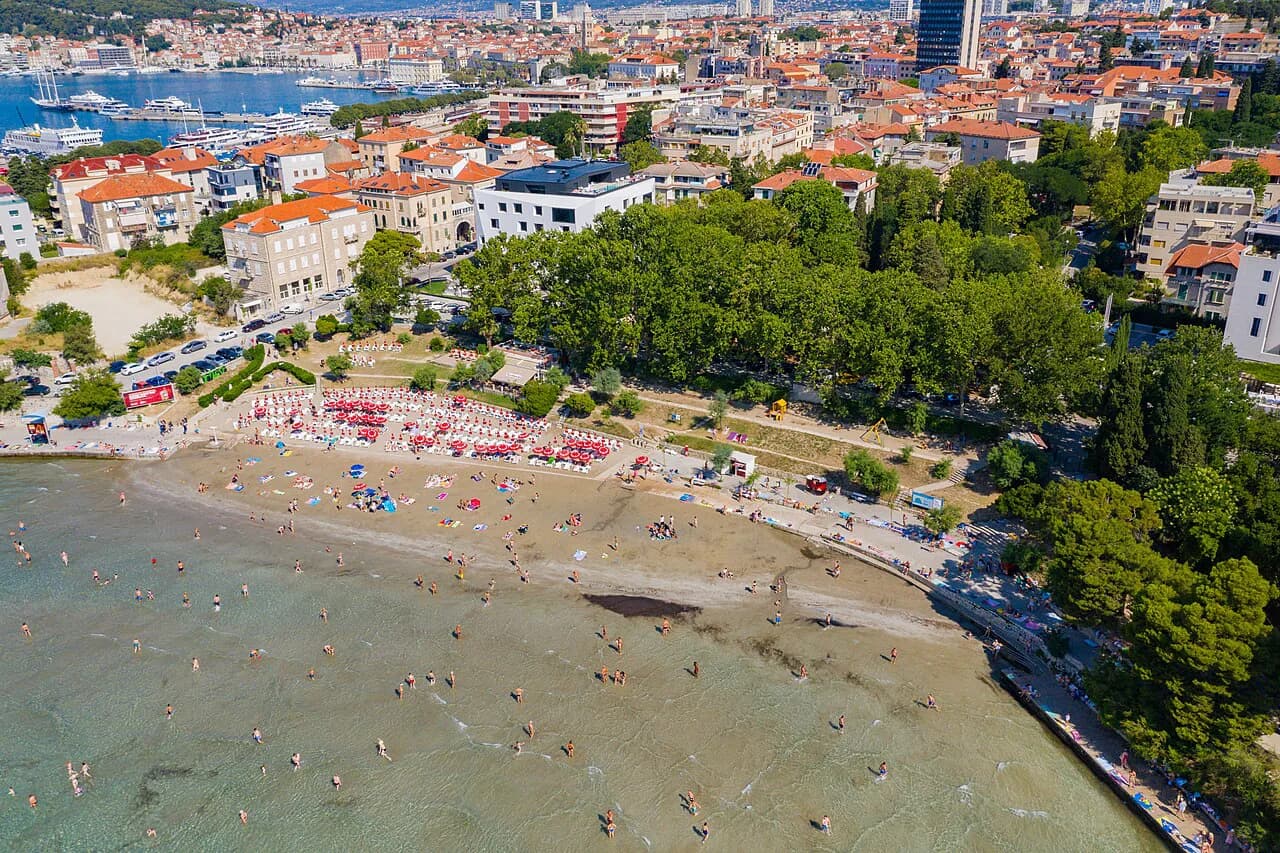
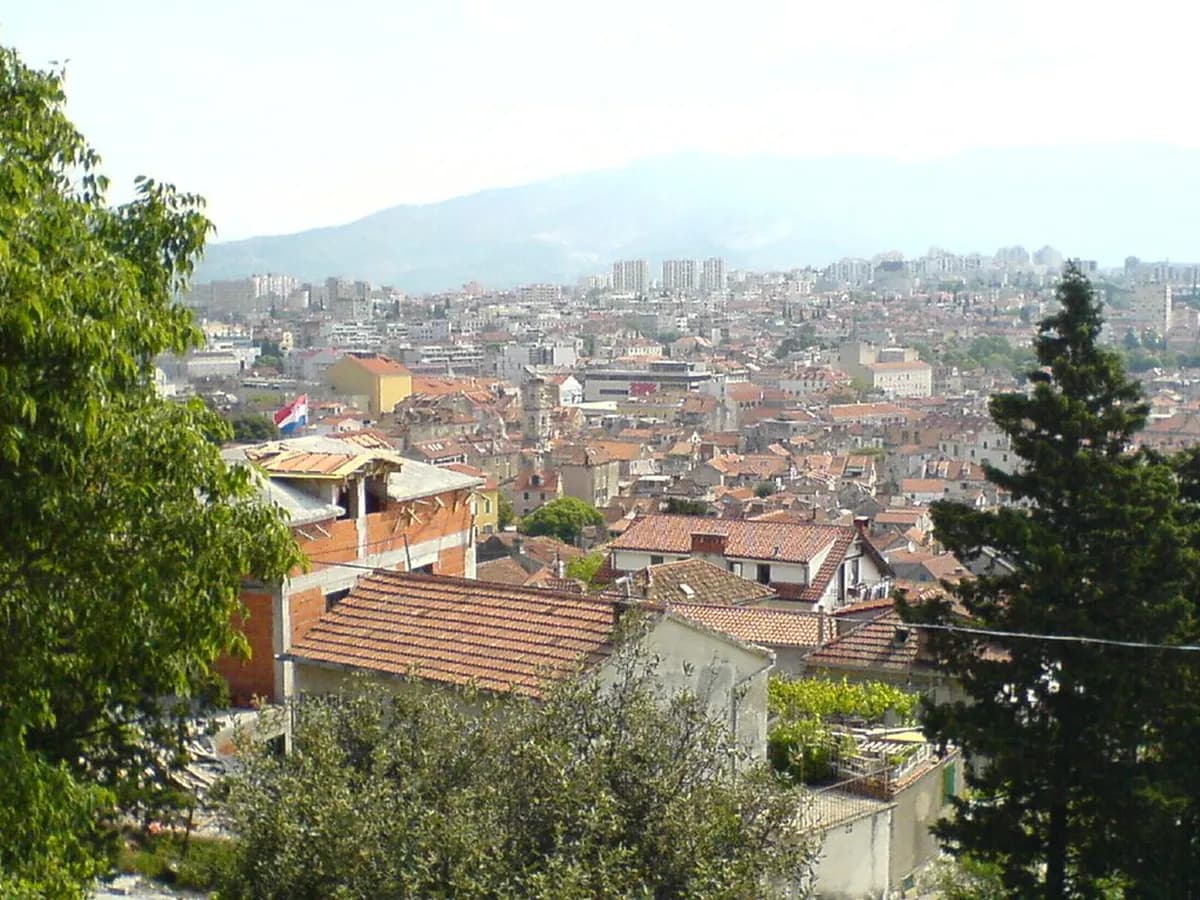
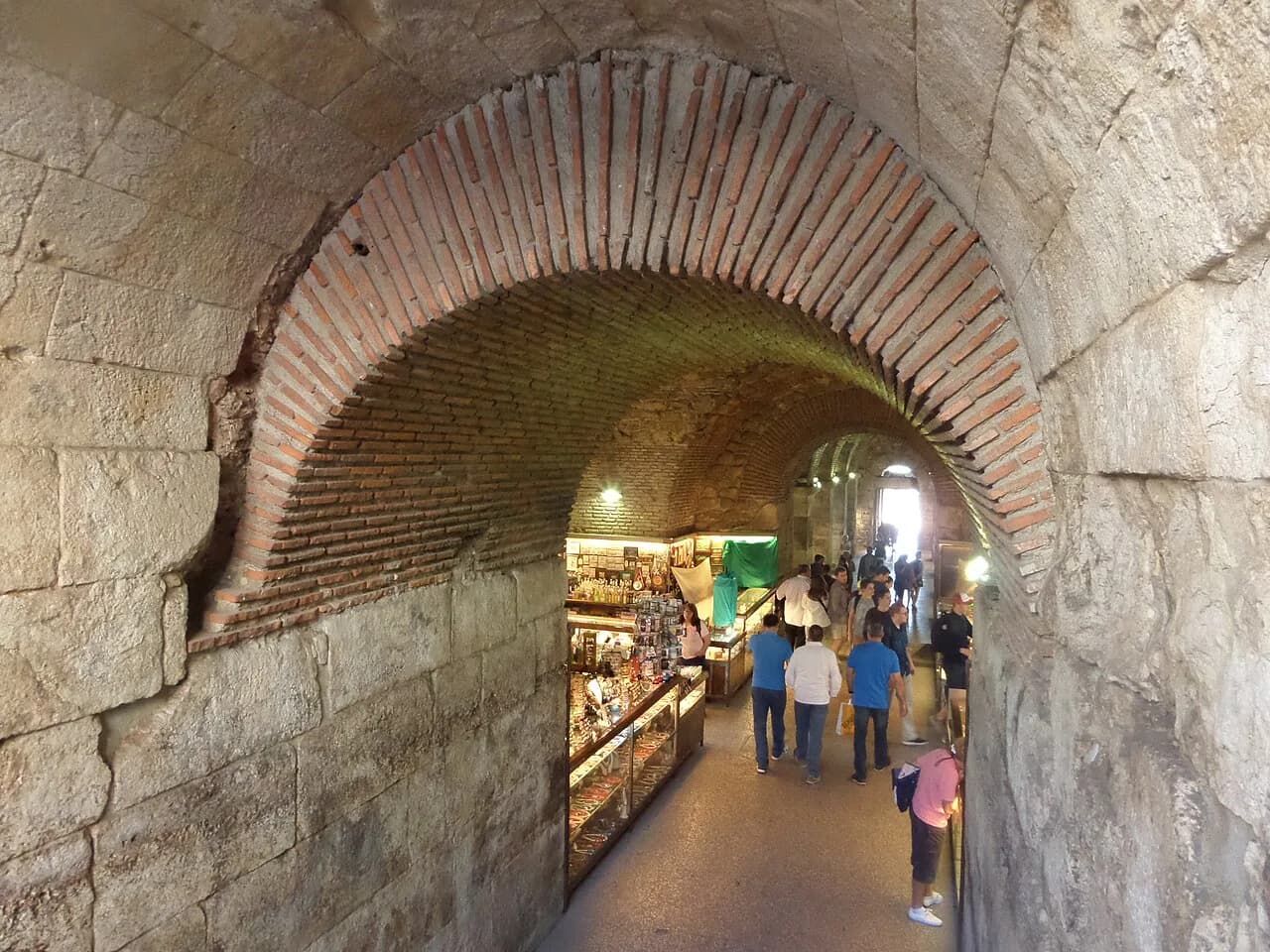
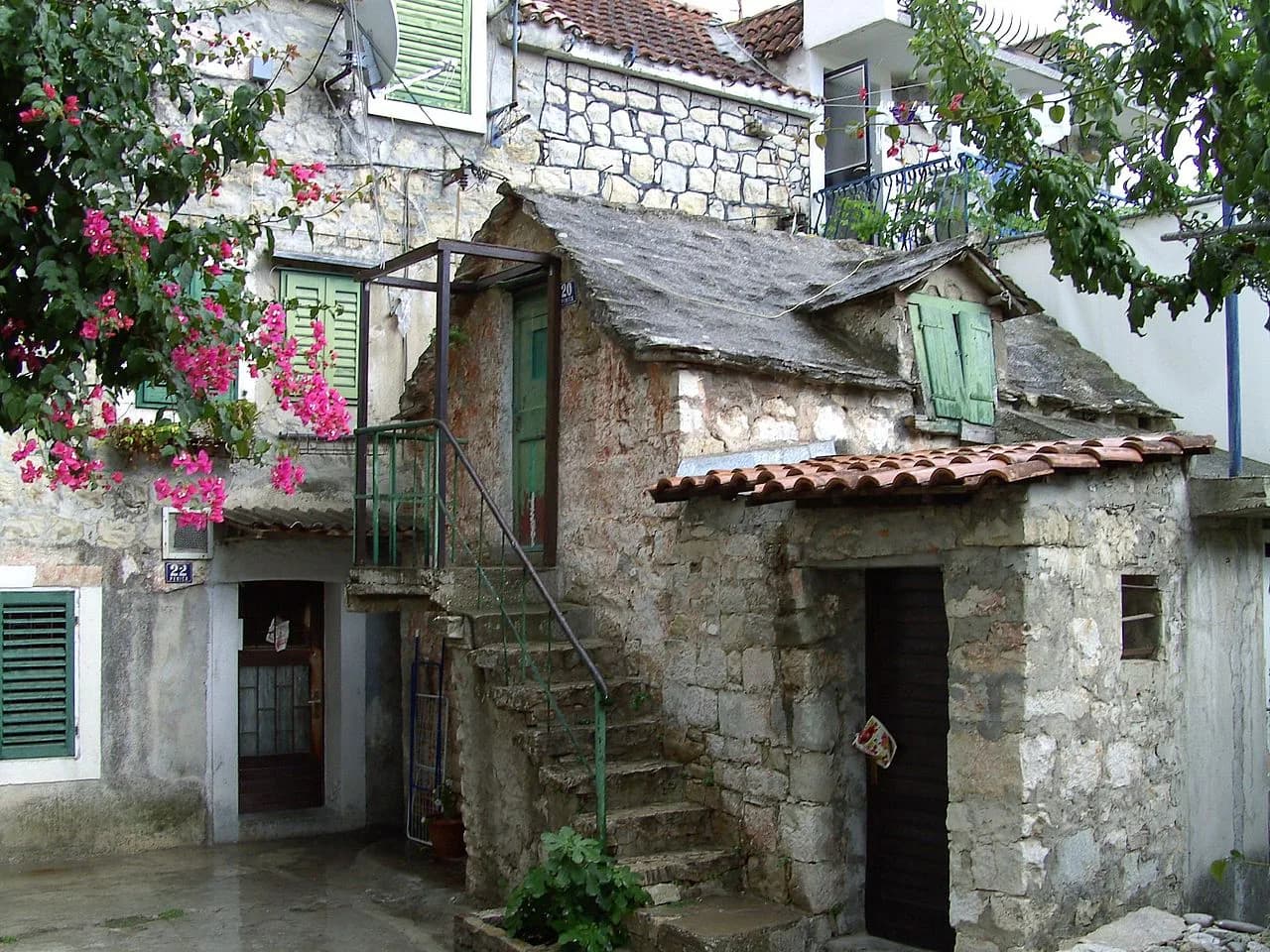
Location changes both price and atmosphere more than any other factor in Split. Expect to pay more for a table with palace-wall ambiance than for the same style of dish two streets over in Veli Varoš. Inside the cellars of Diocletian's Palace, dining rooms trade lower prices for stone-wall atmosphere near the Peristyle. Veli Varoš holds most of the classic family-run konobas. The adjoining Lučac-Manuš district has a similar mix, though several kitchens sit up stepped alleys that aren't wheelchair accessible. Bačvice offers a more relaxed waterfront alternative, further from the Old Town crowds. Sustipan Park sits just beyond it, with a similar slower pace and fewer tourist-facing menus.
| Area | Atmosphere | Relative Price | Trade-off |
|---|---|---|---|
| Diocletian's Palace | Stone-wall courtyards, high foot traffic | Higher | Reservations recommended; some kitchens lean tourist-facing |
| Veli Varoš / Lučac-Manuš | Narrow stepped streets, family-run konobas | Lower to mid | Most traditional, but several alleys aren't wheelchair accessible |
| Bačvice / Sustipan | Waterfront, slower pace | Mid | Longer walk from Old Town, fewer tourist-facing menus |
Mistakes to Avoid When Choosing Where to Eat
Eating directly on the Riva charges for the view more than the food. Treat a Riva table as a coffee stop, not the place for dinner. Expecting fast service is the second mistake. Split runs on what locals call pomalo, a slower pace that applies to restaurants too. Skipping reservations causes the most frustration in peak season. June through August books up fast at the most-cited konobas and fine-dining rooms, especially for dinner. For restaurants and stops further from the Riva crowds, the Off the Beaten Path in Split: A Local's Guide to Hidden Gems guide lists additional options.
Starting dinner at 7:00pm-8:00pm reflects pomalo, a slower pace embedded in Split's culture where lingering over coffee for several hours after the meal is standard.
Where to Try Burek and Bakery Breakfasts
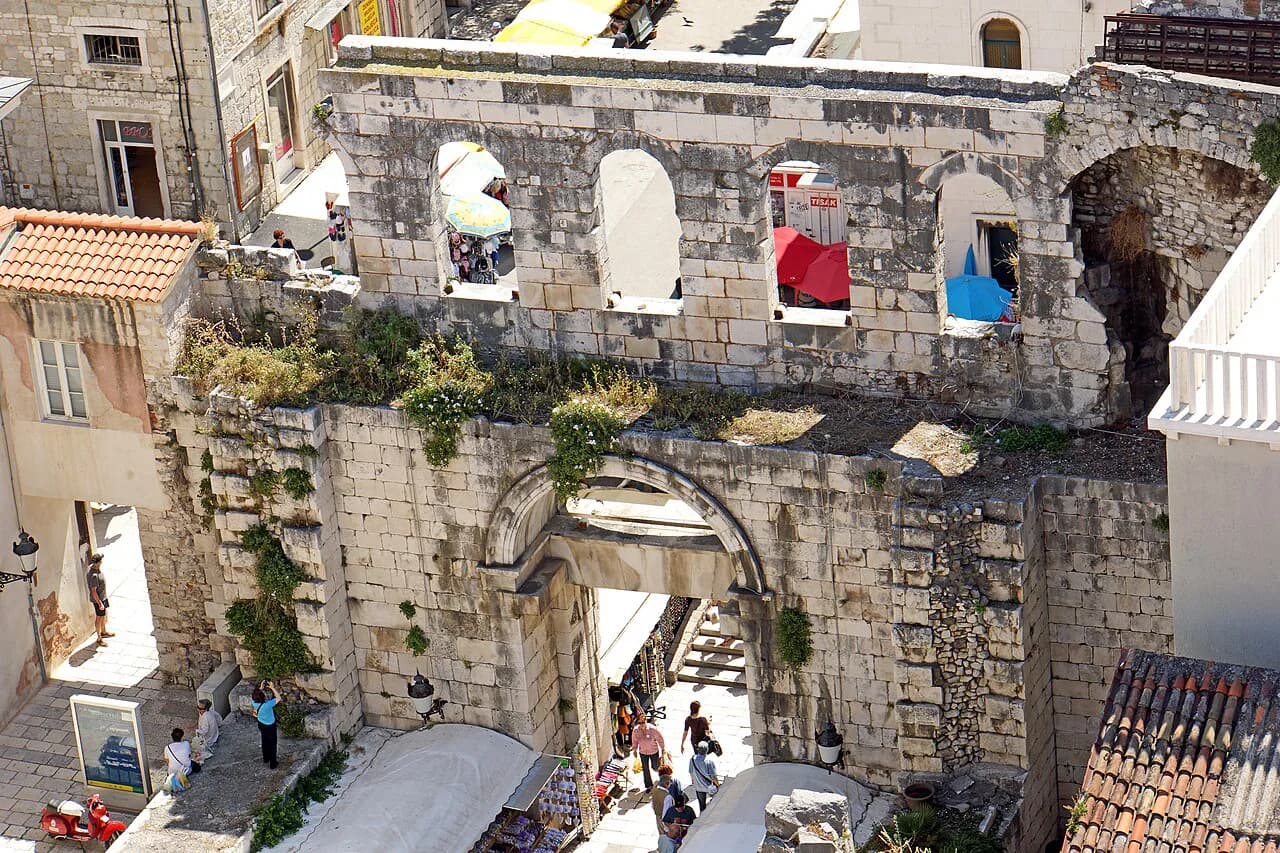
Split’s bakeries offer a practical local breakfast when a restaurant meal feels too slow. Start around Stari Pazar, the produce market beside Diocletian’s Palace and the Silver Gate. Several nearby counters open early and serve pastries for takeaway.
Bobis is a long-established Split bakery chain with outlets across the center. Look for meat burek, cheese-filled pastries, and sirnica alongside bread and sweet rolls. Burek is best eaten warm, often with a small bottle or cup of plain yogurt.
The market area is also useful for finding soparnik, the thin chard-filled specialty associated with nearby Poljica. Availability varies, so check bakery displays and prepared-food stalls rather than expecting it everywhere.
These counters suit mornings before Palace sightseeing, ferry departures, or day trips from Split. Seating is often limited or absent. Carry some cash for smaller stalls, although established bakery branches generally accept cards.
Frequently Asked Questions
What is marenda, and when can you get it in Split?
Marenda is a Dalmatian brunch-lunch tradition served at konoba taverns roughly between 10:30am and 2:00pm. Dishes are usually home-style plates that change daily, and they tend to sell out before the window closes.
Do you need to tip at restaurants in Split?
Tipping isn't required, but rounding up by about €0.20-€0.40 is standard at a casual konoba. Fine-dining restaurants generally expect a tip closer to 5-10%.
Are the best local restaurants in Split cash-only?
Most restaurants now accept cards, including many smaller cafes. A handful of the most traditional konobas, including some Old Town spots with handwritten menus, still take cash only, so carry some with you.
Do restaurants in Split close in winter?
Many seasonal spots reduce hours or close between November and Split's spring reopening around April. Confirm hours directly with a restaurant, or check its Facebook page, before planning a winter visit outside May-October.
Are Split's traditional konobas wheelchair accessible?
Not always. Several of the most traditional taverns sit in Veli Varoš's stepped, narrow alleys, which limits wheelchair access. Restaurants inside Diocletian's Palace or along the flatter waterfront near Bačvice tend to be easier to navigate.
Do you need to book ahead for dinner in Split?
Booking ahead matters most in peak season, from June through August. Popular spots like Bokeria fill up fast at dinner, so reserve a few days out rather than walking in.
Continue exploring
More guides you'll find useful