Off the Beaten Path in Split: A Local's Guide to Hidden Gems
Skip the Riva crowds. This 2026 guide to off the beaten path in Split covers Veli Varoš, Marjan Hill trails, Sustipan Park, and local konobas.
On this page
Off the Beaten Path in Split: A Local's Guide to Hidden Gems
Last updated July 2026: Diocletian's Palace still draws the day-trip crowds in Split. Off the beaten path in Split starts one block uphill, in the stone lanes of Veli Varoš and the pine trails above Marjan Hill. This guide maps the neighborhoods, viewpoints, and coastal walks locals use instead of the Riva, along with the timing and transit details that general listicles skip.
Why Off the Beaten Path in Split Means Heading Uphill
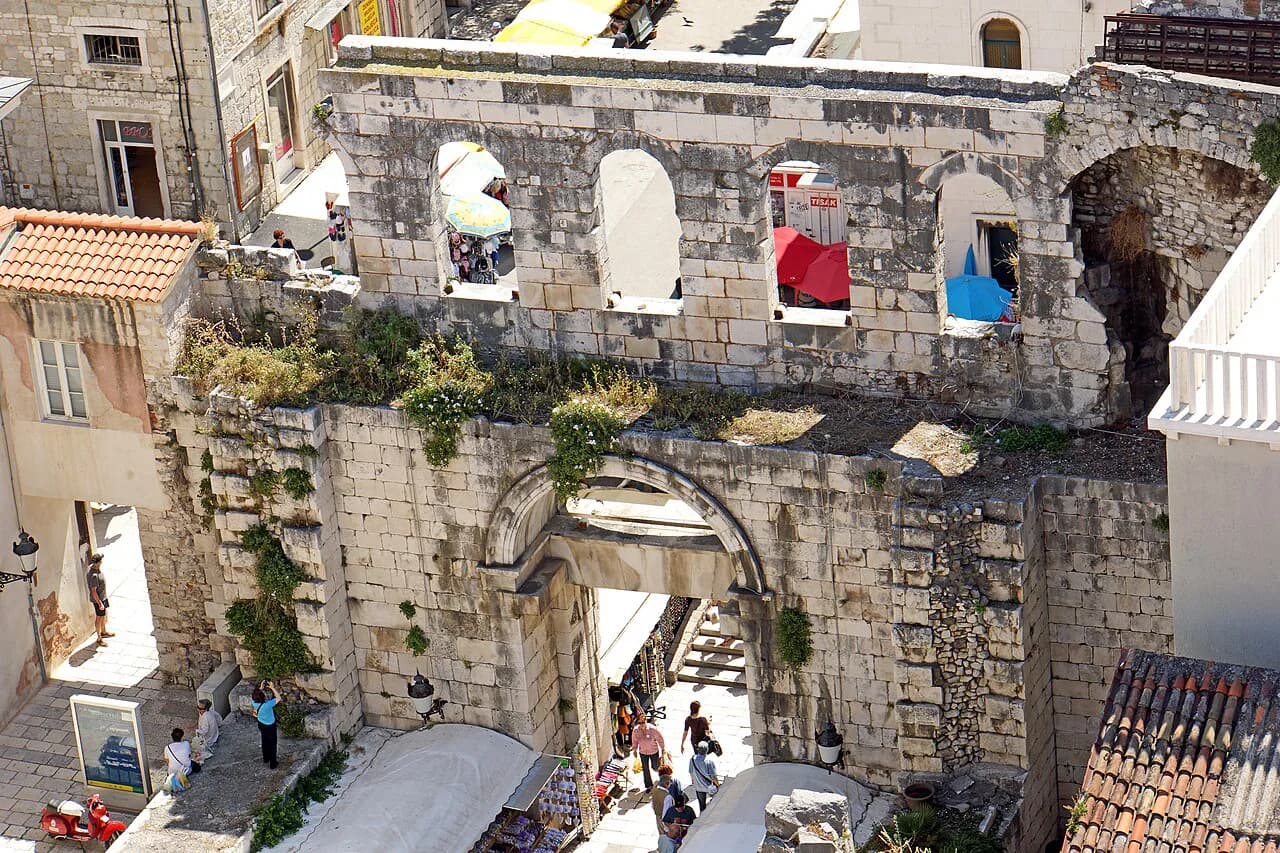
Diocletian's Palace is the main draw in Split, and it earns the visit. But the neighborhoods just beyond its walls hold a quieter version of the city that most itineraries skip entirely. Split's Old Town fills up fast by mid-morning, especially when cruise ships are in port. Arriving between 8:15 and 9:00 AM lets you see the Peristyle and the Golden Gate before the tour groups land. After that window closes, the better move is walking away from the Riva rather than fighting the crowd along it. Within the Old Town itself, quieter corners still exist: Tinel pours coffee in a tucked-away square, and Uje Oil Bar serves wine with fig flatbread away from the terrace crowds. For a broader roundup of quieter corners across the city, see this guide to 15 Hidden Gems in Split: Local Escapes Beyond the Palace (2026). It pairs well with a shorter list of Split secret spots worth returning to on a second visit. The trade-offs below summarize where locals go instead of the obvious pick.
| Instead of | Try | Why it works |
|---|---|---|
| Riva promenade | Sustipan Park | Quieter sunset views, no terrace crowd |
| Bačvice Beach | Kasjuni Beach | Pebble shore, pine shade, fewer people |
| Diocletian's Palace at midday | Salona Ruins | Same era, far fewer visitors on-site |
| Hvar or Brač day trip | Šolta day trip | Slower pace, smaller crowds |
Veli Varoš and Lučac-Manuš: Split's Living Neighborhoods
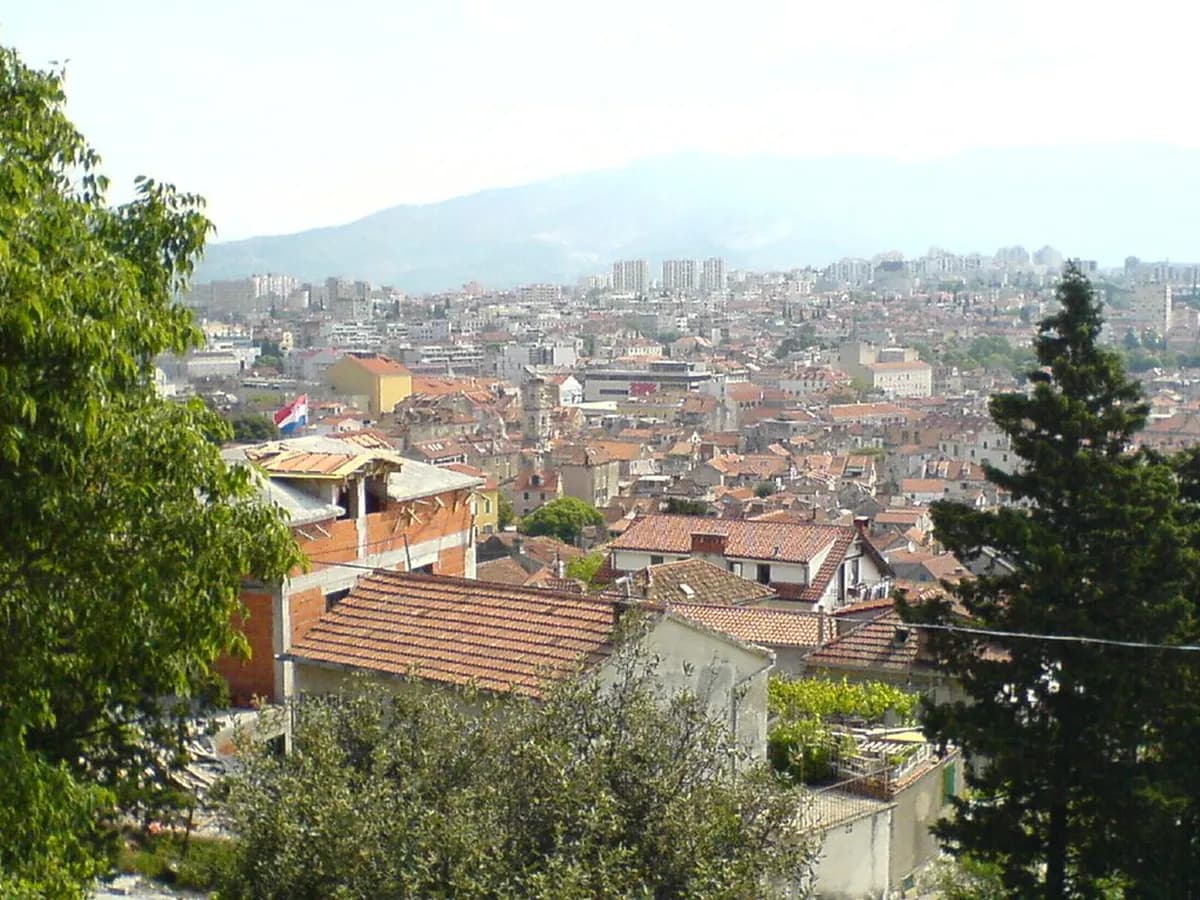
Veli Varoš sits just west of Diocletian's Palace and was historically a fishing and farming quarter. Stone houses, narrow lanes, and small parish churches line the streets, and locals still live behind those doors today. Souvenir shops thin out fast once you cross into Veli Varoš, replaced by neighborhood bars and family-run konobas. The lanes climb steeply toward Marjan, so comfortable shoes matter more here than on the flat Old Town streets. Lučac-Manuš lies east of the Old Town and counts as the oldest neighborhood outside the palace walls. It sits close to the Pazar Green Market, so a morning walk through here often ends with produce shopping. Both districts reward slow wandering more than a checklist of named sights. For a full breakdown of the city's districts, use the Split Neighborhoods Guide: Where to Stay and Explore (2026). A dedicated profile covers Veli Varoš in more depth. A separate guide does the same for Lučac-Manuš.
Marjan Hill Beyond the First Viewpoint
Most visitors stop at the Vidilica viewpoint partway up Marjan Hill and turn back toward town. Even partway up, views already open across the harbor toward the outer islands. Continuing further leads to a medieval hermitage built into the cliffs, with small stone dwellings cut into the rock face. The hike starts near a set of stairs close to Pizzeria Bokamorra, signposted as Marjan Hill Stairs on Google Maps. The full walk to the Telegrin peak takes about 45 minutes on a paved, well-marked path. A cafe sits roughly halfway up for a water break, and an old zoo enclosure near the summit still keeps a few donkeys. Cyclists share much of the same network, so early mornings suit walkers better than midday. Anyone skipping the climb can take bus line 12, which connects the Old Town to the Marjan and Kasjuni side of the peninsula. Trails, viewpoints, and beach access all link up here, covered in full in the Marjan Hill guide. Paired with the neighborhoods below it, Marjan ranks among the more 10 Unique Things to Do in Split, Croatia (2026 Guide) for repeat visitors.
Coastal Escapes: Where Locals Actually Swim and Watch the Sunset
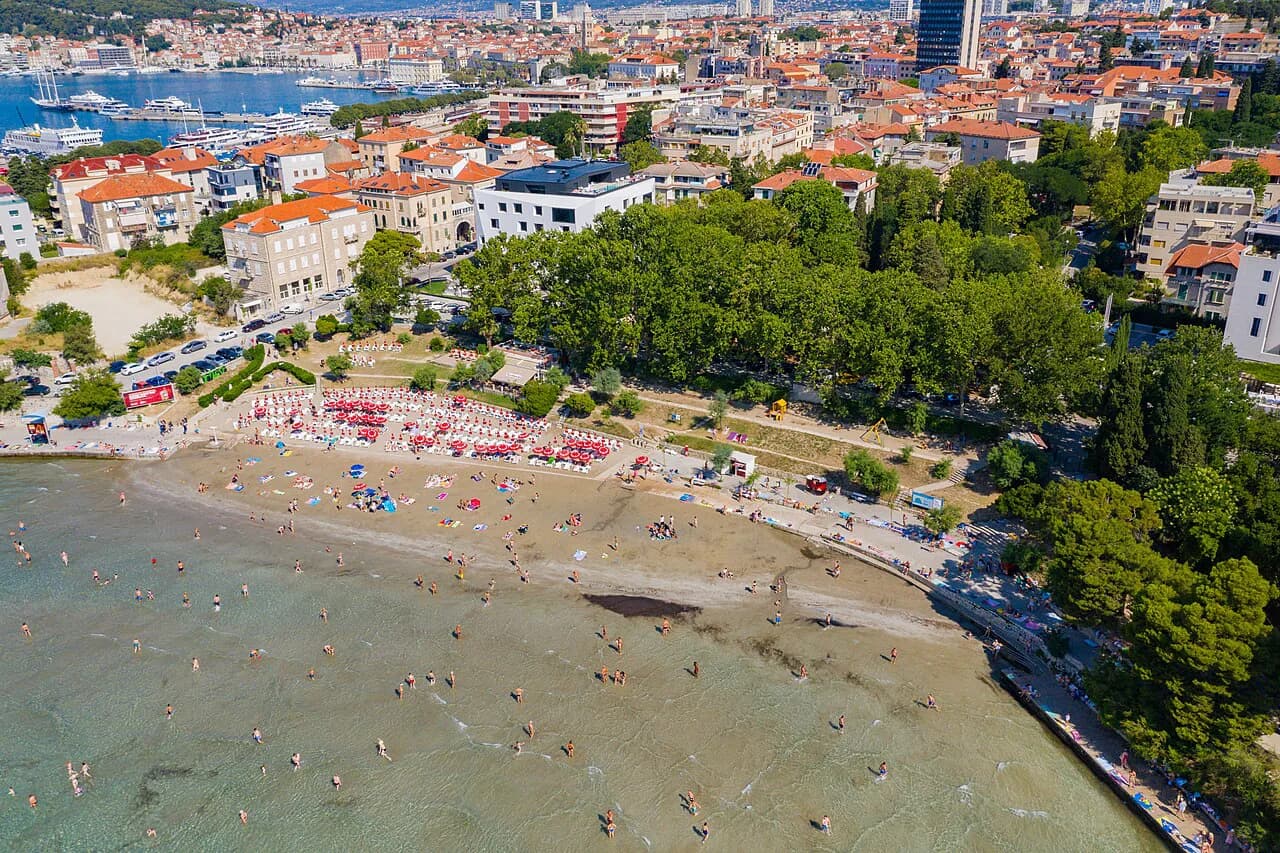
Bačvice is Split's only sand beach and stays busy with games of picigin, a local hand-ball tradition played standing in shallow water. It sits close to downtown and gets crowded and loud by afternoon. Kasjuni sits at the foot of Marjan Hill and offers a pebble shore, pine shade, and a calmer crowd, reachable on the same Marjan bus route. Further along the peninsula, Bene Beach sits inside Marjan Forest Park and adds picnic areas and shallow water suited to families. Jezinac Beach is smaller still, tucked close to the city center yet largely skipped by visitors headed straight for Bačvice. Sustipan Park is a different kind of coastal stop. It began as a monastery site, became a 19th-century cemetery, and was converted into a public park after World War II. Cliff-edge walkways look out over the Adriatic and Marjan Hill, and the park empties out well before sunset crowds gather on the Riva. Full details on the park are in the Sustipan Park guide. Bačvice logistics and picigin rules are covered in the separate Bačvice guide.
Historic Sites Outside the Palace Walls
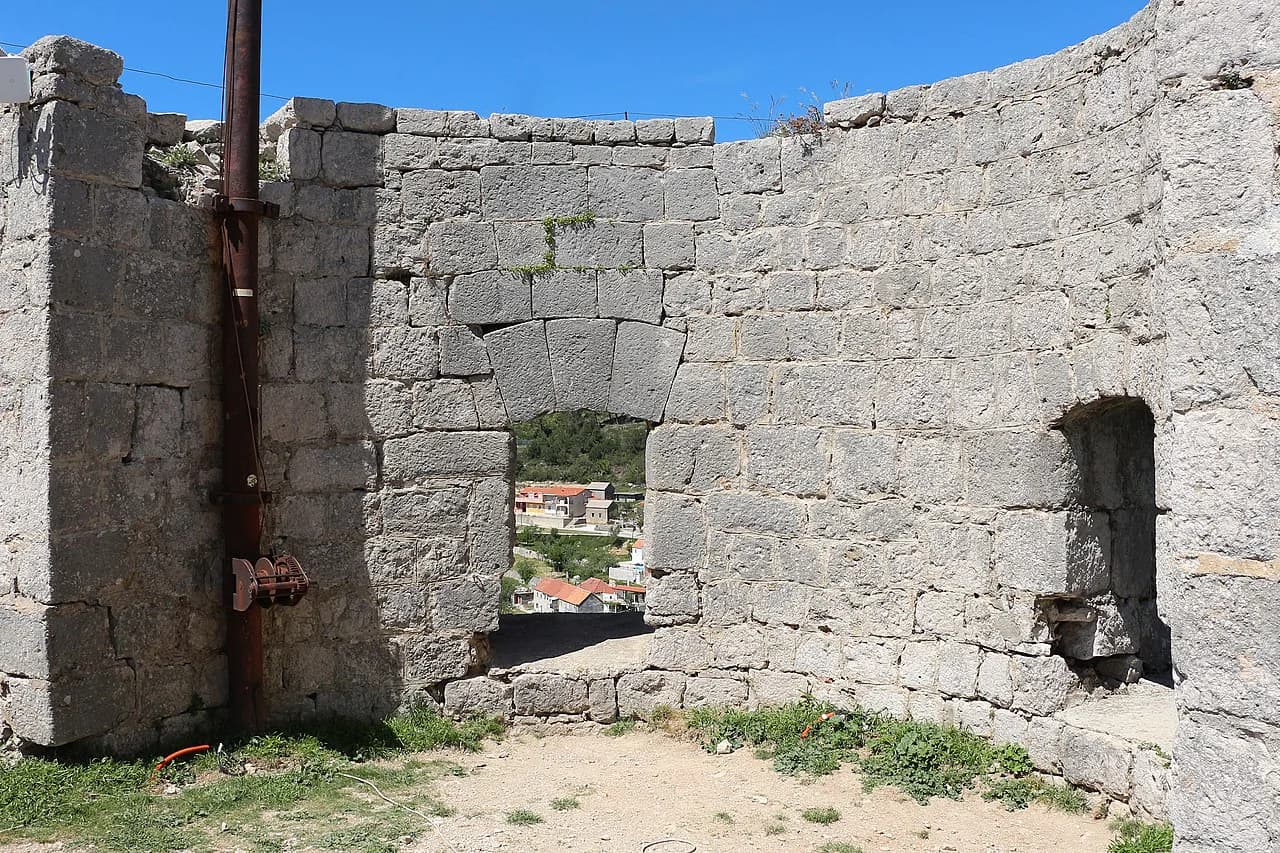
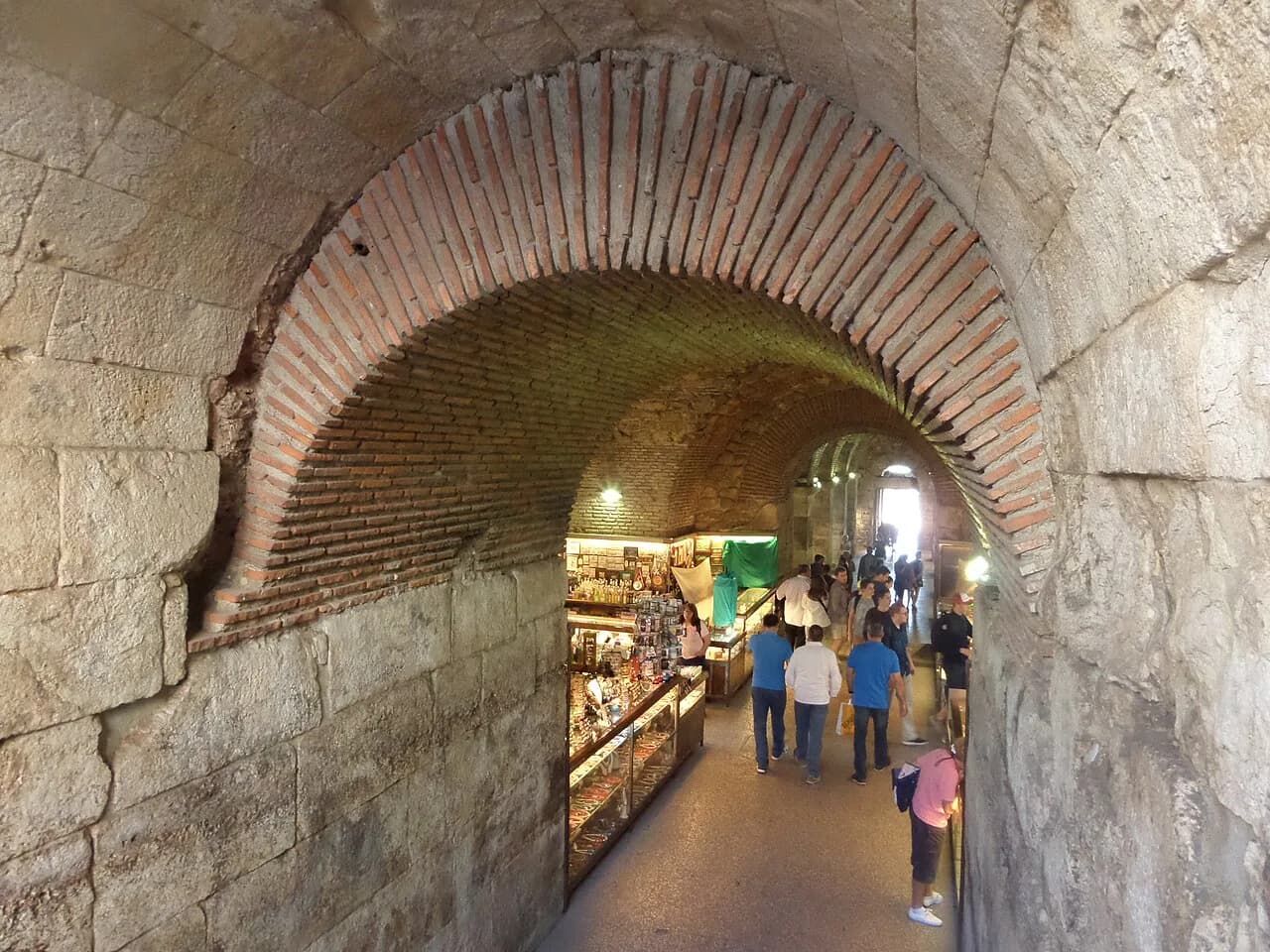
Klis Fortress overlooks the mountain pass separating Split from the interior and has guarded that route since Roman times. It gained wider attention as a Game of Thrones filming location, standing in for the city of Meereen. The real draw is the view. Fortress walls look down over Split, the Adriatic, and the surrounding islands. Visitor numbers here run far lower than at the palace. Salona Ruins sit a few kilometers from Split and mark the site of the former Roman provincial capital. Amphitheater remains, early Christian church foundations, and old Roman bath structures are all walkable on-site, and public buses reach the site directly. On-site signage is minimal, so a small-group tour adds context a solo visit would miss. The Archaeological Museum in Split holds the oldest archaeological collection in Croatia and rarely sees a line. Diocletian's Palace itself has an overlooked layer too: underground cellars and passages beneath the Peristyle, detailed in the cellars of Diocletian's Palace guide.
Eating and Drinking Like a Splićanin
A konoba is a traditional Dalmatian tavern. The word originally meant a refuge, a place where workers ate and drank between shifts. Konobas concentrate in Varoš and Firule rather than along the Riva. Look for crni rižot (black risotto), grilled sardines, and ispod peke, meat or fish slow-cooked under a domed lid. The Pazar Green Market sits beside Diocletian's Palace and is busiest on Saturday mornings, when stalls fill with produce, olives, and homemade wine. Ribarnica, the fish market, is the spot for sardines and octopus straight off the boats. Ćevapi stalls and bakery burek make cheap, fast options between sightseeing stops, and both sit well outside the Riva's pricier terraces. For an evening drink away from the Riva, Marvlvs Library Jazz Bar pairs wine with live jazz in a converted space near the Old Town. Bring cash. Small konobas and market stalls often do not take cards. For sit-down recommendations with specifics, check the local restaurants in Split list. A broader tour of Dalmatian dishes and where to find them sits in the Split Local Food Guide: Where to Eat Like a Local in 2026.
Day Trips for the Slow Traveler
Šolta offers a quieter alternative to the ferry crowds heading for Hvar or Brač, with small coves and a slower pace throughout. Trogir is a UNESCO World Heritage town that feels like a compact version of Split's Old Town, minus the volume of visitors. Both work as half-day or full-day trips without an overnight stay attached. Both islands connect to Split by ferry from the harbor, making them practical add-ons rather than full expeditions. A full comparison of routes and timing sits in the day trips from Split guide. The Trogir day trip guide covers logistics for that route specifically. A separate guide does the same for the Šolta island day trip.
Practical Logistics: Timing, Transit, and Costs
Timing decides how crowded Split feels on any given day. Arriving at the Old Town by 8:15 to 9:00 AM clears the Golden Gate and Peristyle before tour groups land. Getting around outside the walls is straightforward with a mix of buses, ride-hailing apps, and walking. Shoulder-season travel keeps streets emptiest overall. For exact months and week-by-week crowd patterns, see the Best Time to Visit Split Without Crowds: A 2026 Season-by-Season Guide guide.
The 8:15 and 9:00 AM window works best for Diocletian's Palace; after tour groups arrive, shift to Kasjuni Beach or other coastal spots, both accessible via the same bus routes that serve the Palace.

- Airport shuttle: about €10 one-way, departing roughly every 30 minutes to the downtown waterfront bus station.
- Bus line 12: connects the Old Town to Marjan and Kasjuni for beach or hermitage trips without the uphill walk.
- Old Town crowd window: 8:15-9:00 AM is the reliable stretch before tour groups and cruise passengers arrive.
- Ride-hailing: Uber and Bolt both operate in Split for point-to-point trips outside the pedestrian core.
- Old Town walking: the historic core is flat and car-free, so no transit is needed once inside the walls.
Common Mistakes to Avoid in Split
A few habits separate an easy visit from a crowded, expensive one.
- Staying only inside the palace walls misses Varoš, Marjan, and the coastline entirely.
- Expecting sandy beaches everywhere leads to disappointment. Most of Split's coastline, including Kasjuni, is pebble.
- Skipping cash costs you access. The Green Market and small konobas often do not accept cards.
- Treating the palace as one flat sight blends its layers together. Upper rooms, cellars, and outer courtyards each need separate time.
- Treating Split as a one-day stop skips the slower experiences that a guide to Free Things to Do in Split: A 2026 Budget Guide can fill without extra cost.
Frequently Asked Questions
What is the best time of day to avoid crowds in Split's Old Town?
Arrive between 8:15 and 9:00 AM. The Peristyle and Golden Gate stay quiet until tour groups and cruise passengers arrive later in the morning.
Is Bačvice or Kasjuni better for a quieter swim?
Kasjuni is quieter. Bačvice is Split's only sand beach and stays busy with picigin games and a central location.
How do you get to Marjan Hill and Kasjuni without walking uphill?
Take bus line 12 from the Old Town. It connects to the Marjan and Kasjuni side of the peninsula for anyone skipping the hike.
What is a konoba, and where do you find real ones in Split?
A konoba is a traditional Dalmatian tavern. Look in Veli Varoš and Firule rather than along the Riva for the local versions.
Do you need cash for the Green Market and small restaurants in Split?
Yes. Bring cash. The Pazar Green Market and many small konobas do not reliably accept cards.
Do Klis Fortress or the Archaeological Museum close seasonally?
Hours can shift by season at both sites. Check current opening times before visiting, especially outside peak summer months.
What currency should you budget in for Split?
Budget in euros. Split uses the euro, and small konobas or market stalls are more likely to expect cash than card.
Continue exploring
More guides you'll find useful