Split Neighborhoods Guide: Where to Stay and Explore (2026)
A practical Split neighborhoods guide to Diocletian's Palace, Veli Varoš, Bačvice, and Meje/Marjan — where to stay, eat, and work in 2026.
On this page
Split Neighborhoods Guide: Where to Stay and Explore in 2026
Last updated July 2026, this split neighborhoods guide breaks down where to stay across Split's compact peninsula, from the Roman stonework of Diocletian's Palace to the quiet backstreets of Lučac-Manuš. Each quarter sits within roughly 15 to 20 minutes of the next on foot, but the character shifts fast: cruise-day crowds inside the Palace walls, stone lanes climbing toward Marjan Hill in Veli Varoš, and sand underfoot at Bačvice. Use the neighborhood breakdown below to match your accommodation to your budget, mobility, and tolerance for cruise-ship traffic.
Split Neighborhoods Guide: How the Peninsula Fits Together
Split's old core sits on a peninsula, so most neighborhoods worth considering fall within roughly 15 to 20 minutes of each other on foot. Diocletian's Palace anchors the center. Veli Varoš spreads west toward Marjan Hill. Bačvice and its beach sit east of the Palace walls. Lučac-Manuš and Spinut fill the northern residential blocks behind the harbor. None of these areas require a car, and several are pedestrian-only, so the neighborhood you choose shapes your daily walking distance more than your transport options. For a first pass at what each quarter offers beyond a place to sleep, the 15 Hidden Gems in Split: Local Escapes Beyond the Palace (2026) guide covers spots locals return to outside the main tourist track.
| Neighborhood | Vibe | Best For | Walk to Palace | Price Level |
|---|---|---|---|---|
| Diocletian's Palace | Roman walls, cafes, bars | First-time visitors, short stays | You're already in it | Highest (about 20-30% above Varoš for food) |
| Veli Varoš | Stone lanes, local shops | Repeat visitors, couples | About 10 minutes | About 30% below the Palace |
| Bačvice | Sandy beach, beach bars | Families, beach-focused travelers | About 10-15 minutes | Mid-range |
| Meje and Marjan | Villas, greenery, calm streets | Longer stays, quiet seekers | About 20-25 minutes | Mid-to-high |
| Lučac-Manuš | Local markets, bakeries | Budget travelers, long stays | Short walk north of the Palace | Lowest |
| Spinut | Marina, promenade | Joggers, sailors | Bus or short rideshare | Mid-range |
Diocletian's Palace: Living History and Maximum Crowds
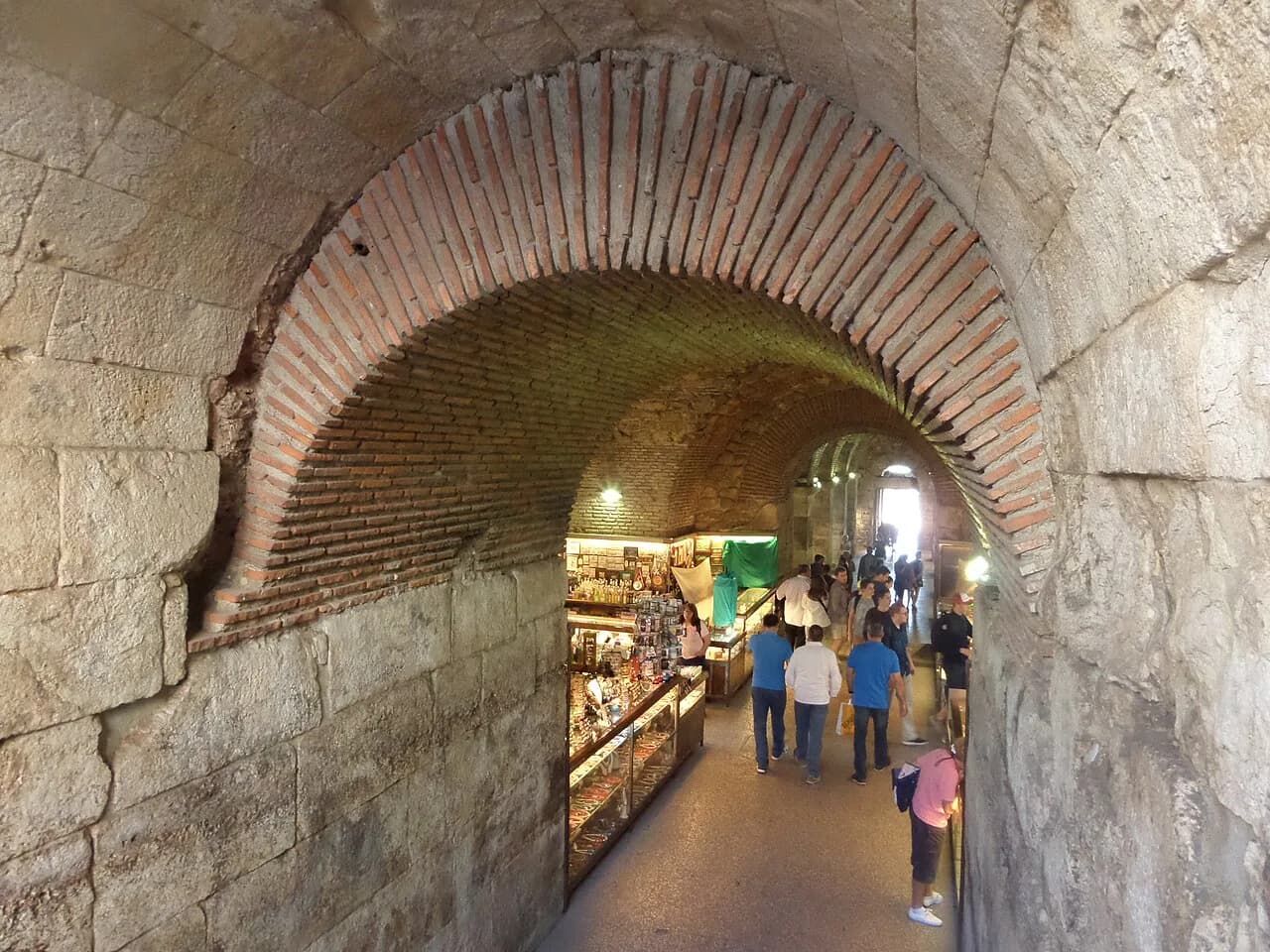
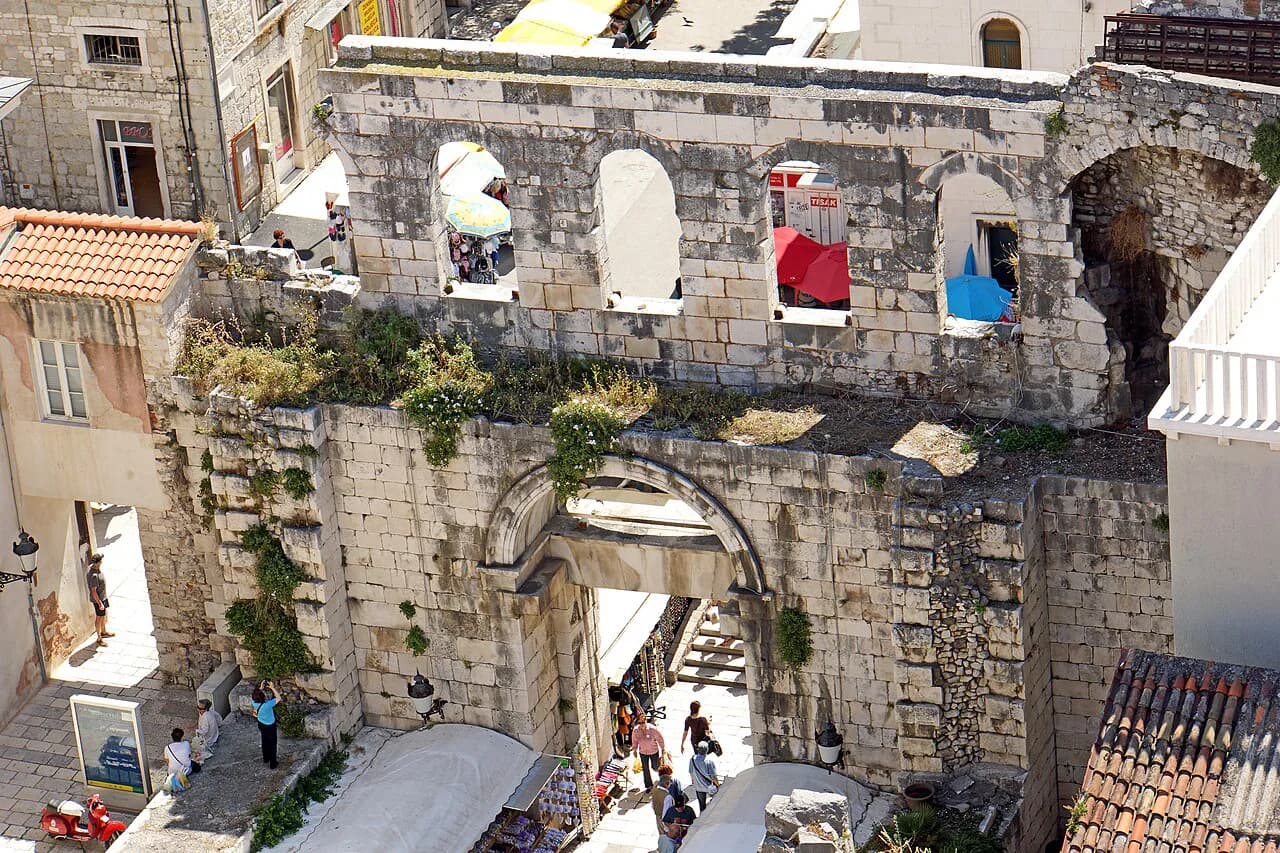
Diocletian's Palace has functioned as a lived-in neighborhood for nearly 1,700 years, and staying inside its walls means Roman stonework underfoot and medieval churches around each corner. Cruise season runs roughly late May through early September, and Palace corridors stay congested from about 10am to 4pm on peak days. Bars operating inside the old walls keep noise going late, and stone construction carries sound rather than absorbing it. Coffee and meals inside the Palace walls typically run 20 to 30 percent higher than the same order two streets away in Varoš. Many apartments here have no elevator and involve climbing stairs through narrow passages, so heavy luggage becomes a real obstacle rather than a minor inconvenience. Tucked beneath the residential apartments, the cellars of Diocletian's Palace stay cool and quiet even when the streets above are full. If crowd timing matters more than walking distance, check the best time to visit Split guide before booking a Palace-adjacent stay.
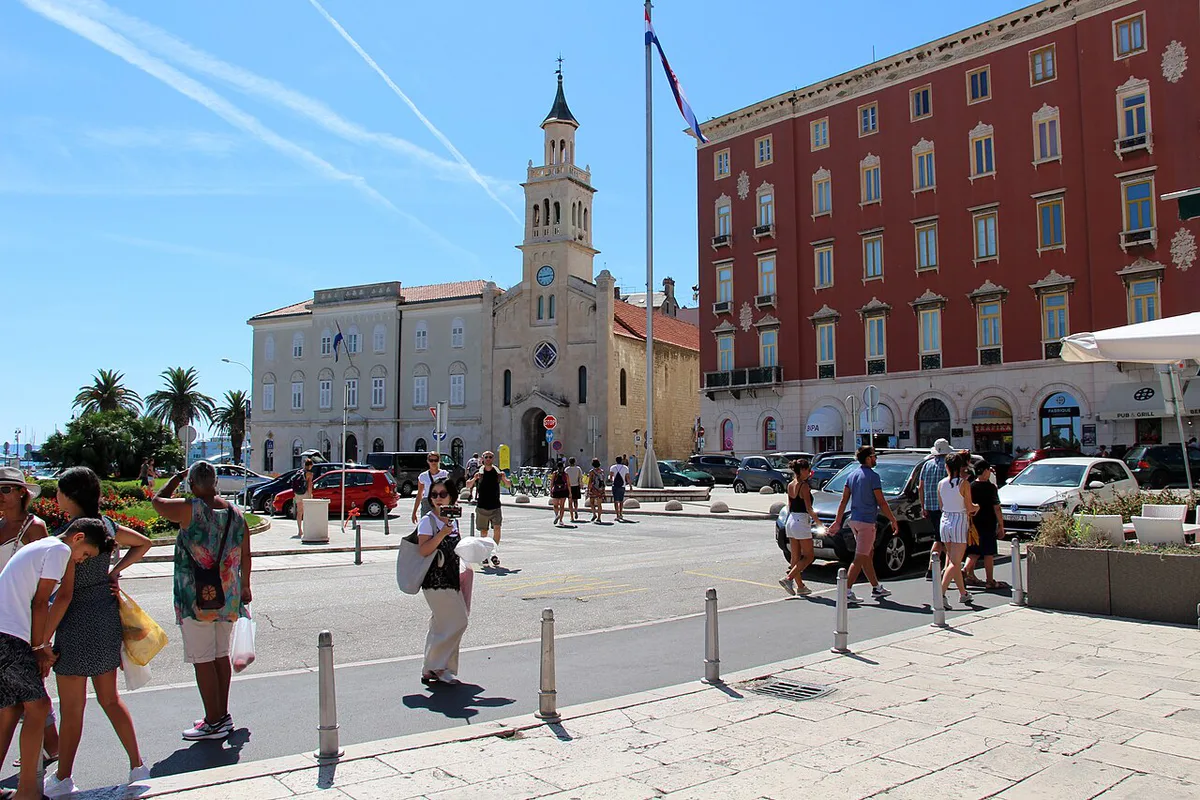
Veli Varoš: Stone Lanes Climbing Toward Marjan
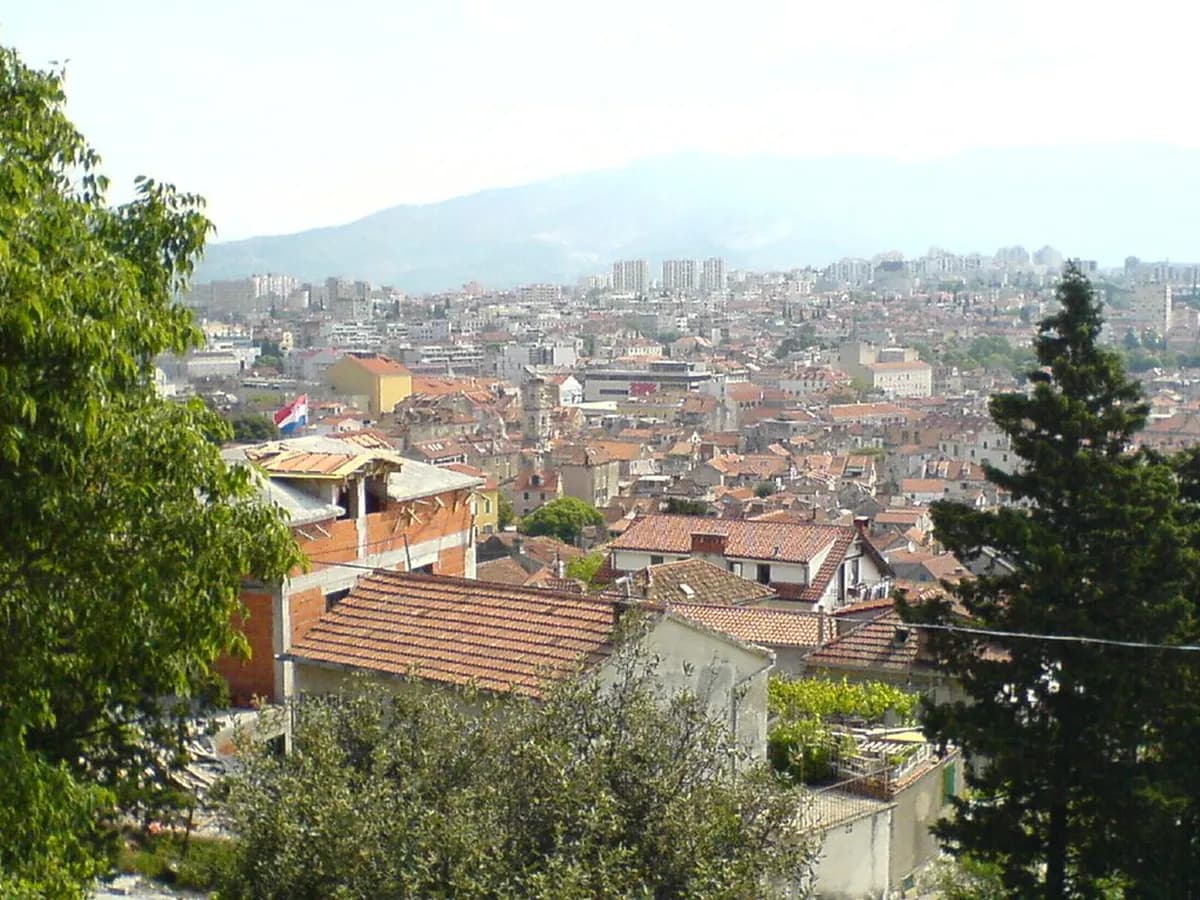
Veli Varoš spreads west from the Palace walls in narrow stone lanes that climb gradually toward Marjan Hill. Laundry lines strung between green-shuttered windows mark the lower streets, where locals still shop at small grocery stores and sit outside in the evenings. The walk to the Palace runs about 10 minutes along the waterfront, and meals at local konobas cost roughly 30 percent less than the same dish inside the Palace walls. Terrain is the tradeoff: lower Varoš is flat and easy, but streets climb noticeably higher up the hill, so travelers with a stroller, mobility aids, or heavy bags should book in the lower blocks. For where to eat once you have settled in, the 8 Best Local Restaurants in Split: Where Locals Actually Eat (2026) guide lists konobas within these lanes. A deeper look at the quarter itself sits in the Veli Varoš neighborhood guide.
Bačvice: The Sandy Beach Quarter
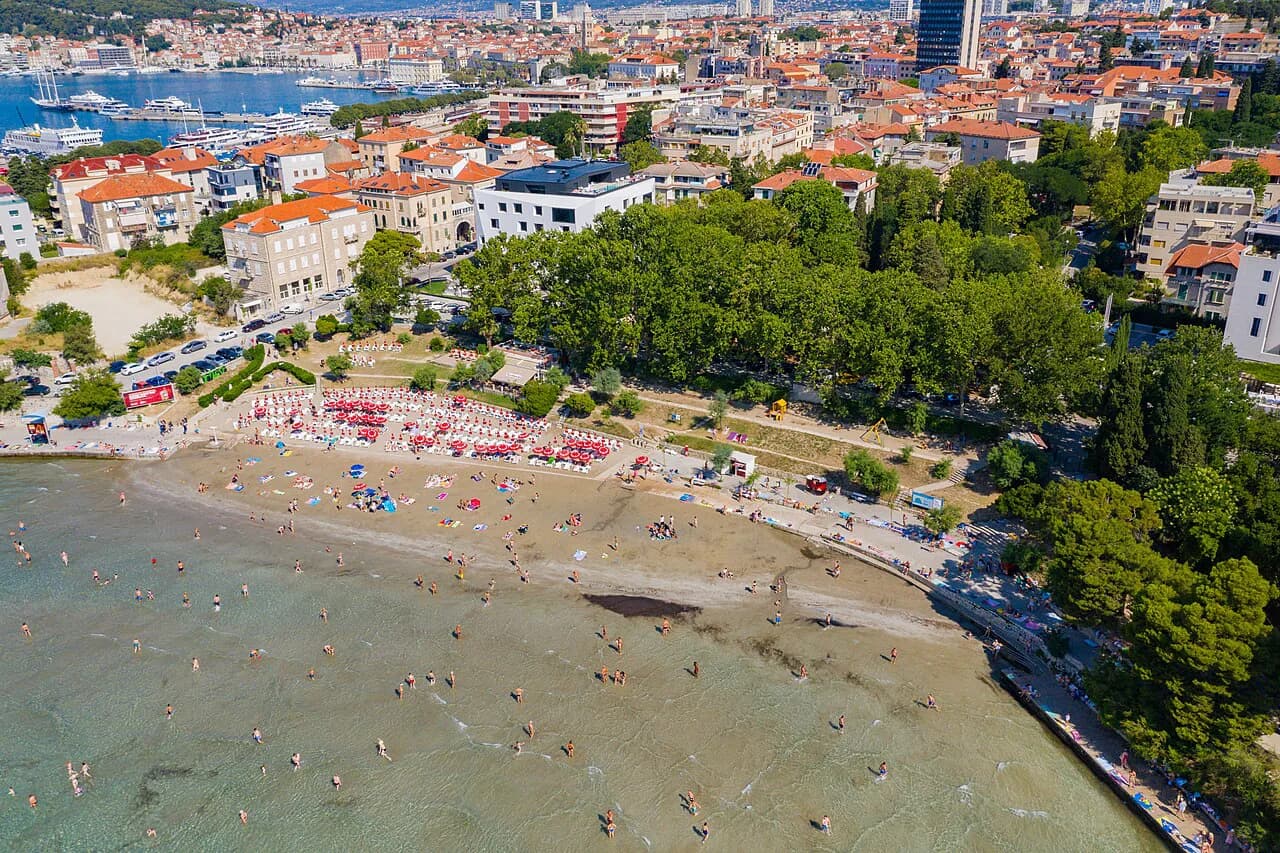
Bačvice sits east of the Palace, roughly 10 to 15 minutes on foot along the waterfront. The neighborhood is built around Bačvice Beach, a shallow sandy bay that stands out on a coastline where most beaches are pebble or rock. Locals play picigin here, a ball game played ankle-deep in the shallows that draws spectators most summer evenings. Beach clubs stay busy through July and August, and seafood restaurants around the bay skip the Palace-area price markup. Bačvice also sits close to the harbor used for day-trip ferries, which makes it a practical base if island connections factor into your plans. A closer look at the beach and its picigin culture lives in the Bačvice neighborhood guide. Nearby seafood spots are covered in the Split Local Food Guide: Where to Eat Like a Local in 2026. Ferry-adjacent stays here also suit travelers planning the 8 Best Day Trips from Split, Croatia (2026 Travel Guide).
Bačvice sits roughly 10 to 15 minutes from the Palace, giving it a similar walk time to Varoš while offering an entirely different experience: a sandy beach with picigin and beach clubs versus stone lanes with local shops.
Meje and Marjan: Split's Quiet Upper Edge
Meje sits between Marjan Hill and the Adriatic, and its wide tree-lined streets replace the narrow lanes closer to the Palace. The waterfront here stays calm, with small rocky beaches and forest views across the Marjan peninsula, and Kasjuni Beach is reachable directly from this area. Walking to the Palace takes 20 to 25 minutes along the waterfront path; heading up through the higher streets instead adds both time and elevation. Split's urban bus network reaches Meje, but the routes take some local knowledge to use efficiently, so most visitors default to walking or a short rideshare. This district suits travelers who have already covered the main sights and want a quieter base rather than a staging point for daily sightseeing. Hiking paths and viewpoints across the peninsula are covered in the Marjan Hill guide. A quieter green space nearby appears in the Sustipan Park guide. Travelers hunting for lesser-known corners of the city should also check Secret Spots in Split: Local Escapes Beyond Diocletian's Palace (2026 Guide), several of which sit closer to Meje than to the Old Town.
Lučac-Manuš and Spinut: Budget Backstreets and the Marina
North of the Palace, Lučac-Manuš spreads into quiet residential backstreets, including the Radunica pocket, where budget-friendly apartments sit above local bakeries and small markets rather than souvenir shops. Long-term local families still shop at the same neighborhood stores, and prices for coffee, bread, and produce run well below anything near the Riva waterfront. This is the area worth prioritizing for longer stays or a tighter budget, since apartment rates here undercut both the Palace and Varoš. Spinut, further along the coast, is Split's marina district: a yacht-dotted harbor, a tree-lined promenade, and sports clubs that draw joggers and sailors rather than sightseers. Neither neighborhood suits a short first-time visit, but both fit travelers who want a residential base without paying a location premium. Budget-friendly things to do near these backstreets are rounded up in Free Things to Do in Split: A 2026 Budget Guide. The full neighborhood profile sits in the Lučac-Manuš guide. Travelers who want to extend that same low-key pattern across the rest of the city can start with off-the-beaten-path spots in Split.
Where to Work Remotely in Split
Split's remote-work scene concentrates around a handful of cafes rather than dedicated coworking towers. D16 draws a laptop crowd for its specialty coffee and regular workshops. The Daltonist is a common meetup spot for expats, with a steady beer and coffee menu. Basta pairs fast internet with a view and stays open from breakfast until late, so it works for morning calls and evening sessions alike. Facebook groups organize weekly meetups, workshops, and networking events for the expat community, and local startups run their own sessions to connect newcomers with founders. Connectivity in the city itself is high-speed and reliable, but that changes on the surrounding islands, so confirm internet and cell coverage with a landlord or host before committing to an island-based work stay. For non-work hours, 10 Unique Things to Do in Split, Croatia (2026 Guide) rounds up the workshops and events these same Facebook groups tend to post.
Airport Transit, Seasonal Prices, and Other Logistics
Split Airport sits about 30 minutes from the Old Town by road. A shuttle bus runs every 30 minutes and costs €10, dropping passengers at the downtown bus station on the waterfront. Verify current schedules and fares before you fly, since these details shift year to year. A taxi costs roughly €40 to €50, and Uber or Bolt both operate in the city if you want to compare live pricing against the taxi rank. Mid-range apartments run roughly €80 to €180 a night in peak season; check current listings, since rates shift year to year. July and August availability sells out months in advance regardless of neighborhood. Winter changes the picture: many restaurants, bars, and shops close between November and March, and some residents relocate to larger cities until spring. Central neighborhoods rarely offer dedicated parking, since the historic core and most of the waterfront are pedestrian-only. Factor that into any rental-car plans. Split also works as a base for single-day trips once you have settled into a neighborhood. Bus connections from the center reach the Trogir Day Trip from Split: Complete 2026 Itinerary & Transport Guide. A ferry from the harbor reaches the Šolta island day trip from Split.
Mid-range apartments run roughly €80 to €180 a night, with the lowest prices in neighborhoods like Lučac-Manuš and highest in Diocletian's Palace—but during peak July and August, even budget neighborhoods sell out months in advance.
Mistakes to Avoid When Choosing a Split Neighborhood
A few recurring booking mistakes show up across Split accommodation reviews:
- Booking a 'Palace view' listing without checking what sits directly below it. Ground-floor bars inside the Palace walls keep upper-floor apartments loud well past midnight in summer.
- Underestimating the stair factor in Varoš and Meje. Properties higher up the hill mean daily climbs with luggage or shopping bags, not just a scenic uphill stroll.
- Assuming a neighborhood has street parking. Most of the historic core and waterfront areas are pedestrian-only, and even Varoš and Manuš have limited resident parking.
- Booking a summer stay in Manuš or Spinut expecting Old Town nightlife at the door. Both are quieter residential pockets, not extensions of the Riva bar scene.
- Skipping the crowd-timing question entirely. Cruise-day congestion inside the Palace peaks in mid-morning, so neighborhood choice alone does not fix a badly timed daily schedule.
Frequently Asked Questions
Which Split neighborhood is best for a first-time visitor?
Diocletian's Palace suits most first-time visitors on a short trip, since major landmarks sit at the doorstep and no taxis are needed to reach them. Expect higher prices and cruise-day crowds by mid-morning in peak season. Veli Varoš is a strong alternative if you want the same 10-minute walk to the Palace with lower prices on food and lodging.
Is Bačvice a good base for families?
Bačvice works well for families because of its shallow sandy beach, a rarity along a coastline that is otherwise pebble and rock. The neighborhood sits about 10 to 15 minutes from the Palace on foot, and seafood restaurants around the bay tend to cost less than equivalents inside the Palace walls.
How much does an apartment in Split cost in 2026?
Mid-range apartments run roughly €80 to €180 a night in peak season, though July and August listings sell out months ahead regardless of neighborhood. Varoš and Lučac-Manuš tend to price below the Palace and Meje for comparable space. Confirm current rates directly with listings before booking, since prices shift year to year.
Do you need a car to get around Split's neighborhoods?
Most visitors do not need a car in Split. Neighborhoods sit within 15 to 20 minutes of each other on foot, and the historic core is pedestrian-only. Meje and Spinut sit further out, but both are reachable by bus or rideshare rather than a rental car.
Is Split quiet in winter?
Many restaurants, bars, and shops close between November and March, and the city can feel emptier than during peak summer months. Some residents relocate to larger cities during this period and return in spring. Neighborhoods built around beach and nightlife, like Bačvice, feel this seasonal drop the most.
Continue exploring
More guides you'll find useful