Hidden Gems in Matera: Quiet Corners and Overlooked Sites
Plan a slower Matera visit with lesser-known viewpoints, cave churches, cave-house museums and ravine paths, plus honest notes on walking difficulty.
On this page
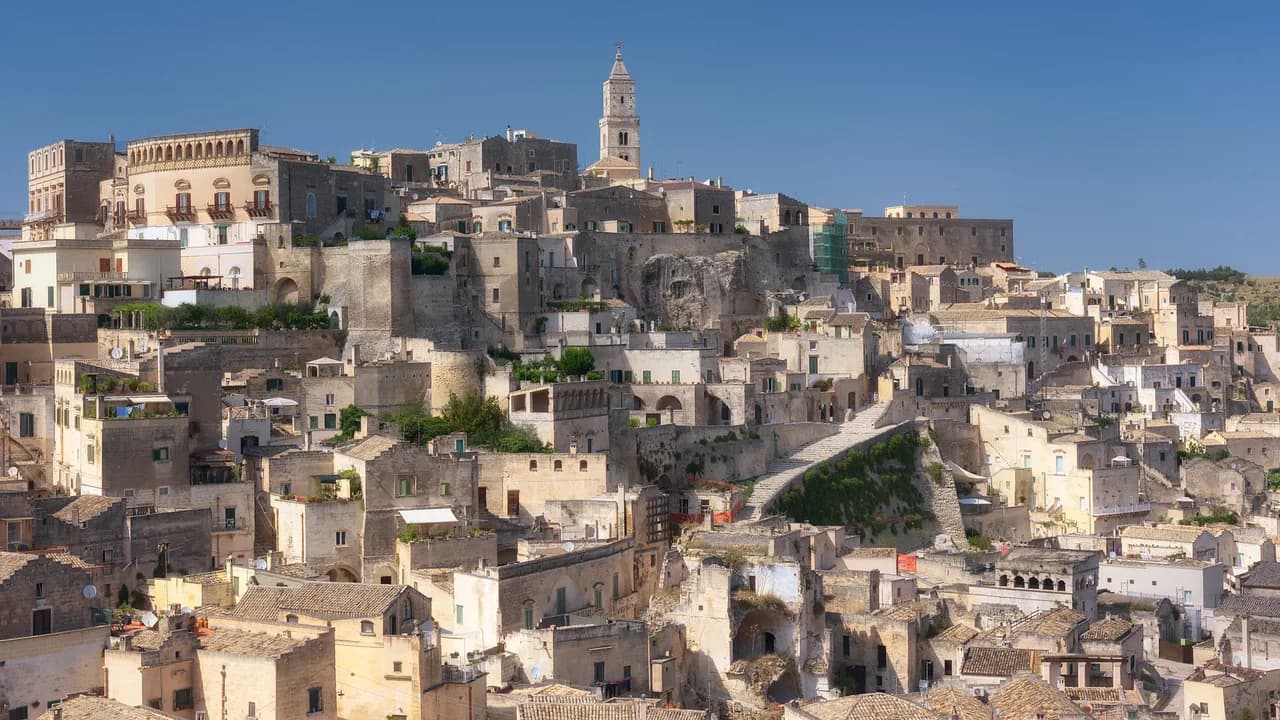
Matera is not a city you tick off. It is two cave districts, Sasso Barisano and Sasso Caveoso, plus a modern upper town, all stacked on limestone above a ravine. The traveller accounts behind this guide describe wandering those alleys as the highlight, ahead of any single museum; one suggests that three to four days could pass here without exhausting the city, though a single full day is what many visitors allow.
Lesser-known here means less crowded or less discussed in typical itineraries, not secret. Visitor numbers have grown since Matera became a UNESCO World Heritage Site in 1993, was a European Capital of Culture in 2019, and appeared in the 2021 James Bond film No Time to Die, as one traveller notes. Expect company in the main lanes and quieter footing in the details.
Orientation: Two Sassi, One Civita, and Why Pace Matters
The historic core splits into Sasso Barisano, Sasso Caveoso and the higher Civita, which was once the walled city while the Sassi sat outside it. Sasso Caveoso felt livelier to one traveller and has the better views over the ravine, while Sasso Barisano is generally quieter and more monumental. Knowing which side you are in stops the city blurring into one long staircase.
One district per day is a pacing suggestion, not an official rule. It buys time to notice dead ends, courtyards and fresco fragments instead of rushing between headline sights. For a structured version of that approach, the neighbourhood guide linked above explains how the districts connect on foot.
Less Crowded Viewpoints: Three Quieter Alternatives
Most visitors head straight for the Belvedere di Piazza Giovanni Pascoli, and rightly so, but three alternatives trade the sweeping panorama for a different angle and often fewer people. Belvedere Luigi Guerricchio, past the arcades of Piazza Vittorio Veneto, looks toward the Duomo and shows how densely packed the city is, though it lacks the ravine drama. It is the easiest of the three to reach from the flat upper town.
The terrace along Via Santa Cesarea is easy to miss: from Piazzetta San Biagio, look for a fountain on the left, take the stairs on the right, and the view opens near the top of the San Pietro Barisano bell tower. The Agostini church parvis is another understated spot with a broad look over the rooftops. Neither is signposted as a major attraction, which is precisely the point.
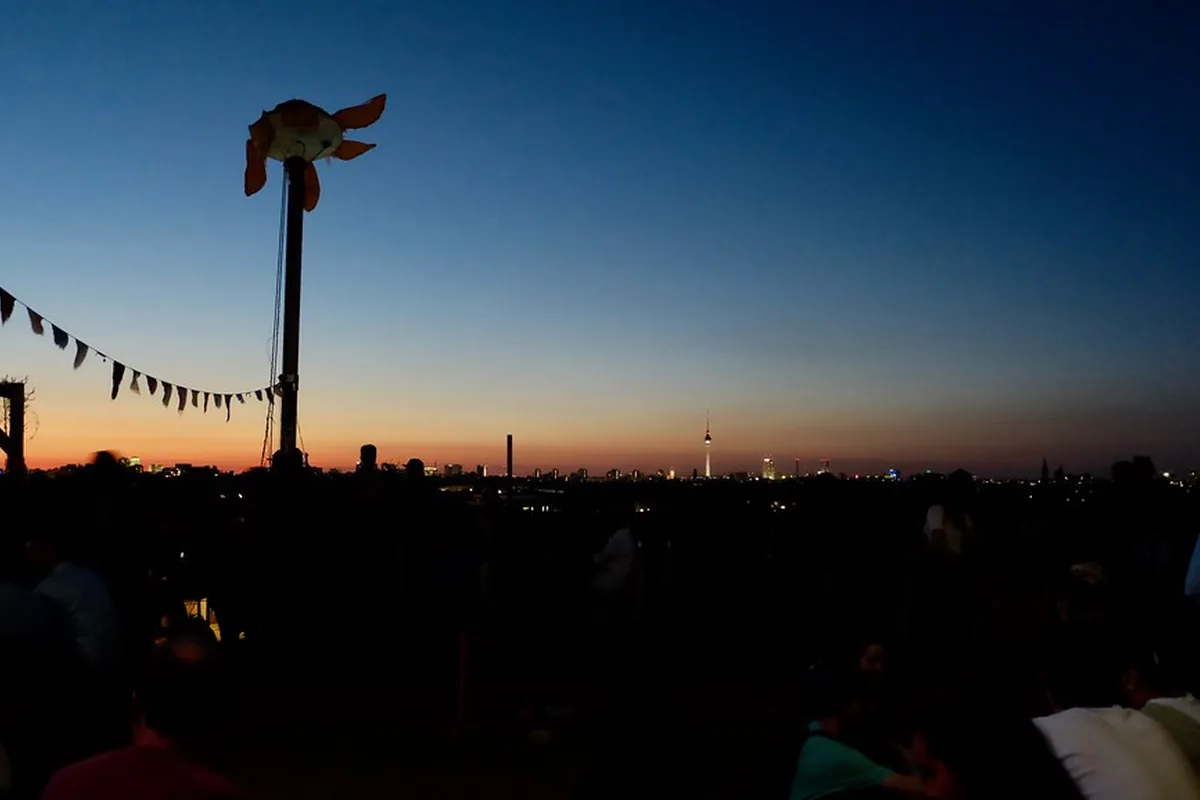
Timing matters more than location. Day visits reveal the texture of the stone, while the evening version, with the Sassi lit up, is described by one traveller as unmissable. Come once in each light if you can, and treat the viewpoint circuit as a slow loop rather than a checklist.
The Ravine Perspective: Belvedere Murgia Timone
The in-city belvederes show you the Sassi from within. The view across the ravine at Belvedere Murgia Timone shows you the whole composition, with Sasso Caveoso's simpler rock dwellings on one side and Barisano's taller buildings on the other. One traveller's out-and-back hike measured 3.5 km with about 211 metres of ascent and took roughly 75 minutes, but treat that as one person's pace, not a guaranteed timing.
The trail starts near Porta Pistola and drops steeply on rocky ground, so decent shoes matter and midday summer heat should be avoided. If walking is not appealing, the same account notes the viewpoint can be reached by car from the city, which suits anyone with limited mobility or a tight schedule and should be confirmed with a local driver.
Rock-Cut Churches Beyond the Duomo
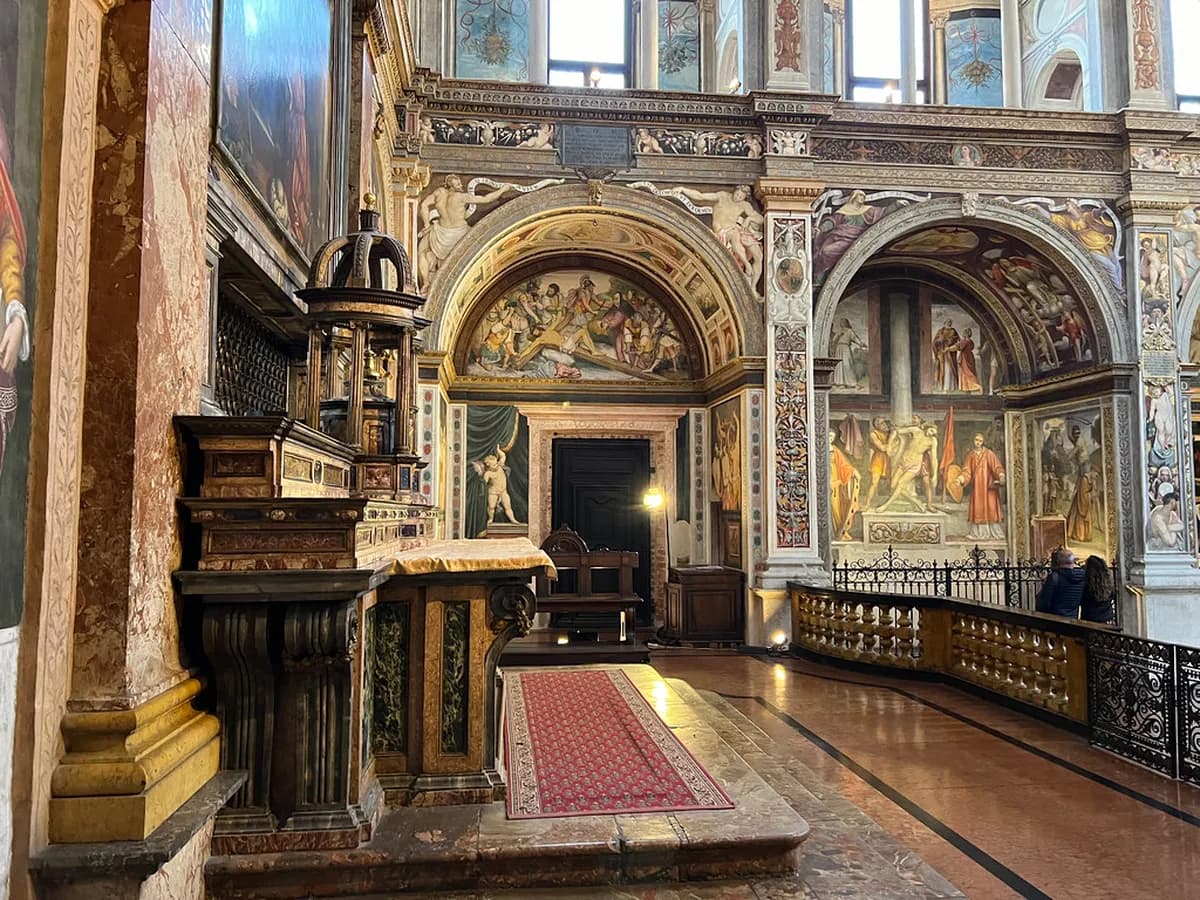
The cave churches are the least showy of Matera's sights and among the most atmospheric. Santa Maria de Idris sits dramatically on the Monterrone cliff and is the one to prioritise if you see only a single rock church; Santa Lucia alle Malve nearby holds frescoes spanning several centuries; San Pietro Barisano is the largest and includes a crypt with seats carved for deceased priests.
Do not assume a single ticket covers everything. The cave churches are separate interiors from the Duomo, which costs a nominal fee, and from the free-entry Baroque churches such as San Francesco d'Assisi and San Giovanni Battista. Pricing and combined tickets are best confirmed at each entrance or on the city's own tourism pages, since visitor blogs are not reliable for current rates.
Opening hours vary by season and site, so check before building a day around interiors. A traveller who tried the Chiesa del Purgatorio found it consistently closed, so treat some interiors as bonuses rather than fixed appointments. The exteriors, alleyways and viewpoints outside them cost nothing and need no timetable.
Cave-House Museums That Explain the Sassi
Cave-house museums turn abstract history into a room you can stand in. The most popular, Casa Grotta di Vico Solitario in Sasso Caveoso, reconstructs a one-room family home where people and animals lived together, but it is also the busiest with tour groups. If you want the story with fewer elbows, Casa Grotta C'era Una Volta in Sasso Barisano is described by one visitor as quieter but just as interesting.
A third choice, Casa Grotta del Casalnuovo, sits close to Vico Solitario if you want to compare without crossing the city. Any of them pairs well with the history film at Casa Noha, which gives the wider context of poverty, relocation and regeneration that makes the reconstructed rooms legible.
Underground Matera: Palombaro Lungo and the Purgatory Facade
Beneath Piazza Vittorio Veneto, the Palombaro Lungo cistern shows how the city once managed water: a vast excavated chamber with a walkway above the pool. Visitors reach it via a fair number of stairs in both directions, and the visit itself is short. It is a worthwhile detour if you are steady on your feet, less so if stairs are a problem. Check current entry terms at the ticket office rather than relying on older blogs.
The Chiesa del Purgatorio is the other oddity worth seeking out. Its 18th-century facade is covered with skulls and skeletons, a visual reminder that the church was built for prayers for souls in limbo. Since interiors are not guaranteed, plan it as a facade to admire on a wander rather than a destination to schedule around.
The Uninhabited Caves at the Edge of Sasso Caveoso
On the edge of Sasso Caveoso, along Rione Casalnuovo, you can walk into caves that were never converted into hotels or restaurants. This is the rawer side of Matera, and one source describes it as the most fascinating part of the city. It needs no ticket and no guide, only care on uneven ground.
Pair this with a walk down toward the Ponte Tibetano della Gravina suspension bridge at the bottom of the ravine, which one traveller reached in around 15 minutes from the trailhead. The path is rocky and steep, so allow more time than you expect and carry water in warm months.
Wandering as the Main Activity
The single best thing to do in Matera is to walk without a plan for an hour or two. Turn down the alley that looks like a dead end, climb the staircase with no name, and stop whenever a courtyard opens up. For a route that covers the key corners without removing the improvisation, use a self-guided walk through the Sassi and then abandon the script.
Photographers should seek out the small outlook near Via Duomo, where a narrow alley frames the caves in a way that is easy to miss. Late afternoon and early evening give the best light in the Sassi, and the lanes empty out after the day-trippers leave.
Practical Constraints: Stone, Stairs and Rain
Matera's limestone becomes genuinely slippery when wet. One traveller slipped and fell during rain, and another described the staircases as slick enough to injure, so grippy shoes are essential rather than optional. Light rain gear is worth carrying for the same reason.
If you have mobility limitations, one account recommends staying in the flat modern town and visiting the Sassi in short bursts rather than a cave hotel deep in the stairwells. The same applies to luggage: keep it light and confirm with your accommodation how bags will reach the door, since the Sassi is difficult to cross with suitcases. Further visitor details appear in Off-the-Beaten-Path Italy: Matera’s Ancient Streets and Delicious Eats - wareontheglobe.
One traveller flags that smaller places book up on both their trips, so reserving ahead for a specific restaurant is sensible in high season. Exact opening hours shift by season, so check the venue directly rather than relying on an older guide.
Context Before Quiet: Casa Noha and MUSMA
Two museums make the quieter corners legible. Casa Noha uses a short multimedia film inside a 16th-century cave house to explain the poverty of the 1950s and the later regeneration, and one traveller recommends visiting it early in your stay. MUSMA, the contemporary sculpture museum, occupies caves in a 17th-century palace, offering a very different mood for the afternoon.
Neither is a hidden gem in the literal sense, but both are frequently skipped in favour of viewpoints, and they reward the time. Confirm current hours and ticket terms directly, as visitor accounts differ.
A Suggested Two-Day Shape for Slower Travellers
Day one could begin at Casa Noha for context, then move through Sasso Barisano via the terrace on Via Santa Cesarea and Belvedere Luigi Guerricchio, ending with an evening view from Piazza Giovanni Pascoli. Day two shifts to Sasso Caveoso: the rock churches, a cave-house museum and the uninhabited caves on the edge, closing with a ravine walk if legs allow.
If you only have a single day, prioritise either district deeply rather than both thinly. The Matera one-day itinerary covers the essentials, and you can add quiet corners around its skeleton.
Comparisons With Other Italian Cities
Matera's quiet corners feel particularly striking after the crowds of Italy's classic routes. If you enjoy this slower register, the hidden gems in Florence and hidden gems in Venice guides show the same approach in very different cities.
Plan Your Slower Matera Visit
The quieter version of Matera is not far off the main path: a short detour to a belvedere, a cave church interior, a small museum, a ravine trail. What it asks for is comfortable shoes, a willingness to walk without a target, and the patience to check opening details before you go rather than assuming.
More Matera guides
- A Self-Guided Walk Through Matera's Sassi
- A Three-Day Matera Itinerary
- A Two-Day Matera Itinerary
- Best Time to Visit Matera
- Free Things to Do in Matera
- Matera Day Trips Guide
- Matera Markets and Food Shopping Guide
- Matera One-Day Itinerary
- Matera Photography Guide
- Matera Rainy Day Guide
- Matera Sassi Neighbourhood Guide
- Matera Viewpoints Guide
- What to Eat in Matera
- Casa Grotta di Vico Solitario
- Cattedrale di Matera Visitor Guide
- Chiesa di San Pietro Caveoso
- Chiese Rupestri della Murgia Materana
- Civita di Matera
- Cripta del Peccato Originale Visitor Guide
- Museo Archeologico Nazionale Domenico Ridola
- MUSMA in Matera
- Sassi di Matera Visitor Guide
- Visiting the Chiesa di Santa Maria di Idris in Matera's Sassi
Frequently Asked Questions
What are the best lesser-known things to see in Matera?
Consider quieter belvederes such as Belvedere Luigi Guerricchio and the terrace along Via Santa Cesarea, the cave churches of Santa Maria de Idris and Santa Lucia alle Malve, a cave-house museum like Casa Grotta C'era Una Volta, and the uninhabited caves on the edge of Sasso Caveoso. These are less crowded rather than secret, and the headline sights still deserve time.
Are Matera's cave churches free to visit?
Not necessarily. Some Baroque churches in the city had free entry according to one traveller, while the rock-cut cave churches may charge for the interior. The Duomo charges a nominal fee. Confirm current prices at each entrance or with the city's tourism office before planning a day around interiors.
Is the walk to Belvedere Murgia Timone worth it?
For many visitors, yes, because it gives the only full view of both Sassi from the far side of the ravine. The trail is rocky and steep, and one traveller measured about 75 minutes with significant ascent, but pace varies. A car option was also noted by the same visitor and should be arranged locally.
Which cave-house museum in Matera is quieter?
Casa Grotta C'era Una Volta in Sasso Barisano is described by one visitor as quieter than the busiest option, Casa Grotta di Vico Solitario in Sasso Caveoso, but just as interesting. Casa Grotta del Casalnuovo is a third option nearby. All tell a similar story of family life in a single-room cave dwelling.
Is Matera difficult to walk around?
Yes, much of the Sassi is steep, stepped and paved with slippery limestone when wet. One traveller recommends staying in the flat modern upper town if you have mobility limitations and visiting the historic core in short stretches. Comfortable shoes with grip are essential regardless of fitness.
Sources
Continue exploring
More guides you'll find useful