
Chiesa di Santa Maria di Idris, Matera: A Visitor Guide
A Yondli guide to the rock-hewn Chiesa di Santa Maria di Idris in Matera: what you see, how it fits a Sasso Caveoso walk, and what to confirm before visiting.
On this page
The Chiesa di Santa Maria di Idris is a rock-hewn church in Matera's Sasso Caveoso. It sits on a rocky height above the surrounding lanes, and its small interior consists of two rooms. It is therefore best treated as one short stop on a Sassi walk rather than as a standalone monument.
The wider story of rock-cut churches belongs to the Murgia materana landscape, and guided itineraries in Matera often present the Sassi and the park as a connected heritage area. Use this guide to decide how the church fits your half-day plan and what to check on arrival.
Why the Church Belongs on a Sassi Itinerary
Rock-cut churches are the architectural signature of Matera. Santa Maria di Idris is a compact introduction to the idea: a space hollowed from the tufa rather than built up from masonry, which changes how you read scale, light and decoration. That difference is the reason to go, more than any single artwork inside. For wider planning, see Hidden Gems in Matera.
Materaturismo, a Matera-based tour operator active since 2002, frames the city's appeal around the Sassi, the Murgia materana park and the rock churches as a connected heritage landscape rather than separate sights. Treating the church as part of that continuum helps you understand why so many of these spaces exist in one small area. Their guided itineraries and food experiences are one way to see the city with context.
That framing is also a useful restraint. If you only have time for one or two rock-cut interiors, choose them for contrast: a small cave church like this one, a larger rupestrian complex, and a built church such as the cathedral each tell a different part of the story. Avoid stacking five similar stops and losing the thread.
Where It Sits: Matera, Basilicata, and the Sasso Caveoso
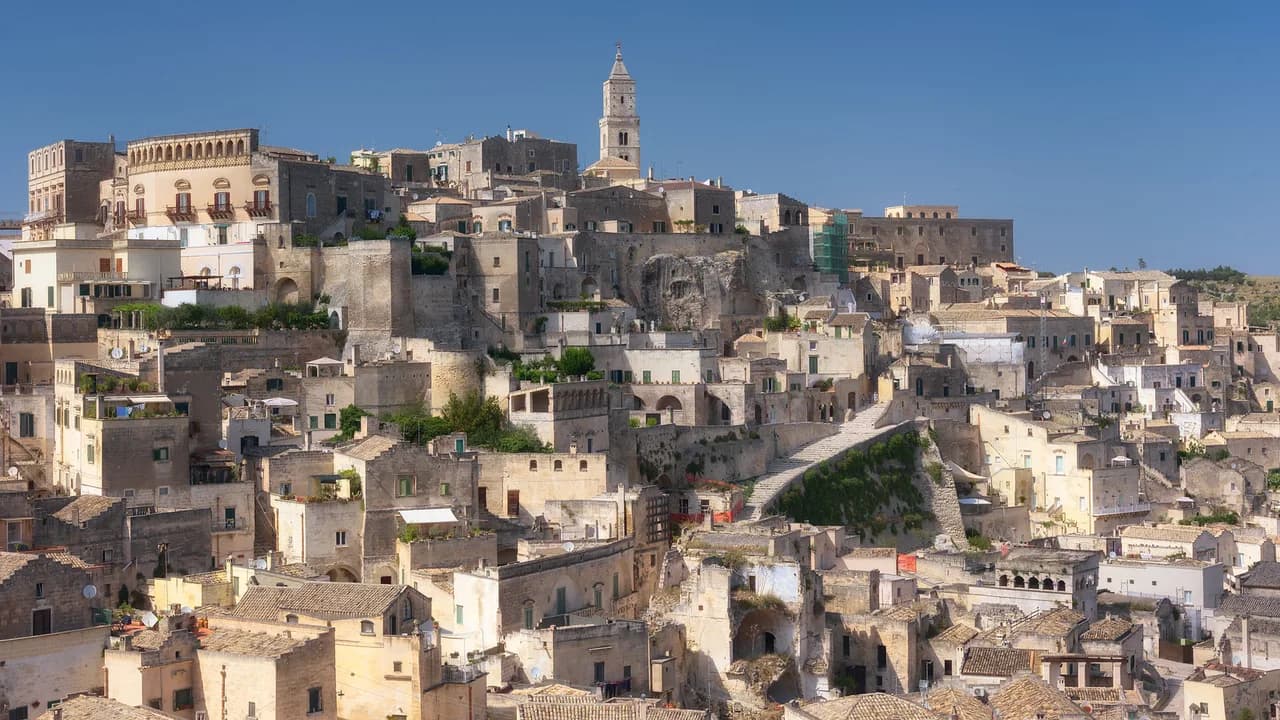
The church stands in Matera, in the Basilicata region of southern Italy, within the Sasso Caveoso district of the Sassi. The two Sassi districts, Caveoso and Barisano, drape across opposite slopes of the ravine, and the Caveoso side is the one associated with this church and with several other rock-cut monuments nearby.
Descriptions of the church consistently place it on top of a small hill, carved into the rock, with a striking exterior that is visible before you reach the entrance. Lonely Planet lists it among Matera's attractions, which is a reasonable cross-check that the site is on the standard visitor map rather than an obscure detour.
Because the Sassi are a lived-in urban fabric rather than a fenced archaeological park, orientation matters more than a precise address. Plan your approach from within the Caveoso lanes, and use the church's position on its rocky spur as a landmark while you walk the district. For wider planning, see Sassi di Matera Visitor Guide.
What You Actually See: Exterior and Interior
The first impression is vertical: the church reads as a rocky outcrop with a facade cut into it, sitting above the surrounding lanes. That silhouette is the most photographed aspect of the visit, and it is visible without entering, which matters if you arrive when the interior is closed.
Inside, expect a small space rather than a basilica. Visitor descriptions on TripAdvisor describe a compact interior of only two rooms, so the experience is short and intimate; the reward is the sense of being inside the rock, not a long gallery of artworks. Budget your attention accordingly and save the longer church visits for elsewhere.
Useful context is published in aggregated attraction listings such as Visit A City, but these pages rarely settle the practical questions that change from season to season. Treat them as orientation only, and confirm the details that matter to you at the site or through a local operator before you build a day around the interior.
Reading a Rock-Cut Church: Setting Expectations
A church carved into rock behaves differently from a built basilica. There is no independent structure to look at from outside, no facade carved with an elaborate portal programme, and often no side aisles to create processional depth. What you get instead is an interior shaped by the stone's flaws and the effort of removal, which is why these spaces feel improvised even when their decoration was carefully planned.
Visitors who arrive expecting a museum-scale monument are often disappointed by small cave churches; visitors who arrive expecting a single atmospheric room usually are not. Decide in advance which category you are in, because the church itself will not take long and the surrounding lanes will supply most of the day's interest.
Detailed study of the interior decoration, including specific fresco subjects and their dating, is better done through specialist art-historical sources than through a short visit. If that level of detail is the reason for your trip, a guided format with an informed guide will serve you better than walking in cold.
Practical Checkpoints Before You Go
Opening arrangements for small rock churches in Matera are not stable enough to rely on a guide written months earlier. Before climbing to the entrance, confirm whether the interior is currently open to visitors, what the admission arrangement is, and whether entry is included in any combined ticket you have already bought. Do this at the site, at a local tourist information point, or by asking a licensed operator.
Do not assume that a ticket for one Sassi attraction covers another; ticketing scope varies from site to site, and rock-cut churches are frequently managed separately. If you have booked a guided tour, ask the operator directly whether this church is part of the itinerary rather than assuming it from a general Sassi description.
Access within the Sassi involves uneven stone lanes, steps and slopes, so plan footwear and timing around that reality. If mobility is a concern, discuss the specific route with your guide or accommodation before setting out, since general accessibility information for the district is not a reliable substitute for current local advice.
Combining It With Other Sassi Stops
Santa Maria di Idris works best as one element of a Caveoso circuit. The Chiesa di San Pietro Caveoso sits in the same district and gives you a built-church contrast, while Santa Lucia alle Malve is another rock-cut interior often mentioned alongside it. Together they illustrate how medieval Matera layered communal, monastic and domestic life into the same cliff.
Beyond the Sassi, the Chiese Rupestri della Murgia Materana are a wider category spread across the ravine and park opposite the city. They are not the same visit as this church, and reaching them requires a different plan, but they deepen the picture of how widespread rock-cut worship was in this landscape.
For a sense of domestic cave life rather than religious architecture, the Casa Grotta di Vico Solitario recreates a furnished dwelling and pairs naturally with a Caveoso walk. It gives the lanes a human scale that churches alone cannot.
Guided Tour or Independent Visit
A guide earns their fee here mainly through context, not access. The interior is small and lightly labelled at best, so the value of a guided format lies in understanding how rock-cut churches fit the wider Sassi and Murgia landscape, and in hearing how the district was used over time.
Materaturismo is one local operator offering guided Sassi itineraries, Murgia park and rock-church visits, and food experiences, with a history dating to 2002. Their published programme is a starting point for comparing options, but confirm specifics such as group size, language and which sites are actually entered when you enquire.
If you are comfortable with a short, atmospheric interior and have done some reading beforehand, an independent visit is perfectly reasonable. Choose a guided format when you want the district explained as a whole, or when your time is short and you would rather not spend it orienting yourself.
Suggested Time and Pacing
As a suggestion rather than official guidance, allow fifteen to thirty minutes for the church itself, including the approach and a pause at the exterior. The interior's two small rooms do not support a long stay, and the visit is naturally combined with the lanes around it.
Build a half-day around the Caveoso district instead of around this single stop: the church, one neighbouring rock-cut interior, a built church and a cave dwelling make a coherent circuit. Add a longer break for food, since Matera's culinary traditions are part of the experience the operator community promotes, and rushing between interiors flattens the day.
Who This Stop Suits, and Who Should Reconsider
The church suits travellers who are curious about how a city can be cut from its own geology, and who are happy with short visits to small spaces. It also suits photographers interested in the exterior silhouette against the Sassi, which can be appreciated from outside.
Reconsider making it a priority if you have limited mobility and are unsure about the lanes and steps, if you are travelling with very young children who need room to move, or if your schedule allows only one religious interior and you would rather see a larger, more extensively decorated space. In those cases, the district as a whole still delivers the experience.
A Realistic Half-Day in the Sassi
Start in the Sasso Caveoso, visit Santa Maria di Idris early while the lanes are calm, and confirm on arrival whether the interior is open before you plan around it. Pair it with a contrasting interior and a built church, then leave time to simply walk the district rather than treating the Sassi as a checklist.
The church will not fill an afternoon, and it is not meant to. Its value is as a single, legible example of Matera's rock-cut heritage, best appreciated with modest expectations, a little background reading and a willingness to adapt to whatever the site's current visiting arrangements turn out to be.
Frequently Asked Questions
Is the Chiesa di Santa Maria di Idris a cave church in Matera?
Yes. It is a rock-hewn church in Matera's Sasso Caveoso district, carved into the tufa rather than built from masonry, and it sits on a rocky height above the surrounding lanes. Its interior is small, so it is best treated as one short stop within a wider Sassi walk.
How long does a visit to Santa Maria di Idris take?
As a personal suggestion rather than official guidance, allow roughly fifteen to thirty minutes including the approach and a pause outside. The interior consists of only two small rooms, so most visitors spend far less time inside than at a larger basilica.
Where is the church located within the Sassi?
It stands in the Sasso Caveoso, one of the two historic Sassi districts of Matera, on a rocky outcrop visible from the surrounding lanes. Use the exterior as a landmark while walking the district, and approach through the Caveoso lanes rather than looking for a conventional street address.
Is the interior of the church free to enter?
That cannot be confirmed reliably in advance, because admission arrangements for small rock churches in Matera change and are often managed separately from larger sites. Check at the entrance, at a local tourist information point or with a licensed operator before assuming any ticket covers it.
Should you visit Santa Maria di Idris on a guided tour or independently?
An independent visit works if you are content with a short, atmospheric interior and have read some background. Choose a guide when you want the Caveoso district and the wider rock-church landscape explained as a whole, and confirm with the operator which sites are actually entered.
Should this church replace a broader Sassi tour?
No. Santa Maria di Idris is a single small monument, and the Sassi reward a broader walk through both districts plus a look at the Murgia materana across the ravine. Use the church as one point in that circuit rather than as a substitute for seeing the city.
Sources
Continue exploring
More guides you'll find useful





