11 Hidden Gems in Salzburg Beyond the Getreidegasse Crowds
These 11 hidden gems in Salzburg trade the Getreidegasse crush for a medieval lane, a monk-run brewery, quiet viewpoints, and two easy day trips.
On this page
11 Hidden Gems in Salzburg Locals Actually Visit
Last updated August 2026, this guide moves past the Getreidegasse crowds to map hidden gems in Salzburg that locals and repeat visitors actually use. Mozart's birthplace and Baroque facades pull day-trippers in from Munich, but the UNESCO-protected old town still hides quiet lanes, a monk-run brewery, and viewpoints most itineraries skip. Each entry below explains why it stays under the radar, so slow travelers with three or more days can build a route instead of guessing.
What Actually Counts as a Hidden Gem in Salzburg
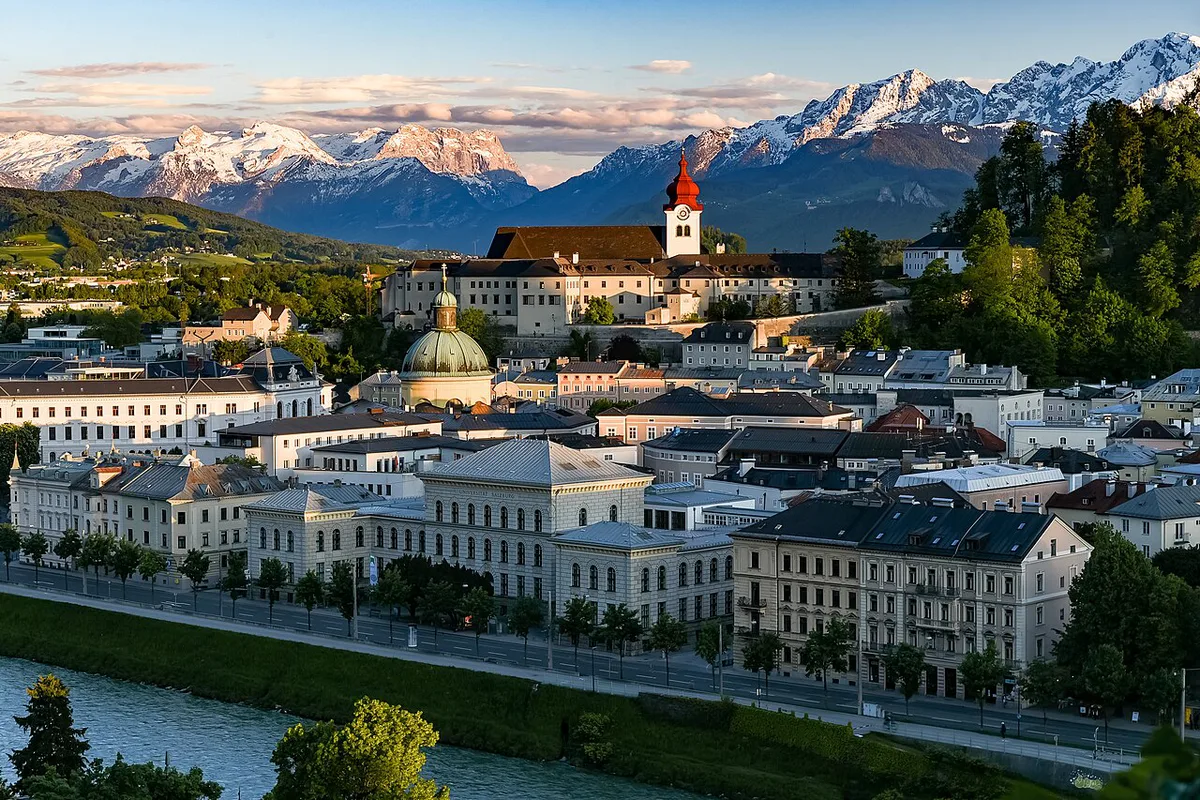
Salzburg's old town earns its UNESCO status, but Getreidegasse at midday runs shoulder to shoulder with tour groups. A hidden gem here rarely means secret or undiscovered by anyone. It usually means overlooked by the standard two-day itinerary. Think a courtyard off the main drag, a hill without a funicular, or a neighborhood locals actually live in. For more overlooked corners, see the off-the-beaten-path Salzburg guide. Longer stays can also pull from the secret spots in Salzburg guide. Also worth checking is the 10 Unique Things to Do in Salzburg, Austria (2026 Guide) guide, for a broader sense of what counts as unusual here. Each entry below is tagged by why it stays quiet. Some hide in plain sight inside the old town. Others sit off the beaten path in a neighborhood most visitors skip. Occasionally a stop requires a short hike or a day trip. How these districts relate to each other is mapped in the Salzburg Neighborhoods Guide: Which Area Is Right for You?, which is worth a look before deciding which cluster fits a given afternoon.
11 Hidden Gems in Salzburg Worth Detouring For
These 11 stops span the old town, two neighborhoods just outside it, three viewpoints, and two day trips. They're ordered from easiest to reach to furthest out, so the list doubles as a rough route for a multi-day stay.
- St. Peter's Cemetery and Catacombs (Petersfriedhof)
- St. Peter's Cemetery hides two minutes off Kapitelplatz behind St. Peter's Abbey, and it stays quiet even when the main square fills with tour groups. The gothic wrought-iron grave markers set it apart from anything else in the old town.
- Its current form dates to 1621, while the catacombs carved into the cliff behind it go back to the 12th century, cut directly into the Mönchsberg rock face.
- Catacomb access runs on seasonal hours, so confirm current times before adding it to a tight schedule.
- The Salzburg Foundation Modern Art Trail
- Contemporary sculpture sits inside the same Baroque squares as the postcard sights, starting with the gilded sphere known as Sphaera in Kapitelplatz, topped by a small standing figure.
- Smaller installations turn up in courtyards near the cathedral quarter, easy to walk past if you're not looking for them.
- The Salzburg Foundation rotates pieces over time, so confirm the current lineup before building a route around one specific work.
- Stiftsbäckerei St. Peter, the City's Oldest Working Bakery
- Salzburg's oldest working bakery dates to the 12th century and sits in a courtyard entered past a spinning water wheel, then down stone stairs to a wood-fired cellar oven.
- Order the Vinschgerl, a small sourdough roll, alongside the brioche and sourdough loaves. Sales are still recorded by hand rather than a till.
- For more on where to eat nearby, the Salzburg Local Food Guide: What to Eat, Where, and What to Skip covers the surrounding options.
- Steingasse
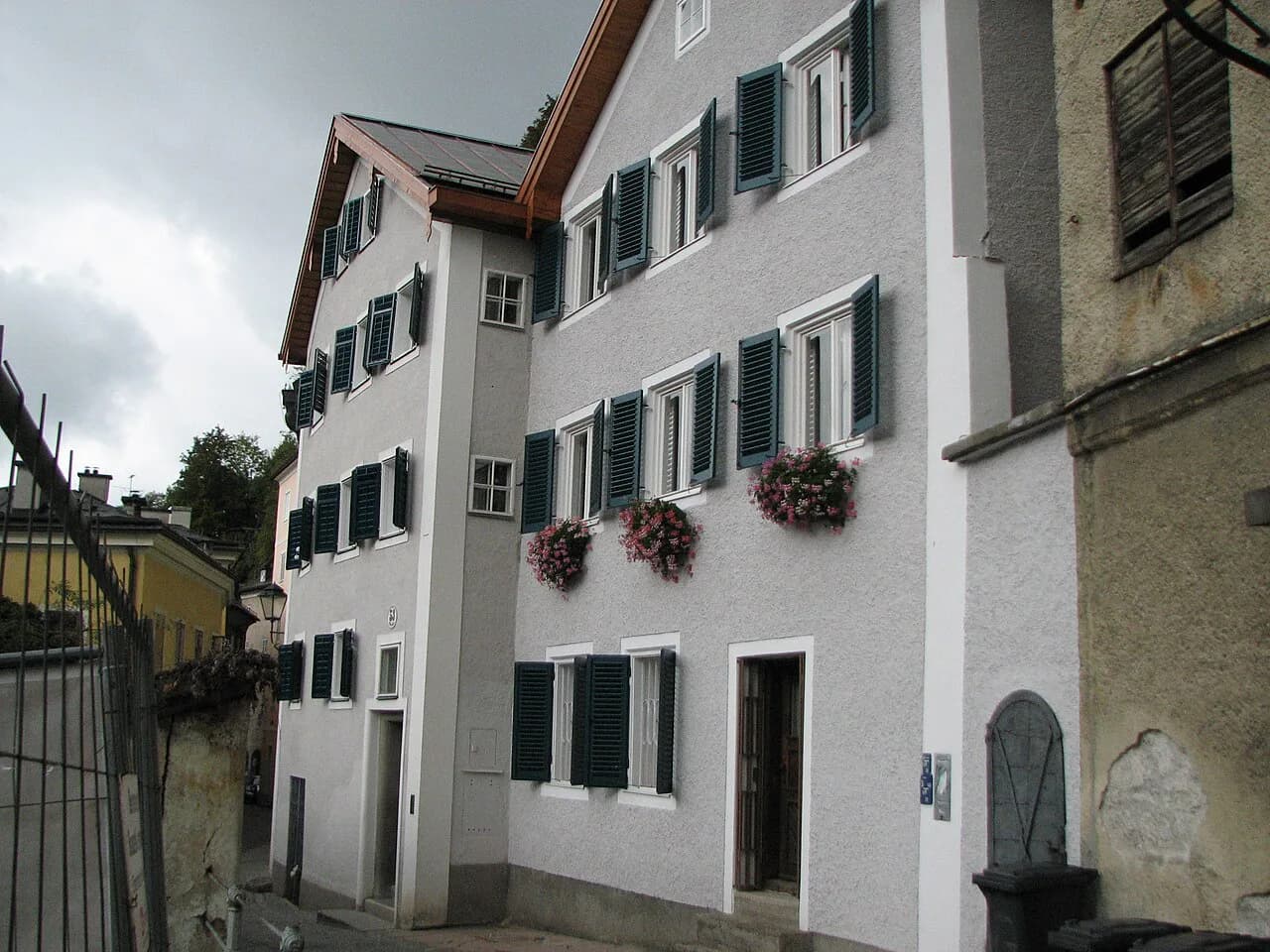
- Steingasse runs along the river's right bank at the foot of Kapuzinerberg, a narrow medieval lane that kept its old artisan houses and earlier red-lantern-district history.
- The lane stays shadowed most of the day, so early morning or the hour before sunset gives the best light for photos.
- House numbers and side alleys worth a detour are covered in the Steingasse walking guide.
- Nonntal
- Nonntal is an easy walk south of the old town, close enough to reach on foot but rarely on a first-time itinerary.
- Small boutiques, independent cafes, and converted industrial buildings have earned it comparisons to Brooklyn among residents.
- The Unipark Nonntal terrace is a quiet spot to sit with a view back toward the fortress. The Nonntal neighborhood guide covers where to eat and which streets to wander.
- Mülln and the Augustiner Bräustübl
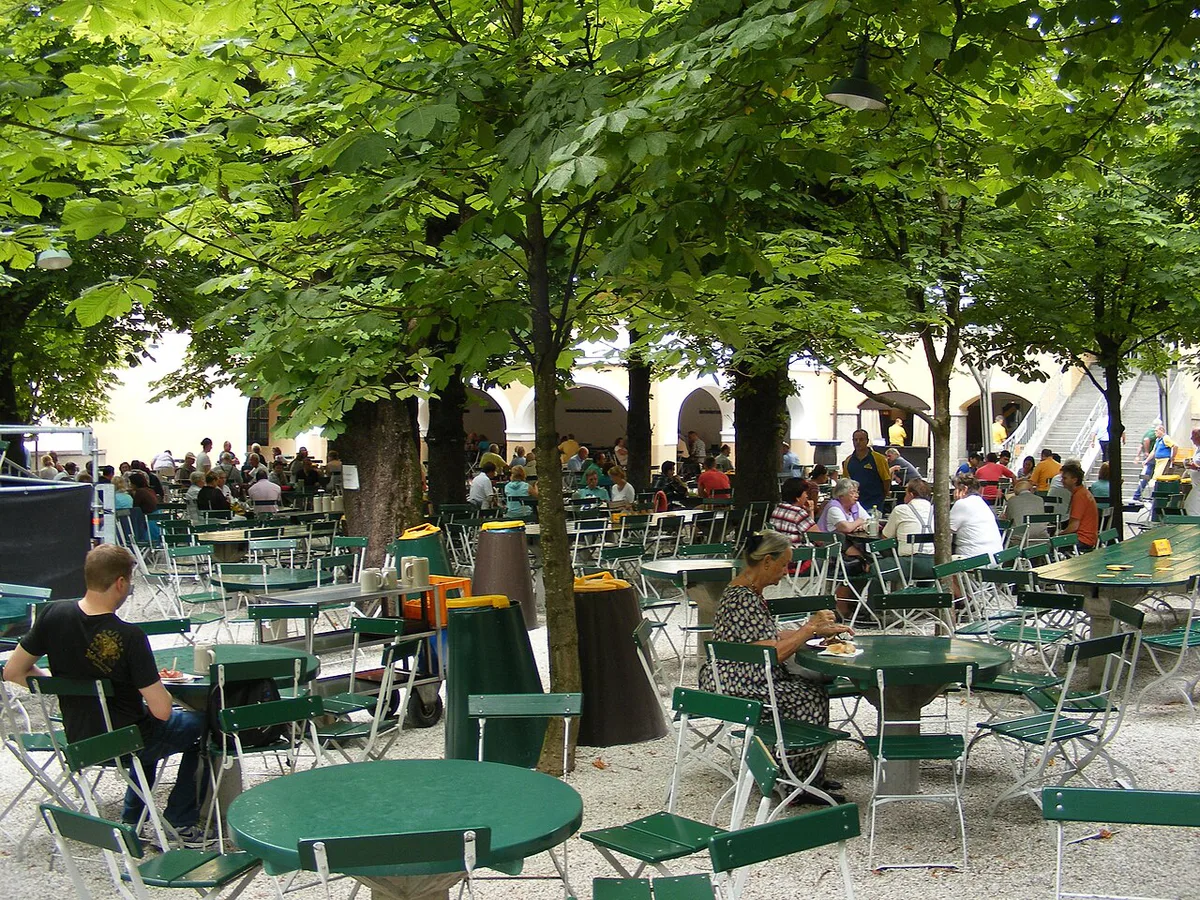
- Mülln holds the Augustiner Bräustübl, a monk-run brewery hall that has poured beer from wooden barrels since 1621.
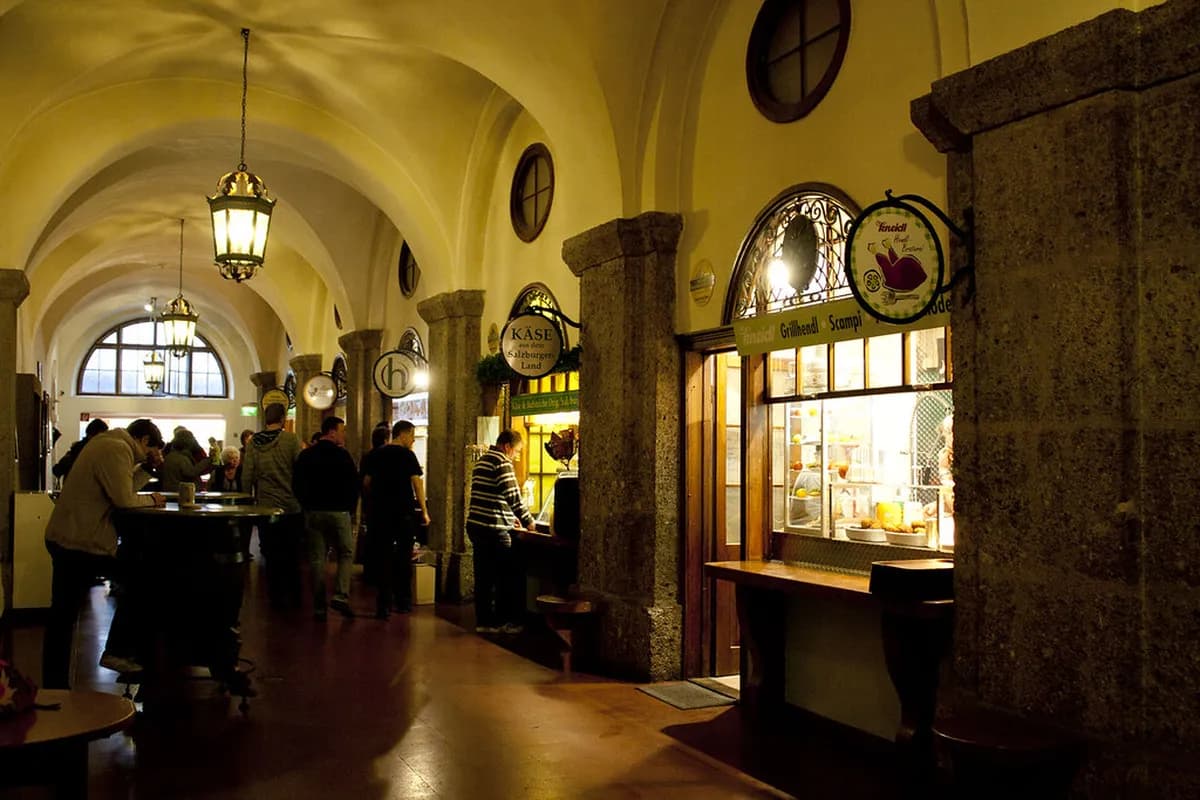
- Rinse a stoneware mug yourself at the courtyard fountain, pay at the cash desk for a token, then redeem it at the pouring station. The hall is cash-only, so bring enough for a full liter.
- Room-by-room detail on the eight halls and the beer garden sits in the Augustiner Bräustübl guide.
- Kapuzinerberg
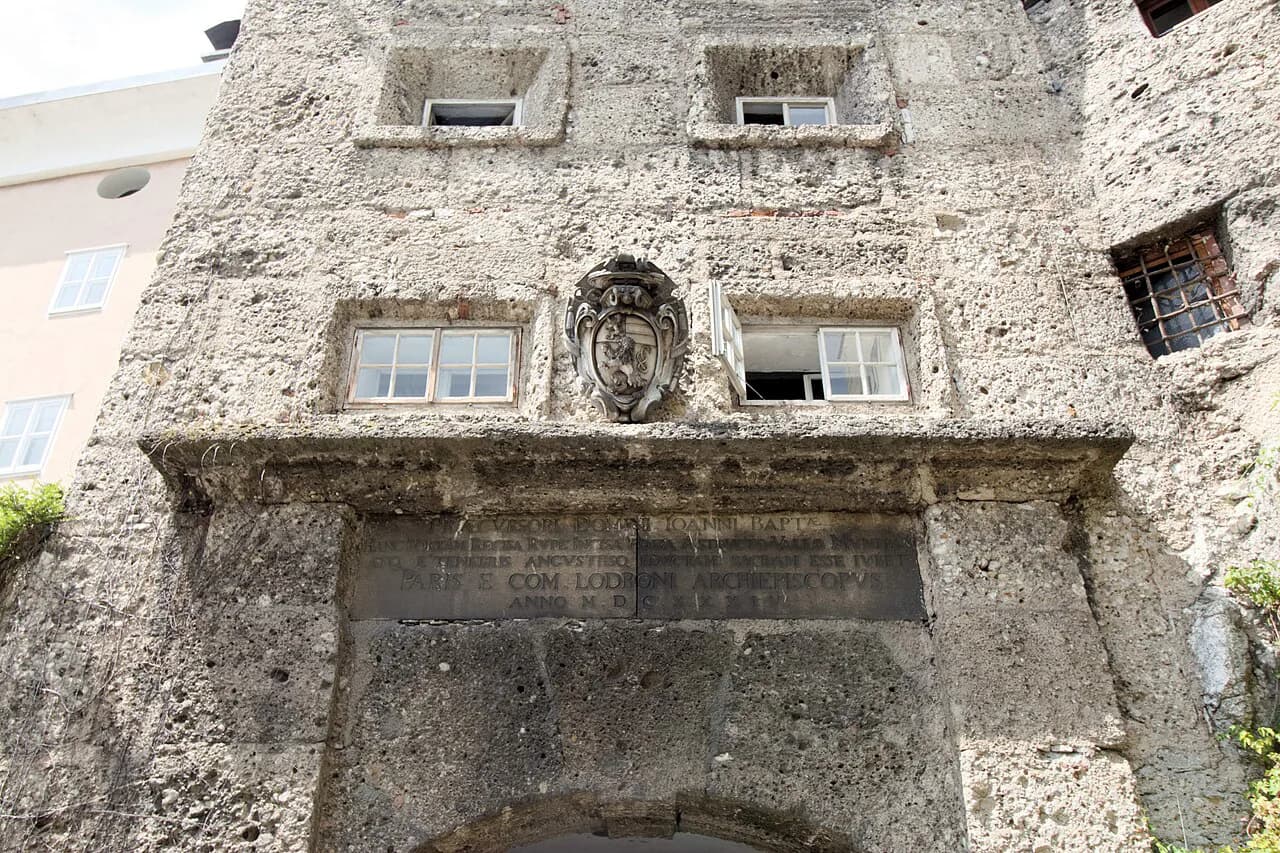
- Kapuzinerberg rises across the river from the old town, reached by crossing the Staatsbrücke, walking up Linzer Gasse, and turning through an arched gateway partway along it.
- It has no elevator or funicular like its rival hill, which keeps crowds thin. The walk from the arch to the first viewing terrace takes roughly ten minutes.
- Trail detail past that point to the summit is in the Kapuzinerberg hike guide.
- Richterhöhe
- Richterhöhe is a quiet spot on the Mönchsberg ridge, a short walk from the funicular crowds heading straight for Hohensalzburg Fortress.
- Most day-trippers ride up, tour the fortress, and ride back down without walking the ridge, so this stretch stays close to empty even in peak season.
- Gaisberg
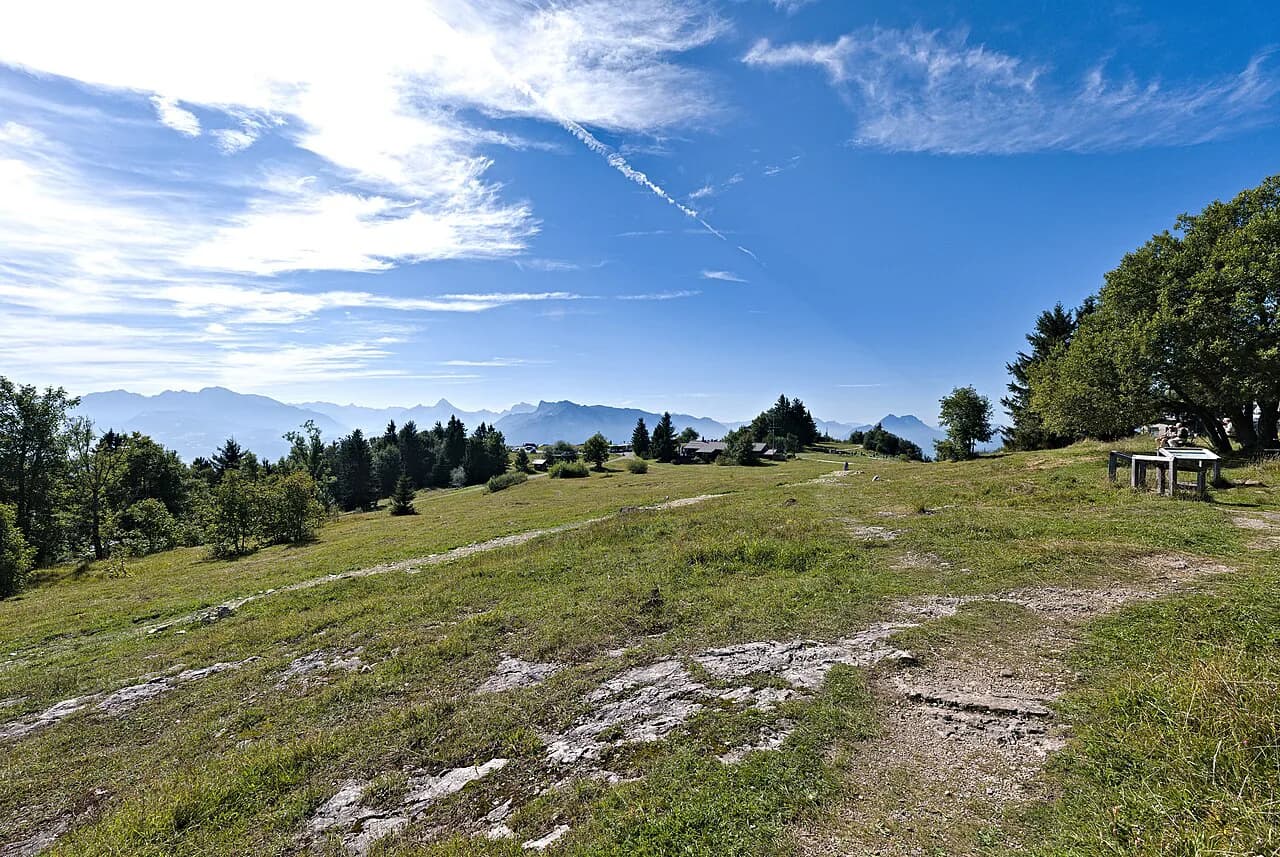
- Gaisberg is the mountain Salzburg residents actually hike, reached on the #151 bus from Mirabellplatz rather than a tour bus.
- Trails and the summit road give a wide view over the city and the surrounding foothills, without the ticketed lines of the fortress or the funicular.
- Summit trails and the bus stop location are covered in the Gaisberg guide.
- Fuschlsee
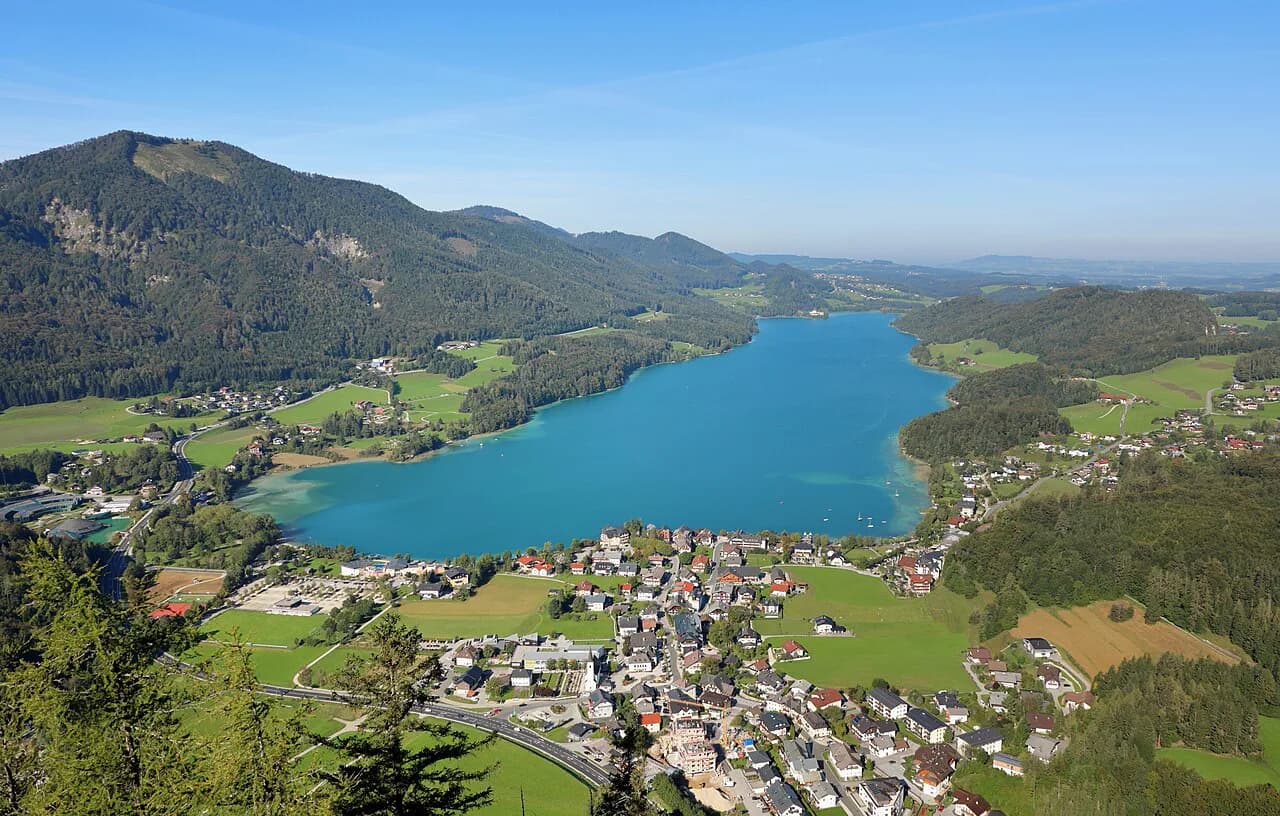
- Fuschlsee is the quieter alternative to the better-known Wolfgangsee, a small lake ringed by forest rather than lakeside resort towns.
- It works well as a half-day trip when the fortress and old town feel crowded.
- Swim spots and the lakeside path are detailed in the Fuschlsee guide. More pairings for a full day out are in the best day trips from Salzburg guide.
- Hellbrunn's Monatsschlössl
- Most visitors linger at Schloss Hellbrunn's trick fountains and 200-piece mechanical theater below, then skip the Monatsschlössl folk museum built above them.
- It covers Austrian rural life and folk art and draws a fraction of the fountain crowd, even though it sits a short walk up the same grounds.
- Full grounds layout appears in the Schloss Hellbrunn guide.
Salzburg Card or Pay-as-You-Go for These Spots
Most stops on this list cost nothing to see. Steingasse and Kapuzinerberg are both free and open at any hour, and the table below breaks down access for the rest. The one recurring cost worth planning around is a multi-day sightseeing pass, and it only pays off if it also covers the fortress, Mozart's birthplace, and transit like the Gaisberg-bound bus. Confirm current pricing and validity windows on Salzburg's official tourism site before deciding, since terms change from year to year. Travelers prioritizing no-cost stops citywide can cross-reference the Free Things to Do in Salzburg: A Practical Budget Guide guide, which lists more options beyond this list.
| Gem | Typical Access Cost |
|---|---|
| St. Peter's Cemetery and Catacombs | Grounds free; catacomb admission is small and seasonal |
| Modern Art Trail | Free, outdoors |
| Stiftsbäckerei St. Peter | Pay per item at the counter |
| Steingasse | Free, always open |
| Nonntal | Free to wander |
| Mülln / Augustiner Bräustübl | Free entry; pay per mug and food, cash only |
| Kapuzinerberg | Free |
| Richterhöhe | Free |
| Gaisberg | Free trails; bus fare applies |
| Fuschlsee | Free lakeshore access |
| Hellbrunn's Monatsschlössl | Included with Schloss Hellbrunn admission |
Decision Matrix: Time, Effort, and How Hidden Each Spot Stays
In our editorial assessment, three variables separate the busiest stop on this list from the quietest one. Those are time on-site, physical effort, and local name recognition. The table below ranks all 11 stops side by side, so a short afternoon and a full free day can be planned from the same list.
Starting with ten minutes of walking to the first terrace, Kapuzinerberg's full hike takes 45-60 minutes total and has no lift; arriving before sunset requires a daylight buffer.
| Gem | Time Needed | Physical Effort | How Hidden |
|---|---|---|---|
| St. Peter's Cemetery and Catacombs | 20-30 min | Low | Hides in plain sight |
| Modern Art Trail | 30-45 min | Low | Hides in plain sight |
| Stiftsbäckerei St. Peter | 10-15 min | Low | Hides in plain sight |
| Steingasse | 15-20 min | Low | Off the beaten path |
| Nonntal | 1-2 hrs | Low | Off the beaten path |
| Mülln / Augustiner Bräustübl | 1-2 hrs | Low | Off the beaten path |
| Kapuzinerberg | 45-60 min | Moderate | Requires a short hike |
| Richterhöhe | 45-60 min | Moderate | Requires a short hike |
| Gaisberg | Half day | Moderate | Bus plus a trail |
| Fuschlsee | Half day | Low | Day trip |
| Hellbrunn's Monatsschlössl | 30-45 min | Low | Hides in plain sight |
Mistakes That Turn a Hidden Gem Detour Into a Wasted Trip
A few planning slips show up again and again around these spots. Meals between stops are covered separately in the 8 Best Local Restaurants in Salzburg: Where to Eat Like a Local guide, so pair it with this list before heading out for the day.
The brewery has operated since 1621 in a centuries-old ritual; it remains cash-only with no card option at the pouring station, and visitors need to allocate 1-2 hours to navigate the system and enjoy a full mug.
- Skipping cash for Augustiner Bräustübl
- The beer hall is cash-only.
- Bring enough for a full liter mug and food at the Schmankerlgang stalls, since cards do not work at the pouring station.
- Assuming the catacombs are always open
- St. Peter's Catacombs run seasonal hours.
- Confirm current times before building them into a tight schedule.
- Visiting Mülln on a major holiday without checking
- Bräustübl hours and staffing can shrink around major holidays.
- Check current hours in advance if a specific date matters to the trip.
- Chasing one specific art installation
- The Salzburg Foundation trail rotates its pieces, so a sculpture from an old blog post may have moved.
- Confirm current locations before detouring for one specific work.
- Timing Kapuzinerberg's sunset without a buffer
- The hike has no lift, so arrive with daylight to spare.
- The best time to visit without crowds guide covers shoulder-season daylight patterns worth planning around.
- Planning only one day trip
- Fuschlsee pairs well with a full day out.
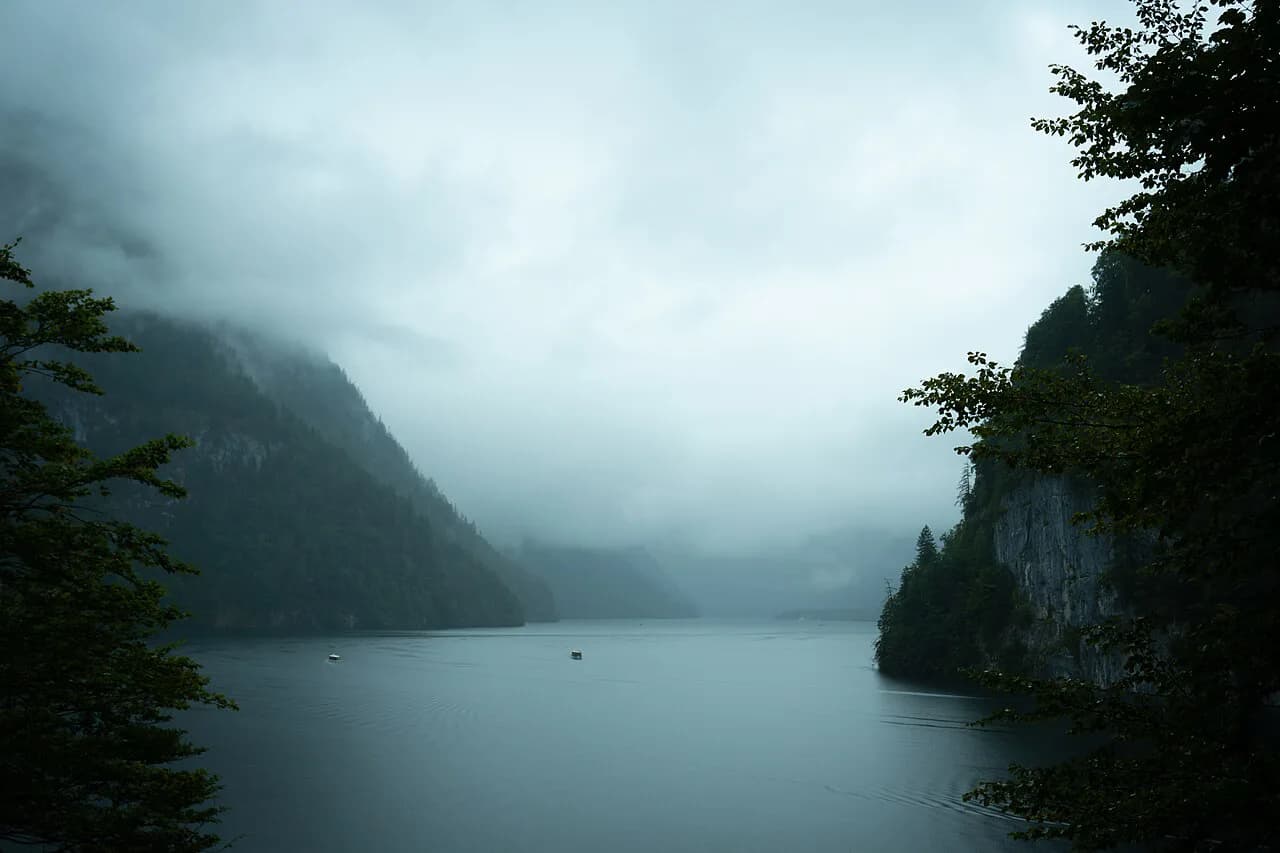
- If time allows a second trip, the Königssee day trip guide covers the boat-in alternative just across the German border.
For trip-planning details, see Salzburg – Wikivoyage.
Explore hidden gems in other cities
Frequently Asked Questions
Is Steingasse safe to walk at night?
Steingasse is a public street in central Salzburg, not an active red-light district today, and walking it after dark is typically fine. Its narrow profile and low lighting can still feel quiet compared to the main old town. Stick to the main lane rather than unlit side alleys if visiting after sunset.
Do you need a car to reach these hidden gems?
No. Steingasse, Nonntal, Mülln, and Kapuzinerberg are all walkable from the old town. Gaisberg is reached by the #151 bus from Mirabellplatz, and Fuschlsee is the one stop on this list that typically needs a car, bus, or organized transfer.
How much time should you set aside for these spots?
Budget a half day for the inner-city gems, including St. Peter's Cemetery, the modern art trail, and the bakery. Add another half day for Nonntal or Mülln on a separate outing. A full day works best if Gaisberg or Fuschlsee is on the list, since both sit outside the city center.
Is the Augustiner Bräustübl only for tourists?
No, it remains a genuine local haunt. The long-running Stammtisch table reservations held by regulars in the Stockhammersaal are one sign of that. Bring cash regardless, since the hall does not accept cards.
What is the Salzburg Foundation art trail?
It is a rotating public art program that places contemporary sculpture in old-town squares, including the gilded sphere known as Sphaera in Kapitelplatz. Pieces and locations change over time. Confirm what is currently installed before planning a route around one specific work.
Explore More Hidden Salzburg
Keep discovering the quieter side of Salzburg and its Alpine surroundings with these local guides.
Neighborhoods & nearby
- Salzburg Neighborhoods Guide: Which Area Is Right for You?
- Nonntal, Salzburg
- Augustiner Bräu Mülln, Salzburg
- Fuschlsee Salzburg Day Trip
- Königssee Day Trip from Salzburg
- 8 Best Day Trips From Salzburg
Secret spots & the outdoors
- Secret Spots in Salzburg: A 2026 Guide to Quiet Corners Locals Use
- Steingasse Salzburg: History, Landmarks, and How to Visit
- Kapuzinerberg, Salzburg
- Gaisberg, Salzburg
- Schloss Hellbrunn Trick Fountains
- Off the Beaten Path in Salzburg (2026)
- 10 Unique Things to Do in Salzburg, Austria
Food, drink & planning
Continue exploring
More guides you'll find useful