Best Time to Visit Salzburg Without Crowds (2026 Guide)
Find the best time to visit Salzburg without crowds, month by month, with 2026 weather, price, and Festival-season trade-offs explained.
On this page
Best Time to Visit Salzburg Without Crowds
Last updated August 2026, this guide gives you a direct answer for planning around Salzburg's crowds. The best time to visit Salzburg without crowds is May, June, or September. Those months let you skip the Salzburg Festival crush of late July and August, when Getreidegasse and the Hohensalzburg Fortress funicular can mean an hour-long wait.
The Best Time to Visit Salzburg Without Crowds
May, June, and September give you mild weather and thinner lines at Salzburg's marquee sights. July and August bring the Salzburg Festival, when opera and theater performances fill the city with visitors booking months ahead. December adds a second peak once the Christmas markets open in the Old Town squares. If your dates are fixed around a Christmas trip, expect crowd levels closer to a summer weekend than a quiet-season one. Every window below trades some benefit for another, so match the month to what matters most for your trip. Outside the two peak windows, Salzburg's cobblestone lanes and viewpoints feel far less congested, even at midday.
Why Salzburg Gets So Crowded
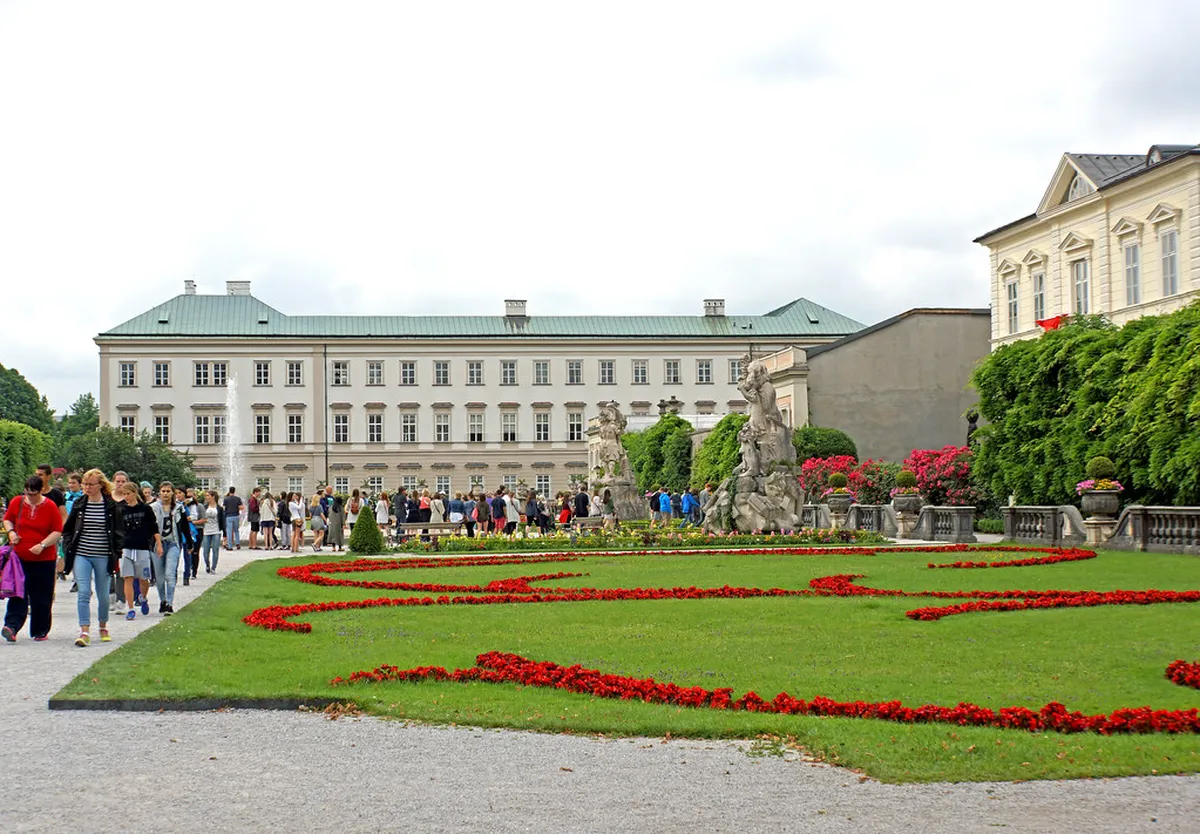
The Salzburg Festival runs across the summer and draws an international audience for opera, theater, and orchestral concerts, filling hotels well before the season starts. Getreidegasse's arcaded lane is narrow by design, built long before mass tourism, so even moderate visitor volumes feel dense at midday. Advent markets turn the Old Town into a second high season each December, with stalls filling Residenzplatz and Domplatz. School holidays across Austria, Germany, and Italy overlap with the Festival window, adding families to an already full calendar. Day-tripper coaches from Munich and other regional hubs add a further layer. They fill Getreidegasse and Mirabell Gardens with visitors from roughly mid-morning to late afternoon, in any season. That bus traffic fades by early evening, which matters more for your planning than the month on the calendar. Even a quiet-season Tuesday can feel busy at 1pm and empty again by 6pm for exactly this reason.
Season-by-Season Crowd and Weather Breakdown
Salzburg's crowd curve follows the Festival calendar and the school-holiday calendar more than it follows the weather. Use the table below to see what to expect month by month, from the quiet cold of January to the market crowds of December. January and February bring you the thinnest crowds of the year, with average daytime highs around 2-5°C (36-41°F) and some attractions on reduced winter hours. March through May warm gradually to 10-18°C (50-64°F). This stretch offers the year's best balance of mild days and short lines, especially before the last week of May. June still counts as shoulder season, but by month's end school groups and early Festival buzz push crowd levels toward moderate. July and August are Salzburg's busiest weeks, with the Festival in full swing and daytime temperatures reaching 24-26°C (75-79°F). The fortress funicular and Getreidegasse can mean an hour-long wait at midday during these two months. September holds onto some of that momentum before crowds fall off sharply in October, when temperatures ease to 12-19°C (54-66°F). November is Salzburg's quietest full month, sitting between the Festival's afterglow and the Christmas markets. Because Festival dates shift slightly each year, cross-check the current summer calendar against your travel dates before booking anything non-refundable. If you're watching your budget, this is where it shows. Basic double rooms run from roughly €90 a night in low-demand stretches like November or February. Comparable rooms during the Festival or the December markets often start above €150. Confirm current rates before booking, since availability shifts fast in both directions.
| Season | Months | Crowd Level | Avg Daytime Temp | Price Level |
|---|---|---|---|---|
| Winter | January-February | Low | 2-5°C (36-41°F) | Low |
| Spring shoulder | March-May | Low to Moderate | 10-18°C (50-64°F) | Low to Moderate |
| Early summer | June | Moderate | 20-23°C (68-73°F) | Moderate |
| Peak summer (Festival) | July-August | High | 24-26°C (75-79°F) | High |
| Fall shoulder | September-October | Moderate to Low | 12-19°C (54-66°F) | Moderate |
| Christmas markets | Late November-December 23 | High | 0-4°C (32-39°F) | High |
Time-of-Day Tactics for Visiting Popular Sights
Even in low-crowd months, midday still draws a crowd at Getreidegasse, Mirabell Gardens, and the Hohensalzburg Fortress. Arrive at the fortress before 9am, when the funicular line is shortest and the courtyards are empty. Walking up to the fortress instead of taking the funicular skips the line entirely, at the cost of a steeper climb. Mirabell Gardens photographs best in the earliest hour after opening, before tour groups arrive for the classic view toward the fortress. Day-tripper coaches from Munich typically arrive mid-morning and clear out by early evening, so a late-afternoon return to the Old Town avoids the densest hour. Reserve dinner after 7pm in the core tourist streets, when day-trip groups have already left for their coaches home. Weekday mornings, especially Tuesday through Thursday, tend to see fewer coach groups than weekends. Booking fortress tickets online in advance can also help you skip the ticket-counter line, though check the current booking process before relying on it.
Visiting before 9am bypasses the day-tripper surge completely. Time-of-day tactics work better than choosing a quiet month because coach schedules matter more to daily crowd density.
Where to Go Instead When the Old Town Is Packed
Salzburg's crowd pressure concentrates in a few blocks around Getreidegasse and the fortress base. Several neighborhoods and activity guides on this site cover calmer alternatives for the same afternoon.
- Nonntal's quiet residential streets sit just south of the fortress, an easy walk from the crowded core.
- Steingasse's narrow lane across the river stays calm even when Getreidegasse is full.
- Kapuzinerberg's forested hillside paths give city views without the fortress queue.
- Mülln's Augustiner Bräustübl beer hall draws a different crowd than the Old Town squares.
- A neighborhood-by-neighborhood guide maps out which districts stay calm in any season.
- Lesser-known corners of Salzburg rarely appear on coach-tour itineraries.
- Under-the-radar addresses around the city add more options for a quieter afternoon.
- A low-traffic Salzburg itinerary avoids the main tourist spine for a full day.
- Distinctive activities beyond the postcard sights work well when the center feels full.
- No-cost activities around Salzburg double as an easy way to skip ticketed queues.
Day Trips and Seasonal Access
Day trips carry separate seasonal trade-offs from Old Town crowd levels. Regional trains and buses reach most of these anchors year-round, though off-peak departures can run less frequently than in summer. Winter access varies by attraction, so treat every seasonal note here as a starting point for your own check of current hours.
- The full day-trip roundup covers routes that stay open across most of the year.
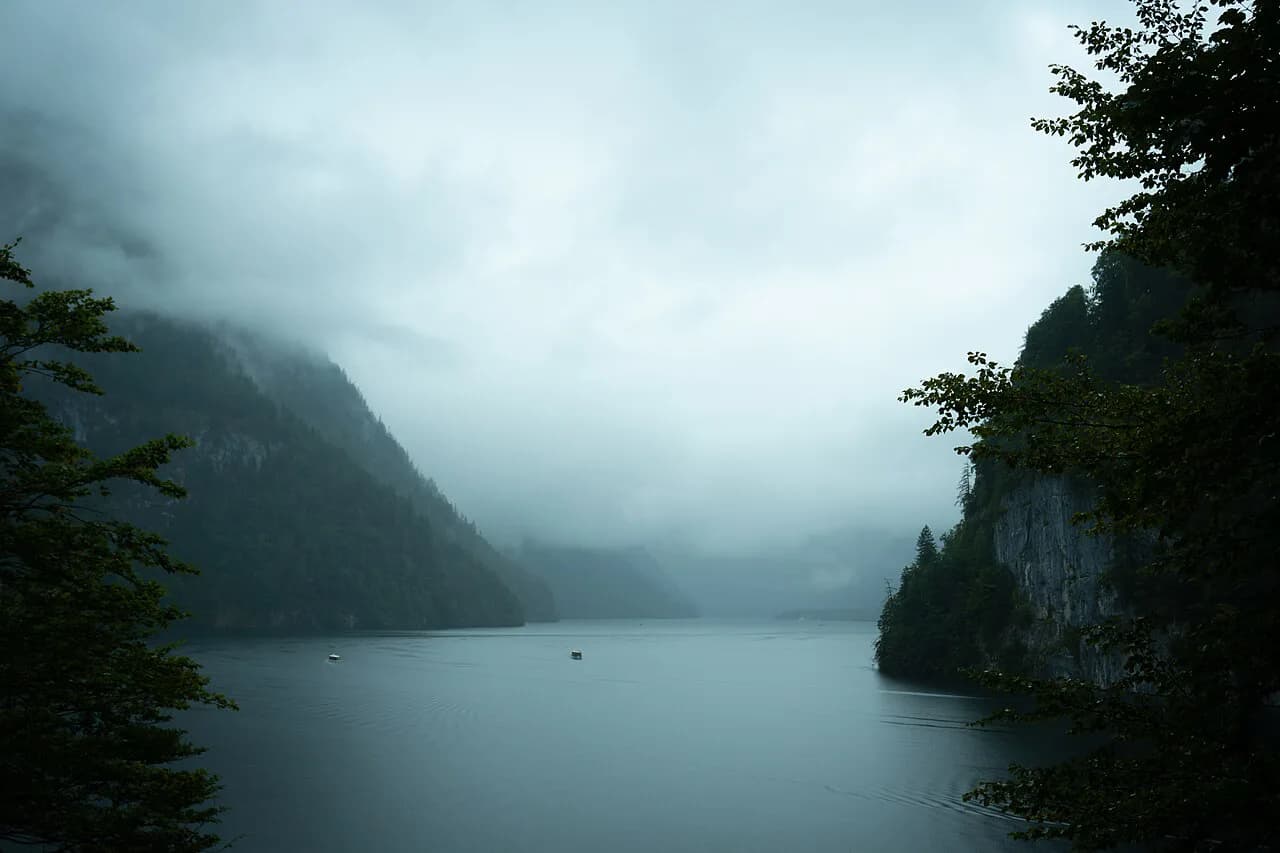
- Königssee's boat trips run on a seasonal schedule, so check current sailing times before a winter or shoulder-season visit.
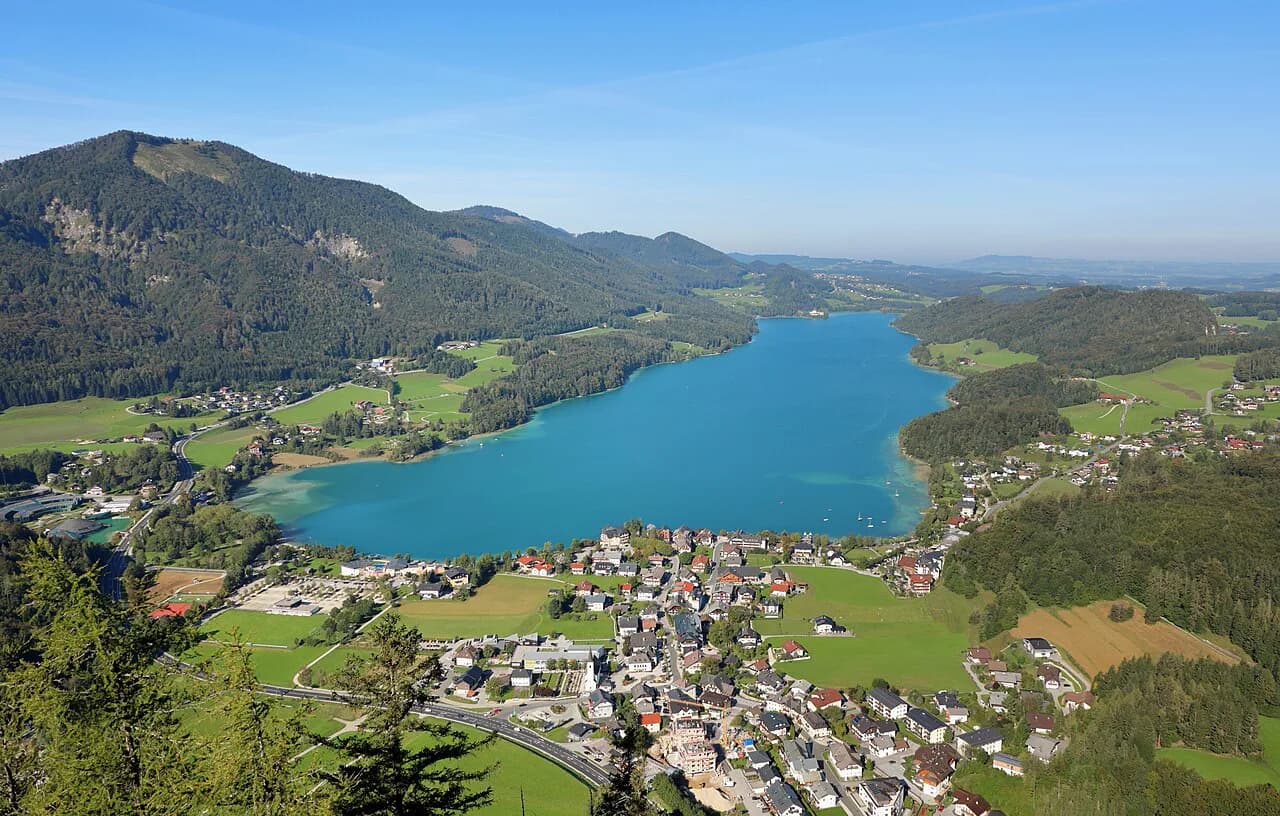
- Fuschlsee's lakeside trails stay quiet outside July and August, though some lakeside facilities scale back for winter.
- Schloss Hellbrunn's trick fountains typically close for the season in late autumn, so verify current opening dates first.
- Gaisberg's summit viewpoint stays accessible for most of the year and rewards an early start.
Getting Around Salzburg in Every Season
Salzburg's Old Town is compact enough to cover on foot in any season, which limits how much the crowd calendar affects daily logistics. Trains from Munich and Vienna run into Salzburg Hauptbahnhof year-round. Regional connections can see reduced frequency in winter, so confirm current timetables before locking in a day-trip schedule. City buses reach outer districts and trailheads, including routes near Gaisberg and the residential streets of Nonntal. That schedule holds steady across most of the year. Parking in the center gets tighter in summer and during the December markets, since both draw heavier car and coach traffic than the shoulder months. Ride-share and taxis remain available year-round as a backup when bus frequency drops in the off-season. Salzburg Airport sits a short transfer from the center and keeps regular service through the year, so arrival logistics do not change much by season.
Trade-Offs of Visiting in the Quiet Season
Fewer crowds come with real costs. Winter days are short, with useful daylight often gone by late afternoon. Average highs in January and February hover around 2-5°C (36-41°F), and some outdoor sights close early or reduce hours for the season. A handful of day-trip boats and cable cars scale back their schedules outside summer. A visit built around Königssee or a mountain viewpoint needs a checked timetable rather than an assumption. Restaurant terraces empty out too, which suits a quiet dinner but limits the outdoor dining that makes Salzburg summers appealing. Some outdoor cafés and market stalls that operate through the summer close entirely for winter, thinning out casual browsing options. Evening light also fades earlier, cutting into the golden-hour window that photographers rely on for Old Town shots. Indoor sights and museums make a reasonable backup plan when winter weather cuts your day short.
Which Season Fits Your Trip
Budget-focused travelers do best in November, January, or February. Hotel rates drop then, and the season's only real crowd clusters around Advent weekends in late November. First-time visitors who want marquee sights without long waits get the most value from May or September. Nearly everything stays open on normal hours in those months. Families tied to school holidays should expect the Festival weeks and the Christmas market season to be the busiest, priciest windows. Austrian, German, and Italian school breaks overlap with both, which compounds the effect. Photographers get the clearest light and thinnest foreground crowds at marquee viewpoints in April, May, and October. Festival-goers who want the performances should plan around July and August and accept the crowds as the trade-off for the program itself. Visitors who specifically want the Christmas markets should treat December as a second peak, not a shoulder month, and book lodging early. Food works as a low-crowd activity in any season. Pair a quiet afternoon with a look at Salzburg's local food scene. Or book a table from well-reviewed restaurants around town.
Photographers get clearer light in April–May–October than in quieter winter months, and spring temperatures of 10-18°C (50-64°F) still keep crowds down compared to July–August.
Frequently Asked Questions
What is the quietest month to visit Salzburg?
November is typically Salzburg's quietest full month. It falls between the end of Festival season and the start of the Christmas markets, so hotel rates and foot traffic both drop. Weekday visits within November compound the effect further.
What is the cheapest time to visit Salzburg?
Rates tend to be lowest in January, February, and November. Budget travelers can find basic double rooms from roughly €90 a night in these stretches. Comparable rooms often start above €150 during the Festival or the December markets.
How does the weather trade-off work in the quiet season?
Quiet-season months are colder and darker, with January and February daytime highs around 2-5°C (36-41°F). Days are also shorter, so plan your outdoor sightseeing for late morning through mid-afternoon when light is best. Layered clothing and an indoor backup plan help offset the shorter days.
Is shoulder season worth it in Salzburg?
For most travelers, yes. May, June, and September combine mild weather, around 10-19°C (50-66°F) depending on the month. Lines at the fortress and Getreidegasse are meaningfully shorter than in July or August.
Does the Salzburg Festival make summer worse for crowds?
Yes. The Festival runs through the summer and fills hotels and Old Town streets well beyond typical peak-season levels. Day-tripper bus traffic adds to that regardless of the season.
How many days do you need in Salzburg to avoid feeling rushed by crowds?
Two to three days let you spread Old Town visits across quieter early mornings and evenings. That pacing matters more during July, August, and December, when midday crowds are heaviest.
Continue exploring
More guides you'll find useful