Nonntal, Salzburg: A Local's Guide to the City's Quiet Historic District
Nonntal, Salzburg: what the district is, how Inner and Outer Nonntal differ, and how to plan a visit with a walking route, food stops, and history.
On this page
Nonntal, Salzburg: A Guide to the Old Town's Quiet District
Last updated August 2026, this guide to Nonntal, Salzburg covers a residential district folded into the southern edge of the Altstadt's UNESCO core. It splits into the medieval Inneres Nonntal and the leafier Äußeres Nonntal beyond it, and locals outnumber tourists on most of its streets. Below is what to see in a few hours, and how it connects to a fuller Salzburg itinerary.
What Is Nonntal, Salzburg, and Why Visit?
Nonntal sits on the southern edge of Salzburg's historic Altstadt, across the Salzach from the postcard core most visitors see first. Locals call the two halves Inneres Nonntal, the medieval inner section, and Äußeres Nonntal, the leafier outer section beyond it. Inner Nonntal falls inside the Altstadt's UNESCO World Heritage boundary, which is why strict building rules still shape its streets. A statue of the Virgin Mary marks the line between the two halves. Roughly 4,000 people live here, most of them near the commercial spine of Nonntaler Hauptstraße. Its residential character suits travelers who already have the Altstadt highlights covered and want a quieter, local-feel add-on rather than a first stop. For a broader menu of similar low-key corners, see the 11 Hidden Gems in Salzburg Beyond the Getreidegasse Crowds guide. The Secret Spots in Salzburg: A 2026 Guide to Quiet Corners Locals Use roundup covers additional ground beyond Nonntal.
Nonnberg Abbey and the History Behind the Name
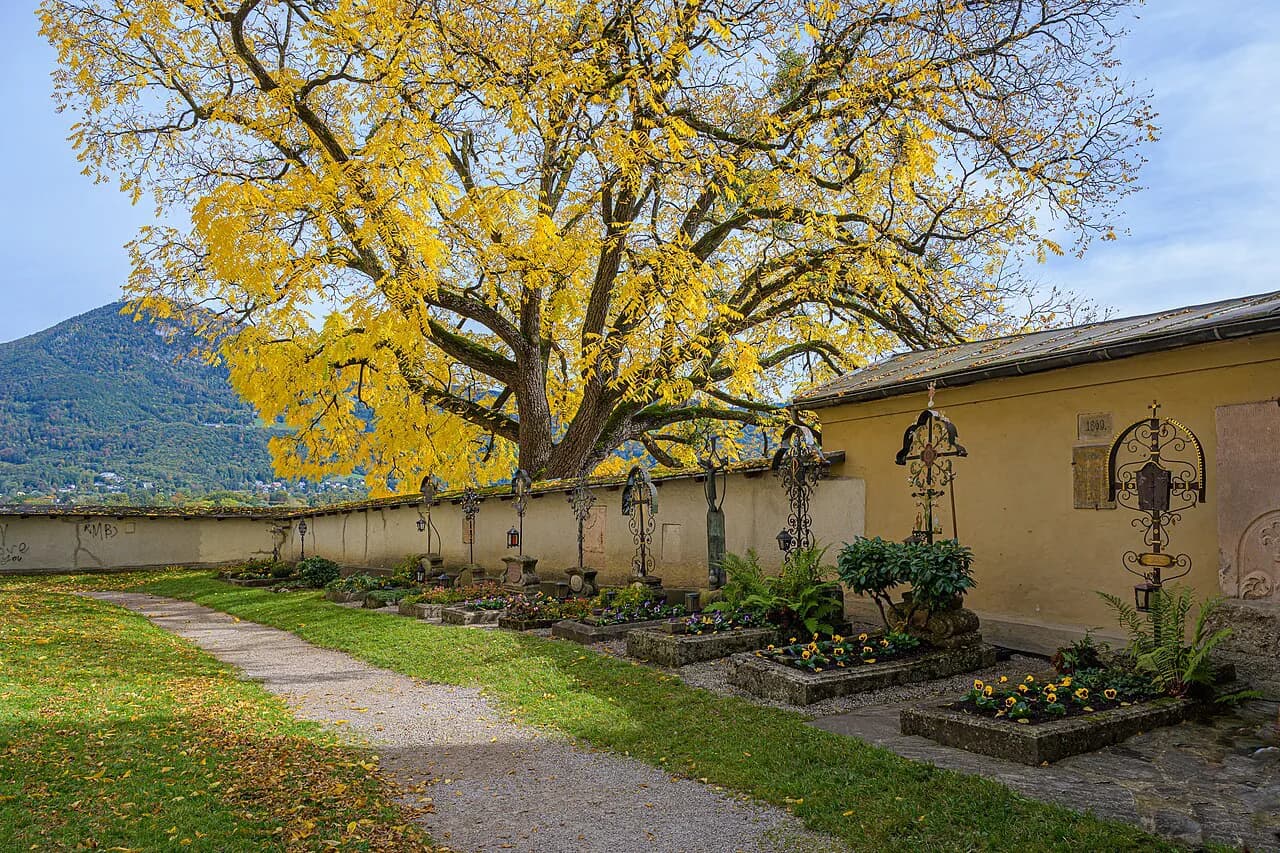
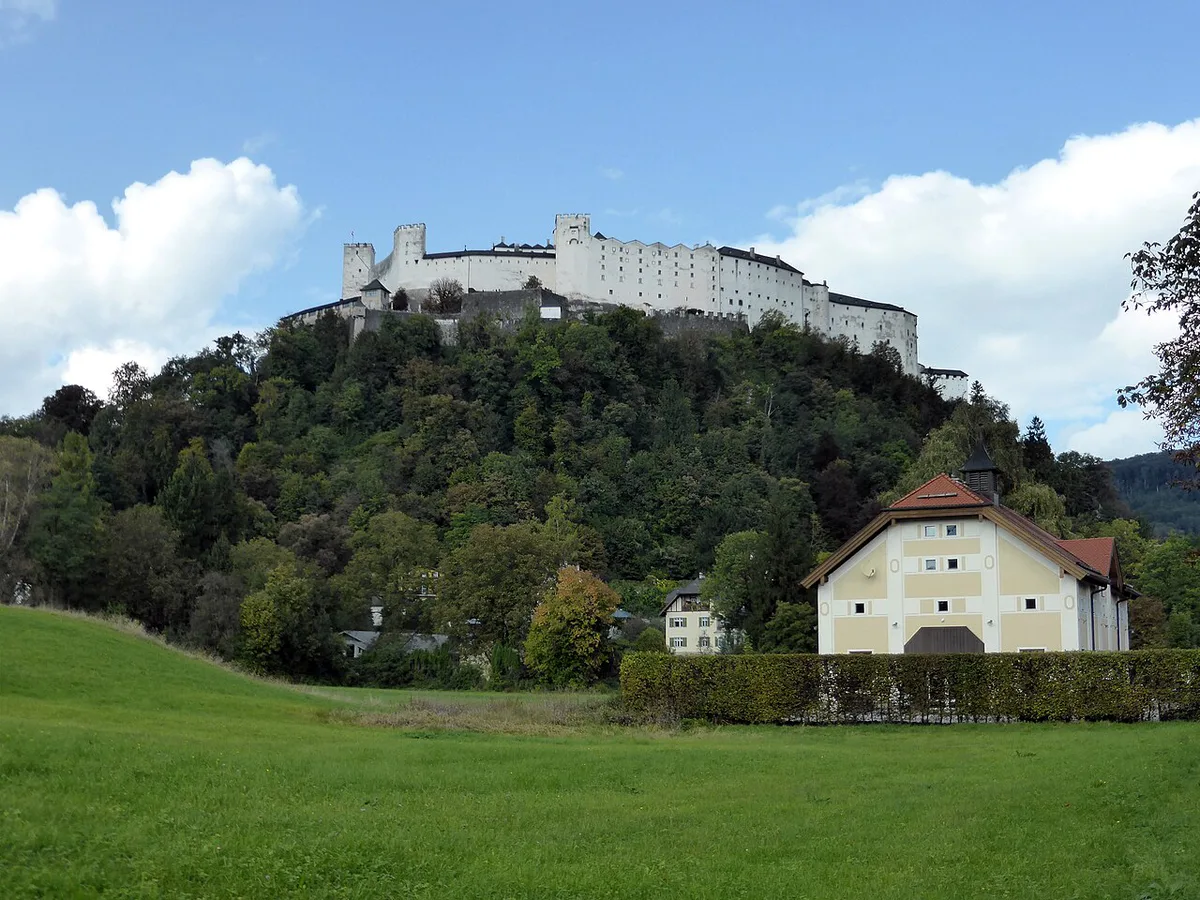
This district takes its name from the Nonnberg, a rocky outcrop of the Festungsberg rather than a separate hill. Nonnberg Abbey has stood on top of it since the Middle Ages, and it's recognized as the oldest continuously occupied convent north of the Alps. Maria trained here as a novice before becoming governess to the von Trapp children, the real-life basis for The Sound of Music. Nonnberg Abbey remains an active Benedictine convent, so most of its grounds stay closed to visitors. Confirm current visiting arrangements before planning around it, since no fixed public hours are published. Inner Nonntal's other anchor is Freisaal, a protected nature area that makes up roughly a third of the district's total footprint.
Getting to Nonntal from Salzburg's Altstadt
Nonntal borders the Altstadt directly, so reaching it rarely takes more than a short walk. Krauthügel, Hans Donnenberg Park, and Hellbrunner Allee offer the three shortest approaches into the district, all walkable rather than requiring transit. Hellbrunner Allee also continues south toward Schloss Hellbrunn, making it a practical link between a Nonntal walk and a palace visit on the same day. Eschenbach marks the district's eastern edge, and the Festungsberg forms its northern boundary. Nonntal is compact and largely flat near its Altstadt-facing side, so most visitors cover it on foot without needing a car or bus.
A Walking Route Through Nonntal
A single loop links Nonntal's main stops without backtracking. Start at Nonnberg Abbey and the Erhardkirche, then work down into the culinary quarter, out to the Almkanal, and finish at the Unipark terrace.
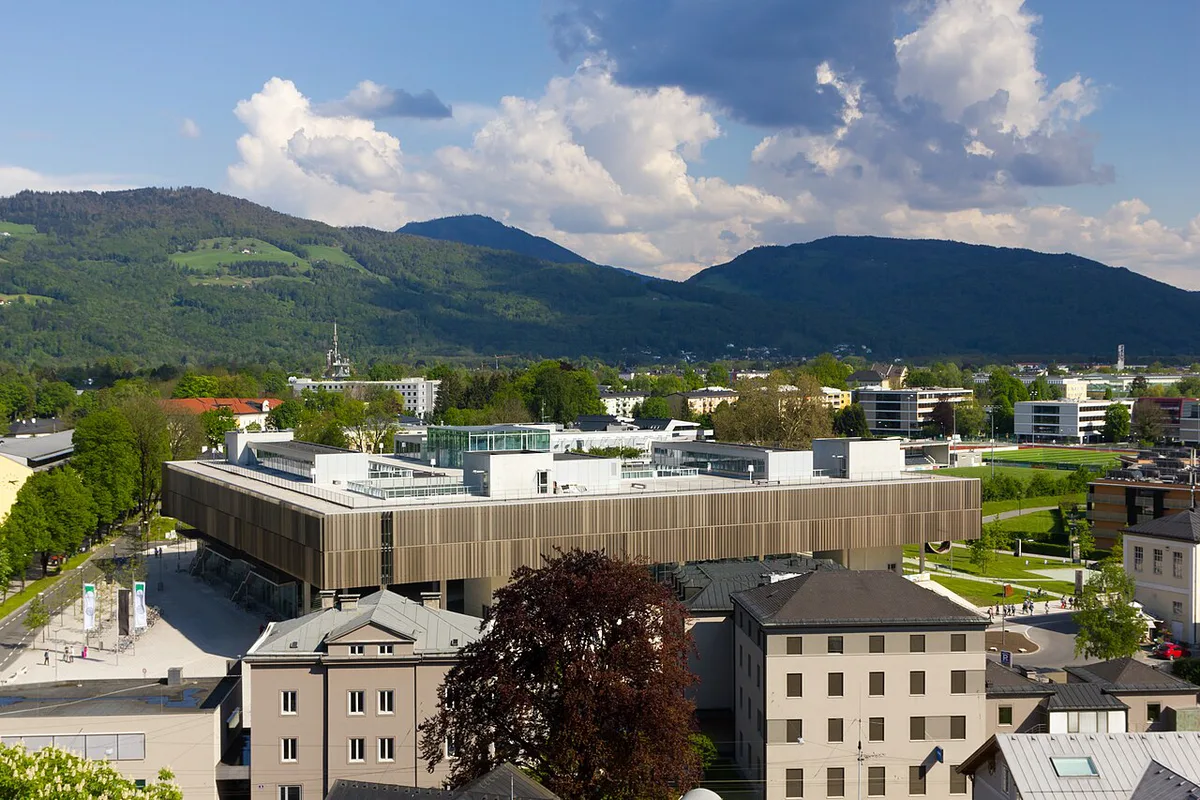
The full walking route takes 1.5 to 2 hours to complete and culminates at Unipark terrace, a rooftop viewpoint opened in 2012 that offers panoramic views stretching back across Nonntal's medieval streets and modern neighborhoods.
- Nonnberg Abbey and Erhardkirche: begin at the hilltop convent and the parish church at the heart of Inner Nonntal.
- The culinary quarter: walk the streets of former 17th-century merchant houses that now hold Nonntal's cafés and bakeries.
- Almkanal: follow the canal path for a flat, shaded stretch popular with walkers.
- Unipark terrace: finish at Salzburg University's rooftop terrace, opened in 2012, for a view back over the district.
Where to Eat and Drink in Nonntal's Culinary Quarter
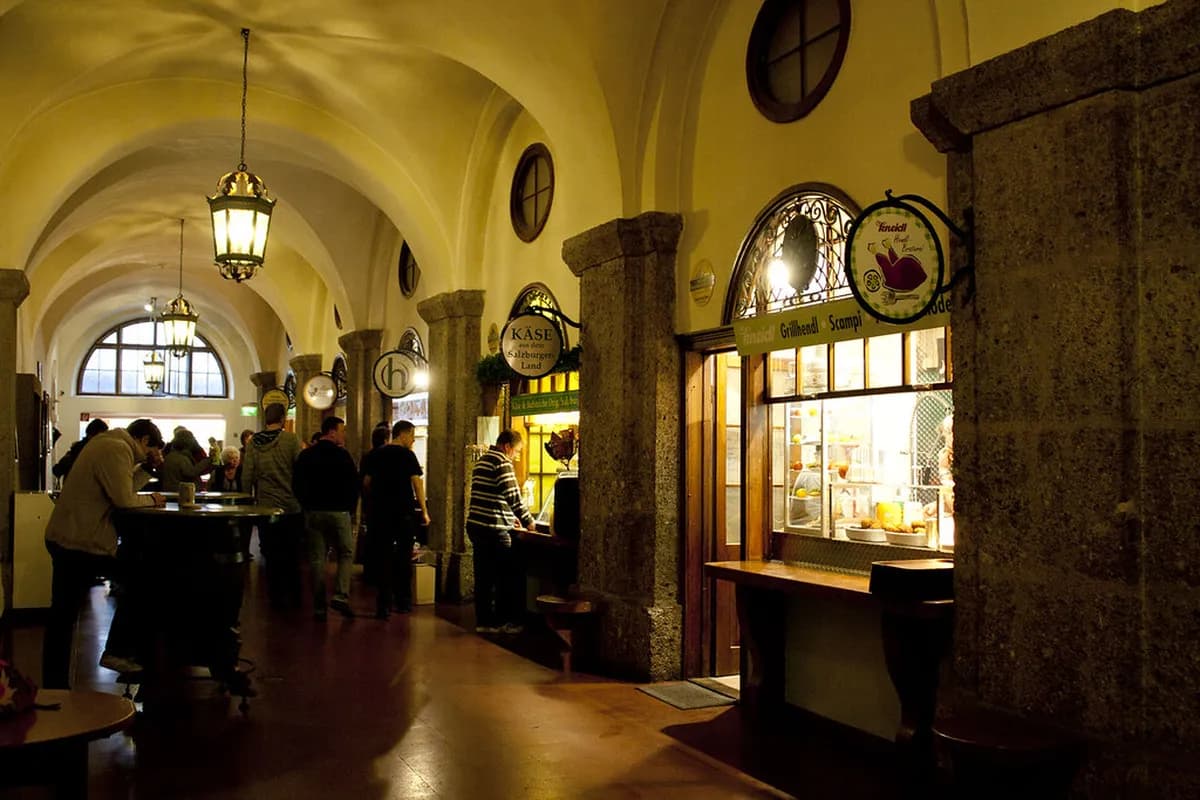
Inner Nonntal's cluster of 17th-century former merchant houses now holds the district's unofficial culinary quarter, a short walk from Erhardkirche. Salzburg's wider dining scene beyond this quarter is covered in the 8 Best Local Restaurants in Salzburg: Where to Eat Like a Local guide. Regional specialties get fuller treatment in the Salzburg Local Food Guide: What to Eat, Where, and What to Skip. A beer-hall option outside Nonntal, the Mülln Augustiner Bräustübl, sits a walk away on the other side of the Altstadt.
- Lemonchilli: a Mexican restaurant known for filling up early with a mostly local crowd.
- Bäckerei Funder: a traditional bakery for handmade rolls and dark bread.
- 220°: a coffee roastery and café set in a former workshop space.
- The Green Garden: a vegan and vegetarian spot in the quarter, currently closed as of the sources behind this guide, so confirm status before planning a stop there.
Green Spaces and Views in Nonntal
Nonntal's green corridors are one of its clearest advantages over the paved Altstadt core. These low-key routes fit the same non-touristy character covered in the off-the-beaten-path in Salzburg guide. None of them charge admission, which also makes Nonntal a fit for the Free Things to Do in Salzburg: A Practical Budget Guide list. Kapuzinerberg offers a higher vantage point than anything inside Nonntal itself. Gaisberg climbs even higher, farther from the district but reachable on the same day.
- Krauthügel: one of the three shortest green approaches into the district.
- Hans Donnenberg Park: a second approach route and open park space on Nonntal's western edge.
- Hellbrunner Allee: a tree-lined avenue that doubles as a route toward Schloss Hellbrunn.
- Almkanal: a canal-side path for a flat, relaxed walk.
- Unipark terrace: a rooftop terrace at Salzburg University with views over the district, open since 2012.
Landmarks and Buildings Worth Noting
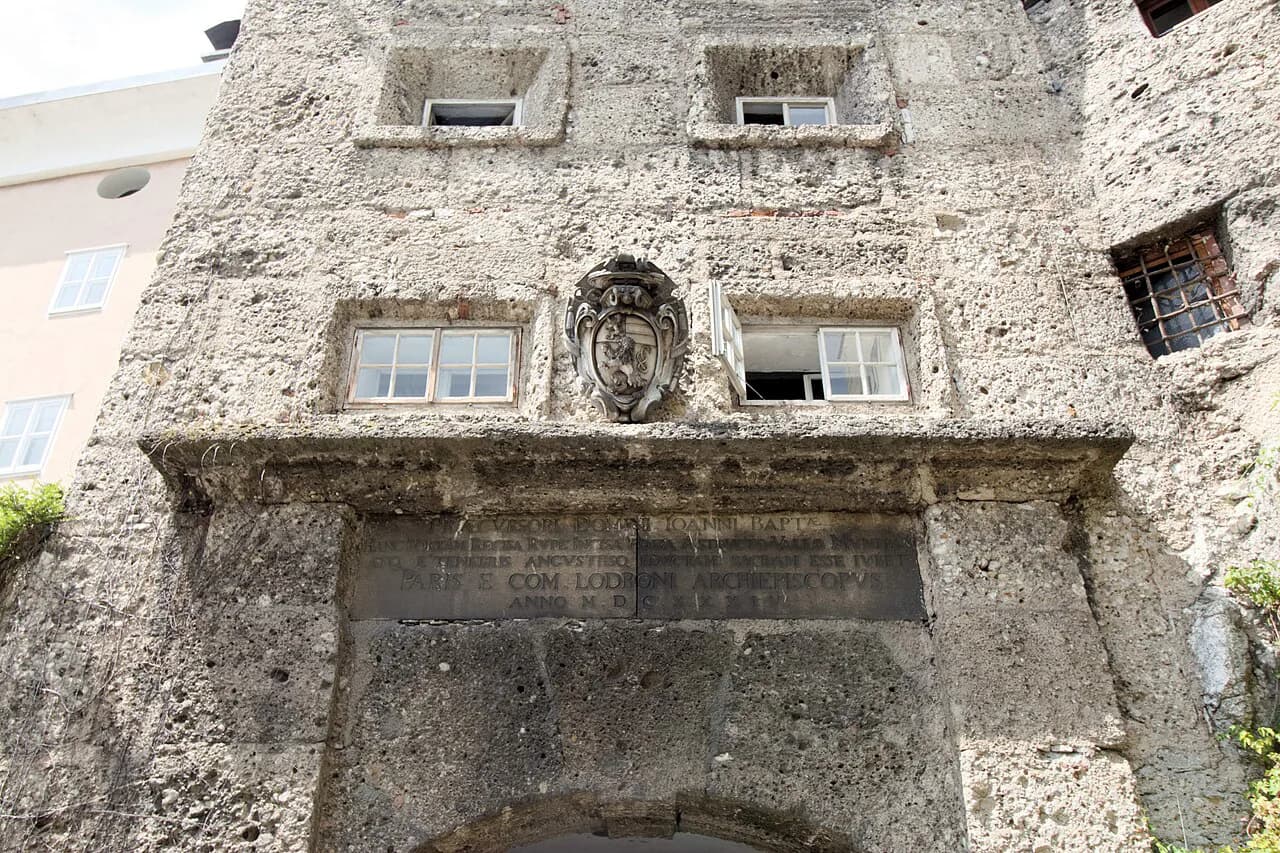
Beyond the abbey, Nonntal holds a dense set of named buildings that a sightseeing inventory of Nonntal catalogs street by street. These sights suit travelers already working through the 10 Unique Things to Do in Salzburg, Austria (2026 Guide) list who want lesser-known stops beyond the main circuit.
- Erhardkirche: the parish church at the center of Inner Nonntal.
- Hofbrunnhaus: a former pump house that fed the Residenzbrunnen Fountain in the Altstadt from the 17th century until 1969.
- Landesgericht and Kajetanerplatz: the district's courthouse and adjoining square.
- Bertholdvilla and Künstlerhaus: two notable villa-era buildings along the Nonntal lanes.
- Petersbrunnhof, home to the Schauspielhaus Salzburg theater, and the nearby ARGE Kultur venue.
- Schloss Neudegg, still linked to the Habsburg family, and the university's Science Faculty (NAWI) building.
- The local studio of Austrian broadcaster ORF.
How Much Time to Plan for Nonntal
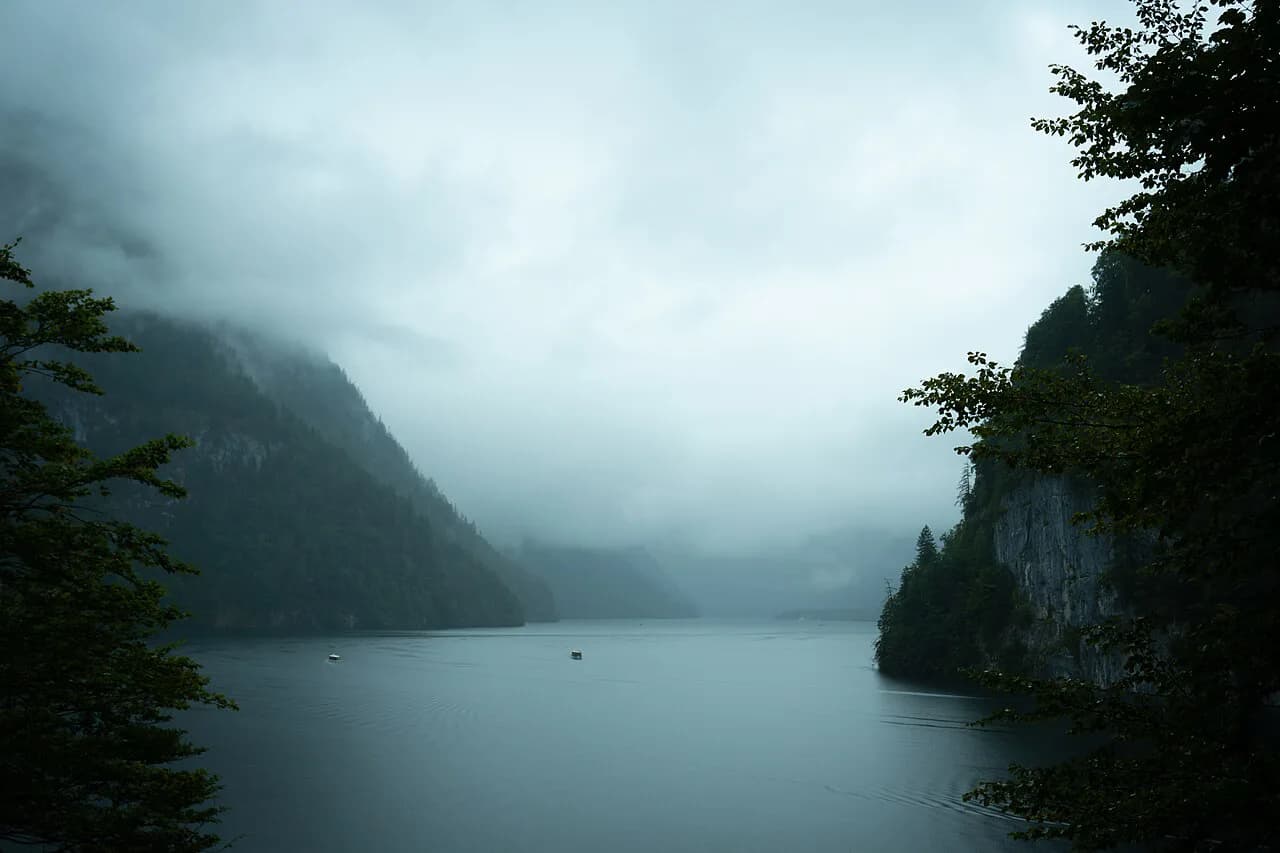
How long a Nonntal visit takes depends on how much of the district gets covered. Travelers building a longer Salzburg stay can pair it with the region's day trips. A roundup of the 8 Best Day Trips From Salzburg: How to Choose, Get There, and Avoid the Crowds covers the main options beyond the city itself. Fuschlsee makes a full-day lake add-on. Königssee works as a longer alternative for travelers with a full day to spare. Timing a visit around the city's quieter periods is covered separately in the Best Time to Visit Salzburg Without Crowds (2026 Guide) guide.
| Duration | What to See |
|---|---|
| 30 to 45 minutes | Nonnberg Abbey's exterior, Erhardkirche, coffee stop in culinary quarter |
| 1.5 to 2 hours | Full walking route through Almkanal and up to Unipark terrace |
| Half a day | Both Inner and Outer Nonntal plus stop at Schloss Hellbrunn via Hellbrunner Allee |
- 30 to 45 minutes: enough for Nonnberg Abbey's exterior, Erhardkirche, and a coffee stop in the culinary quarter.
- 1.5 to 2 hours: adds the full walking route through the Almkanal and up to the Unipark terrace.
- Half a day: covers both Inner and Outer Nonntal plus a stop at Schloss Hellbrunn via Hellbrunner Allee.
Mistakes to Avoid in Nonntal
Some habits turn a Nonntal visit into a frustrating one. Comparing Nonntal with Salzburg's other residential pockets helps set expectations. The Salzburg Neighborhoods Guide: Which Area Is Right for You? covers more of them. Steingasse covers another quiet-street pocket close to the tourist core.
- Treating Nonnberg Abbey like a standard sightseeing stop: it's an active convent, and most of the interior stays off-limits.
- Skipping Outer Nonntal entirely on a short visit: Inner Nonntal covers the historic core, but the boundary statue and Freisaal nature area sit farther out.
- Expecting Altstadt-level tourist infrastructure: Nonntal is residential first, so shops and cafés keep local hours rather than tourist-season hours.
- Assuming every business from an older guide is still open: The Green Garden, for example, is currently closed, so confirm status before a special trip to any single spot.
Where to Stay Near Nonntal
Nonntal itself holds a mix of guesthouses and mid-range hotels along and near Nonntaler Hauptstraße. Specific property names and nightly rates shift often enough that they're best checked directly on a current booking site rather than repeated here. Staying here trades a little Altstadt proximity for quieter streets and rates that typically run lower than the historic core commands. Its location keeps the Altstadt within easy walking distance, so travelers give up little in access.
Inner vs. Outer Nonntal: Which Part Should You See?
Prioritize Inner Nonntal if you have limited time. It is closest to the Altstadt and contains Nonnberg Abbey, Erhardkirche, the culinary quarter, and several historic buildings. It makes the better choice for a first walk beyond Salzburg’s main tourist circuit.
Continue into Outer Nonntal when you want more space than sights. The Virgin Mary statue marks the transition between the two halves. Beyond it, the district becomes leafier and more residential. Freisaal and the routes toward Hellbrunner Allee suit an unhurried walk.
- Choose Inner Nonntal for history, coffee, and a compact 30-to-45-minute detour.
- Walk both halves if you have 1.5 hours or more and enjoy quieter streets.
- Choose Outer Nonntal when pairing the district with green space or Schloss Hellbrunn.
There is little reason to rush through Outer Nonntal for a landmark checklist. Its appeal is the change of pace after the dense lanes of the Old Town.
Frequently Asked Questions
What is the Nonntal district known for in Salzburg?
Nonntal is known for Nonnberg Abbey, its split between the medieval Inneres Nonntal and the leafier Äußeres Nonntal, and its culinary quarter of cafés and bakeries in former 17th-century merchant houses. It also stays residential rather than tourist-focused, with roughly 4,000 people living in the district.
Is Nonntal part of Salzburg's Old Town and UNESCO site?
Inner Nonntal falls inside the Altstadt UNESCO World Heritage boundary, so it carries the same strict building regulations as the rest of the historic core. Outer Nonntal sits beyond that boundary and follows standard city rules instead.
How do you get to Nonntal from Salzburg's Altstadt?
Reaching Nonntal from the Altstadt usually takes only a short walk, since the district borders it directly on the southern side. Krauthügel, Hans Donnenberg Park, and Hellbrunner Allee serve as the three shortest walking approaches into the district.
Is Nonntal worth visiting on a first-time Salzburg trip?
A second or third Salzburg visit suits Nonntal better than a first one. First-time visitors typically prioritize the Altstadt's core sights, while Nonntal rewards travelers who already have those covered and want a quieter, local-feel stop.
What's the connection between Nonntal and The Sound of Music?
Nonnberg Abbey is where Maria trained as a novice before becoming governess to the von Trapp children, the true story behind The Sound of Music. This abbey remains an active convent today, so confirm current visiting arrangements before building a stop around the film connection.
Continue exploring
More guides you'll find useful