Kapuzinerberg, Salzburg: Routes, History, and What to See
A practical guide to Kapuzinerberg in Salzburg: how to choose an ascent route, what's open at the top, and the seasonal climbing rule for 2026 visits.
On this page
Kapuzinerberg, Salzburg
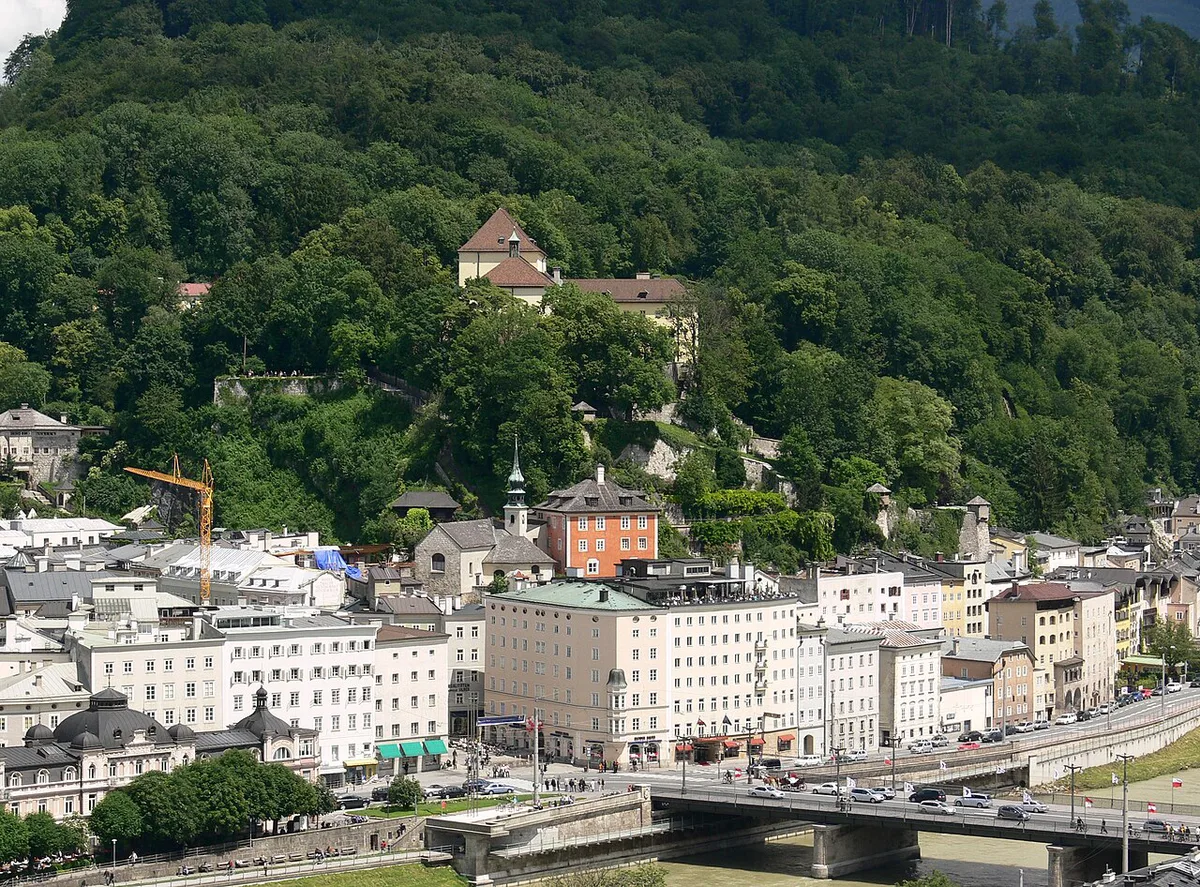
Last updated August 2026. Kapuzinerberg in Salzburg is a 640-meter forested hill on the Salzach's right bank, directly across the river from the Altstadt. Three marked paths lead up from Steingasse, Linzergasse, and Fürbergstraße to a Capuchin monastery, the Hettwer Bastei viewpoint, and the Franziskischlössl restaurant. This guide compares those three routes, clarifies what you can actually enter at the summit, and flags the seasonal climbing rule that catches visitors off guard.
What Is Kapuzinerberg in Salzburg?
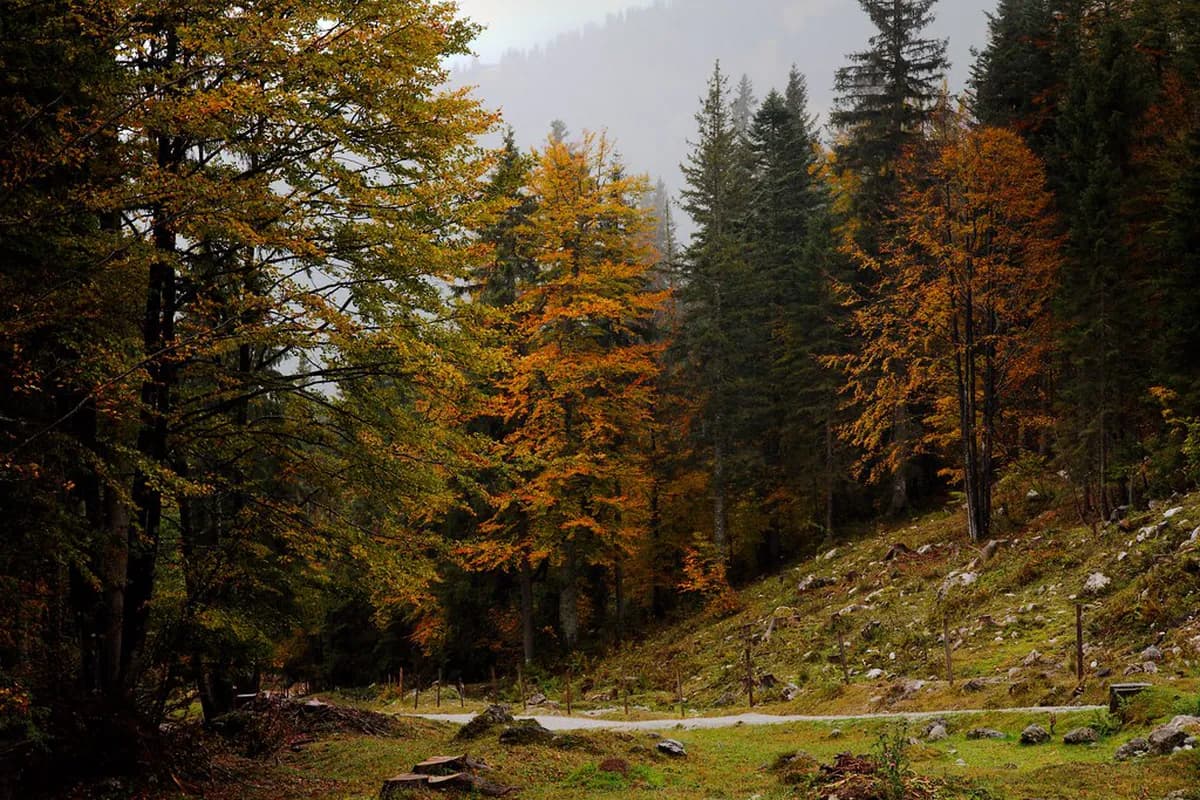
Kapuzinerberg rises 640 meters (2,100 feet) on the Salzach's right bank. Salzburg's official tourism site and Wikipedia both confirm the figure. It sits north of the Altstadt, on the opposite bank from Hohensalzburg Fortress. This hill also forms part of Salzburg's UNESCO World Heritage Site. Its name comes from the Capuchin monastery built on the summit in the early 1600s. Dense forest covers most of the slope, so a walk here feels closer to a nature reserve than a city park. Several of the site's hidden corners of Salzburg sit within a short walk of the base. That makes Kapuzinerberg an easy add to a quieter Salzburg day.
Choosing Your Route Up Kapuzinerberg
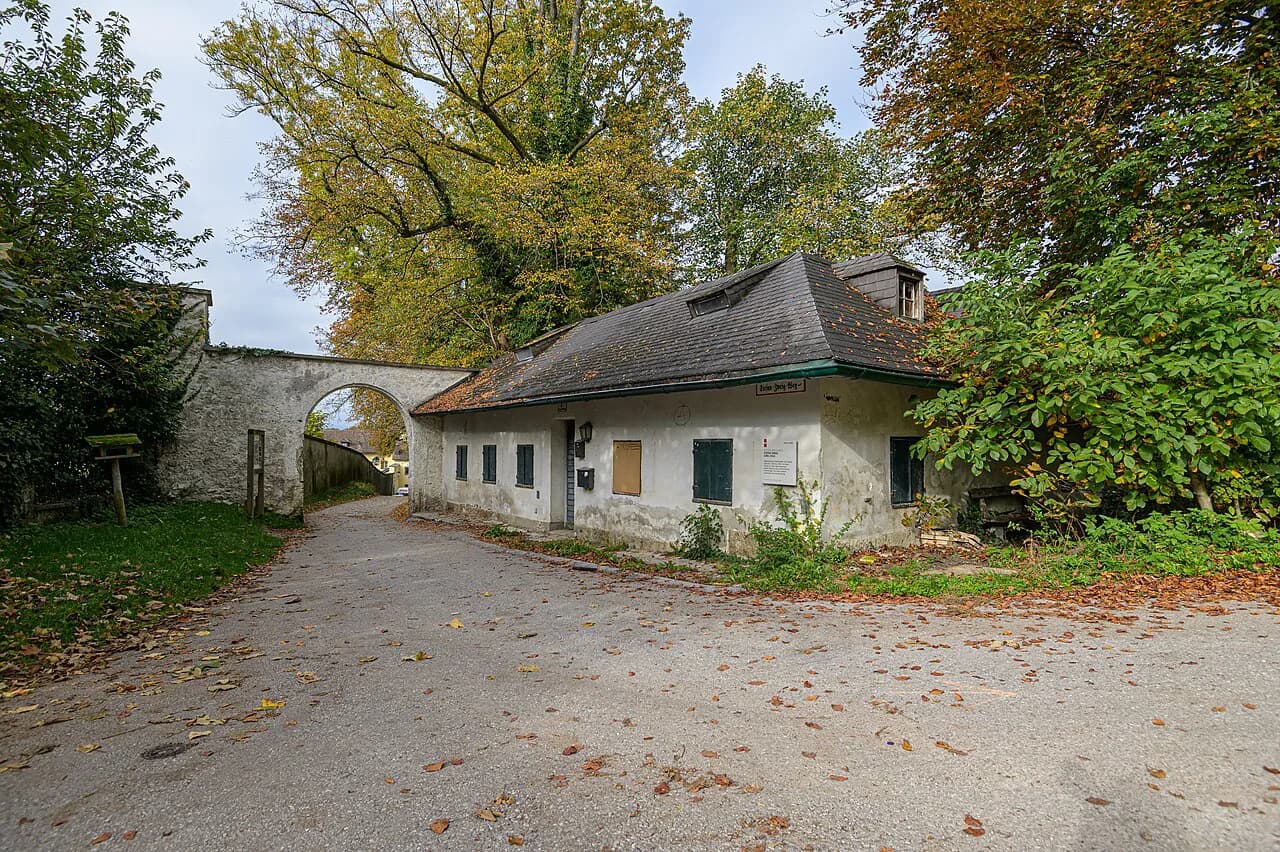
Three official paths climb Kapuzinerberg. Picking one comes down to how many stairs you want to climb and where your day already starts. Salzburg's tourism board lists all three without ranking them, so compare starting point and terrain before you commit. Imbergstiege begins right in Steingasse's riverside lane, so it suits anyone already exploring that district. Felixpforte's approach off Linzergasse is the most historic of the three, lined with Stations of the Cross chapels dated 1736 to 1744. Fürbergstraße's entrance, reached via the Doblerweg footpath, is the quietest of the three and suits a start from the New Town's northeast side rather than the river.
| Route | Starting Point | Terrain | What You Pass |
|---|---|---|---|
| Imbergstiege | Steingasse | Stairway, steep near the top | Steingasse's riverside lane before the climb begins |
| Felixpforte / Linzergasse | Felixpforte gate off Linzergasse | Paved path, steady incline | Stations of the Cross chapels (1736-1744) and the 1632 Felix Gate |
| Fürbergstraße / Doblerweg | Fürbergstraße, behind the Imberg shopping area | Footpath, gentler grade | Forest edge on the hill's northeast side |
What's at the Top of Kapuzinerberg
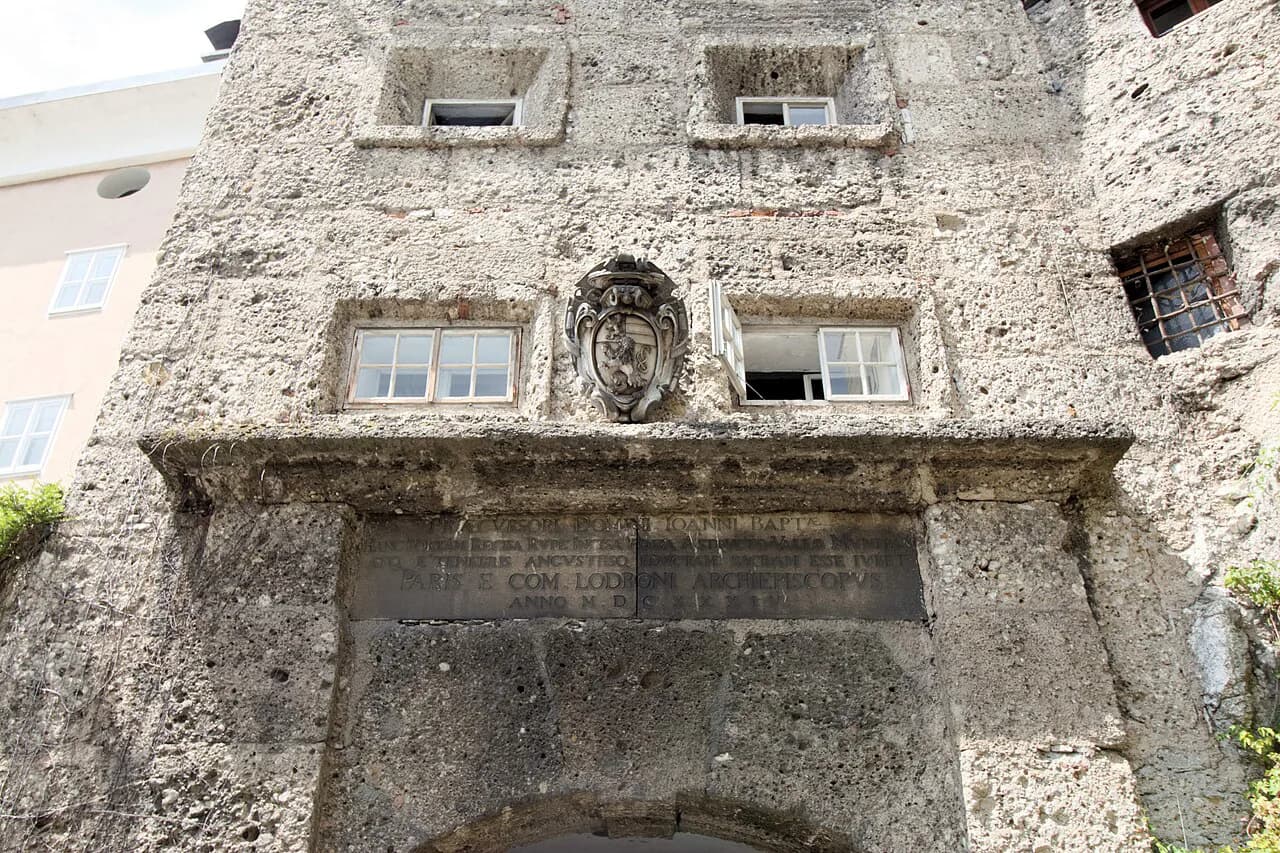
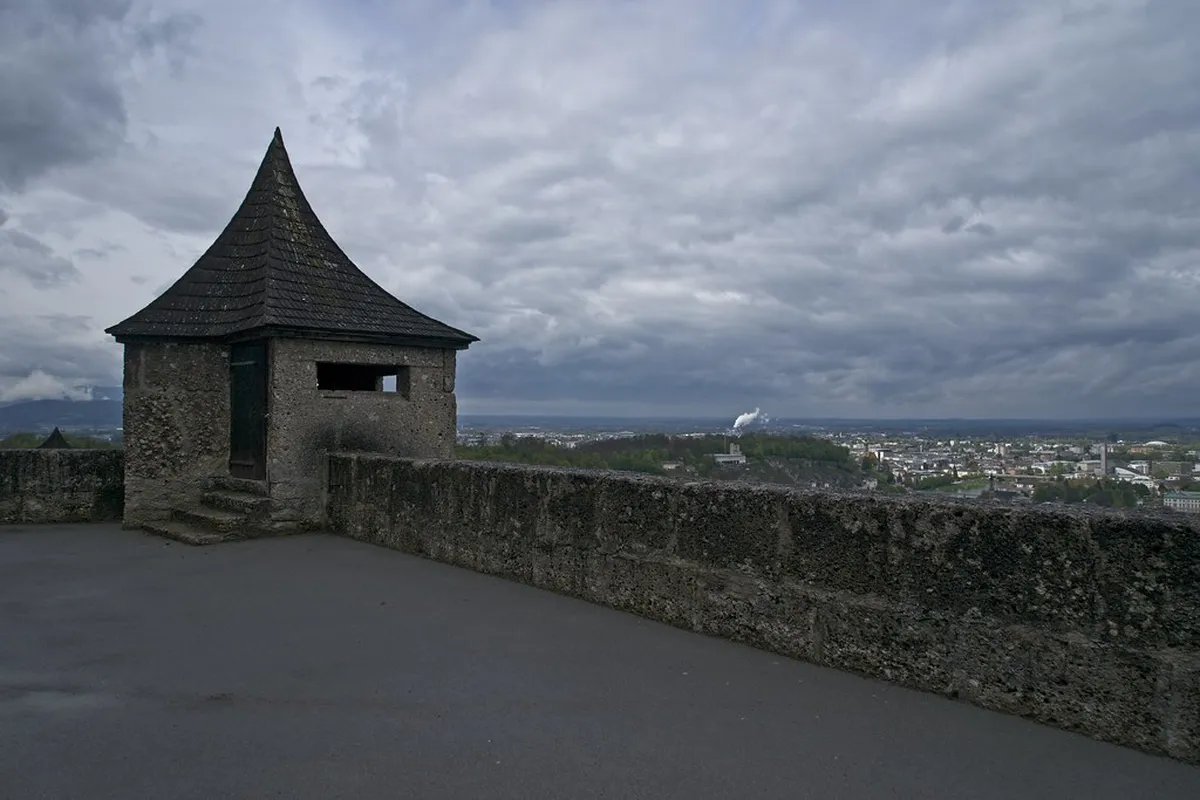
At the summit, the three paths converge near the Capuchin monastery. It was founded between 1599 and 1605 on the site of a medieval defensive tower called the Trompeterschlössl. By around 1690, the cloister reached its present layout. For centuries, its friars answered only to the Pope rather than the local archbishop, according to Wikipedia's history of the site. Next to the cloister stands the Hettwer Bastei, a fortification-wall viewpoint with a direct sightline to Hohensalzburg Fortress and the Altstadt rooftops. Continue northeast along the ridge to reach the Franziskischlössl, historically accessible by a drawbridge. Built in 1629 under Prince-Archbishop Paris Lodron as a defensive lookout, it became a tavern in 1849. Today it operates as a restaurant with a guest garden. A quick access-clarity check before you climb:
- Monastery interior: closed to visitors year-round.
- Monastery church: open for services; treat any recital or garden-visiting hours you find elsewhere as unconfirmed until you check current signage.
- Hettwer Bastei viewpoint: open to everyone, no ticket required.
- Franziskischlössl restaurant: operating with a guest garden; confirm current hours before you plan a meal at the top.
History Worth Knowing on Kapuzinerberg
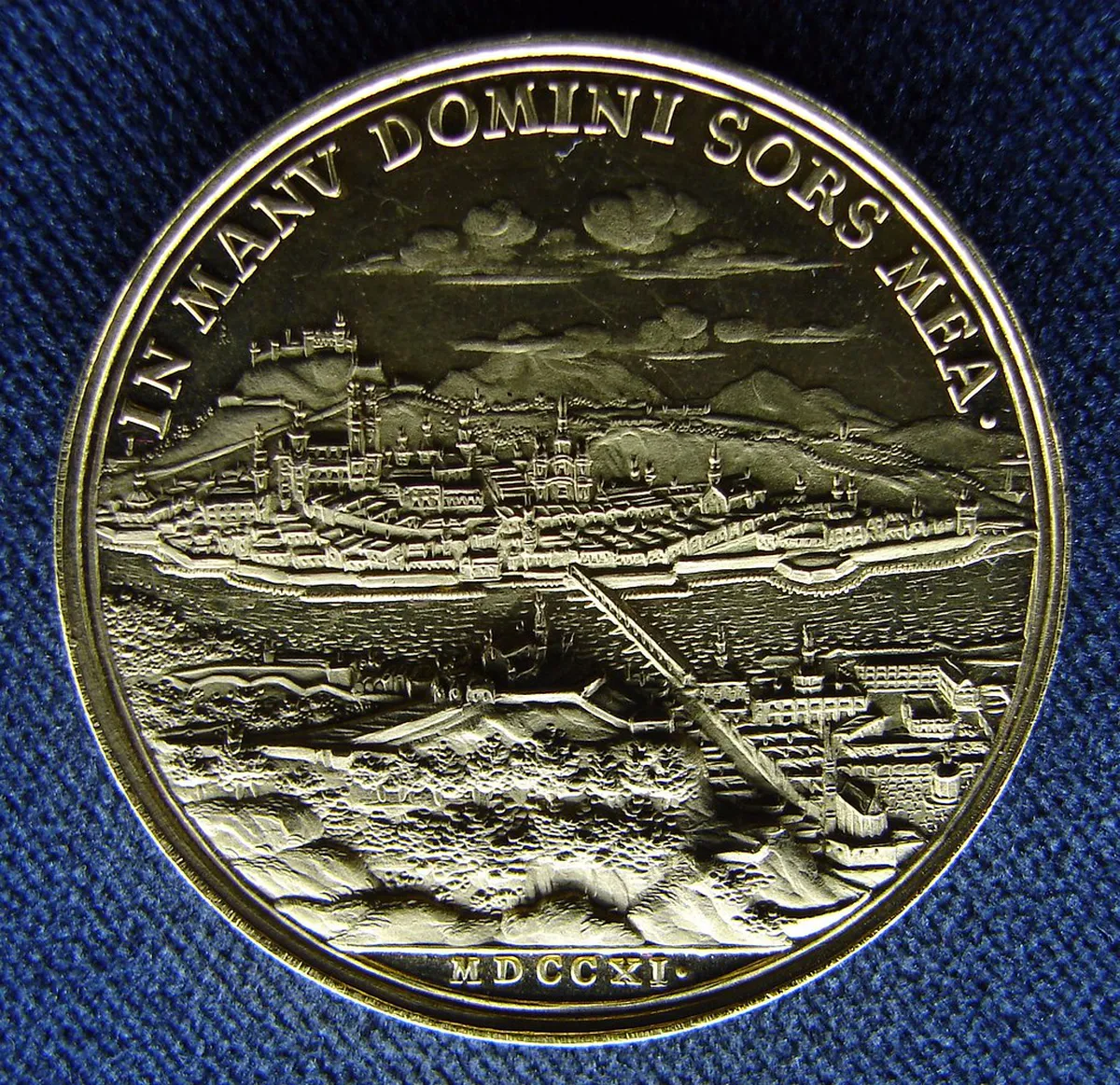
Prince-Archbishop Wolf Dietrich von Raitenau founded the Capuchin cloister here between 1599 and 1605, replacing the site's earlier fortress. Stations of the Cross chapels went up along the Linzergasse approach between 1736 and 1744. The 1632 Felix Gate still marks roughly the halfway point of that climb. Near the chapels, a modest monument commemorates Wolfgang Amadeus Mozart, a short walk from a plaque marking Stefan Zweig's former home. Zweig lived at the Paschinger Schlössl, Kapuzinerberg 5, from 1919 until he left Austria in the mid-1930s. Sources disagree on the exact year he departed, citing either 1934 or 1937, so treat any specific end date with caution. During his residency, visitors to the villa included Thomas Mann, Hugo von Hofmannsthal, and James Joyce. Wartime plans in the late 1930s called for a large Nazi assembly ground, festival hall, and stadium on the mountain. Salzburg's monks were evicted in 1938 to clear the site, but the project was never built, and they returned in 1942.
Practical Logistics for Hiking Kapuzinerberg
Plan on roughly 3 miles (4.8 km) for the main paved loop. One hiking guide that documented the route calls it moderate, with steep sections near several entrances. Side trails add stairs and rougher footing, so wear shoes with grip if you leave the paved path. No public restroom sits along the main route, and the single trailside fountain isn't guaranteed to be running, so carry water before you start. If you're not walking from the center, several city bus routes stop within a few minutes of the trailheads, including stops at Makartplatz/Theatergasse and Mozartsteg on the river's north side. Walking Kapuzinerberg's paths and reaching the Hettwer Bastei costs nothing, which makes it one of the more useful Free Things to Do in Salzburg: A Practical Budget Guide when you want a break from paid attractions and the Salzburg Card circuit. A coffee or meal at the Franziskischlössl restaurant near the summit is the only likely expense. Rock climbers use a fixed-cable route on Kapuzinerberg's north face known locally as the City Wall climb. Salzburg's tourism board states it's permitted from July through March. It's closed the rest of the year to protect nesting birds, so plan around hiking rather than climbing in spring. For a quieter walk, check the site's guide to visiting Salzburg without crowds. Kapuzinerberg already draws far fewer people than the Altstadt hills across the river, even in peak summer months. Chamois live on Kapuzinerberg's rocky north face, alongside rare alpine plants such as alpine auricula and alpine rhododendron, and the common raven nests in the cliffs, according to Wikipedia's account of the hill. Sightings aren't guaranteed on any given walk, but the possibility is part of what separates this route from a paved city park.
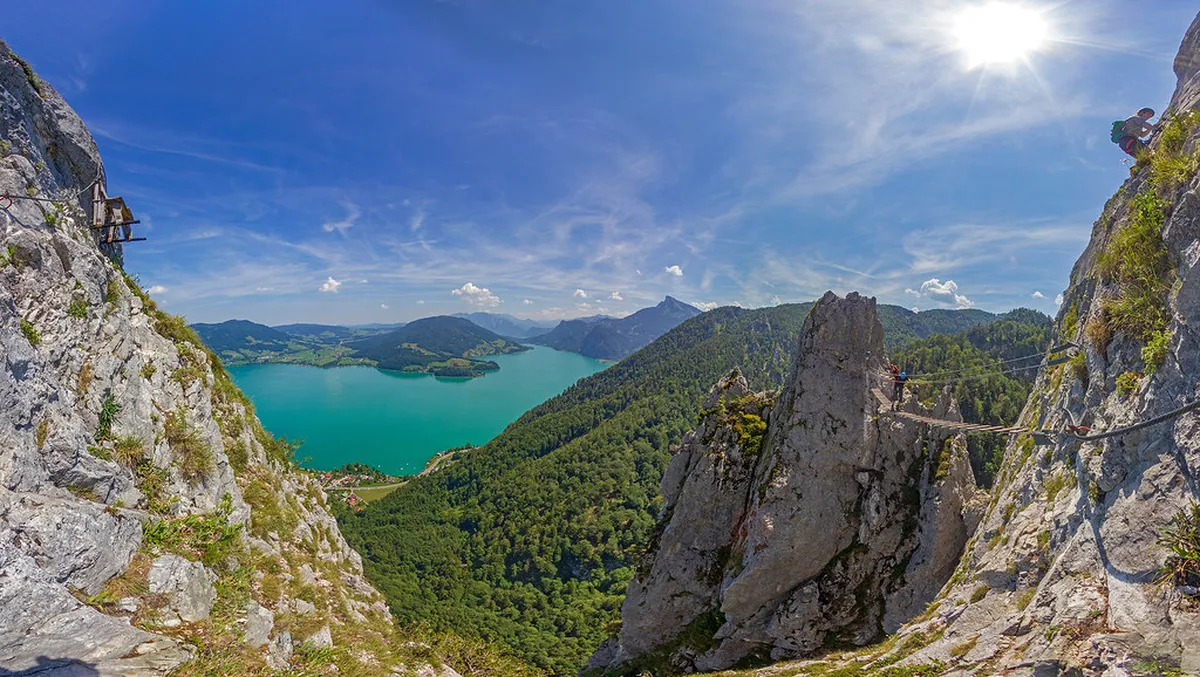
Rock climbers access the City Wall using a fixed-cable route permitted from July through March only; the restriction closes spring-season climbing to protect nesting birds on the north face where rare alpine plants also grow.
Kapuzinerberg vs. Salzburg's Other Local Mountains
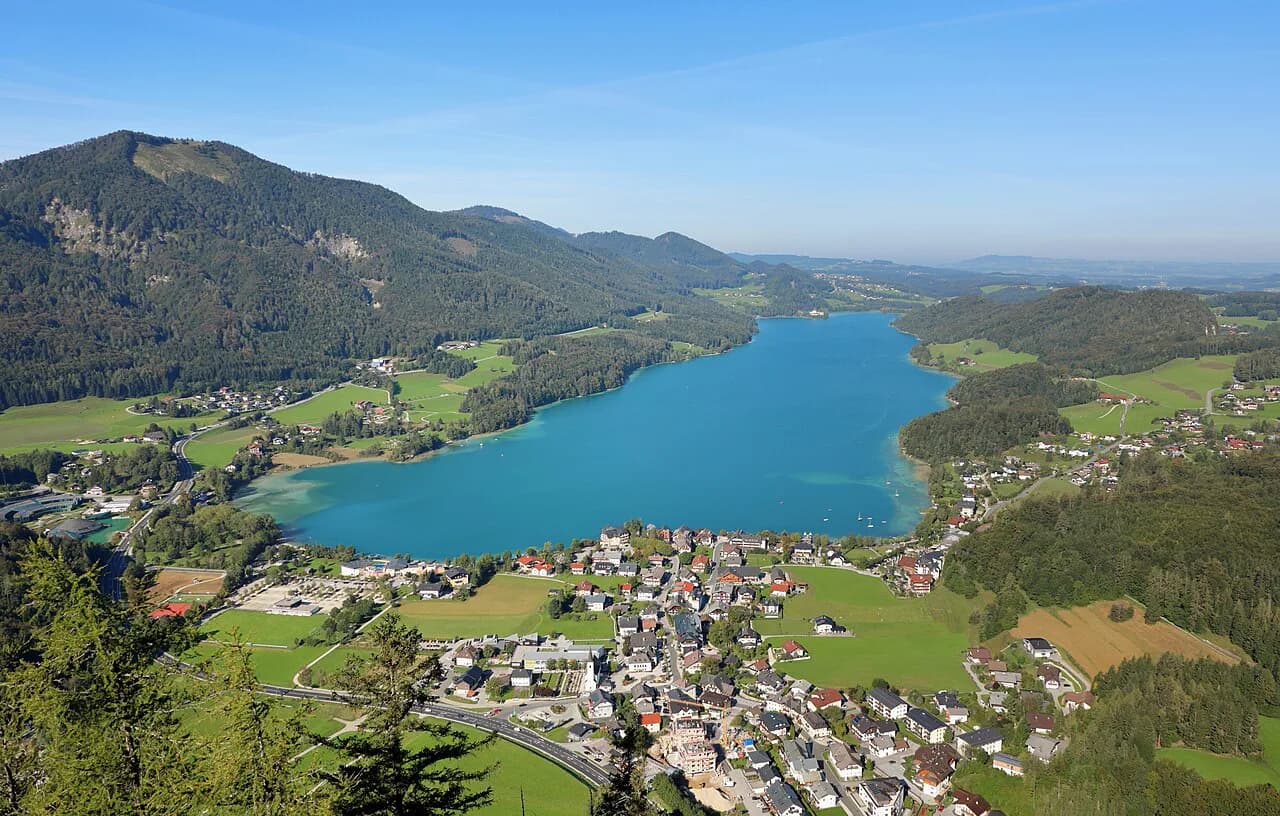
Salzburg has three hills that locals call its local mountains: Kapuzinerberg, Mönchsberg, and Gaisberg. A hotel guide to the city notes they're even represented in the Salzburger Nockerl dessert, where each of the three sugared peaks stands for one hill. Mönchsberg rises on the Altstadt side of the river, connected by trail to Hohensalzburg Fortress, while Kapuzinerberg sits across the Salzach near Linzergasse and the New Town. Salzburg's Gaisberg is the third of the three, with its own guide covering how to reach it and what's at the summit. If you have more time, Kapuzinerberg pairs naturally with a longer day outside the city center. This site's roundup of 8 Best Day Trips From Salzburg: How to Choose, Get There, and Avoid the Crowds includes several lake and mountain options within about an hour's drive. Among them, the Fuschlsee day trip is one of the closer picks if you want water instead of forest for the rest of the day.
Mistakes to Avoid on Kapuzinerberg
A few small missteps are easy to avoid once you know the pattern:
- Assuming the monastery is open like a museum — only the church admits visitors, and only for services.
- Planning a City Wall climb outside July through March — the route closes the rest of the year for nesting birds.
- Underestimating the first stretch from any of the three entrances — all three start with the steepest part of the walk.
- Skipping water and a restroom stop beforehand — the main trail has no public WC and only one fountain, which isn't always running.
- Assuming Franziskischlössl is guaranteed open — confirm current hours before counting on it for a meal at the summit.
Frequently Asked Questions
How long does it take to walk up Kapuzinerberg?
Budget 60 to 90 minutes for the main ascent and paved loop, which runs about 3 miles (4.8 km) total. Add extra time if you plan to explore the unpaved side trails near the fortification walls.
Can you go inside the Kapuzinerberg monastery?
No, the monastery's interior is closed to the public. Its church opens for services, but treat any specific recital or garden-visiting hours you find online as unconfirmed until you check current signage locally.
What is the easiest way up Kapuzinerberg?
Of the three named routes, the Fürbergstraße entrance is described as a footpath rather than a stairway, which makes it a reasonable pick if you want to avoid the steps on the Imbergstiege. All three routes still involve a steep initial climb.
Is Kapuzinerberg worth visiting in Salzburg?
In our editorial assessment, yes, particularly if you want a forested viewpoint without an entrance fee or the crowds of the Altstadt hills. Its combination of the Hettwer Bastei view, Stations of the Cross history, and chamois habitat is hard to find elsewhere this close to the center.
What's the difference between Kapuzinerberg and Mönchsberg?
Mönchsberg rises above the Altstadt on the same side as Hohensalzburg Fortress, while Kapuzinerberg sits across the Salzach near the New Town and Linzergasse. Both are forested and free to climb, but they sit on opposite banks of the river.
Is Kapuzinerberg free to visit?
Yes, walking any of the three routes and reaching the Hettwer Bastei viewpoint costs nothing. Food or drink at the Franziskischlössl restaurant near the summit is the only likely expense on the mountain.
Continue exploring
More guides you'll find useful