Steingasse Salzburg: History, Landmarks, and How to Visit
Plan a visit to Steingasse in Salzburg: what it is, its history, how long the walk takes, and how it pairs with the Kapuzinerberg hike.
On this page
Steingasse Salzburg
Last updated August 2026. Steingasse in Salzburg is a narrow, still-cobbled medieval lane on the Salzach's right bank, running along the base of the Kapuzinerberg. This guide covers what the street looks like now, how long the walk takes, and how it links to the Kapuzinerberg climb.
What Steingasse in Salzburg Is and Where to Find It
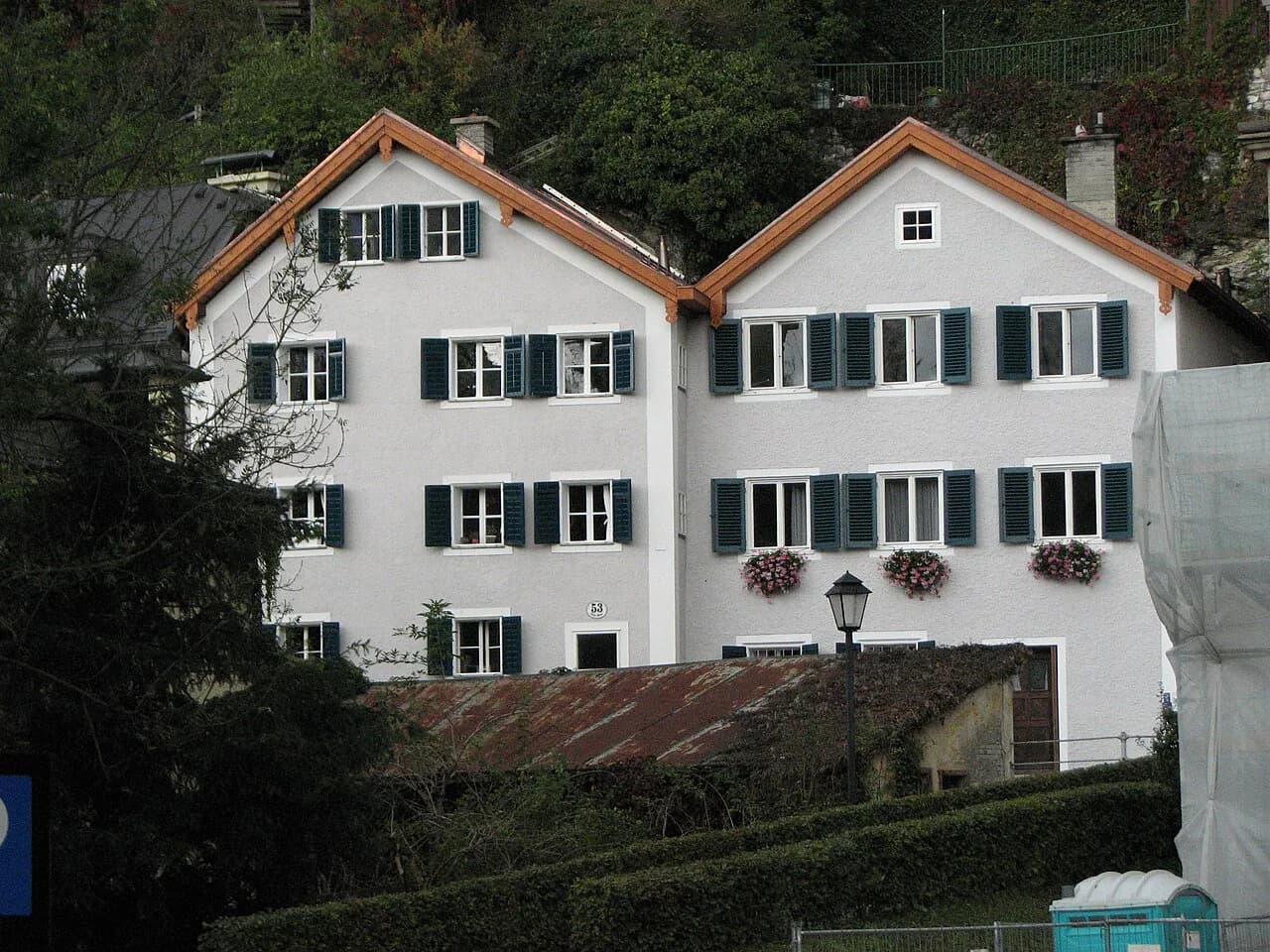
Steingasse sits on the right bank of the Salzach River, squeezed between the water and the rock face of the Kapuzinerberg. It branches off Linzergasse and runs roughly parallel to the river through Salzburg's old town. Locals and guidebooks count it among the city's oldest streets. This right-bank district appears in the Salzburg Neighborhoods Guide: Which Area Is Right for You?. Its low profile also fits the theme of the 11 Hidden Gems in Salzburg Beyond the Getreidegasse Crowds guide.
A Short History: Salt Route, Craftsmen, and the Inner Steintor Gate
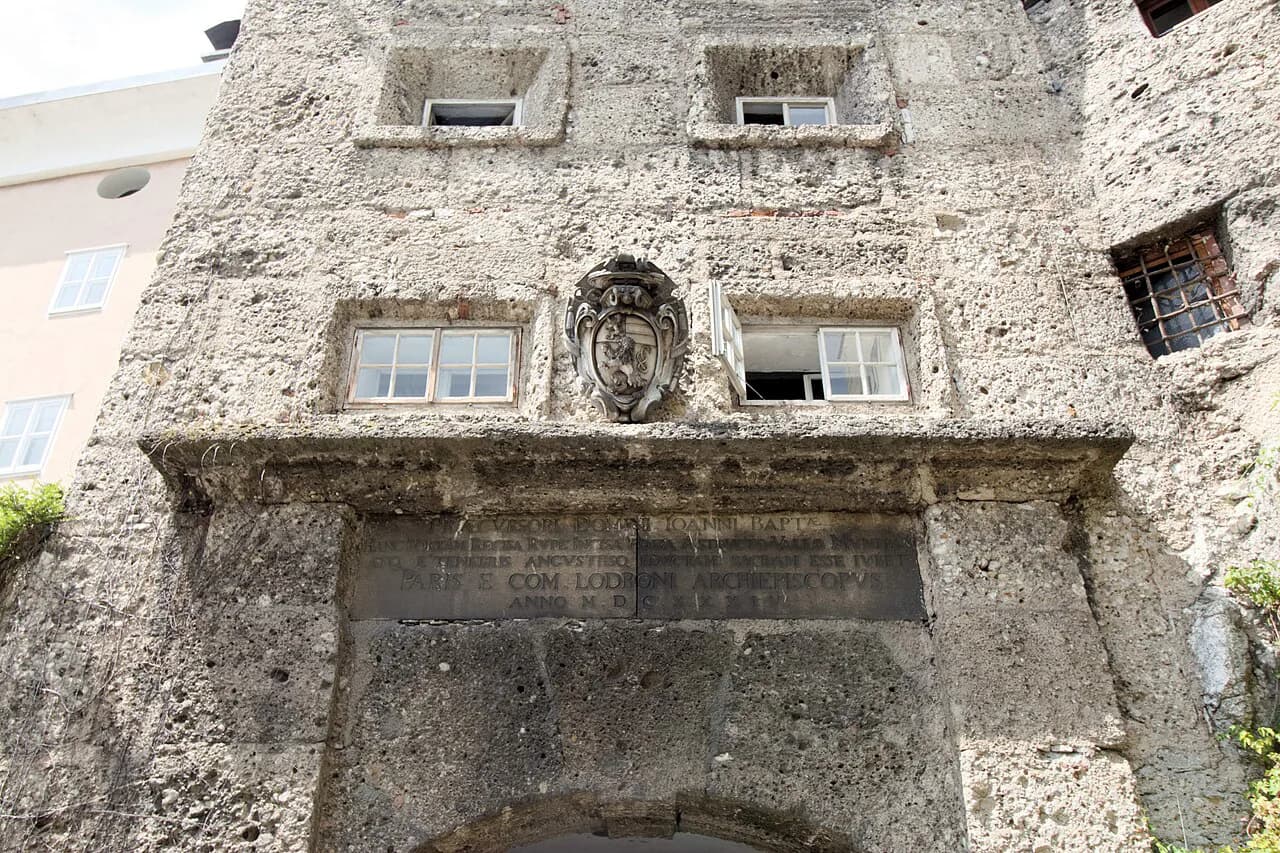
Salt shaped its early history: the lane formed one of Salzburg's key north-south trade routes, carrying salt from mountain mines toward Italy alongside the Salzach River. Artisans who depended on steady water access set up workshops here too, including potters, dyers, and tanners. Houses backed directly onto the river with private gardens until 1862, when the Salzach was walled in to control flooding. Built in 1280 and extended during the Thirty Years' War in 1634, the Inneres Steintor gate guarded this route and still stands as Salzburg's oldest surviving gate. In 1525, rioting farmers and miners entered the city via Steingasse during the Bauernkriege uprising, confronting Prince-Archbishop Matthäus Lang and his troops.
The Steintor gate, built in 1280 to guard a north-south salt trade, now serves as a landmark anchor for Steingasse's quiet walk—the street's commercial function has shifted entirely to parallel Imbergstraße.
Joseph Mohr's Birthplace and the Silent Night Connection
Joseph Mohr, who wrote the lyrics to 'Silent Night,' was born in a house at No. 31 Steingasse. That birthplace address is worth separating from where the carol itself came together. Mohr wrote the lyrics later in his life, and the song had its first performance in nearby Oberndorf, not on Steingasse. Treat Steingasse as the birthplace stop and Oberndorf as a separate performance-history stop, rather than combining them into one visit. A small museum has occupied the birthplace address in the past; confirm current opening status locally before counting on a visit inside.
Landmarks Along the Walk: Steintor Gate, Engelwirtsbrunnen, and St. Johann am Imberg
Three landmarks anchor a walk down Steingasse. All three sit within a few minutes' walk of each other, whichever end of the street you start from.
- Inneres Steintor gate — the inner city gate near the street's southern end, dating to 1280 and extended in 1634.
- Engelwirtsbrunnen fountain — a marble wall fountain dated to 1660, moved to its current spot by the Kapuzinerberg wall in 1890.
- St. Johann am Imberg — a small church partway up the Kapuzinerstiege steps, reached from Steingasse's northern end.
Steingasse Today: Bars, Shops, and a Neutral Look at the Red-Light District
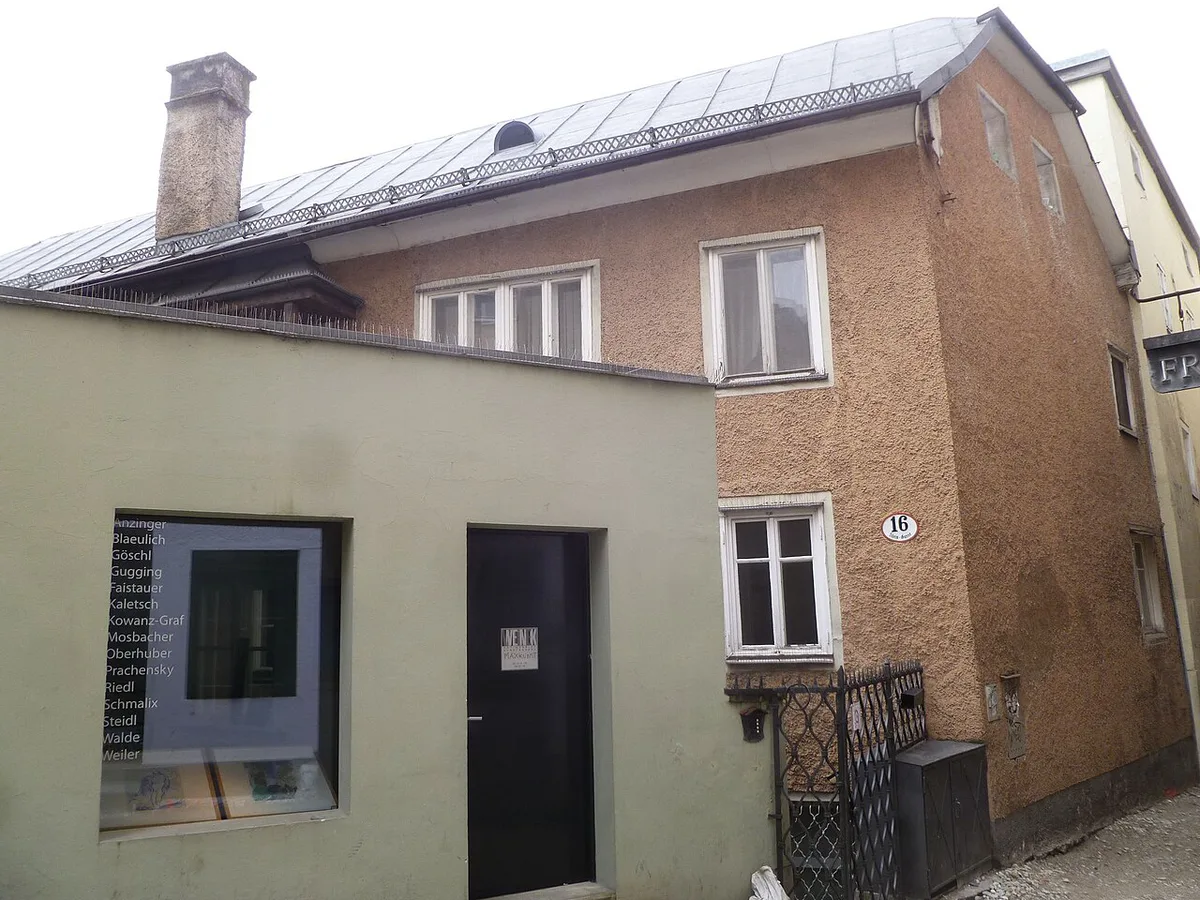
Today, Steingasse is mostly residential. Imbergstraße, the wider street nearby, now carries the traffic that once ran through this lane. A handful of bars, an art-house cinema, bookshops, and cafés remain along the street. Pair the walk with the 8 Best Local Restaurants in Salzburg: Where to Eat Like a Local guide or the Salzburg Local Food Guide: What to Eat, Where, and What to Skip for a sit-down meal nearby. Near the inner gate, the street also has a small, legally regulated red-light presence, part of a licensed system across Austria rather than an unregulated one. That makes Steingasse a reasonable daytime walk for families focused on the gate, fountain, and church steps. After dark, the bar stretch near the inner gate reads more adult, so plan the visit accordingly.
How to Get There and How Long to Spend on Steingasse
Linzergasse leads into Steingasse near the Platzl square, beside the Staatsbrücke bridge on the river's right bank. From the Altstadt on the opposite bank, cross the Staatsbrücke, follow Linzergasse, and watch for the narrow turn into Steingasse. Most visitors cover the lane end-to-end in a few unhurried minutes, longer with stops at the gate and fountain. Walking Steingasse costs nothing beyond the time it takes, an approach covered in the Free Things to Do in Salzburg: A Practical Budget Guide guide.
Pairing Steingasse With the Kapuzinerberg Hike
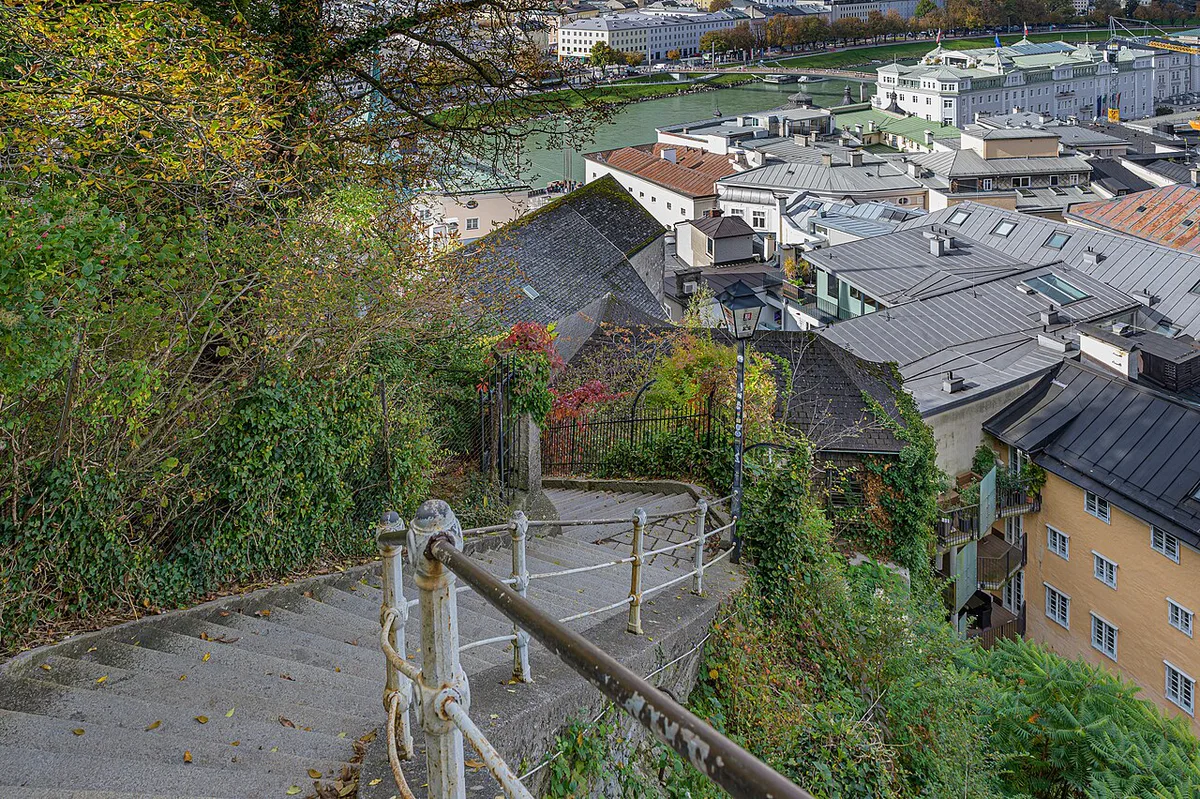
This lane works as the starting point for the climb up Kapuzinerberg. Partway up the Kapuzinerstiege steps, also called the Imbergstiege, the route passes St. Johann am Imberg, a small church tucked into the hillside. Effort is relatively low for the payoff: a panoramic view over Salzburg's old town. See the Kapuzinerberg guide for route detail and what to expect at the top.
Best Time to Visit for Light and Fewer Crowds
Late morning brings the clearest light onto Steingasse's facades. That window also tends to be quieter than the Getreidegasse crowds across the river at midday. Early risers get similar quiet, minus the light. Check the best time to visit Salzburg guide for broader seasonal crowd patterns across the city.
Steingasse vs. Getreidegasse vs. Linzergasse: Which Fits Your Trip
Getreidegasse, Steingasse, and Linzergasse are often grouped together as Salzburg's oldest streets, though each serves a different purpose on a visit. In our editorial assessment, here is how the three compare. Choose Steingasse for a slower, quieter walk, and save Getreidegasse for shopping and the classic Old Town photo.
| Street | Character | Typical Crowds | Best For |
|---|---|---|---|
| Steingasse | Narrow medieval lane, mostly residential | Quiet, low-traffic | A slower history walk, the inner gate, the Kapuzinerberg start |
| Getreidegasse | Old Town shopping street with wrought-iron signs and Mozart's birthplace | Busy with shoppers most of the day | Shopping and the classic first-time photo |
| Linzergasse | Right-bank street parallel to Kapuzinerberg, with shops and hotels | Moderate | Dining, hotels, and the St. Sebastian's Cemetery detour |
Mistakes to Avoid on Steingasse
A few planning mistakes come up often.
Joseph Mohr's birthplace at No. 31 is worth the historical visit, though the carol 'Silent Night' itself came together in nearby Oberndorf—travelers often mix these separate stops into one story.
- Treating Steingasse as a shopping street — that role belongs to Getreidegasse, not this lane.
- Mixing up Joseph Mohr's Steingasse birthplace with where 'Silent Night' was actually written and first performed, which was Oberndorf, not Steingasse.
- Skipping the Kapuzinerberg pairing, since the lane is the hike's natural starting point rather than a stand-alone stop.
- Visiting only after dark and missing the late-morning light that makes the facades worth photographing.
- Not budgeting a day trip beyond the city center on a light-effort day; the 8 Best Day Trips From Salzburg: How to Choose, Get There, and Avoid the Crowds guide has options.
Frequently Asked Questions
What is Steingasse in Salzburg?
Steingasse is a narrow, cobbled medieval lane on the right bank of the Salzach River, running along the base of the Kapuzinerberg. It's counted among Salzburg's oldest streets and was once a working north-south trade route.
Where is Steingasse located?
Find it on the Salzach's right bank, branching off Linzergasse near the Platzl and the Staatsbrücke bridge. It runs roughly parallel to the river toward the base of Kapuzinerberg.
Is Steingasse family-friendly?
During the day, yes: the gate, fountain, and church steps make for a quiet, safe walk. After dark, the bar stretch near the inner gate skews more adult, so plan a daytime visit with kids.
How do I get to Steingasse and how long does it take to see?
Cross the Staatsbrücke bridge from the Altstadt, follow Linzergasse, and turn onto Steingasse. Expect a short walk: a few unhurried minutes end-to-end, plus more time for the Kapuzinerberg climb.
What's the difference between Steingasse and Getreidegasse?
Getreidegasse is Salzburg's main Old Town shopping street, known for wrought-iron signs and Mozart's birthplace. By contrast, Steingasse is quieter and mostly residential, better suited to a slower historical walk.
Can I combine Steingasse with the Kapuzinerberg hike?
Yes. Steingasse serves as the standard starting point for the Kapuzinerberg climb via the Kapuzinerstiege steps, passing St. Johann am Imberg along the way.
Continue exploring
More guides you'll find useful