Salzburg Neighborhoods Guide: Which Area Is Right for You?
Orient yourself to Salzburg's neighborhoods — Altstadt, Neustadt, Elisabeth-Vorstadt, Nonntal, and more — walk times, cost trade-offs, and who each suits.
On this page
Salzburg Neighborhoods Guide
Last updated August 2026, this Salzburg neighborhoods guide orients you to where the city's six core districts sit around the Salzach River before you pick a base. Altstadt, the west-bank old town, anchors most itineraries, while Neustadt, Elisabeth-Vorstadt, Nonntal, Leopoldskron-Moos, and Maxglan each suit a different kind of trip. Sections below cover who each district fits, typical walk times from the center, and where to find deeper detail on specific streets and day trips.
Salzburg Neighborhoods Guide: How the City Splits Up
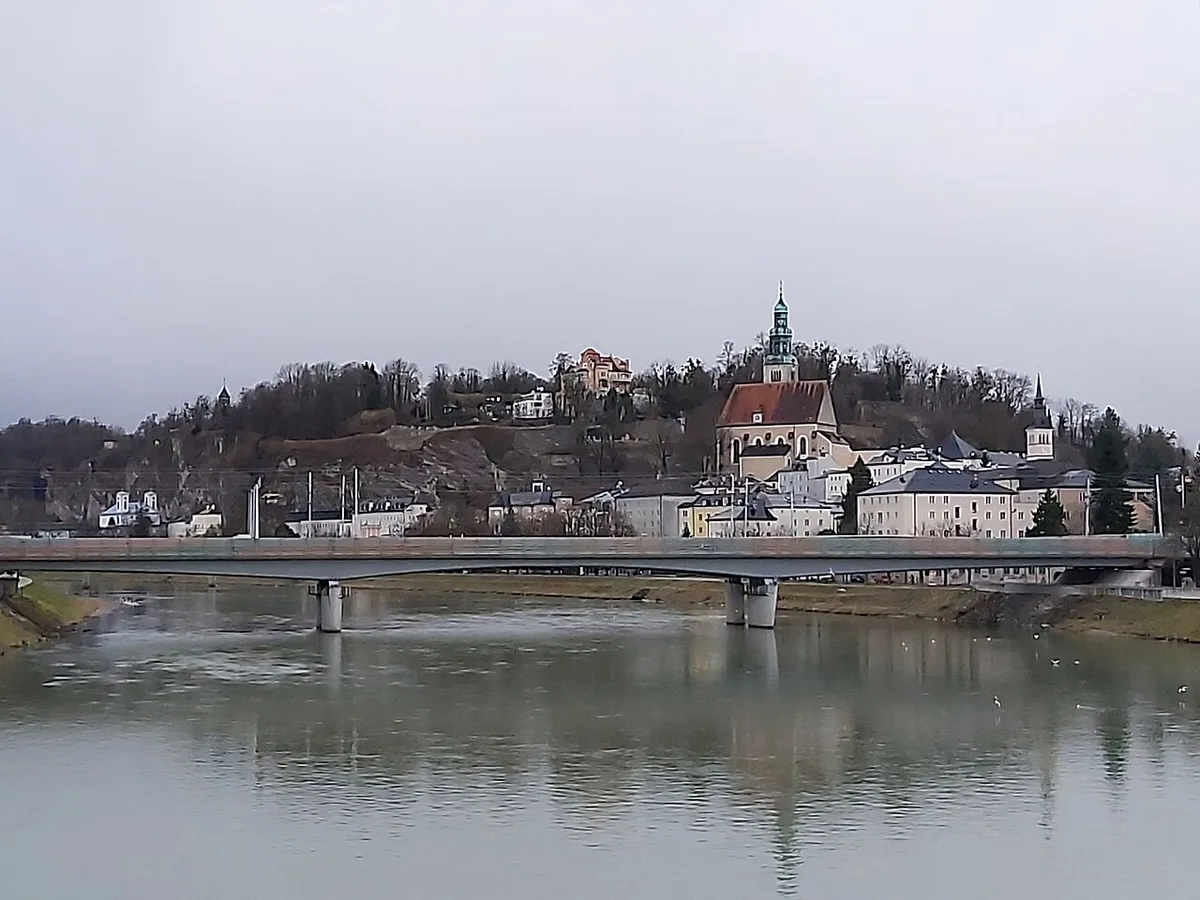
Salzburg splits along the Salzach River into two historic halves, then extends into newer districts on both banks. Altstadt occupies the west bank as the UNESCO-listed old town. Neustadt sits across the Staatsbrücke bridge on the east bank. South of Altstadt, Nonntal climbs toward Nonnberg Abbey, and Leopoldskron-Moos spreads further into the city's southern edge. North of the center, Elisabeth-Vorstadt surrounds the Hauptbahnhof. West of Altstadt, Maxglan and Riedenburg sit near the airport. Between Altstadt and Neustadt, at the foot of Mönchsberg, Mülln adds a seventh district worth knowing. This guide covers all seven, so you can match a base to how you want to spend your days.
Neighborhood Comparison at a Glance
The table below lines up all seven districts by location, distance from the center, relative cost, and who each one suits best. Visitors moving between several districts in one trip often buy the multi-day Salzburg Card, which bundles one-time entry to city attractions and museums with public transport, in 24, 48, or 72-hour versions. Use the table as a starting point, then read the fuller section on any district that fits your trip.
| District | Side of River / Location | Distance from Altstadt or Hauptbahnhof | Cost Tier | Best For |
|---|---|---|---|---|
| Altstadt | West bank | City center | Premium — about 20-30% above the city average | First-time visitors, landmark access |
| Neustadt / Right Bank | East bank | Short walk across the Staatsbrücke bridge | Mid-range | Families, culture, repeat visitors |
| Elisabeth-Vorstadt | North of center, around the Hauptbahnhof | About a 25-minute walk to Altstadt | Budget to mid-range | Short stays, train travelers, day trips |
| Nonntal | South of Altstadt, below the fortress | Short walk from Altstadt | Mid-range, better value | Quiet stays, hiking, longer visits |
| Leopoldskron-Moos | Southern edge of the city | Further out; bus or car recommended | Mid-range, fewer options | Sound of Music fans, nature, drivers |
| Maxglan / Riedenburg | West of center, near the airport | Bus ride from Altstadt | Budget-leaning | Budget travelers, longer stays |
| Mülln | Foot of Mönchsberg, between Altstadt and Neustadt | Short walk from Altstadt | Not a lodging base | A beer-hall stop, not typically a stay |
Altstadt (Old Town): Salzburg's Historic Core
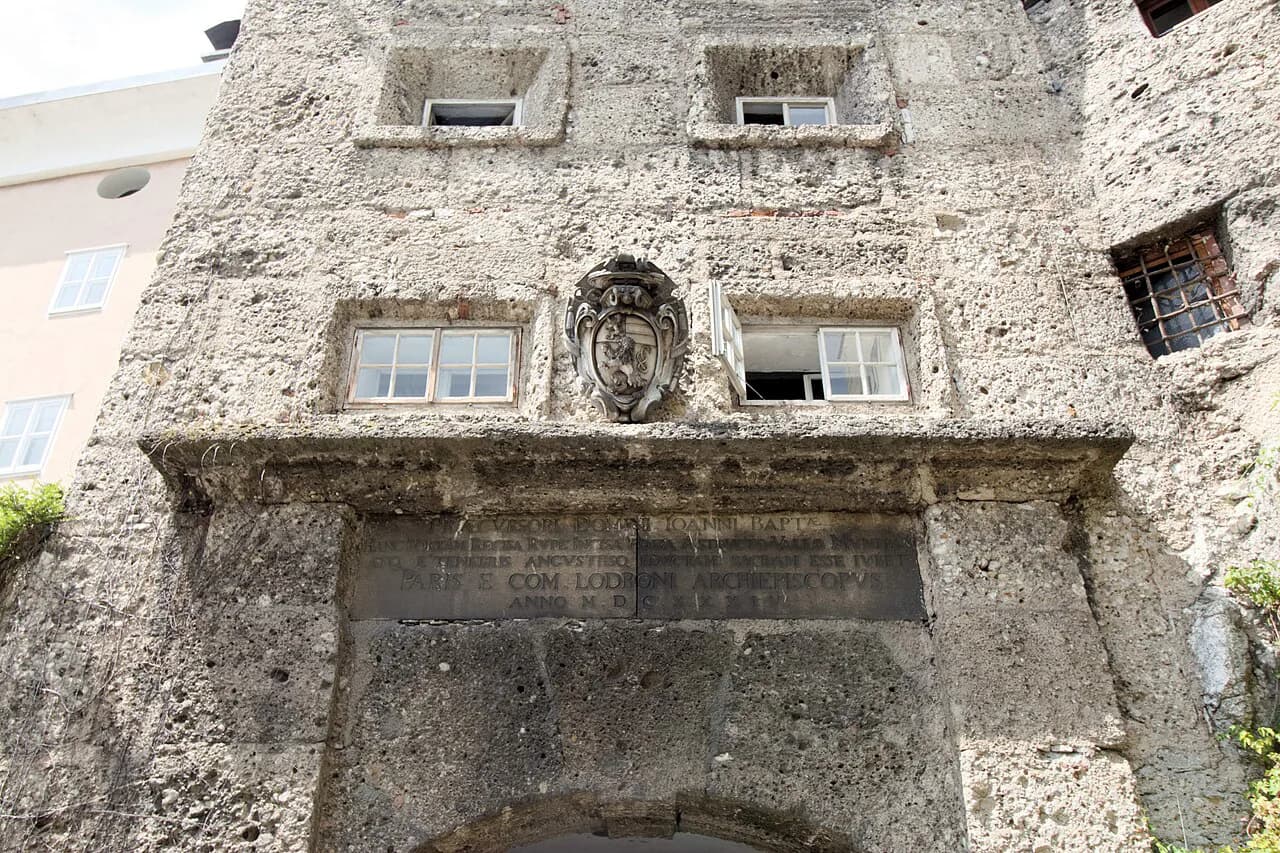
Altstadt is Salzburg's UNESCO-listed old town on the west bank of the Salzach, home to over 1,000 protected buildings inside a compact, walkable grid. It suits first-time visitors who want landmarks within a few minutes of the front door. Mönchsberg's Museum of Modern Art adds a rooftop view over the old town's rooftops without a fortress-length climb. Expect accommodation prices roughly 20-30% above the rest of the city, plus heavy foot traffic on the main lanes through summer. The Best Time to Visit Salzburg Without Crowds (2026 Guide) guide covers which months and hours thin out the lanes. For quieter corners of the same district, the 11 Hidden Gems in Salzburg Beyond the Getreidegasse Crowds guide points away from the Getreidegasse crowds. A separate off-the-beaten-path picks guide covers a similar detour with different stops. The Free Things to Do in Salzburg: A Practical Budget Guide guide covers ways to see the core without paying admission.
- Getreidegasse — the main shopping alley, with Mozart's birthplace museum at number 9
- Residenzplatz and Kapitelplatz — the old town's two central squares
- Salzburg Cathedral (the Dom) and the Dom Quartier residence beside it
- Hohensalzburg Fortress — reached via the Festungsbahn funicular from the edge of Altstadt
- Fürst on Brodgasse — sells the original Mozartkugel recipe, invented here in 1890
Neustadt / Right Bank: Linzergasse, Steingasse, and Andräviertel
Neustadt sits on the river's east bank, reached from Altstadt across the Staatsbrücke bridge. Its main artery is Linzergasse, lined with local bakeries and cafes rather than souvenir shops. Steingasse branches off nearby as a narrow, dim alley where Silent Night composer Joseph Mohr once lived at Steingasse 31. Andräviertel, next door, mixes older shopfronts with newer bars and has become one of the city's more mixed, lived-in pockets. Mirabell Palace and its Baroque gardens, redesigned in 1690, anchor the western edge of Neustadt. Mozart's later residence, the Wohnhaus, sits a few streets away, near the Landestheater, which stages at least 400 performances a year. North of Linzergasse, the wooded Kapuzinerberg hillside gives Neustadt a quieter edge that Altstadt does not have. This is the classic old town vs new town trade-off. Altstadt offers immersion in the landmarks. Neustadt offers a calmer pace a short bridge-walk away.
Elisabeth-Vorstadt: Near the Hauptbahnhof
Elisabeth-Vorstadt surrounds the Hauptbahnhof on the north side of the center, and it suits travelers arriving by train or staying only a night or two. Most hotels here are modern and practical rather than historic. Saint-Julien-Strasse runs through the district and feels like part of a larger city than the lanes of Altstadt. Walking into Altstadt takes about 25 minutes, or a short bus ride covers the same distance faster. Jazzit, a jazz venue housed in a former government building, gives the district a cultural anchor beyond its transport links. It also works as a practical base for day trips into the wider Salzkammergut region, since trains and buses to the lakes depart from the same station. Rates here tend to run lower than in Altstadt or Neustadt, though the immediate streets around the station stay functional rather than scenic.
Nonntal: Quiet Streets Below the Fortress
Nonntal grew up around Nonnberg Abbey, just south of Altstadt and directly below Hohensalzburg Fortress. Visitors trade a few extra minutes of walking for a quieter, more residential feel. Hiking paths climb from the neighborhood toward the fortress, and the abbey's nuns still hold choir practice at dawn. Hotels are scarcer here than in the center, which keeps rates lower. 220GRAD, a specialty coffee roaster set inside a former motor workshop, anchors the neighborhood's small café scene. Cafes and small restaurants outnumber bars, so evenings run quiet rather than lively. Cycling routes continue south from Nonntal toward Waldbad Anif, a lakeside swimming spot popular with residents in summer. The Nonntal neighborhood guide covers specific cafes, the abbey's schedule, and the walking route up to the fortress in more detail.
Leopoldskron-Moos: Sound of Music Territory
Leopoldskron-Moos sits further from the center than Nonntal, on Salzburg's southern edge, and it draws visitors chasing Sound of Music filming locations around Schloss Leopoldskron. Panorama-style bus tours link this area to other filming spots, including Frohnburg Palace, Mirabell Palace Gardens, and the basilica in nearby Mondsee. The district sits closest to Hellbrunn Palace of any residential neighborhood in the city, which matters if the trick fountains and gardens are a priority. Hellbrunn Zoo sits alongside the palace grounds, within the same easy reach from this district. Public transport reaches the area, but a bus schedule or a car makes it easier to use as a base. Restaurants and nightlife stay limited, so most visitors treat Leopoldskron-Moos as a scenic, quiet stay rather than an evening-out base.
Maxglan and Riedenburg: Residential, Near the Airport
Maxglan and neighboring Riedenburg sit west of Altstadt across Moosstrasse, both residential districts near Salzburg Airport with fewer tourists than the center. Stiegl Brewery has operated here since 1492 and runs daily guided tours, with audio guides available in English for visitors who want the full tasting circuit. Near the airport, the Hangar-7 aviation museum displays Red Bull's racing car collection and the Flying Bulls aircraft fleet inside a glass-arched hangar. Its Restaurant Ikarus changes its guest-chef menu every month. Accommodation costs less than in Altstadt or Neustadt, which makes Maxglan workable for longer stays or repeat visitors who have already covered the old town. Distance is the main trade-off. Reaching Domplatz or Getreidegasse means a bus ride rather than a walk.
Mülln and Other Districts Worth Knowing
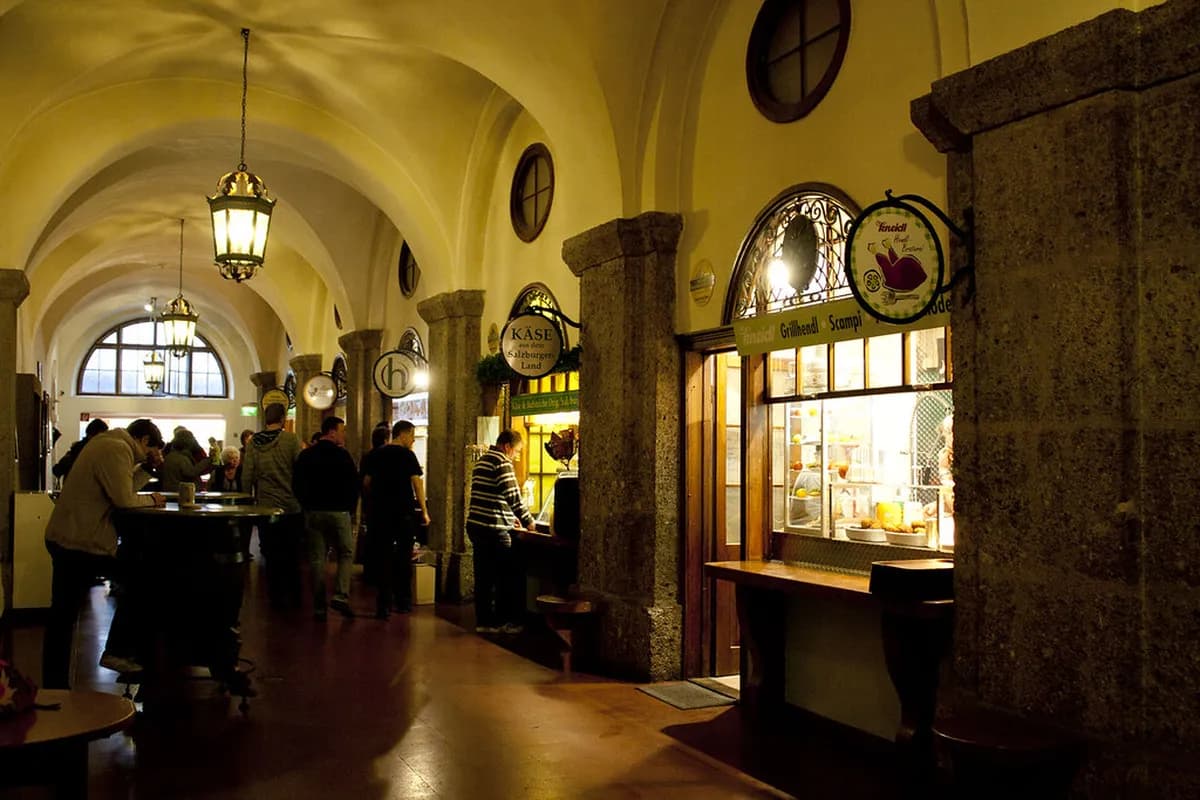
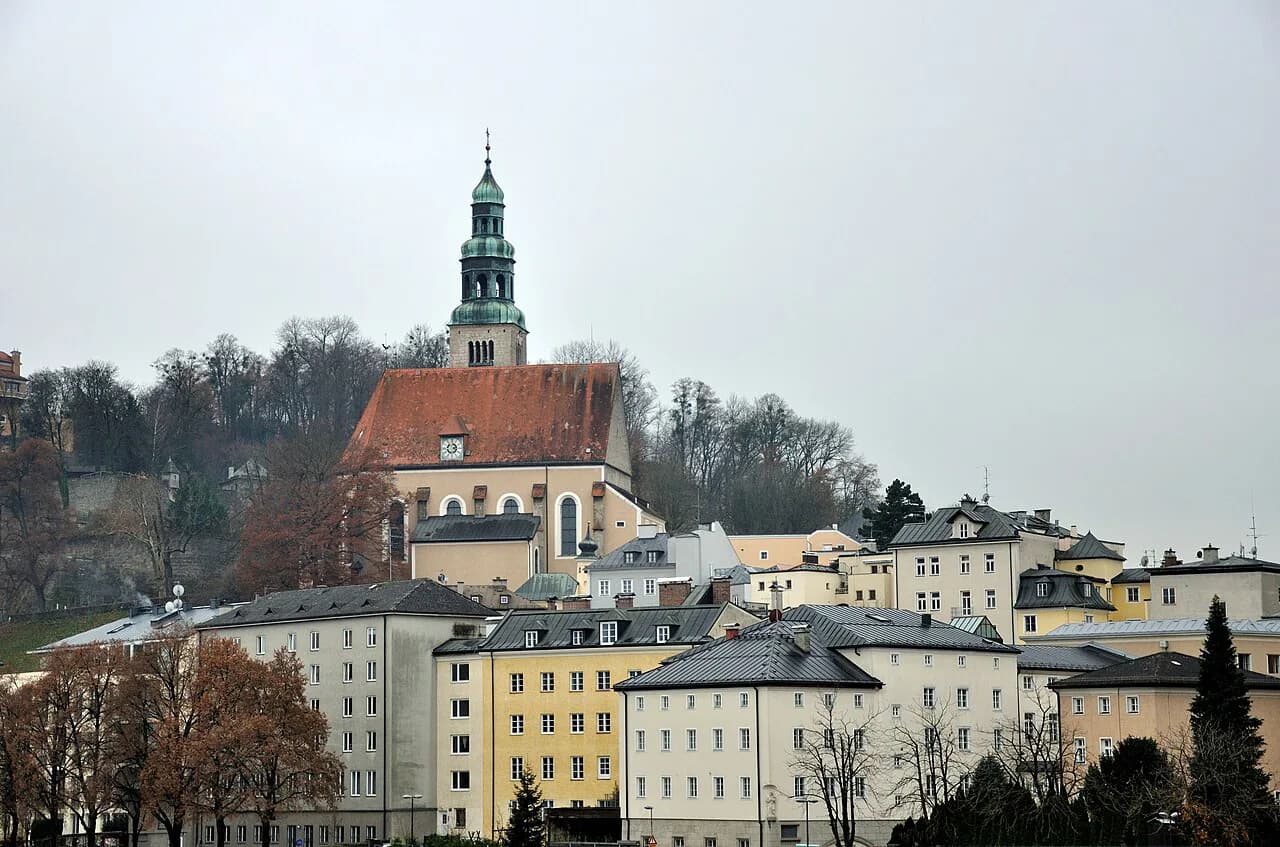
Mülln sits at the foot of Mönchsberg, between Altstadt and Neustadt, and centers on the Augustiner Bräustübl, a monastery brewery established in 1621 that pours beer in traditional stone steins. It rarely appears as a distinct area in general guides, but it is worth knowing as a beer-hall detour rather than a place to base a stay. The Mülln and Augustiner Bräustübl guide covers the self-serve system, stein sizes, and the beer garden's hours. None of the three districts below carry much tourist infrastructure. The Secret Spots in Salzburg: A 2026 Guide to Quiet Corners Locals Use guide is a good next stop for travelers who want to explore beyond the seven districts above.
- Lehen — a residential district west of the river, connected to the center by bus along Ignaz-Harrer-Strasse
- Schallmoos — stretches north from Franz-Josef-Strasse, with a walkable southern end and a more budget-leaning north
- Festungsberg — the hilltop fortress area itself, better known as a sight than a place to stay
Which Neighborhood Should You Choose?
First-time visitors get the most value staying in Altstadt, where landmarks sit within a few minutes of each other on foot. Repeat visitors who have already covered the old town often shift to Neustadt or Nonntal for a quieter pace at a similar or lower price. The river itself is a useful shorthand for the choice. West-bank Altstadt trades convenience for crowds and higher prices. East-bank Neustadt keeps most of that convenience with more breathing room. Families tend to prefer Neustadt for its parks and open squares near Mirabell Gardens. Budget-focused trips do better in Elisabeth-Vorstadt or Maxglan, where rates run lower than the historic core. One area to skip for sightseeing purposes is the zone directly north of the Hauptbahnhof. It is mostly business parks and warehouses, with little for visitors. Dining style shifts with the neighborhood too. Altstadt runs upscale and touristic, while Neustadt and Nonntal lean toward local, everyday spots. A dedicated 8 Best Local Restaurants in Salzburg: Where to Eat Like a Local guide breaks down where to eat by area. The Salzburg Local Food Guide: What to Eat, Where, and What to Skip covers dishes worth trying regardless of where you're based. Once a base is set, the 10 Unique Things to Do in Salzburg, Austria (2026 Guide) guide fills out an itinerary beyond the standard landmarks.
About a 25-minute walk to Altstadt puts Elisabeth-Vorstadt between old-town intensity and Salzkammergut access; buses to Hellbrunn depart from the same station in about 20 minutes, eliminating backtracking through the center.
- First-time visit — Altstadt, for landmarks reachable on foot
- Family trip — Neustadt, for Mirabell Gardens and open squares
- Budget trip — Elisabeth-Vorstadt or Maxglan, for lower accommodation rates
- Short layover or train connection — Elisabeth-Vorstadt, about 25 minutes' walk from Altstadt
- Longer, quieter stay — Nonntal or Leopoldskron-Moos, for hiking access and fewer crowds
Day Trips From Salzburg's Neighborhoods
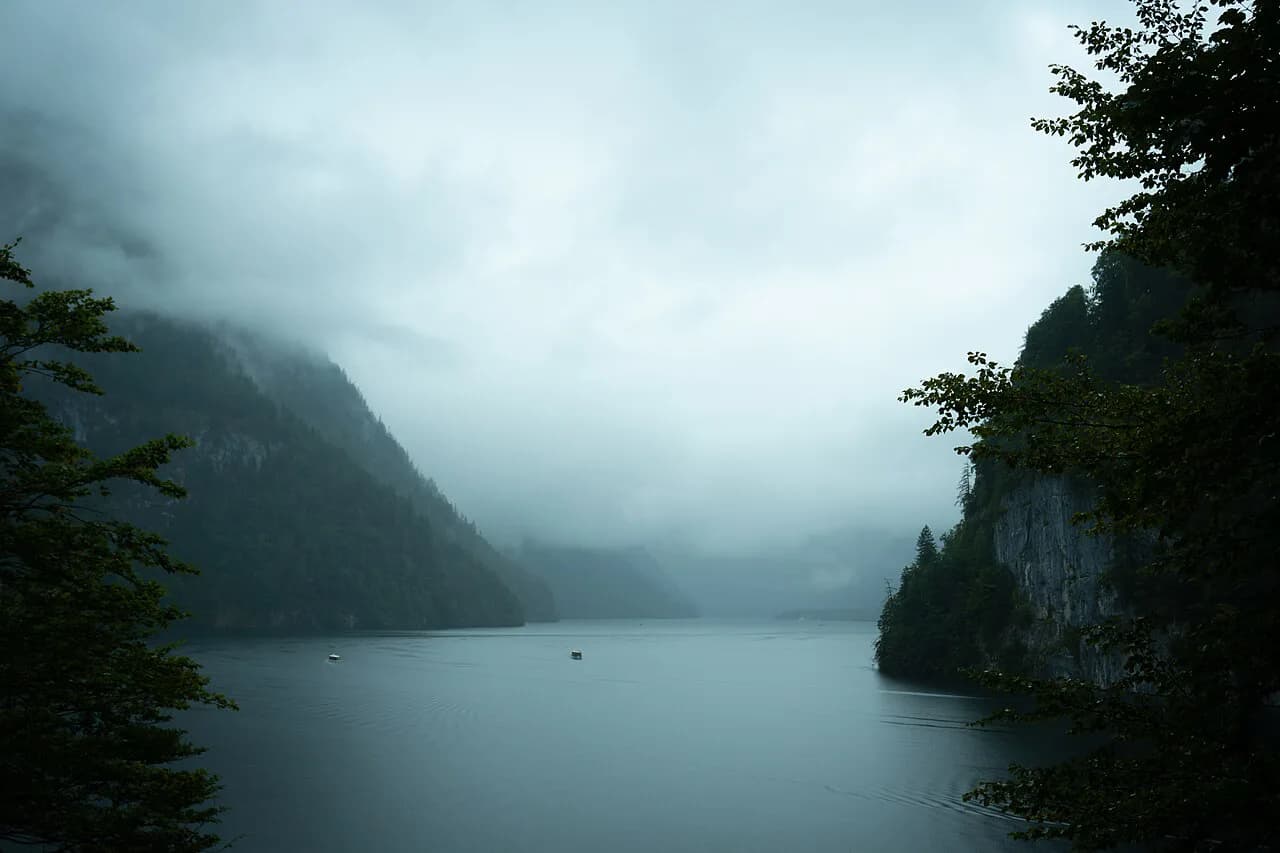
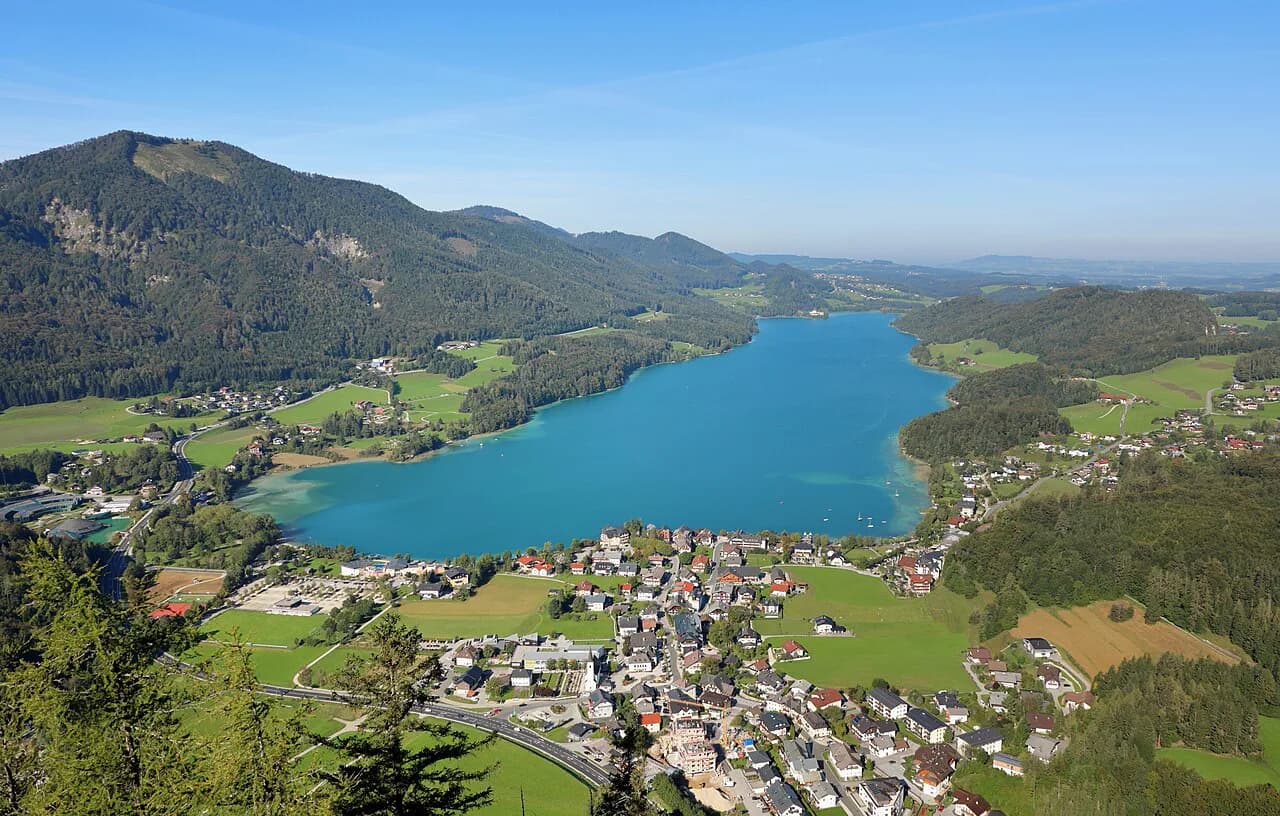
Day trips extend naturally from several of these bases. From Elisabeth-Vorstadt or the Hauptbahnhof, buses reach Schloss Hellbrunn in about 20 minutes. Its trick fountains still catch visitors off guard, just as they were designed to when built in 1619. Fuschlsee sits roughly 20 minutes from the city by car, with a lakeside castle dating to 1450. Drive times and bus schedules are worth checking before setting out, since they can shift by season. Guided tours through operators like Panorama Tours run set routes from the city center out to the Salzkammergut lakes and film locations in a single day. Further afield, the Königssee day trip and the viewpoint at Gaisberg both work as full or half-day additions for a longer stay. The 8 Best Day Trips From Salzburg: How to Choose, Get There, and Avoid the Crowds guide lays out timing and transport for all of these routes in one place.
Frequently Asked Questions
How many days is enough for Salzburg?
Two days covers Altstadt's landmarks and one day trip, which suits a quick stop. Three to five days allows a quieter district like Nonntal or Neustadt, plus a second day trip, without rushing the core sights.
What areas of Salzburg should you avoid staying in?
No part of Salzburg carries a specific safety warning, but the zone directly north of the Hauptbahnhof is mostly business parks, warehouses, and highway frontage. Elisabeth-Vorstadt itself, closer to the station, stays walkable and practical for visitors.
What are the best parts of Salzburg to stay on a budget?
Elisabeth-Vorstadt and Maxglan-Riedenburg typically offer lower accommodation rates than Altstadt or Neustadt. Both stay within a bus ride or a 25-minute walk of the old town, so the savings do not cost much convenience.
What are the best parts of Salzburg to stay with kids?
Neustadt suits families well, thanks to Mirabell Gardens and more open squares than the tighter lanes of Altstadt. It also sits within a short walk of most old-town sights.
Which side of the river is better to stay in Salzburg?
Altstadt, on the west bank, puts landmarks on the doorstep but costs more and draws heavier crowds. Neustadt, on the east bank, trades a short bridge walk for lower prices and a calmer pace.
Are two days enough for Salzburg?
Two days covers the Altstadt highlights, the fortress, and a short walk through Neustadt, but leaves little room for a day trip. Extend to three or four days to add Hellbrunn, Fuschlsee, or another outing.
Continue exploring
More guides you'll find useful