8 Best Day Trips From Salzburg: How to Choose, Get There, and Avoid the Crowds
Compare the best day trips from Salzburg by train, bus, and car, with 2026 time budgets, cost tiers, and crowd-avoidance picks for all eight routes.
On this page
8 Best Day Trips From Salzburg: How to Choose, Get There, and Avoid the Crowds
Last updated August 2026, this guide to the best day trips from Salzburg compares eight destinations by train, bus, and car so a route matches your time budget. Some, like Lake Fuschlsee and the Gaisberg trail, fit into a half day using city buses from the Hauptbahnhof. Others, like Munich and the Grossglockner High Alpine Road, need a full day, and a table below compares time, transport, and crowd levels for all eight.
Quick-Pick Comparison: Best Day Trips From Salzburg by Time and Transport
Use this table to match a destination to the time, transport, and crowd tolerance you're working with. Full logistics, including trail lengths, bus numbers, and border notes, follow in the list below.
Hallstatt needs 8-9 hrs round trip and shows high summer crowds, while Fuschlsee fits a half day in 4 to 5 hours with low foot traffic—useful when travel time and peak-season experience matter equally.
| Destination | Best For | Getting There | Round-Trip Time Budget | Crowd Level |
|---|---|---|---|---|
| Lake Fuschlsee | A quiet lake afternoon | Bus 150 from Hauptbahnhof, about 30 min each way | Half day (4-5 hrs) | Low |
| Gaisberg & Nockstein | Hiking without a car | City bus to the trailhead, then a marked trail | Half to full day (5-7 hrs) | Low |
| St. Gilgen & Wolfgangsee | A lake village with a cable car | Direct bus, about 45 min each way | Full day (6-8 hrs) | Moderate |
| Hallstatt | Iconic lake views | Car, about 2 hrs each way (or train/bus/ferry) | Full day (8-9 hrs) | High in summer |
| Königssee & Berchtesgaden | An emerald-lake boat ride, cross-border | Bus 840 then Bus 841, about 50-60 min combined | Full day (6-7 hrs) | Moderate |
| Innsbruck | An alpine city break by train | Direct train, 1 hr 45 min-2 hr 30 min | Full day (6-8 hrs) | Moderate |
| Munich | A big-city contrast, cross-border | Direct train, about 1 hr 40 min | Full day (8-10 hrs) | Moderate to high |
| Grossglockner High Alpine Road | A scenic alpine drive | Car or organized tour only | Full day (8-9 hrs) | Low to moderate |
Before You Go: Choosing Between Train, Bus, and Car From Salzburg
Salzburg Hauptbahnhof handles direct trains to Innsbruck and Munich, while regional buses cover Fuschlsee, Gaisberg, St. Gilgen, and the Berchtesgaden area. A handful of routes, including the Grossglockner High Alpine Road, need a rental car or an organized tour, since no scheduled public transport runs there. Match the choice to how much time is available. A half day suits Fuschlsee or a short Gaisberg loop, while Munich, Innsbruck, and Grossglockner fill a full day. Traveler type matters too: hikers gravitate toward Gaisberg and Nockstein, while anyone wanting a city contrast over another alpine village picks Innsbruck or Munich. Crowd tolerance is a real factor as well, since Hallstatt draws heavy summer traffic while Fuschlsee and St. Gilgen stay calmer even in peak season. Lake and alpine-road trips lean on summer weather, so confirm current seasonal access before locking in a route this far ahead.
8 Best Day Trips From Salzburg
Each entry below covers how to get there, how long to budget, and what makes the trip worth the transit time.
Munich's 1 hour 40 minutes direct train and 8 to 10 hour round-trip day encourage checking return-service times, since many travelers underestimate how early the last direct train departs.
- Lake Fuschlsee
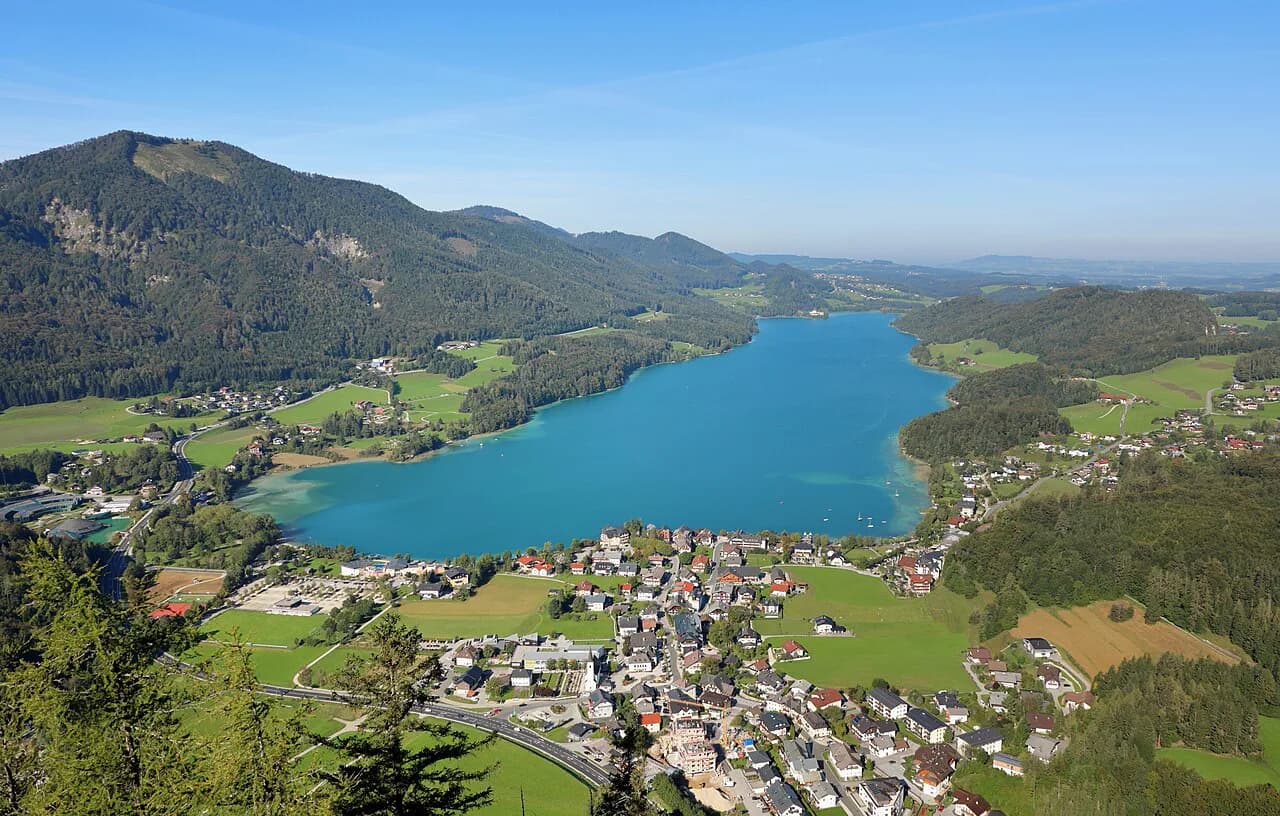
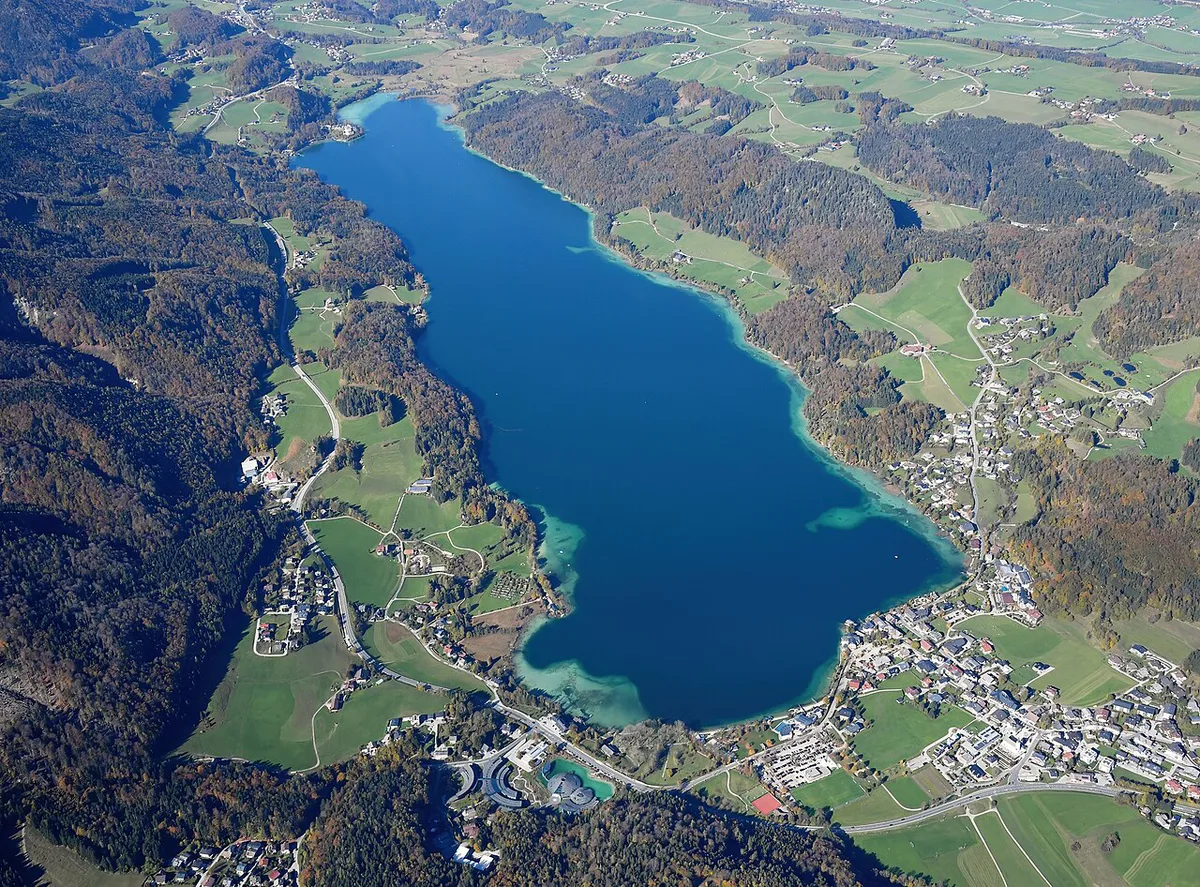
- Bus 150 leaves Salzburg Hauptbahnhof and reaches the Fuschlsee shoreline in about 30 minutes, one of the shortest rides on this list.
- It's often named the clearest lake in the Salzkammergut, which makes it a solid pick for swimming, a shoreline walk, or a quiet lunch by the water.
- The Fuschlsee guide covers swim spots and the lakeshore path in more detail, including how it pairs with a Gaisberg hike on the same day.
- Gaisberg and Nockstein
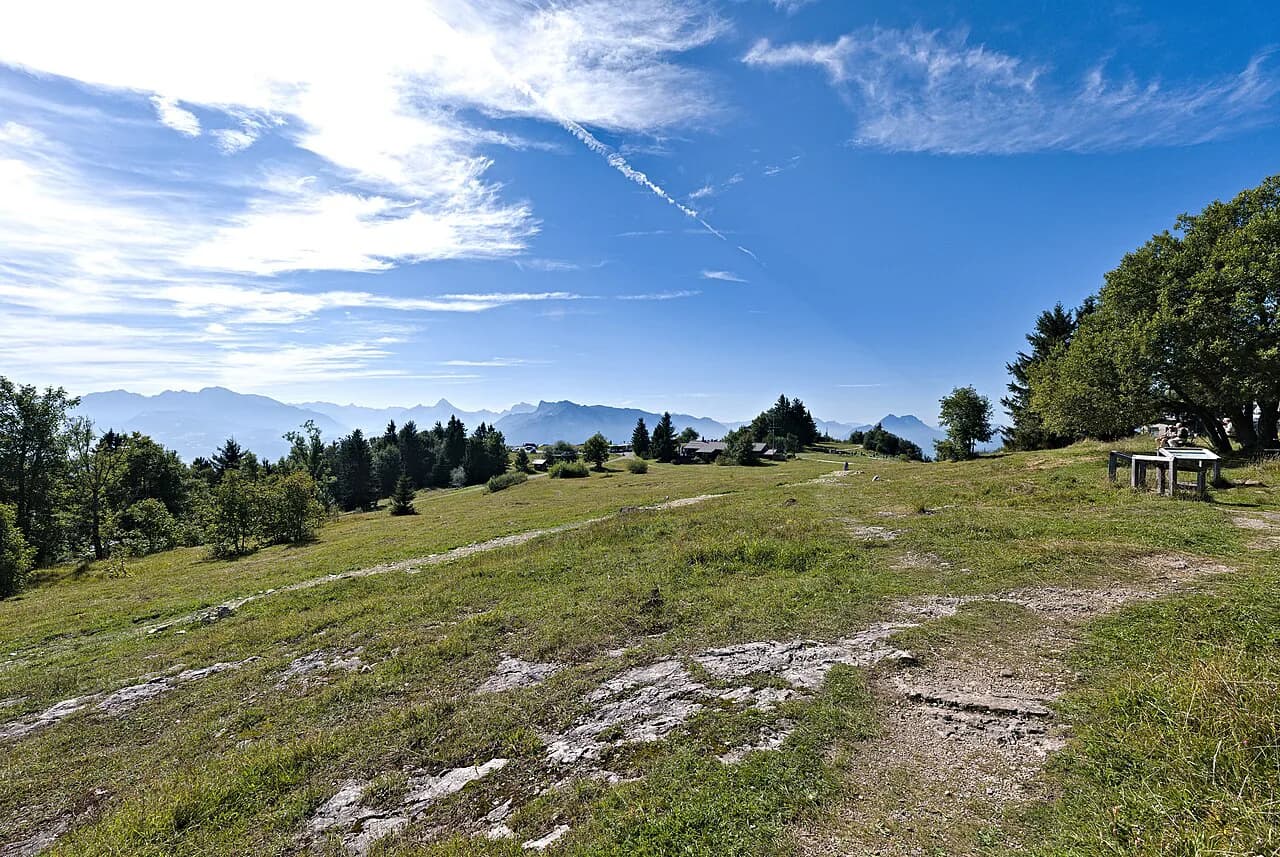
- A city bus connects central Salzburg to the Gaisberg's outskirts in about half an hour, with a second local bus climbing further up the mountain.
- Confirm the current line number and timetable locally, since older published schedules for this route are out of date.
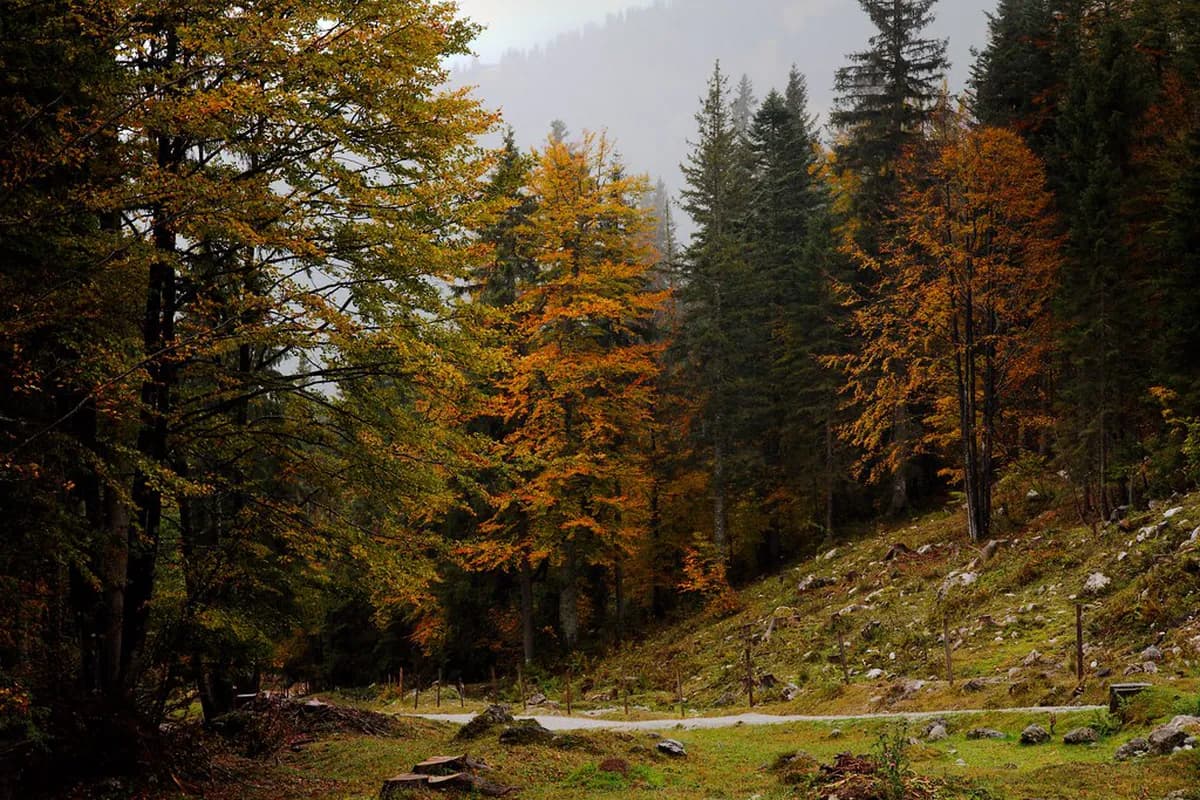
- From the trailhead, a marked five-kilometer trail circles the mountain to the Nockstein summit at 1,043 meters, then continues by bus toward Fuschlsee. The Gaisberg guide has the full trail breakdown.
- St. Gilgen and Wolfgangsee
- A direct bus from Salzburg reaches St. Gilgen on the Wolfgangsee shoreline in about 45 minutes, with no transfers needed.
- The lakeside village has a cable car, boat rentals, and cafés on the water, plus the nearby Schafberg steam train for travelers who want higher views.
- Weekend evening service thins out, so confirm the last return bus before planning a sunset stop by the lake.
- Hallstatt
- Driving from Salzburg to Hallstatt covers about 80 kilometers and takes roughly two hours each way.
- Public transport reaches Hallstatt too, but expect several train, bus, and ferry transfers in one direction, which adds real time to the day.
- Summer brings heavy crowds to the lakeside lanes and photo points; spring and autumn visits, especially by car, see noticeably lighter traffic and shorter waits at the main viewpoints.
- Königssee and Berchtesgaden
- From Salzburg Hauptbahnhof, Bus 840 connects to Bus 841 for a combined ride of roughly 50 to 60 minutes into the Berchtesgaden area.
- The route crosses into Germany, so carry photo identification even though a formal border stop is unlikely inside the Schengen Zone.
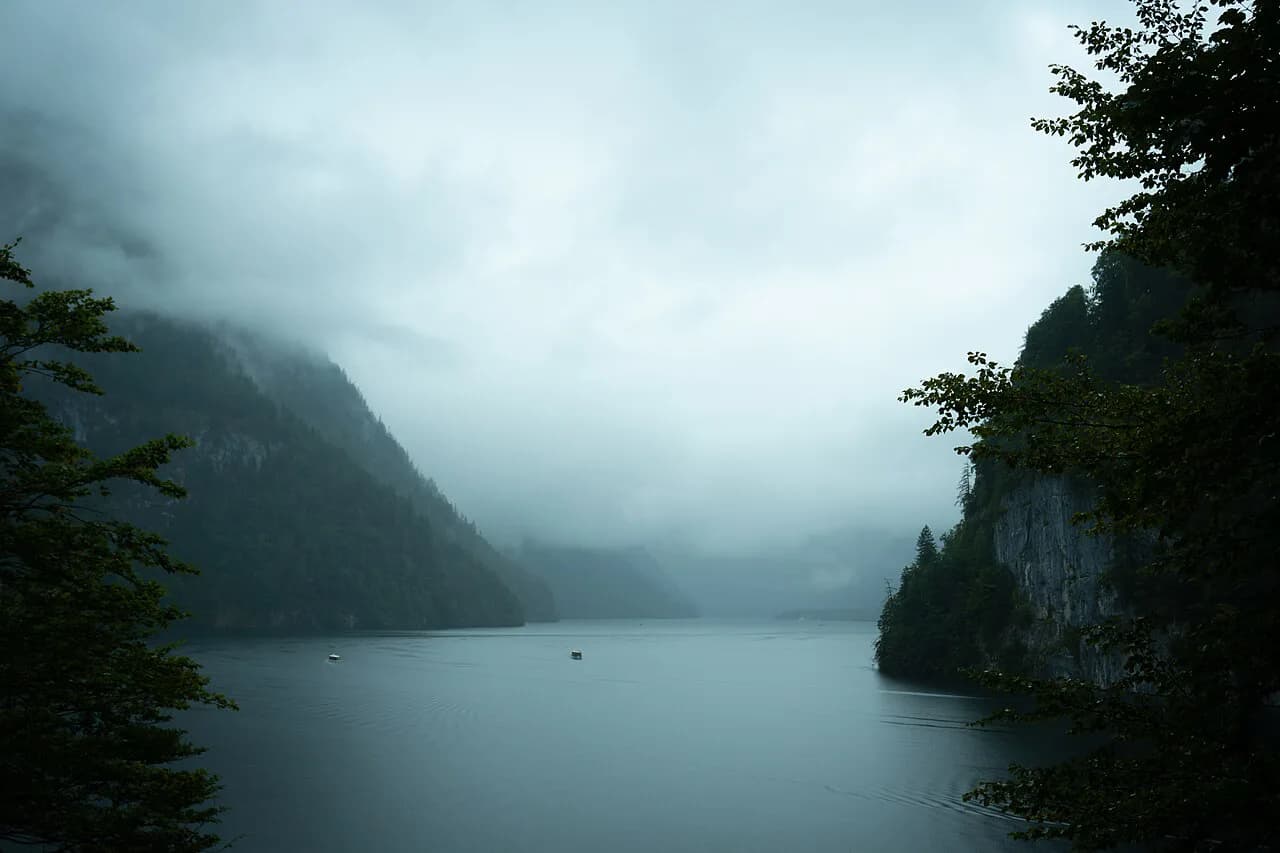
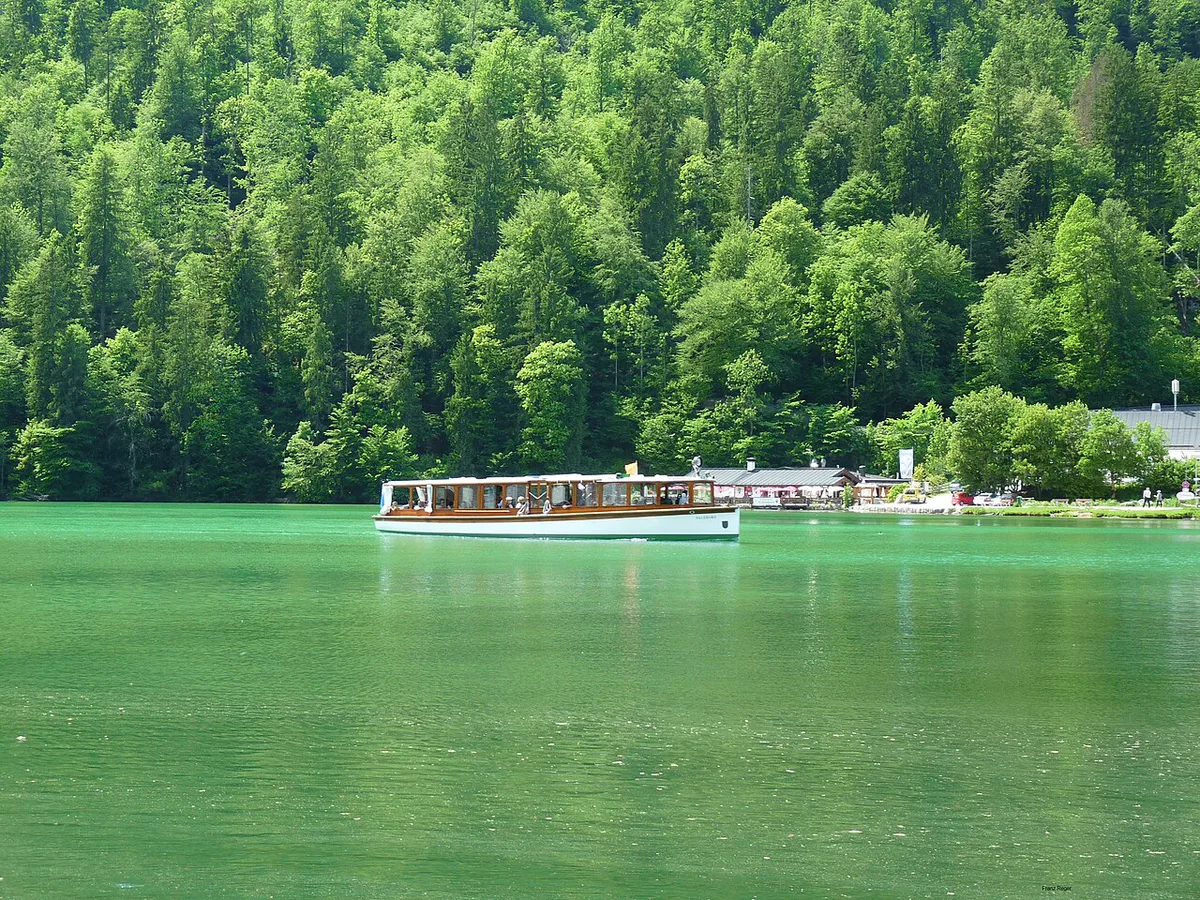
- Boat trips on Königssee cross to the St. Bartholomä chapel on the lake, framed by the Berchtesgaden Alps. The Königssee day-trip guide breaks down the boat schedule and lakeshore trails.
- Innsbruck
- Direct trains from Salzburg to Innsbruck take between 1 hour 45 minutes and 2 hours 30 minutes, depending on the service.
- Budget 6 to 8 hours round trip, including time in the Altstadt and a ride up the Nordkette cable car for mountain views over the city.
- Innsbruck's compact center is walkable on foot, without a rental car or a local transit pass for a single day's visit.
- Munich
- Direct trains to Munich take about 1 hour 40 minutes, one of the fastest connections on this list.
- Full days here run 8 to 10 hours round trip once travel time on the ground is included.
- The route crosses into Germany, and Munich's transit network makes a rental car unnecessary once you arrive; Marienplatz, the Residenz, and the English Garden fill a day without rushing.
- Grossglockner High Alpine Road
- No public transport serves this route, so a rental car or organized tour is required for the day.
- The drive covers about 110 kilometers and takes roughly 2.5 hours each way, climbing through Fusch toward the Kaiser-Franz-Josefs-Höhe viewpoint.
- Grossglockner's alpine road closes for winter and typically reopens in late spring, so confirm current seasonal opening dates before building a trip around it.
Avoiding the Hallstatt Crowds: Quieter Alternatives
Hallstatt draws the heaviest crowds of any Salzburg day trip, especially on summer weekends, and that trade-off is worth naming directly rather than glossing over. St. Gilgen and Wolfgangsee offer a comparable lake-and-mountain setting with noticeably lighter foot traffic. Fuschlsee is quieter still, with enough shoreline to spread out even in August. Travelers set on the postcard Hallstatt view can still go, timing the visit for early morning or a spring or autumn weekday instead of a summer weekend. Anyone prioritizing a slower pace over that specific view does better swapping in Wolfgangsee or Fuschlsee outright. For a broader view of low-crowd timing across Salzburg itself, not just its day trips, the Best Time to Visit Salzburg Without Crowds (2026 Guide) guide lays out shoulder-season windows worth planning around.
Costs, Tickets, and Crossing Into Germany
Transport costs scale with distance and mode, and three tiers cover most of these trips. Short-hop bus and regional train tickets are usually bought from the driver or at Hauptbahnhof ticket machines. Long-distance train tickets to Innsbruck or Munich are worth booking ahead online for the lower fare tiers. Berchtesgaden, Königssee, and Munich all cross the Austria-Germany border, so carry a passport or national identity card even where the crossing itself is unstaffed. Confirm ahead of time whether any temporary border controls are in effect, since these arrangements can shift.
- Short bus or regional train
- Covers Fuschlsee, Gaisberg, and St. Gilgen.
- This is the least expensive tier, and often the only ticket needed for the whole day.
- Direct long-distance train
- Covers Innsbruck and Munich.
- Costs more than a short regional ticket; ÖBB and Deutsche Bahn ticket pages list current fares before travel day.
- Car rental or private tour
- Covers Grossglockner and a flexible-timing Hallstatt visit.
- This is the highest cost tier, offset by schedule freedom on routes with thin public transport.
Mistakes to Avoid When Planning a Salzburg Day Trip
A few planning missteps show up again and again on these routes, and most are easy to avoid with one extra check before departure.
- Skipping the return-train check
- Munich and Innsbruck both run on direct trains, but the last direct service back to Salzburg is earlier than many travelers expect.
- Adding Hallstatt to a summer weekend
- Crowds bunch around midday in high season; a spring or autumn visit avoids the worst of it.
- Trusting an old bus schedule found online
- Line numbers and departure times change; confirm both close to travel day, especially for routes toward Gaisberg.
- Booking Grossglockner without a car or tour
- No public transport covers the alpine road, so this trip needs to be arranged in advance.
- Leaving identification behind on a Germany-bound trip
- Munich and Berchtesgaden both cross the border; pack a passport or ID card even for an unstaffed crossing.
Shorter Alternatives and Staying in Salzburg Instead
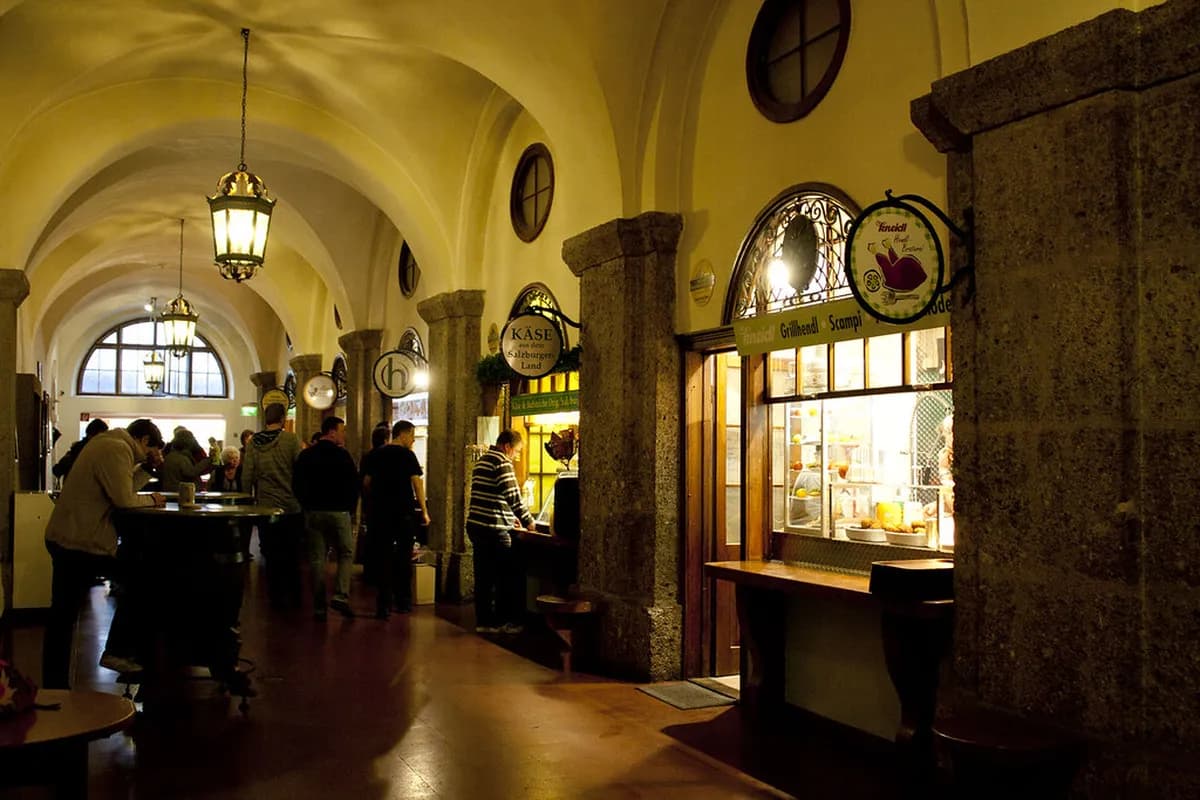
Not every day needs a full trip out of Salzburg. Schloss Hellbrunn fits into a half day and skips the round-trip transit time of Fuschlsee or Hallstatt. A hike up Kapuzinerberg gives forest and city views inside the city limits. Readers looking for something less obvious than the postcard sights can browse the Secret Spots in Salzburg: A 2026 Guide to Quiet Corners Locals Use guide. Another option skips transit altogether: the 10 Unique Things to Do in Salzburg, Austria (2026 Guide) list covers stops within walking distance. Travelers who decide to stay closer can also work through the 11 Hidden Gems in Salzburg Beyond the Getreidegasse Crowds list. Around town, a different set of stops appears in the off-the-beaten-path spots guide. Steingasse and the Nonntal neighborhood both reward an unhurried walk. Budget-conscious travelers can fill a free afternoon using the Free Things to Do in Salzburg: A Practical Budget Guide guide. In the evening, the Augustiner Bräustubl in Mülln is a straightforward way to end a day that stayed local. For where to eat after any of these routes, the local food guide covers classic and contemporary options. Specific picks come from the best local restaurants roundup. Choosing where to base yourself for the rest of the stay is easier with the neighborhoods guide.
Maria Plain: A Quiet Hilltop Escape Near Salzburg
Maria Plain is a calm half-day alternative for travelers who want views and local character without a long transfer. The pilgrimage basilica stands on a hill in Bergheim, north of Salzburg, with broad views toward the city and surrounding mountains.
The church is known for its Baroque interior and its long role as a regional pilgrimage site. Allow time to walk around the grounds, look across the Salzach valley, and pause at a nearby café or inn if open.
It works particularly well after a busy morning in Salzburg’s Old Town. The destination is closer and quieter than Hallstatt, but it still provides a sense of leaving the city behind.
- Best for: a short cultural and scenic break
- Time needed: about 3 to 4 hours return from central Salzburg
- Getting there: use local transport toward Bergheim, then confirm the final walking route and return times before leaving
Wear shoes suitable for a short uphill walk, especially after rain. Maria Plain is also a useful choice in cooler months, when lake swimming and high alpine roads are less appealing.
For trip-planning details, see Königssee – Wikipedia.
Frequently Asked Questions
What is the best day trip from Salzburg without a car?
Fuschlsee and the Gaisberg-Nockstein hike both run on city buses from central Salzburg. St. Gilgen and Wolfgangsee also work well by direct bus. Innsbruck and Munich are reachable by direct train from the Hauptbahnhof, so a rental car isn't necessary for most of this list.
How far is Hallstatt from Salzburg, and is it worth the crowds?
Hallstatt is about 80 kilometers from Salzburg, roughly a two-hour drive each way. Summer weekends bring heavy crowds to its lakeside lanes and main viewpoints. A spring or autumn visit, ideally by car, is a better bet for a quieter experience without changing the destination.
Can you visit Berchtesgaden and Königssee from Salzburg in one day?
Yes. Bus 840 connects to Bus 841 for a combined ride of roughly 50 to 60 minutes from Salzburg Hauptbahnhof into the Berchtesgaden area. Because the route crosses into Germany, carry photo identification along the way, even if the crossing itself isn't staffed.
Which day trips from Salzburg are reachable by direct train?
Innsbruck and Munich both run on direct trains from Salzburg Hauptbahnhof. Innsbruck takes 1 hour 45 minutes to 2 hours 30 minutes depending on the service, and Munich takes about 1 hour 40 minutes. Both make a rental car unnecessary for the trip itself.
How much time should travelers budget for a Salzburg day trip round-trip?
Fuschlsee and a short Gaisberg loop fit into a half day of roughly 4 to 7 hours. Innsbruck, Hallstatt, and Königssee typically need 6 to 9 hours round trip. Munich and Grossglockner run closer to a full 8 to 10 hours, so plan an early departure for either.
What should first-time visitors avoid when planning a Salzburg day trip?
Avoid booking Munich or Innsbruck without checking the last direct train back to Salzburg first. Skip adding Hallstatt to a summer weekend unless heavy crowds are acceptable. Confirm current bus line numbers before travel day, since some published schedules online are outdated.
Continue exploring
More guides you'll find useful