Free Things to Do in Salzburg: A Practical Budget Guide
The genuinely free things to do in Salzburg: viewpoints, churches, gardens, and a tip-based walking tour, with 2026 access hours and cost trade-offs.
On this page
Free Things to Do in Salzburg
Last updated August 2026, this guide covers the free things to do in Salzburg that cost nothing to see, alongside what genuinely requires a ticket. Old Town churches, three city-mountain hikes, and Mirabell Gardens fill a full day without spending a single euro on admission. A route below sequences these stops by neighborhood, and a cost table separates what's truly free from what's free only with conditions.
Quick Answer: The Best Free Things to Do in Salzburg
Salzburg's Old Town rewards travelers who skip the ticket line. Churches, viewpoints, gardens, and public art cost nothing to enter, and a few paid attractions have free workarounds if you time them right. The list below covers the highest-value free stops. A full cost-and-time table follows in the next section.
- Old Town church-hopping — Salzburg Cathedral, Stift St. Peter, and 20-plus parish churches, free to enter
- Mönchsberg, Kapuzinerberg, and Gaisberg — three city-mountain hikes with Old Town views, no lift ticket required
- Hohensalzburg Fortress grounds after hours — walk up for free once the paid museum closes for the day
- Mirabell Gardens — free, reportedly open 6am to dusk, with the Sound of Music Do-Re-Mi steps
- Getreidegasse guild signs and Mozart's Birthplace exterior — free to view from the street
- Walk of Modern Art — 14 outdoor sculptures and installations across the city
- Free Walking Tour Salzburg — a tip-based orientation walk; reserve ahead, pay what you choose at the end
- Christmas and winter market browsing — free to wander; food and mulled wine are separate paid extras
Typical Costs in Salzburg (So Free Has a Baseline)
A single paid sight in Salzburg adds up fast, which is why the free list matters. Going inside Mozart's Birthplace runs about €10, based on recently published pricing, so confirm the current rate before you go. The Hohensalzburg Fortress museum plus funicular ride runs a similar €10, again worth double-checking on-site. Accommodation adds another baseline. One property listed on Salzburg's official tourism site starts from €94 per person per night with breakfast included. The Salzburg Card bundles free entry to roughly 29 attractions plus free public transit. Its price scales with how many days you buy. Check the current rate directly before deciding if it beats paying as you go.
| Item | Cost | Time Needed | Access Notes |
|---|---|---|---|
| Old Town church-hopping | Free | 1.5-2 hrs | Nave and crypt open daily; donation box is optional |
| Salzburg Cathedral Sunday Mass | Free | About 1 hr | 10am organ Mass; confirm current schedule |
| Getreidegasse guild signs & Mozart's Birthplace exterior | Free | 20-30 min | Interior museum entry runs about €10 |
| Mirabell Gardens | Free | 30-45 min | Reportedly open 6am to dusk; mornings are quietest |
| Mönchsberg ridge walk | Free | 1.5-2 hrs | Flat trail from Mülln/Müllner Steg toward the fortress |
| Kapuzinerberg to Hettwer Bastei | Free | 1.5-2 hrs | Stations-of-the-Cross path to a roughly 640m viewpoint |
| Gaisberg day hike | Free | About 3 hrs up | Close to 1,000m elevation gain; bus 151 runs back down |
| Hohensalzburg Fortress grounds after hours | Free (walk-up only) | 1-2 hrs post-closing | Funicular and museum interior are paid separately |
| Walk of Modern Art | Free | 1-2 hrs self-paced | 14 outdoor installations marked with red signage |
| Almkanal canal swim | Free | Seasonal | Summer only; check current safety and access notes |
| Free Walking Tour Salzburg | Pay-what-you-choose | About 2 hrs | Reserve ahead; tip at the end |
| Christmas/winter market browsing | Free to browse | 1-2 hrs | Food and mulled wine are separate paid extras |
| Hohensalzburg Fortress museum + funicular | About €10 | 1-2 hrs | Skip by walking up after hours instead |
| Mozart's Birthplace interior museum | About €10 | 30-45 min | Exterior and guild signs are free |
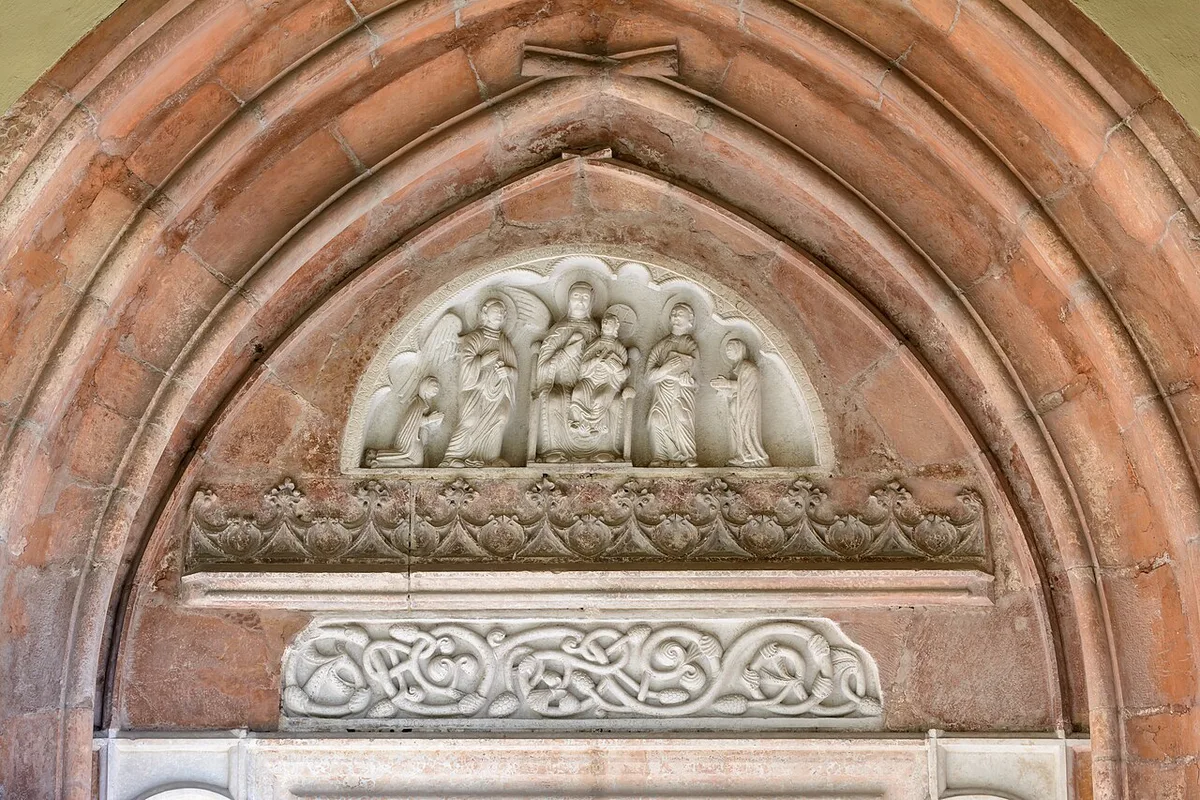
Salzburg Cathedral and Free Old Town Church-Hopping
More than 20 churches sit inside Salzburg's compact Old Town. Every one of them is free to enter. Salzburg Cathedral, or the Dom, is the centerpiece, with a free nave, baroque frescoes, and a bronze font. Visitors sometimes turn away at the donation box near the entrance, assuming it marks a paid turnstile. It doesn't. That box is optional, and the nave stays open to walk through. Head to the crypt at the front left, where several archbishops are buried alongside a modern-art installation. For a different free experience, attend the 10am Sunday Mass, when the cathedral organ accompanies Mozart's sacred music. Confirm the current Mass schedule before planning around it, since service times can shift. Beyond the Dom, Stift St. Peter's abbey church is free to visit, and its baroque altarpieces are worth the stop. University Church and Franciscan Church both round out a short loop through Steingasse's lantern-lit lane. Salzburg's neighborhoods each keep a different pace. A guide to Salzburg's neighborhoods breaks down which ones reward a slow walk. South of the Old Town, a separate Nonntal neighborhood guide covers the quieter streets near Stift Nonnberg, where the Kapuzinerberg and Mönchsberg hikes below both begin.
The 10am Sunday Mass features Mozart's sacred music with the cathedral organ; this timing fits neatly within the 8:30-10:30am church-hopping window outlined in the sample itinerary.
Getreidegasse, Public Art, and the Walk of Modern Art
Getreidegasse runs about 350 metres through the Old Town, lined with wrought-iron guild signs above every shop front. Mozart's birthplace sits partway down the street, its facade painted a pale yellow. Viewing that exterior costs nothing. Going inside the museum runs about €10, so weigh that against simply photographing the building and guild signs, which stays free either way. Public art extends the free list well past Getreidegasse. The Walk of Modern Art places 14 outdoor installations across Salzburg, marked with small red signs that explain each piece. Standouts include James Turrell's Skyspace atop Mönchsberg, Stephan Balkenhol's globe-riding figure Sphaera on Kapitelplatz, and Anselm Kiefer's winged book-stack sculpture The Language of Birds at Chiemseehof. None of them charge admission. Once the obvious free list is covered, a few deeper guides fill in what's left. Hidden corners of Salzburg covers lesser-known stops near the same streets. Secret Salzburg spots go further off the main tourist path. Off-the-beaten-path options add even more ground to cover. More unique Salzburg activities round out the list for a longer stay.
Free Viewpoints: The Three City-Mountain Hikes
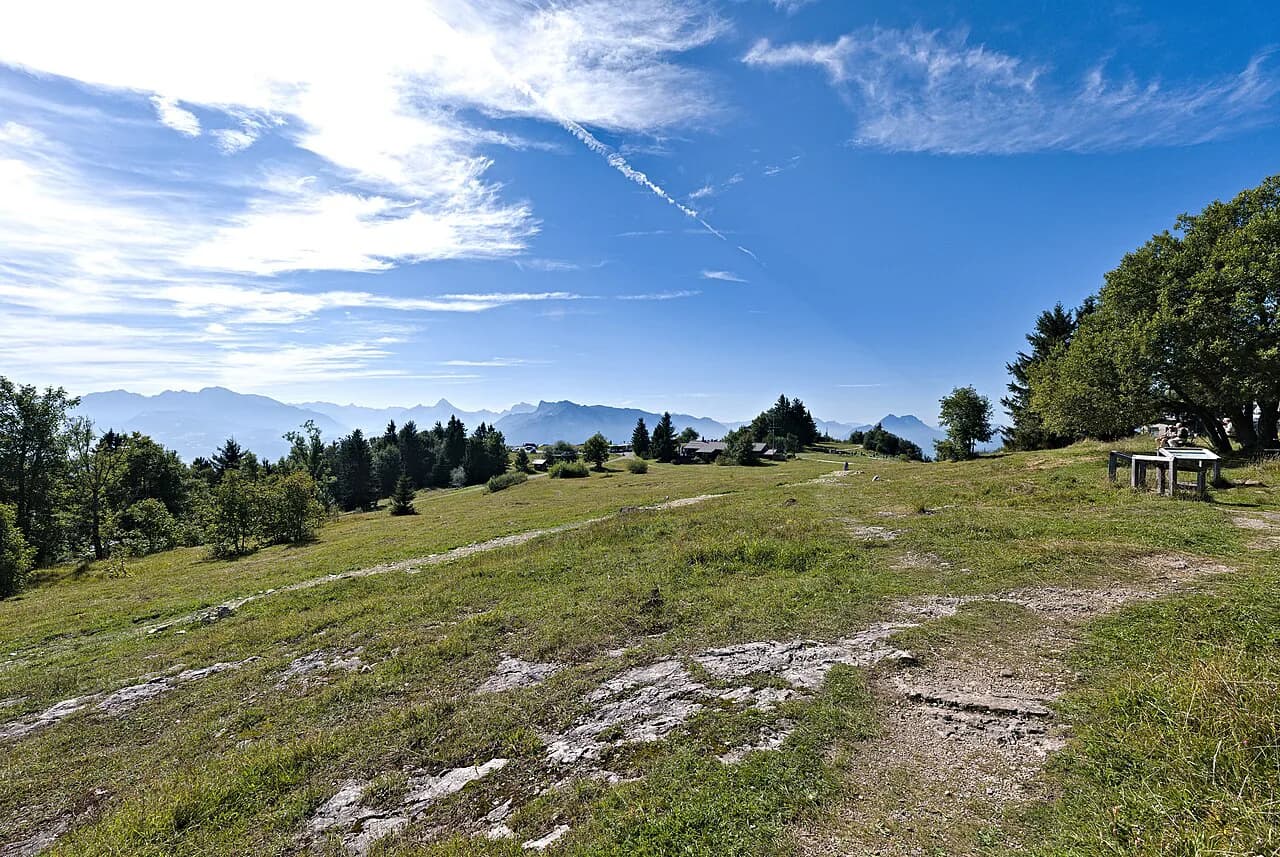
Salzburg sits ringed by three city mountains, and all three are free to climb. Mönchsberg is the easiest: a flat ridge walk that reaches about 540 metres, tracing the cliffs above the Old Town. Start near Mülln and Müllner Steg, then follow the ridge trail toward the fortress. Kapuzinerberg, across the river, feels more like real forest and climbs to roughly 640 metres, higher than Mönchsberg. A Stations-of-the-Cross path winds past chapels to the Hettwer Bastei viewpoint, a forested lookout that stays quiet even in peak season. Gaisberg is the serious option. It gains close to 1,000 metres of elevation and takes roughly three hours from the city center. Bus 151 runs back down from the top if the descent doesn't appeal. A separate Gaisberg hike guide covers the full route. For Kapuzinerberg specifics, including the Way of the Cross chapels, see the Kapuzinerberg hike guide. Time a Mönchsberg walk to finish right after Hohensalzburg Fortress's museum closes for the day. Its outer gate reportedly stays open for another hour or two afterward, since a small inner door only opens from inside once someone has passed through. Confirm the current closing pattern locally, since it can shift by season and isn't posted as an official policy. Walking up instead of paying for the funicular still gets fortress-top views for free, minus the museum interior. A roughly 4-kilometer trail also connects Stift Nonnberg to Augustiner Bräustübl, a monastery-founded brewery where chestnut trees shade the beer garden and a drink is the only cost. The Augustiner Bräustübl guide has the full walking directions.
Timing a Mönchsberg hike to finish after Hohensalzburg closes lets you walk freely through the still-open gate for 1-2 hrs post-closing, reaching fortress peak views without the €10 museum-and-funicular charge.
Mirabell Gardens, Canal Swimming, and Outdoor Space
Mirabell Gardens sits below Mirabell Palace, with the fortress-topped Old Town visible across its hedges and flowerbeds. Gates reportedly open at 6am and close at dusk, though it's worth confirming current hours before an early visit. Mornings are the quietest window, useful for anyone recreating the Sound of Music Do-Re-Mi steps without a crowd in the shot. Statues line the Zwergerlgarten, several modeled after Roman gods, and the palace grounds are free to view whenever they're open to the public. Inside, the Marmorsaal, or Marble Hall, carries carved stucco and heavy chandeliers, reached by a marble staircase lined with cherub carvings. In summer, the Almkanal offers a free, if unofficial, way to cool off. This centuries-old canal network channels water from the mountains into the city, and stretches near Schloss Leopoldskron draw swimmers on hot days. Treat this one as seasonal and weather-dependent, and check current safety and access notes before getting in, since conditions and rules can change year to year.
Free Walking Tour Salzburg: How the Tip Model Works
Tip-based walking tours operate in Salzburg's Old Town on a simple premise. They run on a tip-based model. Reserve a spot online in advance, show up at the meeting point, and pay what the walk was worth to you afterward. Group sizes are limited, so popular time slots fill up. The walk itself typically runs a couple of hours, covering the historic core's main sights and enough background to plan the rest of a stay. Because payment is voluntary, there's no minimum, and travelers on a tight budget can join without paying anything if funds don't allow it. Most guests tip based on how much value the walk delivered, similar to tipping norms elsewhere in Austria. Booking early in a stay makes the most of this format, since the orientation it provides is more useful before the rest of the itinerary than after it.
Christmas Markets, Festivals, and Free Public Events
Salzburg's Christmas and winter markets have traditionally run into the new year, continuing through Epiphany in early January. Confirm current dates each season before planning around them. Walking through the stalls and browsing the crafts costs nothing. Mulled wine, roasted chestnuts, and other food are separate paid extras, so budget for those if a market visit is part of the plan. Beyond winter, the city's student musicians add another free option. Mozarteum students rehearse in front of live audiences during the academic semester, and those rehearsals are open to the public at no charge, though the schedule is typically posted only in German. Summer brings the Salzburg Festival, and while festival tickets themselves are not free, popular opera performances have reportedly been shown on a large screen in Kapitelplatz since 2002, letting anyone watch for free on warm evenings. Confirm the current festival's screening schedule before planning a visit around it. None of this replaces sitting down for a proper meal, and Salzburg's food scene is worth budgeting for separately. Local restaurant picks cover where that food budget is best spent. A Salzburg food guide goes deeper on what to order once the free sightseeing is done for the day.
What's Worth Paying For
Some of Salzburg's best-known sights are worth the admission fee, especially if time is limited. Going inside Hohensalzburg Fortress, including the funicular ride, runs about €10 and adds the museum galleries and closer views that the free after-hours walk-up doesn't include. Mozart's Birthplace interior runs a similar €10 and covers the rooms and instruments behind that yellow facade on Getreidegasse. The Salzburg Card is worth comparing against paying individually. It unlocks free entry to roughly 29 attractions and museums, plus free public transit, for a price that scales with how many days are purchased. If a day includes two or more paid museums plus several transit rides, the card likely pays for itself. A day built mostly around the free list above probably doesn't need it. Just outside the city, Schloss Hellbrunn adds a paid contrast to the free-in-town list, with trick fountains and palace grounds that reward a half-day visit. A dedicated Schloss Hellbrunn guide covers current admission details and how to get there.
Sample Budget Itinerary and Where to Save Money
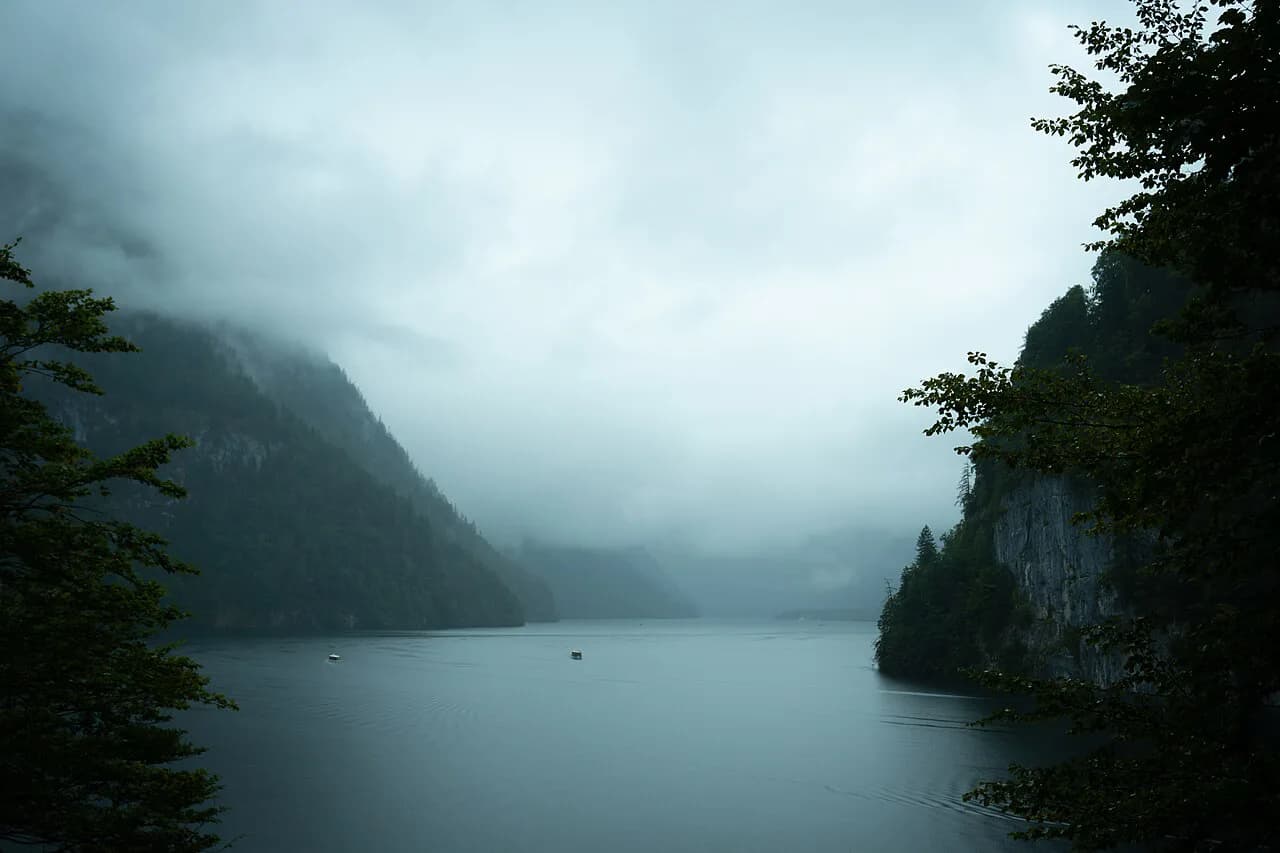
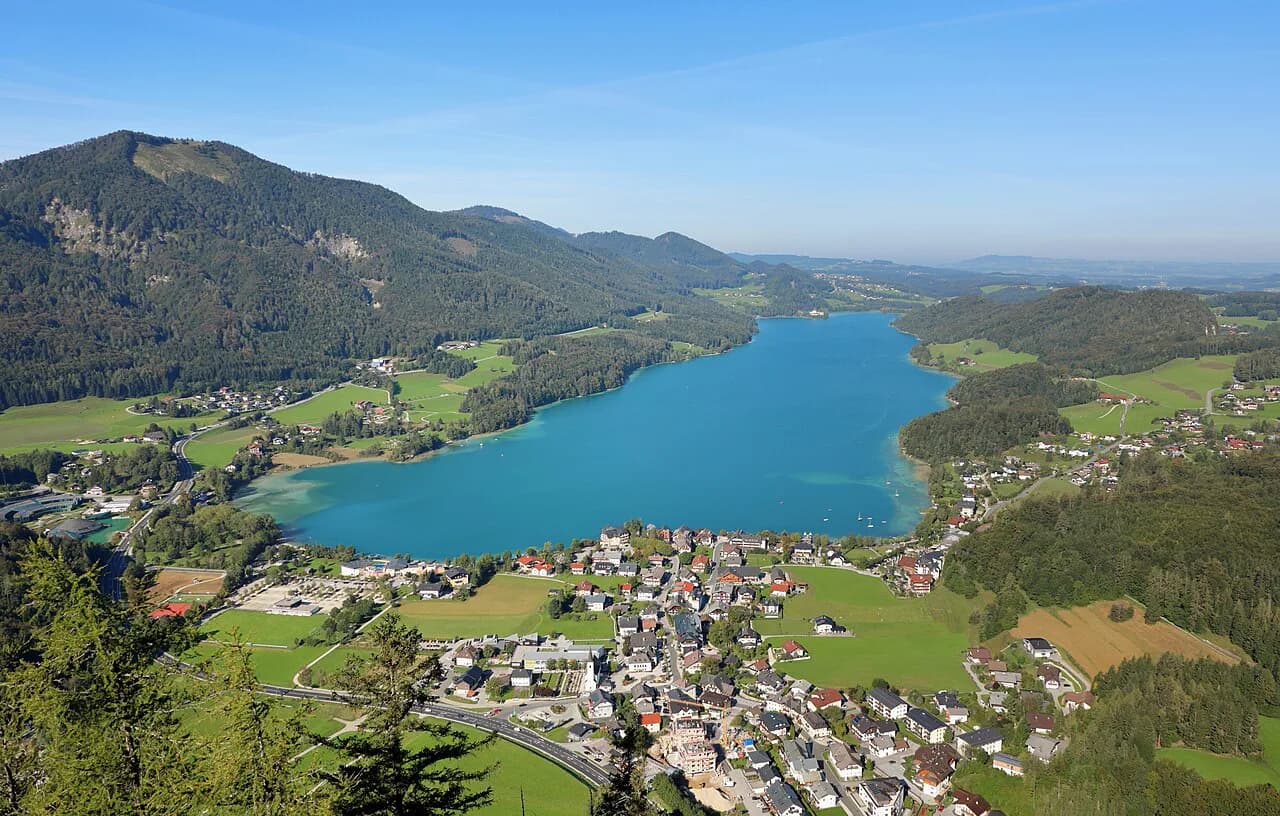
Sequencing the free list by neighborhood keeps a day efficient instead of doubling back across the river. Early risers get the most out of Mirabell Gardens and the quietest photos of the Do-Re-Mi steps. This sequence works best outside the shortest winter days, when daylight hours limit how much fits before dusk. For the clearest weather and thinnest crowds, cross-check the plan against the best time to visit guide before booking dates. Salzburg's Old Town is compact enough that most of this route is walkable without paying for transit at all. The only likely fare is bus 151, if the Gaisberg hike is added and a ride down feels better than the walk. Travelers with extra days can extend the trip outward. Day-trip options beyond Salzburg outlines choices that involve paid transport or admission. Fuschlsee day trip is one popular add-on, reachable by bus or car. Königssee day trip is another, and neither is part of the free-in-city list above.
- 6:30-8am: Mirabell Gardens, before the paths fill up
- 8:30-10:30am: Old Town church-hopping, ending at Salzburg Cathedral
- 10:30-11:30am: Getreidegasse guild signs and Mozart's Birthplace exterior
- 11:30am-1pm: Walk of Modern Art installations along the river
- 1-3pm: Mönchsberg ridge walk toward Hohensalzburg Fortress
- Late afternoon: wait for the fortress museum to close, then walk up through the still-open gate for free views
- Evening: Free Walking Tour Salzburg (if reserved for that day) or a Mozarteum student rehearsal, schedule permitting
Frequently Asked Questions
What is actually free to do in Salzburg?
Old Town church-hopping, the Mönchsberg, Kapuzinerberg, and Gaisberg hikes, Mirabell Gardens, the Walk of Modern Art, and Christmas market browsing all cost nothing. Hohensalzburg Fortress grounds are also free once the paid museum closes for the day, provided you walk up instead of using the funicular.
Is the Salzburg Card worth it on a tight budget?
Only if the day includes several paid attractions plus public transit rides, since the card's price scales with how many days are purchased. A day built around the free list in this guide, such as churches, hikes, and gardens, usually doesn't need it.
Can you go inside Salzburg Cathedral for free?
Yes. The nave, frescoes, and crypt are free to visit, and the donation box near the entrance is optional rather than an entry fee. Attending the 10am Sunday Mass adds a free organ performance of Mozart's sacred music, though it's worth confirming the current schedule first.
How do free walking tours in Salzburg actually work?
They run on a tip-based model. Reserve a spot in advance, show up at the meeting point, and pay what the walk was worth to you afterward. There's no required minimum, so budget travelers can join without paying anything if funds are tight.
What are the best free viewpoints over Salzburg's Old Town?
Mönchsberg gives the easiest ridge walk, at roughly 540 metres. Kapuzinerberg climbs higher, to about 640 metres, and ends at the Hettwer Bastei viewpoint. Gaisberg is the biggest undertaking, gaining close to 1,000 metres over a roughly three-hour climb, with bus 151 available for the trip back down.
What should you avoid assuming is free in Salzburg?
Hohensalzburg Fortress's museum and funicular, and the interior of Mozart's Birthplace, both charge admission, at roughly €10 each based on recently published pricing. The Salzburg Card also isn't free; it's a paid pass that unlocks free entry elsewhere, so confirm current rates before assuming otherwise.
Is Salzburg walkable enough to skip public transport for these free spots?
Mostly, yes. Old Town, Mirabell Gardens, Mönchsberg, and Kapuzinerberg are all within walking distance of each other. The only likely fare is bus 151, useful for the return trip if the Gaisberg hike is on the list.
Continue exploring
More guides you'll find useful