Horta Barcelona Neighborhood Guide: Village Streets and Labyrinth Park
Plan Horta Barcelona: village streets, Parc del Laberint d'Horta tickets at €2.23, maze renovation status to 2027, metro Line 3 and a half-day route.
On this page
Horta Barcelona Neighborhood Guide: Village Streets and the Labyrinth Park
Last updated October 2026: Horta Barcelona is a quiet village-and-garden outing on the slopes below Collserola, and this guide shows how to plan it. You get current ticket rules, the status of the maze renovation, and a realistic half-day route. Horta suits repeat visitors who want calm streets instead of another headline sight.
Horta Barcelona: Village Streets Below Collserola
Horta sits at the foot of the Collserola mountains, in the Horta-Guinardó district. From Plaça de Catalunya, budget roughly 30 to 40 minutes each way. That makes it a half-day outing rather than a quick detour. In return you get village squares, a historic garden, and far fewer tour groups than central Barcelona. In our editorial assessment, Horta works best on a second or third visit. If you are still shaping a wider itinerary, our list of lesser-known Barcelona spots gives useful context. For more distance from the crowds, see our guide to off-the-beaten-path Barcelona.
- Best for: quiet streets, green space, families who need room to run.
- Time needed: a half-day is enough.
- Main sight: Parc del Laberint d'Horta, with its cypress maze currently closed.
- Watch out for: hills, card-only park entry, and a capped visitor count.
Horta Village vs the Labyrinth Park: Two Different Areas
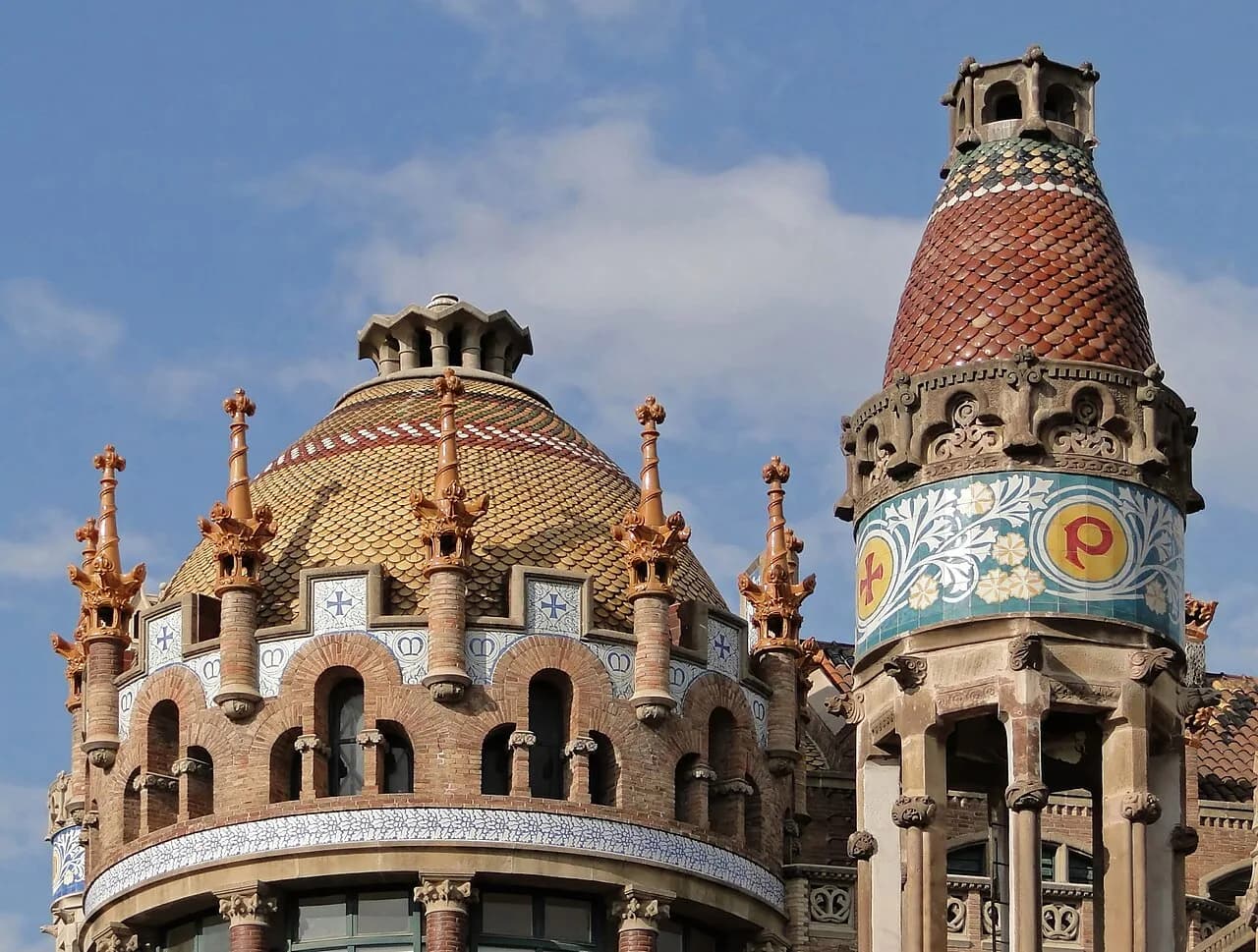
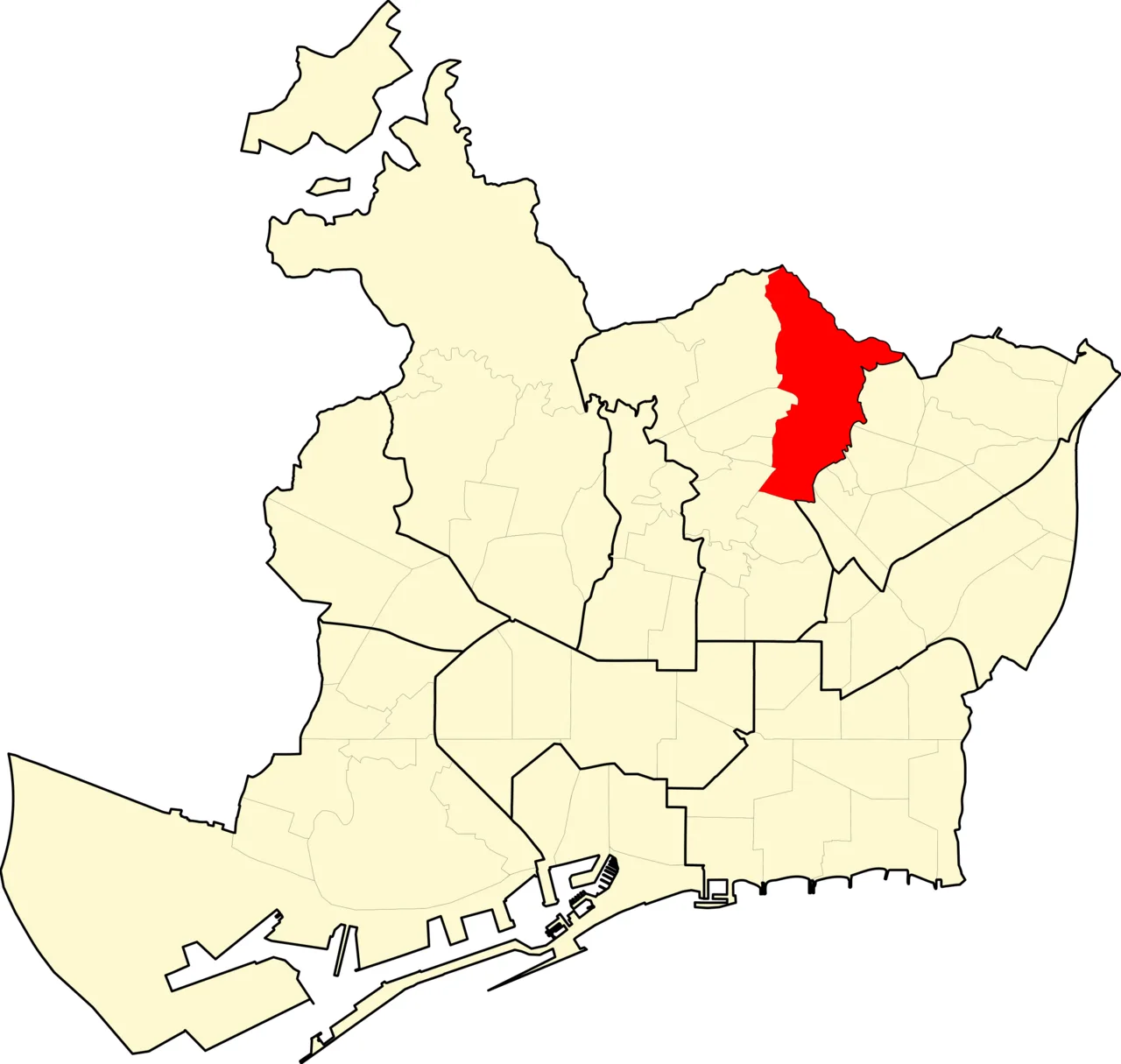
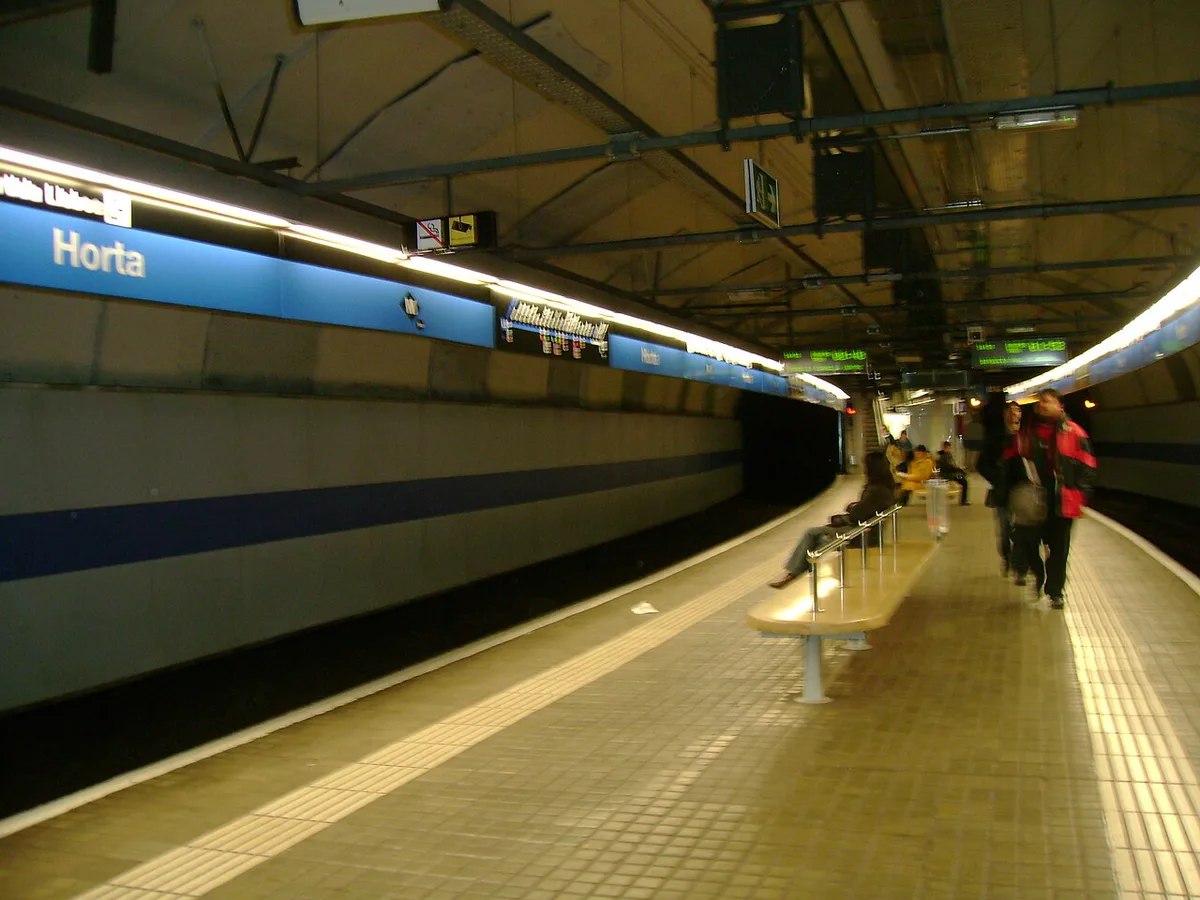
Many visitors treat Horta as one place. It is really two experiences. The village is the old core, with small squares, terraces, and narrow streets. The park sits higher up on the hillside. The City Council's official page lists the park's address as Passeig dels Castanyers, 1, and names its neighborhood as Montbau. The district is Horta-Guinardó. Metro Line 3 serves both areas through different stops. Mundet is the stop for the park, and Horta is the stop for the village. Check the exact walking time between the two on the TMB journey planner before you go. Some guides lump Sagrada Família and Hospital de Sant Pau into Horta because they share the same administrative district. They are separate areas with a different feel. If you want that modernist complex on another day, read our guide to Hospital de Sant Pau. This guide stays with Horta proper and the garden above it.

Parc del Laberint d'Horta: What to See in 2026
Barcelona City Council describes this as the city's oldest park. It was laid out in the late 18th century for the Marquis Antoni Desvalls, by Italian gardener Domenico Bagutti. It became a public municipal park in 1971. Two gardens sit side by side. An 18th-century Neoclassical garden climbs three stepped terraces and follows the theme of love. A 19th-century Romantic garden follows the theme of death and lies on the left side of the park. You will find pavilions with Tuscan columns, mythological sculptures, fountains, and a waterfall. Moss and wilder planting give the Romantic section a looser feel. The park also appeared in the 2006 film Perfume, directed by Tom Tykwer.
- Neoclassical garden: symmetrical layout, fountains, and water jets across three terraces.
- Romantic garden: wilder planting, moss, and the waterfall, on the left side.
- Palau del Marquès d'Alfarràs: listed on the official page, with guided group visits scheduled from 2 September 2026 to 26 June 2027. Confirm details and booking rules with the park before you plan around it.
- Play areas and public toilets: listed on the official page, handy if you bring children.
Labyrinth Park Renovation: Is the Maze Open?
No. According to the official page, the cypress maze is closed from early 2025 until early 2027. Crews are improving the paving, renewing the irrigation system, and remodeling the sculptures. They are also replacing every cypress, which needs a rooting period afterward. The rest of the park stays open to visitors. That means the famous statue of Eros and the grotto of Echo and Narcissus, both tied to the maze, may not be reachable right now. Treat the park as a garden-museum visit, not a maze visit. Check the official Barcelona.cat page for the current status before you buy a ticket. Dates can shift as works progress. If the maze is your main reason to come, consider waiting until after the works finish in early 2027.
Labyrinth Park Tickets, Hours, and Rules
General entry is €2.23, per the City Council's published rate. Reduced entry is €1.42 for people with disabilities, Carnet Jove holders, and children under 14. Entry is free on Wednesdays and Sundays. It is also free for district residents, unemployed people, retirees, and children under 5. Groups of more than 15 people get a 10% discount. From 1 April to 31 October the park opens daily from 10:00 to 20:00. From 1 November to 31 March it runs 10:00 to 18:00. On 25 December it opens 10:00 to 14:00 only. Because today falls in October, winter hours begin on 1 November. Ticket sales stop one hour before closing. Payment is by credit card only, and reservations are not accepted.
| Item | Detail |
|---|---|
| General entry | €2.23 |
| Reduced entry | €1.42 |
| Free days | Wednesdays and Sundays |
| Summer hours (1 Apr to 31 Oct) | 10:00 to 20:00 daily |
| Winter hours (1 Nov to 31 Mar) | 10:00 to 18:00 daily |
| 25 December | 10:00 to 14:00 |
| Capacity | 750 visitors |
| Payment | Credit card only |
| Not allowed | Pets, bicycles and other vehicles, balls, food |
Free Days and the 750-Visitor Cap
The park holds a maximum of 750 people. On free days, access is controlled, so expect a queue at peak times. The council advises visitors on free or busy days to stay no longer than 60 minutes. That keeps the entrance moving for everyone waiting. A paid weekday visit is calmer. If you come on a free day, arrive near the 10:00 opening. Bring a card, since cash does not work at the gate. Leave picnic food, balls, and bicycles behind, because the rules exclude them. Since the maze is closed, a short visit may suit you well anyway. For other no-cost ideas across the city, see our guide to free things to do in Barcelona.
General entry costs €2.23, but the park is free on Wednesdays and Sundays. With a 750 people capacity on free days, the council advises staying 60 minutes maximum.
Plaça d'Eivissa and Carrer d'Aiguafreda: Horta's Village Core
Plaça d'Eivissa is the social center of the village. Locals gather on the terraces, and the pace is noticeably slower than in the old city. Spend your time here sitting rather than sightseeing. Order a coffee and watch the square fill up. From there, walk to Carrer d'Aiguafreda. It is known as a former laundry street, with well-preserved wells and small houses. Go slowly and look at the details. Residents live on these streets, so keep voices low. Verify any shop or café hours locally, because small businesses change their schedules. The brief's notes also point to a local market, Mercat de Horta, as a possible stop. Confirm its opening days before you plan around it.
Linking Horta with Turó de la Rovira and the Bunkers
Horta pairs well with a hillside viewpoint. Turó de la Rovira lies nearby, and its former anti-aircraft battery is covered in our guide to the Bunkers del Carmel. Do the viewpoint first, then drop down to Horta for lunch. Views tend to be clearest in the morning. You can also compare other vantage points in our roundup of 12 Secret Viewpoints in Barcelona (2026). Expect steep slopes on both routes. Wear shoes with grip, carry water, and confirm current access rules before you climb.
Food and Drink: Horta's Vermut Scene
Horta is a good place for a slow vermut before lunch. Choose a terrace on or near Plaça d'Eivissa and order something small to share. Look for places where neighbors outnumber visitors. We do not name specific bars here, because opening hours and ownership change often. Ask at your hotel, or check recent local listings the day before. If you visit in winter or spring, look out for calçotada season, the Catalan tradition of grilled spring onions. Our guide to vermut and calçotada explains how the ritual works. For wider dining picks, see our guide to local restaurants in Barcelona.
How to Get to Horta by Metro Line 3
Take Metro Line 3 (green) from central Barcelona. For the park, get off at Mundet. For the village, get off at Horta. Door-to-door, plan on about 30 to 40 minutes from Plaça de Catalunya, based on the brief. Buses also serve the district. Use the TMB site for current routes, fares, and service changes. For broader trip planning, the official Barcelona Tourism website lists events and visitor information. If you hold a multi-day transport pass, check that it covers the zone before you travel.
- Park: Metro Line 3 to Mundet, then walk to Passeig dels Castanyers, 1.
- Village: Metro Line 3 to Horta, then walk to Plaça d'Eivissa.
- Between the two: check walking time and bus options on the TMB planner.
- Always confirm night and weekend service before you head back.
Hills and Mobility: What to Expect in Horta
Horta is hilly. Streets in the village climb and drop, and the neighboring Guinardó area is more residential and steeper still. Pack comfortable shoes. With a stroller, expect some effort on inclines and on stepped terraces inside the park. The City Council describes the park enclosure as accessible for people with reduced mobility, but confirm the current route before arriving. The renovation may change which paths are open. If you have significant mobility limits, a short taxi ride between the village and the park saves energy. In our editorial assessment, travelers with serious mobility issues may prefer flatter neighborhoods. Gràcia is an easier alternative, covered in our Gràcia neighborhood guide.
A Half-Day Horta Route
Start at 10:00 when the park opens. Spend about 60 to 90 minutes in the gardens. Then head to the village for a long lunch. This order avoids the midday crowds. If the weather turns, see our rainy-day itinerary for indoor swaps.
Metro travel from central Barcelona takes 30 to 40 minutes. The suggested itinerary spends 60 to 90 minutes in the gardens, reserving a half-day for the complete outing.
- 10:00: Arrive at Mundet station and walk to the park entrance. Pay by card.
- 10:15 to 11:45: Walk the Neoclassical terraces, then the Romantic garden.
- 12:00: Travel to the village on Metro Line 3 and stroll Carrer d'Aiguafreda.
- 13:00: Vermut and lunch around Plaça d'Eivissa.
- 15:00: Optional viewpoint stop, or head back to the center.
Is Horta Right for Your Trip?
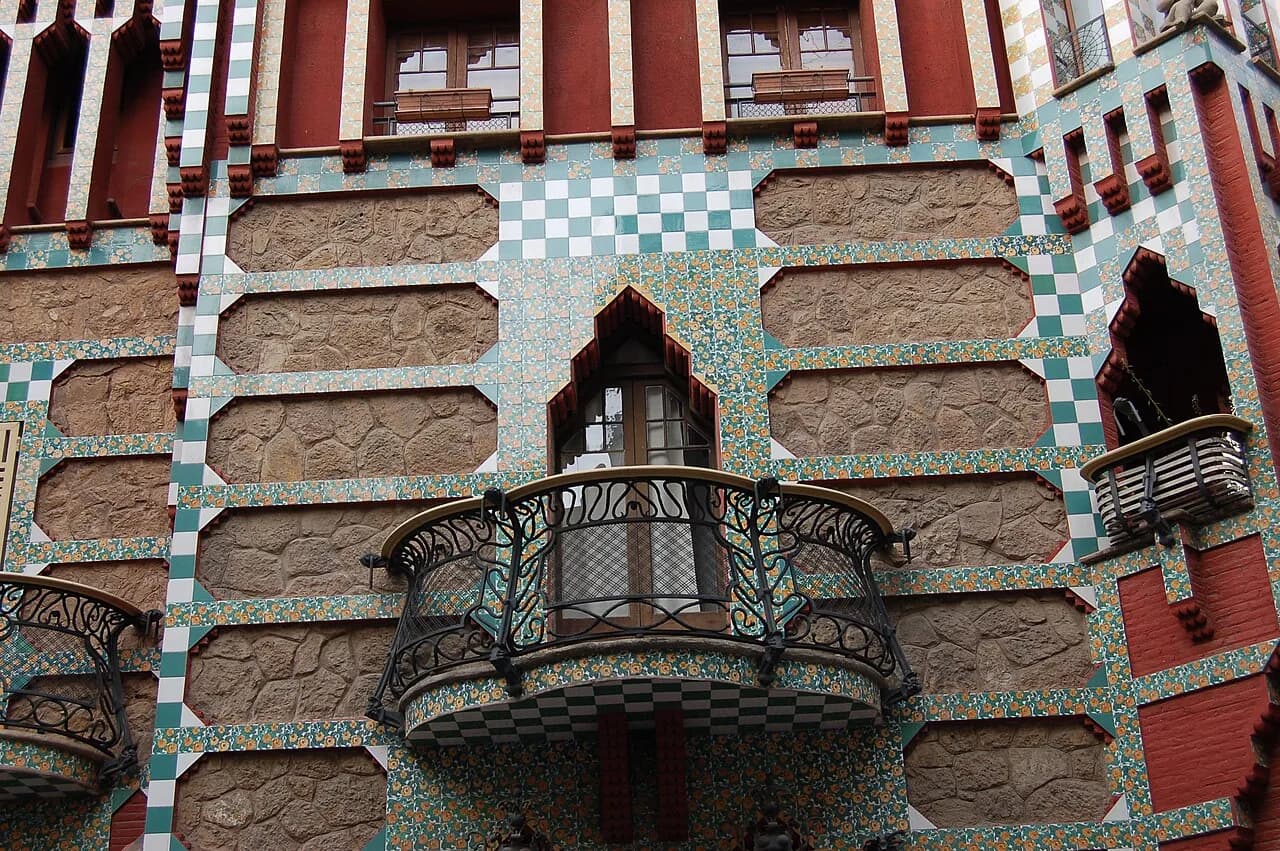
Go if you want quiet, have already seen the main Gaudí sites, or travel with children who need space. Skip it if you only have 48 hours in the city. Also skip it if the maze is your main goal, since it stays closed until early 2027, or if steep terrain is a real barrier. For a first visit to Gaudí's early work, try Casa Vicens instead. If you like Horta's calm, our quiet-season guide shows when to return.
Frequently Asked Questions
Is the maze at Parc del Laberint d'Horta open?
No. The City Council says the cypress maze is closed from early 2025 until early 2027. Crews are improving paving, renewing irrigation, remodeling sculptures, and replacing all the cypresses. The rest of the park stays open. Check the official Barcelona.cat page before you go.
How much does Parc del Laberint d'Horta cost?
General entry is €2.23, and reduced entry is €1.42. Entry is free on Wednesdays and Sundays. Payment is by credit card only. Reservations are not accepted.
How do I get from central Barcelona to Horta?
Take Metro Line 3 (green). Get off at Mundet for the park. Get off at Horta for the village. Plan roughly 30 to 40 minutes from Plaça de Catalunya, and check current service on the TMB site.
How long should I spend in Horta?
A half-day is enough. Allow about 60 to 90 minutes in the park. Spend the rest on the village streets and a slow lunch. On free days, the council advises staying no longer than 60 minutes in the park.
Is Horta suitable for strollers or limited mobility?
Horta is hilly, so it takes effort. The City Council describes the park as accessible for people with reduced mobility. Paths may change during the renovation. Consider a short taxi ride between the village and the park.
Continue exploring
More guides you'll find useful