Porto Tiles Walking Tour: DIY and Guided Azulejo Routes
Plan a Porto tiles walking tour with a DIY azulejo route and guided free-tour options. Covers São Bento, Capela das Almas, Carmo, timing and etiquette.
On this page
Porto Tiles Walking Tour: A DIY and Guided Azulejo Route
Last updated October 2026. A Porto tiles walking tour can cover São Bento station, Capela das Almas and the Carmo church in roughly 3 km. This guide compares a guided free tour with a DIY route, separates free exteriors from paid interiors, and flags the hills, crowds and etiquette that slow most walkers down.
Best Landmarks for a Porto Tiles Walking Tour
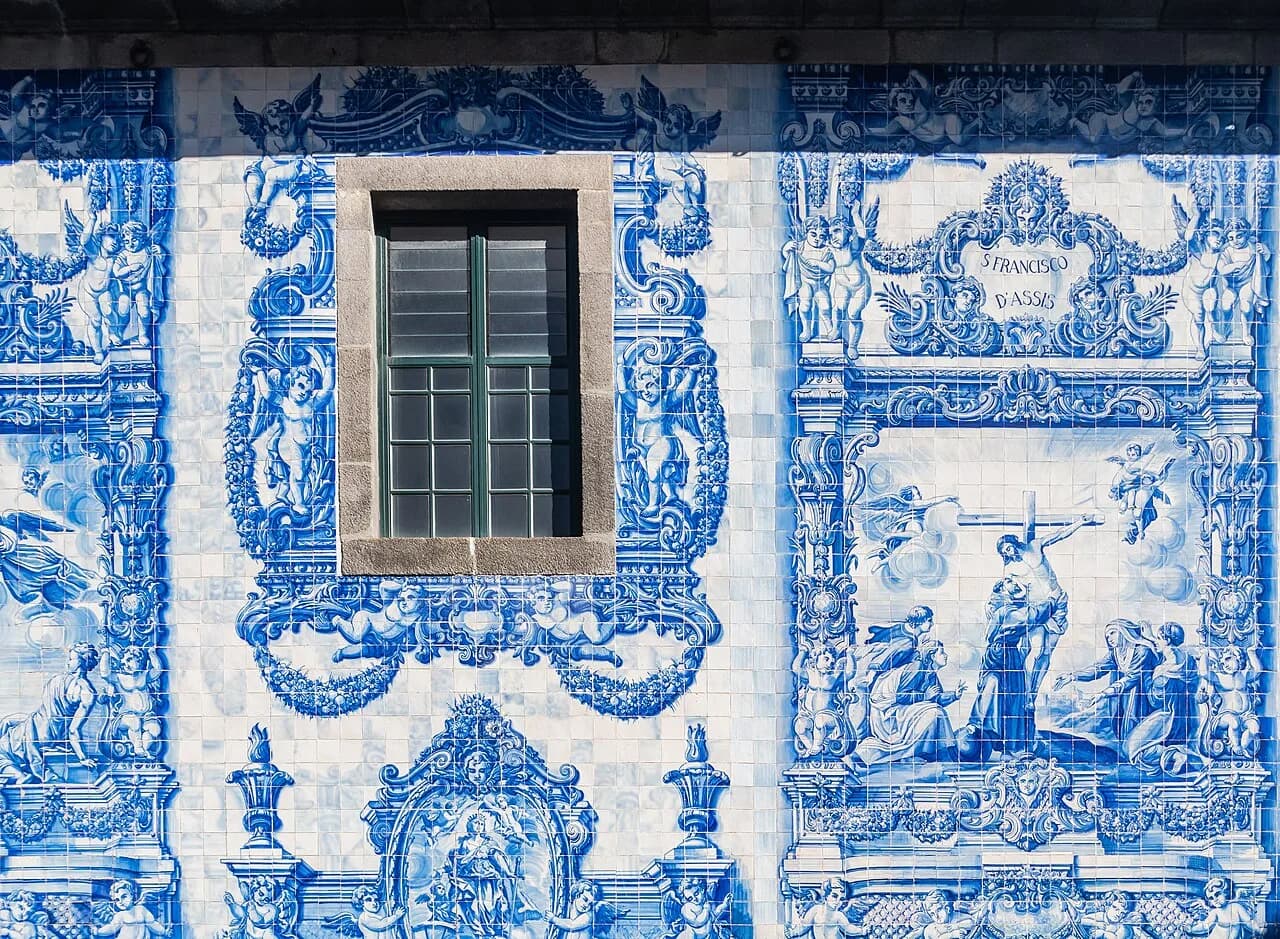
Porto's azulejos are painted ceramic tiles, usually blue and white, and they cover churches, stations and ordinary house fronts. Most of the best panels sit on exteriors you can view from the pavement at no cost. Start with this shortlist, then decide how much of it fits your day.
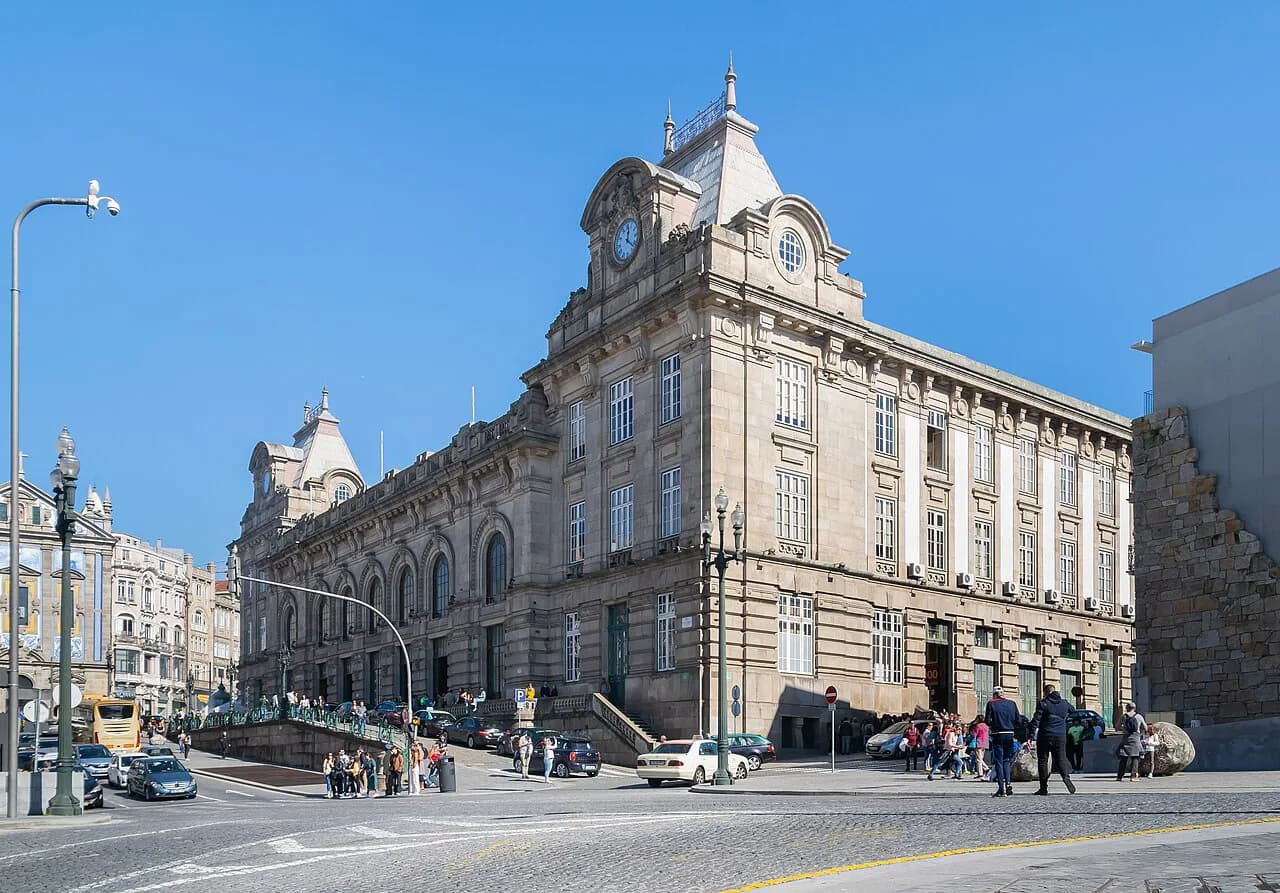
- São Bento Railway Station: murals made of about 20,000 tiles that show episodes from Portuguese history.
- Church of Saint Ildefonso (Igreja de Santo Ildefonso): an 18th-century blue-and-white tiled facade, near Batalha square.
- Chapel of Santa Catarina (Capela das Almas): a blue-and-white exterior on Rua de Santa Catarina, and probably the most photographed panel in the city.
- Carmo and Carmelitas churches: tiled side walls that make a strong closing stop.
- Sé do Porto (Cathedral): cloister tiles, which require an entry fee.
Why Porto Looks Blue and White
Azulejos have a long history in Portugal. Competitor tour descriptions place the tradition's origins in the 13th century and its popularity in the 16th. Early tile work leaned on Moorish geometric patterns. Later, the blue-and-white palette took over, influenced by Delftware and Chinese porcelain. Keep that shift in mind as you walk. Older pattern tiles and later figurative panels often appear within a few streets of each other, and spotting the difference makes the walk more than a photo run.
Guided Tours: Comparing the Top Options
Two operators show up most often for tile-focused walking in Porto. Both use a tip-based "free" model, so you pay the guide what you think the tour was worth. Reserve ahead, because spots are limited.
Porto Walkers departs at 9:30 and 10:45 every day, while Rua de Santa Catarina gets busy as shops open, so an early start suits both.
- Strawberry Tours runs a free azulejos tour that focuses on the tile art form itself. Its listed stops include the Church of Saint Ildefonso, São Bento Station, Bolhão Market, the Chapel of Santa Catarina and Café A Brasileira. It ends at Carmo Church.
- Porto Walkers runs a Classical Free Walking Tour, which is general history rather than tile-specific. Its page lists departures at 9:30 and 10:45 every day, with reservation required and a duration of 2.5 to 3 hours.
- Porto Walkers meets at Praça da Liberdade, by the statue of Pedro IV. Arrive 10 minutes early and look for the red umbrella and the red jacket.
- Porto Walkers accepts bookings of up to 5 people on the free tour. Larger parties are directed to a private tour.
- Strawberry Tours lists its free azulejos tour in several languages, including Spanish, French, German, Italian, Portuguese and Polish.
Guided or DIY: Which Fits Your Style
A guide gives you the history behind each panel and a fixed schedule. That suits first-time visitors who want context. Even so, a general city tour spends time on other sights, so check the stop list before you book. A DIY walk suits photographers. You can wait for a clear frame without a group in it and linger where the light is good. The trade-off is that you read the panels without a guide's stories. If you want both, take the guided tour first, then return alone to the two or three spots you liked. Whichever you choose, the route runs about 3 km with several downhill steps, so plan for 2.5 to 3 hours for a thorough loop.
DIY Route: How to Plan Your Time
Start on higher ground around Batalha and Santa Catarina so most of the walking is downhill. This order is an editorial suggestion, so check each stop on a map before you set out. Porto has steep slopes and cobblestones, and wet stone is slippery. Wear shoes with grip. Use the sequence below as a base and drop any stop you have already seen.
- Stop 1: Church of Saint Ildefonso, for its 18th-century facade near Batalha.
- Stop 2: Capela das Almas on Rua de Santa Catarina. Go early, before the shopping street fills up.
- Stop 3: Bolhão Market and Café A Brasileira, two stops that also appear on the Strawberry Tours route.
- Stop 4: São Bento Railway Station, to see the 20,000-tile murals in the hall.
- Stop 5: Carmo and Carmelitas churches, for the tiled side walls.
- Optional: Sé do Porto, if you want to pay for the cloister tiles.
Photography Timing and Crowd Tips
Rua de Santa Catarina is a main shopping street, so the pavement outside Capela das Almas gets busy as shops open. Visit early and shoot from a slight angle to keep strangers out of the frame. At São Bento, commuters keep moving through the hall, so stand to the side and avoid blocking the flow. For a wider plan on avoiding peak periods, see this guide on visiting Porto without crowds. Keep the tripod folded up. A phone or small camera is enough for the exteriors, and it is easier on the crowds around you.
Costs, Access and Respect at Sacred Sites
Most tile facades cost nothing because you view them from the street. The Cathedral cloisters are the paid exception in this route, so check the current ticket price and hours with Visit Porto's official site before you go. A free guided tour is tip-based. Decide on an amount you are comfortable with and have small change ready. If tile spotting is a budget priority, this list of free things to see in Porto shows what else costs nothing. Churches are working places of worship. Keep your voice low, do not photograph people at prayer, and step aside for worshippers. Check opening times for any interior before you plan around it.
São Bento's murals use about 20,000 tiles and cost nothing to view, so the Cathedral cloisters are the only paid decision on this route.
Rain, Hills and Getting Around
Tiles are outdoors, and Porto is a rainy city. Porto Walkers tells guests to come prepared for heavy rain. If the forecast looks poor, swap in the Porto rainy-day itinerary and keep only the covered stops. To save your legs on steep sections, check bus routes and timetables on the STCP site and ride between clusters. Build in a rest stop, too. Lunch fits naturally midway, and the Porto Local Food Guide: 10 Essential Experiences (2026) helps you choose. If you want a hearty stop, read about where to eat francesinha.
Combine Tiles with Other Neighborhoods
Once you finish the tile loop, you can extend the day in several directions. Head downhill to the river and the Ribeira waterfront for riverside views. Walk west toward Cedofeita's modern shops and galleries for a contrast with the old facades. Cross the river to explore the Vila Nova de Gaia riverfront. For more route-planning help, the Porto Neighborhoods Guide: 10 Best Areas and Local Tips (2026) shows how the districts fit together.
Smaller Tile Finds Beyond the Center
Once you have covered the famous panels, look for smaller residential tiles. Quieter streets often hold patterned house fronts that tour groups skip. Bonfim's residential streets are a good place to start. In Miragaia, look at the colorful pattern tiles in Miragaia, which are not blue and white at all. For more off-route ideas, try quieter corners of Porto, or return to the lesser-known Porto spots overview.
Mistakes to Avoid
Most problems on a tile walk are avoidable. Fix these before you leave your hotel.
- Wearing smooth-soled shoes. Cobblestones get slippery in rain.
- Skipping the booking. Free tours require reservation, and spots can fill in busy periods.
- Looking only for blue and white. Pattern tiles in other colors also count.
- Blocking doorways. Stay clear of church entrances and station walkways.
- Packing the day too tightly. Allow a full 2.5 to 3 hours and leave extra time for hills.
Frequently Asked Questions
How long does a Porto tiles walking tour take?
Plan 2.5 to 3 hours for a thorough loop. Porto Walkers lists the same duration for its classical tour, with a walking distance of around 3 km. Add extra time if you want to enter the Cathedral cloisters.
Is there a free azulejos tour in Porto?
Yes, Strawberry Tours lists a free azulejos tour. It is tip-based, so you pay the guide what you feel the tour was worth. Reserve ahead and confirm the current meeting point when you book.
Where does the Porto Walkers free tour meet?
It meets at Praça da Liberdade, by the statue of Pedro IV. Arrive 10 minutes early. Look for the red umbrella and a red jacket or t-shirt that says Porto Walkers.
Which tiles can I see for free?
São Bento Station, the Church of Saint Ildefonso and Capela das Almas can be viewed from public spaces. Carmo's tiled side walls are also visible from outside. The Cathedral cloister tiles need a ticket.
Is a DIY route better than a guided tour?
It depends on your goal. A guide adds history and stories. A DIY walk lets you wait for clear photos and set your own pace. Many visitors do the guided tour first and revisit favorite panels alone.
What should I do if it rains?
Porto Walkers warns that heavy rain is possible. Bring waterproof layers and shoes with grip. If the weather turns, switch to a covered itinerary and save the exterior panels for a clearer day.
Continue exploring
More guides you'll find useful