Hidden Gems in San Gimignano: Quieter Corners & Local Favorites
Go beyond the main drag in San Gimignano with quieter churches, named viewpoints, tower houses and Vernaccia wine, plus practical tips for slower visits.
On this page
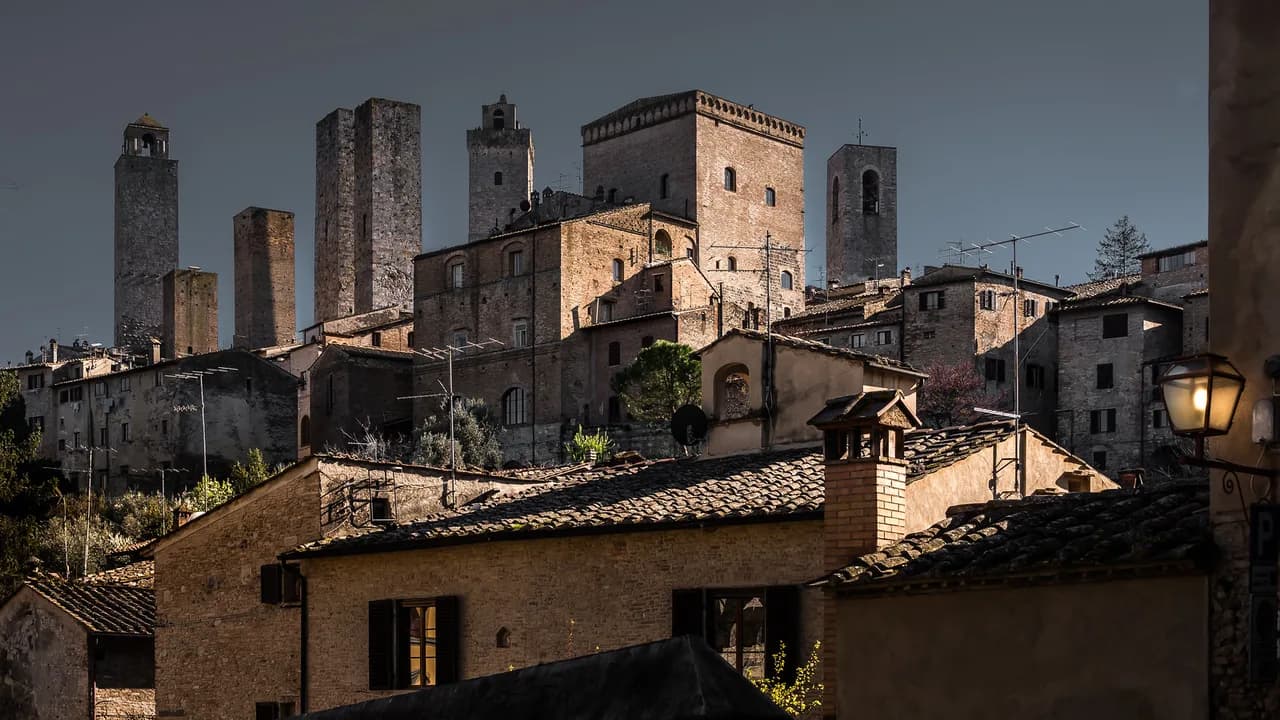
San Gimignano's skyline is famous, but the experience inside the walls depends heavily on where you walk. One long-time visitor notes that roughly nine in ten people stay on the main street and in the two main piazzas, so a sidestep of a few dozen metres changes the pace entirely. That makes the town unusually rewarding for anyone willing to trade one crowded stretch for a quieter one.
This guide treats lesser-known as a matter of degree rather than secrecy. A quiet church, a wall path and a named viewpoint count here because they let you see the town differently and cost little time; the towers and the Duomo still belong on any first visit. Use it to balance the icons with the overlooked corners instead of replacing one with the other.
How to Use This Guide
Nothing in this list is truly undiscovered, and calling any of it secret would be misleading. The distinction is practical: some places absorb crowds well, others do not, and a few are simply easy to miss because they sit off the two main axes of Via San Giovanni and the piazzas. The town's compact size means these corners can be folded into a normal day rather than saved for a second trip.
Pair each quieter stop with a major sight nearby so you are never walking far out of your way. If you want a structured route rather than a list, a San Gimignano self-guided walk can string these corners together while leaving room for spontaneous detours. For a fuller picture of what each major sight involves, the San Gimignano Attractions hub covers the headline monuments individually.
Quiet Frescoes at the Church of San Lorenzo in Ponte
Walk past Piazza della Cisterna to the Church of San Lorenzo in Ponte and you reach a small space that one regular visitor describes as almost always empty, with recovered frescoes inside. It is the kind of stop that takes minutes but balances a day otherwise spent queueing, and the contrast with the Duomo's crowds is immediate. Note that this describes the atmosphere of the church itself; the Duomo's celebrated cycles are a separate, paid interior.
Treat it as a companion to the main cathedral rather than a substitute, because the scale and ambition of the two interiors differ enormously. If the frescoes are your priority, check locally whether the church is open when you pass, since small churches keep irregular hours that no published guide reliably captures. A short pause here fits neatly before or after a Cisterna gelato stop.
Side Streets Off Via San Giovanni and the Piazzas
The main route runs from Porta San Giovanni to Piazza della Cisterna and on towards Porta San Matteo, lined with shops, wine bars and restaurants. The crowds follow that line, so the simplest upgrade to a San Gimignano day is to leave it for ten minutes in any direction. Side lanes deliver the same architecture at a fraction of the foot traffic.
Use side streets to connect sights rather than as an aimless wander, and you keep momentum without feeling herded. If you prefer to understand how the town's quarters fit together before choosing a loop, the San Gimignano neighbourhoods and quarters overview explains the layout. Combine that with the one day itinerary and you have both structure and breathing space.
Named Viewpoints Beyond the Tower Climb
Several viewpoints reward those who would rather not climb: the Punto Panoramico, the old walls near the upper playground, and the tower of La Rocca each frame the countryside differently. The top of Torre Grossa remains the highest option and also gives a downward look onto the two main piazzas. Anyone with vertigo may find the open stair on the tower uncomfortable, so the ground-level options are a genuine alternative rather than a consolation prize.
These are public outdoor spots, so costs and hours are not the issue; light and weather are. Early or late in the day gives you softer light on the towers and generally fewer people on the walls. Check the best time to visit if you are deciding between seasons rather than hours.
Torre e Casa Campatelli and the Smaller Towers
Torre e Casa Campatelli is an eighteenth-century palazzo built around a tower from the mid-twelfth century, donated to the FAI in 2005 and open to the public as a narrative of the town's medieval and later life. It tells a domestic story the civic tower cannot, focusing on the families who built these vertical status symbols.
Nearby, Torre Chigi dates from 1280 and Torre del Diavolo carries a legend about a tower that supposedly grew taller while its owner was away. Both can be admired from the street without buying anything, which makes them useful fillers between paid interiors. For visiting information on the tower house itself, check current notices before planning around it.
Convento Sant'Agostino and the Wall Walk
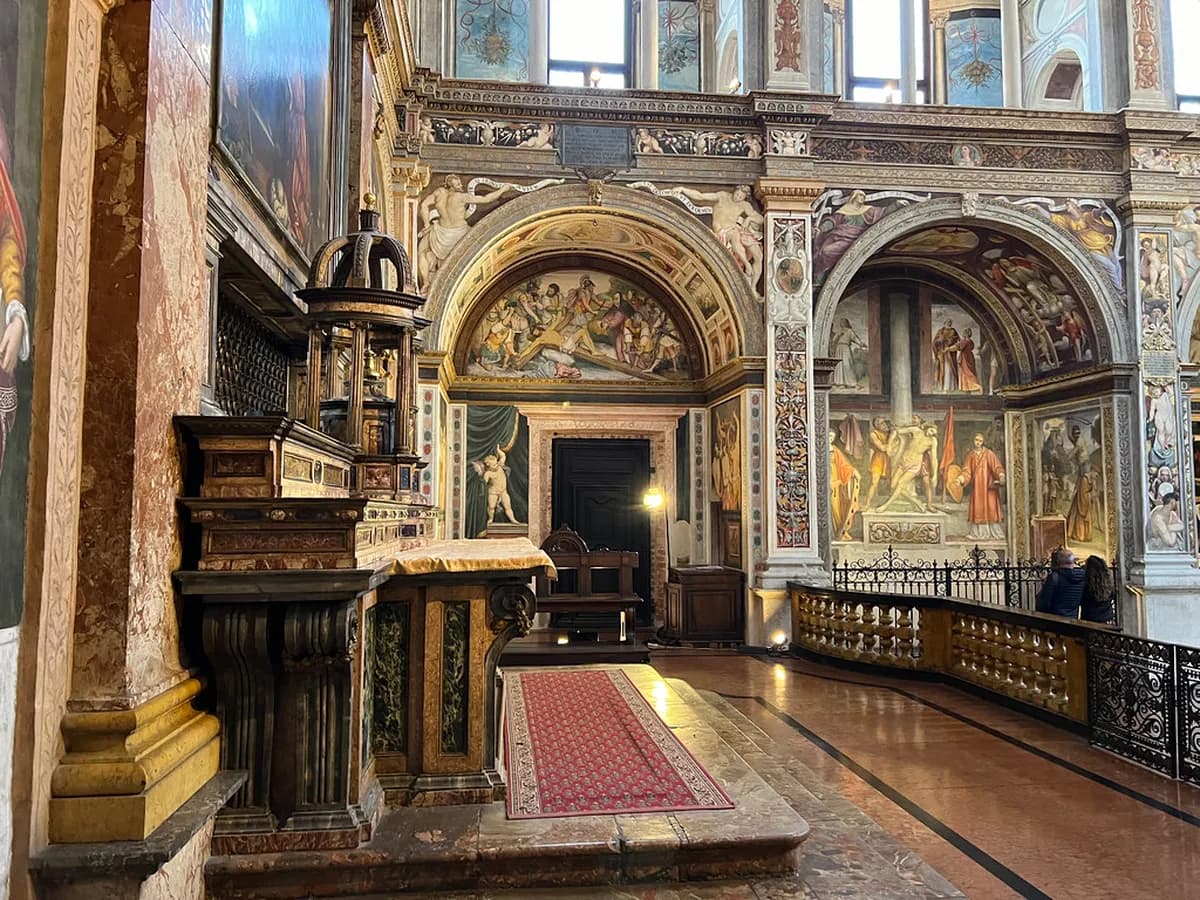
At the northern end of town near Porta San Matteo, the Convento Sant'Agostino hides three walls of frescoes behind the main altar depicting scenes from the saint's life. The exterior gives little away, which is precisely why it stays calm compared with the Duomo. Step inside if the door is open and you gain a substantial art stop for very little time.
The town walls run for about 2,176 metres around the historic centre and can be joined at several access points, giving rolling-hill views from above without a tower fee. It is the best option for anyone who wants height and perspective but not a staircase. Combine the walk with the Sant'Agostino stop for a half-loop that avoids the busiest stretch entirely.
Vernaccia di San Gimignano: Tasting the Local White
Vernaccia is the territory's own white wine, and To Tuscany describes Vernaccia di San Gimignano as Tuscany's only DOCG white, made in a Riserva style and a fresher d'Annata version. Trying it here connects the drink to the vineyards you see from the walls, which a supermarket bottle cannot do. Wine bars in town and wineries in the surrounding countryside both offer ways to taste it.
Availability at any specific winery or enoteca varies, so confirm before you build an afternoon around a tasting. The local sorbet version is one low-commitment way to sample the flavour if you are short on time. If you want to understand the seasons around the vineyards, the guide to the best time to visit San Gimignano is a sensible next read.
Smaller Curiosities and the Town Hall Museum
Two curiosities suit a short stop: a miniature recreation of medieval San Gimignano behind Torre Grossa, and the Museo Palazzo Comunale with its changing paintings and arms collection. The miniature is described as free with donations welcome, but confirm on arrival since small private museums can change their arrangements. The town hall museum sits beside the cathedral and is worth a look even if civic collections usually rank low on your list.
The practical detail that changes how you plan is that a Torre Grossa ticket also includes entrance to the Palazzo Comunale museum. One purchase therefore covers both the climb and the civic collection, which makes the tower a better value proposition than it first appears. Check the current price and ticket terms before setting your day's budget.
Practical Planning: Arrival, Parking and Getting Around
The historic centre is car-free, so drivers park outside the walls and walk in. To Tuscany lists multiple car parks north and south of town with published tariffs, and it points readers to the town's own parking page for current rates. Check that page before you travel rather than relying on any older fee quoted elsewhere.
Without a car, the nearest rail station is at Poggibonsi, about ten kilometres away, with onward buses or taxis taking roughly a quarter of an hour. Regional trains connect Poggibonsi with Florence and Siena, though timetables shift, so verify connections with the operator on the day. If you would rather hand over the logistics entirely, a guided day tour from Florence is one option a repeat visitor recommends for combining San Gimignano with other Tuscan stops.
A Suggested Day Balancing Icons and Quiet Corners
Start early on the main street before the day-trippers arrive, climb Torre Grossa when the queue is shortest and use the included Palazzo Comunale entry while you are there. Then step off Via San Giovanni for side-street wandering and the San Lorenzo in Ponte frescoes. A full plan with timings is in the San Gimignano one day itinerary.
Spend the afternoon on the quieter edges: the wall walk, the Sant'Agostino frescoes and one of the named viewpoints. Finish with a Vernaccia glass or a gelato in Piazza della Cisterna once the worst of the crush has passed. If you have only a few hours, skip the civic museum and the miniature, and prioritise one tower view plus one quiet church.
Plan Your Visit
San Gimignano packs its icons tightly enough that a quieter day does not mean missing anything major. Choose one paid interior, one quiet church and one outdoor viewpoint, and the town reveals a calmer side without extra travel. Verify ticket inclusions, small-church opening and parking rates on official pages before you go, since these details can change.
More San Gimignano guides
- A Self-Guided Walk Through San Gimignano
- Best Time to Visit San Gimignano
- Free Things to Do in San Gimignano
- San Gimignano Food Guide
- San Gimignano in One Day
- San Gimignano Neighbourhoods and Quarters
- San Gimignano Viewpoints
- Chiesa di San Francesco in San Gimignano
- Chiesa di Sant'Agostino in San Gimignano
- Climbing the Torre Grossa in San Gimignano
- Palazzo Comunale San Gimignano
- Piazza del Duomo, San Gimignano
- Piazza della Cisterna in San Gimignano
- Visiting the Collegiata di Santa Maria Assunta in San Gimignano
Frequently Asked Questions
What are the best lesser-known things to do in San Gimignano?
The Church of San Lorenzo in Ponte with its recovered frescoes, the Convento Sant'Agostino fresco cycle, the wall walk and the named viewpoints at Punto Panoramico and La Rocca all reward a detour. Each is easy to combine with a major sight, so you do not sacrifice the famous experiences.
What can you see in San Gimignano for free?
The streets, piazzas and several named viewpoints are public and free to enjoy, and the wall route can be joined at multiple access points. Torre Chigi and Torre del Diavolo are visible from outside. Interiors such as the Duomo and the civic museum are paid, so check current terms before you budget.
Where are the best viewpoints in San Gimignano?
Punto Panoramico, the old walls near the upper playground and the tower of La Rocca offer countryside views without a climb, while Torre Grossa gives the highest panorama. Each has a different angle on the towers and hills, so choose based on whether you want the climb or a ground-level view.
How do you get to San Gimignano without a car?
The nearest rail station is at Poggibonsi, roughly ten kilometres away, with onward buses or taxis reaching the town in about a quarter of an hour. Regional trains connect there from Florence and Siena, but timetables vary, so verify connections with the operator before you travel.
Sources
Continue exploring
More guides you'll find useful