Syracuse in 3 Days: The Complete Itinerary
A slow three-day Syracuse itinerary: Neapolis ruins, an Ortigia day of squares and sea walls, and a Val di Noto day trip, with practical arrival notes.
On this page
Syracuse rewards travellers who resist the one-day sprint. The city divides into two parts that feel quite different: mainland Syracuse, where the Neapolis Archaeological Park holds Greek and Roman remains, and the small island of Ortigia, the historic centre reached over a few short bridges. A suggested visit of roughly one to two hours is enough for the main monuments of Neapolis. That is an editorial estimate, not an official timing, and it leaves the rest of the day free for the island.
This three-day plan treats those halves as separate blocks of time. Day one goes to the ruins and then crosses to the island; day two stays in Ortigia; day three is a deliberate choice between a slower island day and a day trip inland. Everything here is a suggestion, and the order matters more than ticking off sights.
Why Three Days Suits Syracuse
A single day forces a choice between ruins and island; three days lets you see the ancient monuments in the morning light, wander Ortigia's side streets without a schedule, and still leave room for one outing. The city of Syracuse's own website lists cultural heritage pages for the Neapolis park, the cathedral and the Greek theatre, which confirms how central these places are to the city's identity.
Physically this is not a punishing route. The mainland sites involve walking over uneven ground, while Ortigia is compact and has very few cars according to travel writer Julie Last, who notes motorbikes and the occasional tuk-tuk instead. That makes it easy to split each day between a purposeful morning and a loose afternoon.
Orientation: Syracuse, Ortigia and the Bridges Between
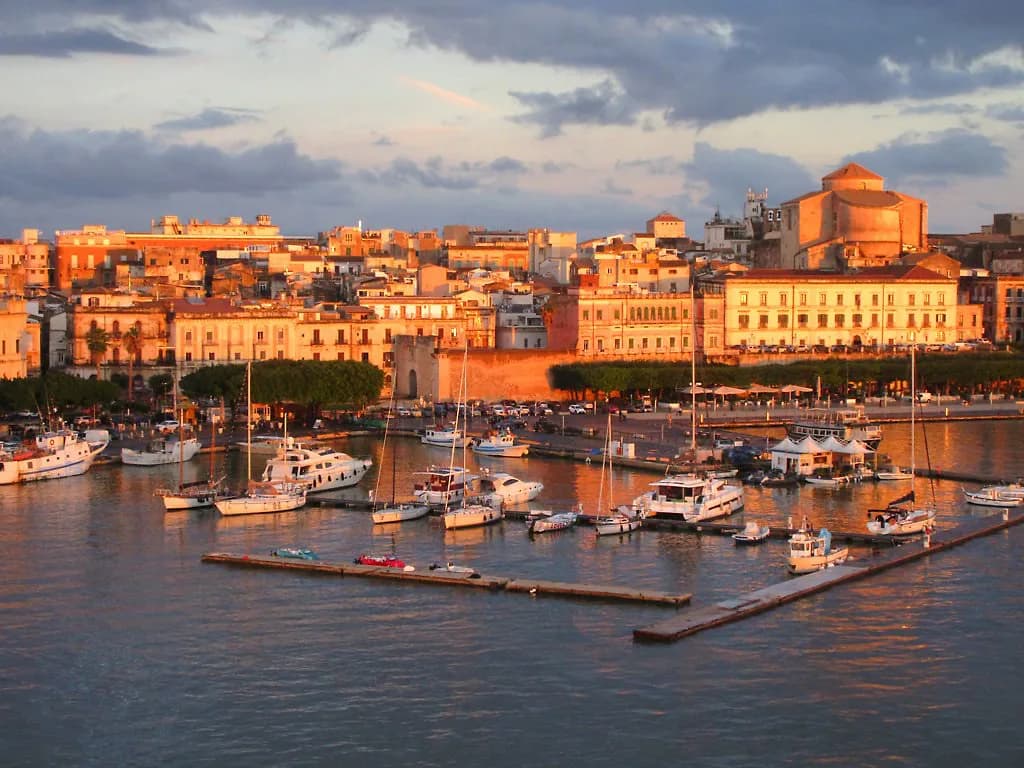
Ortigia is a small island just off the Sicilian coast, connected to mainland Syracuse by a few short bridges, so you can walk between the two parts rather than treating them as separate destinations. If you stay on the island, the archaeological zone becomes a half-day outing; if you stay on the mainland, Ortigia is an evening stroll.
For drivers the key decision comes before arrival. The Earth Trekkers guide describes Ortigia as a ZTL, a restricted traffic zone, with parking on the mainland and a walk onto the island over a bridge. Zone rules and exemptions can change, so confirm the current position with your accommodation rather than relying on an older blog post. For wider planning, see Neapolis Archaeological Park Visitor Guide: Greek Theatre, Tickets & Tips.
Travellers arriving by train should plan the final leg rather than assume it. The station sits in mainland Syracuse near the archaeological park, and the walk to Ortigia takes about half an hour according to the same guide, with taxis and local buses as alternatives. Check current options locally on arrival, since routes and timetables are not fixed.
Day 1 Morning: The Neapolis Archaeological Park
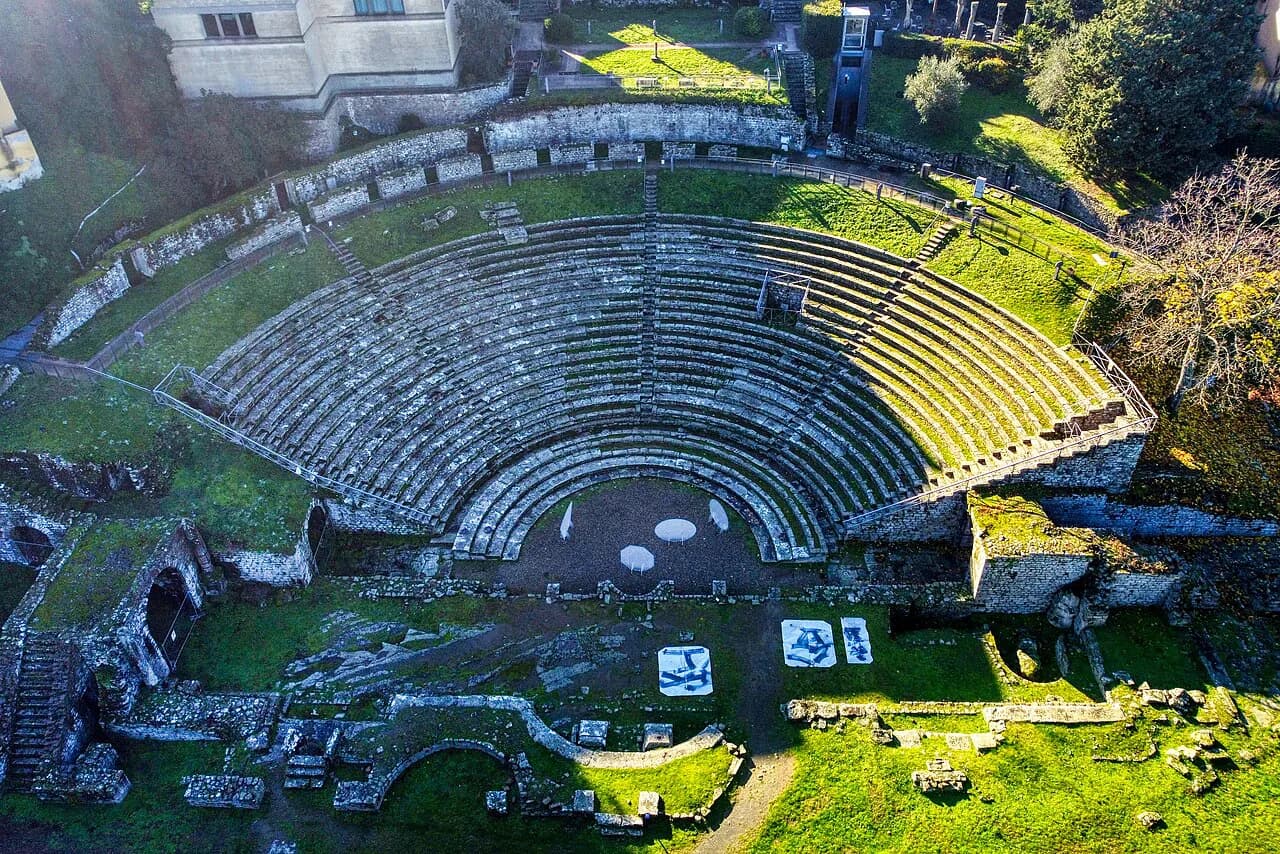
Start on the mainland. The Neapolis Archaeological Park is an open-air museum holding some of Sicily's most important Greek and Roman ruins: a vast Greek theatre carved into the rock, a Roman amphitheatre once used for gladiatorial contests, and the quarries known as the Latomie del Paradiso. Allow roughly one to two hours for the main sights, a suggestion rather than an official figure, and wear shoes that handle uneven stone paths.
The Ear of Dionysius, a tall limestone cave shaped like an ear, sits within the quarry area and is the memorable finale for most visitors. The Context Travel tour description notes the cave's surprising acoustics and the legends attached to the tyrant Dionysius, which explains why guides linger there. Going early also helps: the Earth Trekkers writer reports the park opening at 8:30 am, a third-party observation you should check against the park's own published hours before you go.
The Earth Trekkers report says tickets can be bought on site or in advance through Ticketone, the Italian ticketing site the guide was linked to. Current prices and seasonal hours are published by the park itself and should be checked there. Do not assume the park ticket covers anything beyond the park.
Day 1 Option: Adding the Catacombs of San Giovanni
If the morning runs smoothly, the Catacombs of San Giovanni make a strong add-on. They form one of the largest early Christian burial complexes outside Rome, lying beneath the open-air Basilica of San Giovanni, and access is only by guided tour. The Earth Trekkers guide puts the tour at about 40 minutes, a third-party estimate rather than an official schedule.
The catch is timing. Tours run to their own rhythm, and the same writer admits failing to fit one into a packed day, so check tour times before committing and treat this as optional. If you would rather not rush, skip the catacombs and give the park a slower second lap.
Day 1 Afternoon and Evening: A First Walk in Ortigia
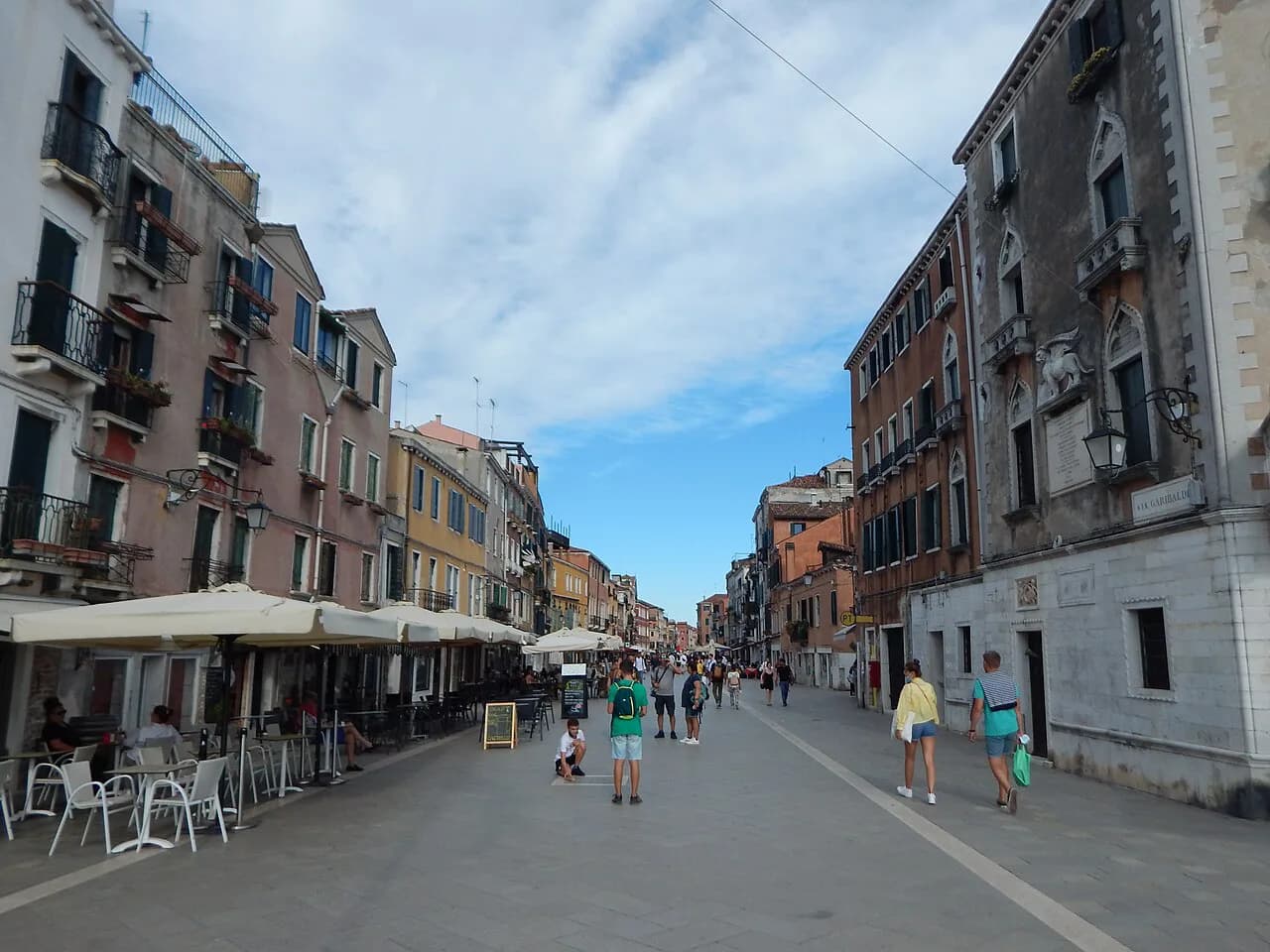
Cross a bridge into Ortigia in the afternoon and let the island set the pace. There are very few cars, so the pleasure lies in the side streets branching off the main tourist routes, where the architecture shifts between Greek, Roman, Byzantine, Norman and later layers. Put the map away for an hour and let the alleys lead you toward the water.
For a structured orientation on arrival day, a guided walk covering both the Neapolis park and Ortigia compresses the history into three hours with an expert, with entrance fees included in that operator's tour. It works better as an optional extra than as the backbone of the plan.
End with dinner on the island, but book nothing rigid on day one. Sicilian lunches and dinners can stretch for an hour or two, as the Earth Trekkers writer warns, and a fixed reservation after a morning on your feet often feels like a chore.
Day 2 Morning: Temple of Apollo to Piazza del Duomo
Devote the whole second day to Ortigia. Begin at the Temple of Apollo, one of the oldest Doric temples in Sicily and the first known to use a perimeter layout of stone columns, a design later adopted across the Greek world. Visitors cannot enter the ruins, but the surrounding sidewalks give clear views, so this is a short stop rather than a museum visit.
Continue along Corso Giacomo Matteotti to Piazza Archimede, where the Fountain of Diana, sculpted by Giulio Moschetti in 1906, anchors the square. From there, walk to Piazza del Duomo, the large square in front of the cathedral and the natural centre of any Ortigia morning.
The cathedral itself is the layered highlight. A Greek temple to Athena stood on the site from the sixth century BC, and when a cathedral was built in the seventh century the Doric columns were incorporated into its design, so you can still see them inside and out. Plan to look up, and give yourself time to sit in the square afterwards.
Day 2 Midday: Interiors, Caravaggio and Chocolate
Treat interiors as a separate decision from the squares. The Earth Trekkers writer describes a small entry fee at the cathedral and a combination ticket including the Secreta Palatii museum next door, adding that the museum did not repay the extra cost for them. Those are impressions from a past visit; confirm current arrangements at the entrance rather than assuming one ticket covers the whole complex.
On the same square, the Chiesa di Santa Lucia alla Badia holds Caravaggio's Burial of Saint Lucy. Check whether the church is open before building your morning around it. A small chocolate shop beside the church sells Modica-style chocolate, a useful taste test if you are not visiting Modica itself.
Day 2 Afternoon: Arethusa Spring and the Sea Walls
Head south and west after lunch toward the Arethusa Spring, the freshwater pool linked to the myth of the nymph Arethusa, which sits close to the seafront. The Earth Trekkers writer says it is not worth going out of your way for, but it lies naturally along a waterfront stroll. Next to it, the Belvedere Largo Aretusa gives a view along Ortigia's western sea walls and buildings.
Keep walking south along the island's edge toward Castello Maniace. This slow stretch is the counterweight to the morning's churches: sea air, low walls and quiet corners where you can sit. Carry water, because shade on this side of the island is patchy in the middle of the day.
Day 2: The Castello Maniace Ordering Trap
Castello Maniace guards the southern tip of Ortigia, built in the early thirteenth century and later a residence for queens of Sicily and a fifteenth-century prison. The scheduling catch is significant: the Earth Trekkers guide reports that the castle closes in the early afternoon, so saving it for the end of the day risks finding it shut.
The practical fix is to reshape day two around that constraint. Either visit the castle before a long lunch, walking south first and working back through the squares afterwards, or accept the exterior and viewpoints only. Confirm current opening days and hours before setting out, since published times change between seasons.
A neighbourhood guide can help you order the walk credibly, and the attractions hub collects individual sight guides if you want to dig deeper into one monument. Either way, treat the castle as an early slot rather than an afterthought.
Day 3 Choice A: A Slower Day on Ortigia
The simplest third day stays put. Revisit the squares in softer light, look inside the churches you skipped, and spend a long lunch on the island without a monument to reach afterwards. This suits travellers who dislike moving hotels or stacking three sites into one morning.
If you have already seen the headline sights, this is where a hidden gems approach earns its place: smaller corners, quieter lanes and parts of the city that do not appear on a one-day route. It is a deliberately unambitious day, and that is the point. For wider planning, see Hidden Gems in Syracuse, Sicily.
Day 3 Choice B: A Day Trip into the Val di Noto
The alternative is inland. The Val di Noto region holds several Baroque towns rebuilt after the 1693 earthquake, and the Earth Trekkers guide gives driving times from Syracuse for the main ones, with Noto about 45 minutes away by car, Modica roughly an hour and Ragusa about an hour and 15 minutes. Noto is known for Baroque architecture and many churches, Modica for chocolate and hillside stone buildings, and Ragusa for a photogenic historic centre.
Choosing between them matters more than seeing all three. For a single day, pick one town properly or pair two at a push; the same guide suggests that attempting all three in a whirlwind day is possible but not the best experience. Noto suits architecture lovers with limited time, while Modica and Ragusa reward slower wanderers who like vertical streets and viewpoints.
Day 3 Choice C: Catania as an Alternative
Catania is the other obvious escape, roughly an hour north of Syracuse by car according to the same source. It is a big, busy city with chaotic streets, compared by the writer to Palermo, and the writer's honest verdict is that the smaller Baroque towns offer more reward for the same effort.
Choose Catania if you want urban energy, markets and a different scale rather than pretty squares. Choose the Val di Noto if your priority is architecture and atmosphere. Either way, arrange transport in advance and avoid stacking a day trip onto a departure morning.
Getting Around Without a Car
A car is useful for Val di Noto day trips but a liability around Ortigia. If you drive to the island, park on the mainland and walk in over a bridge, and ask your hotel about the restricted zone before you arrive. The Earth Trekkers guide states that Uber is not widely available in Syracuse and Ortigia because it is not permitted to drive into Ortigia.
On foot, both halves work well. The train station sits near the archaeological park in mainland Syracuse, making day one easy for rail arrivals, while Ortigia rewards walking with no vehicle at all. Allow generous time for crossings between the two, especially with luggage.
Where to Sleep: Mainland or Island
Staying in Ortigia buys atmosphere, evening strolls and restaurants on your doorstep, but you may need to park outside the island. Staying in mainland Syracuse is often more practical for drivers and puts the archaeological park closer at hand, at the cost of a daily walk or bus ride into the historic centre.
For a three-night stay, commit to one base. Two bases for three nights wastes time on check-in and luggage. The attractions hub lists the main sights so you can weigh which side of the water you want to wake up near.
Budget and Pacing Without Guesswork
Ticket prices, tour costs and entry fees change, and this guide deliberately avoids quoting figures that may no longer apply. Instead, plan your budget around the number of paid interiors and guided tours you actually want, and check each site's own published prices the week before you travel. Free public squares and waterfront walks carry much of the experience at no cost. For wider planning, see Syracuse Local Food Guide: What to Eat and Where.
Pace the days unevenly on purpose: one heavy morning at the park, one church-and-square day in Ortigia, one flexible day. That rhythm leaves room for long lunches and unplanned detours, and it protects you from the exhaustion that follows three identical sightseeing days.
If You Have Less Than Three Days
With two days, keep day one's ruins and island evening, then choose either the Ortigia squares or a single Val di Noto town. The dedicated two-day itinerary sets out that balanced version. With one day, the ruins in the morning and a compressed Ortigia walk in the afternoon is the honest minimum, and it will feel rushed.
What to defer rather than squeeze: the catacombs, the Secreta Palatii museum and any second Baroque town. Each is a half-measure if rushed. For a one-day version built around the essential sights, see the single-day plan.
Plan Your Visit
Three days in Syracuse works because the city offers two distinct halves and a third day of choice. Book accommodation on the side of the water that matches your transport, confirm restricted-zone rules with your hotel, and verify opening hours for the park, the cathedral and Castello Maniace shortly before each visit.
Pack for stone paving and sea wind: comfortable shoes, water, sun protection and a light layer. Then keep the plan loose enough to follow a side street when it looks interesting, which is usually the part of Syracuse people remember longest.
Frequently Asked Questions
Can you walk from Syracuse to Ortigia?
Yes. A few short bridges connect mainland Syracuse to the island of Ortigia, so the crossing is on foot. From the train station near the archaeological park, the walk takes roughly half an hour according to travel reports, with taxis and local buses as alternatives. Allow extra time with luggage.
Is three days too much for Syracuse?
Not if you use the time well. The archaeological park, Ortigia's squares and churches, the sea walls and a day trip into the Val di Noto each fill a meaningful block. Travellers who only want the headline sights can compress the visit into two days or even one, at the cost of a rushed pace.
Should you stay in Syracuse or Ortigia for three nights?
Ortigia suits travellers who want evening atmosphere and walkable streets and who do not mind parking on the mainland. Mainland Syracuse suits drivers and anyone focused on the archaeological zone. For three nights, pick one base rather than splitting your stay.
What should you not miss in Syracuse with three days?
The Neapolis Archaeological Park, including the Greek theatre and the Ear of Dionysius, is the essential ancient site. In Ortigia, prioritise Piazza del Duomo and the cathedral, the Temple of Apollo and the southern sea walls. Add Castello Maniace earlier in the day, since travel reports say it closes in the early afternoon.
Is a day trip to Noto or Modica worth it from Syracuse?
Yes, if you want Baroque architecture and a change of scene. Noto is closest and suits a shorter visit, while Modica and Ragusa reward more time. Pick one town, or two at most, rather than attempting all three in a single day.
Do you need a car to visit Syracuse and Ortigia?
No. Trains reach mainland Syracuse, and both halves of the city are walkable. A car helps for Val di Noto day trips, but driving onto Ortigia is complicated by the restricted traffic zone, so plan to park on the mainland and confirm the current rules with your accommodation.
Sources
Continue exploring
More guides you'll find useful