Syracuse Duomo Guide: Ortigia Cathedral History and Visit Tips
Read Syracuse's Duomo on Ortigia: Greek temple, Byzantine church, mosque, Norman cathedral and Baroque facade. What to see inside and what to verify before you go.
On this page
The Duomo di Siracusa on Ortigia is worth more than a quick look. Its Doric columns date to the 5th century BCE, and the building has served as a Greek temple, Byzantine church, mosque, Norman cathedral and, after the 1693 earthquake, a Baroque cathedral. This guide is about reading those layers in the stones themselves, not rushing through on a checklist.
The cathedral sits on Piazza Duomo, the heart of Ortigia and the historic island at the centre of Syracuse. Treat the building as one stop in a slow walk through the old town, and check admission and opening details with the diocese before you set out, since third-party sources disagree on current policy.
Where the Duomo Sits on Ortigia
Piazza Duomo is a long, limestone-paved square in the centre of Ortigia, lined with palaces, churches and cafes. The cathedral dominates one side. Arriving on foot through the narrow lanes from the island's edge is part of the experience, and the square is worth a few minutes on its own before you step inside.
The Algilà hotel's guide describes the square as one of Italy's finest Baroque squares and notes that it is surrounded by some of Syracuse's most important monuments, including the cathedral, historic palaces and the Church of Santa Lucia alla Badia. The hotel's guide also mentions that the cathedral's chapels are embellished with Sicilian Baroque stuccoes and relics of saints. This is an opinionated hotel guide, not an official source, but it is useful for orientation.
Reading the Layers: From Temple to Cathedral
The oldest visible fabric is the Greek Temple of Athena, built in the 5th century BCE. Its Doric columns were not demolished; they were absorbed into later structures and can still be seen on the exterior and, more dramatically, inside the nave. Look for the fluted stone columns and then notice how later walls were built between them.
The Solo Traveler account explains the sequence: the columns were enclosed with walls to create a Byzantine church in the 6th century, the building became a mosque under Arab rule in the 9th century, and it returned to Christian use under the Normans in the 12th century. The same account notes that the Norman roof sits above the enclosed Doric columns. This is a personal travel article rather than an official history, but it describes what a visitor can see: the layers are physical, not just narrated on a plaque.
Do not expect a tidy museum-style explanation. The pleasure is architectural detective work: compare the columns inside with the walls that hold them, then step outside and match the same columns to the exterior. Treat the visible evidence as the primary source and let any guidebook simplify the dates for you.
The 1693 Earthquake and the Baroque Facade
The facade you meet on Piazza Duomo is Baroque, rebuilt after the 1693 earthquake that reshaped much of southeastern Sicily. The rebuild gave the cathedral a theatrical outer face with Corinthian columns and sculpted stone. The contrast with the ancient, worn columns inside is deliberately disorienting and is the most distinctive architectural experience in Syracuse.
Stand back at the edge of the square first, then walk close, then step inside. The facade reads differently in bright midday sun and in the flat light of morning, so a few minutes of observation from different angles pays off. If you only look at the Baroque exterior, you miss the point of the building.
What to See Inside
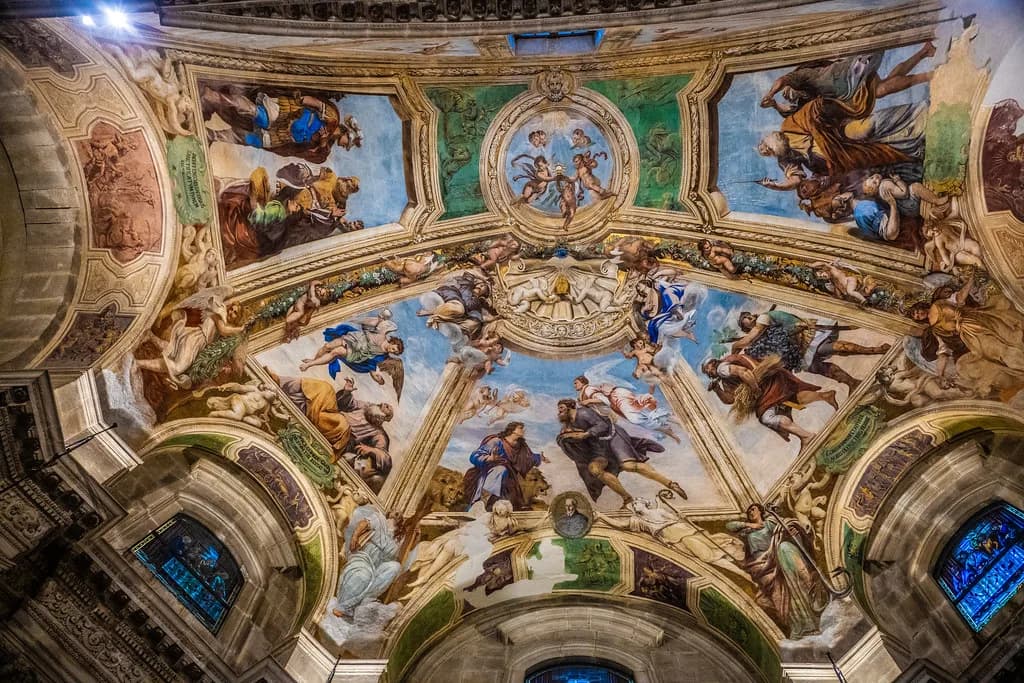
The nave is the centrepiece: the Greek columns stand free of the walls that once enclosed them, and the side chapels hold Baroque stucco, paintings and statues added over the centuries. Expect a dark, resonant interior rather than a brightly lit one, and allow your eyes time to adjust. The cathedral is an active place of worship, so keep your voice low and step aside for anyone praying.
The chapels lining the aisles range across later centuries. The Algilà guide notes that the church has three naves with paintings and sculptures, and that the chapels are decorated with Sicilian Baroque stuccoes. Look at how the ancient columns are framed by later decoration, which is where the centuries of change are easiest to see.
Free vs Paid Access: What to Confirm Before You Go
Sources disagree on whether entering the cathedral is free or charged. The Algilà guide, published in 2022, states that admission costs 2.00 euros per person. That is not necessarily current, and it should not be treated as a fixed fact. Trip.com lists a ticket price in a converted currency, which is also an aggregator figure, not an operator price. Before you travel, check the official diocesan website for the current policy. If a fee applies, expect it to cover the church itself rather than every collection within it.
Opening hours reported by aggregator sites conflict, and published timetables may change for services or seasons. The safest approach is to consult the diocesan website before you set out, especially if the cathedral is the main reason for your trip. If a page quotes a price or a time without a clear date attached, do not treat it as current.
Practical Tips for Visiting
Ortigia is small and easily covered on foot, so the cathedral works best as one stop in a slow wander rather than the anchor of a rushed day. The lanes around Piazza Duomo are paved with uneven stone, and the Sicilian sun is fierce in summer, so comfortable shoes, a hat and water matter more than a strict timetable. One traveler's advice to arrive early is anecdotal, not a rule, but mornings are generally cooler and quieter than the middle of the day.
Dress modestly, with shoulders and knees covered, as you would for any active Catholic church, even though a formal dress code is not always published. Photography is generally permitted for personal use, but be discreet during services. Plan on spending somewhere between thirty minutes and an hour inside if you want to read the interior properly, and leave time either side to walk the square. That timing is a suggestion, not an official estimate.
To reach Ortigia from the mainland, cross the short bridge separating the island from Syracuse's modern centre; there is no need for a car once you are on the island. Buses and trains linking Syracuse with the rest of Sicily stop on the mainland, so plan the final leg on foot. For other quiet corners nearby, see the guide to hidden gems in Syracuse.
What to Pair with the Cathedral
Within a few minutes' walk of the cathedral you can see the Fountain of Arethusa, where the mythic spring meets the sea. It works well as a short add-on rather than a full sight in itself, and it makes an easy circular walk from Piazza Duomo. Fonte Aretusa is also a good place to pause when the square becomes crowded.
At the far end of the island, Castello Maniace is a coastal fortress with views back over the water, and it makes a natural end point for a walk that begins at the cathedral. The historic palaces around Piazza Duomo, including Palazzo Beneventano del Bosco and Palazzo Borgia del Casale, and the Church of Santa Lucia alla Badia give the square its layered character, though their interiors keep separate policies and hours. These are separate sites, not part of the cathedral ticket.
Plan Your Visit
The Duomo di Siracusa rewards the traveler who arrives willing to look closely rather than tick a box. Check the diocese's own page for current admission and opening information, dress for a working church, and budget more time than you think for the square itself. The building's long history is legible in its stones, but only if you slow down enough to read it.
If the Duomo becomes one of several stops on an Ortigia wander, that is exactly the right way to experience it. Use the surrounding square and nearby waterfront to give the cathedral context, and let the island's compact scale work for you rather than against you.
Frequently Asked Questions
Is Syracuse Cathedral free to enter?
Sources conflict on whether entering the cathedral is free or ticketed. An older hotel guide mentions a small charge, but that may not be current. Check the diocesan website before you travel rather than relying on a published price.
What should I wear to visit the cathedral?
Dress as you would for any active Catholic church, with shoulders and knees covered, since it is a place of worship rather than a museum. No formal dress code is published as a rule, but modest dress is respectful.
How long does a visit to the Duomo take?
Allow roughly thirty minutes to an hour if you want to see the interior properly, plus extra time in Piazza Duomo. This is a suggestion for planning, not an official estimate. The building rewards slower reading of its layers rather than a quick pass.
Can you walk from Syracuse to Ortigia?
Yes, Ortigia is connected to the mainland by a short bridge and is easily walked once you cross. The historic centre is compact, so no car is needed on the island itself.
Sources
Continue exploring
More guides you'll find useful