Palazzo Bellomo Syracuse: A Visitor Guide to the Medieval Art Gallery
Plan a visit to Palazzo Bellomo in Ortigia, Syracuse: medieval and Renaissance art, Antonello da Messina's Annunciation, and what to confirm before you go.
On this page
Palazzo Bellomo sits on Ortigia, the island district at the heart of Syracuse, and it holds two attractions in one building: a medieval palace and the Regional Gallery of Syracuse. The gallery was inaugurated in 1948, according to Artsupp, and its rooms run from Byzantine-era pieces to eighteenth-century art. As an editorial estimate, allow roughly an hour to ninety minutes for a focused visit; that is a suggestion, not an official duration. This guide covers what to see, how the collection is arranged, and which practical details you should confirm before setting out.
Why Palazzo Bellomo Matters: The Regional Gallery of Syracuse in Ortigia
Palazzo Bellomo is the setting for the Regional Gallery of Syracuse, a collection that tells the art history of the city and of south-eastern Sicily. Most of the works came from churches and convents, acquired after laws suppressing religious orders, while others arrived through purchases and donations. That provenance explains why the galleries feel tied to local worship and civic life rather than assembled as a princely collection.
For visitors weighing how to spend a day on Ortigia, the museum is a compact, indoor stop that pairs naturally with the island's churches and squares. You can map the surrounding streets with our Ortigia Neighbourhood Guide, then slot the gallery into the middle of a walking day.
A Quick Orientation: Via Capodieci and the Ortigia Walk
The museum stands on Via Giuseppe Maria Capodieci in the historic centre of Ortigia. Artsupp gives the address as Via Capodieci 14 to 16, so look for a palace facade in the dense street grid rather than a purpose-built museum block. The location makes it an easy insert into a walking day between the Duomo and the seafront.
Because Ortigia is compact, distances between the museum, Piazza del Duomo and the Fountain of Arethusa are short on foot. Build the visit into the middle of the day, then continue your walk afterwards. If you want other offbeat stops to balance the museum, our guide to hidden gems in Syracuse covers quieter corners of the city.
The Palace Itself: Swabian Origins and Catalan Gothic Additions
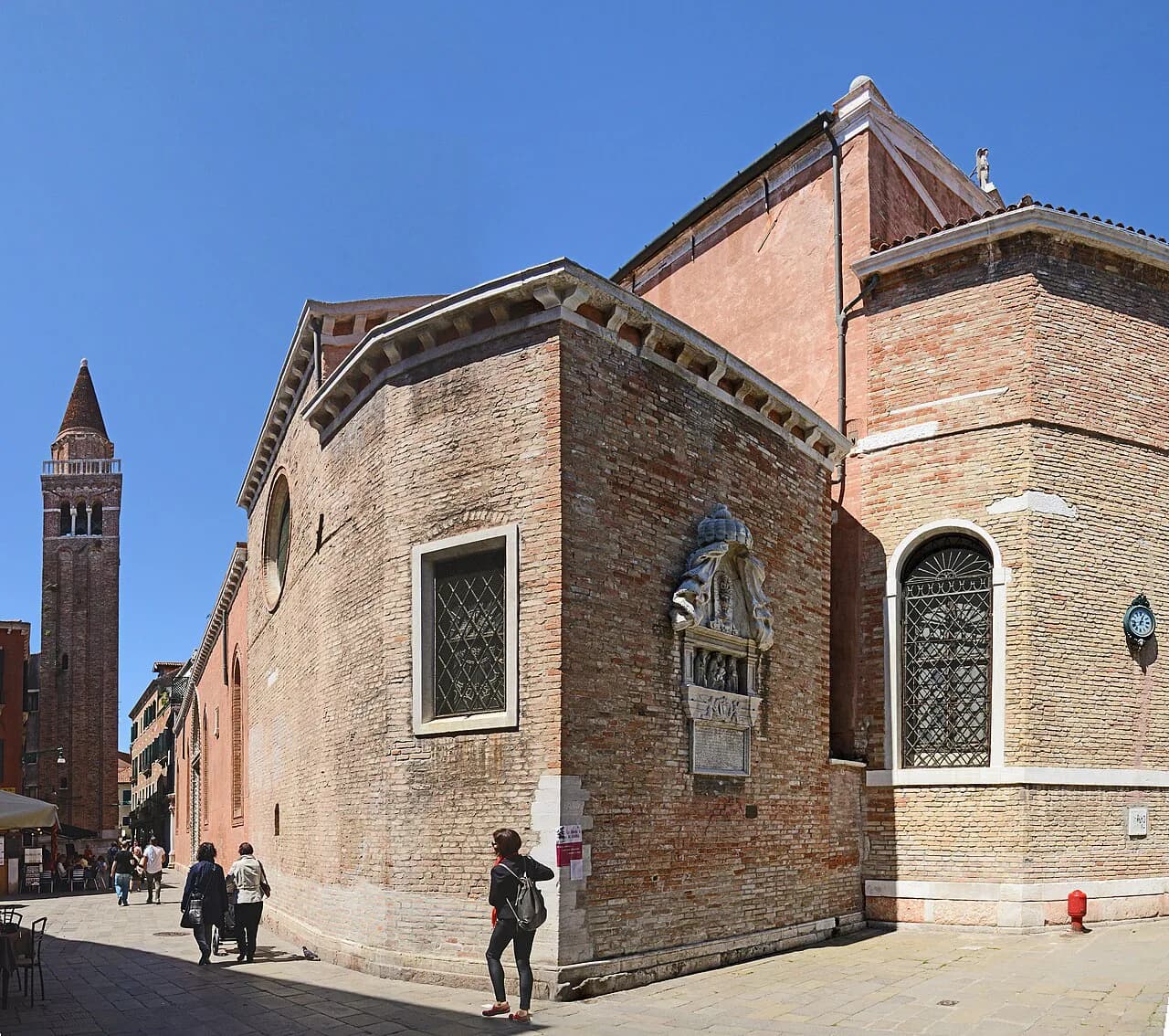
The palace dates to the thirteenth century and was built in the Swabian style, with features that originally suggested a medieval tower-house, including narrow splayed openings and a Gothic portal. A carved Swabian eagle on the keystone of the vestibule vault is one of the details to look up for. Reading the stonework before entering the galleries changes how you see the rooms.
Later phases added Catalan Gothic elements: single-lancet windows on the first order of the elevation, multi-light windows above, and a porticoed courtyard with an open staircase decorated with pierced stonework. In the eighteenth century, when the palace was joined to the neighbouring Parisio Palace, the Cortile delle Palme was created. Its east-west orientation means the courtyard catches sunlight through much of the day, a small architectural reward for looking up on the way in.
The Collection at a Glance: Byzantine to Eighteenth-Century Works
The exhibition follows a chronological path, spread across the ground and first floors, with eighteenth-century carriages displayed on the ground floor. The sculpture section includes works attributed to Francesco Laurana, Giovan Battista Mazzolo and the Gagini family, while the picture gallery gathers paintings from the medieval and modern periods. The tour ends with a small group of decorative arts: nativity scenes, wallpapers, ceramics and silverwork.
Treat the lower floor as a warm-up rather than an afterthought: the carriages and sculpture establish the material culture of the city before the paintings take over upstairs. The collection is deliberately regional, so the pleasure lies in following named local workshops rather than ticking off international blockbusters. If you enjoy this kind of collection, our guide to the Paolo Orsi Archaeological Museum makes a natural companion for the city's older layers.
What to See First: Antonello da Messina's Annunciation
The anchor work of the gallery is Antonello da Messina's Annunciation, painted in 1474. Algilà describes it as a mature balance between the close observation of Flemish painting and the geometric, luminous perspective of the Italian school. Its modern history includes a period of disappearance and later attribution, which makes the painting as much a detective story as an aesthetic highlight.
Head for this room early if you want unhurried viewing, then double back through the earlier galleries. The chronological layout rewards this small detour because the Annunciation gathers threads you have seen in the medieval panels before it. Look closely at the handling of light and detail, which is where the painting's reputation rests.
Beyond the Annunciation: Sculpture, Minniti and the Carriages
Alongside the Annunciation, the gallery holds sculptures attributed to Domenico Gagini and a canvas of the Martyrdom of Saint Lucy by the Syracusan painter Mario Minniti. Minniti was a contemporary and friend of Caravaggio, a connection worth noting when you reach the local Baroque rooms. The mixture of marble and canvas in one circuit shows how closely Sicilian churches commissioned across media.
One common confusion is worth clearing up: Caravaggio's Burial of Saint Lucia is not part of this gallery's display. According to Audiala, the painting was once housed here but is now at the Church of Santa Lucia alla Badia. Plan a separate stop at the church if that work matters to your trip.
How to Read the Visit: Chronology Across Two Floors
The gallery's chronological arrangement means the building doubles as a timeline: Byzantine and medieval pieces first, then Renaissance sculpture and painting, then the decorative arts at the end. Keeping that structure in mind prevents the rooms from blurring into one another. Notice how often works were rescued from suppressed religious houses, which gives the collection a salvage character.
As a suggested pace, one to one and a half hours is enough for the main galleries, though art lovers may want longer for the sculpture and paintings. The palace's layered architecture means there is as much to see in the fabric of the building as on the walls. Save some attention for windows, courtyards and the carved details between galleries.
Practical Visiting Notes: Confirm Hours and Tickets Before You Go
Opening hours reported for the museum differ between sources, so do not build your day around a figure copied from a blog. Artsupp's hours panel lists Tuesday to Sunday opening with Monday closed and a ten o'clock start, while Algilà gives a longer Tuesday to Saturday day and shorter Sunday hours and describes those times as of 2023. The safest step is to check the museum's own published information, or the official Aditus page for the site, before you visit.
Ticket prices also vary across third-party write-ups, and older figures should not be treated as current. Algilà's 2023 post lists a full and reduced price, but third-party prices date quickly; check the official ticketing channel when you confirm opening times, and ask on arrival whether any reductions apply to you.
Temporary exhibitions and special closures are not reliably published outside official channels, so check before travelling for a specific show. If the museum's site is unclear, a phone call or message to the venue is more dependable than a directory listing. Build a flexible half-day in Ortigia so a closure does not derail the rest of your plans.
Accessibility, Photography and Pacing: What to Confirm
Accessibility details for the palace's historic floors are not consistently documented, so contact the museum directly if you need step-free routes, lifts or assistance. Audiala's guide states that main galleries can be reached by ramps and lifts while some historic spaces may be difficult, but this comes from a third-party guide rather than the venue itself. Do not assume upper galleries are accessible without checking.
Non-flash photography is generally reported as acceptable in most areas, though posted signs always take precedence. Ask staff if you plan to photograph specific works, especially in smaller rooms where light levels are controlled. Pace yourself between floors: the staircase and courtyard are part of the experience, not just a route.
Pairing Palazzo Bellomo With Nearby Ortigia Sights
The Duomo di Siracusa and the Fountain of Arethusa are both within walking distance of the museum, which makes a natural half-day loop of church, gallery and seafront. Start at the cathedral in the morning, visit the gallery when the streets fill, and finish by the water. Our Syracuse Attractions hub collects the other stops worth slotting into the same walk.
If you have a full day, add a coastal fortress or one of the city's underground sites to the itinerary. Castello Maniace anchors the southern tip of Ortigia and balances the museum's interior focus with open skies and sea views. Keep the day flexible so weather and queue times do not force a rushed museum visit.
Plan Your Visit
Palazzo Bellomo rewards travellers who treat it as both a museum and a historic building: the Swabian and Catalan layers frame a collection that runs from Byzantine pieces to the Annunciation of 1474. Confirm opening hours and ticket arrangements through official channels before you go, since third-party listings disagree and older posts date quickly. Build the visit into an Ortigia walking day, and you will leave with a clearer sense of how Syracuse's art and architecture fit together.
Frequently Asked Questions
What can you see at Palazzo Bellomo in Syracuse?
The Regional Gallery of Syracuse occupies the palace and displays medieval and modern art, including sculpture, paintings and decorative arts. Highlights include Antonello da Messina's Annunciation, works attributed to Domenico Gagini, Mario Minniti's Martyrdom of Saint Lucy and eighteenth-century carriages on the ground floor.
Is Antonello da Messina's Annunciation in Palazzo Bellomo?
Yes. The Annunciation, dated 1474, is the gallery's best-known painting and is displayed as part of the chronological route through the collection. Look for it in the picture gallery after the medieval sculpture rooms.
How long does a visit to Palazzo Bellomo take?
There is no official duration. As an editorial estimate, most visitors can see the main galleries in about one to one and a half hours, while art lovers may want longer for the sculpture and paintings.
Is the museum open on Sundays?
Sources disagree on the exact weekly schedule, with some listing a shorter Sunday day and others a full day. Check the museum's own published hours or the official ticketing page before you travel rather than relying on a directory listing.
Is Palazzo Bellomo accessible for wheelchair users?
Accessibility information is not consistently published. Contact the museum before visiting to ask about step-free routes, lifts and access to the upper galleries, especially if you need to avoid stairs.
Can you take photos inside Palazzo Bellomo?
Non-flash photography is generally reported as permitted in most areas, but posted signs and staff instructions take priority. Ask before photographing specific works or using any equipment beyond a phone or camera.
Where is Caravaggio's Burial of Saint Lucia now?
The painting was formerly associated with Palazzo Bellomo but, according to one visitor guide, is now at the Church of Santa Lucia alla Badia in Syracuse. If you want to see it, treat that as a separate church stop and confirm the church's own opening times before travelling.
Sources
Continue exploring
More guides you'll find useful