Paolo Orsi Museum Syracuse: Visitor Guide to the Collection
Plan a visit to Syracuse's Paolo Orsi museum: its mainland setting near Neapolis, what to see in sections A to D, and how long to allow.
On this page
The Museo Archeologico Regionale Paolo Orsi is the reason many travellers build an extra half-day into Syracuse. It gathers finds from across eastern Sicily, from prehistory to late antiquity, in a modern pavilion inside the Villa Landolina park.
The first practical point to absorb is location. The museum stands on the mainland at Viale Teocrito 66, roughly 1.5 to 2 km from both the train station and the island of Ortigia, close to the Neapolis Archaeological Park. That makes it a natural companion to the ruins rather than a stop on an Ortigia wander.
Where the Museum Is and Why It Changes Your Day
The Paolo Orsi occupies the park of the Villa Landolina on Syracuse's mainland, a short walk from the Neapolis Archaeological Park and a longer one from the old town. If you are staying on Ortigia, budget the transfer in each direction rather than assuming you can tack the museum onto a cathedral visit.
The relocation is part of the museum's story: the collection began in the old civic museum on Ortigia, outgrew it, and moved into the purpose-built star-shaped pavilion in 1988. Knowing this helps you see the building as a container for a regional collection rather than a city museum.
Getting There and Slotting It Into Your Day
On foot is the simplest approach from central Syracuse or Ortigia, and the walk from the station area is manageable without a car. If you are driving, approach roads near the city centre serve the museum and there is parking nearby, but the museum does not publish its own car park as a visitor facility.
The most sensible sequence is ruins first and museum second. Visit the open, shade-poor Neapolis park in the cooler morning, then move into the air-conditioned museum at midday; this pairing lets you see the buildings in the landscape and the finds that came from them in context. The Neapolis Archaeological Park Visitor Guide covers the theatre, amphitheatre and quarries in more detail.
Within the park, the Greek Theatre is the anchor sight, and the Greek Theatre of Syracuse guide explains its scale and history. Give the ruins their own slot rather than rushing them to reach the museum before closing.
Ticket Scope: Single Museum or Museum Plus Neapolis
Do not assume one ticket covers everything in the area. The Paolo Orsi is a regional museum with its own admission, while the Neapolis park is a separate site; a combined ticket exists but must be chosen deliberately at the ticket desk. Confirm current prices and exactly what each ticket includes on the day, because published figures vary between sources and change over time.
The combined option is usually the better value if you plan to see both the museum and the Neapolis park, and you do not have to cram them into a single day. Ask how long the combined ticket remains valid before you buy, since validity rules are not standard across sites.
A reduced tier exists, but eligibility depends on age, citizenship and identification, so bring ID and check the current rule rather than relying on a memory of the concession. For exact admission, call the museum's ticket inquiry line or check the official Aditus Culture page before travelling.
Opening Pattern and What to Verify
The reliable pattern is a Tuesday-to-Saturday opening rhythm with Monday closure. Beyond that, treat hours as volatile: public holiday timetables and any seasonal changes should be confirmed shortly before your visit. Sunday opening is not consistent across the sources, so check directly if a Sunday is your only possible day.
First-Sunday-of-month free admission is a common Italian museum convention, but it is not a guaranteed rule you should build a trip around. Confirm it with the museum or the official site instead of assuming free entry, and note that free days often mean crowded ticket desks.
The ticket office generally closes ahead of the museum itself, so leave a margin if you are arriving late in the day. A quick call to the museum before a long journey is worthwhile when the visit is the main purpose of your trip.
What the Collection Actually Is
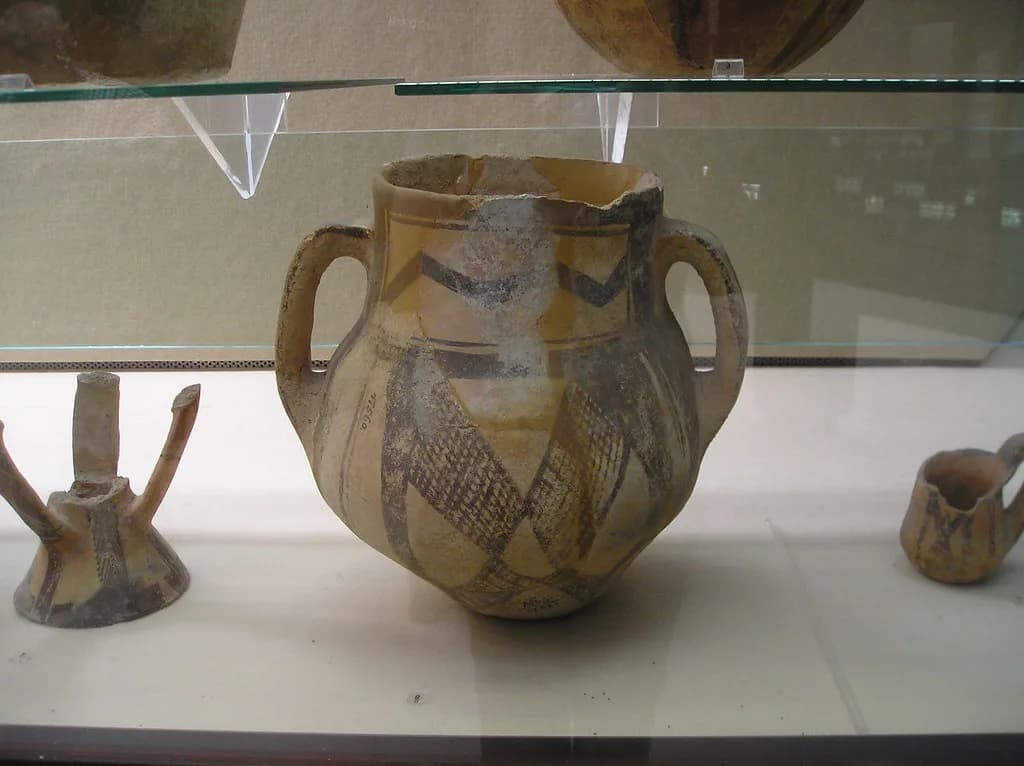
Around 18,000 objects are on display, tracing eastern Sicily from prehistory through Greek colonisation to late antiquity. The layout is organised into four main sections, A to D, which you largely follow in chronological order across a long, multi-level route.
The name honours Paolo Orsi, the archaeologist who excavated across Sicily and laid the scientific groundwork for the institution. The collection is regional rather than municipal: it covers Greek foundations such as Naxos, Katane and Megara Hyblaea as well as Syracuse itself, which is why it rewards a slower visit than a city museum would.
The oldest material reaches back through the Palaeolithic, Neolithic and Bronze Age, and the museum also holds medieval and modern works in its wider holdings. For most visitors, though, the archaeological sequence is the reason to come.
Highlights to Prioritise
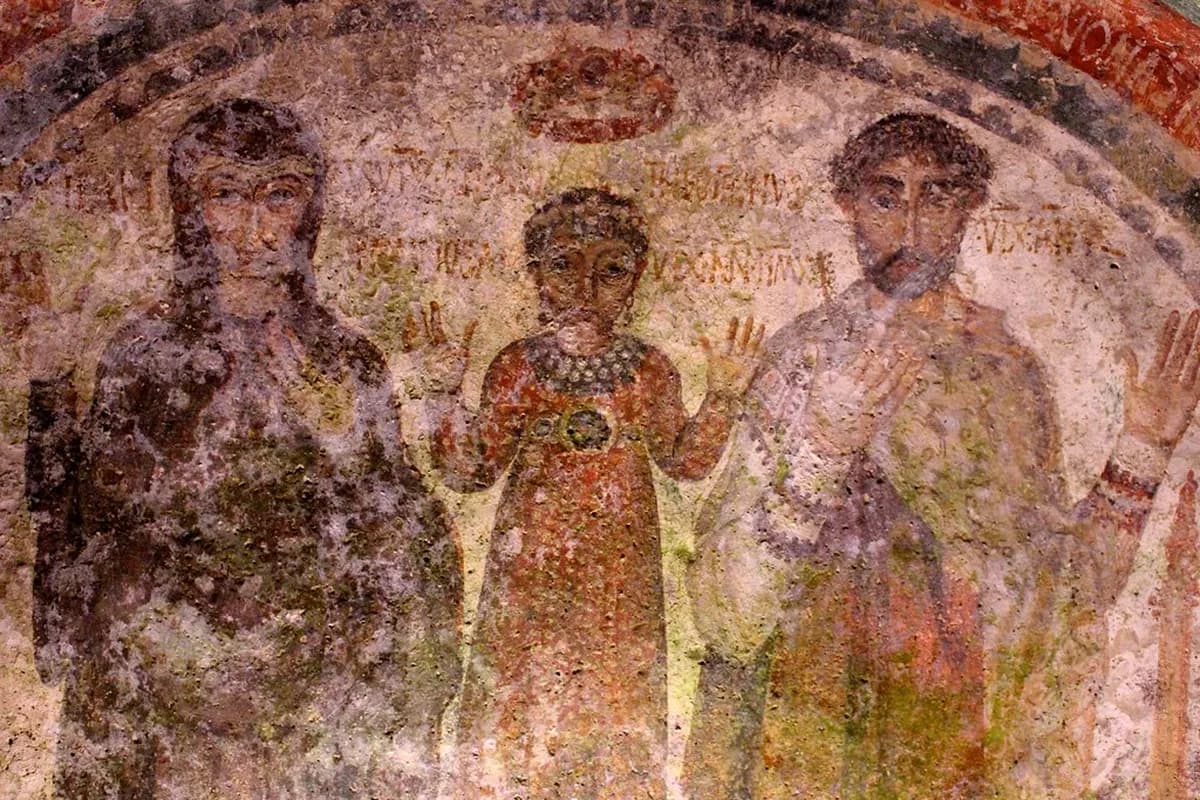
Start with the Venus Landolina, the Roman marble statue of the goddess rising from the sea and the museum's landmark piece; it was found in the park in 1804. Nearby, the Sarcophagus of Adelfia from the catacombs of San Giovanni is the centrepiece of the late antiquity and early Christian material.
The skeletons of extinct Sicilian dwarf elephants are a visitor favourite in the prehistory section and are often linked to the ancient legend of the cyclops. In the Greek colonisation rooms, look for the Kourotrophos from Megara Hyblaea, the nursing goddess.
The Medagliere coin collection, with its Syracusan decadrachms, is a specialist highlight, but access may be limited. There is a separate papyrus museum in Syracuse for that plant's history; the Paolo Orsi's strength is the archaeological sequence, so do not skip the main galleries to hunt for a single case.
A Realistic Visit Duration
As an editorial suggestion informed by the museum's size, plan about 1.5 hours for a highlights route covering the Venus Landolina, the dwarf elephants, the Sarcophagus of Adelfia and the coins. Allow 2.5 hours or more if you want to work through all four sections properly; the site is large and spreads across several levels.
Pick up a floor plan at the entrance, because the chronological route is long and it is easy to lose your place between sections. If you are visiting with children or in hot weather, the highlights route is the kinder option and still gives a coherent picture of the collection.
Comfort Notes and Who Might Skip It
The air conditioning makes the museum a smart refuge during the hot midday hours, when the Neapolis park offers little shade. If your interests lean toward baroque streets and sea views rather than archaeology, the museum may feel like a detour; the hidden gems in Syracuse guide offers alternatives for that kind of day.
Combining the museum with Ortigia works well if you treat them as two halves of a day: ruins and museum in the morning, then a slow walk through the old town in the afternoon. For a longer stay, our three-day Syracuse itinerary can help you decide how much time to give each area.
Do not expect a quick in-and-out stop. The collection rewards at least an hour and a half, and squeezing it between other appointments usually means missing the pieces that make the museum worth the trip.
Plan Your Visit
Treat the Paolo Orsi as the indoor half of a Neapolis day: arrive on the mainland, see the ruins while it is cool, then spend the hotter hours with the Venus Landolina and the regional collections. Confirm the ticket scope and opening hours before you go, and ask about the Medagliere on arrival.
If you have time for more of the city, the Castello Maniace: Visitor Guide to Ortigia's Fortress covers the sea-edge fortress, and the Syracuse Attractions hub lists the rest of the sights to slot around the museum.
Frequently Asked Questions
Is the Paolo Orsi museum on Ortigia or on the mainland?
It is on the mainland in the Villa Landolina park at Viale Teocrito 66, roughly 1.5 to 2 km from Ortigia and the station, close to the Neapolis Archaeological Park. Plan the transfer rather than assuming you can walk out of an Ortigia hotel and into the museum.
How long does a visit to the Paolo Orsi museum take?
As a suggested plan, allow about 1.5 hours for the headline pieces and 2.5 hours or more to work through all four sections. The galleries are long and multi-level, so pick up a floor plan at the entrance.
Is the combined ticket with the Neapolis Archaeological Park worth it?
If you intend to see both the museum and the park, the combined ticket is usually the better value, but you must choose it at the desk and ask how long it stays valid. Confirm current prices and what each ticket includes before buying.
Is the museum closed on Mondays?
The general pattern is Tuesday to Saturday opening with Monday closure, but public holiday hours and seasonal changes vary. Check directly with the museum or the official site before a visit, especially if a Sunday or holiday is your only option.
What are the must-see pieces in the Paolo Orsi collection?
Prioritise the Venus Landolina, the Sarcophagus of Adelfia, the dwarf elephant skeletons and the coin collection. The Medagliere may have limited access, so ask on arrival rather than planning your route around it.
Can I visit the museum and Neapolis in one day?
Yes, and it is the most coherent way to see the site and its finds. Visit the open park in the cooler morning and move into the air-conditioned museum at midday, confirming ticket scope and hours before you start.
Sources
Continue exploring
More guides you'll find useful