Best Day Trips from Syracuse, Sicily: How to Reach Them
Plan day trips from Syracuse, Sicily: Ortigia on foot, Neapolis by the city gate, Etna by cable car, Taormina and beaches, with realistic transport trade-offs.
On this page
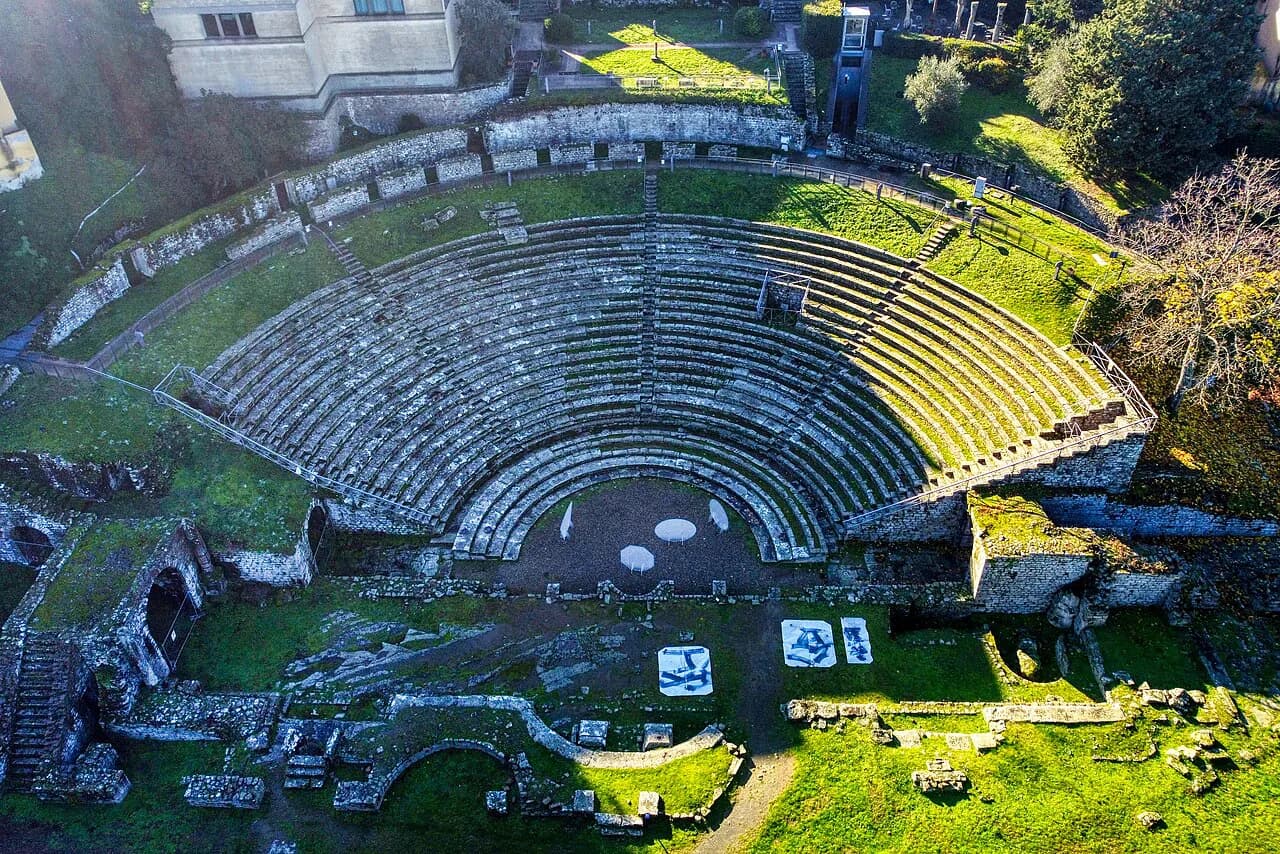
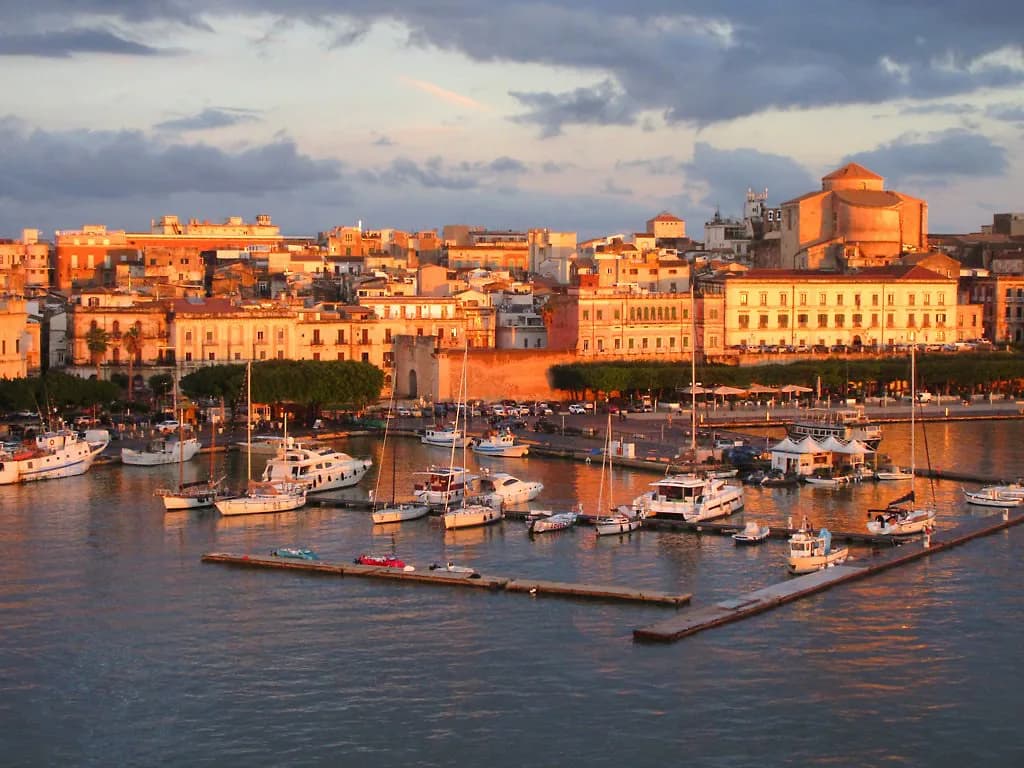
Syracuse rewards travellers who treat the city as a base rather than a single stop. Ortigia, the historic island at its heart, is crossed on foot over the bridges that link it to the mainland, and the Neapolis archaeological park lies close enough to reach in a short outing. One ticketing operator describes the park as twenty-four hectares holding the Greek Theatre, the Roman Amphitheatre and the Ear of Dionysius.
The harder question is not where to go but how the journey works. A walk across a bridge, a train up the coast and a cable car onto a volcano are three different kinds of day, each with its own waiting time, ticket queue and return leg. The sections below move outward from the city, and for every option the aim is to name the trade-off rather than rank the destinations.
Car, train or guided tour: the choice that shapes the day
A rental car buys flexibility and costs you parking. Ortigia sits inside a restricted traffic zone, so drivers park in Syracuse and walk over one of the bridges; a hotel inside the zone can sometimes arrange an exemption, which is worth asking about at booking rather than risking a fine. The main parking area near the island is roughly 500 metres out, keeping the approach on foot short.
Trains are the low-stress option for the coastal run north towards Catania and Taormina, and Syracuse's station sits near the Neapolis park, about a 30-minute walk from Ortigia. What you lose is reach: the last stretch to hill towns and beaches usually needs a bus, a taxi or a lot of walking. Guided tours remove that problem at the cost of someone else's timetable and a fixed set of stops.
Whichever you pick, settle the return leg before you leave in the morning. Confirm the last service with the operator on the day, keep a buffer, and treat any timetable you read in a guidebook as a starting point rather than a promise. Our Getting Around Syracuse: Transport and Arrival Tips covers the city end of that planning.
Ortigia: the half-day trip with no transport at all
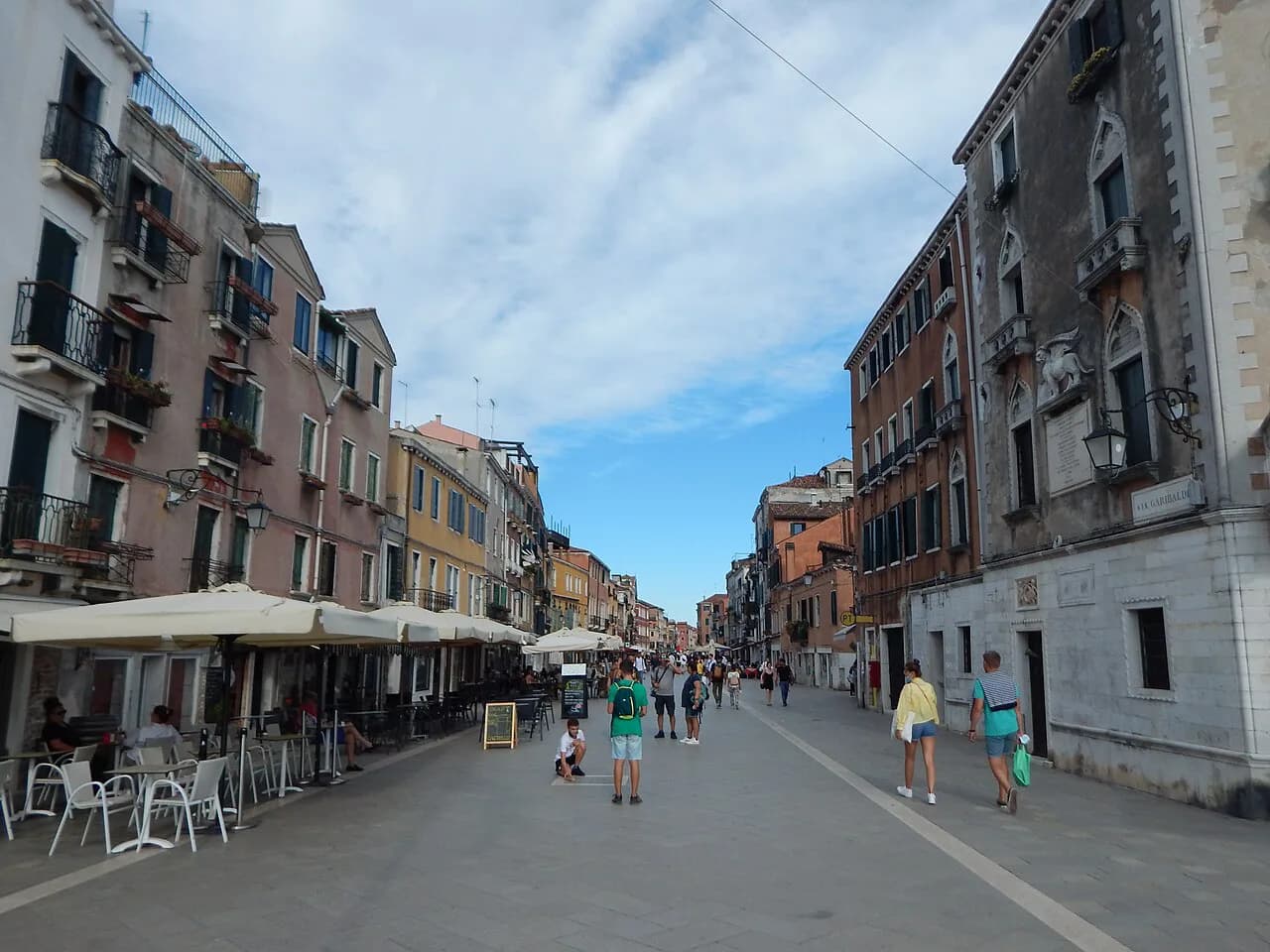
Ortigia is the obvious first excursion because it costs nothing to reach. Very few cars circulate on the island, which makes it a natural place to put the map away and wander the side streets off the main squares between the Temple of Apollo, Piazza Archimede and the waterfront. A morning there plus one paid interior is a realistic half-day.
The key distinction is between free public space and paid interiors. Piazza Duomo, ringed by baroque palaces with the cathedral as its centrepiece, costs nothing to walk through, while entering the cathedral is a separate small charge, and a combination ticket with the adjoining museum is sold separately. The Doric columns of the Temple of Athena remain visible inside the cathedral, a detail worth knowing before you decide whether the interior fee is worth it to you.
At the southern tip, Castello Maniace guards the island's end. A local hotel guide reports that it closes in the early afternoon, with longer Saturday hours, and that published times can vary, so visit before lunch rather than saving it for the end of the day. Confirm current arrangements before you build a route around it.
Beyond the headline sights, the smaller corners of the island are where a slow morning pays off. Our guide to the hidden gems in Syracuse covers quieter lanes and lesser-known stops that fit neatly around a Piazza Duomo visit.
Noto, Modica and Ragusa: one baroque town, not three
These three southeastern towns look combinable on a map, especially since Earth Trekkers gives drives from Syracuse of around 45 minutes to just over an hour. In practice, a tour that covers all three in one day moves fast, and without a car the buses add enough time to make the day stressful. The realistic advice is to pick one town and give it a proper morning and afternoon.
Noto is the usual first choice: a compact baroque centre, the cathedral and the Nicolaci Palace within a short stroll of each other. Modica, further west, is built around the steep Duomo of San Giorgio and is known for its chocolate, while hilltop Ragusa rewards those willing to walk between its two levels. One Sicily-based writer reports that buses add considerable time to the journey and suggests sticking to a single town without a car.
If you want all three without driving, a guided excursion is the practical compromise, and operators in Syracuse run them. Otherwise choose Noto for a relaxed day and save the other two for a longer stay. For a wider view of how the city fits into a trip, Syracuse in 3 Days: The Complete Itinerary shows where an out-of-town day slots in.
Mount Etna: cable car and the public-transport trap
Etna is the most ambitious day trip that still works from Syracuse, and the most rewarding for anyone willing to start early. The mountain stands around 3,300 metres, roughly 100 kilometres north of the city, and the usual approach is a guided tour or a rental car. From the cable car's upper station a guided trail continues towards the summit area, a round trip that takes about four hours on foot before the cable car is counted.
Public transport is technically possible and practically painful. The route means a train to Catania and then the AST bus to Rifugio Sapienza, with a single morning departure and a single return each day. Miss the return and you are stranded, so this option only suits travellers with a spare night and a tolerance for risk.
Dress for cold at altitude even in a Sicilian summer, bring proper shoes for the lava ground, and accept that summit access depends on volcanic conditions and guide decisions on the day. Confirm with your operator what the tour includes and where it ends before you book.
Taormina: the polished half-day north of Syracuse
Taormina sits around 120 kilometres north of Syracuse, and the two ways of getting there trade differently. By car, one writer allows roughly an hour and a half from the city; by train, the journey is given as about two hours, with multiple daily departures. From Taormina's station the town centre is reached by bus, cable car or on foot, so build that final climb into your timing.
A few hours in the centre are enough for the essentials: a walk along Corso Umberto, the Greek-Roman Teatro Antico, the gardens of Villa Comunale and the medieval Duomo. Arrive before midday if you want to see the theatre without the coach-party crush, and keep the last train firmly in mind before sitting down to a long lunch. Further visitor details appear in A Complete List of the 6 Best Day Trips from Siracusa – Sicilian Traveler.
Taormina is also the natural extension of a Catania stop, and many travellers pair them. If your time is short, decide between the two rather than trying to do both in a single day, because the transfers will eat the afternoon.
Southern beaches: Arenella, Ognina and Fontane Bianche
When the city heat becomes too much, the coast south of Syracuse is the answer. Arenella is the closest of the three beaches, with a long golden stretch enclosed by rocks, and buses connect each spot for travellers without a car. With a rental car you can move between them at your own pace, which is the more comfortable option in high season.
Ognina is described as getting fewer crowds but being much stonier, and as better suited to swimming and snorkelling than to lounging, while Fontane Bianche has powdery white sand and shallow water that suits families. None of these are untouched secrets, especially in August, so arrive early to claim space. Bring shade, since organised lidos and their pricing change from season to season and are worth checking on arrival.
The same source places all three beaches within about a 30-minute drive of the city, which makes them an easy afternoon rather than a full expedition. Combine one with a slow morning in Ortigia and you have a complete day without a single long transfer.
Ortigia and the sea caves by boat
The other coastal option keeps you close to shore. Boat trips from Syracuse circle Ortigia, pass under its bridges and visit the sea caves along the Ionian coast, often combined with a stop in the Plemmirio reserve. Many of these are half-day expeditions, which makes them a sensible fit if you are working around a tight schedule.
Boats are also the one way to see the city from below, with the Maniace fortress and the sea walls appearing in profile. Sea conditions decide whether a trip runs, so book with a provider that confirms on the morning and be ready to swap the plan if the wind turns.
Agrigento's Valley of the Temples: worth the sacrifice
The Valley of the Temples is the long-haul option, more than 200 kilometres away in south-western Sicily, and it claims a full day rather than a half. Public transport does not realistically cover it, so the choice narrows to a guided tour or a long self-drive. Once there, the Doric temples spread across more than 1,000 acres and a thorough circuit took one local writer almost three hours.
Self-guided visits are generally the better experience here, because the site is large and group tours move at a forced pace. Bring water and sun protection, since shade between the temples is limited. If this is your only reason for heading west, consider an overnight rather than a punishing return on the same day.
Staying put in Syracuse: the city's own sights
Staying in the city costs you nothing in transport and returns a surprising amount. The Neapolis park covers the Greek Theatre, the Roman Amphitheatre, the quarries of Latomia del Paradiso and the Ear of Dionysius, a cave around 23 metres high with an S-shaped plan whose acoustics feed the legend that the tyrant Dionysius eavesdropped on prisoners. Around 1608 Caravaggio gave it the name that stuck. For wider planning, see Getting Around Syracuse.
The Paolo Orsi museum sits a short distance from the park and is a separate ticket, holding finds from across the region and offering relief on a hot or wet afternoon. A listing for the museum gives a suggested visit of 2 to 3 hours, which is a useful planning figure rather than an official one. Keep the two visits separate in your budget.
The catacombs of San Giovanni, one of the largest early Christian burial complexes outside Rome, can only be seen on a guided tour of around 40 minutes, so check tour times before setting out. Pairing them with the museum works well because both sit away from the seafront and share the same afternoon.
The Neapolis area also holds the Altar of Hieron II, a vast sacrificial altar of which only the base survives, and the Roman amphitheatre with its central drainage channel. A morning route through the park before the heat builds, followed by an indoor museum, is the classic summer pattern. Our Neapolis Neighbourhood Guide: Syracuse's Archaeological District sets out the layout.
Practical planning: tickets, timing and heat
Assume that every site has its own ticket. The Neapolis park, the Paolo Orsi museum, the catacombs and individual church interiors are priced separately, and a single payment never covers a whole district. Prices change, so check each site directly before you travel instead of trusting an old figure. On designated free-entry days, tickets are usually issued only at the on-site ticket offices, so arrive early.
Season matters more than any itinerary trick. Summer heat makes exposed quarries and open beaches hard work in the middle of the day, while milder months suit long walks and coastal trails. If you are deciding when to come, our Best Time to Visit Syracuse: Avoiding Crowds and Enjoying the Weather explains how crowds and temperatures shape each season.
The city council publishes transport, event and civic service notices on its own site, which is the place to check for local changes rather than a travel blog. Use it to confirm anything that affects your route, then treat operator timetables as the final word for trains and buses.
Where the guide books stop
Beyond the marquee sites, the quieter corners of the city and the towns nearby reward slower travel. Our hidden gems in Syracuse guide covers overlooked corners that fit between the coarser stops, and the Syracuse Attractions hub gathers visitor pages for the individual monuments. Italian travel guides for other cities can help you plan a longer Italian trip around this coastal base.
Match the Trip to the Day You Have
The best excursions from Syracuse are the ones that fit the hours actually available. Ortigia on foot for a half day, the Neapolis park with the Paolo Orsi museum for a full one, and Noto, Etna, Taormina or the southern beaches only when you have a long day and a settled way back. Confirm prices, opening arrangements and last services with the operators before you commit, because those are the details that change.
Then leave slack in the plan. A buffer turns a rushed dash into an extra hour in a piazza, and in Sicily that extra hour is usually the part you remember.
Frequently Asked Questions
Can you walk to Ortigia from Syracuse?
Yes. Ortigia is the historic island at the heart of Syracuse, joined to the mainland by bridges, and it is small enough to explore entirely on foot, with very few cars on its streets. Paid interiors such as the cathedral and the castle are separate stops with their own rules, so check before building a route.
Do you need a car for day trips from Syracuse, Sicily?
Not for the city. Ortigia is walkable, the Neapolis park and the Paolo Orsi museum sit within the urban area, and buses reach the southern beaches. A car or a booked tour helps for Noto, Modica, Ragusa, Etna, Taormina and Agrigento, where public transport adds substantial time.
Can you visit Noto, Modica and Ragusa in one day from Syracuse?
You can, but only with a car or an organised tour, and the day will be fast. Without a car, buses add enough time that one town is the better choice. Noto is the most compact for a first visit, while Modica and Ragusa reward a longer stay.
Is Mount Etna reachable by public transport from Syracuse?
Technically yes: a train to Catania and the AST bus to Rifugio Sapienza, but there is only one morning departure and one return each day. Missing the return leaves you stranded, so most travellers sensibly choose a guided tour or a rental car instead.
What can you see in Syracuse in one day?
A workable day covers the Neapolis park in the morning, when the quarries and the Greek Theatre are cooler to walk, then Ortigia in the afternoon for Piazza Duomo and the waterfront. Add the Paolo Orsi museum only if you move briskly, since the park alone can absorb half a day.
Do the Neapolis park and Paolo Orsi museum share a ticket?
No. They are separate sites with separate entry, even though they are close together, so budget for each. Check current prices directly with the park and the museum before you travel rather than relying on older guidebook figures.
Sources
- 10 Things to Do in Syracuse & Ortigia, Sicily
- A Complete List of the 6 Best Day Trips from Siracusa – Sicilian Traveler
- Syracuse ... The Archaeological Park
- Comune di Siracusa
- Tickets for Neapolis Archeological Park with Audioguide | musement
- Maniace Castle in Syracuse: Discover the Majestic Bastion on the Sea
- The Ear of Dionysus, in Syracuse: between legends and nature
- Museo Archeologico Regionale P. Orsi Tickets [2026] - Promos, Prices, Reviews & Opening Hours | Trip.com
- Duomo Square - Syracuse (Siracusa), Sicily - Italy - ItalyGuides.it
Continue exploring
More guides you'll find useful