Free Things to Do in Syracuse, Sicily: A Budget Guide
Plan a low-cost day in Syracuse, Sicily: free squares, fountains and coastal walks in Ortigia, plus which cathedrals, parks and castles charge and how to budget.
On this page
Syracuse, Sicily, rewards travellers who slow down and look. The historic centre of Ortigia is compact and walkable, and its finest experiences are often outdoor: a baroque square, a sea view, a fountain. But it is easy to assume everything is free, or conversely that every church and ruin requires a ticket. This guide draws a clear line between what you can enjoy without paying and what is worth budgeting for.
One concrete starting point: Piazza Duomo is a public square, free to enter and wander, ringed by baroque palaces and the cathedral. ItalyGuides describes the piazza's semi-oval shape and the Palazzo Senatorio, the city hall, on the site of an ancient Ionian temple. Even if you skip paid interiors, the square itself is a free architectural showpiece. For a full day plan, see Syracuse in One Day: A Perfect 1-Day Itinerary.
What's actually free in Syracuse
Start by separating public space from paid attractions. Streets, squares, the seafront promenade and the exterior of churches are generally free to walk. The Neapolis Archaeological Park and Maniace Castle are separate ticketed sites. The Cathedral (Duomo) presents a mixed case: the building is a working church, and whether you can enter without a ticket depends on the time and any restrictions, so check at the door rather than assuming.
The city's official website is the place to verify temporary closures or access rules before you go. It also lists events and notices that can affect a visit, from cemetery hours to ZTL restrictions in Ortigia. Use it as a reality check rather than relying on old blog posts.
Piazza Duomo and Ortigia's squares: free to wander
Piazza Duomo is the beating heart of Ortigia, and simply walking through it costs nothing. EnVols notes that the square is particularly beautiful at sunset and after dark when it is lit up, ringed by baroque palaces including Palazzo Beneventano del Bosco and Palazzo del Senato. The cathedral is the jewel, but the piazza's atmosphere is free.
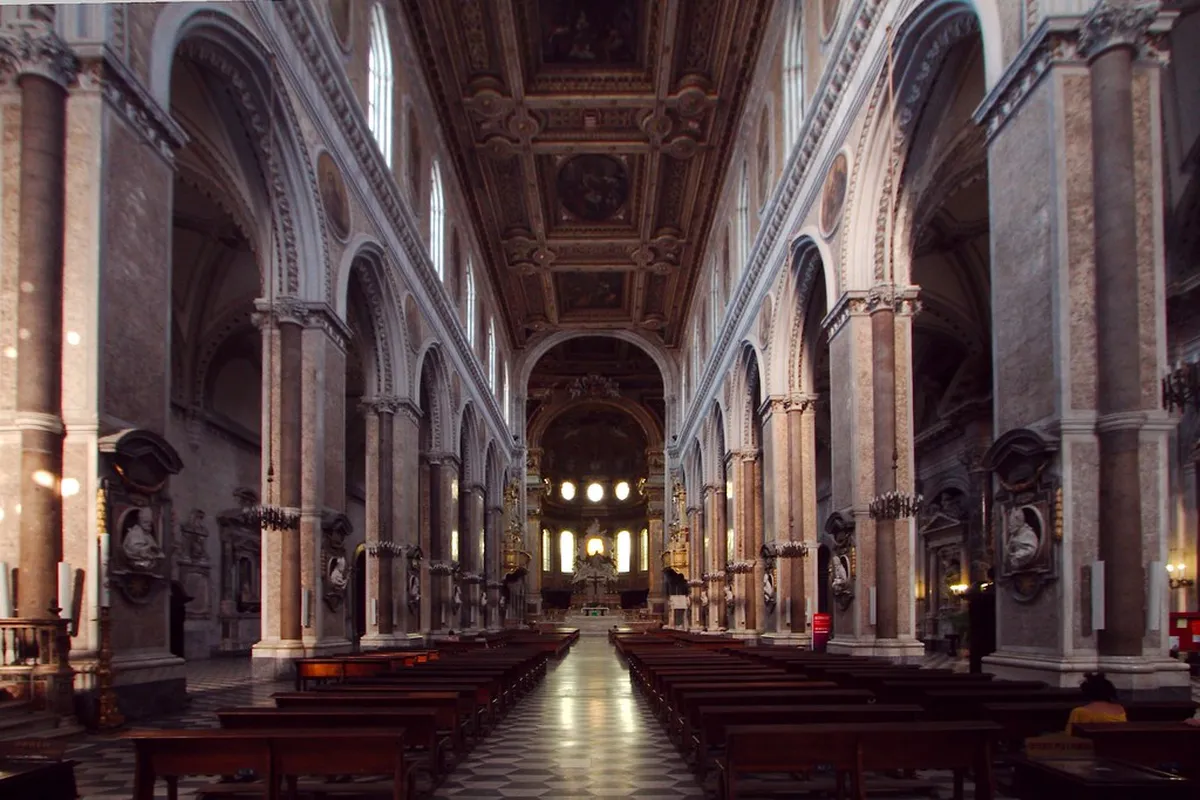
The Duomo itself blends pagan and Christian history: ItalyGuides explains that the site held a temple to Athena, later converted into a church, and that Doric columns remain visible in the left nave. You can appreciate the exterior and the square without buying anything. If you want to go inside, look for notices at the entrance about any ticket or restriction.
The Syracuse Cathedral: outside free, inside check at the door
The cathedral's facade dates from the 1700s after the 1693 earthquake, but the building's core is older. ItalyGuides describes how the Temple of Athena was converted into a Christian basilica, with the spaces between columns closed and the interior reused. That layered history is visible from the piazza, and the square is free.
Whether you can step inside without a ticket is not fixed in the sources consulted. Churches in Italy often allow free entry for prayer but may charge for certain areas or at certain times. The practical move is to approach the entrance and read the posted rules, or ask staff. Do not budget on the assumption that the interior is free.
Fountain of Arethusa and the Ortigia lungomare
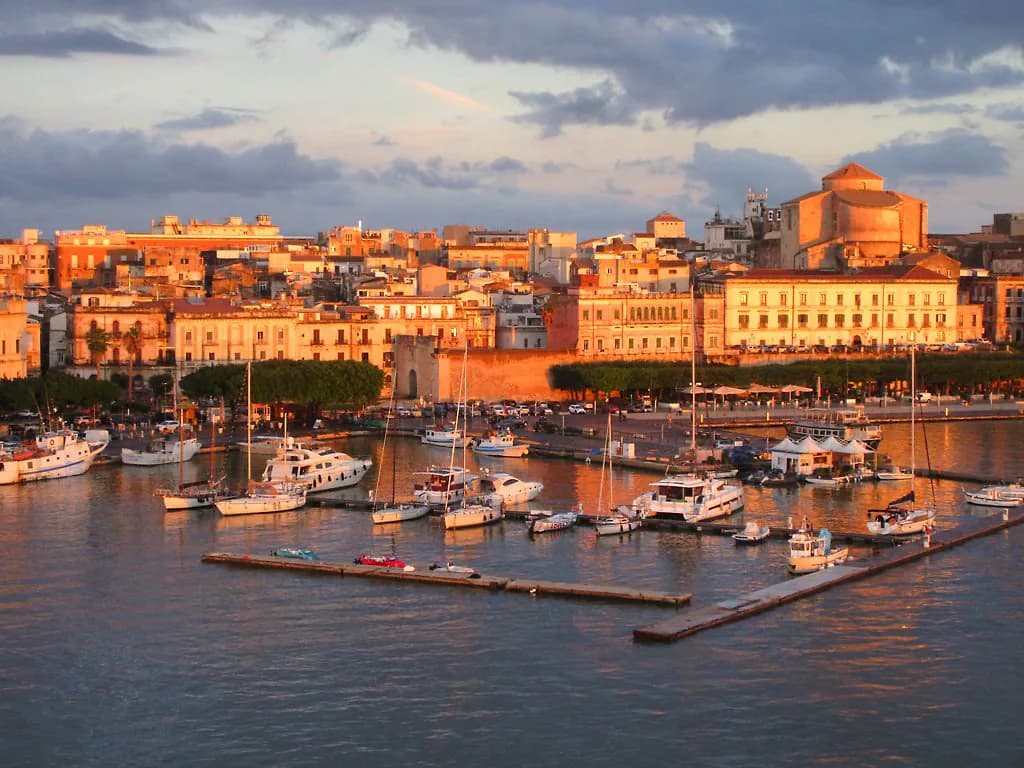
The Fountain of Arethusa sits at the edge of Ortigia and is a natural landmark you can visit without a ticket. The surrounding lungomare, or seafront promenade, is free to walk and offers views across the water. This is the kind of low-cost pleasure that makes a budget day in Syracuse feel generous rather than sparse.
The walk from Piazza Duomo to the fountain and along the promenade is short and mostly flat. Use it as a connective thread between free sights. If you are planning a full itinerary, the Syracuse Local Food Guide: What to Eat and Where can help you slot in a budget-friendly meal without derailing the day.
Maniace Castle: a separate paid site at the tip of Ortigia
Maniace Castle anchors the southern end of Ortigia and is a separate ticketed attraction. Built in the 13th century under Frederick II, it is a Swabian fortress with a distinctive entrance portal and sea views. Even if you do not go in, walking to its walls gives you a sense of the island's defensive history.
Published ticket figures circulate online, but they should be treated as potentially outdated. A hotel blog lists a full price and a reduced price, but such figures change and the source is not the official operator. Before you rely on a price, check the castle's official channels or ask at the ticket office. The same caution applies to opening hours.
Neapolis Archaeological Park: one ticketed complex, not a free site
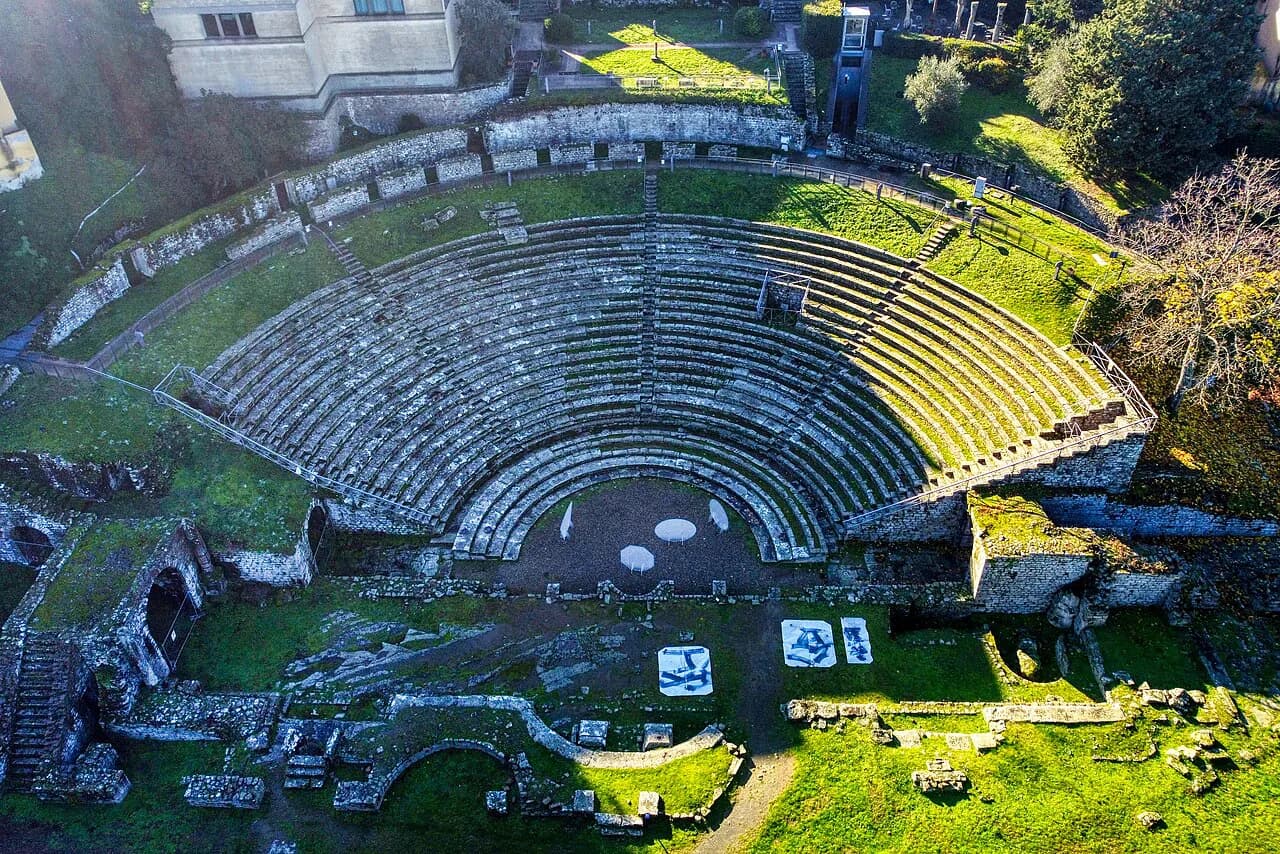
The Neapolis Archaeological Park is a paid, ticketed complex, not a free public garden. It contains several major monuments, including the Greek Theatre, the Roman Amphitheatre and the Ear of Dionysius. A single entrance ticket covers the park, but do not assume that every site in Syracuse shares that ticket; Maniace Castle, for example, is separate.
Because prices and opening hours can change, treat any figure you see online as indicative. Musement lists entrance fees and notes that the official ticket without audio guide costs a certain amount, but it also includes a validity period and a dated exhibition note. Check the park's official website or ticket office for current rates before you go.
Ear of Dionysius: the payoff inside the paid park
The Ear of Dionysius is the park's most theatrical sight. A natural cave in the Latomia del Paradiso, it is famous for its S-shape and extraordinary acoustics. Legend says the tyrant Dionysius I used it to eavesdrop on prisoners, though its origin is more likely a quarry. The name was coined by Caravaggio in 1608, according to Algilà, who thought the cave resembled an ear.
You cannot visit the Ear separately from the park; it is inside the ticketed area. That makes it the strongest argument for paying the park entry if your budget allows one paid anchor. Go early in the morning to avoid heat and crowds, and allow time to walk the whole site rather than rushing to the cave and leaving.
Free-ish alternatives: Paolo Orsi museum area and Villa Landolina
The Paolo Orsi Regional Archaeological Museum sits in the Villa Landolina area, near the Catacombs of San Giovanni. The museum itself is a paid attraction, with published hours and ticket prices that may be outdated. The surrounding area, however, is a pleasant place to walk and orient yourself without spending money.
If you are looking for a low-cost morning, combine a walk in the Villa Landolina area with a visit to the free public spaces in Ortigia. Do not assume the museum is free on any given day; check its official notices. For more ideas on overlooked corners, see the hidden gems in Syracuse guide.
Low-cost planning math: one paid anchor plus free wandering
A budget day in Syracuse works best with one paid anchor. Choose either the Neapolis Archaeological Park or Maniace Castle, not both, and build the rest of the day around free squares, churches from the outside, and the seafront. This keeps costs predictable and leaves room for a good lunch or an ice cream.
For a ready-made structure, use Syracuse in One Day as a skeleton and swap paid stops for free ones. The Syracuse Attractions hub can help you compare which paid sites appeal most. If you are travelling across Italy, the approach in free things to do in Florence and free things to do in Milan follows similar logic: separate public space from ticketed interiors.
When to go and how to pace it
Sicilian heat can make midday walking unpleasant, especially inside the Neapolis park where shade is limited. A practical rhythm is to visit the paid park in the morning, retreat for a long lunch or a shaded square in the afternoon, and return to Ortigia for the evening passeggiata. This is suggested pacing, not official guidance.
Evenings are when Piazza Duomo is at its best, according to EnVols, who note it is particularly beautiful at sunset and after dark. Free entertainment comes from the atmosphere itself. Check the Comune di Siracusa events calendar for any public events that might coincide with your visit.
Mistakes budget travellers make
The most common mistake is assuming every church interior is free. In practice, some may charge or restrict access, so always check at the door. Another is assuming one ticket covers all of Syracuse's ancient sites; the Neapolis park and Maniace Castle are separate, and each has its own pricing.
A third mistake is trusting stale prices. Blog posts and hotel websites may quote figures that are years old. Before you budget, verify current prices and hours on official websites or at the ticket office. This is especially important for the Neapolis park and Maniace Castle.
Plan Your Visit
Syracuse rewards a slower, budget-conscious approach. The free pleasures are real: the light on Piazza Duomo, the walk along the lungomare, the view from the edge of Ortigia. By choosing one paid anchor and verifying prices and hours before you go, you can enjoy the city without overspending.
Use the city's official website for current notices, and treat any third-party price as a starting point for verification. With a little planning, a low-cost day in Syracuse can feel rich in exactly the things that matter: history, sea air and the pleasure of wandering.
Frequently Asked Questions
Is Ortigia free to walk around?
Yes. Ortigia's streets, squares and seafront promenade are public spaces, free to explore on foot. Individual attractions such as Maniace Castle or church interiors may charge or restrict access, so check at each entrance.
Do you need a separate ticket for the Ear of Dionysius?
No. The Ear of Dionysius is inside the Neapolis Archaeological Park and is visited as part of the park's entrance ticket. You cannot buy a separate ticket for the cave alone. Check the park's official website for current prices and hours.
Is Maniace Castle free to enter?
No. Maniace Castle is a separate paid attraction at the southern tip of Ortigia. Published prices online may be outdated, so verify the current ticket cost and opening hours at the castle or on official city channels before you rely on them.
Are Syracuse's churches free inside?
Not necessarily. Some churches allow free entry for prayer, while others may charge for certain areas or at certain times. The Syracuse Cathedral blends a pagan temple and a Christian church; check the posted rules at the entrance before you assume entry is free.
Sources
Continue exploring
More guides you'll find useful