Syracuse Self-Guided Walk: Ortigia to Neapolis on Foot
Plan a slow Syracuse walk from Ortigia's Piazza Duomo to the Neapolis park, with pacing ideas, free versus ticketed stops and what to verify first.
On this page
Syracuse splits into two walking halves: the island of Ortigia, where the historic centre sits, and the mainland district of Neapolis, home to the archaeological park. A self-guided route between them lets you set your own pace and stop where you like, rather than follow a fixed tour timetable. This guide treats the two areas as separate visits with separate ticket questions, so you can decide how much to combine.
One concrete anchor for planning time comes from a tuk-tuk tour listed on Marriott Bonvoy Tours and Activities: its itinerary allots a one-hour stop in the Neapolis Archaeological Park, where travellers pay the entrance fee independently. That is a tour operator's schedule, not an official recommendation, but it suggests how much time the archaeological zone alone can absorb once you are inside.
Why This Route Works
Ortigia is compact and mostly flat, with its main sights clustered around Piazza Duomo and the seafront, so it rewards wandering on foot. Neapolis lies across the water on the mainland and holds the Greek Theatre, the Roman Amphitheatre and the Ear of Dionysius inside one ticketed archaeological zone. Linking the two gives you a day that moves from living city to excavated city.
The logic is simple: see Ortigia while energy and light are good, then cross to the park for the ruins. Walking the other way works too, but finishing on the island means ending near cafes and the sea rather than at a ticket gate. If you want more overlooked corners in the old town, our guide to hidden gems in Syracuse pairs well with this route.
Before You Go: Book, Verify, and Know What Is Free
Sort out the ticketed pieces before you walk. The Neapolis park requires an entrance ticket, and the tuk-tuk tour listing notes that park admission is not included in its price and is paid separately on site. That confirms the park is a paid site, but it does not tell you today's price or opening hours. Check the park operator's own page shortly before your visit, since third-party listings can lag behind.
Castello Maniace is a second, independent verification task. A hotel blog publishes Maniace Castle opening hours and ticket prices, but those figures come from a hospitality site rather than the castle's operator, so treat them as unconfirmed. Confirm access and hours through an official channel before adding the detour, and plan the walk there as an exterior visit if access is unclear.
Much of the pleasure on this walk sits in free public space: Piazza Duomo, the lungomare, the view toward Castello Maniace from outside. Ticketed interiors and the archaeological park sit on top of that free layer. Do not assume one ticket covers several separate sites or collections, because none of the available sources establishes shared ticketing anywhere on this route.
Starting Point: Piazza Duomo and the Cathedral
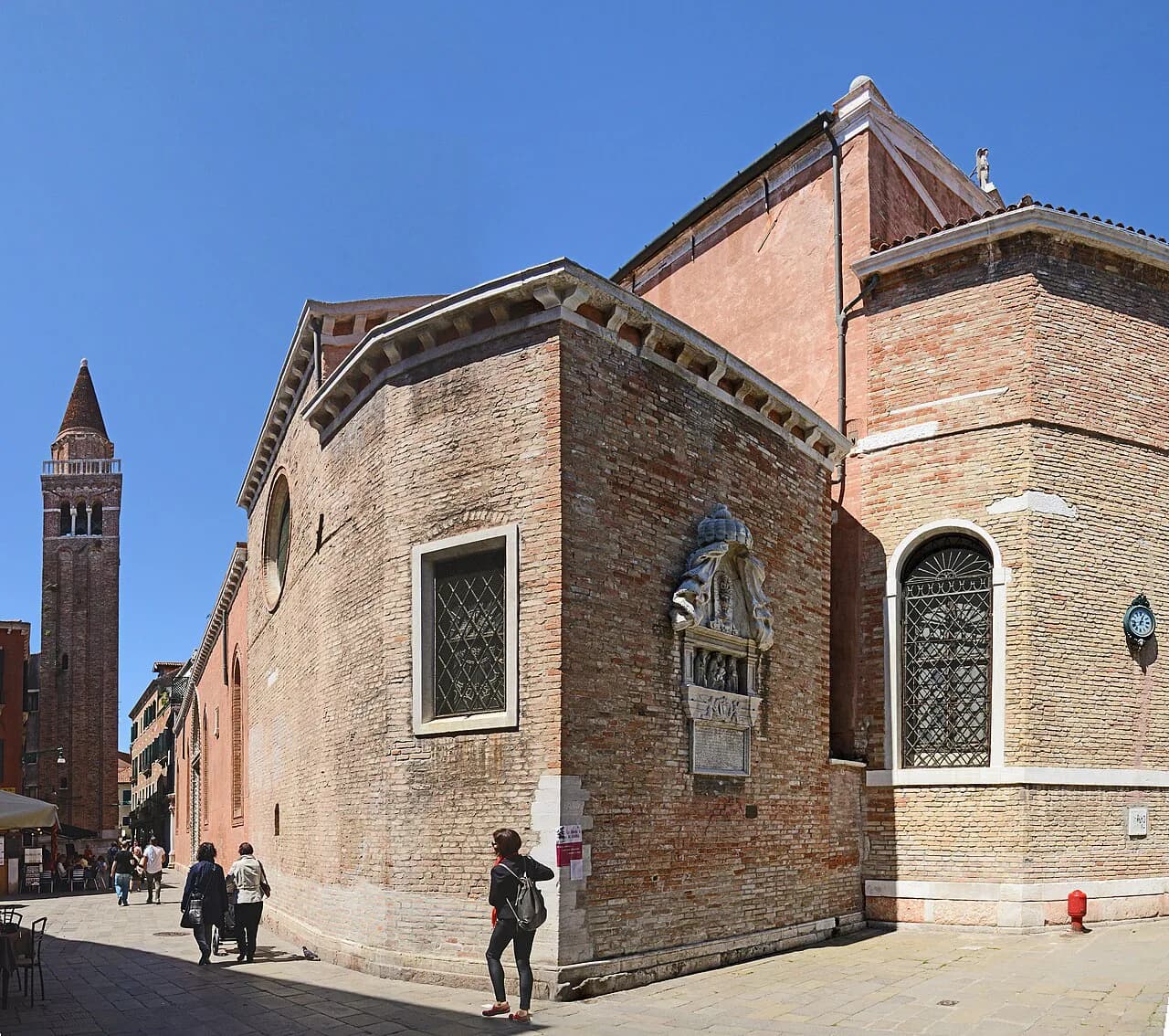
Begin at Piazza Duomo, described by guide.en-vols as the beating heart of Ortigia, ringed by Baroque palaces including Palazzo Beneventano del Bosco and the Palazzo del Senato, now the city hall. The cathedral is the centrepiece. As ItalyGuides explains, the site held a great temple to Athena before the Byzantines converted it into a church, and the Doric columns of that temple remain visible inside the left nave.
That layered history is the reason to slow down here rather than photograph and move on. According to guide.en-vols, the Baroque facade you see dates from 1713, after the 1693 earthquake, while the older Greek structure survives inside, so one building compresses many centuries. The piazza itself is free to walk through; whether the cathedral interior is open when you arrive is something to check at the door.
Ortigia Edge Stops: Fonte Aretusa and the Lungomare
From the piazza, drift toward the water. Fonte Aretusa, the spring near the island's edge, appears on several local itineraries as a short stop, and the tuk-tuk tour allots it around ten minutes, a fair hint at its scale. The nearby lungomare gives you a long sea-facing walk where the city opens out.
Continue toward the southern tip of Ortigia for the exterior of Castello Maniace. A local hotel blog dates the fortress to 1232 under Frederick II and describes its role defending the port, with limestone walls and four cylindrical corner towers that read clearly from outside whether or not the interior is open. For the neighbourhood context around these stops, our Ortigia Neighbourhood Guide covers the island's layout and character.
Optional Castle Detour: What Maniace Is and Why to Confirm Access
Castello Maniace is worth the walk to the tip of the island mainly for its position: the fortress sits on the point of Ortigia, and the approach along the waterfront is part of the experience. The same hotel blog describes the entrance portal with its ogival arches and carved friezes as one of the castle's most recognisable features. Further visitor details appear in Maniace Castle in Syracuse: Discover the Majestic Bastion on the Sea.
Whether you can go inside is a separate question from whether you can reach it. Because hours and prices published by third parties may be stale, plan the detour as an exterior visit first and add the interior only if you confirm current access through an official channel. If a stop is closed when you arrive, you have lost little, since the views from outside are free.
Crossing to the Mainland: Getting Your Bearings Between Ortigia and Neapolis
When you leave Ortigia, head for the mainland and the Neapolis archaeological zone. Public transit operators publish their own routes, stops and timetables, and the Comune di Siracusa site links to a local transport portal, so check current service there or in a mapping app on the day rather than relying on a fixed plan. Wear shoes you can walk in for a few hours.
Orientation matters more than speed here. Use the modern city between the island and the park as your transition: buy water, find shade, and confirm the park's entrance location before committing. The Comune also publishes tourism pages and local notices that can flag street or transport changes before you set out.
Neapolis Archaeological Park: Greek Theatre, Roman Amphitheatre and the Altar of Hieron II
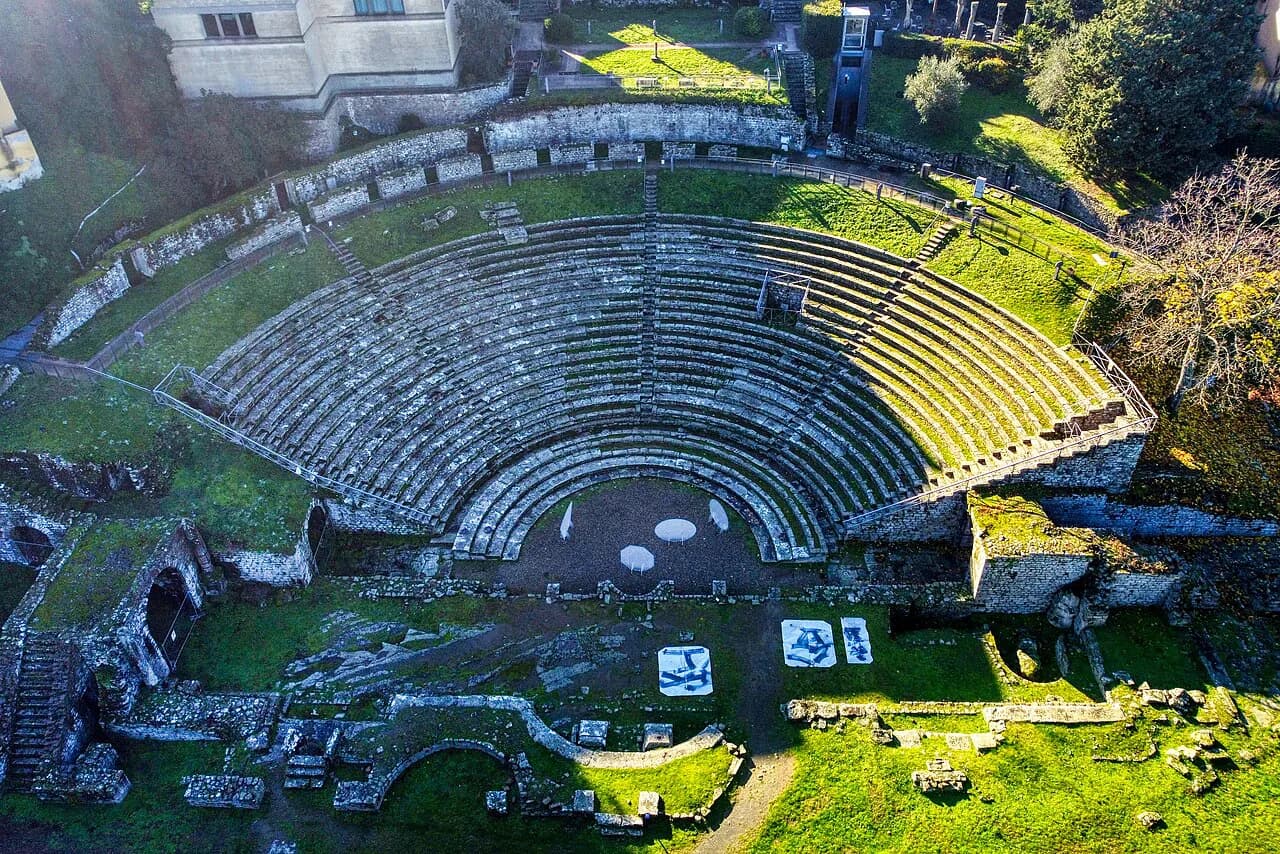
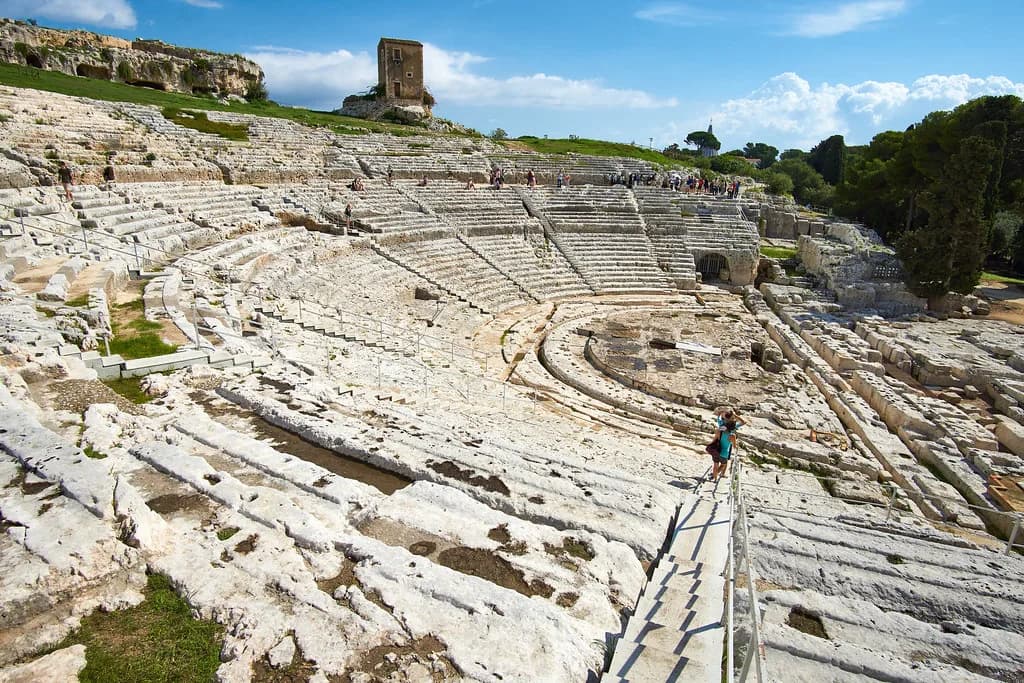
Inside the park, the Greek Theatre is the headline monument, carved into the hillside and once among the largest in Sicily. A detailed blog account of the park describes the theatre's scale, the Roman Amphitheatre near the entrance and the enormous Altar of Hieron II, built in 225 BC, of which only the base remains. These three set the rhythm of a visit.
The park is a paid site, so plan your time and your budget around one entrance ticket rather than expecting it to cover other city attractions. For the practical questions, our Neapolis Archaeological Park Visitor Guide collects the logistics; the tuk-tuk listing suggests roughly an hour inside, though a slower walker could easily spend longer.
The Ear of Dionysius: Legend, Acoustics and Caravaggio's Name
The Ear of Dionysius, a tall cave in the Latomia del Paradiso, is the park's most theatrical stop. One account puts it at almost 23 metres high, about 65 metres deep and 5 to 11 metres wide, with an S-shape that amplifies sound. The legend says the tyrant Dionysius I used the acoustics to eavesdrop on prisoners, a story that suits the setting.
The more likely origin of its unusual shape is a quarry cut that followed an aqueduct above, which is less romantic but better supported by the same account. The name itself is attributed to Caravaggio, who reportedly saw the ear-like silhouette in 1608. Walking through, listen for the echo, but treat the spy story as myth rather than fact.
The Paolo Orsi Museum as a Contingency
If rain sets in or the heat becomes punishing, the Museo Archeologico Regionale Paolo Orsi near the catacombs of San Giovanni is a sensible indoor alternative or addition. A Sicily museum listing places it in the Villa Landolina area and notes that it holds finds from prehistory through the Greek and Roman periods.
That listing gives hours and prices, but they come from a tourism site whose pages may not be current, so verify at the museum or an official source before relying on them. Treat the museum as a flexible card in your hand rather than a fixed stop: it is the kind of place that rewards being added when the plan unravels.
Suggested Pacing: A Half-Day Version and a Slower Full Day
This is our suggestion, not an official itinerary. A half-day version concentrates on Ortigia's Piazza Duomo and seafront, then crosses directly to the Neapolis park for the Greek Theatre and the Ear of Dionysius, without a castle detour. Keep it loose to absorb verification stops and midday heat.
A slower full day allows Fonte Aretusa and the lungomare in the morning, a picnic or cafe lunch on Ortigia, an afternoon visit to the park and, if energy and access allow, a castle detour at the end. If you prefer a tighter plan, our Syracuse 1-day itinerary works as a companion for fitting Ortigia and the park into a single busy day.
Common Mistakes to Avoid
The most common error is assuming one ticket covers the cathedral, the castle and the park. The sources establish them as separate sites with separate access questions, so plan each one independently. Another is trusting third-party pricing and hours: check the operator or the Comune before you go.
Walking is also underestimated: Syracuse's sun is fierce, and a self-guided route has no guide to pace you. Carry water, start early and build in shade. Finally, resist adding stops for the sake of it; a shorter walk with time inside the park or the museum beats a hurried race between photos.
Plan Your Visit
Read this route as a structure for your own day: Piazza Duomo, the seafront, a walk to the mainland, and the Neapolis park, with the castle and the Paolo Orsi museum as optional extras. Check tickets and hours on official sites shortly before you go, then let the weather and your energy shape the rest.
If you want to dig deeper into the island's corners, our hidden gems guide adds quieter details. If the ruins are your priority, the Neapolis Archaeological Park Guide explains the park itself. Either way, walking Syracuse on foot rewards slowing down.
Frequently Asked Questions
Can you walk from Ortigia to the Neapolis Archaeological Park?
Yes, the two districts sit on the same city map and many visitors walk between them. Treat the crossing as an urban walk of your own choosing: check a mapping app on the day, and confirm any public transport options through the local operator linked from the Comune di Siracusa site before relying on them.
How long does a self-guided Syracuse walk take?
That depends on how much you stop. A half-day version covering Piazza Duomo, the seafront and the park is possible; a slower full day adds the castle detour and the archaeological museum. Treat any timing here as our suggestion rather than an official schedule, and allow extra time for checking access on the day.
Is the Ear of Dionysius inside the Neapolis park ticket?
The Ear of Dionysius sits inside the Neapolis Archaeological Park, a paid site, so it is normally covered by that entrance. Check the park operator's page to confirm current admission details before you go, and do not assume the same ticket covers other Syracuse sights, since no source establishes shared ticketing.
Do I need to book Castello Maniace in advance?
The available sources do not confirm booking requirements, and the hours and prices found come from a hotel blog rather than the fortress operator. Check an official source before making the detour, and plan it as an exterior visit if access is unclear.
What should I see in Ortigia before heading to Neapolis?
Start at Piazza Duomo and the cathedral, which incorporates the columns of an ancient temple to Athena, then walk to Fonte Aretusa and the seafront. The approach to Castello Maniace is worth it for the views, even if the interior is closed.
Is the Paolo Orsi museum worth adding to the walk?
It is a realistic option for rain or heat, with finds spanning prehistory to the Roman era. Hours and prices vary by source, so confirm them at the museum or an official site before relying on them.
Sources
- Comune di Siracusa
- Syracuse and Ortygia and Park Neapolis Tuk-Tuk Tour
- The Ear of Dionysus, in Syracuse: between legends and nature
- Maniace Castle in Syracuse: Discover the Majestic Bastion on the Sea
- Duomo Square - Syracuse (Siracusa), Sicily - Italy - ItalyGuides.it
- Piazza Duomo, a beauty by day or by night
- Syracuse ... The Archaeological Park
- Siracusa's Museums - Love Sicily
Continue exploring
More guides you'll find useful